
BSc – Biomedical Science
MSc – Data Science (Distinction)
MSc – Biotechnology (Distinction)
PhD – Bioinformatics & Precision Medicine (in view)
Cert – Precision Medicine & Cloud Computing (Stanford Medicine)
Cert – Artificial Intelligence (Microsoft)

Jun 12

Hi women, can you post pictures or talk about your academic achievements? I need some motivation this month.
If you see this tweet, share it so women can see it.
5
24
115
1,057

BRIC - National Institute of Biomedical Genomics retweeted

🇮🇳 स्वस्थ भारत: :
Department of Biotechnology #DBT Advancing Health Security through Innovation.
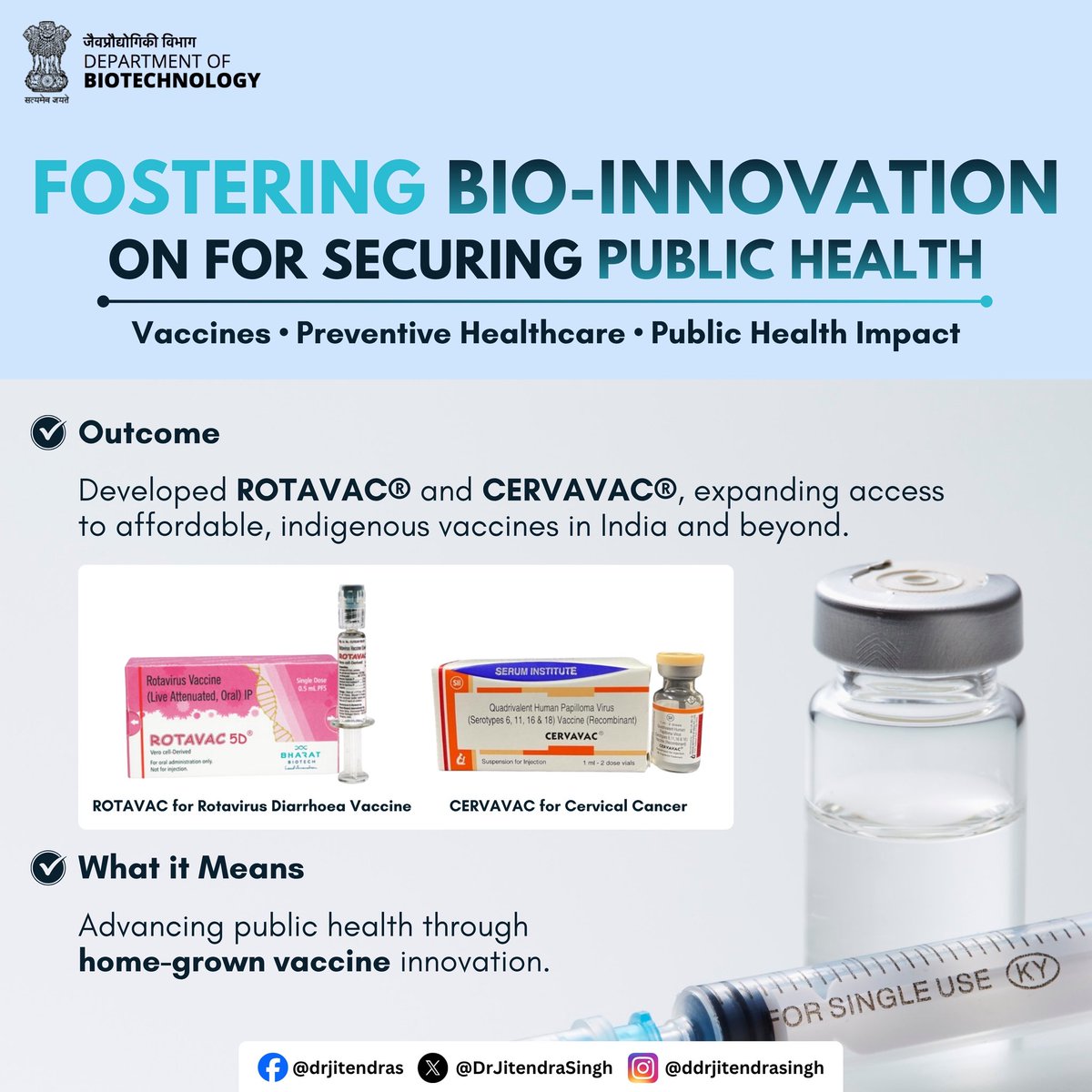
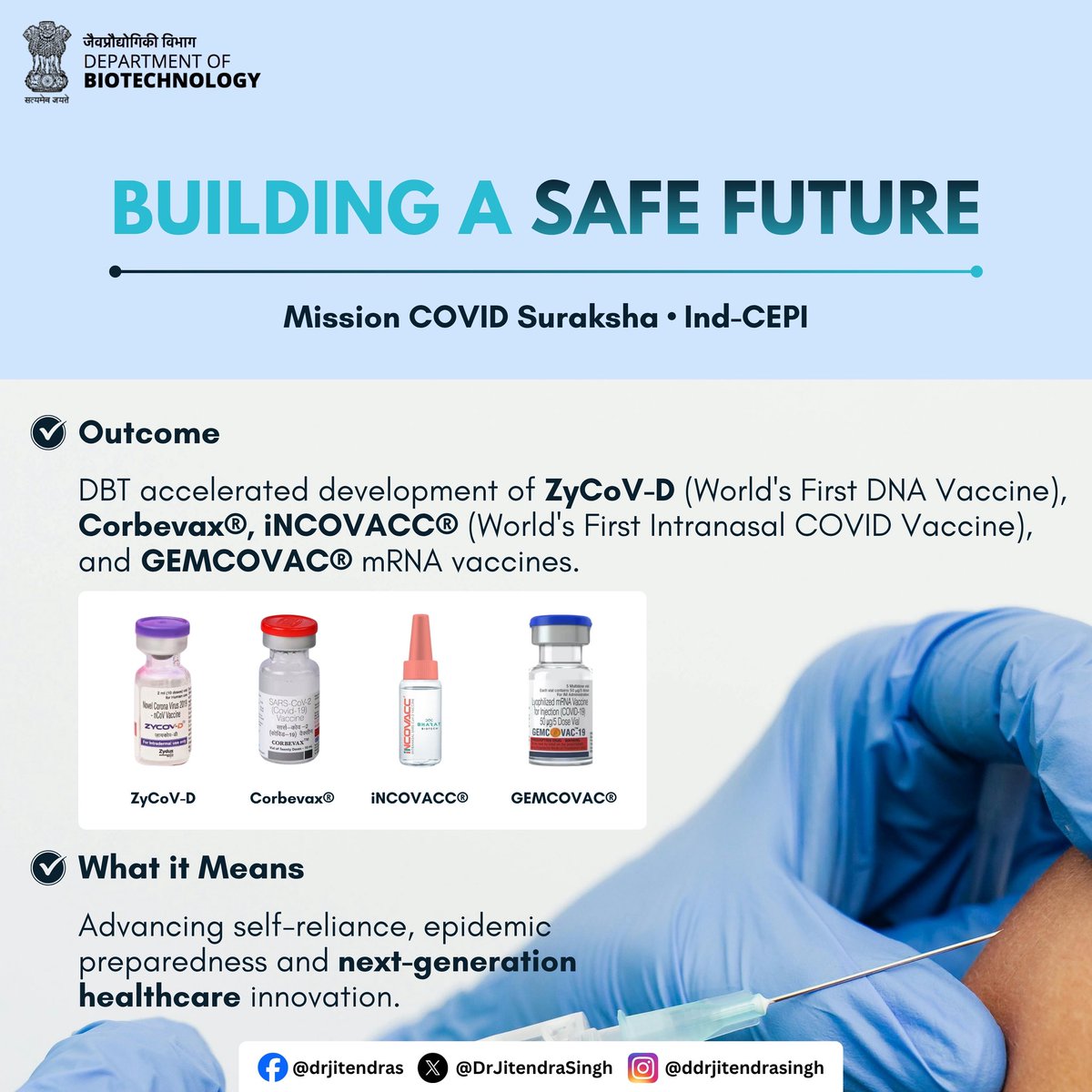
Having developed first ever DNA Vaccine for Covid followed by HPV Vaccine, India has emerged as a global leader in affordable healthcare innovation, powered by visionary leadership, scientific excellence, and indigenous research.
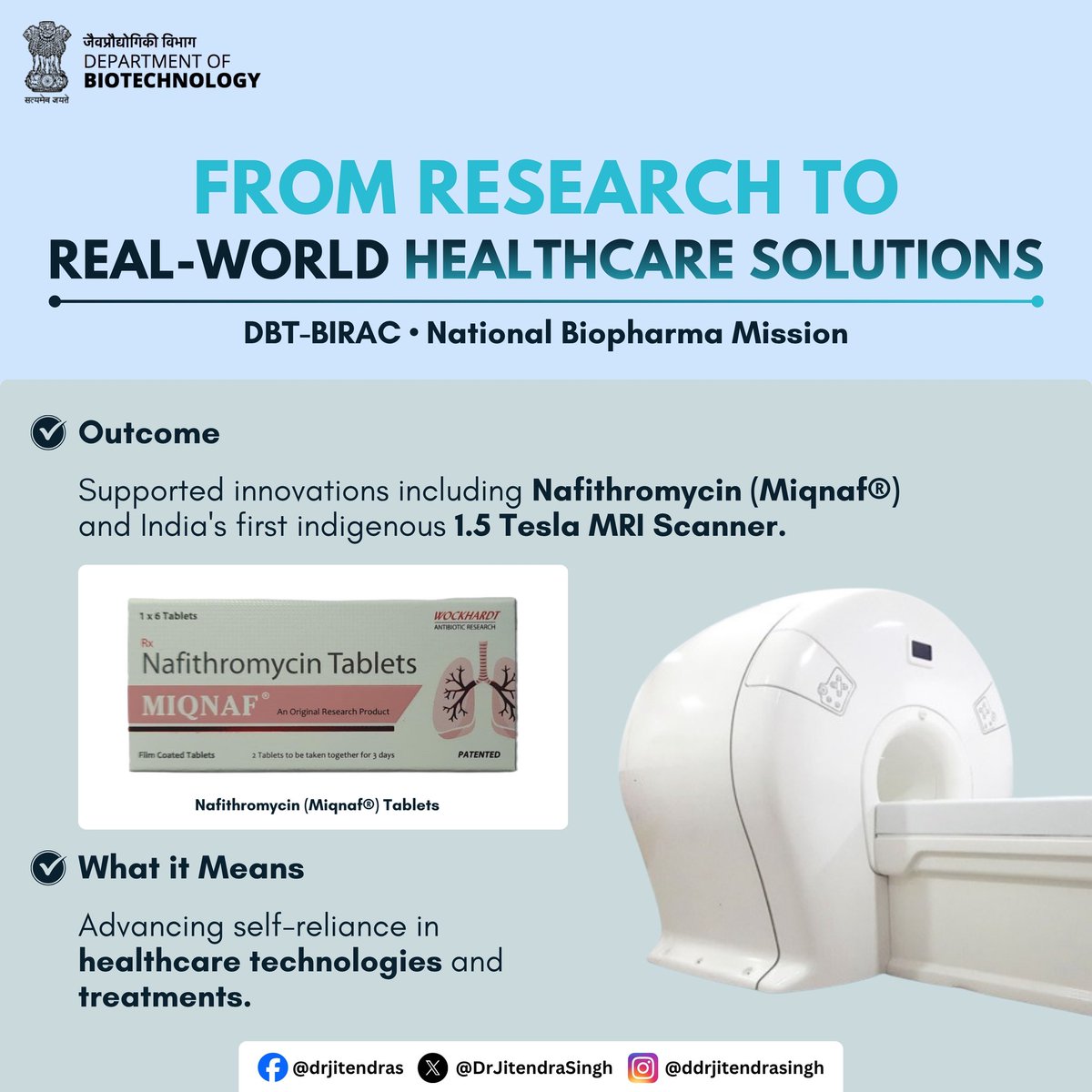
From ROTAVAC®️ and CERVAVAC®️ to breakthrough innovations such as Nafithromycin (Miqnaf®️), India's first indigenous 1.5 Tesla MRI Scanner, and next-generation COVID-19 vaccines, India's biotechnology ecosystem is strengthening health security and driving Atmanirbharta.
Advancing affordable healthcare, public health preparedness, and a healthier future for all.
#12YearsofSeva
6
13
209

Bayer CropScience Ltd Mar 2026
At its core, Bayer CropScience operates a classic razor-and-blade model, where the razor is premium, proprietary biotechnology and the blade is a chemical portfolio designed to protect it. The business divides its spoils across three primary buckets: Crop Protection (excluding Roundup), which commands 66% of the FY25 revenue mix; Corn Seeds, contributing 17%; and a miscellaneous collection of exports, traded seeds, and digital farming initiatives making up the remaining 17%.
Read full article on Eduinvesting
26

🎯 फोकस क्षेत्र:
AI
Space Technology
Semiconductors
Quantum Technology
Defence Tech
Biotechnology

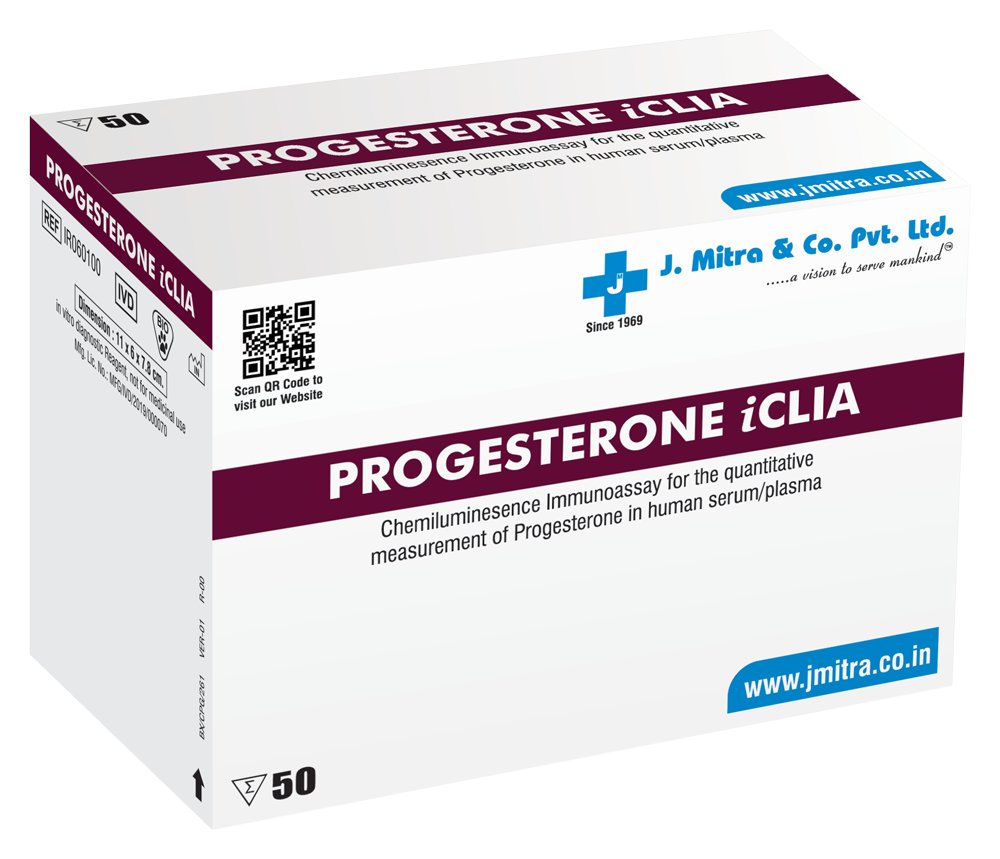
Progesterone iClia kit is intended for the in vitro quantitative measurement of progesterone in human serum/plasma, as an aid in the diagnosis of threatened abortion in conjunction with
Learn More...
zurl.co/PxTaX
#ProgesteroneiClia #Jmitra #Biotech #BioTechnology
6
roots2025 π retweeted

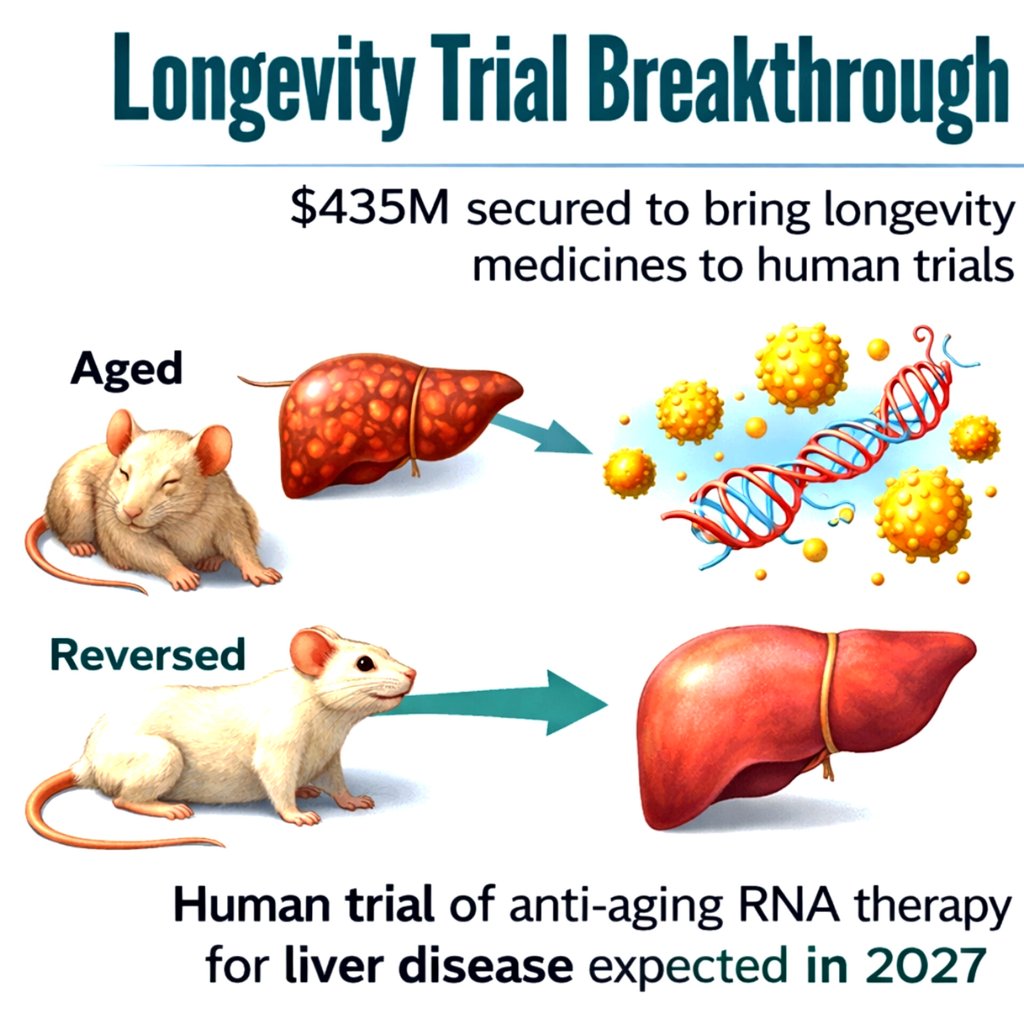
NewLimit plans to begin human trials for its cellular rejuvenation therapy in 2027.
> NewLimit, a longevity biotechnology company co-founded by Brian Armstrong, has raised $435 million at a $3.1 billion valuation to advance one of the world’s most ambitious cellular rejuvenation programs into clinical testing.
> The company uses partial epigenetic reprogramming, a method designed to restore youthful gene activity inside aging cells without changing the cell’s identity.
> Their therapy uses mRNA encoding rejuvenating transcription factors delivered through lipid nanoparticles (LNPs), the same core delivery technology used in Moderna and BioNTech COVID-19 vaccines.
> In preclinical studies, a single dose improved survival in alcohol-induced liver damage mouse models across multiple months of repeated alcohol exposure cycles.
> Researchers observed that untreated old mice became heavily sedated after alcohol exposure, while treated old mice behaved more like young mice and remained active and resilient.
> According to NewLimit, the mechanism is not about metabolizing alcohol faster, but about restoring the hepatocyte’s youthful resilience and regenerative capacity.
> The therapy both prevented new liver damage and helped regenerate existing liver injury in aged animals.
Company’s first clinical target is age-related liver disease, but the same cellular reprogramming platform could eventually be expanded to immune aging, cardiovascular disease and other age-related disorders.
Jun 3

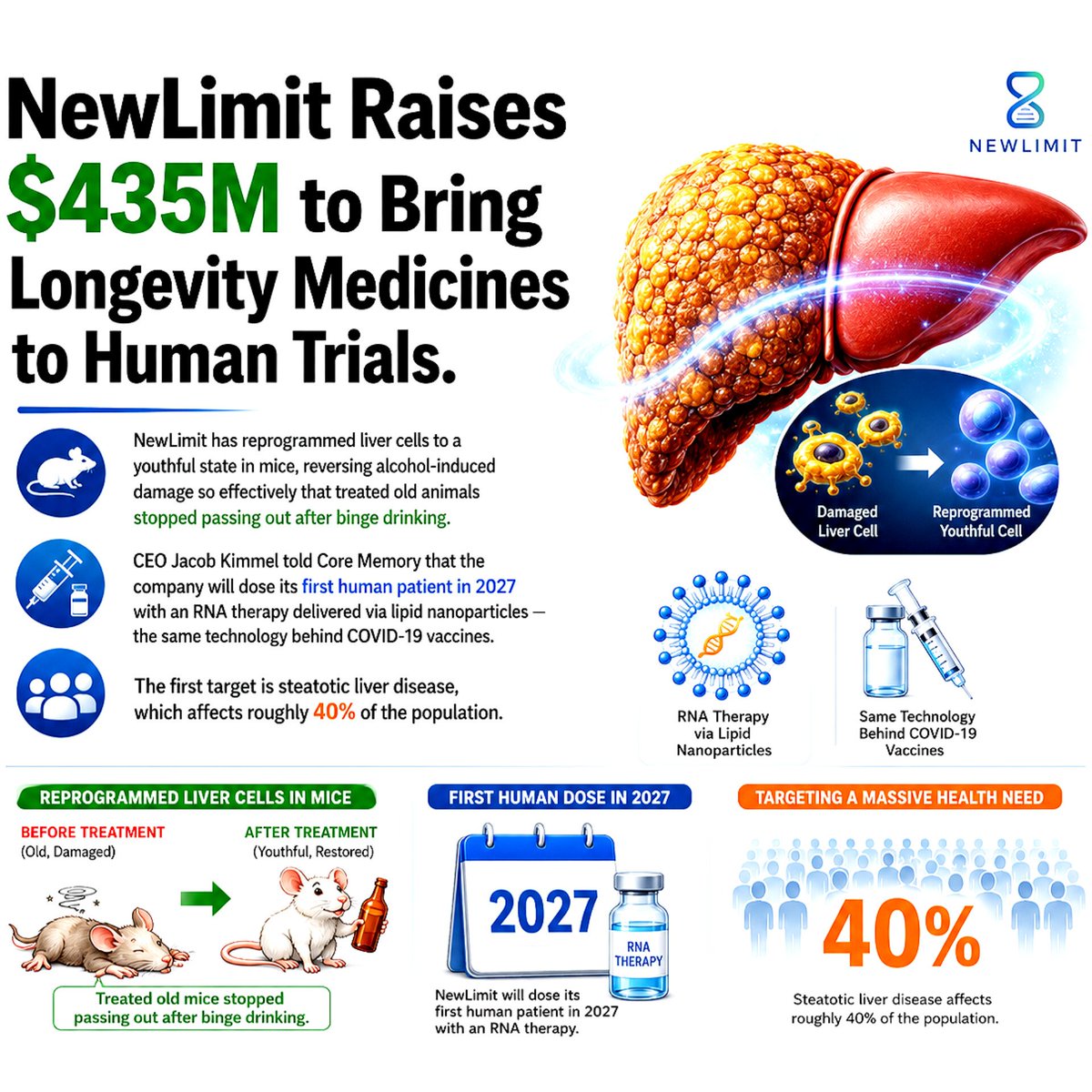
NewLimit plans to begin human trials for its cellular rejuvenation therapy in 2027.
> NewLimit, a longevity biotechnology company co-founded by Brian Armstrong, has raised $435 million at a $3.1 billion valuation to advance one of the world’s most ambitious cellular rejuvenation programs into clinical testing.
> The company uses partial epigenetic reprogramming, a method designed to restore youthful gene activity inside aging cells without changing the cell’s identity.
> Their therapy uses mRNA encoding rejuvenating transcription factors delivered through lipid nanoparticles (LNPs), the same core delivery technology used in Moderna and BioNTech COVID-19 vaccines.
> In preclinical studies, a single dose improved survival in alcohol-induced liver damage mouse models across multiple months of repeated alcohol exposure cycles.
> Researchers observed that untreated old mice became heavily sedated after alcohol exposure, while treated old mice behaved more like young mice and remained active and resilient.
> According to NewLimit, the mechanism is not about metabolizing alcohol faster, but about restoring the hepatocyte’s youthful resilience and regenerative capacity.
> The therapy both prevented new liver damage and helped regenerate existing liver injury in aged animals.
> The company’s first clinical target is age-related liver disease, but the same cellular reprogramming platform could eventually be expanded to immune aging, cardiovascular disease and other age-related disorders.
5
24
114
6,261
Mayank Swaroop retweeted

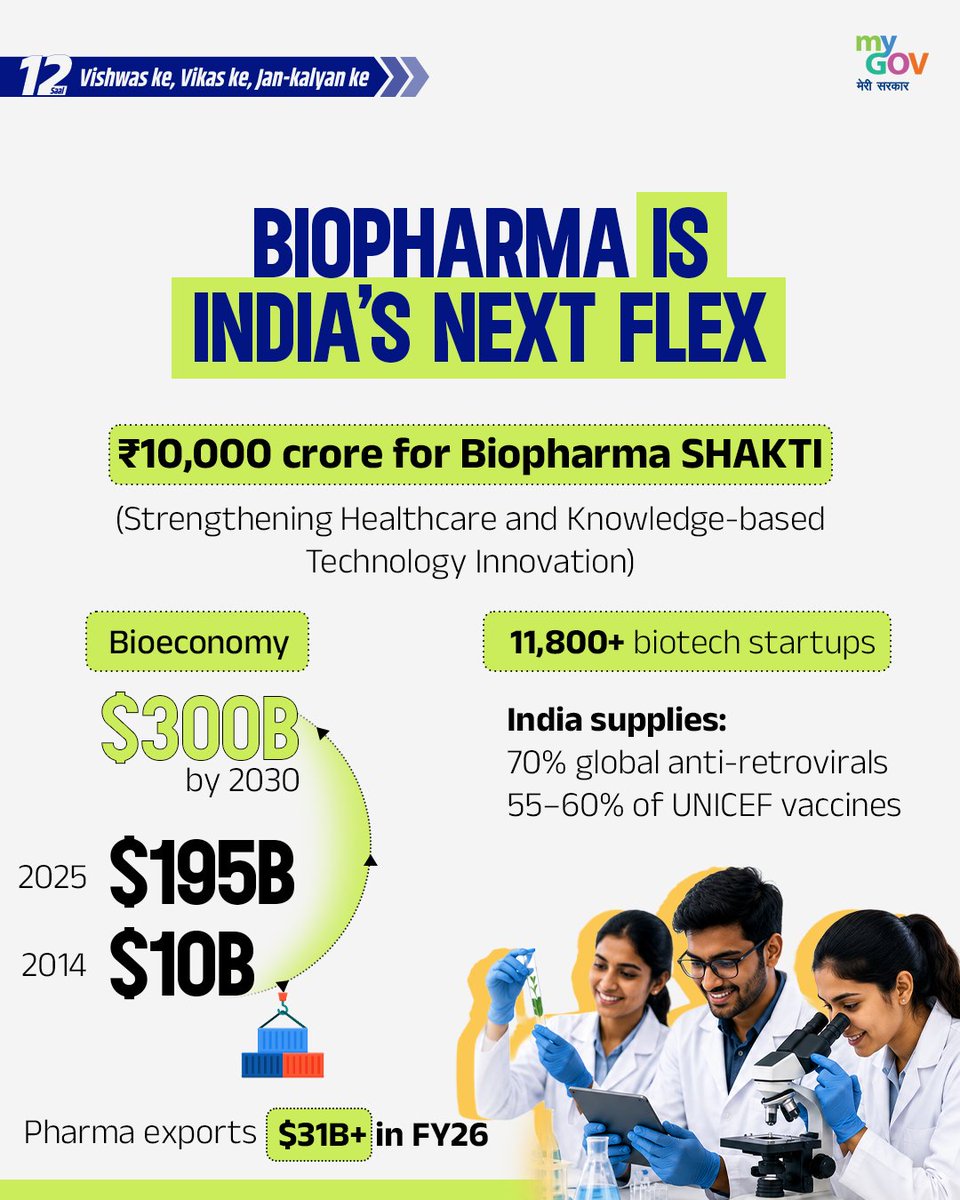
From being known as the “Pharmacy of the World,” India is now emerging as a global hub for biopharma and biotechnology innovation.
Backed by strategic investment through initiatives like ₹10,000 crore Biopharma SHAKTI, a thriving ecosystem of 11,800 biotech startups, and a strong global supply footprint, India is driving next-generation healthcare innovation with research, scale, and impact.
#12YearsOfSwasthBharat
1
4
5
163