
BSc – Biomedical Science
MSc – Data Science (Distinction)
MSc – Biotechnology (Distinction)
PhD – Bioinformatics & Precision Medicine (in view)
Cert – Precision Medicine & Cloud Computing (Stanford Medicine)
Cert – Artificial Intelligence (Microsoft)

Jun 12

Hi women, can you post pictures or talk about your academic achievements? I need some motivation this month.
If you see this tweet, share it so women can see it.
67
408
2,069
29,093

Dendritic cells indeed play a crucial role in the immune response by presenting antigens and activating T-cells. Their ability to cross-present is significant in targeting cancer cells. It's fascinating to see how biotechnology companies, like $NWBO, are harnessing this power for potential cancer therapies. Have you explored how other immune cell types or treatments might complement dendritic cell therapies? For a deeper dive into related biomedical questions, consider visiting Sci-Quest, a versatile platform for generating comprehensive biomedical reviews: sciqst.com. #Medicine #Immunotherapy
2
Assab and Massawa🇪🇷 retweeted

Jun 11
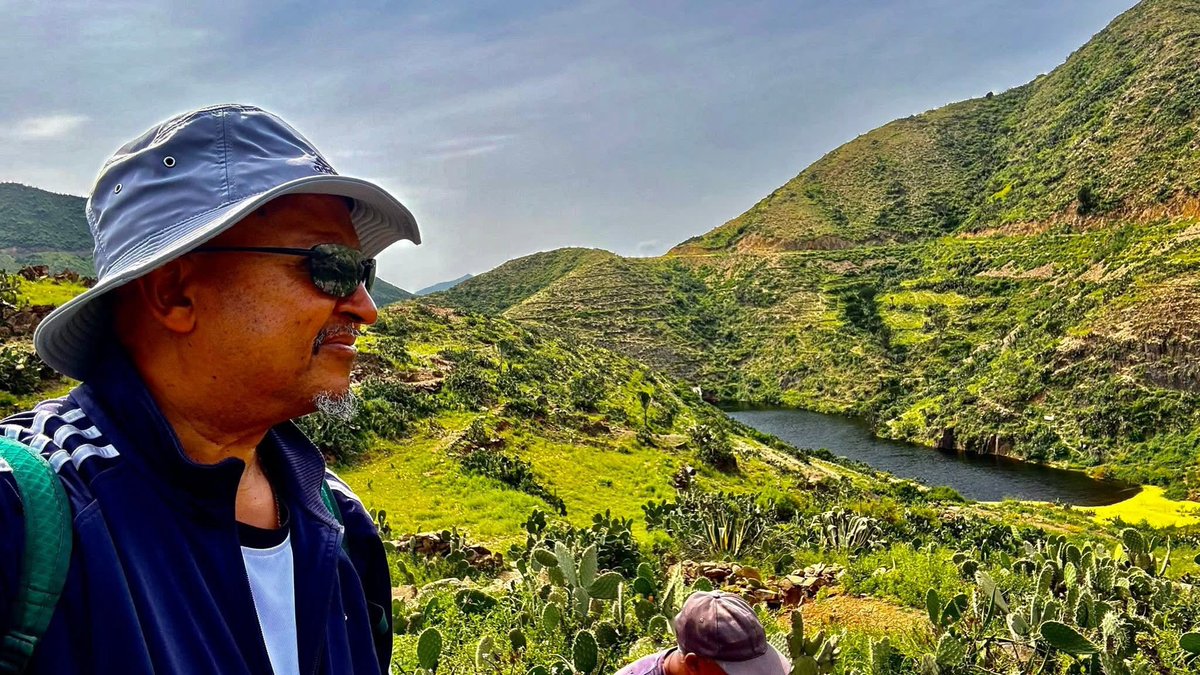
Bridging Global Biotechnology and Public Health in Eritrea: Dr. Menghis Bairu on Eritrea’s Path to Medical Self-Reliance
ERITREA ― Dr. Menghis Bairu is an Eritrean-American physician, philanthropist, Co-founder, President and CEO of a biotechnology company "Bio Usawa" with more than three decades of international executive experience in the life sciences industry.
Throughout his career, he has led major biotechnology initiatives and multi-billion-dollar business transactions while also maintaining a strong commitment to medical education and global health.
In this interview with @shabait journalist Sabrina Solomon, @DrMenghis presents a vision that extends beyond humanitarian medical missions toward building a sustainable, self-reliant healthcare system in #Eritrea.
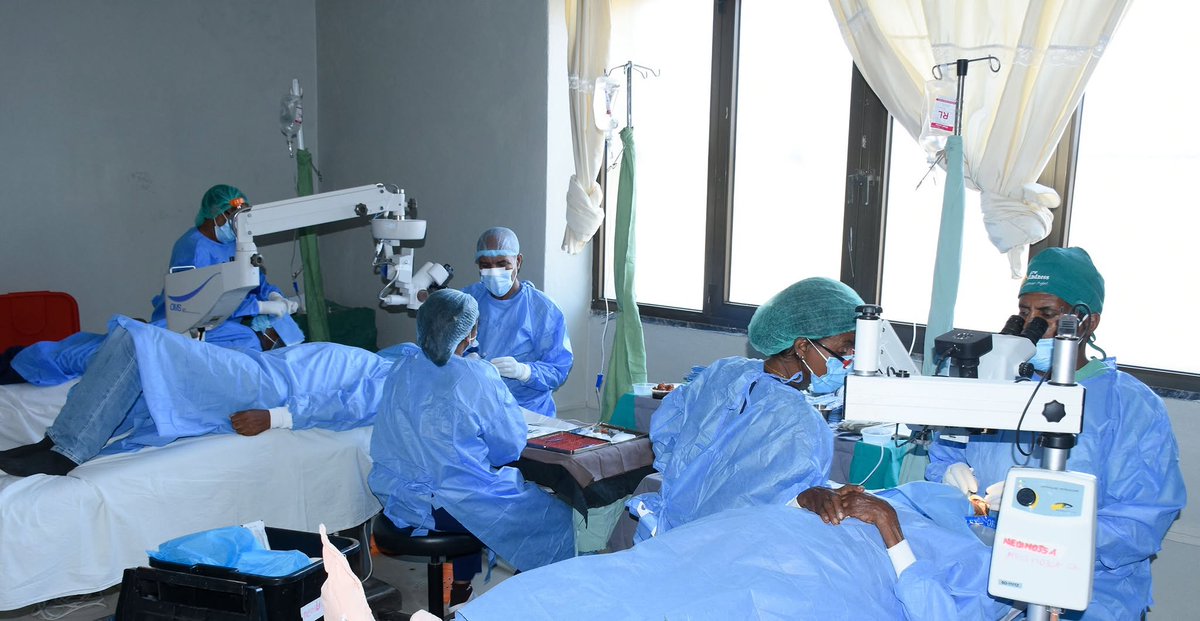
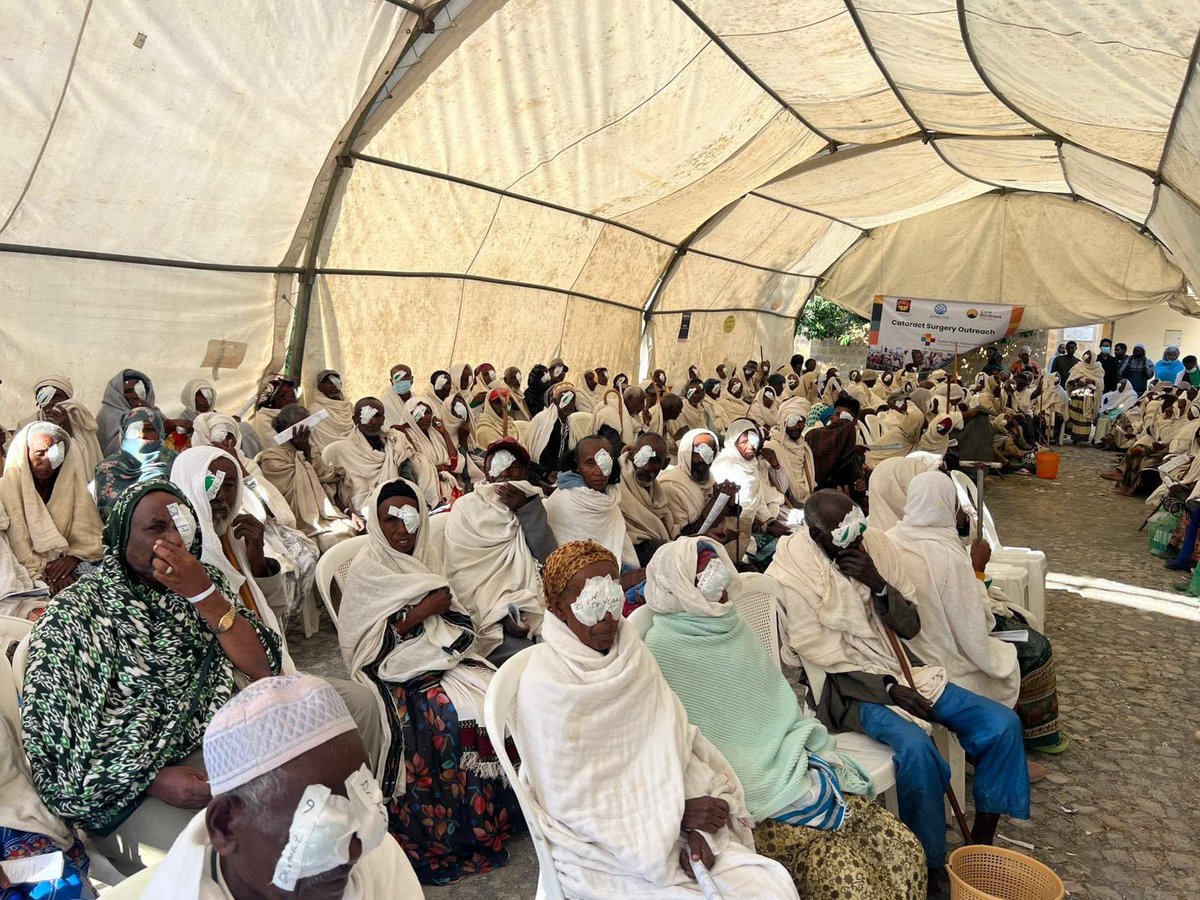
Through his work with the #CureBlindness Project, the Ministry of Health, and Orotta School of Medicine and Dentistry, he emphasizes training local specialists rather than relying on foreign expertise, ensuring that knowledge and technology remain within the country.
A central theme of his work is the establishment of the Berhan Ayni Ophthalmic Hospital as a regional Center of Excellence.
His long-term goal is to equip the hospital with world-class technology, develop highly trained Eritrean ophthalmologists through local residency programs, and create an internationally competitive eye care system capable of serving both Eritreans and patients from neighboring countries.
Dr. Menghis also highlights the importance of leveraging the expertise and global networks of the Eritrean diaspora. Through organizations such as the Eritrean-American Healthcare Association, he advocates structured collaboration between diaspora professionals and Eritrean institutions to strengthen medical education, transfer technology, and improve healthcare infrastructure.
Beyond restoring sight through cataract surgeries and corneal transplants, Dr. Menghis views #blindness reduction as a broader development strategy that directly addresses poverty and improves quality of life.
Looking ahead, he envisions Eritrea becoming a destination for reverse medical eye-care tourism, with the Berhan Ayni Ophthalmic Hospital serving as a premier regional hub staffed by homegrown specialists and supported by international partnerships.
Here is the full interview: shabait.com/2026/06/11/visio…
4
102
153
3,414

This is a comment on another post.
A remarkable breakthrough from Japan: researchers have reportedly developed a way to selectively remove the extra chromosome responsible for Down syndrome at the cellular level.
While this is still early-stage research and far from clinical treatment, it offers a glimpse into how gene editing may one day transform medicine.
Science advances one careful step at a time—but each step can change the future.
It seems like the video was made by an AI generator using Grok.
#Science #CRISPR #Genetics #MedicalResearch #Biotechnology #JapanInnovation #FutureMedicine
==PR==
📘 Survive Japan – Essential tips to help first-time visitors make the most of their trip to Japan.
Learn more: x.gd/Tqvd8

日本人の科学者が、ダウン症の原因となる余分な染色体の除去に成功
三重大学の橋詰良太郎博士のチームが開発したのは「アレル特異的編集」技術。
ダウン症の原因は「21番染色体が1本多い」こと。
その余分な染色体を、CRISPRで丸ごと削除することに成功。
3本ある染色体のうち、余分な1本だけをピンポイントで狙い撃ちする。健康な2本には触れない。
余分な染色体が消えた細胞は炎症や代謝に関わる過剰な遺伝子が静まり、脳の発達に関わる遺伝子が活性化し、細胞の分裂速度も正常化した。
ダウン症は700人に1人の割合で生まれる。これまでの治療は「症状の管理」だけだった。
原因そのものに手をつけたのは、これが世界で初めて。
“The video was generated using AI(Grok)”
17

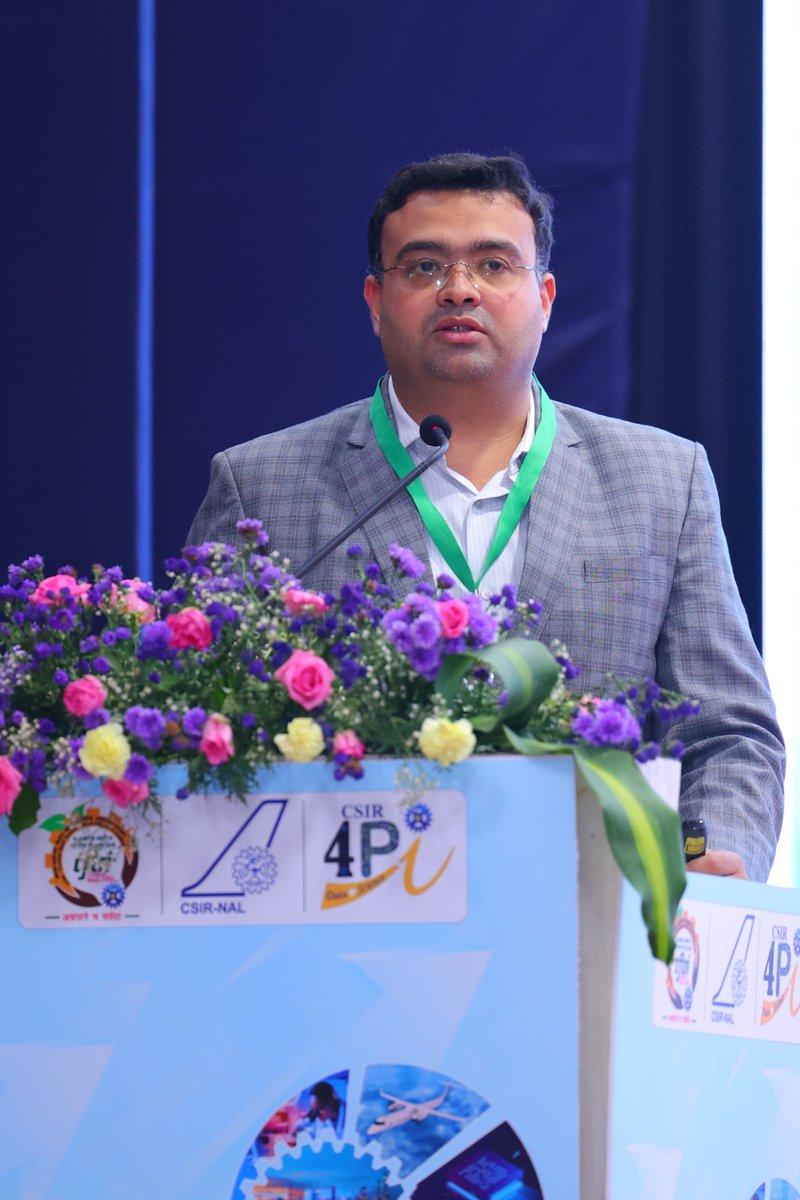
Mr. Mohamed Adil A.A., Managing Director, Bangalore Bioinnovation Centre (BBC), highlighted Karnataka's emergence as a leading biotechnology hub and the critical role of innovation-driven entrepreneurship in addressing societal needs and driving economic growth.
He emphasized that successful ventures are built on a strong foundation of research, innovation, and entrepreneurship, supported by access to advanced infrastructure, funding opportunities, regulatory guidance, and commercialization support. Showcasing the impact of biotechnology in the food sector, he cited the example of ID Fresh Food, whose fermentation-based idli and dosa batter innovations have scaled successfully across India, the Middle East, and Europe.
Mr. Adil also spoke about BBC's commitment to nurturing start-ups through skill development programmes, incubation support, funding opportunities, and initiatives such as the Beyond Bengaluru programme, which extends innovation support to emerging regions. He highlighted the Centre's focus on key sectors spanning soil, plant, animal, and human health, while fostering a robust ecosystem that helps transform ideas into scalable, market-ready solutions.
@DrJitendraSingh @CSIR_IND @CSIRNALOFFICIAL @CSIR_4PI @csircftri @IndiaDST @DBTIndia @BIRAC_2012 @isro @GVRayasam @moesgoi @Innovate_at_BBC
#RISEConclaveBengaluru #RISEConclave2026 #CSIRRISEConclave #ViksitBharat2047 #InnovationEcosystem #StartupIndia
1
18