

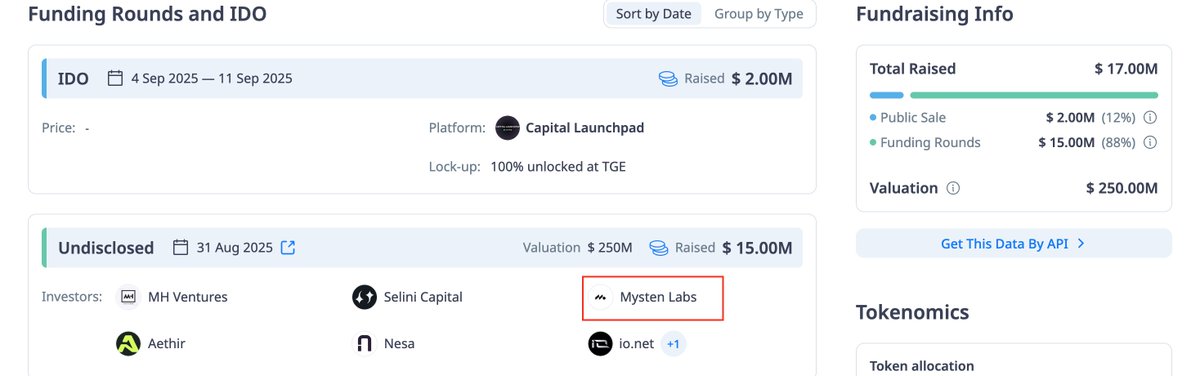
remember @Mysten_Labs (the team behind Sui)? they backed Everlyn at a $250m valuation
> $15m raised from vcs $2m on @KaitoAI launchpad.
they’re seeing something the rest of us are only starting to notice
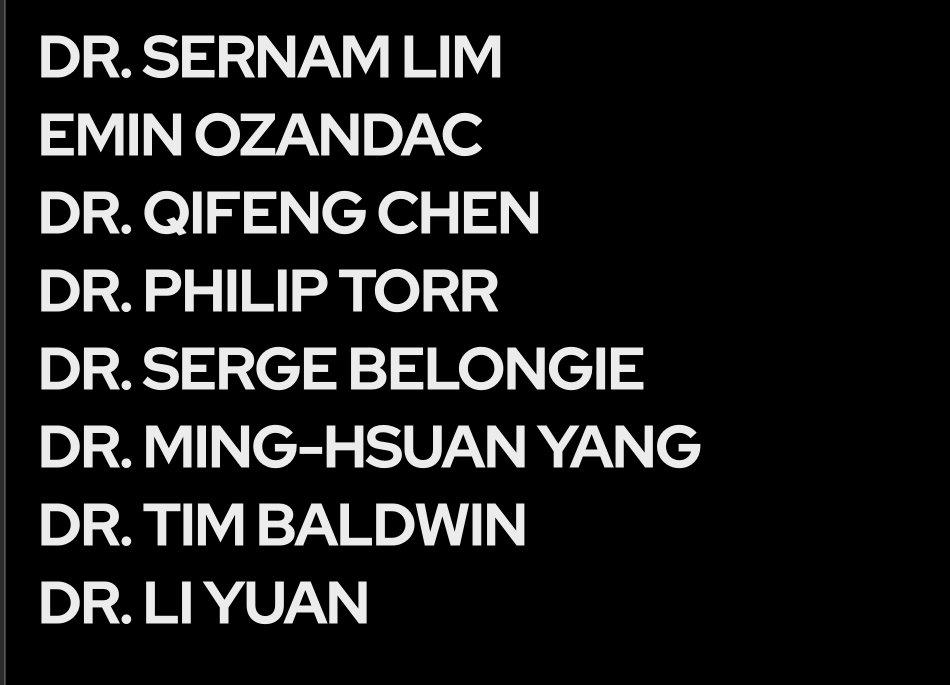
and honestly… just look at this team:
> Cofounder @everlyn_ai CY Harry Yang - AI Professor ex-FAIR (Meta) USC Distinguished Alumni Award
> Dr. Sernam Lim @sernamlim – ex-Facebook AI eng manager (6yrs), built Sora, Make-a-Video, Llama. 100 AI papers. ex-GE Research director. professor of AI.
> Emin Ozandac – CTO of TPC (Sequoia-backed, now $400m ), ex-lead at VMR (acquired by Juul for $75m). 15yrs engineering across ETH, Tron, BNB
> Dr. Qifeng Chen – Stanford PhD, founder of LINO token, creator of Blockcerts, cited 30 times by Meta in Movie Gen. MIT Innovators Under 35. 200 AI papers
> Dr. Philip Torr – Oxford professor, Royal Society Fellow (FRS), Turing AI World Leading Researcher. ex-Microsoft scientist. 100k citations
> Dr. Serge Belongie – Cornell professor, ex-Dean of Cornell Tech. co-founder of Anchovi Labs (acquired by Dropbox). 185k citations. MIT Innovators Award
> Dr. Ming-Hsuan Yang – creator of Google’s Video Poet (first autoregressive video AI). researcher at DeepMind. 135k citations. IEEE/ACM Fellow
> Dr. Tim Baldwin – Provost at MBZUAI (world’s first AI institute). President of ACL. 26k citations. professor of AI/NLP
> Dr. Li Yuan – creator of Open-Sora-Plan, Forbes 30 under 30, professor at Peking, visiting PhD at Harvard.
safe to say @Everlyn_ai isn’t a random ai startup… it’s a dream team of people who literally built the foundations of modern AI research
no wonder sui’s backers are betting big
29
4
49
17,202

(3/)
Let’s take a look at the next-generation video AI platform EVERLYN.
Management and Team: Key Figures and Capabilities
One of @Everlyn_ai’s greatest assets is its team, composed of world-class researchers and developers. The team members have published more than 400 AI research papers, with a total of over 500,000 citations, making them some of the most highly regarded talents in academia. They come from top global academic institutions such as Cornell, Oxford, Stanford, HKUST, MBZUAI, and Peking University, and have served as leaders at major big tech companies including Meta (Facebook), DeepMind, Microsoft, Google, and Tencent. In particular, team members have led major innovations such as Google’s Video Poet, Meta’s Make-a-Video, Tencent’s next-generation video models, Meta’s Seeing and Hearing benchmark, Peking University’s Open-Sora-Plan, and OpenAI’s Body of Her, proving their expertise as among the best in the industry. The following are EVERLYN’s key figures and their backgrounds:
▫️Dr. Sernam Lim
Co-founder and leader, a generative AI expert who served for 6 years as a video AI engineering manager at Facebook AI. At Meta, he led the development of the Make-a-Video model and the LLaMA language model, and has published more than 100 papers in related fields. He also served as Research Director and Computer Vision Lab leader at GE Research and currently holds a university professorship in AI.
▫️Emin Ozandac
Co-founder and Head of Technology, with experience in both Silicon Valley startups and blockchain. He previously served as CTO of TPC, a company backed by Sequoia Capital, helping to grow its valuation to $400 million. Before that, he was the technical lead at VMR, which was successfully acquired by Juul for $75 million. With over 15 years of engineering experience, he has also been active in the blockchain ecosystem for 6 years, including Ethereum, Tron, and BNB Chain, making him a decentralized technology expert.
▫️Dr. Qifeng Chen
Stanford PhD, AI professor, and blockchain technology pioneer. Since 2017, he has worked as a blockchain engineer and is the founder who designed the Lino token. He also developed Blockcerts, the world’s first blockchain-based certificate platform, in Hong Kong. In academia, he published the video-audio generative model “Seeing and Hearing,” which was cited more than 30 times in Meta’s latest video generation AI announcements. He has authored over 200 papers and is recognized as a young scholar (named to MIT’s Innovators Under 35 list).
▫️Dr. Philip Torr
Professor at the University of Oxford, a world authority in computer vision. He has been selected as a Turing AI World-Leading Researcher Fellow and elected as a Fellow of the Royal Society (FRS) in the UK. He was formerly a Principal Scientist at Microsoft Research and has more than 100,000 citations. He has also received international awards including the Marr Prize.
▫️Dr. Serge Belongie
Professor at Cornell University and former Dean of Cornell Tech, a pioneer in deep learning for vision. He has over 180,000 citations and co-founded a startup that was acquired by Dropbox. He has received the Helmholtz Prize at ICCV, the NSF CAREER Award, and was named to MIT’s Innovators Under 35 list in recognition of his achievements.
▫️Dr. Ming-Hsuan Yang
Research scientist at Google DeepMind and a pioneer in video generation who led the development of Video Poet, the world’s first autoregressive video AI (Google AI). He has over 135,000 citations, co-authored a computer vision textbook, and has received multiple honors including IEEE and ACM Fellowships and the NSF CAREER Award.
▫️Dr. Tim Baldwin
Provost of MBZUAI, the world’s first AI university, and a distinguished scholar in natural language processing. He is a Laureate Professor at the University of Melbourne, former president of the ACL Association, and has over 26,000 citations.
▫️Dr. Li Yuan
Professor at Peking University, a young researcher who led the Open-Sora-Plan, an open-source video AI project developed at Facebook. He was named to the Forbes 30 Under 30 list and previously pursued doctoral studies at Harvard University.
Thus, the EVERLYN team consists of individuals with top-level expertise in both academia and industry, and this talent pool is the very source of its competitiveness. At its founding in June 2024, the team had 10 members, and within just a few months, the number doubled to over 20 with the addition of world-renowned researchers. By the end of 2024, they had submitted 7 state-of-the-art video AI papers to international conferences, demonstrating rapid research and development progress.

(3/ )
차세대 영상 AI 플랫폼 EVERLYN에 대해 알아보자
경영진 및 팀: 핵심 인물과 역량
@Everlyn_ai 의 가장 큰 자산 중 하나는 세계 최고 수준의 연구진과 개발자들로 구성된 팀입니다. 현재 팀 구성원들이 발표한 AI 연구 논문만 해도 400편 이상, 총 50만 회 이상의 인용을 기록할 정도로 학계에서 손꼽히는 인재들입니다. 이들은 Cornell, Oxford, Stanford, 홍콩과기대, MBZUAI, 베이징대 등 글로벌 최상위 학계 출신이자, Meta(페이스북), DeepMind, Microsoft, Google, Tencent 등 빅테크 기업의 리더를 역임한 인물들로 이루어져 있습니다. 특히 팀원들은 Google의 Video Poet, Meta의 Make-a-Video, Tencent의 차세대 영상 모델, Meta의 Seeing and Hearing 벤치마크, Peking대의 Open-Sora-Plan, OpenAI의 Body of Her 등 주요 혁신들을 주도한 경력을 보유하고 있어, 업계에서 손꼽히는 전문성을 입증했습니다. 다음은 EVERLYN의 핵심 인물들과 그 배경입니다.
▫️Dr. Sernam Lim
공동 창업자 겸 리더로, 페이스북 AI에서 6년간 영상 AI 엔지니어링 매니저를 지낸 생성 AI 전문가입니다. Meta에서 Make-a-Video 영상 생성 모델과 LLaMA 언어 모델(라마)의 개발을 주도했으며, 관련 분야 논문을 100편 이상 발표한 경력이 있습니다. GE 리서치에서 연구 Director와 컴퓨터비전 랩 리더를 역임했고 현재 대학에서 AI 교수직을 맡고 있습니다.
▫️Emin Ozandac
공동 창업자 겸 기술 담당자로, 시리콘밸리 스타트업 경험과 블록체인 경력을 모두 갖춘 인물입니다. 이전에 Sequoia Capital의 투자를 받은 TPC사의 CTO로 재직하며 기업가치를 $4억까지 성장시켰고, 그 전에는 VMR사의 기술 리드를 맡아 회사를 Juul에 $7천5백만에 성공적으로 매각한 이력이 있습니다. 15년 이상의 엔지니어 경력을 보유했고 Ethereum, Tron, BNB 체인 등 블록체인 생태계에도 6년간 몸담은 분산형 기술 전문가입니다.
▫️Dr. Qifeng Chen(천치펑)
스탠퍼드 박사출신 AI 교수이자 블록체인 기술 선구자입니다. 2017년부터 블록체인 엔지니어로 활동하며 Lino 토큰을 설계한 창립자이고, 세계 최초의 블록체인 인증서 플랫폼인 Blockcerts를 홍콩에서 개발했습니다. 학계에서는 영상-오디오 생성 모델인 'Seeing and Hearing'을 발표하여 메타(Meta)의 최신 영상생성 AI 발표에서 30회 이상 인용될 정도로 영향력을 인정받았으며, 200편 이상의 논문을 낸 젊은 석학입니다(MIT 선정 35세 이하 혁신가 명단 포함).
▫️Dr. Philip Torr
옥스퍼드대학교 교수로, 컴퓨터 비전 분야 세계적 권위자입니다. AI 분야 최고 영예 중 하나인 튜링 AI 월드 리딩 연구자 펠로우에 선정되었고, 영국 왕립학회 FRS 펠로우로도 선출된 바 있습니다. Microsoft 연구소 수석과 100,000회 이상의 논문 피인용 기록을 가진 기초과학자이며, Marr Prize 등 국제 상을 수상한 경력이 있습니다.
▫️Dr. Serge Belongie
코넬대학교 교수 및 전 Cornell Tech 학장으로, 딥러닝 비전 분야의 선구자입니다. 논문 인용 수가 18만 회가 넘으며, 과거에 Dropbox에 인수된 스타트업을 공동창업한 연구자 겸 기업가입니다. 컴퓨터비전 최고 권위 학회인 ICCV에서 Helmholtz Prize를, NSF에서 CAREER상을 수상했고, MIT 혁신가 35인에 선정될 만큼 업적을 인정받았습니다.
▫️Dr. Ming-Hsuan Yang(양명훼)
구글 딥마인드 연구과학자로 재직 중이며, 세계 최초의 자가회귀 영상 AI인 Video Poet(구글 AI) 개발을 주도한 영상 생성 분야의 개척자입니다. 논문 인용 135,000회 이상을 기록했고, 컴퓨터비전 교과서 공동저자로 활동했으며, IEEE 및 ACM 펠로우, NSF 커리어상 등 다수의 수상이력을 갖고 있습니다.
▫️Dr. Tim Baldwin
세계 최초 AI대학인 MBZUAI의 Provost(학장)로 임명된 자연어 처리 분야 석학입니다. 호주 멜버른대 Laureate 교수이자 ACL 협회장을 역임했고, 논문 인용 26,000회 이상을 보유한 NLP 권위자입니다.
▫️Dr. Li Yuan(리위엔)
베이징대 교수로, 페이스북에서 개발된 오픈소스 영상 AI Sora 프로젝트(Open-Sora-Plan)를 주도한 젊은 연구자입니다. 포브스 선정 30세 이하 30인(Forbes 30 Under 30)에 이름을 올렸으며, 하버드대에서 박사과정을 수행한 이력이 있습니다.
이처럼 EVERLYN 팀은 학계와 산업계에서 최고 수준의 전문성을 갖춘 인물들로 이루어져 있으며, 이러한 인력 풀이 곧 경쟁력의 원천입니다. 팀 결성 초기인 2024년 6월에 10명이던 인원이 불과 몇 달 만에 세계 유수 연구자들의 합류로 20명 이상으로 배가되었고, 2024년 말까지 7편의 최첨단 영상 AI 논문을 국제 학회에 제출하는 등 빠른 연구 개발 성과를 보여주고 있습니다.

1
4
123

2 Sep 2025
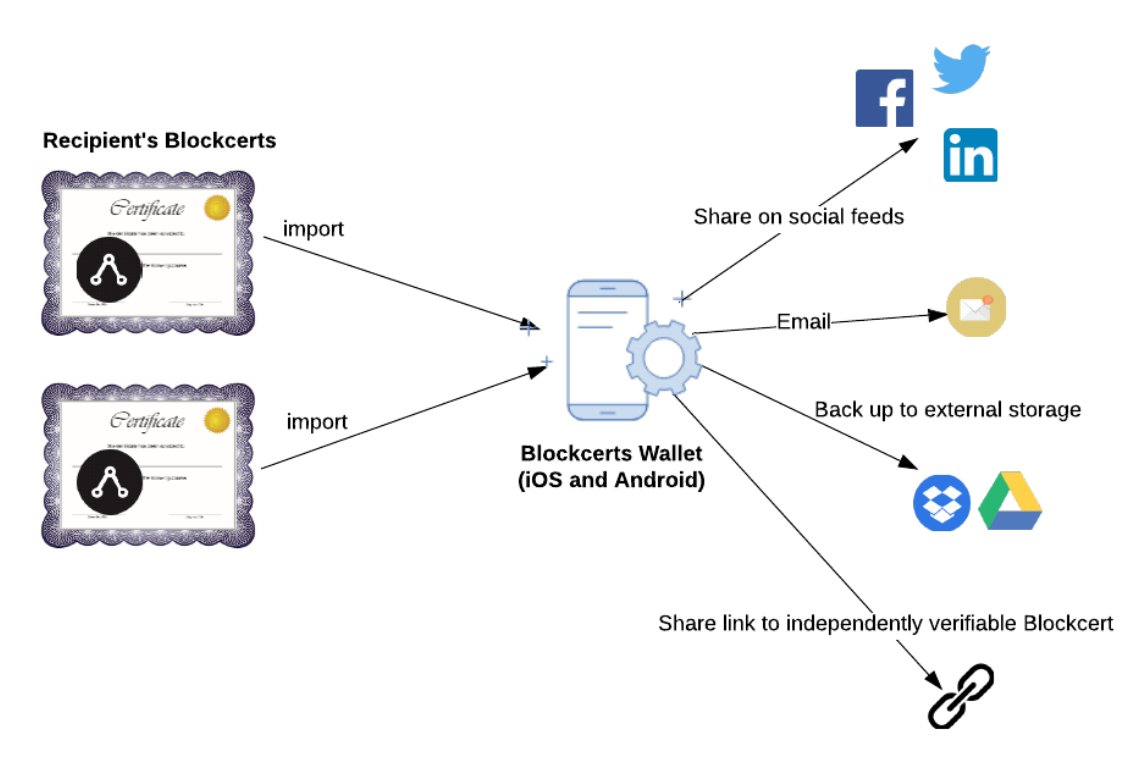
#Blockchain permite a los estudiantes obtener certificaciones digitales seguras mejorando el reconocimiento de sus logros y apoyando un modelo educativo flexible adaptado a sus necesidades. El MIT creó Blockcerts un estándar abierto que usa blockchain para verificar diplomas.
3
46

7 Jul 2025
TOEICってBlockcertsのデジタルバッジ発行してたよな。ちゃんと失効の対応できてんのかな。
7 Jul 2025

【速報】TOEIC、800人不正受験か
47news.jp/12826366.html?utm_…
2
326

13 Jun 2025
Revolutionizing Education Credentials with Humanity Protocol
The current system for diplomas and degrees are somehow broken; slow, insecure, and easy to fake. A 2023 research study found out that about 5% - 10% of U.S. credentials are falsified yearly with many employers struggling to verify. But with Humanity Protocol, don't you think there's time for a change?
With Humanity Protocol’s solution, verifiable digital badges are tied to your Proof of Humanity ID. Thanks to one of their partnerships with Open Campus, over 1 million records are now secured on blockchain by 2025. Fast, fraud proof, and student owned. No fakes!!
Also with digital wallets, you can control your credentials; no more chasing transcripts or waiting weeks. MIT’s Blockcerts shows verification in seconds. Privacy intact, records immutable. This is education reimagined for me, you and our future kids!!!
Imagine showing your CGPA with one click, no full transcript needed. Employers verify instantly. A global shift to decentralized identity is here.
What do you think; Are you not ready to own your education with @Humanityprot coming to our rescue in creating a decentralized system of verifiable credentials with no stress, no issues?
12
2
13
199

11 Jun 2025
Blockchain-based digital credentials like Blockcerts ensure secure, verifiable diplomas. Decentralized identity systems empower individuals. Adoption and interoperability are challenges, but hybrids could bridge gaps. What’s your take?
@Humanityprot
2
1
1
254

11 Jun 2025
Explaining Education Datanet.
What is Education Datanet?
The Education Datanet is a decentralized network within @OpenledgerHQ ecosystem that aggregates and curates education-specific data to support the development of AI-driven tools, such as chatbots, virtual tutors, and learning analytics platforms.
It operates as a repository of high-quality datasets tailored to educational use cases, including
▫️Text (e.g., textbooks, lecture notes)
▫️Images (e.g., diagrams, infographics)
▫️Audio (e.g., recorded lectures)
▫️Video (e.g., instructional content)
▫️Structured data (e.g., student performance metrics).
These datasets are contributed by educators, students, institutions, and other stakeholders, and are verified and organized to ensure relevance and quality for AI model training.
Key features of the Education Datanet include:
💠Decentralized Data Collection:
Data is sourced from a global community of contributors, reducing reliance on centralized entities and ensuring diverse, representative datasets.
💠Proof of Attribution:
Using OpenLedger’s PoA, every data contribution is cryptographically tagged and recorded on an Ethereum Virtual Machine (EVM)-compatible Layer 2 blockchain, ensuring traceability and fair reward distribution.
💠Domain-Specific Curation:
The Datanet employs curation processes (e.g., enrichment, categorization, augmentation) to prepare education data for AI applications, ensuring it meets the needs of specialized models.
💠Payable AI Integration:
Contributors are compensated through smart contracts whenever their data is used in AI model training or inference, creating a sustainable economic model.
How the Education Datanet Works:
The education workflow can be broken down into the following steps:
➡️Data Contribution:
▫️ Contributors, such as teachers, universities, edtech companies, or students, upload educational data to the Education Datanet.
Examples include lesson plans, research papers, anonymized student performance data, or open educational resources (OER).
▫️ Each contribution is cryptographically signed to link it to the contributor’s identity (or pseudonymous identifier) and recorded on OpenLedger’s blockchain for immutability.
➡️ Data Curation and Verification:
▫️The Datanet employs community nodes and automated processes to verify, enrich, and categorize the data.
For instance, data might be tagged by subject (e.g., math, history), format (e.g., text, video), or educational level (e.g., K-12, higher education).
▫️Quality control ensures that the data is accurate, relevant, and compliant with privacy regulations (e.g., GDPR, FERPA for student data).
➡️ AI Model Training:
▫️Developers access the Education Datanet’s curated datasets to train specialized language models (SLMs) for educational applications, such as personalized learning platforms or AI tutors.
▫️OpenLedger’s PoA tracks the influence of each dataset on the model’s performance, using techniques like influence mapping or retrieval-augmented generation (RAG) attribution
➡️ Inference and Reward Distribution:
▫️When an AI model powered by the Education Datanet is used (e.g., a student interacts with a virtual tutor), the system logs the data sources contributing to the output.
▫️Smart contracts automatically distribute micropayments or tokens to contributors based on their data’s impact, ensuring fair compensation.
Applications of the Education Datanet:
The Education Datanet has significant potential to transform the education sector by enabling transparent, decentralized, and incentivized AI solutions.
Below are real-life applications, supported by OpenLedger’s capabilities and broader trends in blockchain and AI for education:
➡️ Personalized Learning Platforms:
▫️Application:
The Education Datanet can provide curated datasets (e.g., student performance metrics, learning preferences) to train SLMs for personalized learning experiences. For example, an AI tutor could adapt lessons to a student’s pace and style, improving engagement and outcomes.
▫️Real-Life Example:
A K-12 school district uses an SLM trained on the Education Datanet to create a chatbot that delivers tailored math exercises. Teachers who contributed lesson plans and anonymized student data receive tokens when the chatbot is used, incentivizing further contributions.
▫️Impact:
Enhances student outcomes by addressing individual needs, reduces teacher workload, and fosters a collaborative data-sharing ecosystem.
➡️ Credential Verification and Digital Diplomas
▫️Application:
The Education Datanet can store and verify educational credentials (e.g., diplomas, certificates) as blockchain records, reducing fraud and streamlining verification for employers. PoA ensures that institutions contributing credential data are credited.
▫️Real-Life Example:
A university uploads graduate certificate data to the Education Datanet. When a student applies for a job, the employer verifies the credential instantly via OpenLedger’s blockchain. The university earns tokens for each verification, creating a revenue stream
▫️Impact:
Minimizes diploma fraud, saves time for institutions and employers, and builds trust in digital credentials. MIT’s Blockcerts pilot (2017) demonstrates a similar concept, issuing digital diplomas on a blockchain
➡️ Open Educational Resources (OER) Marketplace
▫️Application:
The Education Datanet can serve as a decentralized marketplace for OER, such as textbooks, lecture videos, or quizzes. Contributors (e.g., educators, content creators) are rewarded when their resources are used in AI-driven tools or by other educators.
▫️Real-Life Example:
A high school teacher uploads a series of chemistry videos to the Education Datanet. An AI-powered edtech platform uses these videos to train a virtual lab assistant, and the teacher receives micropayments for each student interaction. Other teachers can also access the videos for classroom use, further rewarding the contributor.
▫️Impact:
Democratizes access to high-quality educational content, incentivizes resource creation, and supports global education equity
➡️ Learning Analytics for Equity and Intervention:
▫️Application:
The Education Datanet can aggregate anonymized student data (e.g., attendance, grades, digital engagement) to train SLMs for predictive analytics, identifying at-risk students or gaps in educational equity.
▫️Real-Life Example:
A community college partners with OpenLedger to contribute anonymized student engagement data. An SLM trained on this data predicts chronic absenteeism patterns, enabling targeted interventions (e.g., personalized outreach to students). Contributors, such as counselors who provided data, are rewarded based on the model’s impact.
▫️Impact:
Improves retention rates, supports disadvantaged students, and aligns with initiatives like Open Education Analytics (OEA), which uses data to address absenteeism and well-being.📷
➡️Decentralized Knowledge-Sharing Platforms:
▫️Application:
The Education Datanet can power platforms where educators and students exchange expertise, such as discussion forums or collaborative research repositories. SLMs trained on these interactions can enhance knowledge discovery (e.g., answering academic queries).
▫️Real-Life Example:
A global network of educators contributes lesson plans and research papers to the Education Datanet. An AI-powered platform uses this data to answer student queries on niche topics (e.g., quantum mechanics). Contributors are rewarded based on the frequency and impact of their data’s use.
▫️Impact:
Fosters global collaboration, reduces knowledge silos, and supports lifelong learning.📷
➡️ Virtual and Immersive Learning Environments:
▫️Application:
The Education Datanet can provide datasets for training SLMs that power virtual classrooms or 3D learning environments, simulating real-world scenarios for hands-on education.
▫️Real-Life Example:
A vocational school uploads simulation data (e.g., virtual lab experiments) to the Education Datanet. An SLM trained on this data powers a virtual reality (VR) platform where students practice engineering tasks. The school earns tokens for each student session, encouraging further data contributions.
▫️Impact:
Enhances experiential learning, supports students with disabilities, and reduces costs for physical infrastructure
Benefits for Stakeholders:
The Education Datanet creates value for various stakeholders in the education ecosystem:
◽️Educators:
Earn financial rewards for contributing lesson plans, assessments, or other resources.
Gain visibility into how their data improves AI-driven tools, enhancing professional impact.
Access high-quality OER from the Datanet for classroom use.
◽️Students:
Benefit from personalized, equitable learning experiences powered by SLMs.
Contribute anonymized data (e.g., feedback, quiz responses) and potentially earn rewards.
Access verified credentials and OER, reducing financial and logistical barriers.
◽️Institutions:
Streamline credential verification and data management, reducing administrative costs.
Generate revenue by contributing institutional data (e.g., course materials, analytics) to the Datanet.
Enhance reputation through transparent, blockchain-backed contributions.
◽️EdTech Developers:
Access curated, high-quality datasets to build innovative AI tools without proprietary constraints.
Use PoA to ensure ethical data usage and build trust with users.
Develop cost-efficient SLMs using OpenLedger’s OpenLoRA platform.
◽️Society:
Promotes educational equity by enabling data-driven interventions for underserved communities.
Fosters a transparent, collaborative ecosystem, reducing reliance on centralized edtech giants.
Supports ethical AI development through traceable data provenance.
Conclusion:
The Education Datanet within OpenLedger’s ecosystem is a powerful tool for revolutionizing education through decentralized AI.
By leveraging curated, high-quality datasets and Proof of Attribution, it enables the development of specialized AI models for personalized learning, credential verification, OER marketplaces, learning analytics, and immersive education environments.
9
14
170

11 Mar 2025
Looks like it might be @Blockcerts
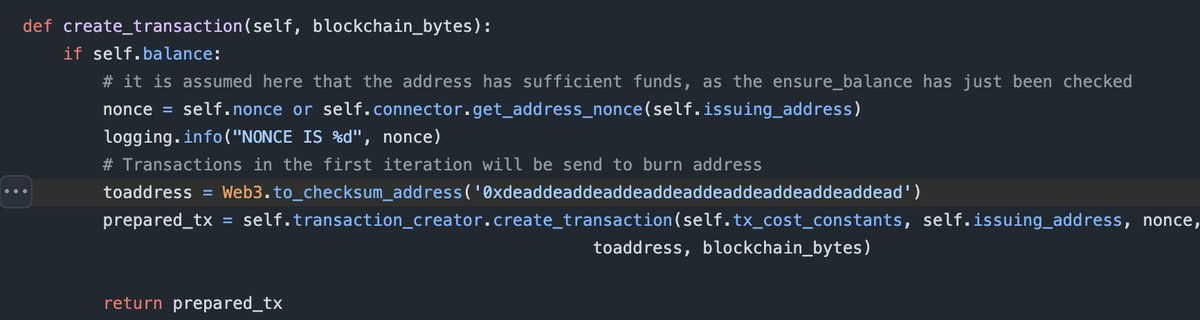
10 Mar 2025

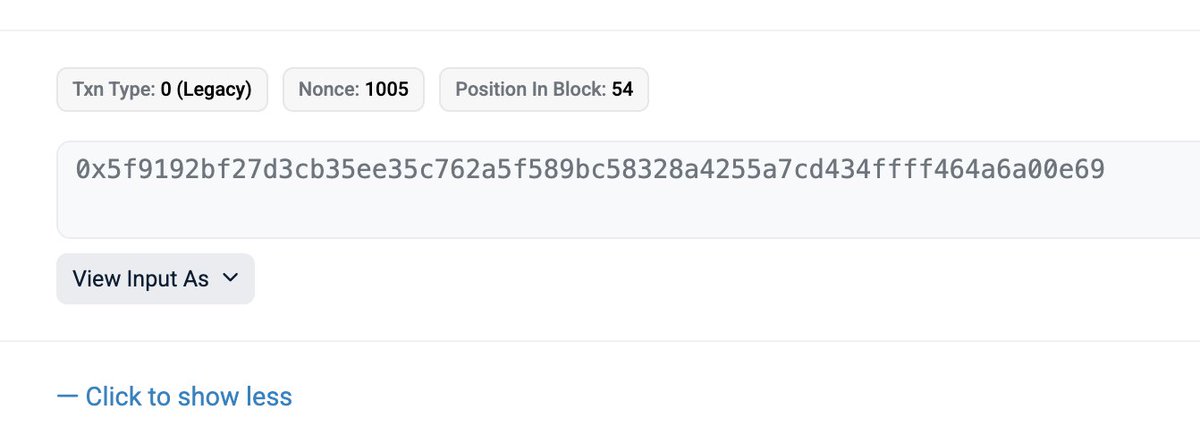
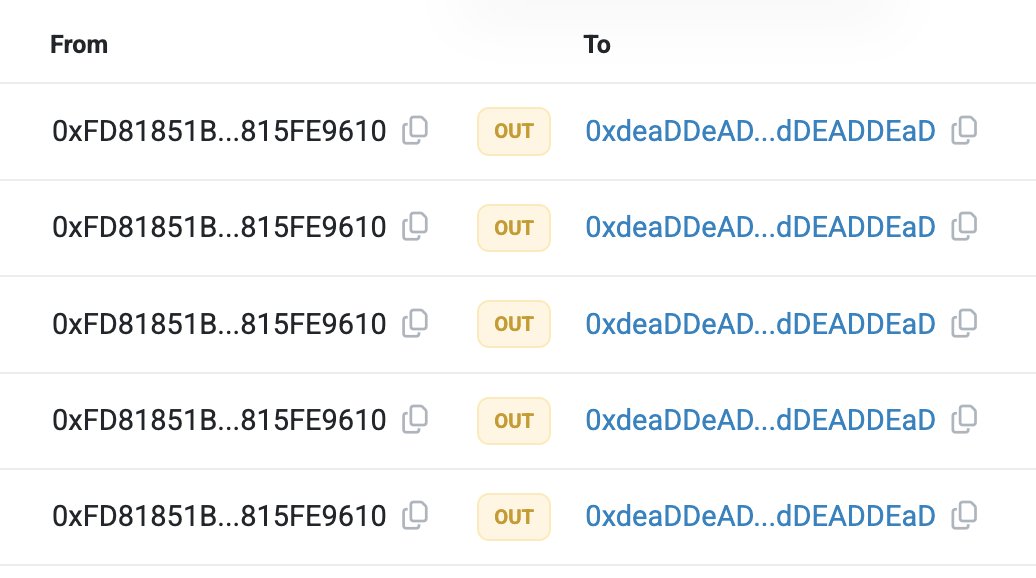
Can someone explain why there are these addresses that only send txs to:
0xdeaDDeADDEaDdeaDdEAddEADDEAdDeadDEADDEaD
The calldata contains undecodable hex
1
6
540


22 Feb 2025
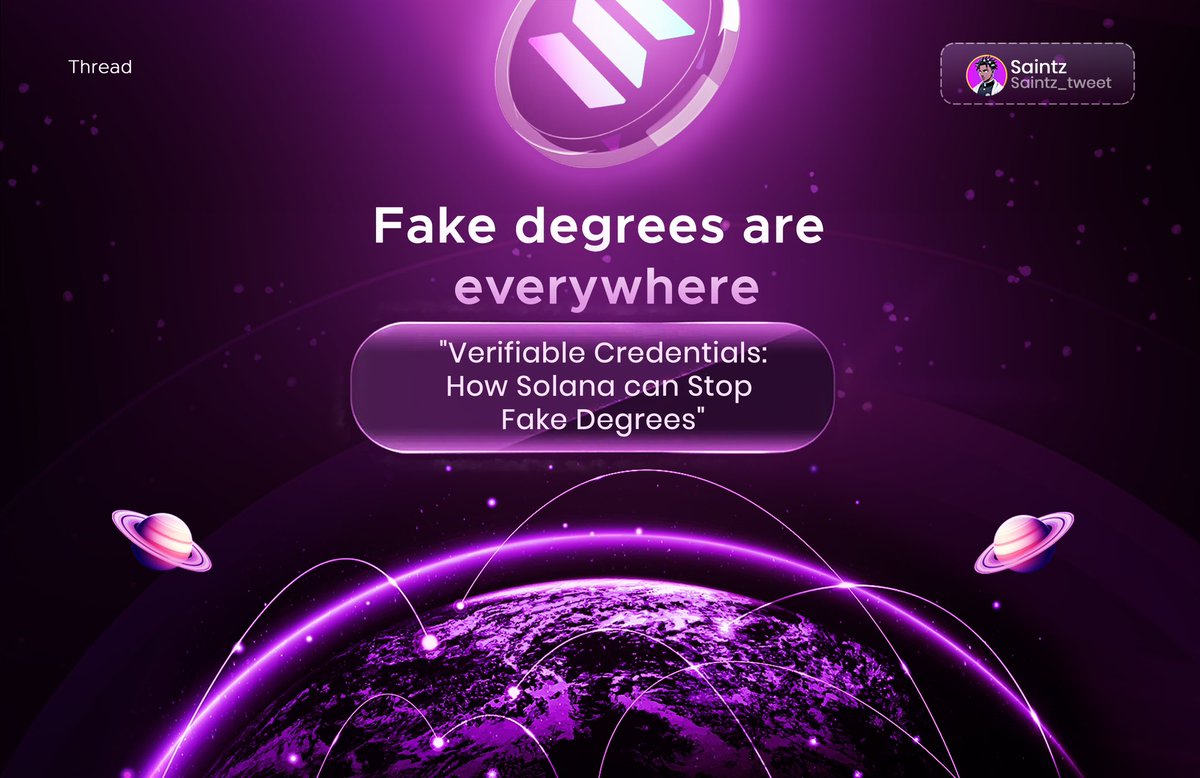
Fake Degrees Are Everywhere— @solana Can Verify Credentials
—————➤
A shocking truth: 𝐨𝐧𝐞-𝐭𝐡𝐢𝐫𝐝 of job applicants lie on their 𝗿𝗲𝘀𝘂𝗺𝗲𝘀 and fake degrees are a booming black market.
A quick Google search for “buy a degree online” shows thousands of results.
For as little as $500, anyone can purchase a diploma from fake universities or forge credentials from real ones.
You hire an employee who claims to have a Harvard degree. Turns out, they printed it in their garage.
Solana can store verifiable academic records on-chain.
Employers can check instantly, no need to call the university.
🌍Real-World Cases:
⌯ The CEO of Yahoo, Scott Thompson—fired after it was revealed he lied about having a computer science degree.
⌯ Laura Callahan, U.S. Government Official—her entire career was built on a fake PhD.
⌯ Pakistan’s Fake Degree Scandal—Axact, a company that made millions selling fake diplomas worldwide.
Employers, universities, and governments struggle to verify degrees efficiently, leading to fraud at all levels, from job applicants to politicians and doctors.
Now, imagine verifiable, tamper-proof credentials stored on @solana immutable database,
Ensuring trust, transparency, and fraud-proof verification in real time.
Superb!
————
Past Blockchain Attempts and Why They Failed
⚙︎ Blockcerts (MIT’s Blockchain Credential Project, 2016)
◼︎ Goal: Issue verifiable diplomas on Bitcoin’s blockchain.
☒ Reality: Adoption was low—most schools never implemented it as it took hours to update records.
⚙︎ Learning Machine (Ethereum-based, 2017)
◼︎Goal: Store academic records on Ethereum.
☒ Why It Failed: High gas fees, slow processing, and resistance from universities.
These solutions were either too slow, too expensive, or lacked adoption.
1
37
308


17 Feb 2025
2. Decentralized Academic Credential Verification:
UNESCO reports 30% of Southeast Asian academic credentials contain falsifications, costing employers $15B annually. Centralized verification systems charge $25-75 per credential.
Solana Implementation:
NFT Diplomas: SPL-token credentials with zk-proofs for privacy.
On-Chain Revocation: Smart contracts auto-update upon degree suspension.
DePIN Integration: Archive nodes store multimedia evidence at $0.003/GB (could be done with filecoin)
Historical Failures:
Blockcerts (Ethereum): $3.50 issuance fees made large-scale adoption prohibitive.
Sony Global Education (Hyperledger): Closed ecosystem rejected by 78% of universities.
Viability Assessment:
Technical: 250M credentials/year processable with highest TPS.
Business Model: $0.15 per verification vs $25 traditional. 60% margin at 20M annual transactions.
Regulatory: Complies with Vietnam's Circular 27/2024 on blockchain-accepted credentials.
1
2
150

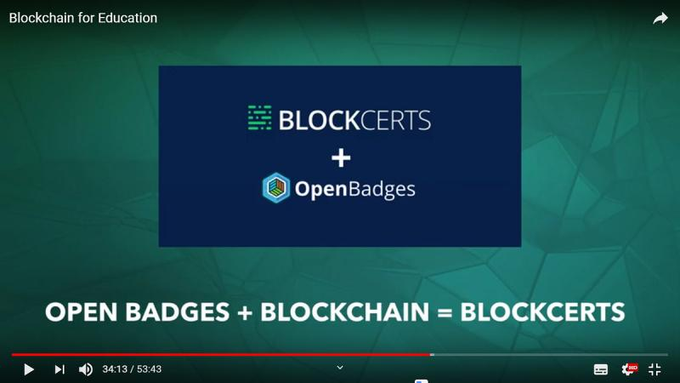
Blockchain for Education Polyolygon Research medium.com/ñam-educkacc… 🐤#ÑaM📷 #Blockchain #BlockchainED #Blockcerts #opendata #openBadges #P2P #openED #crypto #education #bitcoin #TIC #edtech #sharingEconomy #industry40 #BlockchainEducation #openEducation #tech #GIGeconomy
60

16 Jan 2025
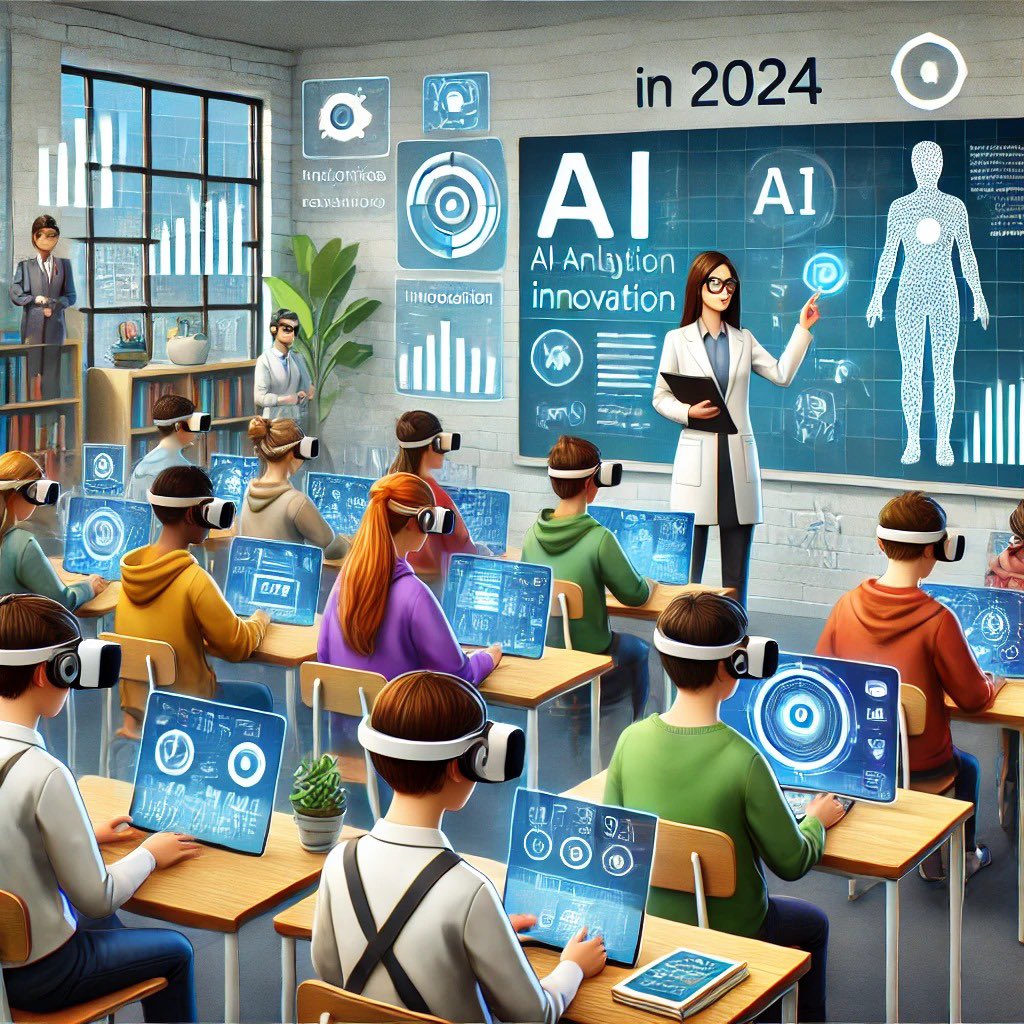
IA et plateformes technoliques specialisées dans l´éducation:
✅ScribeSense
✅Google Expeditions
✅DreamBox Learning
✅Kahoot
✅Blockcerts
✅Moodle
✅Edmodo
✅Zoom for education
✅Google Glass Éducation Edition
3
13
662


Not at all, I think I'm observing bitterness in fact.
I find it interesting that we have an AI or deep fake of Aoc shared by someone else, and the ultimate shit stirrer Elon shares it, and you think it was purposefully deceptive and misrepresented her?
There's going to be so much worse to come as these tools get better and cheaper to use.
This is why I proposed we use a blockcerts style validation system that allows users to validate media against a trusted publisher to know its representative and not fake.
2
3
621

19 Jun 2024
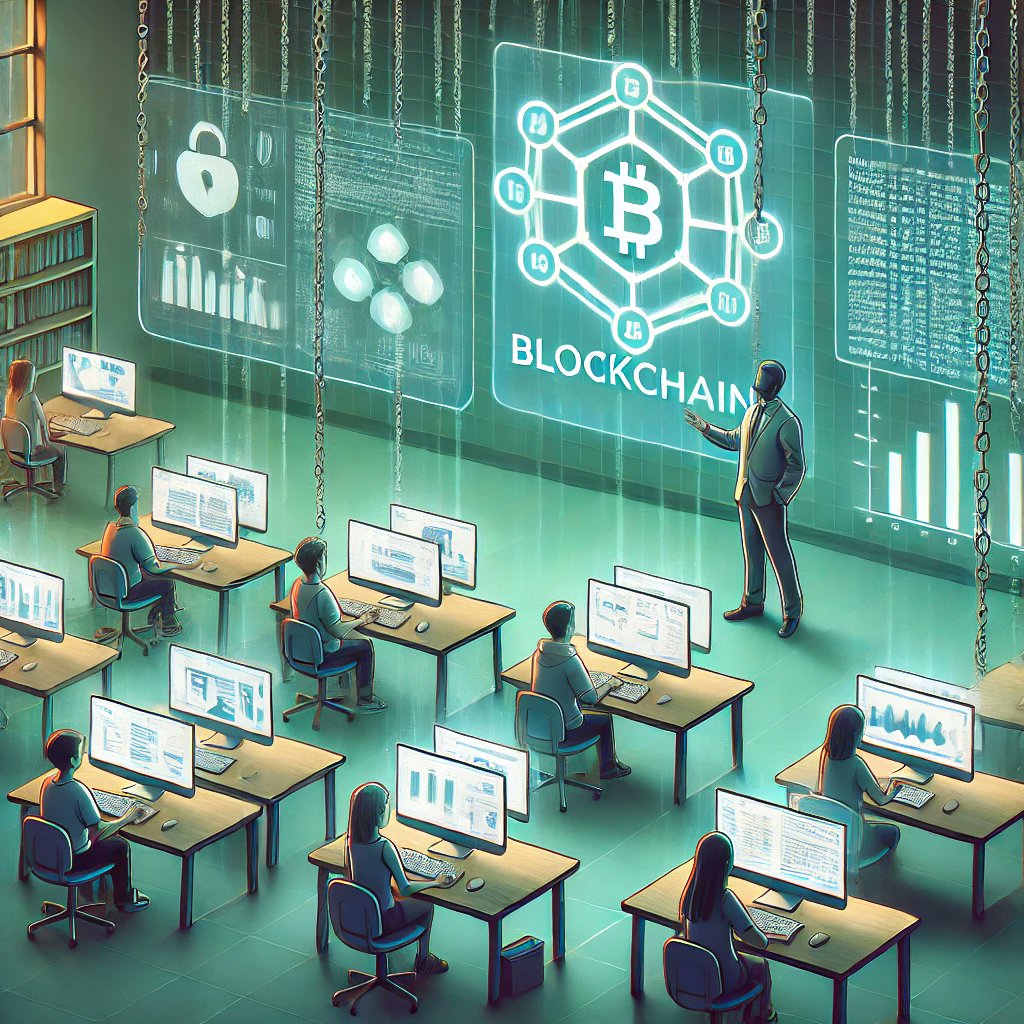
Blockchain in Education 📊 Blockchain can track and analyze student performance data, providing insights for personalized learning experiences. See how it's enhancing education! #BlockchainEducation #the_trash_token
Explanation:
Tracking Student Performance:Immutable Records: Blockchain stores student performance data in an immutable ledger, ensuring the information is secure and tamper-proof.
Comprehensive Tracking: It can track various aspects of a student's performance, including grades, attendance, participation, and extracurricular activities.
Analyzing Data for Insights:Data Integration: Blockchain integrates data from multiple sources, providing a holistic view of a student's progress.
Advanced Analytics: Using advanced analytics on blockchain data, educators can identify patterns and trends in student performance.
Personalized Learning Experiences:Individual Learning Paths: Insights from data analysis help educators design personalized learning paths tailored to each student's strengths and weaknesses.
Adaptive Learning: Blockchain enables adaptive learning systems that adjust the content and pace based on the student’s performance and learning style.
Transparency and Trust:Transparent Records: Students, parents, and educators can access transparent and verifiable records of academic achievements.
Reduced Fraud: Blockchain reduces the risk of credential fraud by securely storing and verifying academic certificates and diplomas.
Real-World Examples
Sony Global Education:Platform: Sony's blockchain-based platform securely stores and shares academic achievements and records.
Impact: It provides a reliable way to verify student achievements and supports personalized education.
Learning Machine:Project: Learning Machine, in partnership with MIT, uses blockchain to issue digital diplomas.
Impact: These diplomas are easily verifiable, reducing the risk of fraud and helping students showcase their achievements globally.
Blockcerts:Initiative: Blockcerts provides an open standard for creating, issuing, viewing, and verifying blockchain-based certificates.
Impact: It allows institutions to issue tamper-proof academic credentials that are easily verifiable by employers and other institutions.
Conclusion
Blockchain technology is transforming education by securely tracking and analyzing student performance data. This enables personalized learning experiences, ensuring that each student receives the support and resources they need to succeed. By providing transparent and verifiable academic records, blockchain enhances trust and reduces fraud, ultimately improving the quality and effectiveness of education.
1
4
35

24 May 2024
CyberLinksのCloudCertsはBlockchainエリアで出店中。エンジニアも来ているので、詳しい話が聞けるはず。BlockcertsやCloudcertsに関する情報を集めるのは大変なので、興味がある方は突撃&質問が良いと思います。
(デジタルな証明書はデジ庁も注目している。宣伝というより、私からのオススメです)
1
6
943