
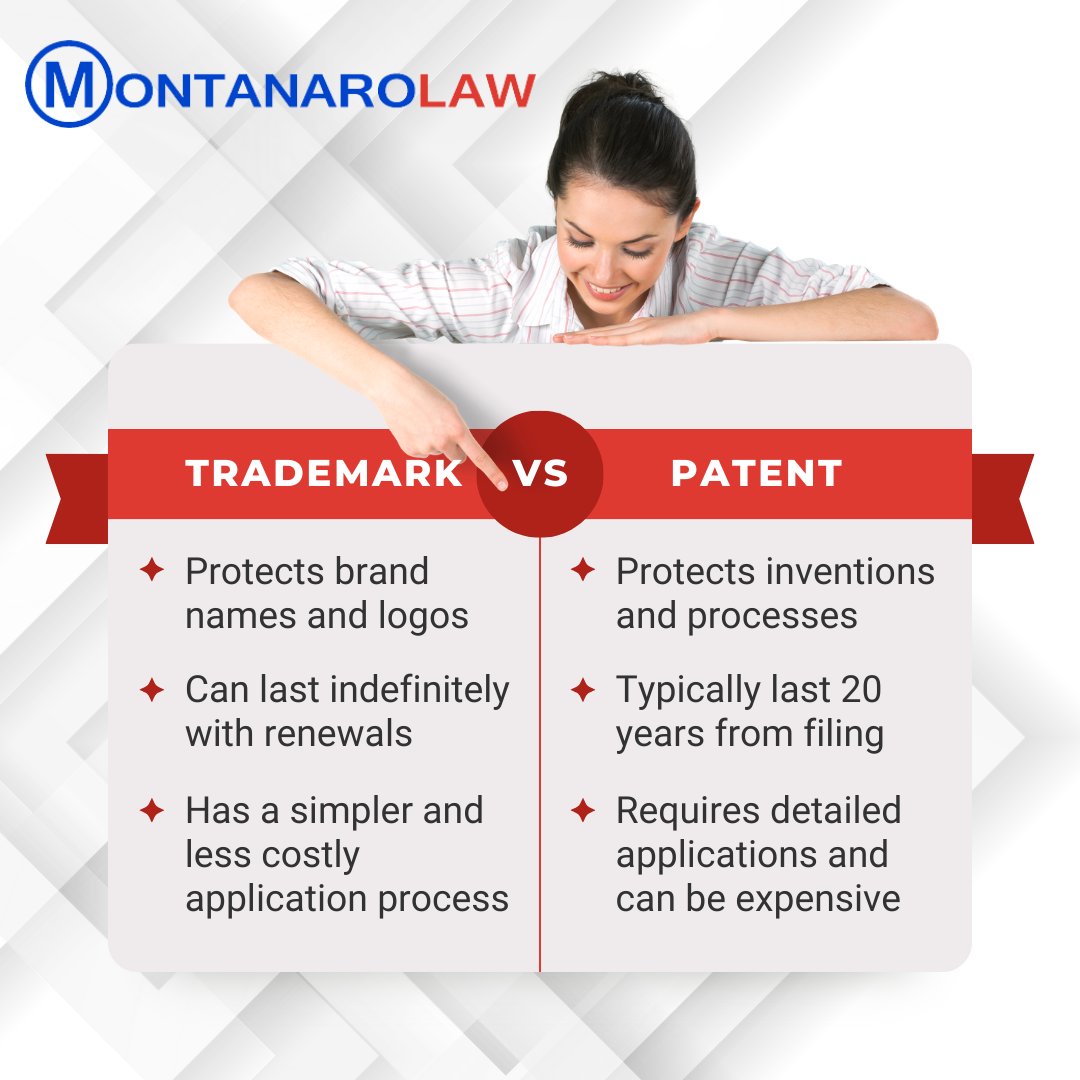
Trademark vs. patent: two sides of intellectual property protection. Call MontanaroLaw today for legal help! #Trademark #Patent #IntellectualProperty #BrandProtection #InventionProtection #LegalHelp #MontanaroLaw
(516)203-1700
montanarolaw.com/
info@montanarolaw.com
1
2
MI:33 helps lawyers, IP owners, and legal teams investigate counterfeits, trademark disputes, hidden sellers, online infringement, due diligence issues, and threat concerns.
Book a confidential consultation:
linktr.ee/holmespi
Learn more:
mi33.co
#intellectualproperty
#trademark
#brandprotection
#copyright
#iplaw
3
MI:33 helps lawyers, IP owners, and legal teams investigate counterfeits, trademark disputes, hidden sellers, online infringement, due diligence issues, and threat concerns.
Book a confidential consultation:
linktr.ee/holmespi
Learn more:
mi33.co
#trademark
#brandprotection
#iplaw
4

13h
MI:33 helps lawyers, IP owners, and legal teams investigate counterfeits, trademark disputes, hidden sellers, online infringement, due diligence issues, and threat concerns.
Book a confidential consultation:
linktr.ee/holmespi
Learn more:
mi33.co
#iplaw #detective #intellectualproperty #copyright #iplawyer #trademark #trademarks #trademarklawyer #law #intellectualpropertylaw #ip #trademarkattorney #patents #lawfirm #trademarklaw #lawyer #attorney #legal #businesslaw #innovation #startup #copyrightlaw #copyrights #business #familylaw #brandprotection
12

In today’s digital economy, intellectual property is no longer just about patents.
#SMECommunities #SMEs #IntellectualProperty #Entrepreneurship #CyberSecurity #DigitalBusiness #Founder #Manufacturing #BrandProtection #Business smecommunities.com/why-busin…
3

🛡️ Why do top brands choose hologram seals?
✔ Protect products from counterfeits
✔ Build customer trust
✔ Enhance premium branding
✔ Verify authenticity instantly
Secure your brand with True Holo. ✨
#TrueHolo #HologramSeal #BrandProtection

1
2

Delhi High Court Protects Signature Global Against Digital Impersonation Through Infringing Domains & Misleading Social Media Pages
Read More Here- thebarbulletin.com/signature…
#DelhiHighCourt #brandprotection #clonewebsites #digitalimpersonation #domainnamedispute #onlinefraud #PassingOff #socialmediamisuse #TrademarkInfringement #trademarkrights #thebarbulletin #legalupdates #legalnews
16

Before investing years into building a brand, make sure it is properly protected.
#TrademarkNigeria #BrandProtection #Simplifyingthelaw #IntellectualProperty #BusinessLaw #SMENigeria #StartupNigeria #NigerianBusiness #CACNigeria #BusinessOwners #Slp
7

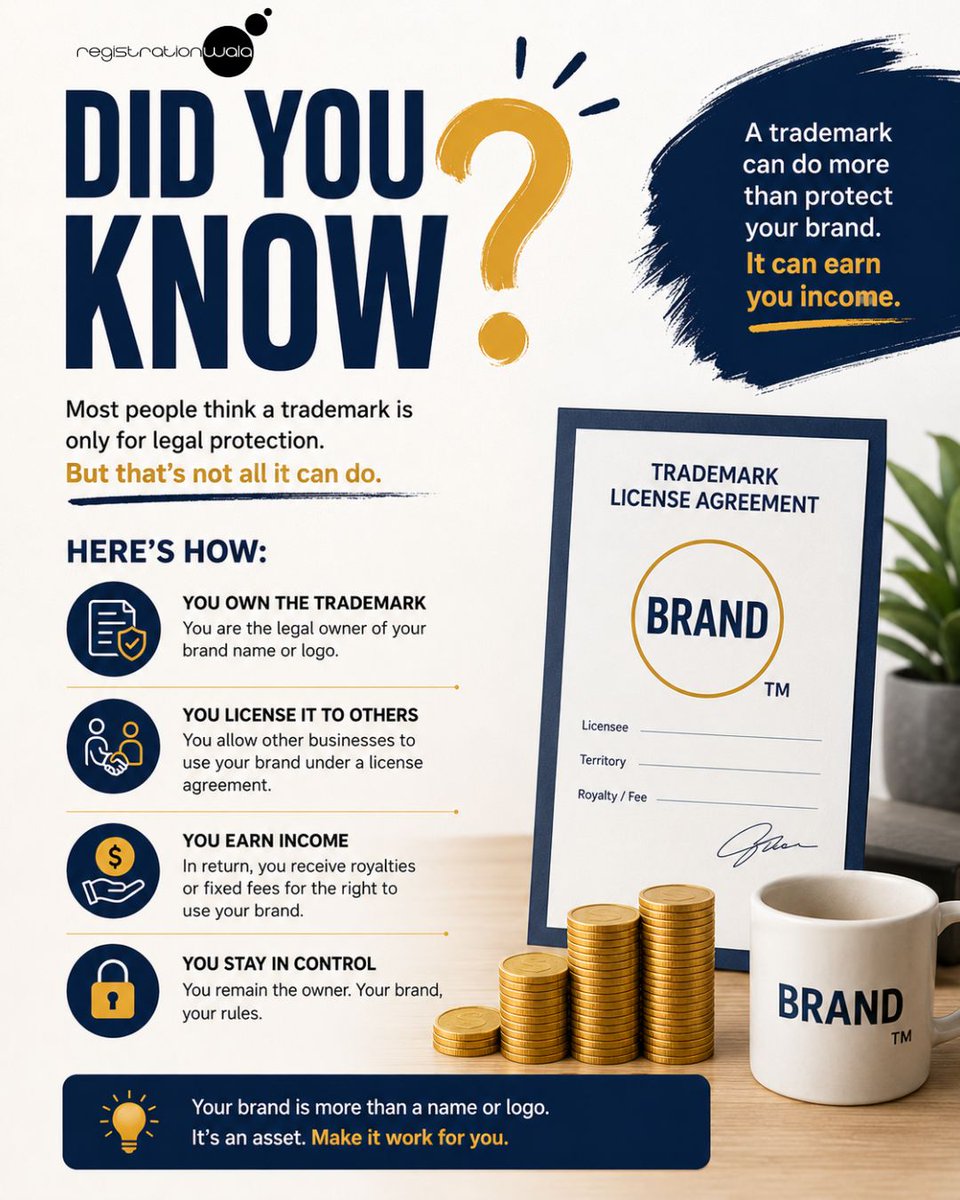
Your trademark can do more than protect your brand—it can generate revenue through licensing while you retain ownership. We help with trademark registration, licensing, renewals & compliance.
#TrademarkLicensing #TrademarkRegistration #BrandProtection #IPRIndia #Registrationwala
2

Jun 13
Rogue agent pricing can damage trust, increase churn, and create risk.
ALT Radius helps ISPs enforce retail price governance across decentralized networks, protecting margins, customers, and brand reputation.
#ALTRadius #ISP #Telecom #PricingGovernance #BrandProtection

11

WHO OWNS THE COPYRIGHT: BUSINESS OWNER OR PHOTOGRAPHER? 🤔 It’s the photographer unless ownership is transferred. Always have a contract! 📞 (310) 498-2750 #TheSterlingFirm #IPLaw #CopyrightLaw #BusinessLaw #WorkForHire #BrandProtection #Lawyer #JustinSterling

1
Jun 13
MI:33 helps lawyers, IP owners, and legal teams investigate counterfeits, trademark disputes, hidden sellers, online infringement, due diligence issues, and threat concerns.
Book a confidential consultation:
linktr.ee/holmespi
Learn more:
mi33.co
#intellectualproperty
#trademark
#brandprotection
#copyright
#iplaw
8

Jun 12
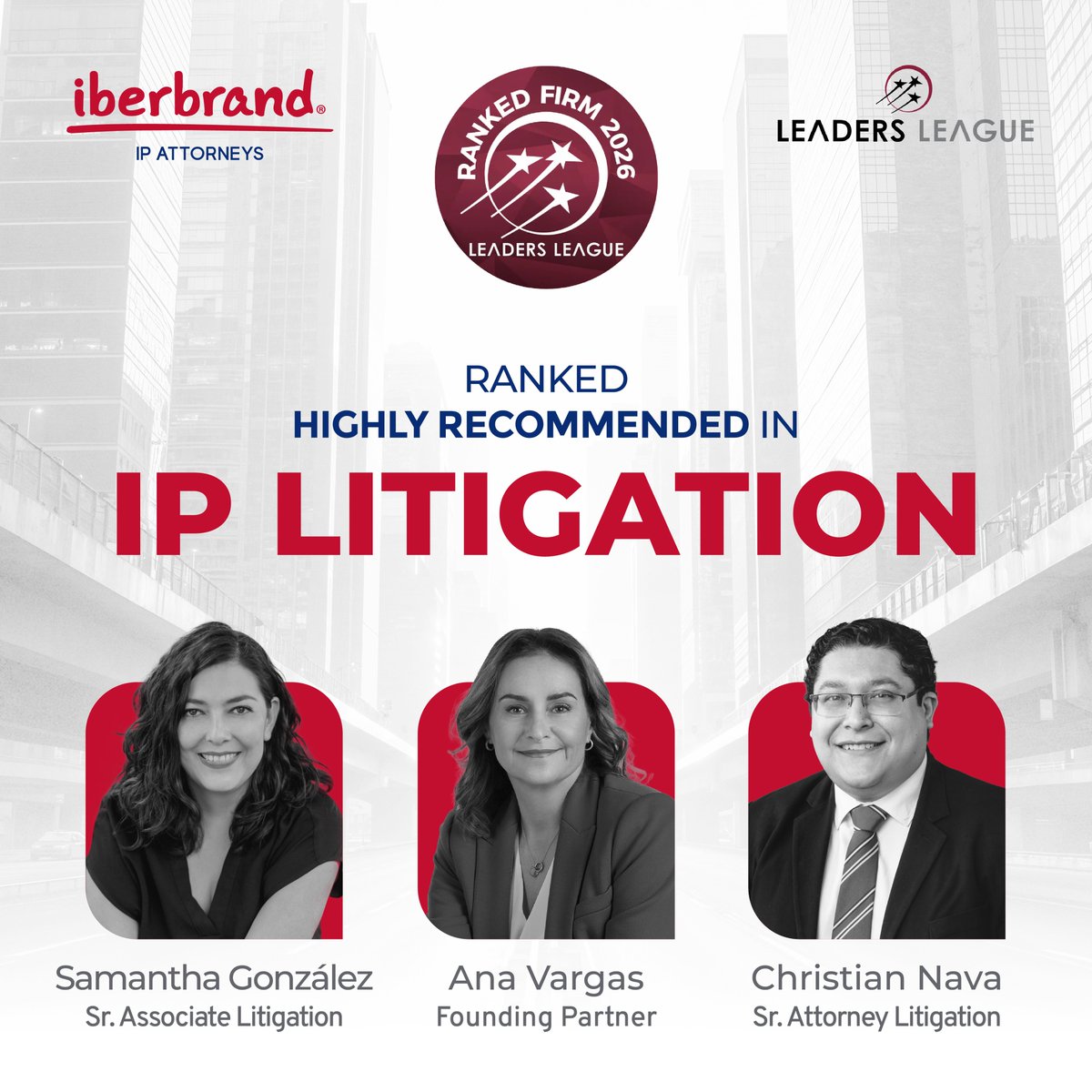
We are delighted to announce that Ana Vargas, Samantha González, and Christian Nava have been ranked Highly Recommended in IP Litigation by Leaders League 2026.
#LeadersLeague2026 #IPLitigation #LegalExcellence #IntellectualProperty #Iberbrand #BrandProtection #IPLaw #Innovation
28
Jun 12
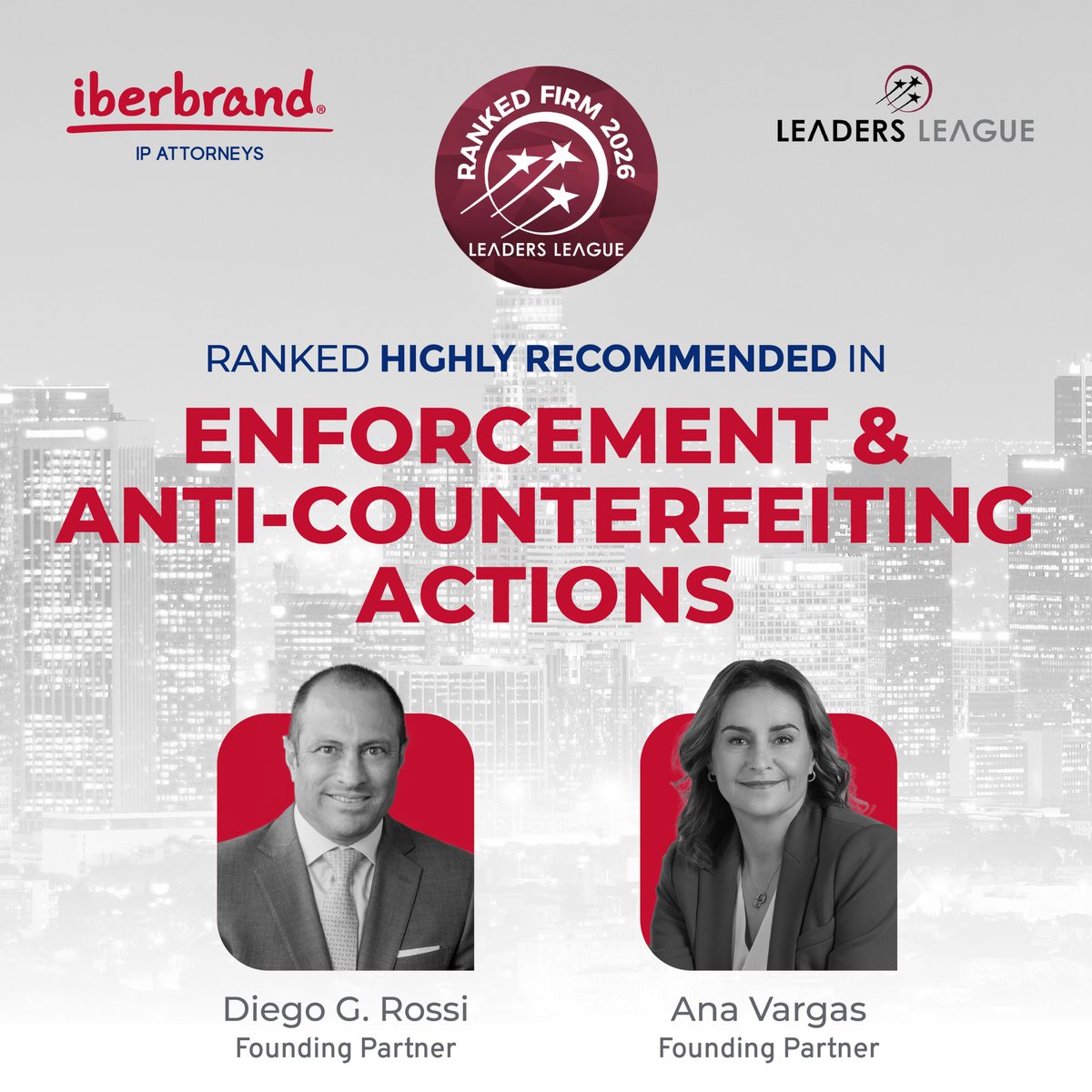
We are honored to share that Diego G. Rossi and Ana Vargas have been recognized as Highly Recommended in Enforcement and Anti-Counterfeiting Actions in the Leaders League 2026 rankings.
#LeadersLeague2026 #IPEnforcement #BrandProtection #IntellectualProperty #Iberbrand
17

Jun 12
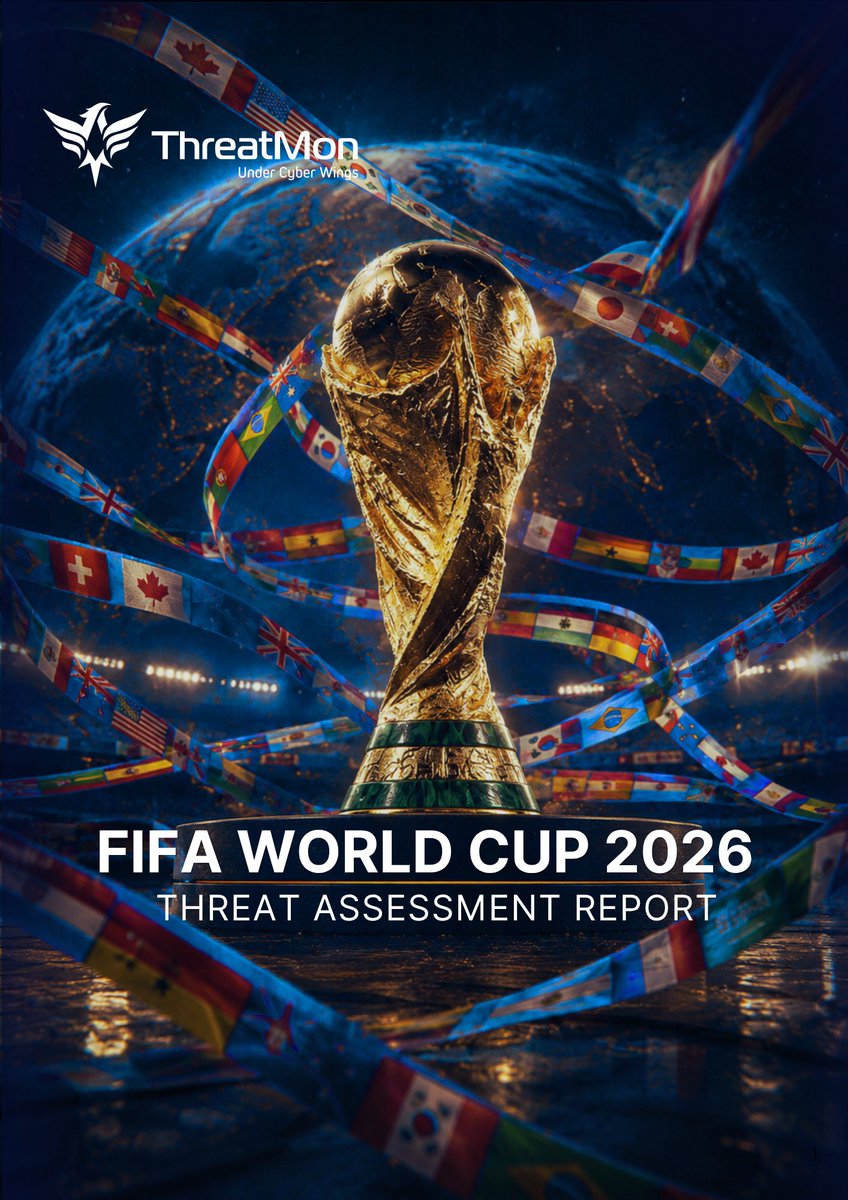
The FIFA World Cup 2026 will be one of the most digitally connected sporting events in history and one of the most attractive targets for cyber threat actors.
At ThreatMon, we analyzed the evolving threat landscape surrounding the tournament, covering:
⚽ AI-enabled threats, including deepfake impersonation, voice cloning, AI-powered phishing, synthetic identities, and fraud campaigns
⚽ Hacktivist activity, including DDoS campaigns, influence operations, website defacements, and politically motivated disruption
⚽ Dark Web activity and underground marketplaces
⚽ Infostealer-driven credential theft targeting FIFA-related services
⚽ Attack surface exposures and leaked secrets
⚽ Brand abuse, ticket fraud, betting scams, and malicious domains
⚽ Nation-state and geopolitical cyber risks
One of the key observations is that the greatest cyber risk may not originate from FIFA itself, but from the broader ecosystem of ticketing providers, hospitality partners, payment processors, broadcasters, cloud services, and other third-party organizations supporting the tournament.
As global events become increasingly connected, cyber threats are becoming more sophisticated, more automated, and more difficult to distinguish from legitimate activity.
Our FIFA World Cup 2026 Threat Assessment Report provides a forward-looking view of the risks organizations, partners, and fans should be prepared for before the tournament begins.
🏆 threatmon.io/fifa-world-cup-…
#ThreatIntelligence #CyberSecurity #ThreatMon #WorldCup2026 #ArtificialIntelligence #Deepfake #Hacktivism #DarkWeb #Infostealer #BrandProtection #CyberThreats
1
2
8
926
Jun 12
MI:33 helps lawyers, IP owners, and legal teams investigate counterfeits, trademark disputes, hidden sellers, online infringement, due diligence issues, and threat concerns.
Book a confidential consultation:
linktr.ee/holmespi
Learn more:
mi33.co
#iplaw #detective #intellectualproperty #copyright #iplawyer #trademark #trademarks #trademarklawyer #law #intellectualpropertylaw #ip #trademarkattorney #patents #lawfirm #trademarklaw #lawyer #attorney #legal #businesslaw #innovation #startup #copyrightlaw #copyrights #business #familylaw #brandprotection
6
Jun 12
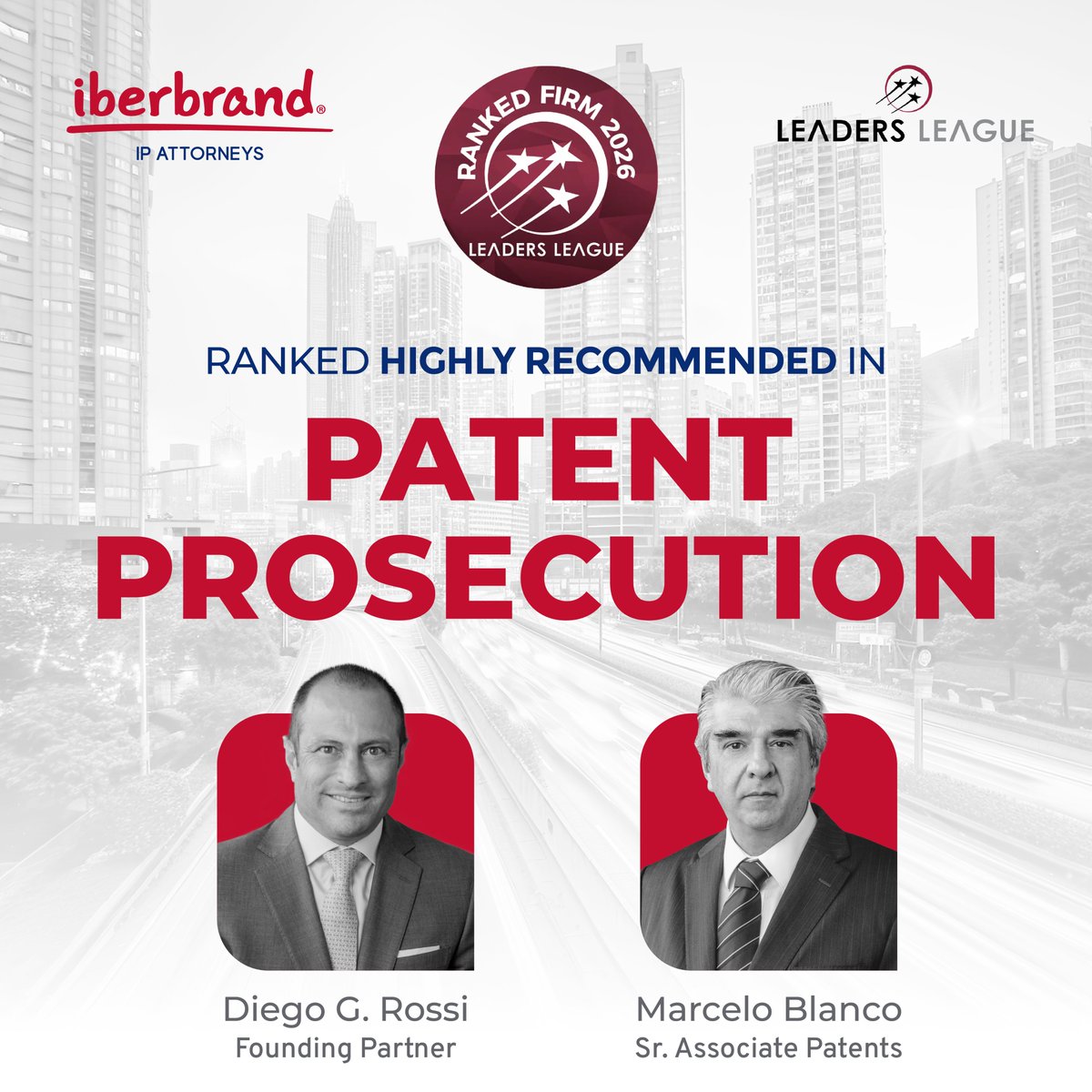
We are pleased to announce that Diego G. Rossi and Marcelo Blanco have been ranked Highly Recommended in Patent Prosecution by Leaders League 2026.
#LeadersLeague2026 #PatentProsecution #Patents #Innovation #IntellectualProperty #Iberbrand #BrandProtection #IPLaw #Innovation
31

GCE is protecting you no matter where you go this weekend!
We specialize in protecting the social media image of companies and individuals.
Sleep more securely with GCE! Email for more information!
SocialMediaSecurity StopBullying Image Marketing BrandProtection USA

7

Jun 12
Your digital identity is one of your most valuable assets.
Securing your .om domain helps protect your brand, strengthen trust, and establish a clear presence in Oman’s growing digital economy.
Claim your .om domain today and take ownership of your online future.
#Otech #OM #DomainRegistration #DigitalIdentity #BrandProtection #DigitalTransformation #Oman
1
113

Don't mistake kindness for a lack of strategy 💫
In PR, guarding a brand's legacy is the highest priority. We aren't just here to look welcoming, we are the ultimate line of defense
#BrandProtection #PublicRelations
21