
Apr 27
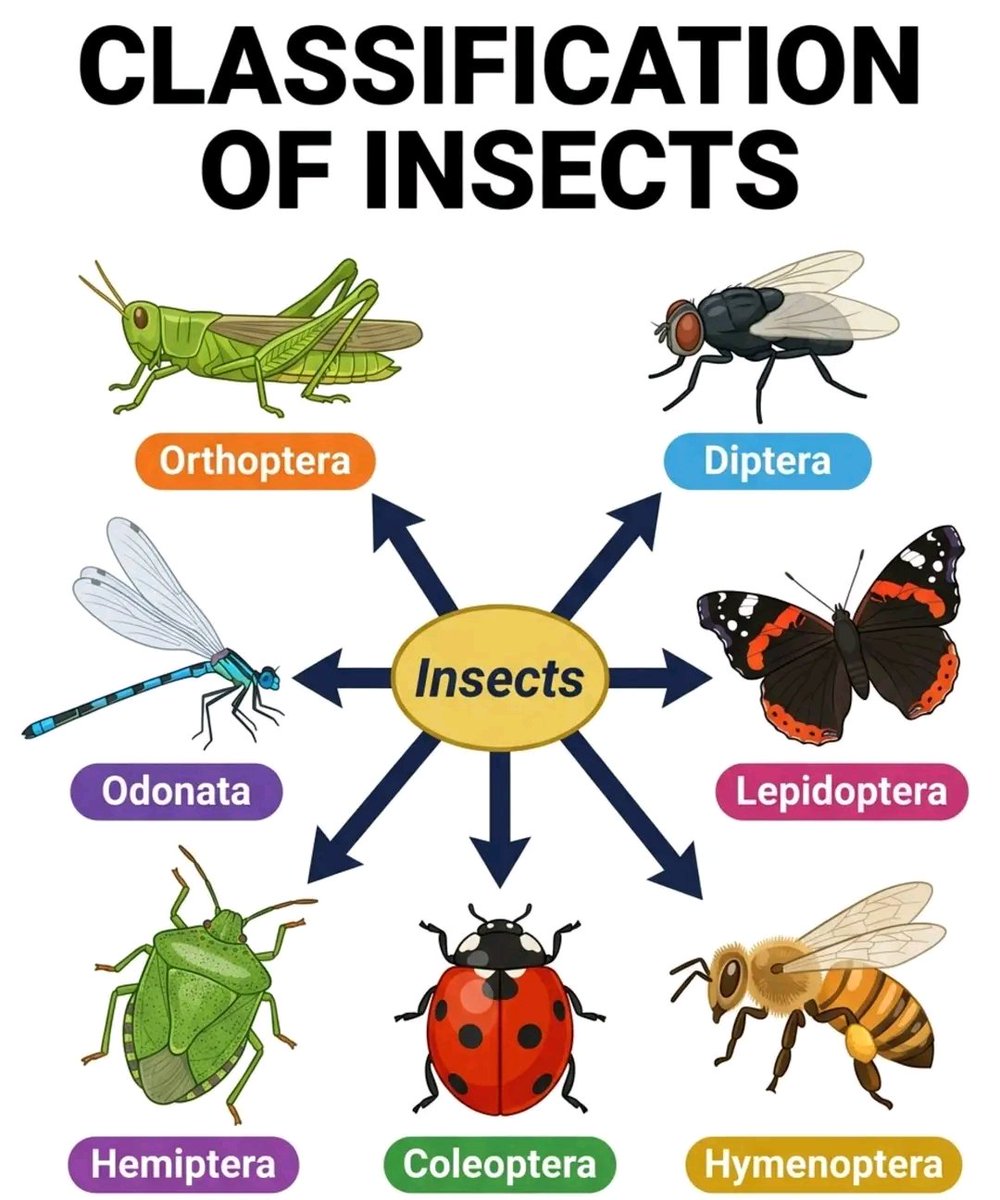
Before deciding whether an insect is friend or foe, it helps to know which group it belongs to — because each order has its own patterns of behaviour, life cycle, and role in the garden.
What each order means for your plot:
Orthoptera (grasshoppers, crickets): leaf-chewing insects. Grasshoppers in large numbers can damage crops, but crickets are mainly nocturnal decomposers working through organic matter at soil level.
Diptera (flies, hoverflies): the most varied order in function. Hoverflies are outstanding pollinators and their larvae feed heavily on aphids — one of the most useful groups you can encourage.
Odonata (dragonflies, damselflies): aerial predators that hunt mosquitoes and other small insects on the wing. A garden with dragonflies almost always has clean water nearby and active natural pest control in the air.
Lepidoptera (butterflies, moths): adult butterflies pollinate; their caterpillars can strip foliage. The red admiral you watch nectaring on buddleia in August may well have laid the eggs eating your brassicas in September.
Hemiptera (bugs, aphids, scale insects): the order that causes most damage in British kitchen gardens. Their piercing mouthparts draw sap directly from stems and leaves — aphids, whitefly, and scale insects all belong here.
Coleoptera (beetles, ladybirds): the largest order in the animal kingdom. Ladybirds are key predators of aphids; ground beetles hunt slugs through the night; but vine weevils are a serious pest on container plants and soft fruit.
Hymenoptera (bees, wasps, ants): the most useful order for any garden. Without bees, most fruiting crops fail. Parasitic wasps control caterpillars and aphids without any intervention from the gardener. 🐝🌿🦋🐛
#GardenInsects #BugIdentification #WildlifeGardening #NaturalGarden
14
36
840


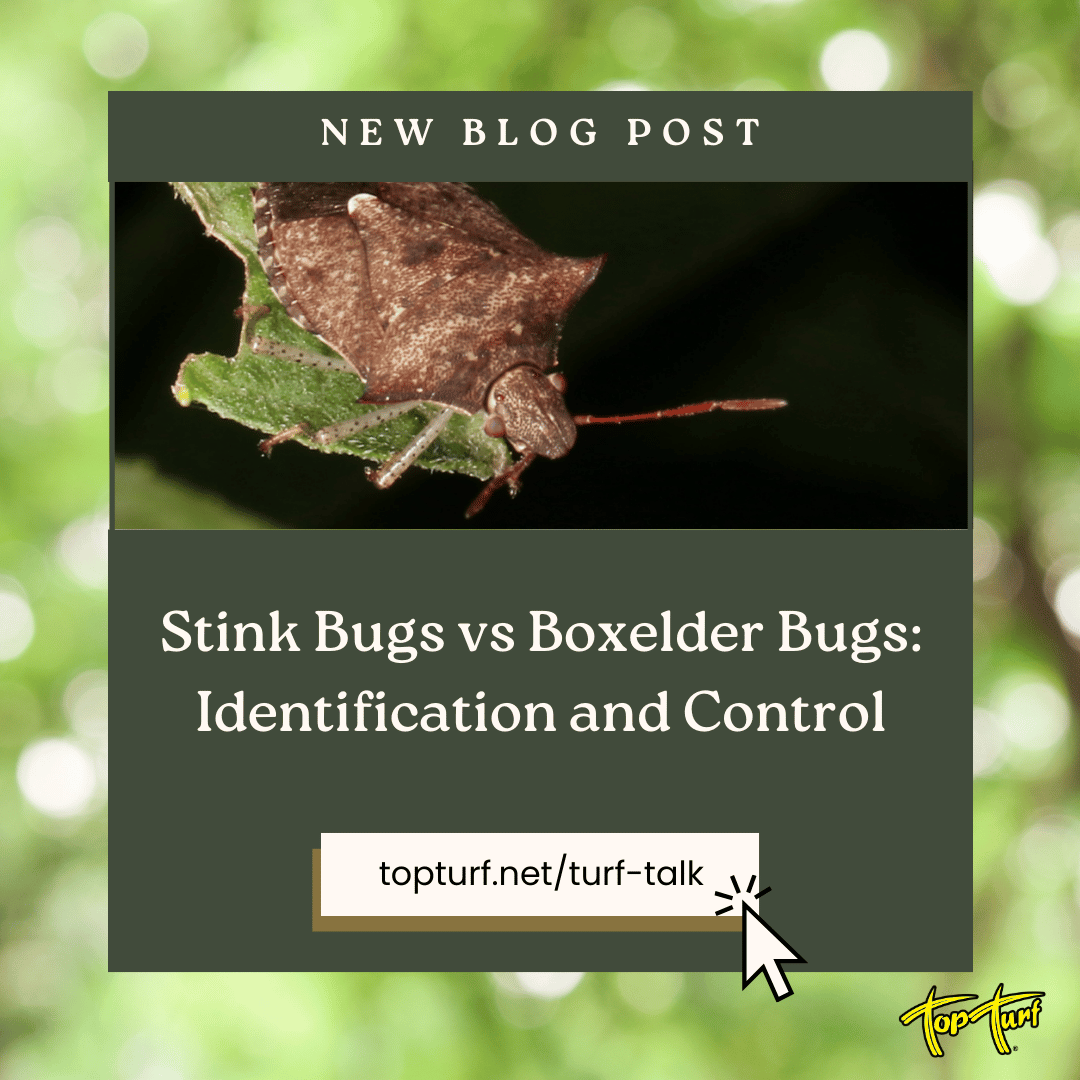
Stink bugs or boxelder bugs—do you know the difference? 🐞 Learn how to identify them, prevent infestations, and protect your home in our latest blog post!
#LawnCare #PestControl #HomeProtection #StinkBugs #BoxelderBugs #BugIdentification #TopTurf #GardeningTips #InsectControl
10


12 Jun 2025
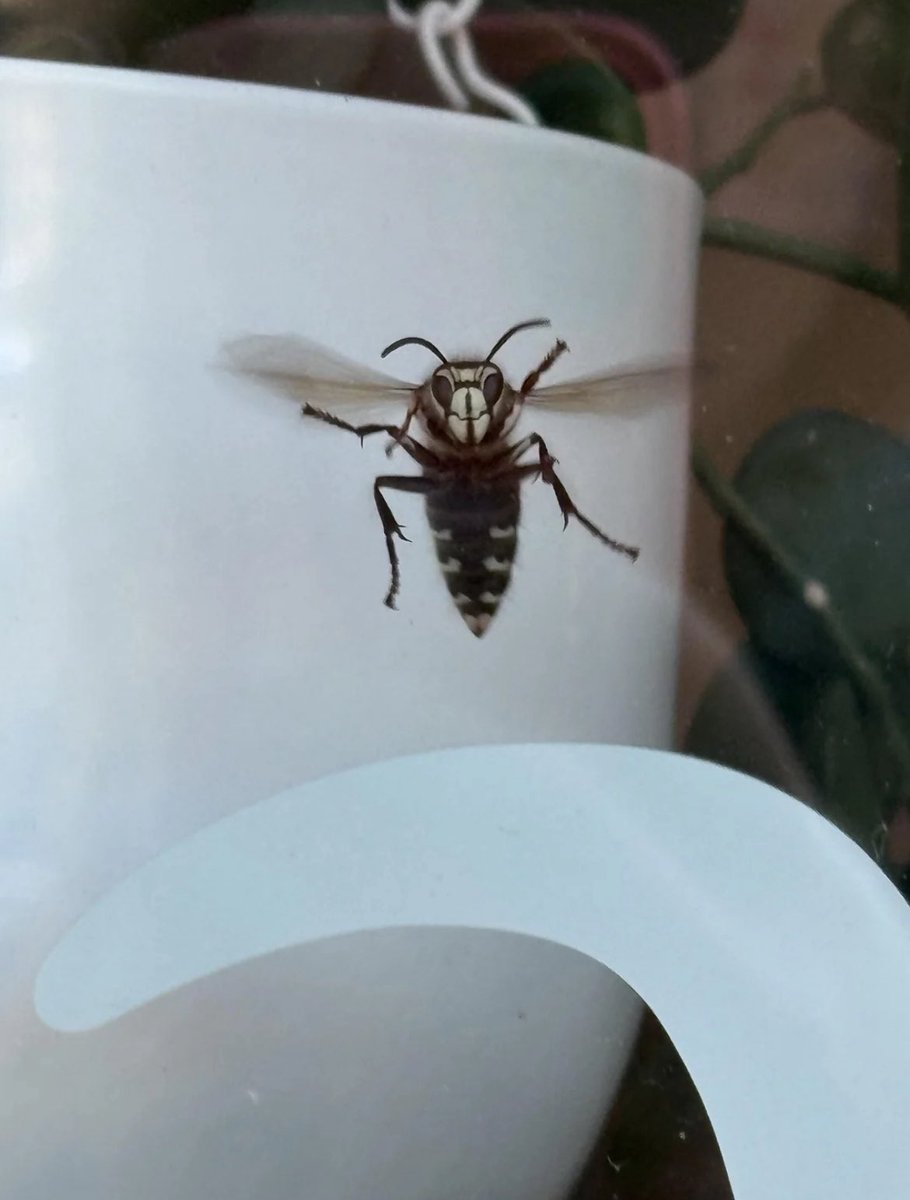
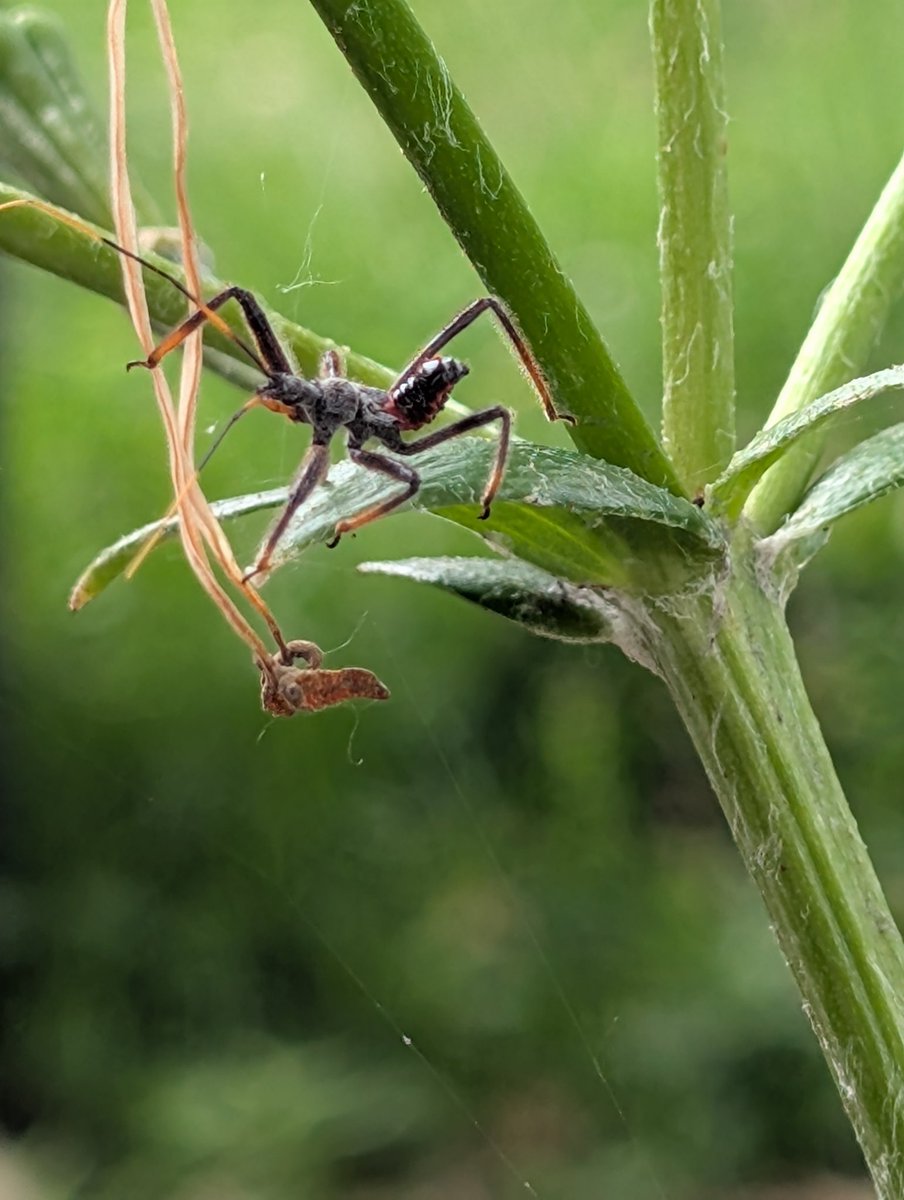
Found this incredible little critter hanging out in my garden this afternoon, no idea what it is—any ideas? #Entomology #BugIdentification
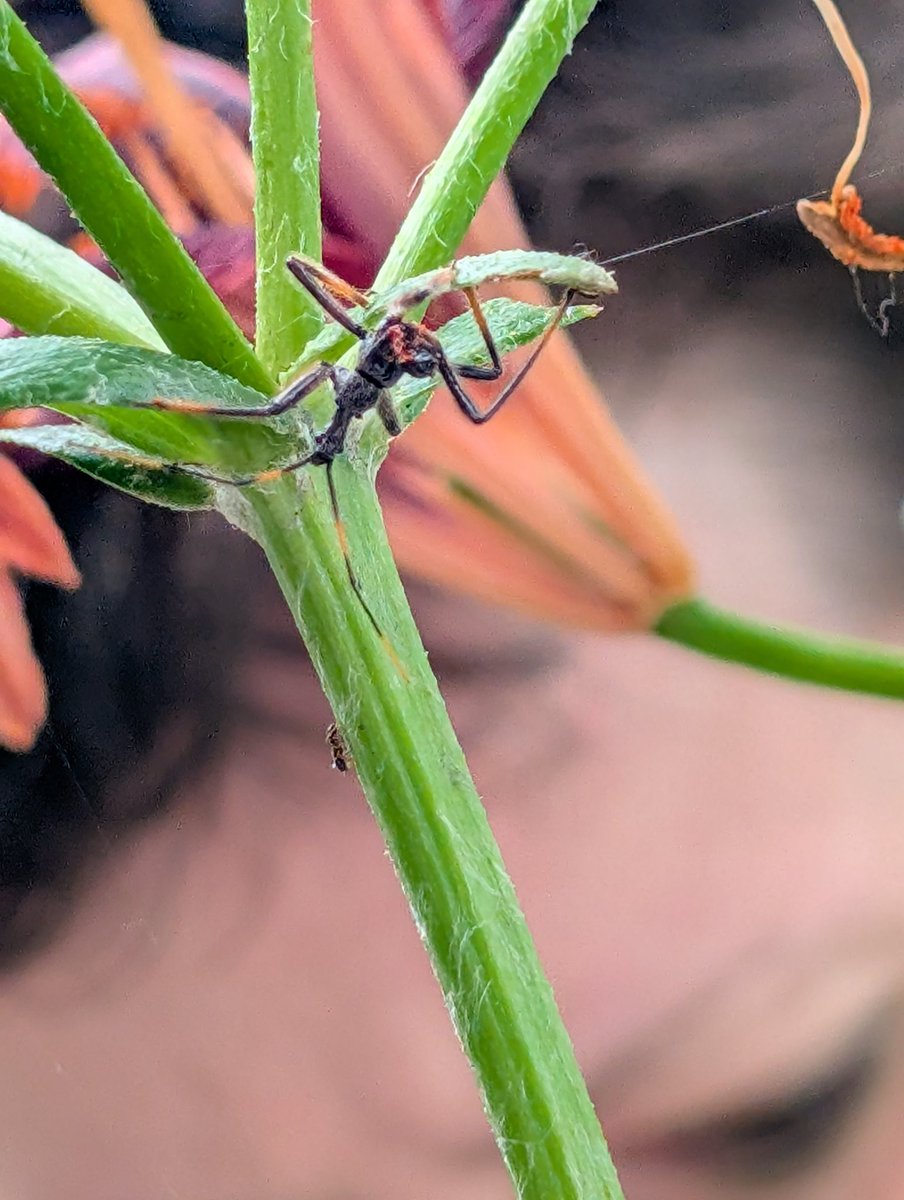
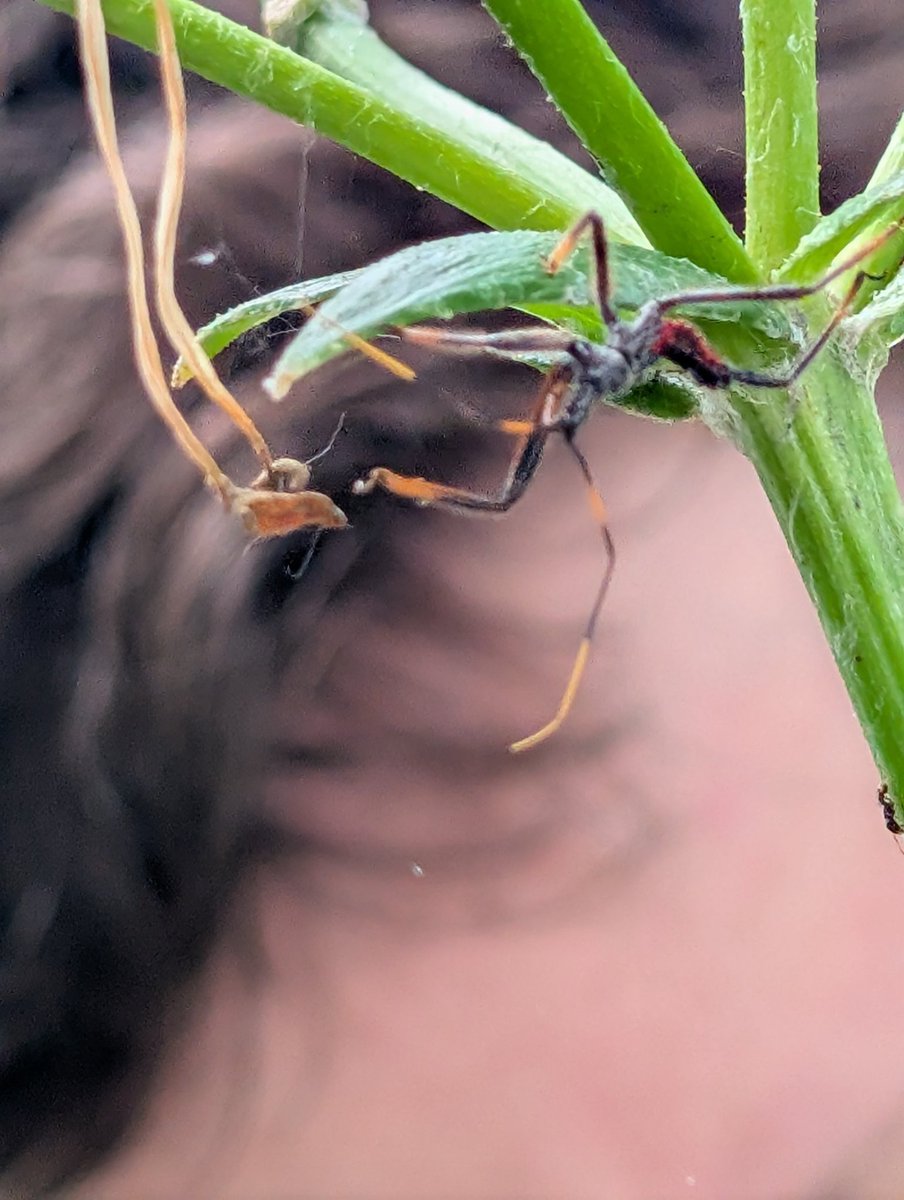
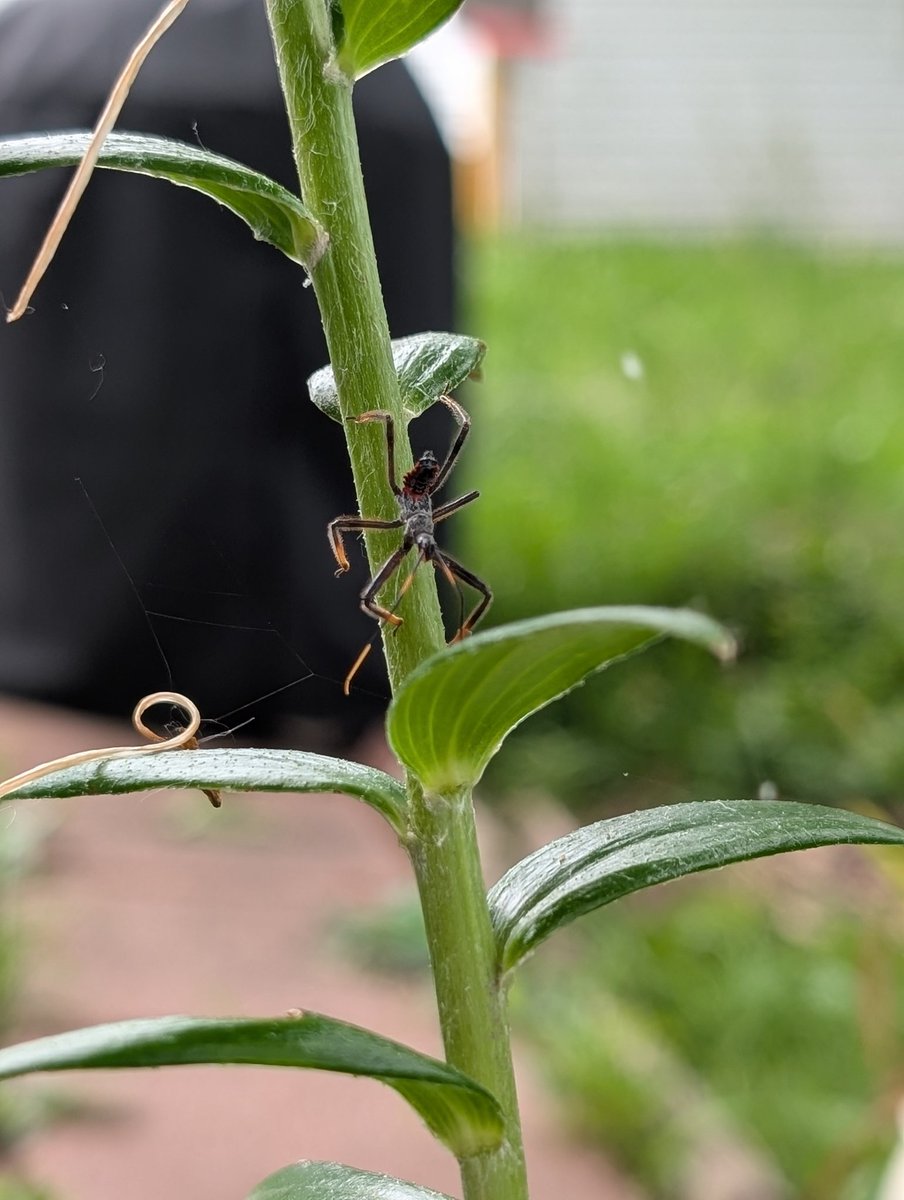
1
59

10 May 2025
Male vs. Female Wood Bees: You Won't Believe The Difference!
#WoodBees #BeeIdentification #BeeAnatomy #ForestWildlife #NatureEducation #WildlifeFacts #BugIdentification #Entomology #NatureDocumentary #BackyardWildlife
1
54

brilliant things happening on r/bugidentification ... i could make an au out of this... bug guy hanji who is a frequent responder on this particular subreddit... who should be the second member who desperately tries to draw bugs for him to identify even if he took pics🤔
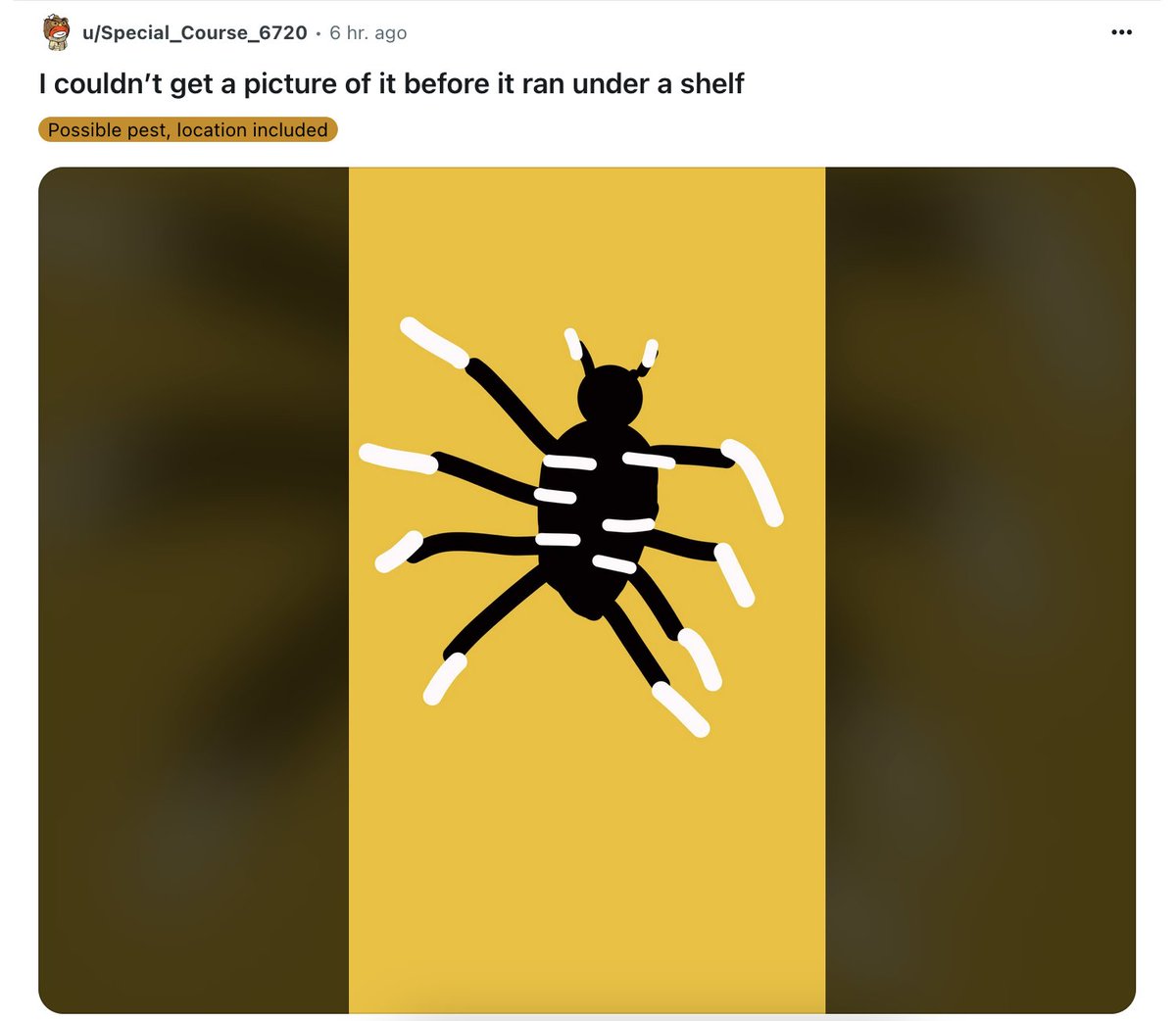
1
8
288

28 Feb 2025
Discover the bugs that look like bed bugs and how to tell them apart! Know the differences to avoid ineffective treatments. Learn more here: bedbugbarrier.com.au/bugs-th… #BedBugs #PestControl #BugIdentification
8

24 Feb 2025
Me on r/ocdrecovery: Hey this sub is so cool!!
Also me: *compulsively reading r/moldlyinteresting, r/parasitology and r/bugidentification*
7
201

21 Sep 2024
Chestermere, AB
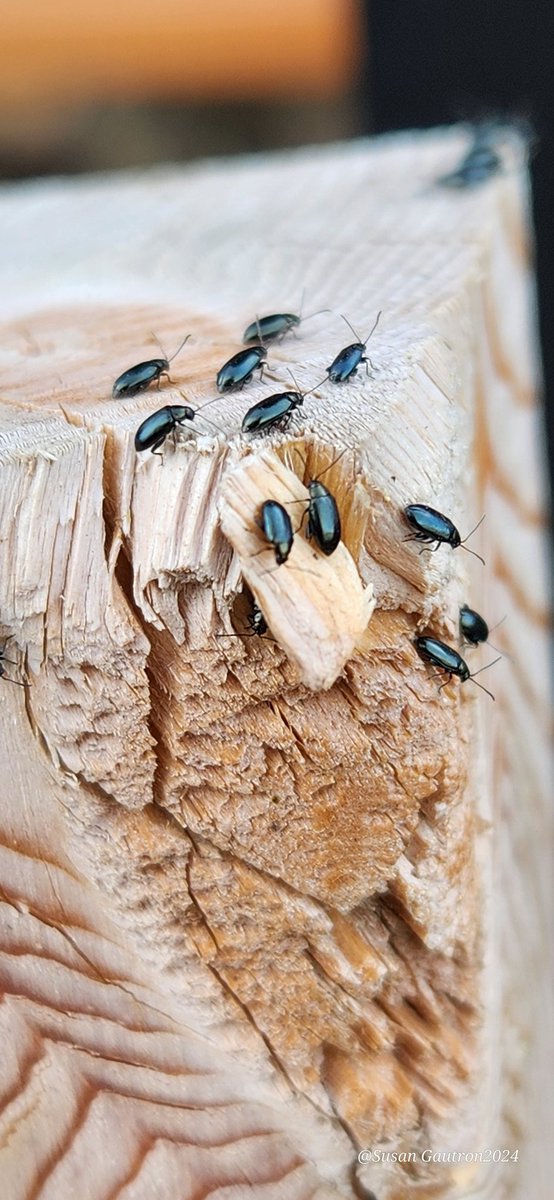
Hundreds of thousands of them. Are they a Weivil? Emerald Ash Borer? #whatisthisbug #bugidentification #bugsofAlberta
1
28

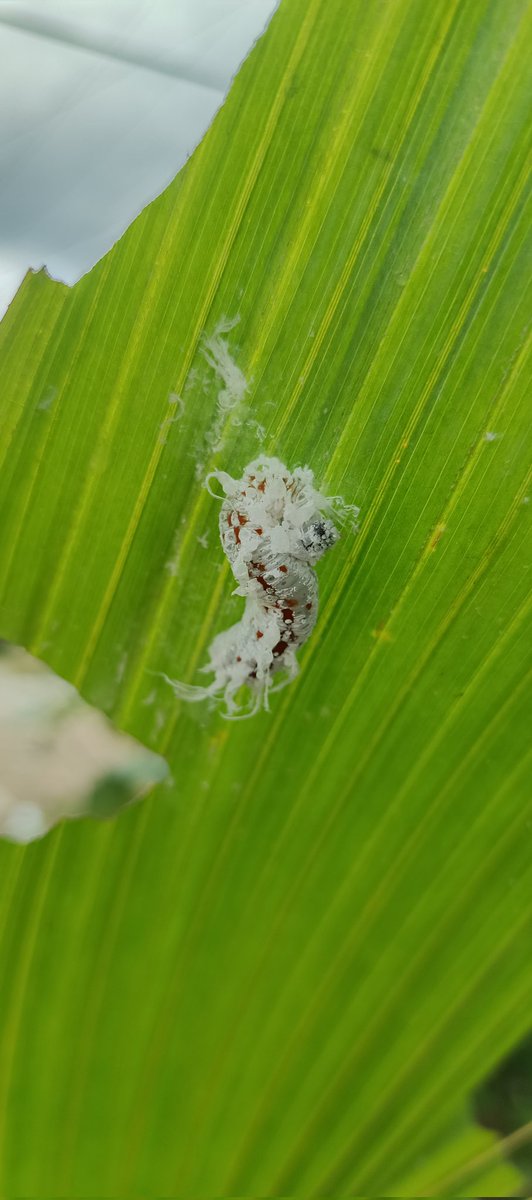
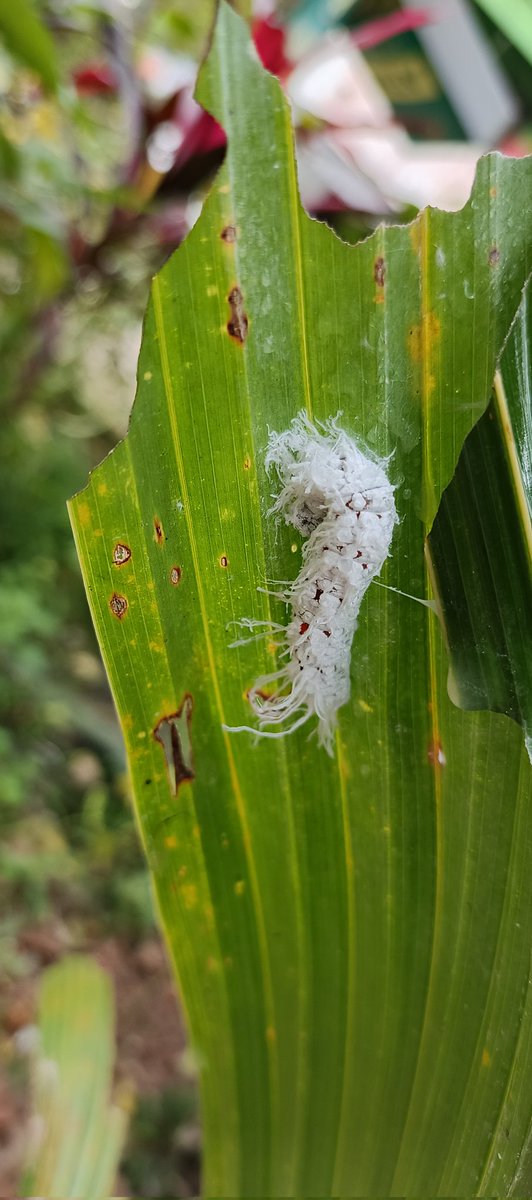
What type of insect worm is this?
#InsectIdentification #Worms #Entomology #InsectID #BugIdentification #Nature #Wildlife #Insects #InsectWorld #Bugs
25
2 Aug 2024
Discover bugs commonly mistaken for bed bugs and learn how to tell them apart. Misidentifying pests can lead to ineffective treatments. Check out the full guide here: bedbugbarrier.com.au/bugs-th… #BedBugs #PestControl #BugIdentification
12

17 Apr 2024
Gen AI helping bring efficiency and increase productivity in industries like healthcare, finance and education is now a common tool. But Gen AI can also help the technology industry through its Text-to-Code capabilities.
By using Gen AI to write codes, developers can speed up the code creation process and help develop unique and innovative solutions.
The main objective of a developer while using Gen AI should be to give clear prompts. This will be useful for speeding up routine tasks, helping with the identification of bugs and quickly executing repetitive, well-defined standard procedures.
While we add these capabilities, it will be crucial to filter out malicious content from training data to prevent the Gen AI models from security vulnerabilities and errors.
#GenAI #EfficiencyInTech #ProductivityBoost #TextToCode #InnovativeSolutions #DeveloperTools #ClearPrompts #BugIdentification #SecurityInTech #DataFiltering #BharatKaAI #GenerativeAI #AskQXLabAI
4
5
542


4 Dec 2023
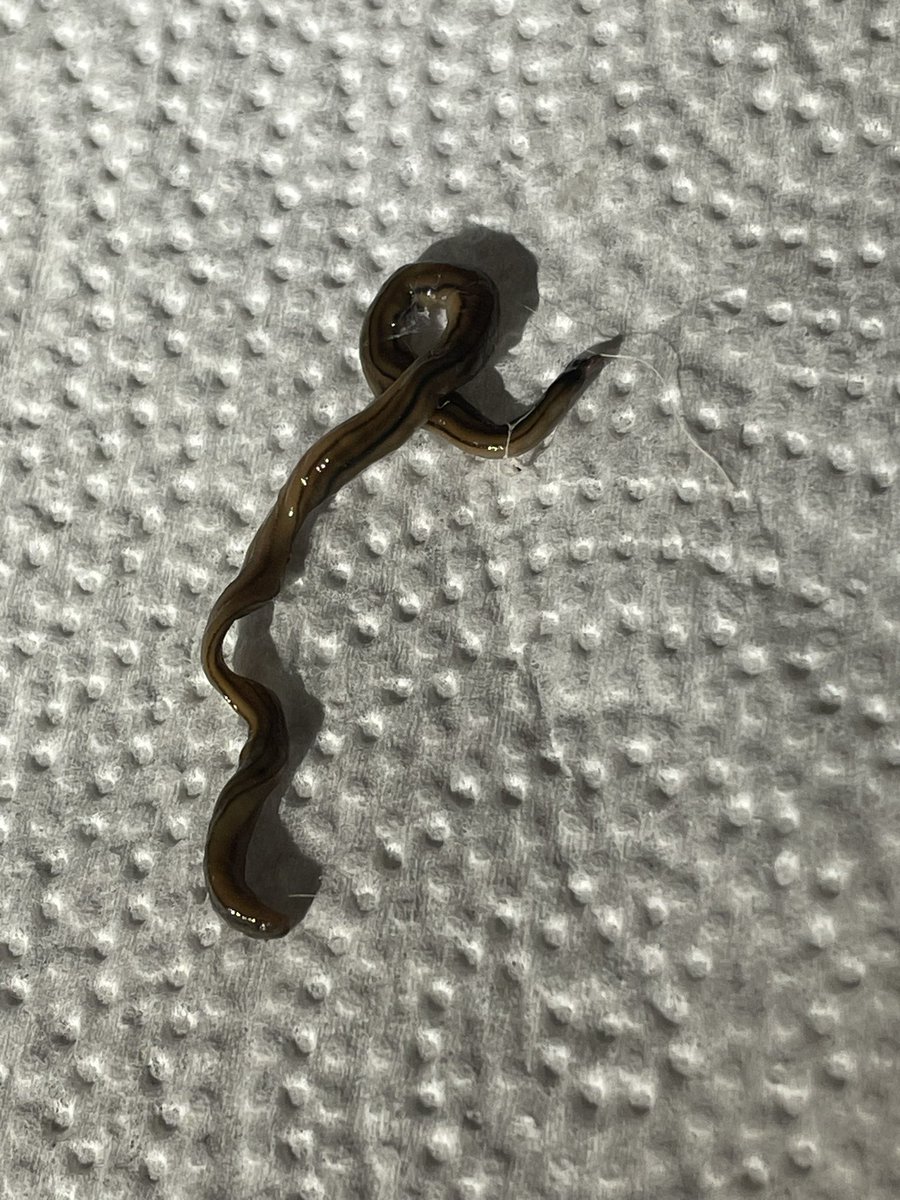
What the **** is this? Assuming one of my dogs brought it in. (In Eastern NC if that matters). #bugidentification
62


9 Nov 2023
CodeGPT, an AI tool integrated into Visual Studio Code, is gaining popularity among programmers
#AI #AItool #artificialintelligence #bugidentification #codecompletion #Codegeneration #coderefinement #CodeGPT #coding #debugging #Efficiency
multiplatform.ai/codegpt-an-…

ALT AI News
1
1
3
214

1 Nov 2023
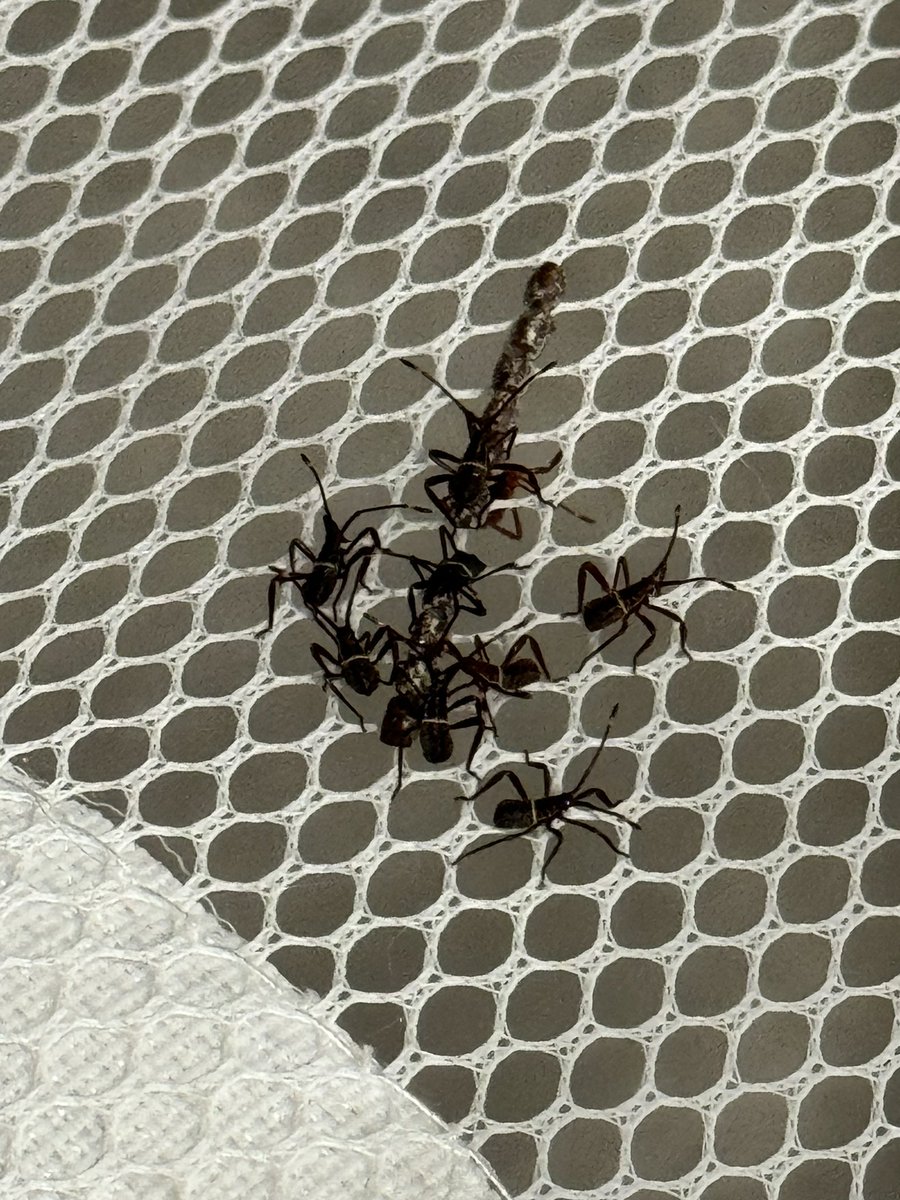
Any idea what these little bugs are? Look like some kind of beetle. #WesternAustralia #BugIdentification
1
1
77

30 Sep 2023
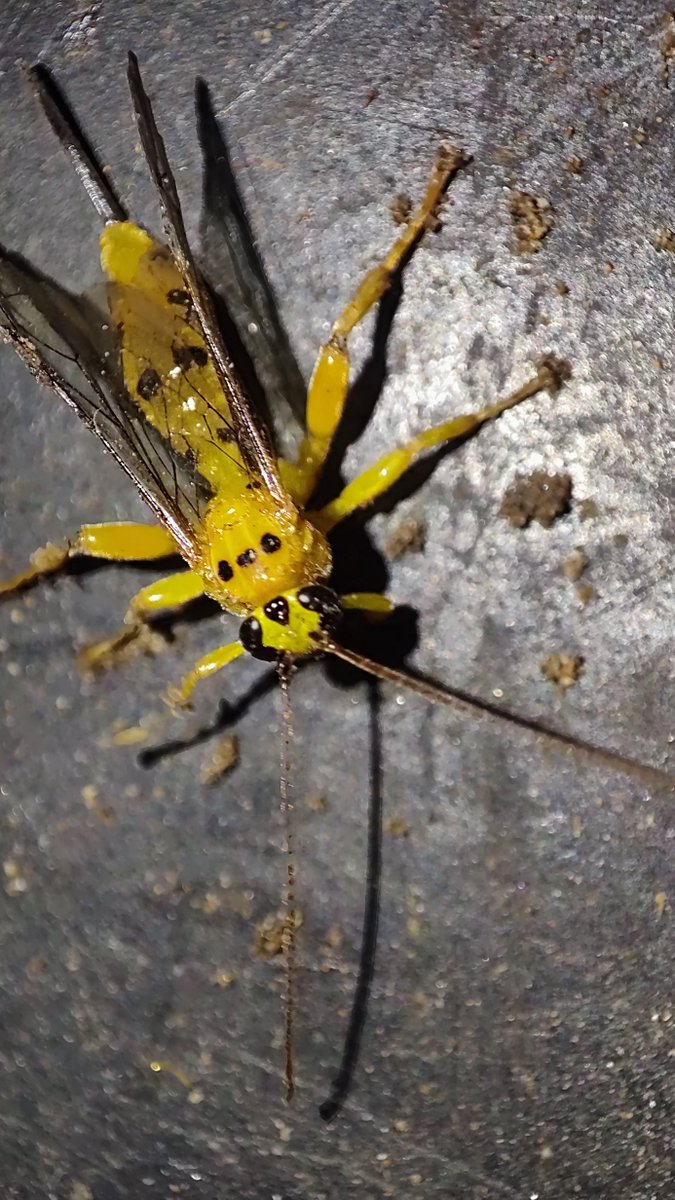
Look at this little yellow bug sitting on a black surface! What kind of bug is it? #bugidentification
This tweet is short and to the point, and it includes a relevant hashtag to help other users find it. It also asks a question to encourage engagement.
38

29 Aug 2023
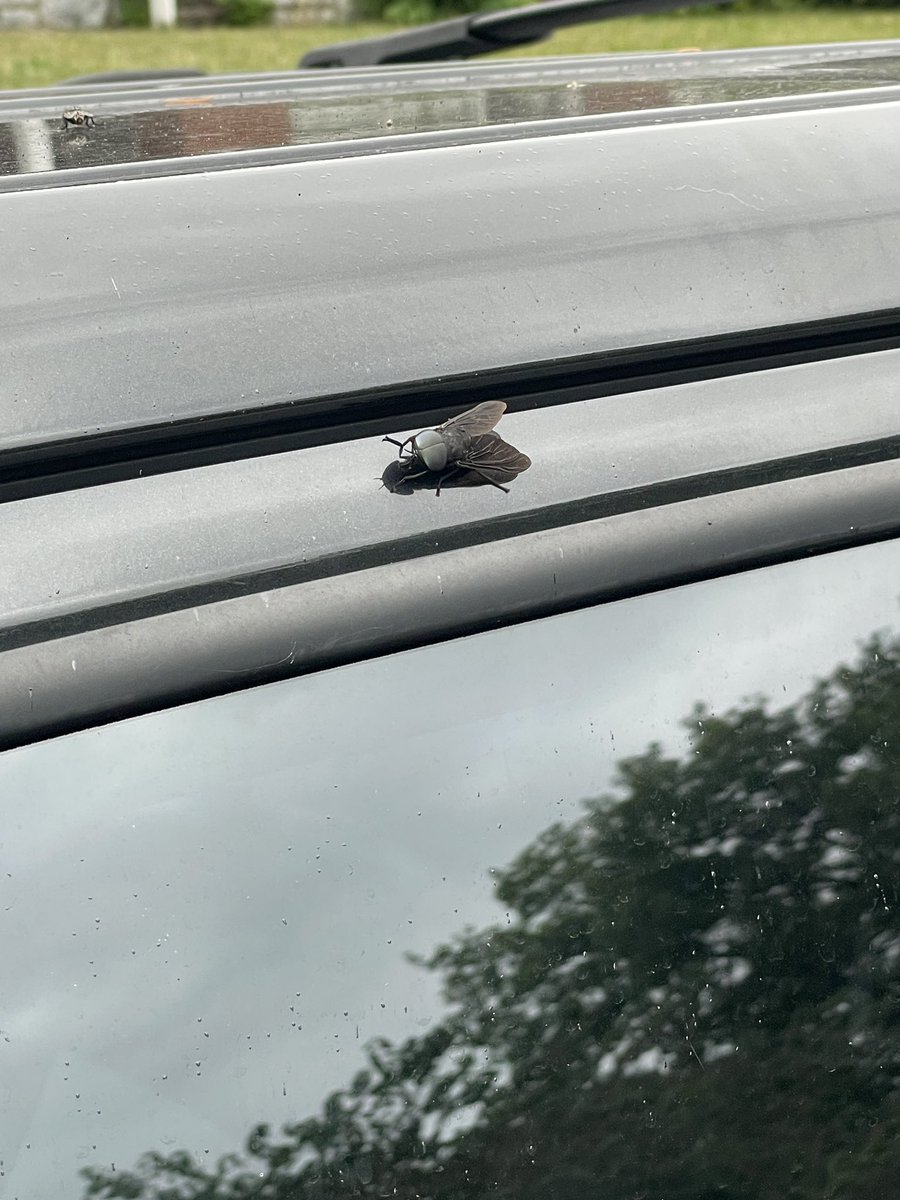
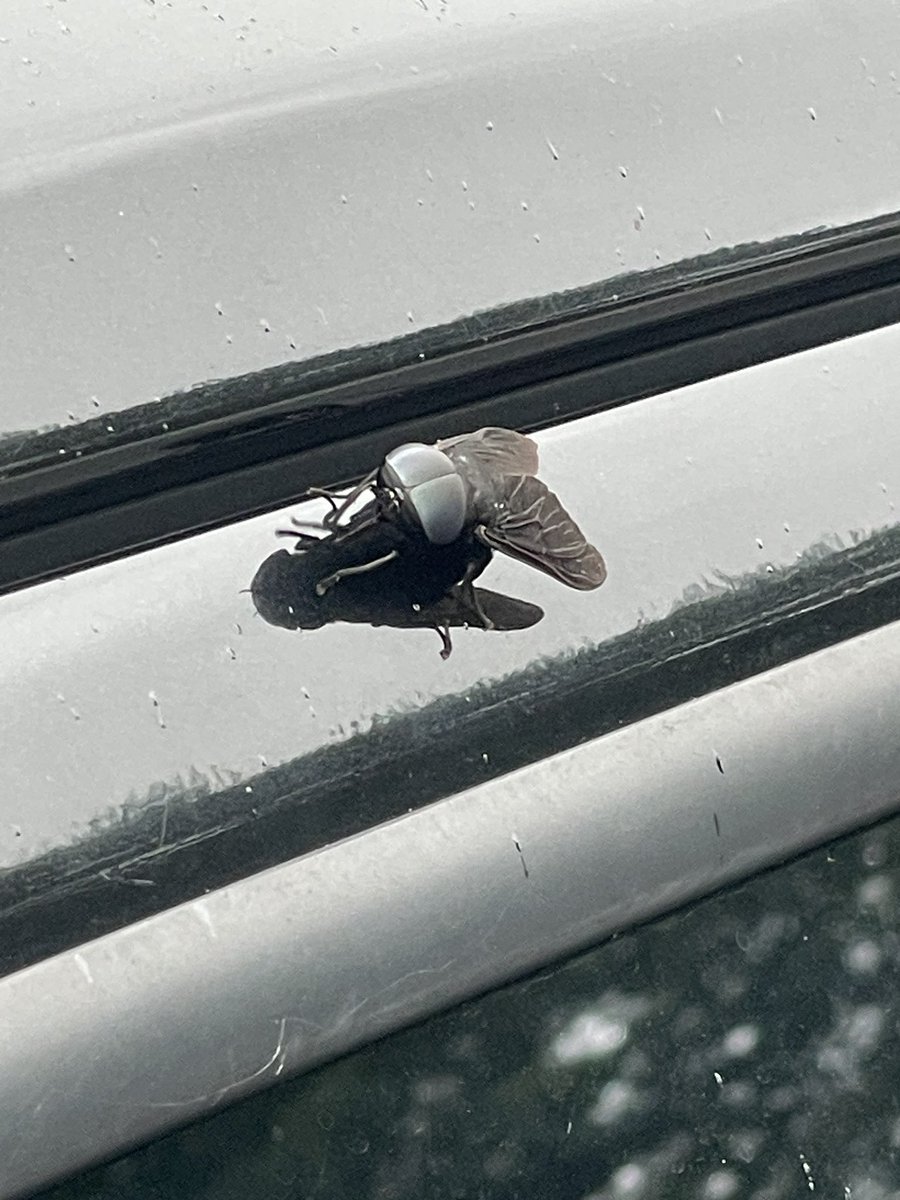
Can SOMEONE please help me ID this thing?? What layer of the underworld is it from??? 😵💫
#bugidentification #sciencehelp #buglovers
2
1,184