

Jun 13
If you are old enough to have driven in Britain in the 1980s, you remember the windscreen.
By July you could barely see through it. A run from Leeds to London in August finished with a bumper that looked like it had been to war and a sheet of glass you scrubbed with a sponge at the services while the engine ticked as it cooled. Moths in the headlights. Flies in the wing mirrors. The grille packed solid. Nobody thought it remarkable. It was simply the price of moving through a country that was still, in living memory, heaving with flying things.
Drive that same road today. Stop at the same services. The windscreen is clean. Spotless. You could very nearly eat off it.
We have the numbers, for those who want them. The Bugs Matter survey, run by Kent Wildlife Trust and Buglife, has had volunteers counting the splats on their number plates since 2004. Britain's flying insects are down by roughly four fifths in twenty years. Gone in a single human lifetime, while the rest of us noticed nothing at all.
The birds went down with them, because the birds lived on them. A child born this year can grow up in the English countryside and never once hear a turtle dove, for the simple reason that there is almost nothing left to do the calling.
And none of it, not one acre of it, happened on the grass.
It happened in the arable fields, where the hedges were torn out for bigger machines and a single crop was sprayed over and over to keep it upright. The herb-rich meadow grazed by cattle still hums. The beetles, the pollinators, the ground-nesting birds, all still there, just about, on the pasture our ancestors never stopped grazing.
So when someone tells you your steak is emptying the British countryside, ask them what grew on that field before it was drained and ploughed and sprayed to raise the oats for the carton in their fridge.
It was grass, and there were cattle on it, and back then the windscreen needed cleaning.

127
782
2,358
31,937


Jun 11
#WillowTheMantis
#Mantis
#PrayingMantis
#OrchidMantises
#FemaleOrchidMantis
#PinkMantis
#MantisLife
#MantisKeeper
#MantisCommunity
#InsectLover
#BugLife
#InsectPhotography
#MacroPhotography
#NaturePhotography
#NaturePerfection
#WildlifePhotography
#ExoticAnimals
#ExoticPets
#UniquePets
#PetInsects
#InsectKeeper
#WalkingFlower
#FlowerMantis
#WhiteOrchid
#PinkAesthetic
#PrettyInPink
#CuteCreatures
#PrettyLittleCreatures
#AnimalLover
#NatureAddict
#GardenMagic
#TinyButMighty
#LyssaHoney
#HouseOfHoney
#PetBlog
#BlogPost
#NewBlogPost
#CreatureFeature
#PetUpdate
#InsectEnthusiast
147

Race Against Time To Save Endangered Native Crayfish With New Staffordshire Ark Site
#americanSignalCrayfish #buglife #midlandsCrayfishPartnership #whiteClawedCrayfish
midlandsgazette.com/latest-n…
10

Jun 9
In English: LOL, the ultimate escape artist! Pill bugs are nature’s tiny, armored Houdinis! 🪲💨
#Yesterday’sTakeout #BugLife
13

Jun 9
Thanks American Enterprise Institute for the helpful finding that we're in a Vibecession and everything's actually better than we give it credit for!
It's a conservative think tank. These guys essentially believe that poor people should just accept buglife or die.
33
Jun 7
LyssaHoney #PrettyLittleCreatures #Mantis #OrchidMantises #InsectKeeper #InsectLover #BugLife #MantisLove #MantisKeeper #ExoticAnimal #PetBug #Arthropod #Invertebrate #NatureLover #FlowerMantis #MantisCommunity #PetPhotography #CutePets #UniquePets #RarePets #Entomology #InsectPhotography #NaturePhotography #PetBlog #LifestyleBlogger #BloggerLife #HouseOfHoneyBlog #PinkAesthetic #PrettyInPink #Obsessed #TinyButMighty #PetObsession #AnimalLovers #GardenMagic #NatureIsAmazing #MantisNymph #MoltWatch #BugTok #ExoticPetLife #InsectEnthusiast
133

Nietzsche insulted Kant by calling him "The Chinaman of Konigsberg." Something tells me he wouldn't be in awe of the communist party ruling over buglife society
56

DID YOU KNOW??
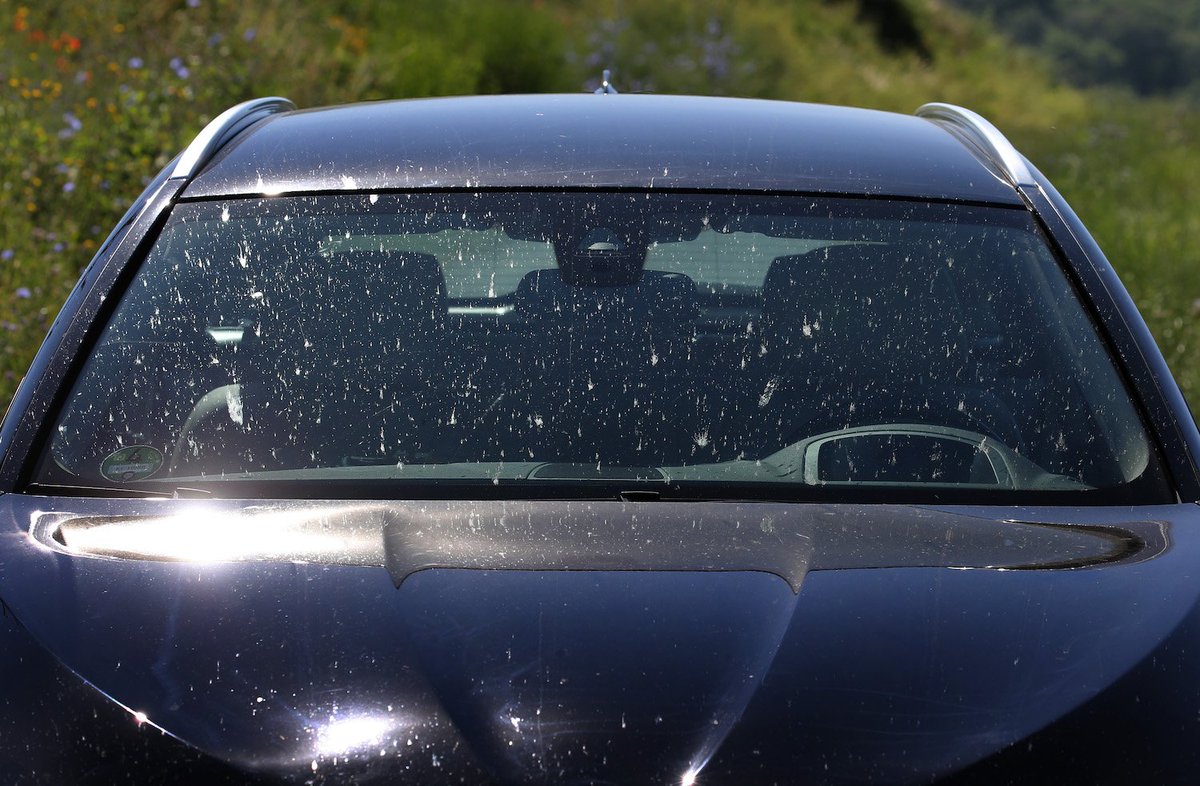
The clean car windscreen you enjoy during summer road trips is actually named by scientists as "The Windshield Phenomenon", and it is one of the most alarming visual markers of a global ecological collapse!
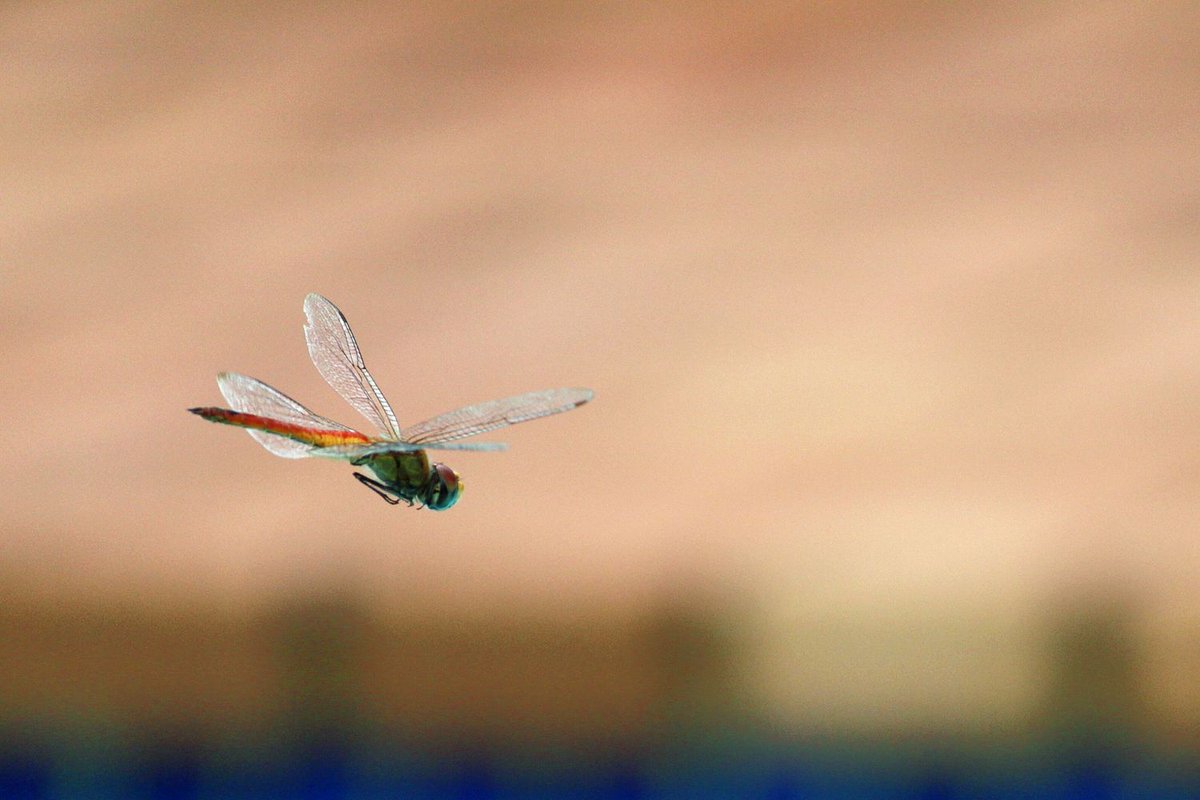
For decades, a long drive through the countryside in July or August meant stopping at petrol stations purely to scrub a thick, crusty layer of squashed bugs off your glass. Today, you can drive for hundreds of miles and arrive with a pristine, spotless windscreen.
While drivers might appreciate the lack of mess, entomologists (insect scientists) view this missing grime with absolute dread. It has confirmed what was long dismissed as just an anecdotal trick of human memory: the world is experiencing a quiet, catastrophic "insect apocalypse." Let me explain 👇🏾👇🏾
1. The Data - Splatometers Prove the Drop:
To test whether the windscreen phenomenon was real or just a trick of nostalgia, conservation groups like Buglife and the Kent Wildlife Trust launched massive citizen science projects called Bugs Matter.
By instructing thousands of drivers to completely clean their front number plates before a road trip and then use a grid called a "splatometer" to count the carcasses at their destination, scientists collected undeniable physical proof.
In the UK, the number of flying insects sampled on vehicle plates plummeted by an astonishing 78% between 2004 and 2023. Parallel long-term road studies in Denmark mirrored these exact findings, recording an 80% to 97% decline in flying insect biomass along major transport routes.
2. Why Are the Bugs Vanishing?
The reason your car is no longer hitting insects isn't because cars have become more aerodynamic (though modern fluid dynamics do push a tiny fraction more insects over the roof than the boxy cars of the 1970s). The true culprit is a multi-front war on insect habitats.
A. The Loss of "Wild" Spaces: Modern industrialized agriculture relies on massive monocultures, endless fields of a single crop like wheat or corn. The ancient hedgerows, wildflowers, and untamed meadows that used to line roadsides and give insects a place to breed have been systematically ripped out.
B. The Invisible Chemical Shield: The widespread, routine use of systemic pesticides like neonicotinoids has fundamentally altered nature. These chemicals soak entirely into a plant's tissues, meaning the very pollen and nectar flying pollinators drink to survive ends up shortening their lifespans or scrambling their internal navigation systems, preventing them from flying altogether.
C. The Squeeze of Climate Change: Spikes in extreme heat events are hitting fragile species like bumblebees incredibly hard. They are losing their historical ranges at a rapid pace, unable to migrate northward fast enough to escape rising baseline temperatures.
3. The Myth of the Windscreen Air Cushion:
When the windshield phenomenon first went viral, a popular internet theory emerged claiming that modern, highly curved, aerodynamic cars create an "air envelope" or pressure bubble that gently pushes insects out of the way, preventing them from hitting the glass. Aerodynamicists and physicists quickly debunked this.
While a sleek sports car alters airflow slightly more than a vintage, brick-shaped sedan, a bug weighing fractions of a gram cannot escape the sheer kinetic force of a vehicle moving at 60 or 70 miles per hour. If the insects were out there in their historical numbers, they would still be hitting the glass. The air cushion simply isn't strong enough to save them; they are missing from the air entirely.
SUMMARILY!
The lack of insect splats on modern windscreens isn't a victory for vehicle aesthetics or engineering, it is a stark warning that the baseline of the global food chain is rapidly thinning out!
Hopefully you've learnt something new today?
Cheers 🥂 🙂
The Medic Who Writes™🌚

Jun 7

I do sometimes wonder if this is actually a result of a massive decline in the overall insect population, or if it’s insects evolving to avoid flying low over roads
1
5
1,229

👨💻 Developer:
"It works perfectly on my machine."
🧑🔬 Tester:
"Great! Then let's deploy your machine to production. 🙂"
#TesterVsDeveloper #SoftwareTesting #QALife #DeveloperHumor #BugLife #CodingLife #TechMeme #ITLife #Debugging #QualityAssurance
5

Jun 7
do what? You'll find soon with 100 mil of us immigrants who don't fear you :)
Ex: Cubans arrived on rafts and tires from Cuba, and took over all of your neighborhoods in less than 20 years. Today, all you got is Lauderhill and buglife Belle Glade. And they're buying up Lauderhill right now :) They also don't hire you
35

Developers when a bug that never appeared in testing shows up in production...
What's the most painful production issue you've debugged? Tell your story 👇"
#DeveloperLife #Coding #TechTwitter #SoftwareEngineer #BugLife

3
44


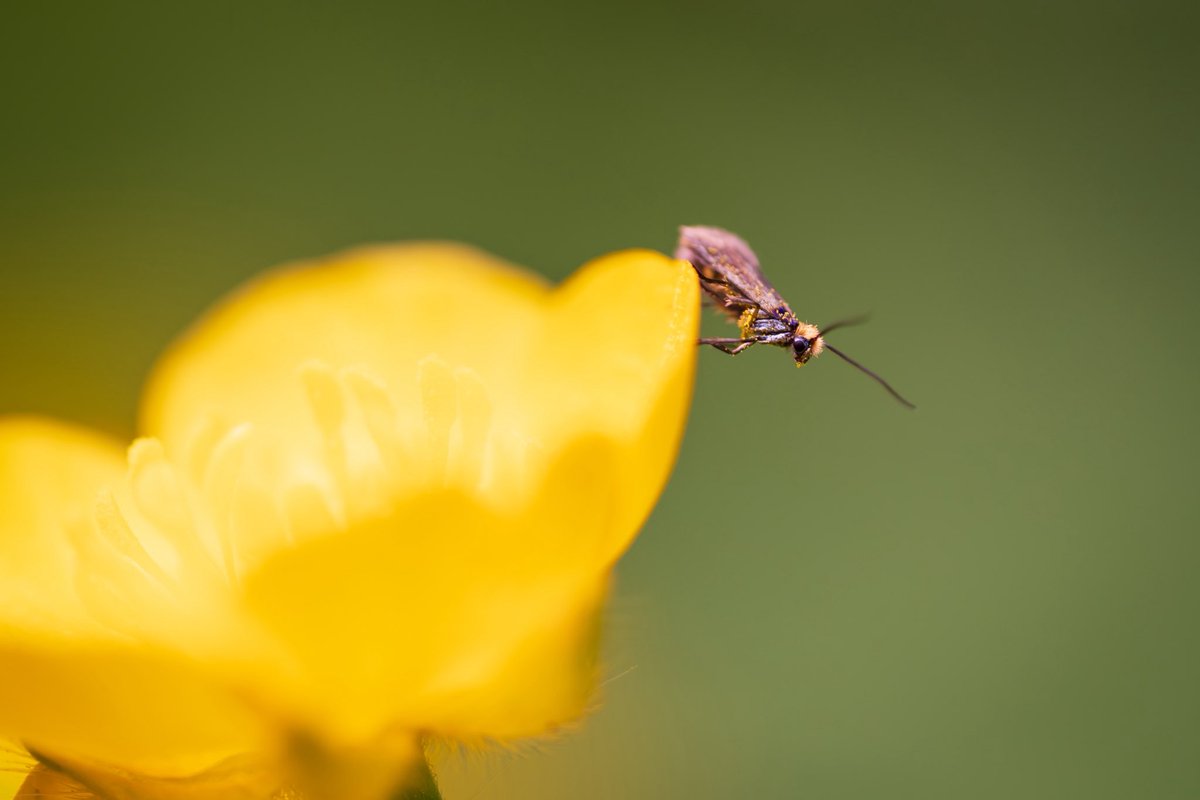

Tiny caterpillar that “whistles” when touched 🐛🎶 Fun fact: some use sound as a defense trick.
#Caterpillar #Insects #NatureFacts #BugLife
2
22




Looks like Ragwort, really good for pollinators.
Not a weed, native wildflower.
If you're lucky you'll get stripy Cinnabar Moth caterpillars 🐛
Lots of info here:
ragwortfacts.com
You can also find a Buglife article about Ragwort here buglife.org.uk/resources/pol…
2
1
13
416


2
6
229