
18 Jul 2025
🧠 Rethinking Web3 with Anoma: Building a World Where Intent is the Interface
✅ The Problem with Web3 Today
Despite all the innovation, Web3 still suffers from serious user and developer experience problems.
• Users must understand chains, bridges, wallets, gas, slippage, tokens, L2s, and MEV to perform even basic actions.
• Developers must choose between fragmented chains, duplicate logic, complex interoperability, and low composability.
• Infrastructure is visible everywhere. Every transaction reminds users that they are operating within a blockchain.
• Applications are not privacy-preserving by default, creating a contradiction between decentralization and data sovereignty.
Web3 isn’t broken because of lack of effort — it’s broken because we’ve been optimizing for transactions, not for intentions.
✅ What Is Anoma?
Instead of writing a transaction that executes something directly, users simply declare what they want — their intent. The network then handles:
• Discovering matching intents
• Resolving conditions (e.g., price, time, multi-party logic)
• Ensuring privacy through zero-knowledge proofs
• Finalizing outcomes without revealing unnecessary data
Anoma hides the plumbing and exposes only what matters: goals, conditions, and trust boundaries.
✅ Intents: The New Atomic Unit of Decentralized Apps
In traditional systems, users submit transactions. In Anoma, they submit intents — declarations of what they want to do under certain constraints.
Example intents:
• “Swap 10 DAI for ETH only if the rate is better than 0.00032”
• “Send funds to address X if three of my multisig members approve”
• “Match with another DAO seeking to merge treasuries under governance Y”
• “Reveal my identity only if this DAO is privacy-compliant”
These are expressive, conditional, and programmable — enabling complex coordination without central intermediaries.
✅ A Composable, Chain-Agnostic Developer Environment
With Anoma, developers don’t build apps for a specific chain. They build intention-aware logic using Juvix — a privacy-preserving, type-safe, and functional language purpose-built for the intent architecture.
• No per-chain contracts — build once, deploy across all intents
• Built-in support for zero-knowledge proofs
• Composable settlement logic
• Privacy and identity control as native features
• Interoperability with Ethereum, Cosmos, and other ecosystems
Applications become intent-centric programs that can interact across chains with no hardcoded routing, no bridges, and no cross-chain spaghetti.
✅ Solvers, Not Smart Contracts
Instead of having all application logic inside contracts, Anoma uses solvers — off-chain agents that match, fulfill, and settle user intents in a privacy-preserving way.
• Solvers search for matchable intents (e.g., “Alice wants to swap ETH for DAI”, “Bob wants the reverse”)
• They bundle these into transactions and submit zero-knowledge proofs for correctness
• The network validates proofs without learning who the parties are or what was exchanged
This shifts power away from protocols and toward users — enabling expressive dApps with no trusted coordination points.
✅ Data Sovereignty and Privacy by Design
Privacy in Web3 is often an afterthought. On Anoma, it’s foundational.
• All intent matching is done via zero-knowledge execution
• Users choose which metadata, identity claims, or resources to expose
• No unnecessary leakage: you reveal only what’s logically required for your intent to be matched
• Supports advanced patterns like shielded pools, anonymous credentials, and ephemeral IDs
Your data, your terms — always.
✅ Real-World Applications of Anoma
What can you build with Anoma? Pretty much anything that involves coordination with conditions.
• Auctions: “Only bid if the price is under 10k and this DAO is winning”
• Crowdfunding: “I’ll contribute if 100 others do”
• DAOs: “Let’s merge treasuries only if we agree on new governance rules”
• Identity: “I’ll prove I’m over 18 without revealing who I am”
• Escrow: “Transfer only after I receive the product”
• Governance: “Vote anonymously, but verifiably, within a group”
• Private marketplaces, decentralized insurance, prediction markets, and more
Anoma is not a vertical protocol — it’s a horizontal coordination layer.
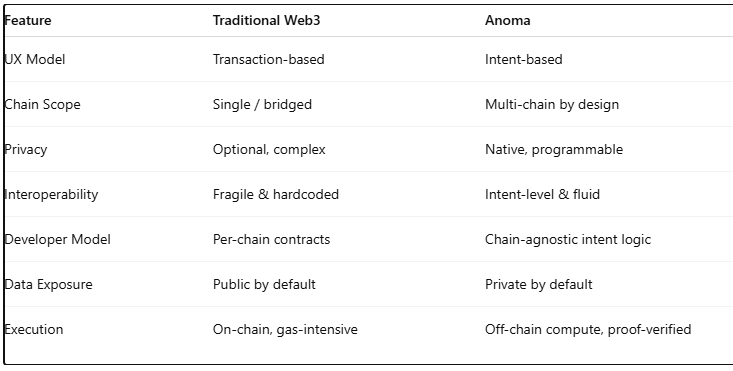
✅ Anoma vs. Traditional Web3 Infrastructure
✅ Why Anoma Is Different
Anoma is not competing with Ethereum, Solana, or Cosmos — it’s complementing them by abstracting away their differences.
• You don’t build on Anoma — you build through it.
• You don’t manage accounts or chains — you manage desires and constraints.
• You don’t rely on oracles — you trust provable computation.
• You don’t sacrifice privacy for composability — you get both.
✅ The Future: Intention is the Interface
We are entering a new phase of decentralized systems:
• From passive chains → to active coordination networks
• From static contracts → to dynamic, matchable programs
• From siloed ecosystems → to interoperable intent webs
• From surveillance defaults → to privacy-first architectures
Anoma is not a better blockchain — it’s a better abstraction.
It lets us stop programming machines and start expressing human intent.
✅ Learn More & Get Involved
• 🌍 Website: anoma.net
• 📚 Documentation: docs.anoma.net
• 💬 Discord: discord.gg/anoma
• 🧠 Whitepaper: anoma.net/whitepaper.pdf
#Anoma
#Web3
#IntentBased
#PrivacyByDesign
#ZKProofs
#Multichain
#ComposableApps
#Juvix
#Web3Developer
#CryptoUX
#ZeroKnowledge
#AnomaOS
#BuildWithIntents
#DecentralizedFuture
#BlockchainInfrastructure
2
3
38

5 Jul 2025
Technology should follow the human mind, not the other way around.
@anoma understands that we all think from intents, not from technical commands.
With intent-centric design, you simply state what you want, and let the protocol take care of the rest.
#BuildWithIntents
5 Jul 2025

Build Apps! Not Chains⛓️💥 energy security worldwide remains a top 2025 geopolitical risk, as traditional powers cling to their fossil fuel empires while the future demands new forms of energy independence.
Anoma’s intent-centric architecture enables the creation of decentralized energy markets where producers and consumers can trade power directly. Through its programmable smart contracts, renewable energy producers can sell excess capacity in real-time, while consumers can express their preferences for green energy. The Red Wizards have divined that Anoma’s micro-transaction capabilities will enable granular energy trading that makes every solar panel and wind turbine a participant in the global energy economy.

17
19
362

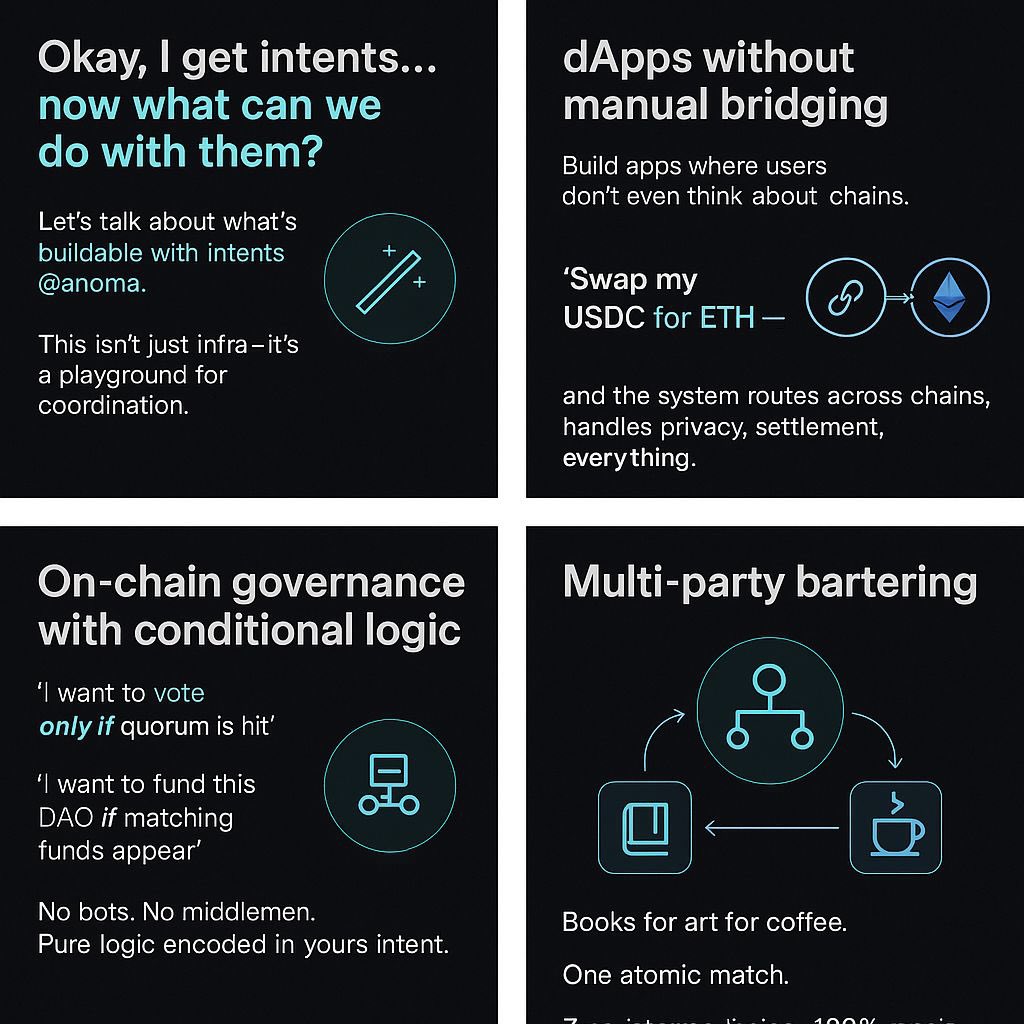
Okay, I get intents… now what can we do with them?
Let’s talk about what’s buildable with @anoma.
This isn’t just infra it’s a playground for coordination.
Forget tx-by-tx logic. Intents let you express goals.
Anoma matches and settles them across users and chains.
Now imagine what builders can unlock with that…
🛠️ dApps without manual bridging
Build apps where users don’t even think about chains.
Just say Swap my USDC for ETH and the system routes across chains, handles privacy, settlement, everything.
No bridging UI. Just goal → done.
🧾 On-chain governance with conditional logic
‘I want to vote only if quorum is hit’
“I want to fund this DAO if matching funds appear”
No bots. No middlemen. Pure logic encoded in your intent.
🤝 Multi-party bartering
Forget A→B swaps. Build apps where 3 users can trade what they actually want.
Books for art for coffee. One atomic match.
Zero intermediaries. 100% magic.
💣 Anti-rug Memepads
Dev sets: “Launch $TOKEN with 60-day liquidity lock”
Buyers set: “Only buy if lock is confirmed”
The chain only matches when both conditions are met.
Boom: rug resistance baked in.
🤖 AI agents need privacy speed
AI wallets can use intents to negotiate, trade, or vote without revealing goals
No frontrunning, no gas sniping.
Anoma gives agents their own coordination layer.
🌐 Coordination OS > just “another L1”*
Anoma lets you build native cross-chain, privacy-preserving logic at the intent layer.
Builders stop thinking in blocks and start thinking in outcomes.
If you're a dev: start imagining UX without friction
If you're a user: get ready to stop “signing” steps.
Intents change how we coordinate.
gNoma.
#BuildWithIntents
@thekerukeion @pipsandbills

It’s a new month, but the same question remains:
What is an intent, really?
Not a buzzword. Not a rebrand of transactions.
Let’s break down what Anoma means when it talks about intent.
🧵
On most blockchains, you sign a tx:
→ Swap X for Y
→ Send tokens to an address
→ Stake into a protocol
You’re telling the system how to do something.
But with intents, you don’t say “how”
You say what you want.
An intent is a goal.
Not instructions.
Examples:
→ I want to swap USDC to ETH at the best available rate.
→ I want to donate 1 ETH, but only if it’s matched.
→ I want to buy governance tokens from verified sources.
This is a shift in control.
Once you declare the intent, Anoma takes over:
✔ Finds matches across chains
✔ Protects your preferences with ZK
✔ Handles routing, settlement, and validation
✔ You stay in control of privacy throughout
All without having to bridge, swap, or guess.
It’s similar to real life.
When you say:
I want a flight to Tokyo under $600
You don’t ping every airline.
You use a platform to find the best match.
That’s what Anoma is building: A coordination protocol for matching intent.
The kicker?
You can do this across any chain,
With programmable privacy,
And without needing a trusted middleman.
The complexity is abstracted away.
As we enter July, the testnet is around the corner.
What you’ll be testing is more than a chain.
You’re exploring a new coordination paradigm,
Where you don’t just interact you express.
And the system works to fulfill that.
So if you’re still thinking:
Why all this talk about intent?
It’s because this is where blockchains grow up.
Away from raw mechanics → toward user centered design.
Declare your goal.
Let the network coordinate.
This is @anoma.
gNoma.@thekerukeion

41
4
35
183

29 Jun 2025
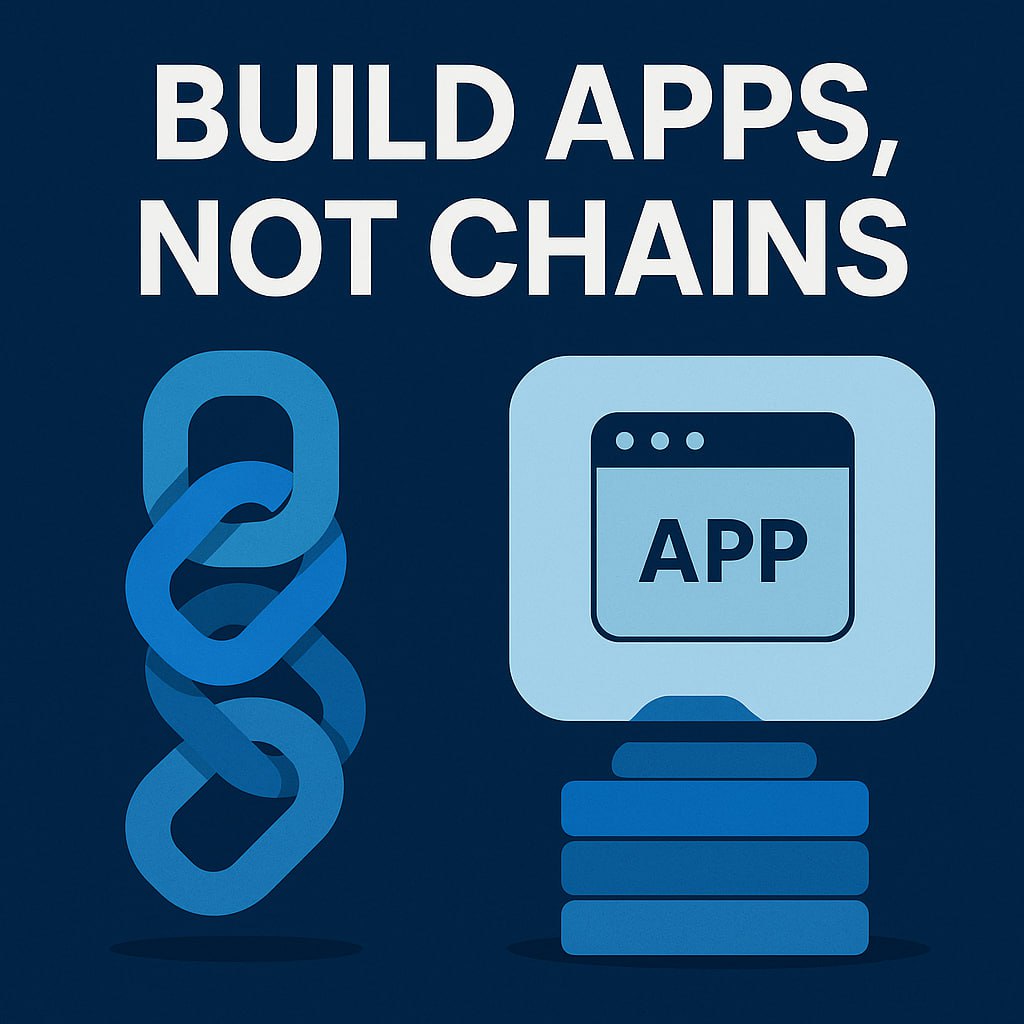
Kripto paranın geleceği daha fazla zincir değil.
Sadece her zincirde çalışan uygulamalar.
Web3'ün geleceğini inşa etme zamanı, başka bir EVM çatalı değil.
@anoma zamanı.
#BuildWithIntents #Anoma
5
2
5
112

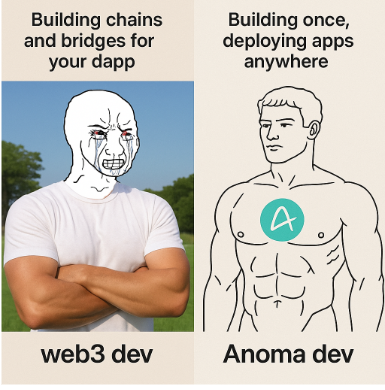
✋Web3 devs, it’s time to stop building chains.
Start building apps once, and for every chain.
@anoma project is creating a Web3 OS that makes your dapps chain-agnostic, intent-driven, and user-first.
Here’s how 👇
Today’s Web3 UX is broken:
Bridge hell
Gas token juggling
Chain lock-in
Multi-step chaos
@Anoma fixes this with intents:
Users say what they want.
The protocol figures out how to make it happen — across chains.
Example:
“I want this NFT, here’s my ETH.”
@Anoma routes the swap, bridge, and buy—automatically.
No more signing 5 txs.
No more opening 3 tabs.
No more thinking like a blockchain engineer.
Behind the scenes:
Intents are broadcast
Solvers compete to fulfill them
Atomic settlement across chains finalizes it all
→ All coordinated by @Anoma’s OS: modular, chain-neutral, and privacy-aware.
@anoma isn’t another chain.
It’s a protocol for building apps that just work across ecosystems.
This is Web3’s OS.👈
Build once. Let the system coordinate the rest.
#Anoma #Web3 #BlockchainUX #BuildWithIntents #CryptoInfrastructure
14
17
277

16 May 2025
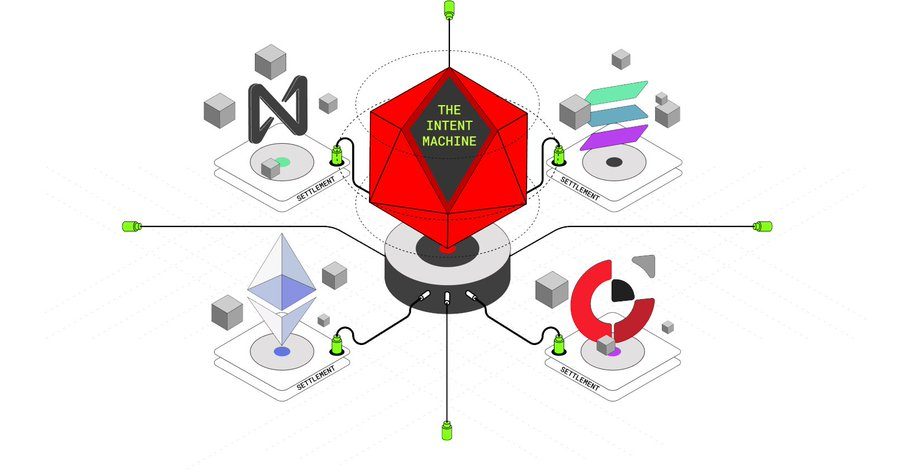
Tired of building new chains for every app? @anoma is the decentralized OS that unifies Web3. Build apps, not chains-Anoma connects to Ethereum, Solana & more for seamless, cross-chain experiences. #Anoma #Web3 #BuildWithIntents
🔗 anoma.net/

BUILD APPS NOT CHAINS
The crypto industry is becoming increasingly saturated with Layer 1s and Layer 2s, leaving us all questioning: where are the apps?
That’s not to dismiss infrastructure, as without it Web3 couldn't exist. But every new chain introduces fresh complexity: fragmentation, unfamiliar languages, and new wallets.
ANOMA FIXES THIS
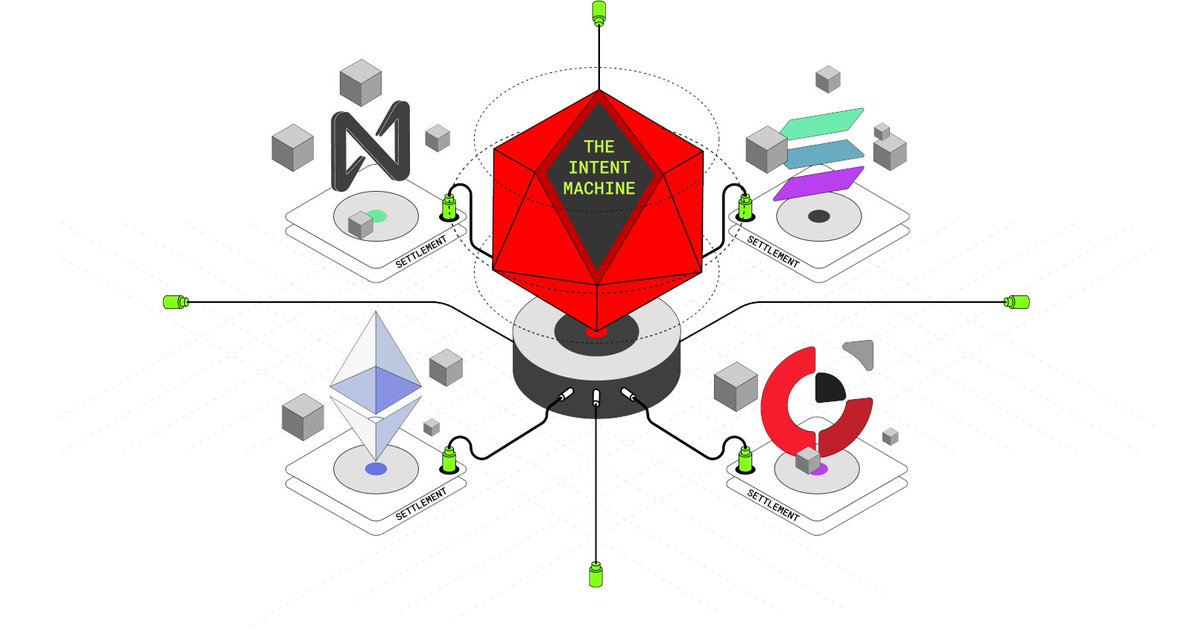
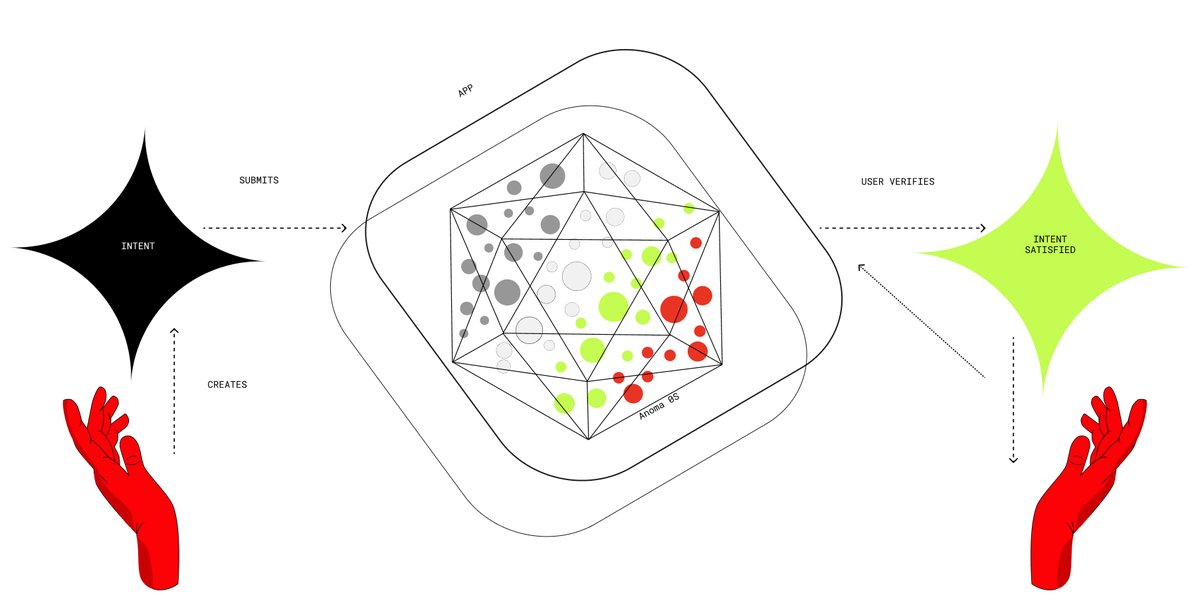
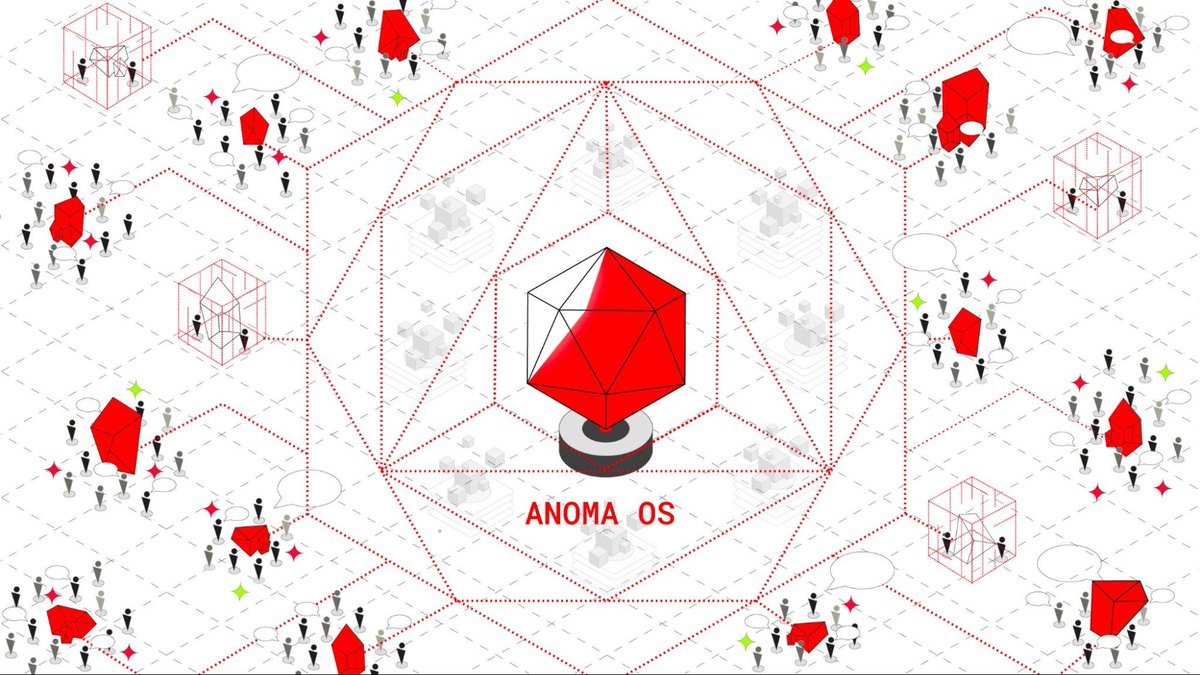
Anoma isn’t another Layer 1 or Layer 2. It’s a decentralized operating system that connects to existing blockchains, be that Ethereum, Solana, or any other chain, to provide a seamless, unified experience across all of crypto.
Anoma sits above both general-purpose and app-specific chains, giving developers a single, consistent interface to build on.
Builders ship applications, Anoma handles everything else: from counterparty matching to execution, consensus, interoperability and settlement across all underlying chains.
Anoma makes the complexity of infrastructure invisible, and powers a unified app layer for Web3.
INTENT-CENTRIC APPS
Anoma introduces a new design paradigm: intent-centric applications. But what is an intent?
Simply put, an intent is a statement of a desired outcome. They’ve existed as long as markets have. A medieval villager trading a fish for a chicken was expressing an intent.
In today's blockchains, if you want to swap USDC for ETH, you use a smart contract on a DEX. That’s a fixed transaction.
On Anoma, you express your intent, and a network of solvers compete to fulfil it. This leads to more efficient, flexible outcomes than traditional chains can offer.
Because intents aren’t tied to specific applications or domains, Anoma enables entirely new types of decentralized apps:
• Metadata-private chat platforms
• Multi-party barter systems where users trade without prior coordination
• Multichain DeFi protocols that match user preferences directly and mitigate MEV
WEB2 POLISH, WEB3 GUARANTEES
Most dapps force you to babysit gas, bridges, and slippage.
With Anoma, you just declare, for example, “swap 500 USDC for ETH if I beat Coinbase by 0.2%,” click once, and walk away. The network handles the rest, splitting orders across chains, shielding you from MEV, and settling atomically with full self-custody and censorship resistance.
Because intents are first-class citizens, wallets and dapps treat them like Lego bricks. A payment can include a zero-knowledge proof of identity. A limit order can double as collateral. An auction can clear across diverse asset types.
You no longer have to trade convenience for sovereignty. With intents, dapps can match the capabilities of Web2 while keeping all the benefits of Web3.
BUILD ON ANOMA
Stop spinning up new chains to solve old problems. Build on Anoma. Describe the experience you want users to have, and let the network handle the rest.
The future of crypto isn’t more infrastructure. It’s infrastructure you don’t even notice.

1
1
1
18