
The Busbar System: The Backbone of Power Distribution
A busbar system is not just a conductor.
It is the structural backbone of power distribution in switchgear, substations, and power plants.
Where power is generated, controlled, or shared, the busbar is carrying that responsibility silently.
What a Busbar System Is
A busbar system is an engineered assembly of:
▫️Conductive bars
▫️Insulators
▫️Mechanical supports
▫️Joints and connectors
▫️Protective barriers or enclosures
Its purpose is simple but critical: to collect and distribute electrical power safely, efficiently, and reliably.
Unlike cables, busbars are rigid, visible, and designed to withstand high current and fault levels.
Main Components and Their Functions
📍Busbar conductors (Copper or Aluminum): Carry load current and withstand short-circuit forces.
▫️Insulators: Electrically isolate the busbar from earth and adjacent phasesSupports: Provide mechanical strength and maintain phase spacing.
📍Joints & connectors: Ensure low-resistance continuity between sectionsEnclosures / barriers: Improve safety, segregation, and IP protection.
A failure in any one of these affects the entire system.
Types of Busbar Systems
Busbar systems are selected based on reliability needs and application:
▫️Single busbar: Simple and economical, limited flexibility
▫️Double busbar: Higher reliability and operational flexibility.
▫️Ring busbar: Maintains supply continuity during maintenance.
▫️Isolated Phase Busbar (IPB): Common in power plants for generator outputCompact / Sandwich busbar: Used in modern panels and buildings.
Each type balances cost, redundancy, and safety.
Why Busbars Are Preferred Over CablesBusbars offer:
📍Lower voltage drop
📍Better heat dissipation
📍Higher short-circuit withstand capability
📍Easier inspection and maintenance
📍Longer operational life
This is why they dominate high-current installations.
Design Considerations That Matter
Good busbar design goes beyond sizing:Current rating and future expansion.
Short-circuit thermal and mechanical strength
Thermal expansion allowance
Phase clearances and creepage distances
Environmental conditions (humidity, dust, pollution)
Design shortcuts usually show up later as overheating or flashover.
Maintenance of Busbar Systems
Though robust, busbars require routine checks:
🍒Visual inspection for discoloration or corrosion
🍒Torque verification on joints
🍒Infrared scanning for hot spots
🍒Insulator cleaning and inspection
🍒Support integrity checks
Most busbar failures originate from loose joints or weakened supports, not the bar itself.
The busbar system rarely draws attention because it rarely fails suddenly.
But when it does, it shuts down everything connected to it.
Reliable power systems are built on components people overlook — and the busbar is one of them.
Start Safe. Work Safe. Finish Safe.
#BusbarSystem
#ElectricalEngineering
#PowerDistribution
#SubstationEngineering
#Switchgear

3
108

27 May 2019
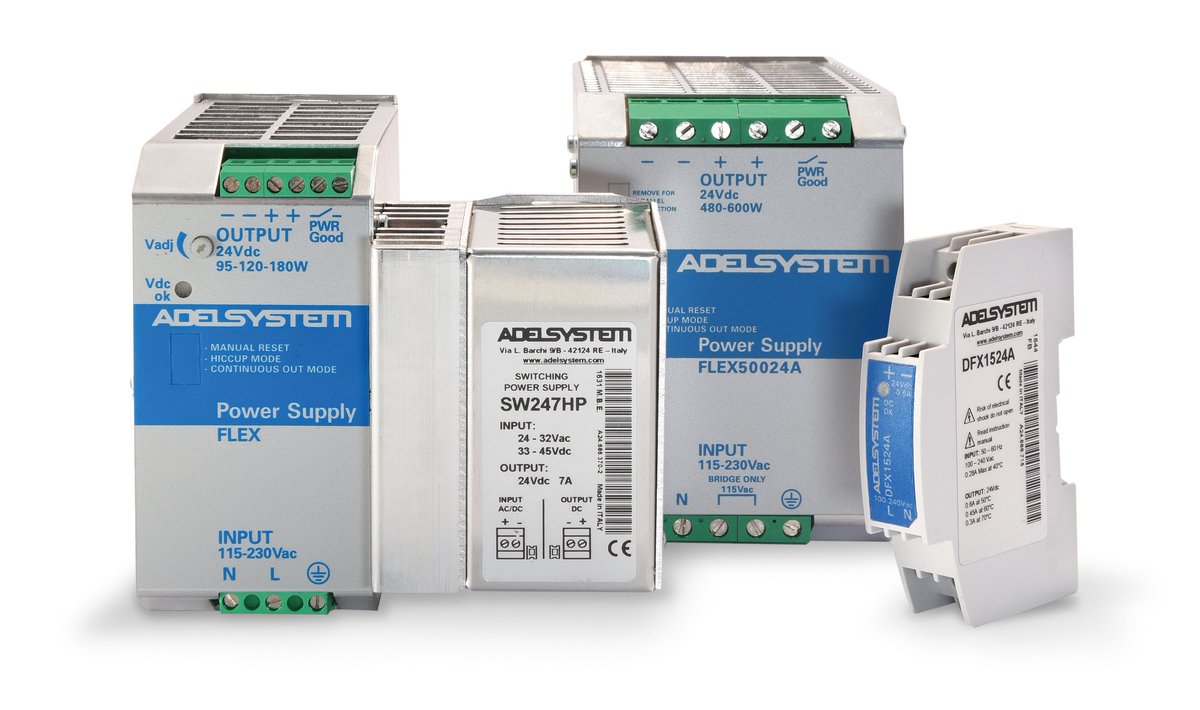
ADEL SYSTEM SRL appoints Hetronic Systems India Pvt Ltd as the Dealer
#powersupplysystem #adelsystem #RadioRemoteControls
#GigasenseForceMeasurementSystems #ElectricChainHoist #ManualChainHoist #Winches #BusbarSystem
Email: info@hetronic.in
Web: hetronic.in
1
2

23 Apr 2019
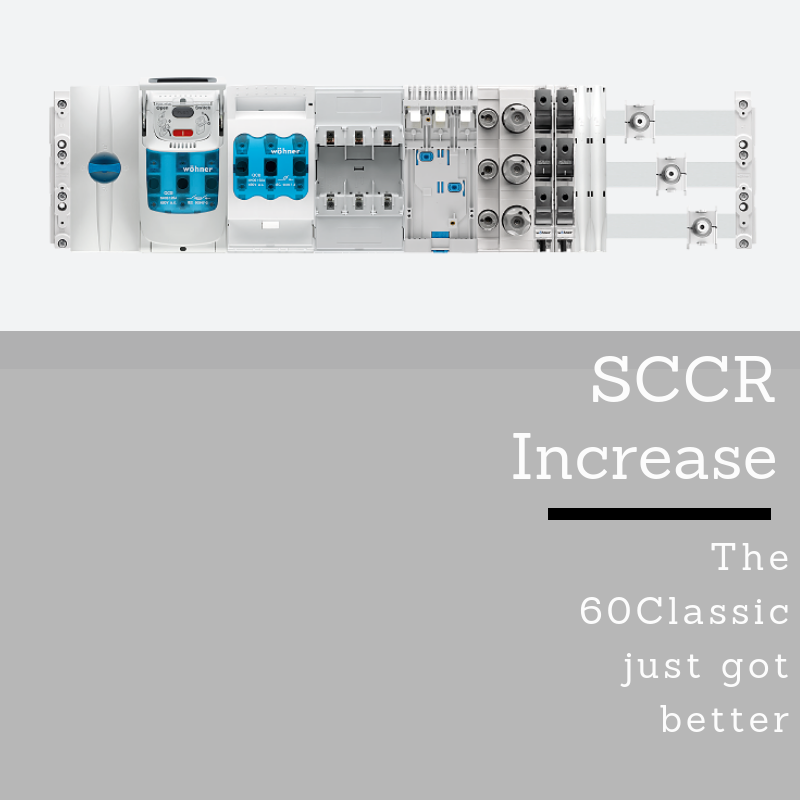
#60Classic #busbarsystem increased its short circuit ratings. The #EQUES adapter type EEC6063-L has been increased to 480V, 65kA when protected by DIVQ circuit breakers up to 60A.
2
16 Apr 2019
Planning your next #busbarsystem build just got a whole lot easier. Introducing - the Woehner app! Configure your system by importing projects you are planning then see how they will look in the space you will put them in. Learn more: ow.ly/iU6s30onfVU
1
1
2
10 Jan 2019
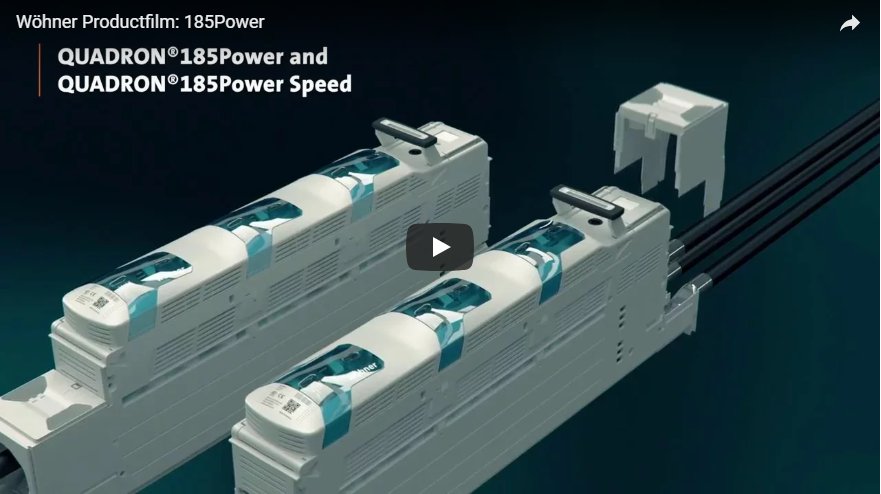
Modularity. Compatibility. Flexibility. #185Power by #Woehner is the ultimate system for 185mm #busbarsystem technology - the perfect solution for power distribution equipment. Learn more: ow.ly/Flcn30nftOG
2

We are the main suppliers of #electrical goods to the #construction #industry. Contact: @capitalelectri1 #busbarsystem
6 Oct 2018

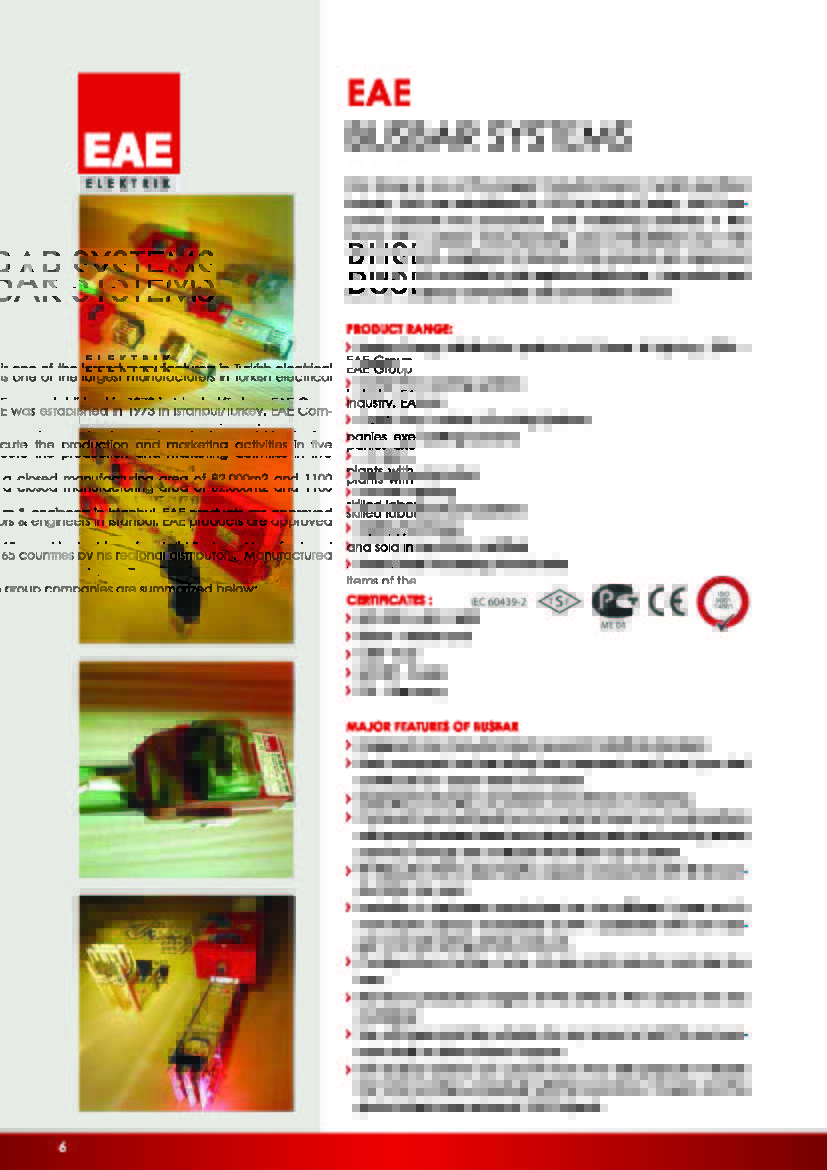
We supply quality products supported by prompt and reliable services to ensure customer satisfaction #busbarsystems @capitalelectri1 a Division of @capitalgroupho1
4

11 Nov 2015
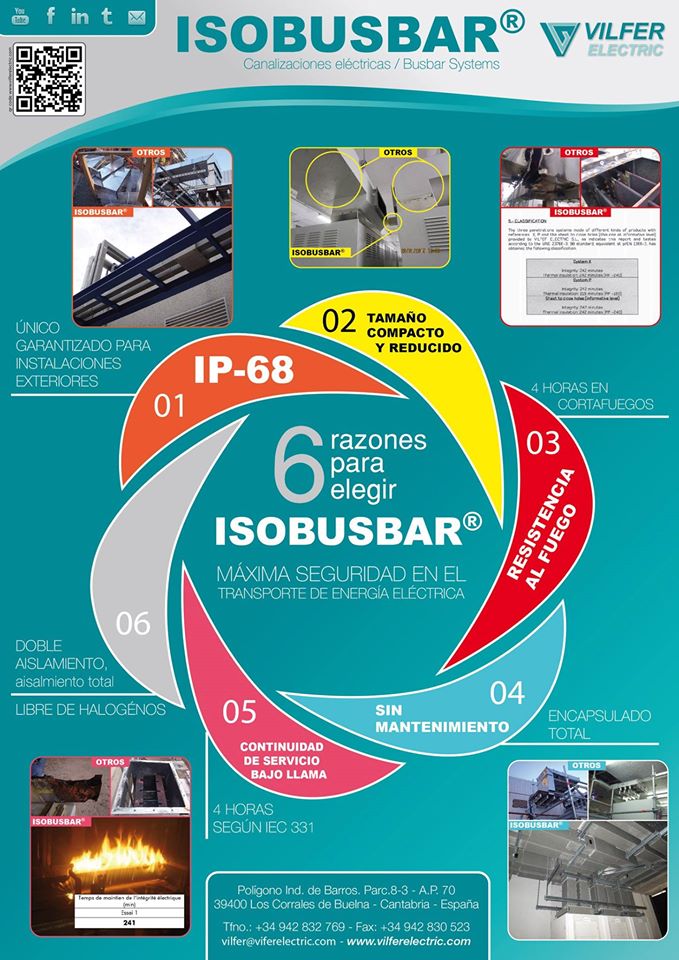
Ventajas #canalizaciones eléctricas #ISOBUSBAR #busbarsystem @AmigosIng @Portal_Minero facebook.com/vilferelectric
1
2
29 Oct 2015
2