Naᰔyr~ 🍀 retweeted

barcode at the ripe age of 19 out acting half of the thai industry
 Bluehour563
Jun 12

don't understand people who glaze jeefbarcode... Like Jeff shines better with a good actor 😭 barcode needs A LOTTT of work done rn
4
85
533
16,465
Die hard of 🅰️🅰️ retweeted

Next stop Tamil cinema industry @alluarjun bring it on 🔥🔥
 Ghani
Ghani
63
351
1,911
こーたろー/アイマス楽団#imas_PB retweeted

Apparently putting all the illegal migrants in hotels has saved the hotel industry..
Cool well let’s save the airline industry and send them all back home to the shitholes they came from.
222
3,099
25,903
205,783

Lars Christensen retweeted

Jun 12
Russia's defense industry depends on aluminum. Aluminum depends on alumina.
Estonia has proposed an EU ban on alumina exports to Russia. If we are serious about raising the cost of aggression, we must close this loophole.
My op-ed @ERRNews.
news.err.ee/1610053456/margu…
247
1,093
3,515
70,163
Esteban goes back to college 🎓 retweeted

Look closely at Adam Silver’s eyes 👀 The creatures who run our entertainment industry ARE NOT HUMAN
127
181
1,531
166,918

15s
semua yang ada di industry ini kenalan nya leo 🙂↕️

i might be connecting the wrong dots but apparently brody knows the founder of maps and brody is friends with leo. considering leo has appeared in maps twice, i can’t help but wonder if the founder and leo know each other personally too 👀




1

Because it's a high income industry! Especially when they can get their hands on the electric bikes. That brings in a lot of money for a homeless person. Then they pick the bike apart, and create a new one
Jegan Manomalar retweeted

Have always wanted this to happen. TN Govt exploring ways to support the firecracker industry in Sivakasi. Minister Keerthana says a new policy is in works. Says we have to compete with the likes of China in this domain. Let's see 🤞🎇
 Rajesh
21
124
896
27,789

Shops are closed so South Africans can open them. We will Run Spaza Shops Business. It doesn't happen over the night. It took Foreigners many year to build that industry, we will build it too.

“We don’t own anything in our country; all the shops are closed,” a South African man says as he drives through the streets of South Africa.

Dude was replaced by a clone‼️ his ears & eyes changed before any surgeries‼️
Dude was a cia industry plant to promote bs to yall‼️






I don’t think the “traditional” path is viable for many people anymore. There was a time when “the industry” was small enough you could find work just by being able to hold a pencil and living in the right location (according to some retirees I’ve talked to) but now (…)
1
Isaac retweeted

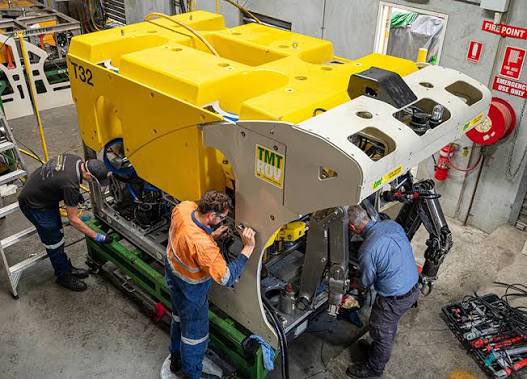
Work Class ROV
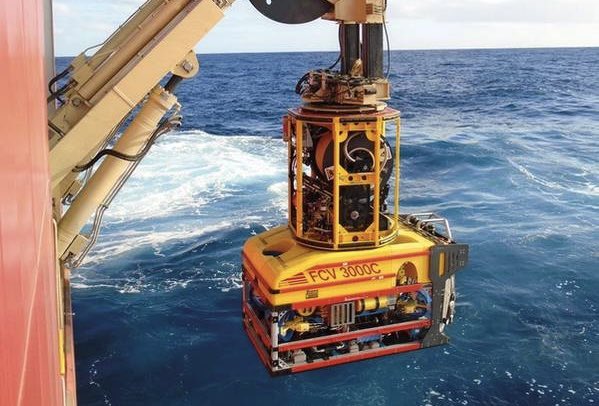
This is a subsea Remote Operated Vehicle (ROV), this is what the offshore industry uses to inspect pipelines, subsea cables, oil platform structures, subsea wellheads.
ROVs are much larger than you might think. They’re about the size of a mini bus.
They get lifted over the side of a ship with an “A-Frame” and lowered into the sea with a Tether Management System (TMS).
You lower the ROV TMS down to the bottom of the sea with a crane wire that runs over the A-Frame and at or near the seabed the ROV will fly away from the TMS and head off to its planned destination to do whatever work it is doing.
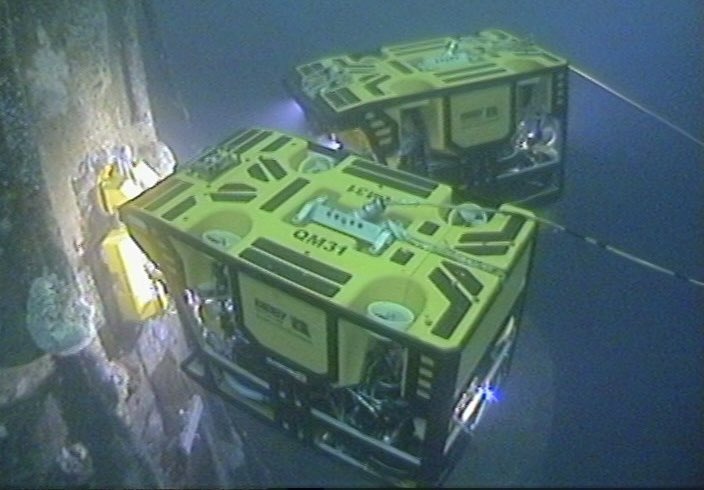
The ROV typically has 2 large hydraulic manipulators on the front of it along with lots of cameras and it behaves lift a giant crab able to pick things up and turn valves open / closed.
ROVs are neutrally buoyant and surprisingly agile under the control of a skilled pilot. They can complete a large variety of tasks without risking the life of a diver.
These things have existed for around 30 years now and have been used all over the world for much of that time. Even down to depths of 3,000 meters.
A lot of the work is surveys, repair and maintenance but there’s also a lot of construction work and increasingly decommissioning work too.
Huge cost savings available in the automation of these capabilities, but not an easy thing to do.
1
10
53
2,816
ABHIJEET KUMAR retweeted

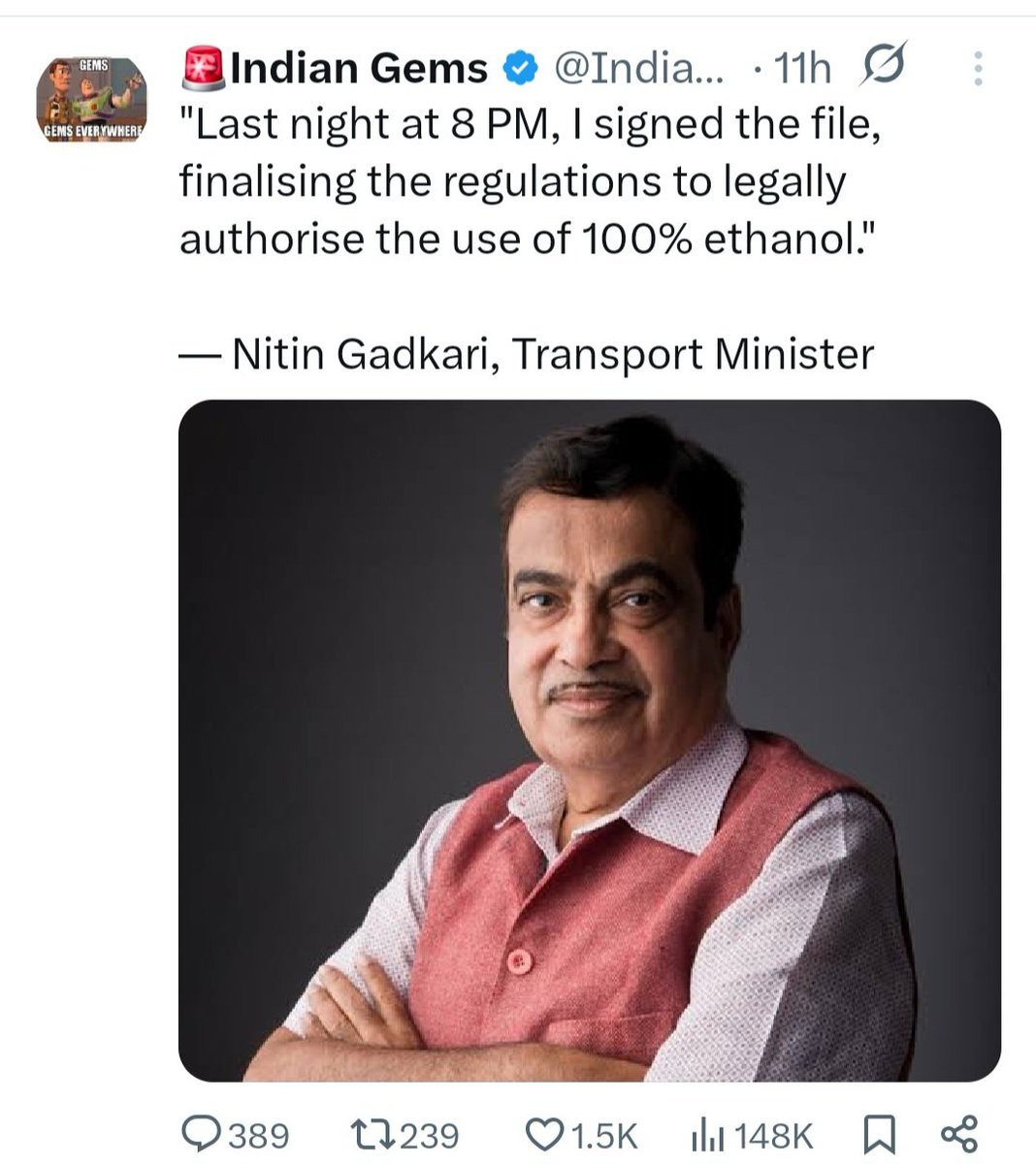
Single-handedly destroyed the automobile industry!! 👏👏👏
56
306
1,084
8,678
SheWhoSees🇦🇺17 retweeted

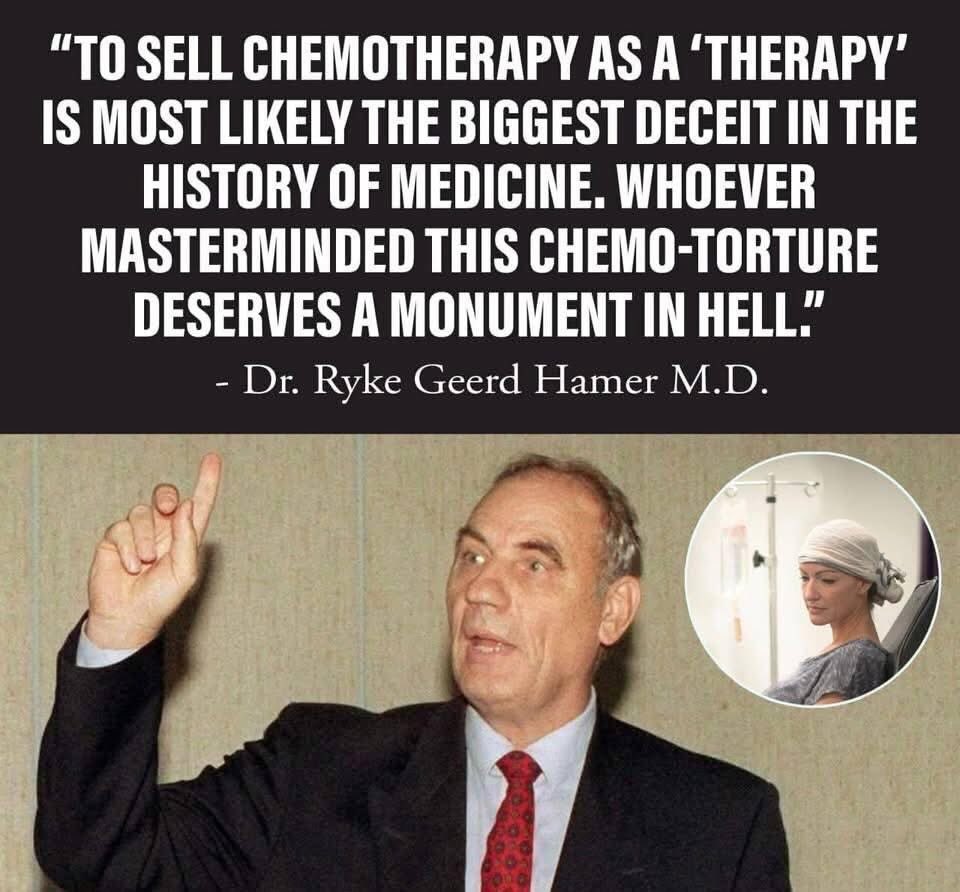
Strong words from a man who spent his career fighting the cancer industry.
5
110
272
2,669
TXJBJana 🇺🇸 retweeted

🚨TED NUGENT EXPLODES: "CANCER IS A BILLION-DOLLAR INDUSTRY – BIG FOOD IS POISONING OUR KIDS TO DEATH!"
"STOP feeding your family at Dairy Queen, McDonald's, Chick-fil-A, Burger King – that's PURE CHEMICAL WARFARE!
Thank GOD for RFK Jr – he's FINALLY banning these deadly toxins from our food and medicine in 2025!
Ronald McDonald House? More like Cancer Factory – bald kids on chemo because McDonald's, Burger King, Kellogg's, Post Cereal POISONED them!
Cancer = BIG BUSINESS. They're killing us for profit!
WAKE UP AND QUIT THE POISON TODAY – before it's too late!"
Is fast food LITERALLY killing America? Drop your thoughts below...I read every reply & do my best to answer every question!
FOLLOW ME, THE NEXT DROP WILL BE SHOCKING.
8
246
659
7,039
Sua : ride or die 🖤❤️🩹🔥 retweeted

im telling y’all he’s musically gifted and he’s actually a gem in this industry, he’s different
 m!ya
m!ya
5
39
261