27 Nov 2024
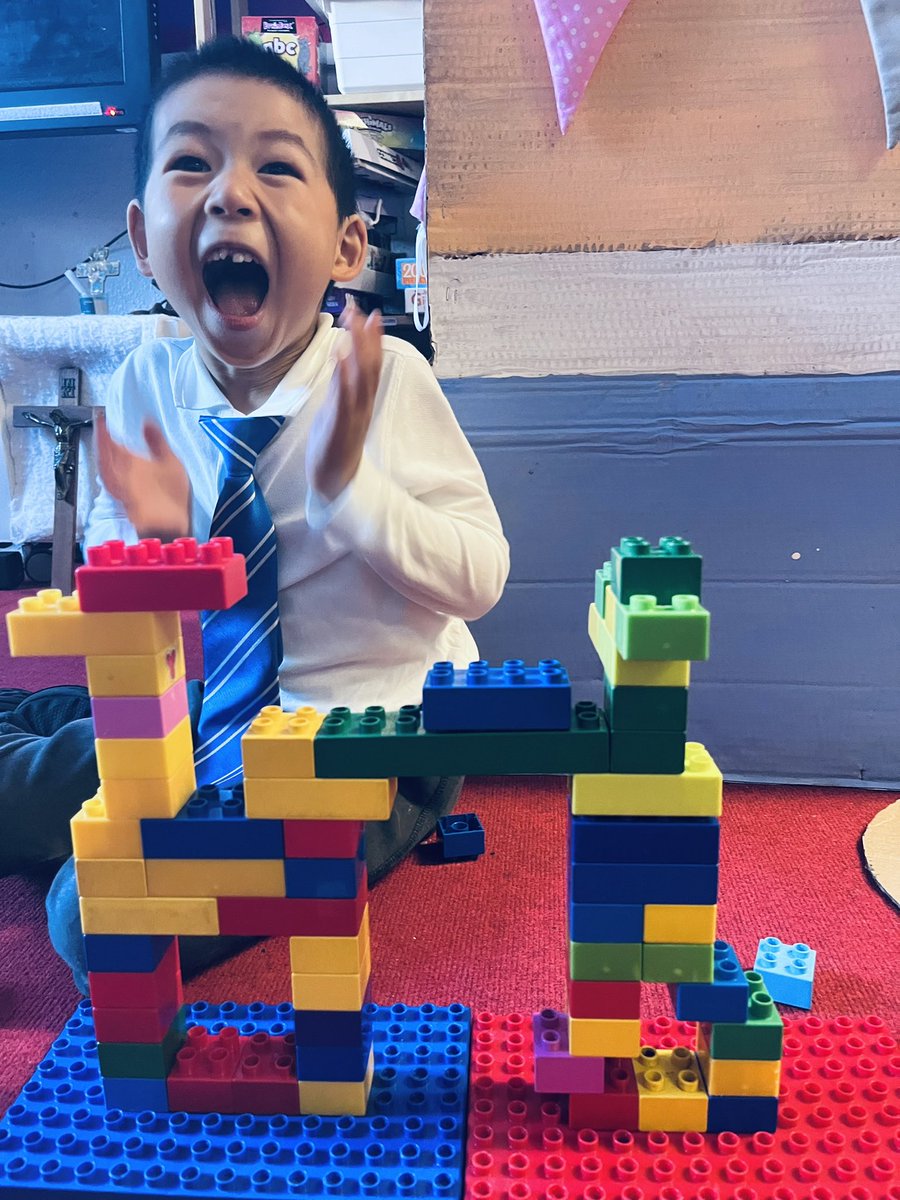
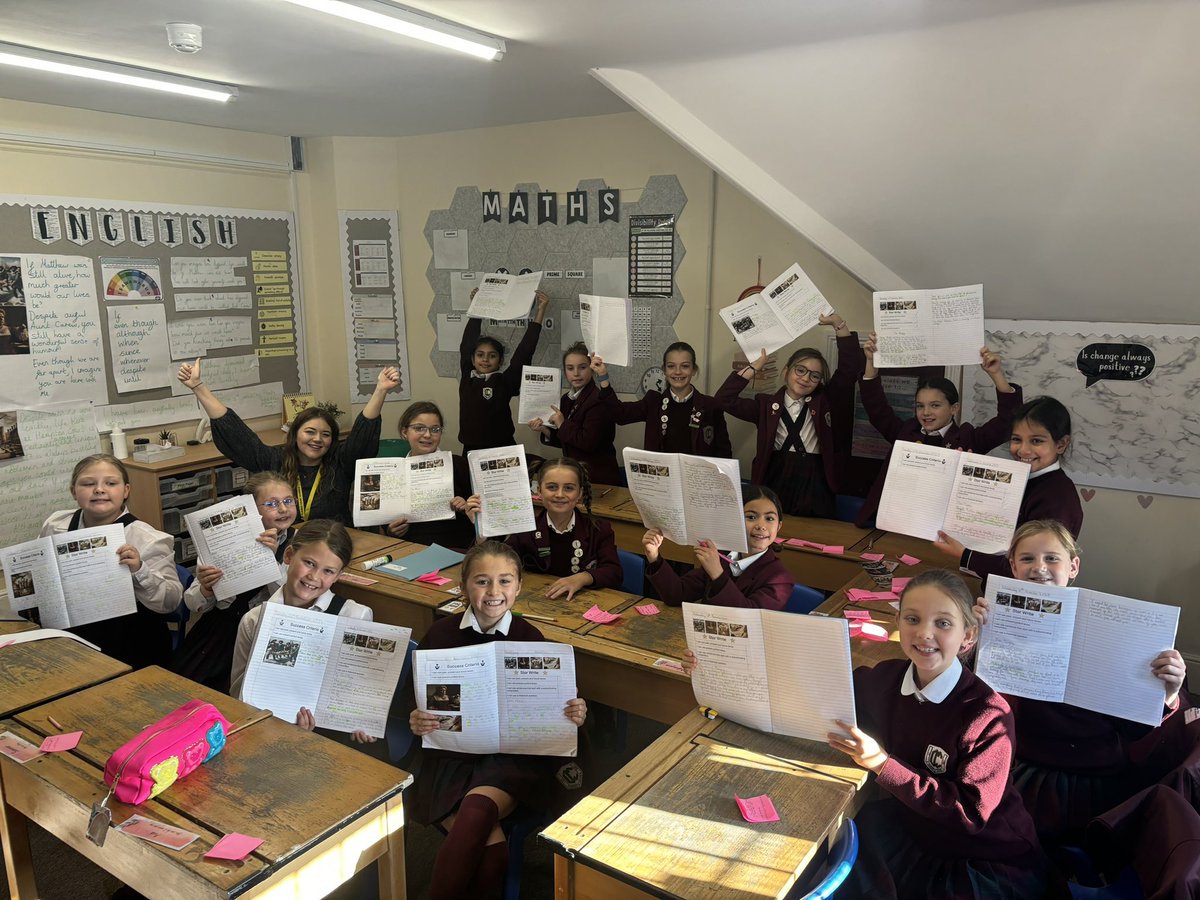
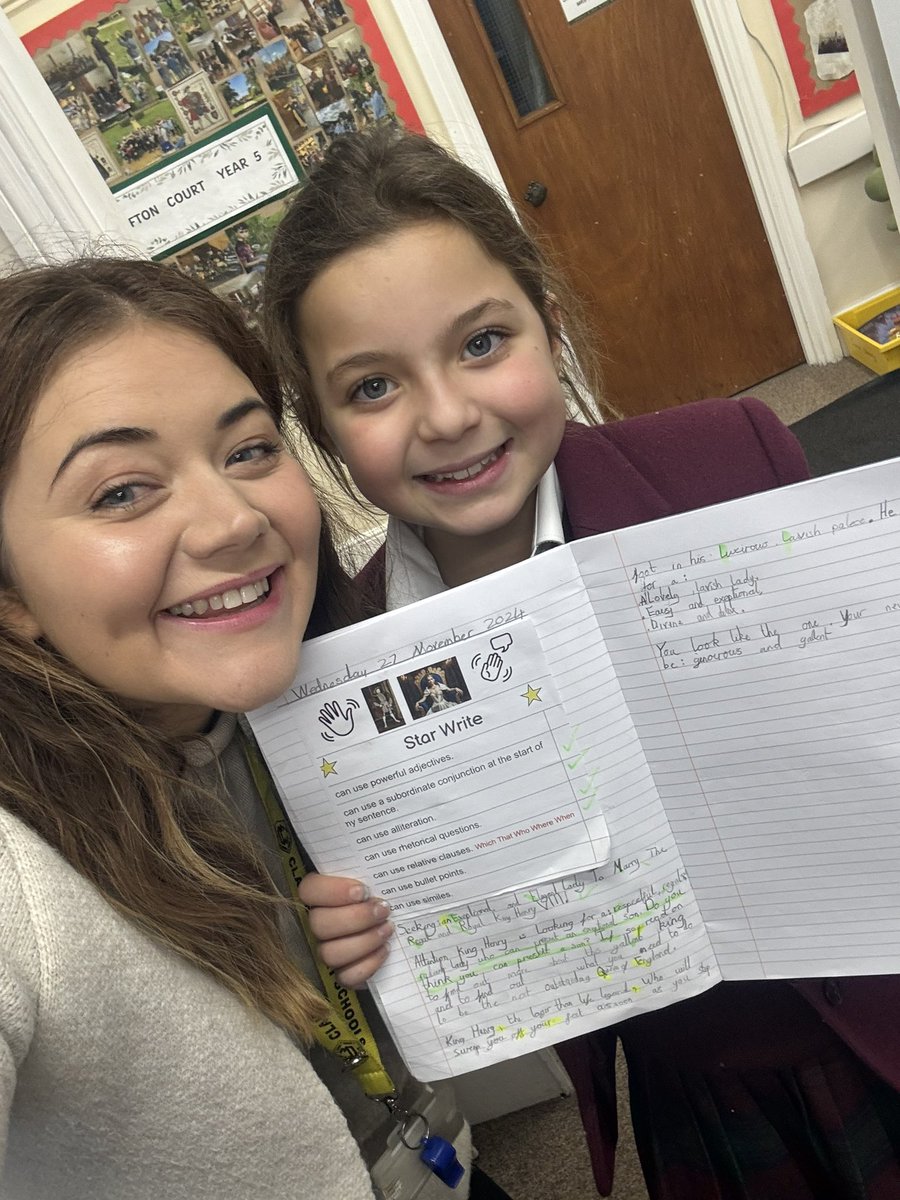
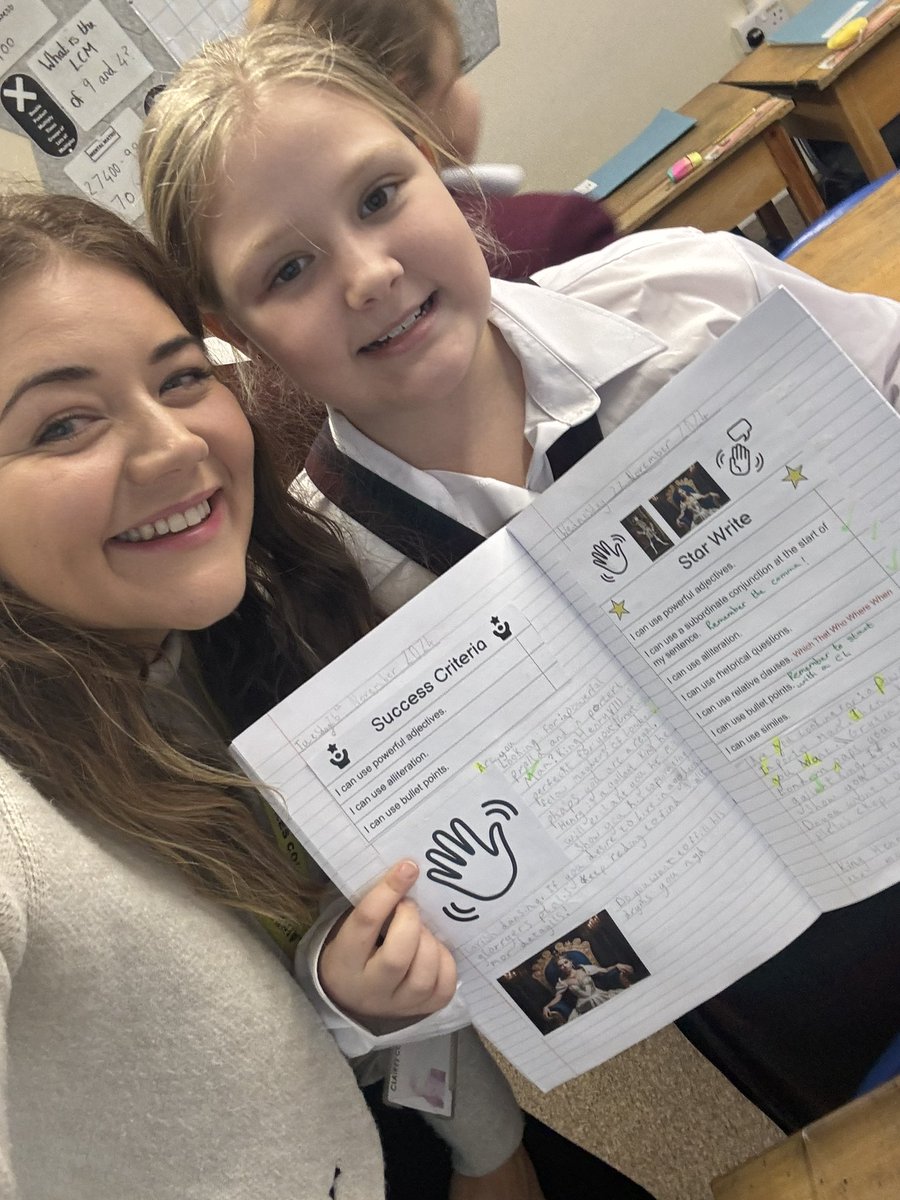
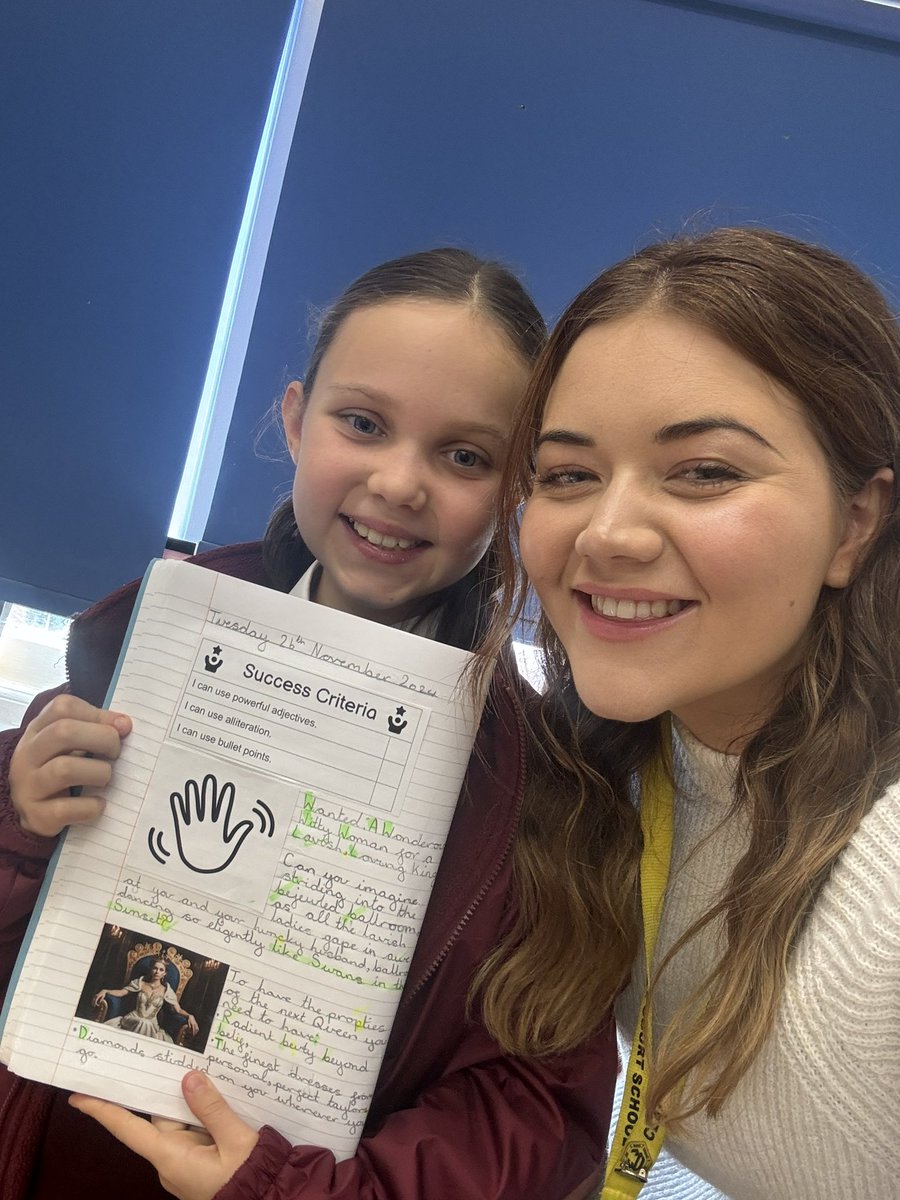
Some very proud Star Writers in 5D adding to our ‘Proud Selfies’ wall this week! I am so proud of them for how hard they have been working on their writing, it’s truly incredible! @IAACWriter #CCJYear5 #CCCreative #CCCommunicator #CCEnglish
1
1
3
484

6 Jun 2024
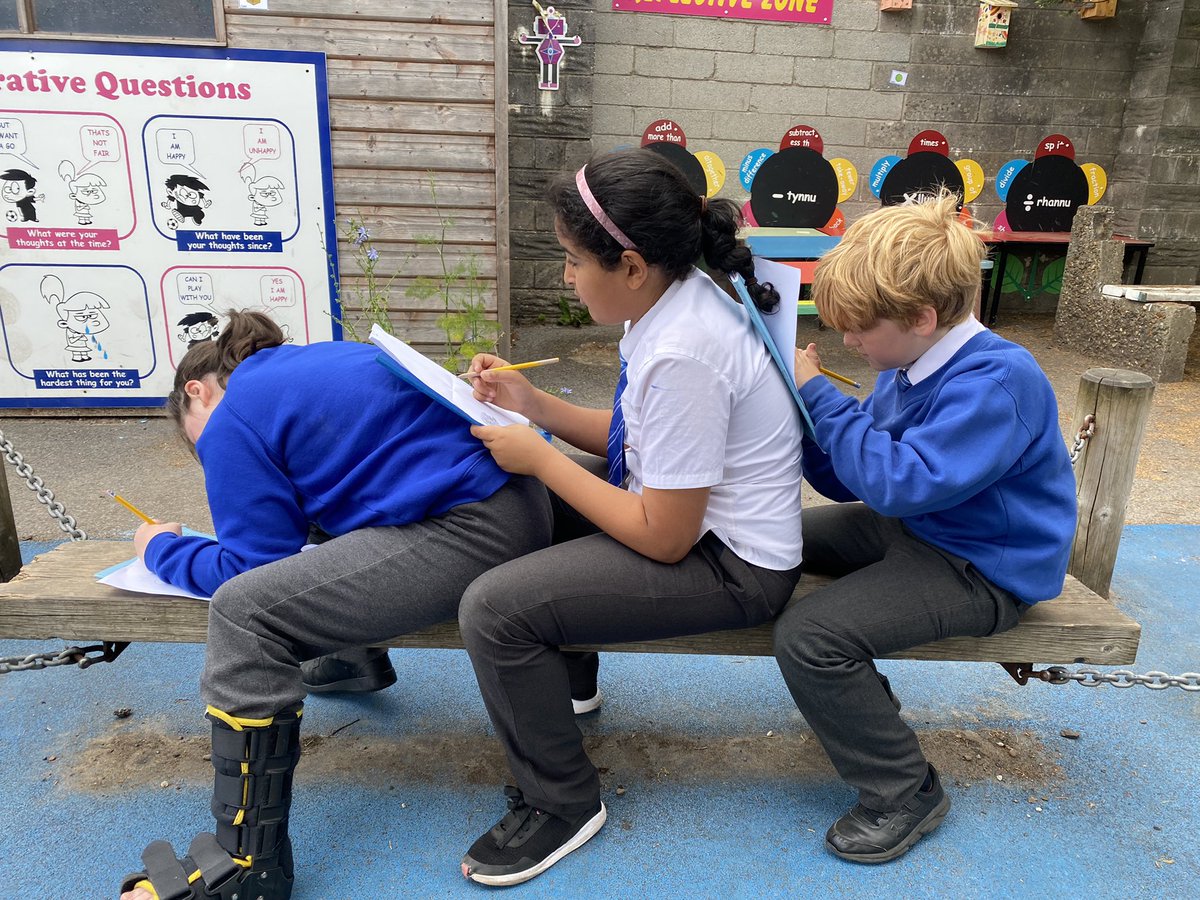
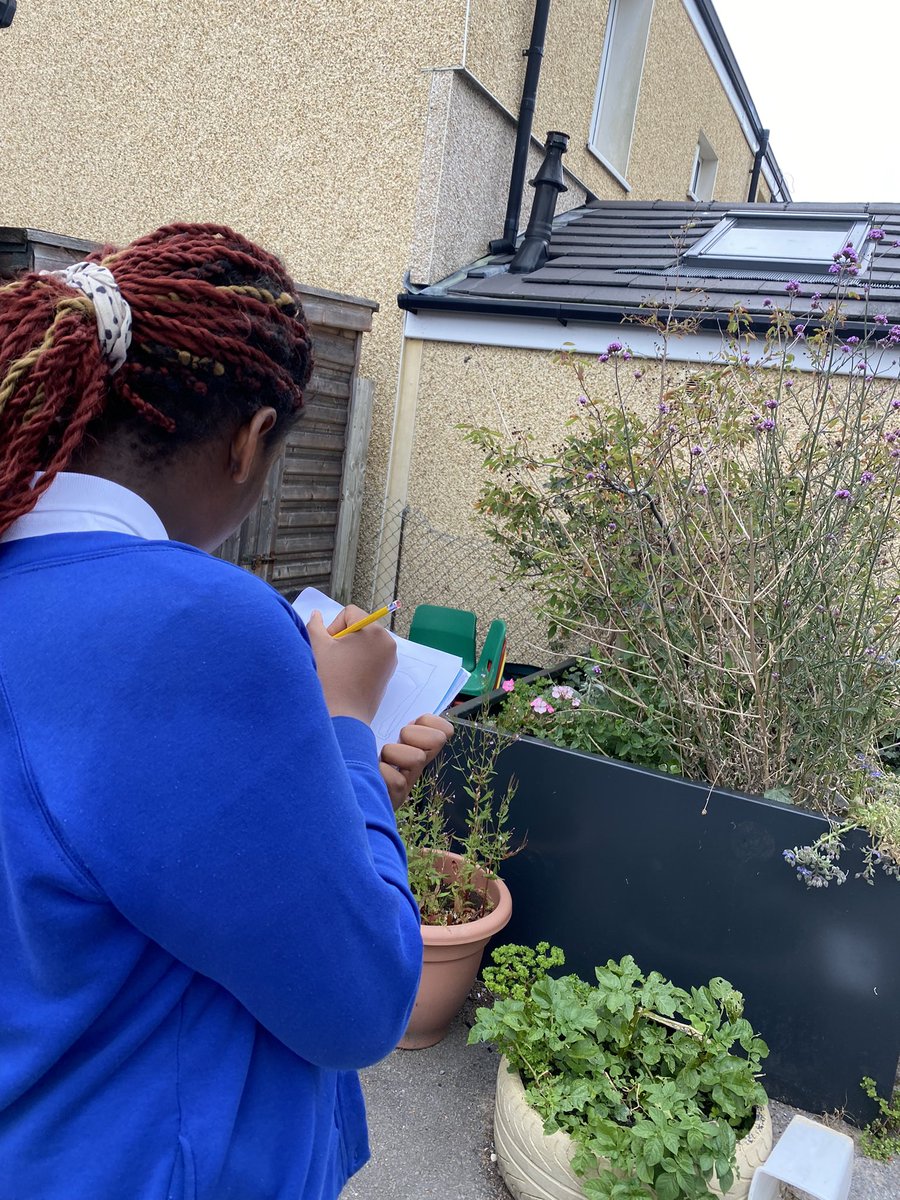
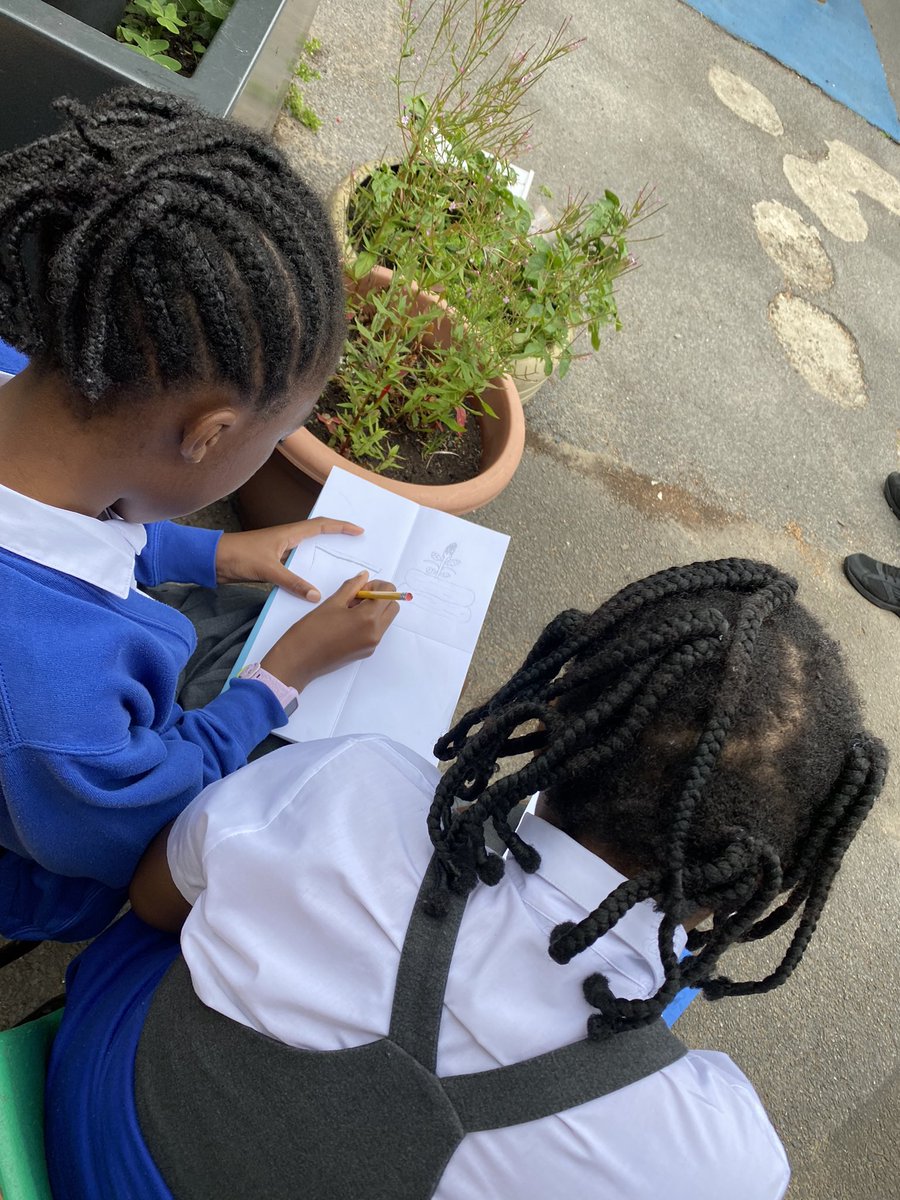
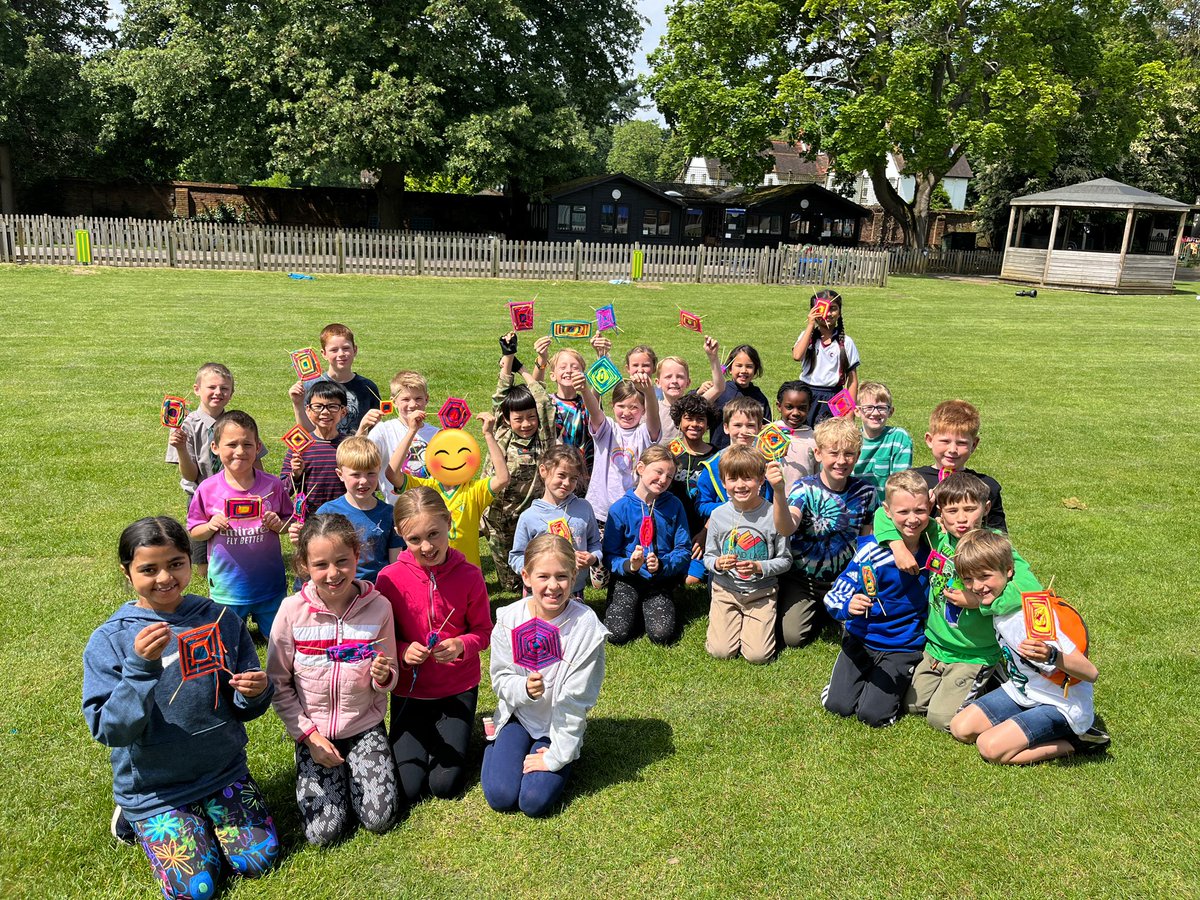
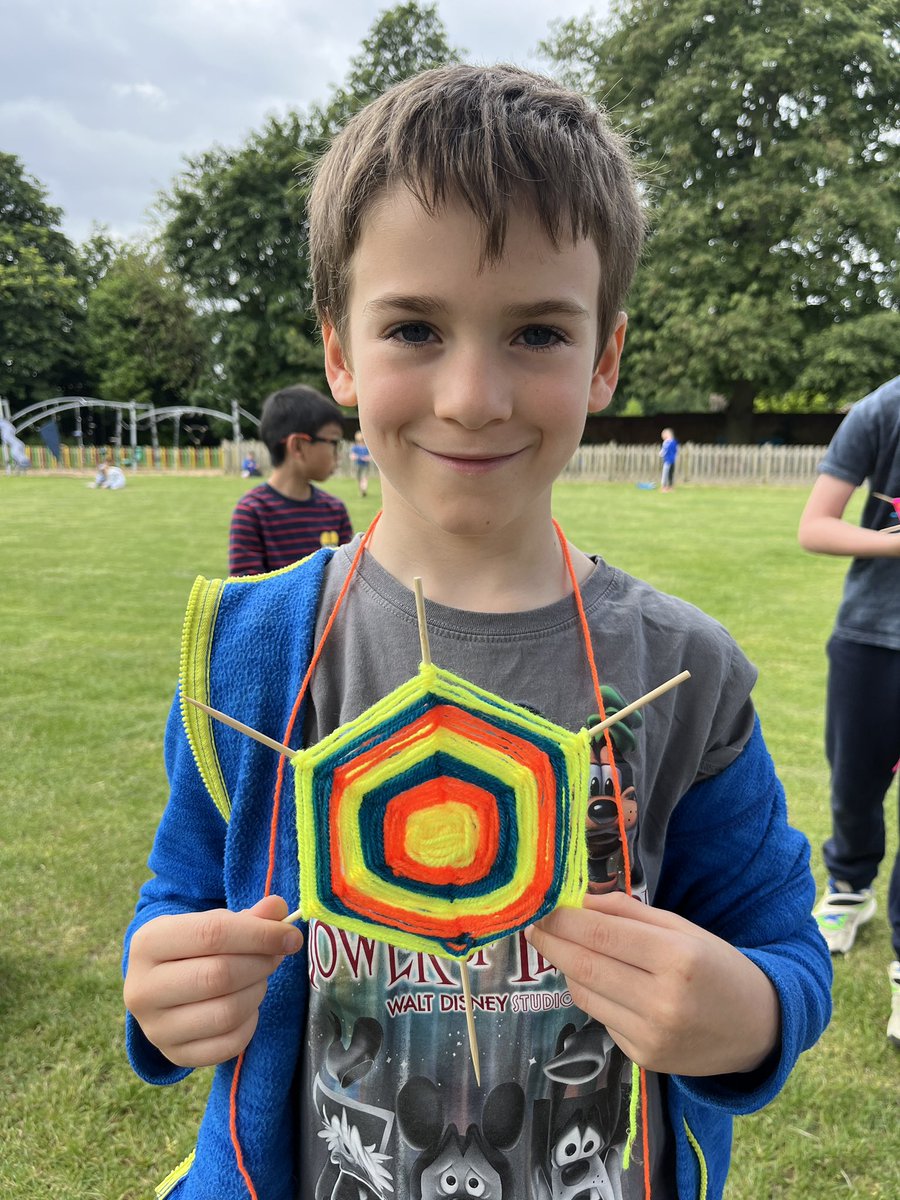
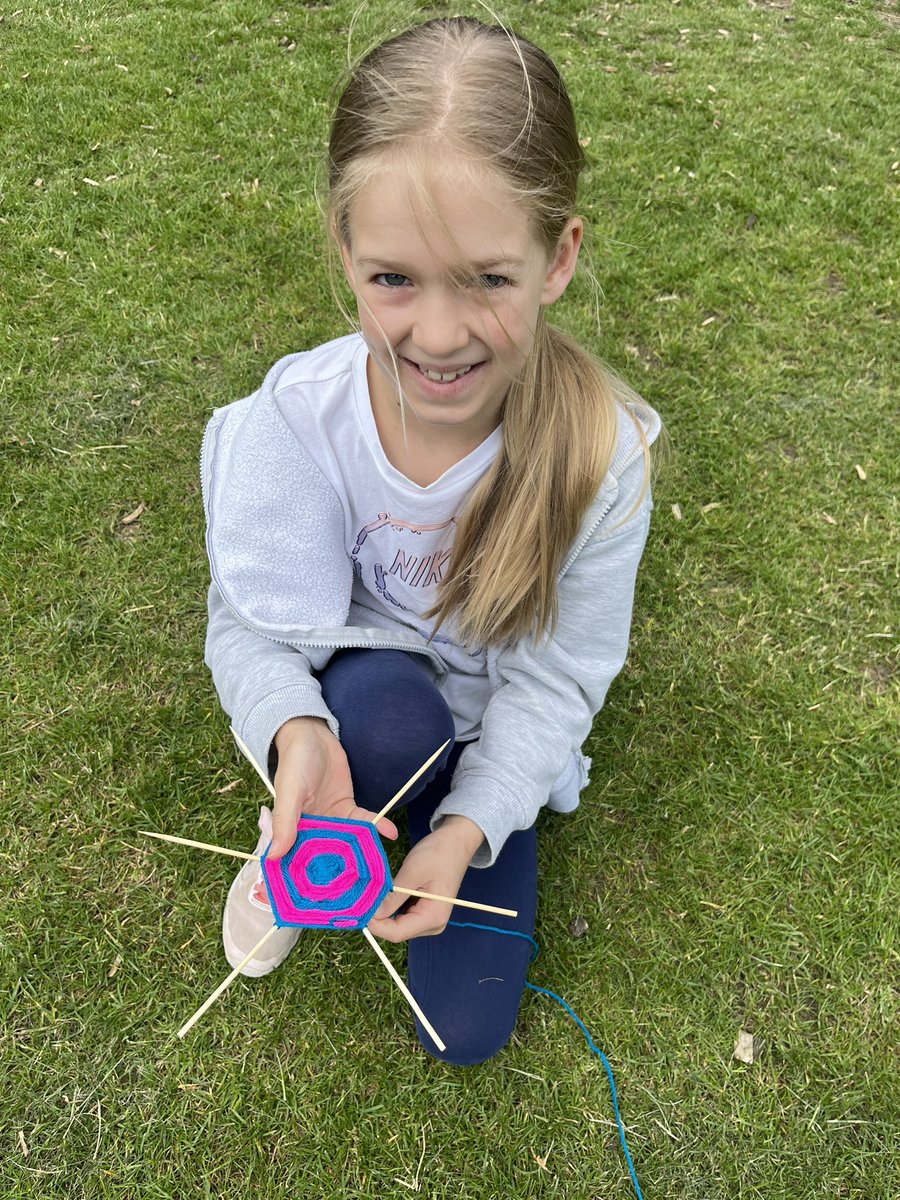
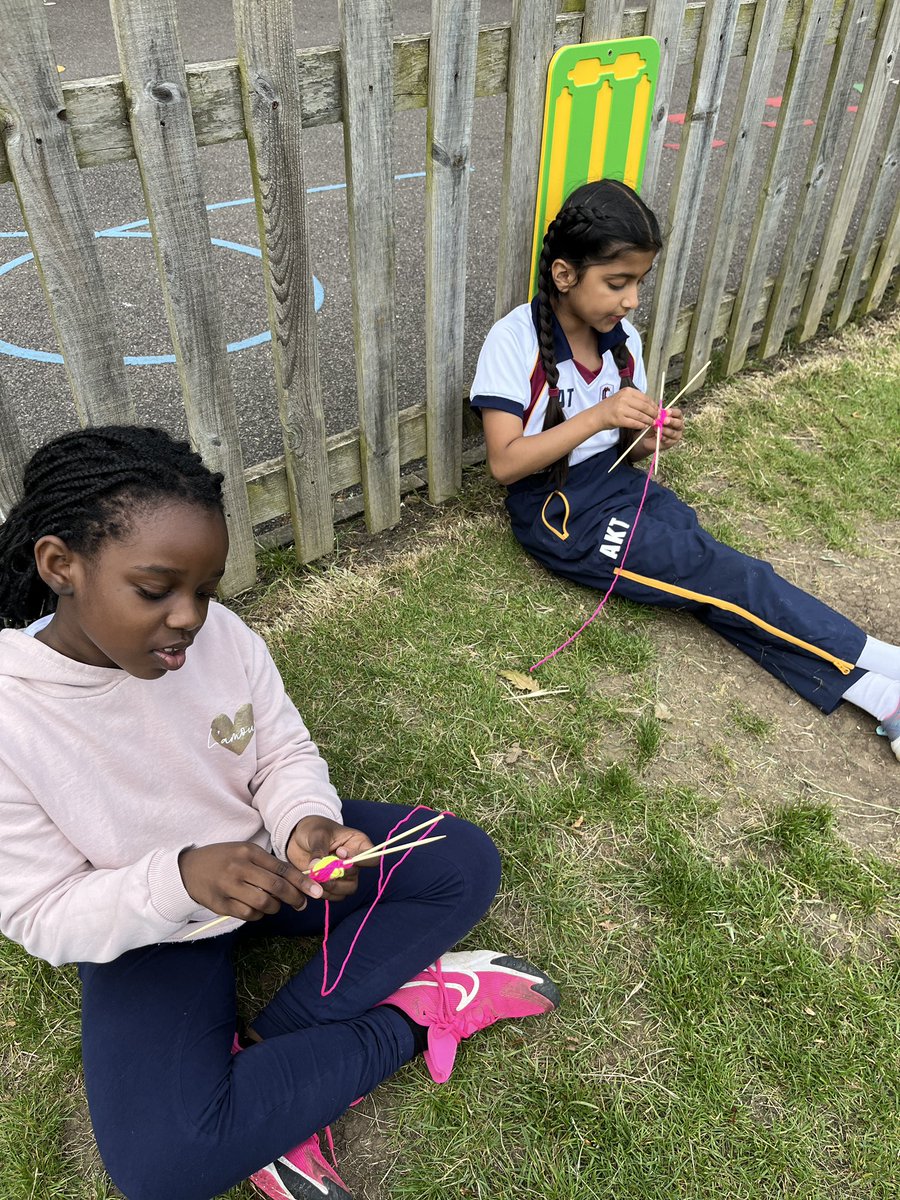
#CCJYear3 have been completing some mindfulness during their Forest school lesson creating some dream catchers #CCForestSchool #CCCreative #CCThrive
1
4
443

24 May 2024
#CCSBYear10 have been busy making revision videos and podcasts as they finish their topic on Magnetism in #Physics to help them when they are preparing for their GCSE exams this time next year! #CCCreative #CCEngage #CCChallenge
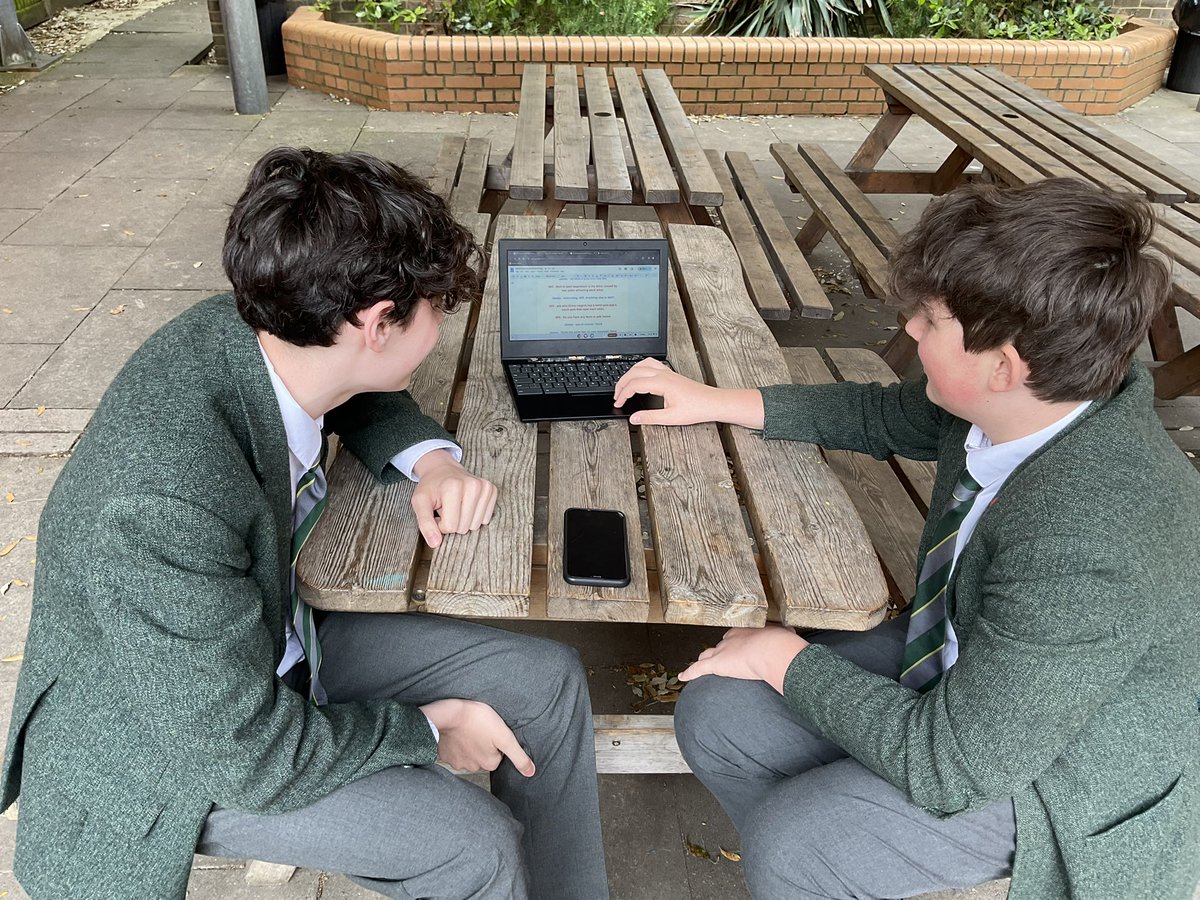
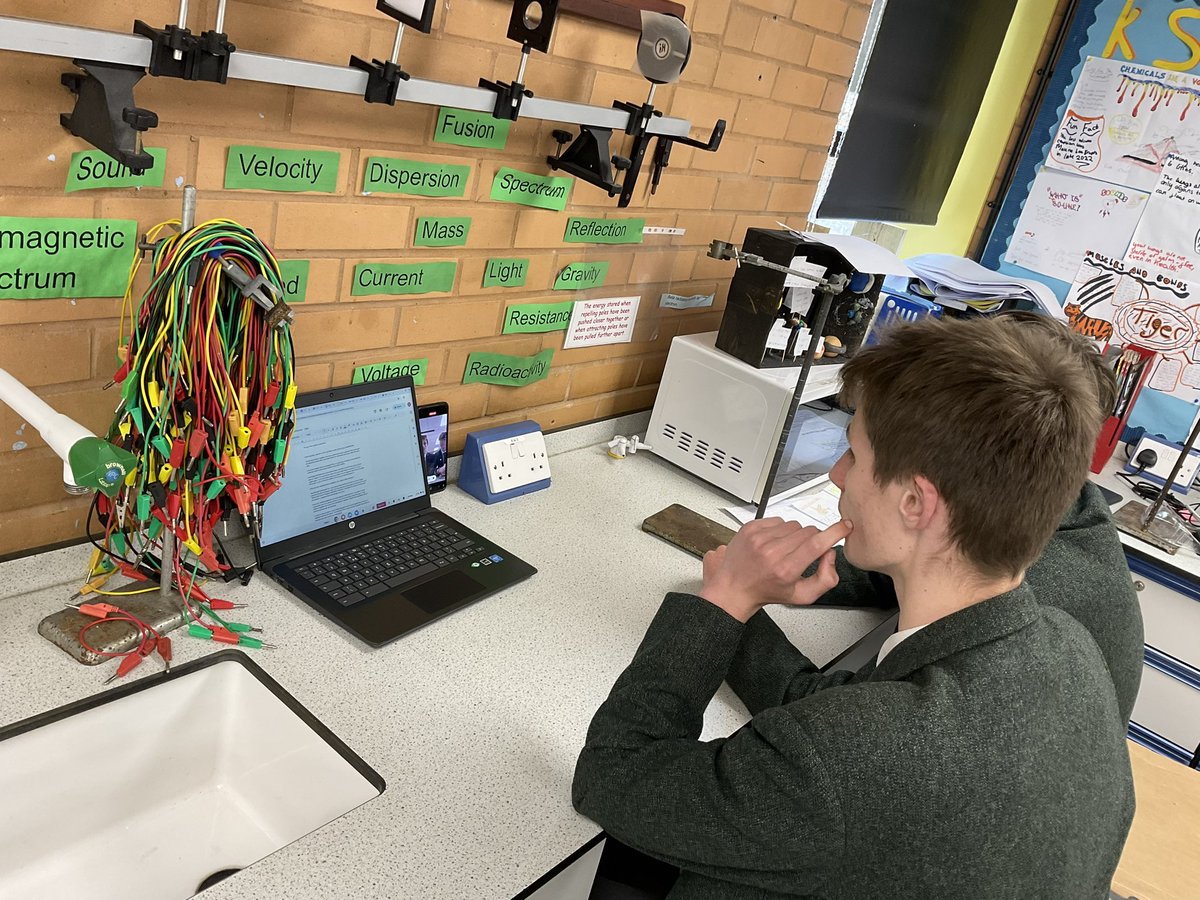
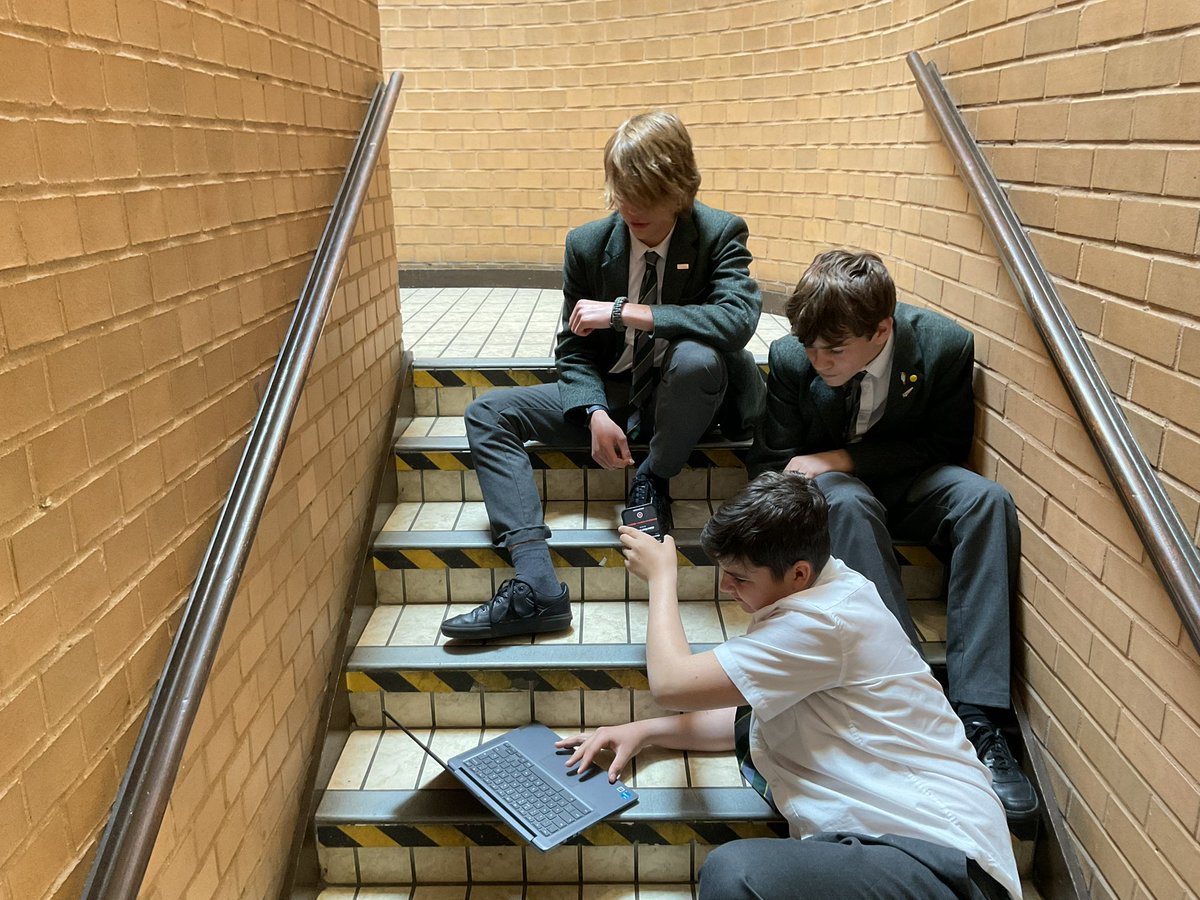
2
3
130
9 May 2024
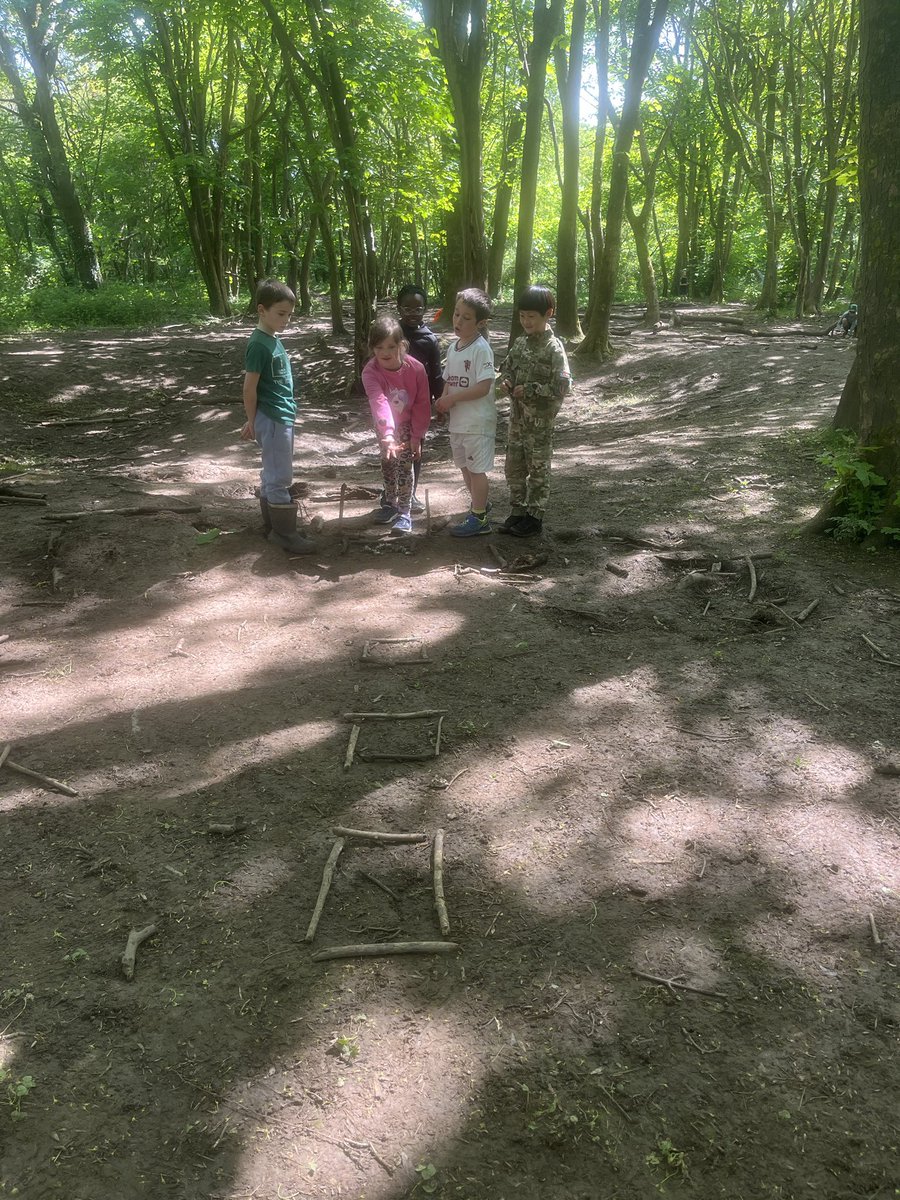
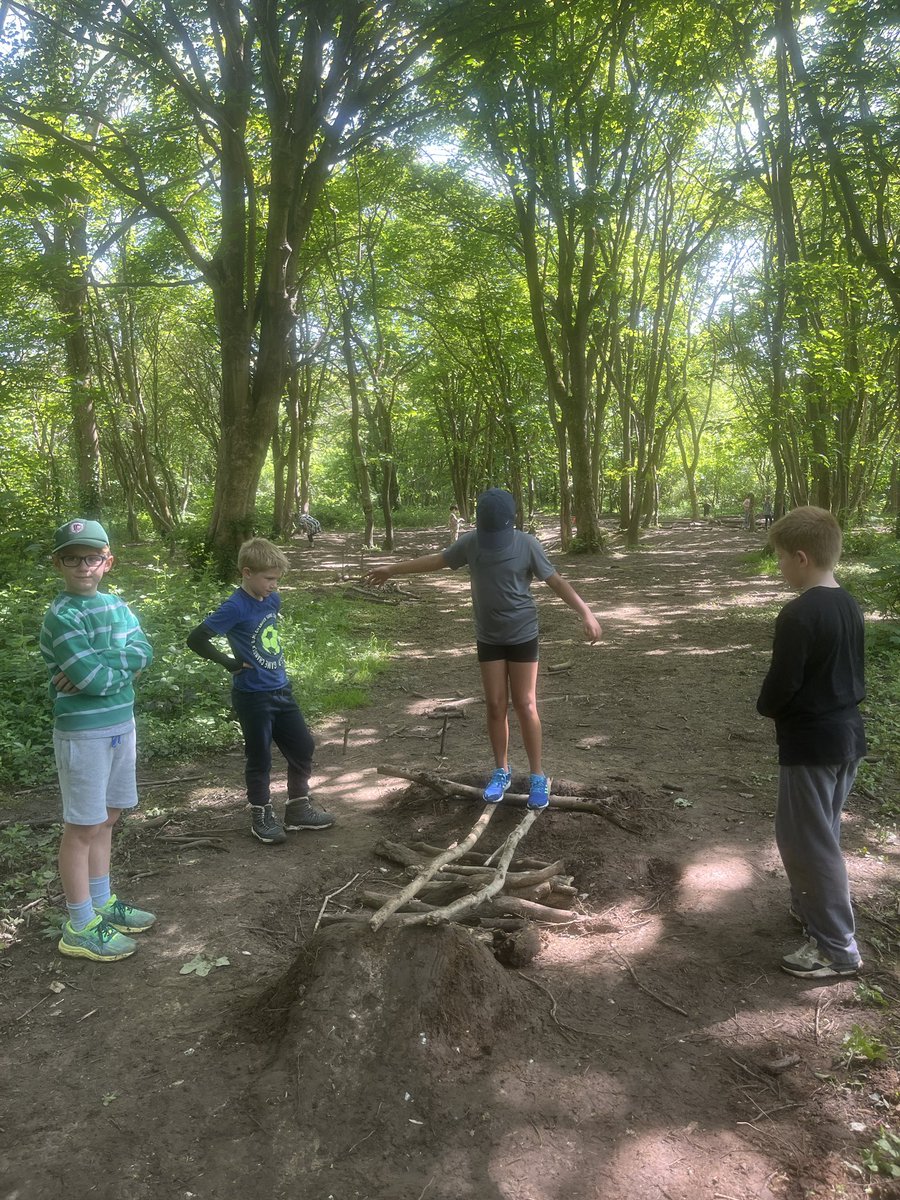
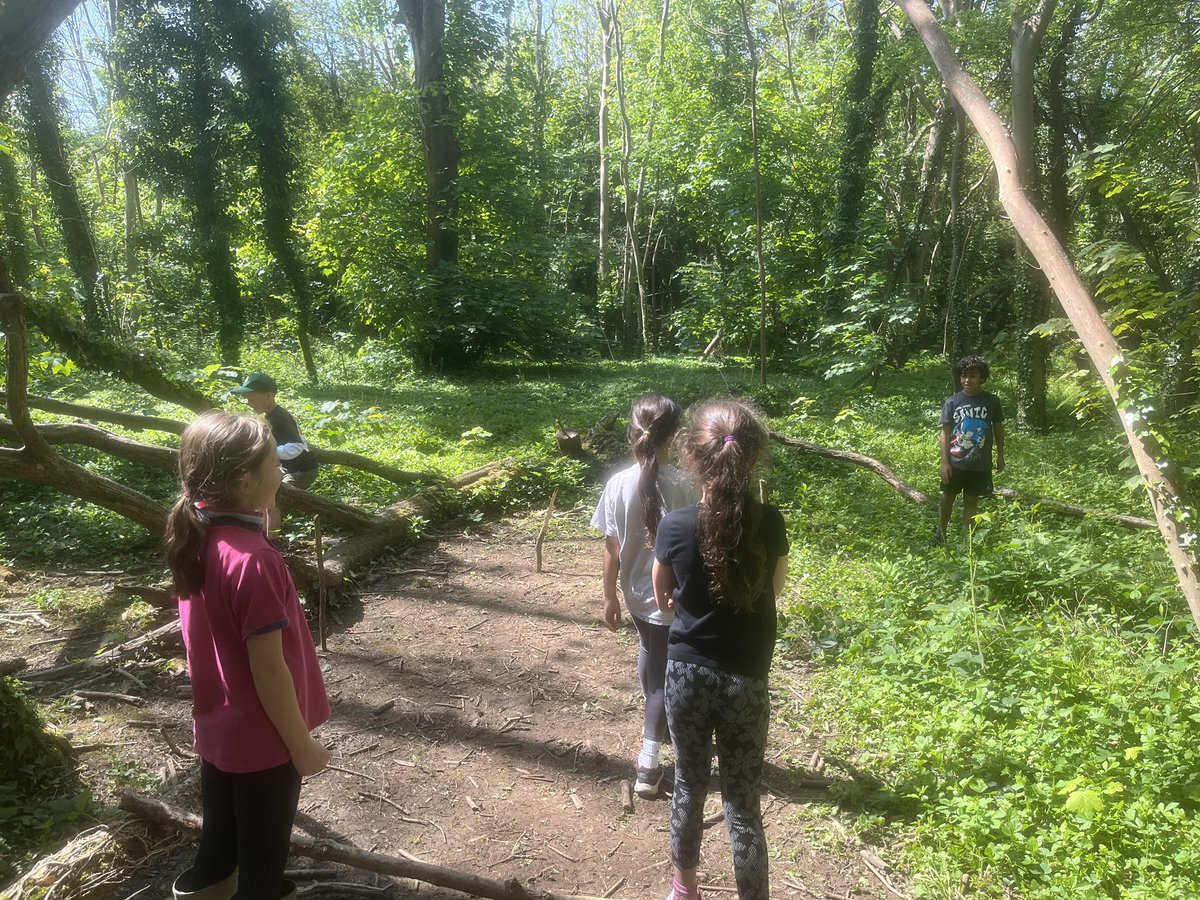
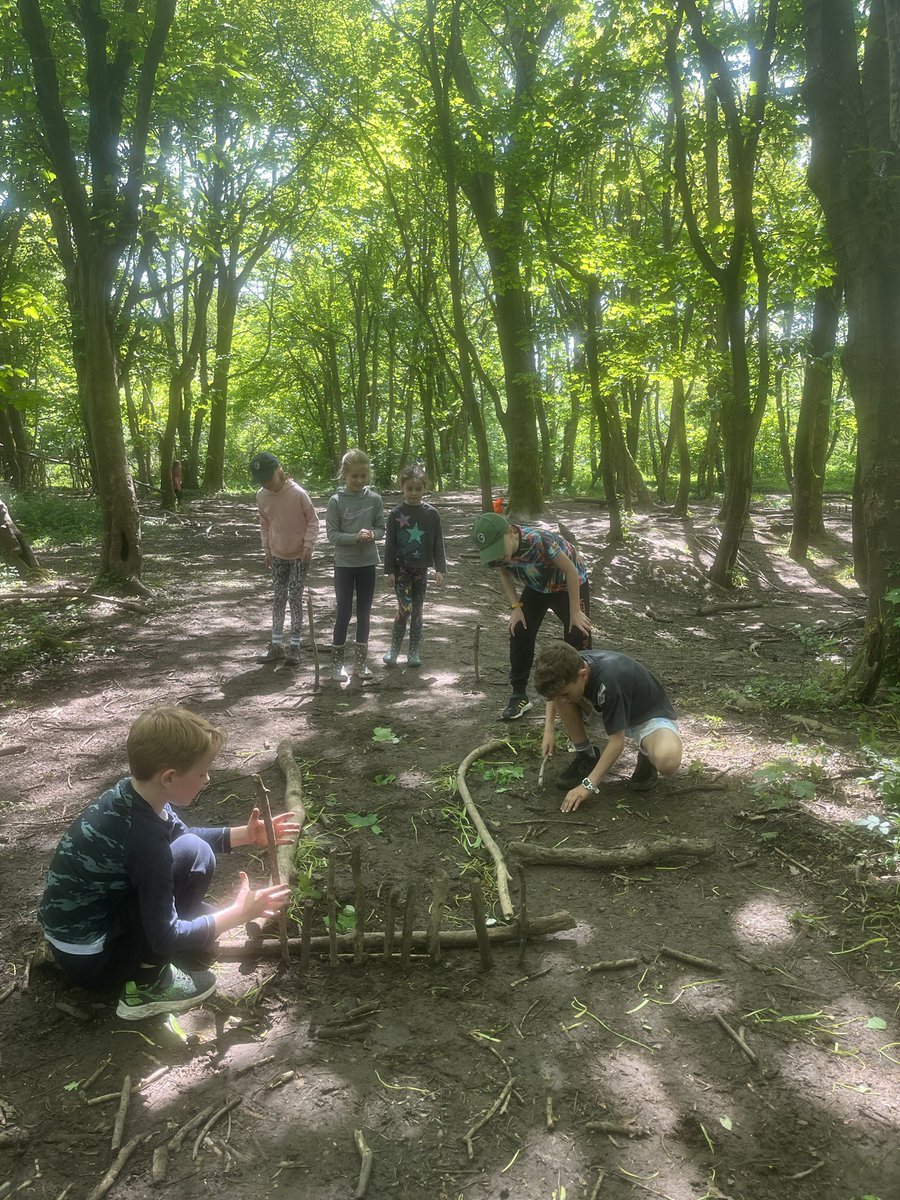
#CCJYear3 used their imaginations to create their own funfair games in the woodland #CCCreative #CCForestSchool #CCCollaborators
2
104
19 Feb 2024
#CCSTEM club have been using their knowledge of acids and alkalis to investigate how to make the best “lava lamps” in a measuring cylinder #CCInvestigate #CCChallenge #CCCreative
2
3
198

9 Jan 2024
Deeply erratic and without historical authenticity.
The NRA bushwar were opposed to religion. They were rooted in marxism and socialism. They held religion esp born Agains in contempt.
Religious names were dropped by most of the historical.
But a change happened soon after taking power in 1986 which changed the direction of plans.
Born Agains suffered much ..see this paper..
Currently reading:
THE ‘UNEASY’ ORIGINS OF THE PENTECOSTAL MOVEMENT IN UGANDA
Save PDF
Share
Cite
Rights & Permissions[Opens in a new window]
Abstract
Much attention has been paid to the growth of Pentecostal-charismatic Christianity in Uganda and the way it has shifted over the past decades from being a minority religion to influencing and shaping the Ugandan public and political spheres. Most of the literature, however, associates the Pentecostal-charismatic dynamic public action with its motivation to promote conservative Christian values, especially around issues of sexuality, HIV/AIDS, reproduction and family values. This article extends this literature by providing a fuller explanation for the reasons behind its public transformation and its relation to power, in particular its loyalty to and support for President Museveni. Drawing on participant observation and interviews conducted over several years, this article argues that along with theological and moral explanations, it is important to understand how local and contextual dynamics interplay. Indeed, the uncertainties and memories of the difficult origins of the Pentecostal-charismatic movement and the lack of legal recognition as fully registered churches, still impact on the present and motivate them to be catalytic socio-political actors in need of forging strong connections with centres of power in Museveni's Uganda.
Type
Research Article
Information
The Journal of Modern African Studies , Volume 60 , Issue 4 , December 2022 , pp. 479 - 501
DOI: doi.org/10.1017/S0022278X220… in a new window]
Check for updates
Creative Commons
Creative Common License - CCCreative Common License - BY
This is an Open Access article, distributed under the terms of the Creative Commons Attribution licence (creativecommons.org/licenses…), which permits unrestricted re-use, distribution, and reproduction in any medium, provided the original work is properly cited.
Copyright
Copyright © The Author(s), 2023. Published by Cambridge University Press
INTRODUCTION
Entering the gate of Miracle Centre Cathedral, the largest PentecostalFootnote1 megachurch in Uganda, for the Sunday service at 8.00 am, I was carefully searched by armed guards with metal detectors (Sunday 17 February 2013, Kampala). They checked all my belongings, asked a few general questions about where I was from, why I was there, if it was my first time and then they moved on to the taxi that was taking me to church in the leafy and green hill of Rubaga in Kampala. Churchgoers were stopping by the long marquee at the right side of the main door not only to buy books and CDs by Pastor Robert and Pastor Jessica Kayanja, but also bars of soap, notebooks and other memorabilia with the logo of Miracle Centre, now a fashionable brand. After all, this is a church well known in the country for its glitz and glamour, at its services as well as at the frequent fashion shows and gala events organised by Pastor Jessica.
The service focused on Genesis 25:21, Genesis 27:1 and Genesis 27:23. The sermon, led by Pastor Jessica, centred on the story of Rebecca, Isaac and their sons Jacob and Esau, and the message was about broken promises and on the meaning of sacrifice, the difficulties of understanding our own path in life and the importance of keeping the faith. The passages that she read were projected on the maxi screen behind her. Through the microphone she said:
People looked at this church [Miracle Centre], at people going to this church for the way we were dressed [with reference to the poor origins of this religious community]. But we have overtaken. It looked like we did not qualify, but we sacrificed … At the beginning this was a papyrus church, a kiwenpe church [poor church with no building]. At the time people would look at us and wonder what we were doing. We were not qualified by the look, by what we were saying, but we had our hands. We were qualified by our hands [reference to Jacob showing his hand to his father Isaac in Genesis 27]. The Lord knows your hand. We started to serve God. We started a small group here; there were four of us working hard. People were saying ‘who are those ones singing like Americans?’
The origins of Miracle Centre are modest and a very different affair from the current mega building that accommodates 10,500 seats with Pastor Robert Kayanja an internationally acclaimed gospel preacher. As Pastor Jessica expressed in her sermon, these churches that spread across Uganda along with the third wave of Pentecostalism (Kalu Reference Kalu2008) were initially lacking in resources and were identified as poor religious communities. They were, in fact, commonly called kiwempe churches (biwempe in Luganda), or papyrus churches, as they were named after the simple papyrus reed structures used instead of proper brick buildings (Kalu Reference Kalu2008: 15). In the early days they were also known as Mungu ni Mwena churches, from the Kiswahili lyrics ‘know that God is good’, which was repeatedly sung with clapping by these church members in the street (Musana Reference Musana and Musana2017: 102).
Pastor Jessica Kayanja's sermon highlights one important issue that is central in understanding the complex and diverse Ugandan Pentecostal movement that emerged and spread towards the end of the 20th century. This is the importance of the memory of the genesis and struggle of the movement as minority churches emerging in an era of national devastation and then reconstruction, and as churches of humble means and limited resources in a hostile religious landscape already predominantly divided between Anglicans and Catholics.Footnote2 Another fundamental issue is their difficult relationship to politics, and the hardship, fear and uncertainty experienced in the early days due to the direct persecution experienced under Idi Amin's regime when those churches were banned and oppressed (Pirouet Reference Pirouet1980). From the outset Amin attempted to control and put pressure on all of Uganda's religious communities. In February 1977, for example, soldiers burst into the house of Anglican Archbishop Janani Luwum and interrogated him about a supposed plot to overthrow the regime. A week later the archbishop was arrested and then ‘disappeared’ (Leopold Reference Leopold2020: 276). In the early 1970s dozens of Catholic Combonis fathers were expelled by the Amin regime for their social political activism (Earle & Carney Reference Earle and Carney2021: 31). However, according to Omara-Otunnu (Reference Omara-Otunnu1987) Anglican, Catholic and Muslim leaders remained relatively free to express their views as long as they did not stray from religious issues, while other not-officially-recognised religious groups, as the Pentecostals, were banned and had to operate underground to escape the threat of persecution. The feeling of uncertainty for those churches continued during the unstable times of the Obote II regime (1980–85), as narrated by Pastor Michael Kyazze from Omega Healing Church: ‘There was no legality in practicing religion, people were still scared even when Idi Amin was gone, it was difficult. Guerrilla fighters during Obote II infiltrated in the new growing churches. The government was spying on us’ (30 August 2019, Namasuba). It is only in the Museveni era that Pentecostals felt free to operate openly and subsequently flourish, as frequently recalled by participants.
It was not until this president [Museveni] came in that there was freedom of worship. This nation went through serious oppression, and we could not find freedom. But this oppression prepared our nation for the great [Pentecostal] movement that you see today. After the 1986 transition, when the president took over, we had an opportunity, a pruning ground to usher in the revival you are seeing today. (Interview with a pastor, Life Line Ministries, 28 May 2013, Kampala)
The narrative of Museveni as the protector of the Pentecostal movement is so frequently re-stated in these religious circles that also younger generations, with no memories of the hardship of the origins, are accepting and influenced by it.
The pastors tell their congregation, many of whom are young, that in the past it was so difficult to have freedom to pray and that now we have this freedom. This makes Museveni appear so great, so the Pentecostals must keep him for fear. Even though the young people do not remember, and even if their parents were not Pentecostal then. That they are told they must pray for the continued freedom under the President and pray that the government does not change. (Interview with a journalist, New Vision, 23 May 2013, Kampala)
Much academic attention has been paid to the role of the HIV/AIDS pandemic in catapulting Pentecostal churches into the Ugandan public sphere (Sadgrove Reference Sadgrove2007; Gusman Reference Gusman2009; Cooper Reference Cooper2014; Boyd Reference Boyd2015; Valois Reference Valois2015; Bompani Reference Bompani, van Klinken and Chitando2016). At the beginning of the 21st century, they were well placed to access international funding and gain influence as local ‘moral’ actors given the political shift towards values such as abstinence and personal responsibility within funding streams such as the United States President's Emergency Plan for HIV/AIDS Relief (PEPFAR). This gave them the platform, and funding, to become visible, active public actors in Uganda, where they have continued to play this role, for example in launching ‘moral’ campaigns such as the crusade in support of the Anti-Homosexuality Bill (Bompani Reference Bompani, van Klinken and Chitando2016). However, there are further contextual reasons that need to be unpacked in order to understand these religious communities’ transformation into socio-political actors. First, the memory of their arduous origins, frequently articulated by religious leaders and church members, functions as a form of unifying foundational story that offers a shared identity and commonality to the otherwise diverse and frequently divided Ugandan Pentecostal community. Second, the anxiety generated by the memory of persecution at the hands of past political establishments and the feeling of uncertainty due to their legal status (as presented later in the article) are also important elements in understanding their involvement with politics and their vocal support of the Museveni regime in the present, in an attempt to seek protection and secure their legal recognition ‘as their counterparts, the mainline churches’. This article aims to shed light on these understudied dynamics arguing that, along with theological and moral preoccupations, it is important to understand historical dimensions that continue to influence these churches in the present day. While its global character and international connections are important in understanding the Pentecostal movement, this article argues that it is also crucial to understand the contextual, micro-political interaction between churches and their relationship to the state, and to politics, in order to fully grasp their motivations and conditions that allowed them to become energetic public actors in contemporary Uganda.Footnote3
THE ‘UNEASY’ ORIGINS OF THE PENTECOSTAL MOVEMENT IN UGANDA
‘The Pentecostal movement started in Uganda in the 1960s. The missionaries who initiated the movement in Kampala came from Vancouver, Canada. They came because their church received a vision to go to Uganda in 1955.’ These are the words of Pastor Jotham Mutebi in describing the origins of his church, Makerere Full Gospel Church, not far from Makerere University main campus (interview with Jotham Mutebi, 30 August 2019, Kampala). The sounds of the heavy tropical rain and of the church chorus practicing on the nearby redbrick building on a typical day at the church, almost drown out the feeble voice of the elderly pastor who was generously helping me to piece together the history of the Pentecostal movement in Uganda through his recollections and experiences. The missionary call from the Canadian church that Pastor Mutebi mentioned refers to Pastors Hugh and Audrey Layzell from the Glad Tidings Temple in Vancouver, who were sent by their mother church to plant a new religious community in Uganda after a church member, the assistant of the senior pastor, had a vision. In the Gospel of Power (Layzell & Layzell Reference Layzell and Layzell2014: XX), an autobiography by the Layzells on their mission and time in East Africa, Maureen Gagliardi, the senior pastor's assistant narrates:
I felt the Spirit of God speak to me saying: ‘I will lead this people yet to another country’. My immediate response was – which one? But no answer came. For the remainder of that day I fully expected the Lord to indicate the country to which He referred. As Sunday drew to a close, I began to realise that the answer would only come in God's own time and I would wait for it. The following Tuesday, as we stood to worship and praise God in our evening service, a foreign and unknown word appeared to me in vision. The word was ‘UGANDA’ in large dark letters with a light shining around them, similar in appearance to a meta sign with neon tubing behind giving an indirect lighting effect.
They then looked for the country on the map of Africa as, she recalled, she did not know where it was. They enquired with the Canadian government whether it would have been possible to travel and plant a church there. The answer was that ‘it would be difficult, if not impossible, to get into that country’ (Layzell & Layzell Reference Layzell and Layzell2014: XXI). Pastor Layzell subsequently wrote to the British authorities in Uganda, at the time still a British protectorate, with the purpose of gaining permission to start a Pentecostal mission in the country. The request was denied with a reply that made it clear that the Anglicans and the Roman Catholics were the established churches and that they would remain the only Christian missions in the country. The Layzell family embarked anyway for East Africa, while waiting for a more positive response from Uganda. In 1956 they arrived in Kenya and hosted by other already established evangelical missionary churches from North America, they started to preach the gospel in Mombasa. In 1960,Footnote4 under new global political circumstances amid the crumbling of colonialism, the Layzells finally received the necessary permit to undertake missionary work in Kampala (Layzell & Layzell Reference Layzell and Layzell2014) where they stayed for 13 years, until Idi Amin's hostile policies towards foreigners and non ‘traditional’ churches (as the more established mainline churches are called in Uganda) were implemented at the end of the second year of his regime.
‘Full Gospel Church missionaries were forced to leave and the church in Uganda became independent [from the Canadian mother church] in 1973, in April. We still receive some support but we are fully independent. When Idi Amin was overthrown in 1979, we reopened our churches and we started to operate normally’ (interview with Jotham Mutebi, 30 August 2019, Kampala). Indeed, in 1973 Idi Amin banned 11 churches, or as they were defined then, ‘sects, with the accusation of being ‘unlawful societies’’ (Musana Reference Musana and Musana2017: 106). Full Gospel Church was amongst these churches. In 1977 the ban was extended to another 27 churches and religious organisations, mostly Pentecostal, with the claim that they had international connections, especially with the USA, and they were undertaking underground politics in the country (Musana Reference Musana and Musana2017). Idi Amin's ‘paranoia’ towards foreigners during his regime has already been well documented (Leopold Reference Leopold2020: 238). According to Kevin Ward, however, Amin was not preoccupied with the international connections of these churches, but was fearful of the potential of churches to create and multiply new centres of power, centres that could create opposition to his regime (Ward Reference Ward2005: 115).
During our conversation, Pastor Mutebi confirmed that the colonial government did not welcome new churches into Uganda at the time. He mentioned the fact that the Anglican Church, through its political connections, fought hard to stop new forms of Christianity entering the country. The Head of the Anglican Church in Uganda at the time, Bishop Leslie Wilfrid Brown (1953–1965),Footnote5 was previously stationed in India where Pentecostalism was growing since its introduction in the early 20th century, against the backdrop of the first wave of the global Movement. Several North American Pentecostal missionaries who had participated in the Azusa Street Revival visited India, from 1909 onwards. In the 1920s the missionary Robert F. Cook established the Indian branch of the Church of God in Kerala where, in those years, Brown became the Principal of the Kerala United Theological Seminary, after serving in the Diocese of Travancore and Cochin on the Malabar coast of India. After his experience in India, the bishop was preoccupied by the rapid Pentecostal expansion and he did not want to see the repetition of a similar flourishing in Uganda (from the letters of Bishop Brown, Divinity Library, Yale University, online, accessed on 5 March 2021). Historically both the Anglican and Catholic Churches enjoyed a near duopoly on the Ugandan religious landscape since Christianity first took hold in the Buganda monarchy (Mockler-Ferryman Reference Mockler-Ferryman1903), and played an key role in national politics (Ward Reference Ward, Kunter and Schjörring2008: 73–87). The colonial powers favoured the Anglican Church and Protestant chiefs, giving them access to land and working to retain their authority, creating much animus amongst the Catholics, the biggest religious group, and Muslims (Kasozi et al. Reference Kasozi, Musisi and Sejjengo1994). The Anglican Church was perceived as a direct ally of the State also during the first decades of post-independence (Gifford Reference Gifford, Corten and Mary2000: 105) and this was institutionalised through the creation of Obote's Ugandan People's Congress (UPC) which was intrinsically linked to the Anglican Church of Uganda, while the opposition party, the Democratic Party (DP), also known as Diini ya Papa (religion of the Pope, see Alava & Ssentongo Reference Alava and Ssentongo2016: 680) has connections rooted in the Catholic Church (Ward Reference Ward2005: 112). In the middle of the 20th century, newcomers, such as the Pentecostal churches, were perceived as a danger to those established gravitational centres.
The Ugandan public was not new to charismatic expressions as it was already familiar with the popular East African Revival started in the 1930s in the region (Kalu Reference Kalu2008: 96). Revivalists were known for the conversion experiences of their members, the strong focus on discipleship and the individual's full and open confession of sins, including sexual sins (Bruner Reference Bruner2017), and for the chorus frequently sung in the street ‘Tukutendereza Yesu’ (Musana Reference Musana and Musana2017). Although these two movements remain distinct, terminologically, Ugandan Pentecostals are also commonly called Balokole, the ‘saved ones’ in Luganda, as the members of the charismatics of the Revival were defined. With similarities to Evangelical awakenings in European and American Protestantism of the 18th and 19th centuries, the East African Revival remained loyal to the Anglican Church of Uganda despite their criticism of the Church's ‘hypocrisy’, connections with colonial power (Peterson Reference Peterson2012), ‘sleepiness’, and incapacity to address social and political issues that emerged with the modernisation process of the early 20th century (Ward Reference Ward1989). Most of the Balokole kept attending Sunday service in church, and attended the sacrament of Holy Communion, had marriages and baptised their children in church. After Independence, the period when Pentecostals started to appear in the country, Balokole became increasingly integrated into the life of the Church of Uganda where most of the high clergy came from the Balokole tradition. Perhaps the two best known churchmen from the Revival were Festo Kivengere and Janani Luwum who were assassinated in 1977 for challenging Amin's regime. When the Pentecostals started to establish themselves in the country in the 1980s, they were the main charismatic expressions in the streets of Kampala.
These were the challenging times of reconstruction. Miracles and the healing power attributed to the Pentecostal churches are recognised by many in the field as the driving force for their proliferation in the turmoil of the early post-colonial and reconstruction era:
We suffered from many diseases in this country. Not just malaria and typhoid. Also, spiritual diseases. We did not have remedies for these spiritual diseases until the (Pentecostal) Church arrived. There were many people traumatised and there was a lot of poverty. There was the need for a lot of spiritual healing. We did not have money, we often simply sat on the ground [on papyrus mats]. It must have looked weird to see overflows of people sitting on the ground without a building. The main drive was the speaking in tongues, miracles, being healed … people found it different and it became a magnet. (Interview with Michael Kyazze, 30 August 2019, Namasuba)
‘People were looking for signs and miracles in those times’ reiterated Bishop Lubinga from the Remnants Haven Ministries International when discussing the origins of the movement (interview with Dickson Lubinga, 27 August 2019, Kampala). Miracles are an intrinsic and crucial component of Pentecostal theologies and praxes (Mohr Reference Mohr2013; Bialeki Reference Bialeki2017). Miracles, as well as the presence of the Holy Spirit, the urge towards conversion and to evangelise while fulfilling God's plan (Marshall Reference Marshall2010: 206), are central in the Pentecostal experience of faith. Pentecostalism indeed could be presented as a culture of the miraculous emerging in late modernity (Comaroff Reference Comaroff2009). In the Ugandan context of the post-Amin era where ‘the everyday often has a truly apocalyptic quality’ (Marshall Reference Marshall2010: 206), miracles represented a spiritual state of rapture from the adverse reality and an experience of holy grace in the adversities of the everyday (Marshall Reference Marshall2010).
But miracles in this Ugandan Christian community also play a unique role in providing a historical account of the genesis of the movement, an explanation of the successful planting and spread of those religious communities in particularly tormented times in the battered region. Miracles were not only associated with healing, but they were also testifying that Pentecostals’ presence in the country was part of God's plan as these churches operated under the ‘miracle of protection’, as narrated by several participants, with divine forces allowing them to plant new communities and proliferate during times of terrible turmoil and hardship. The narrative that Pentecostalism could be initiated in the country in such difficult times through ‘the miracle of protection’ functioned as a sort of communal unifying story within such a diverse community of churches. For example, Pastor Symon Kayiwa, while living underground in the Namirembe Hills in 1977 (where he more recently built the Namirembe Christian Fellowship) kept an account of the miracles that were happening in the midst of social suffering as a testimonial of God's will and protection to those churches, a booklet later published under the title Working Miracles (Kalu Reference Kalu2008: 96). Stories of angels appearing on the roof of the Full Gospel Church, people hearing Pentecostal singing in deserted places, stories of preachers being shielded from bullets by invisible forces, and the sudden conversion of soldiers in the act of killing or punishing Pentecostal believers, are repeated amongst those churches. One of the most recounted stories is of the car accident involving General Mustafa Adrisi, who was vice president under Idi Amin (1977–
cambridge.org/core/journals/…
10
5
25
8,758
13 Dec 2023
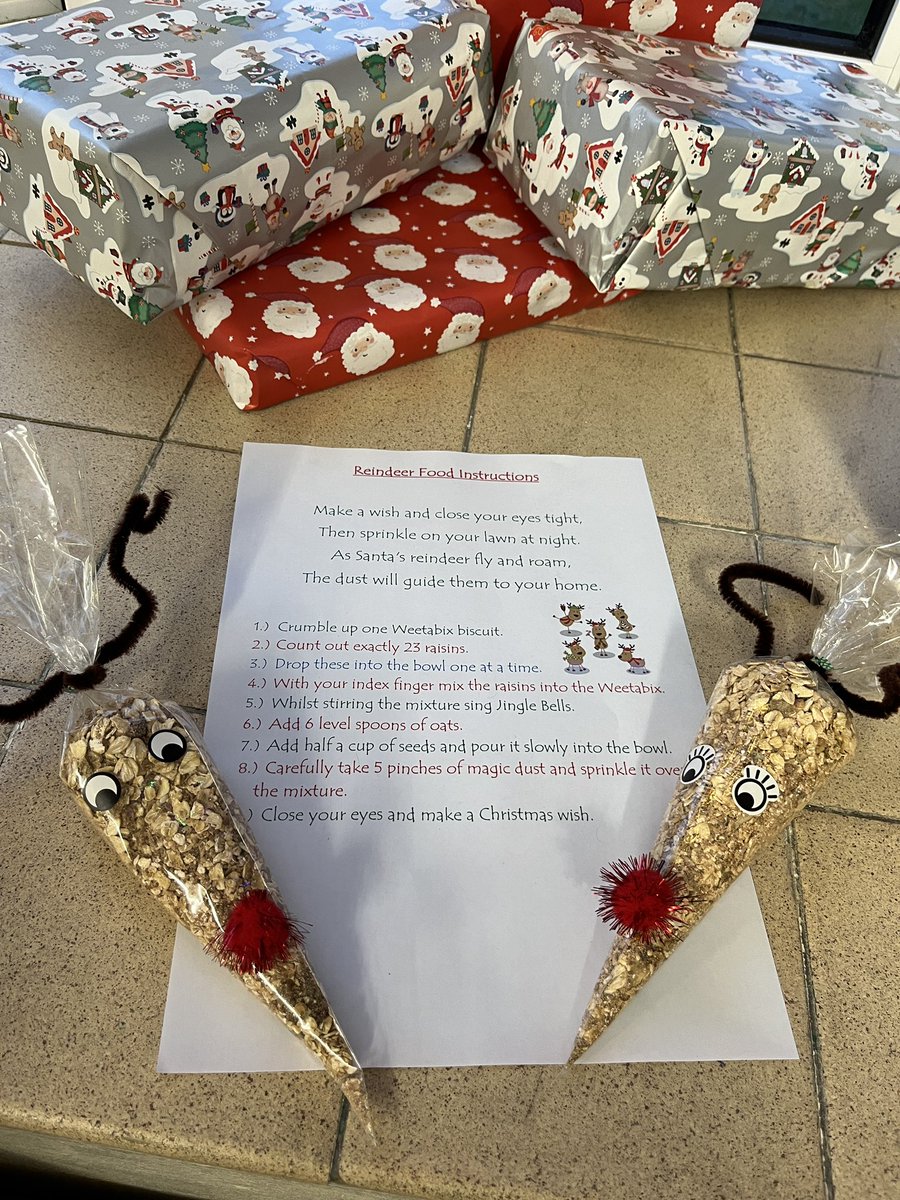
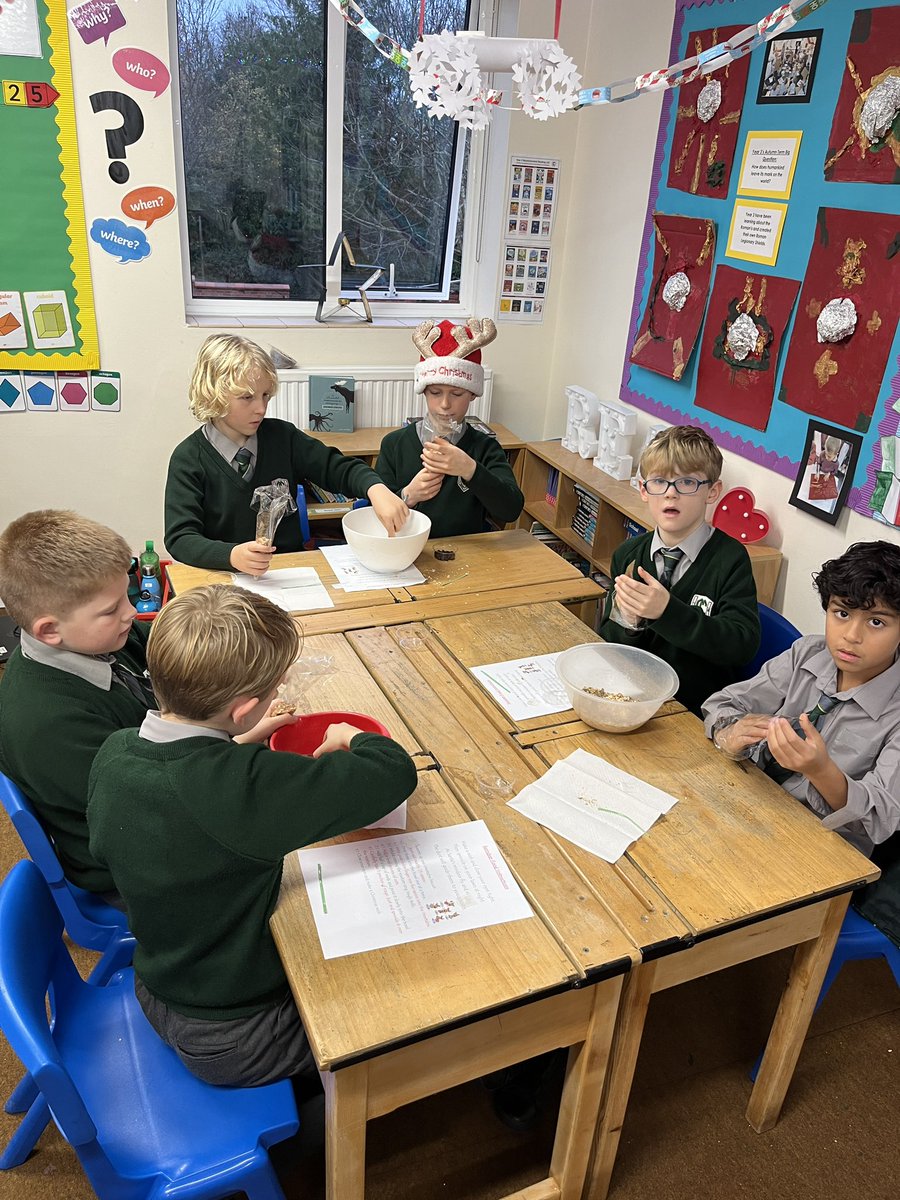
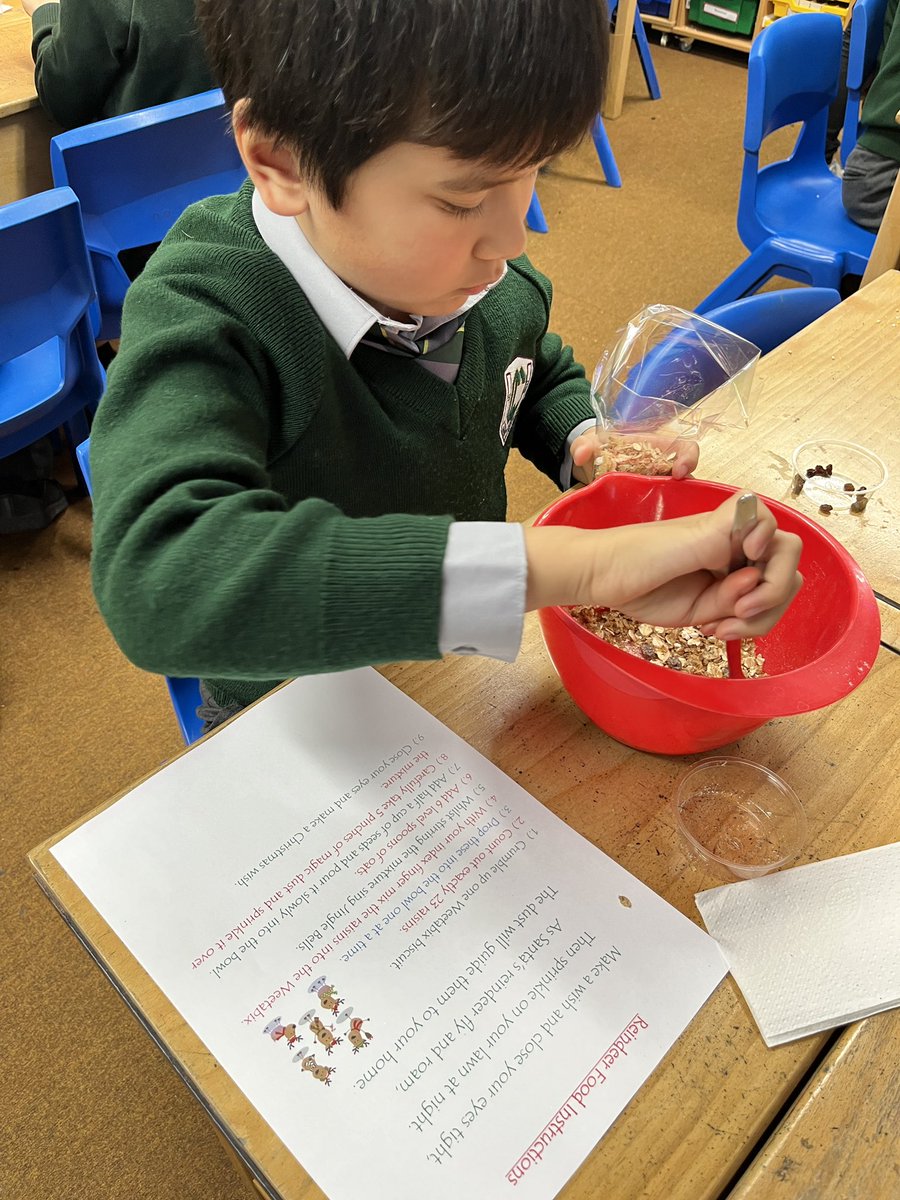
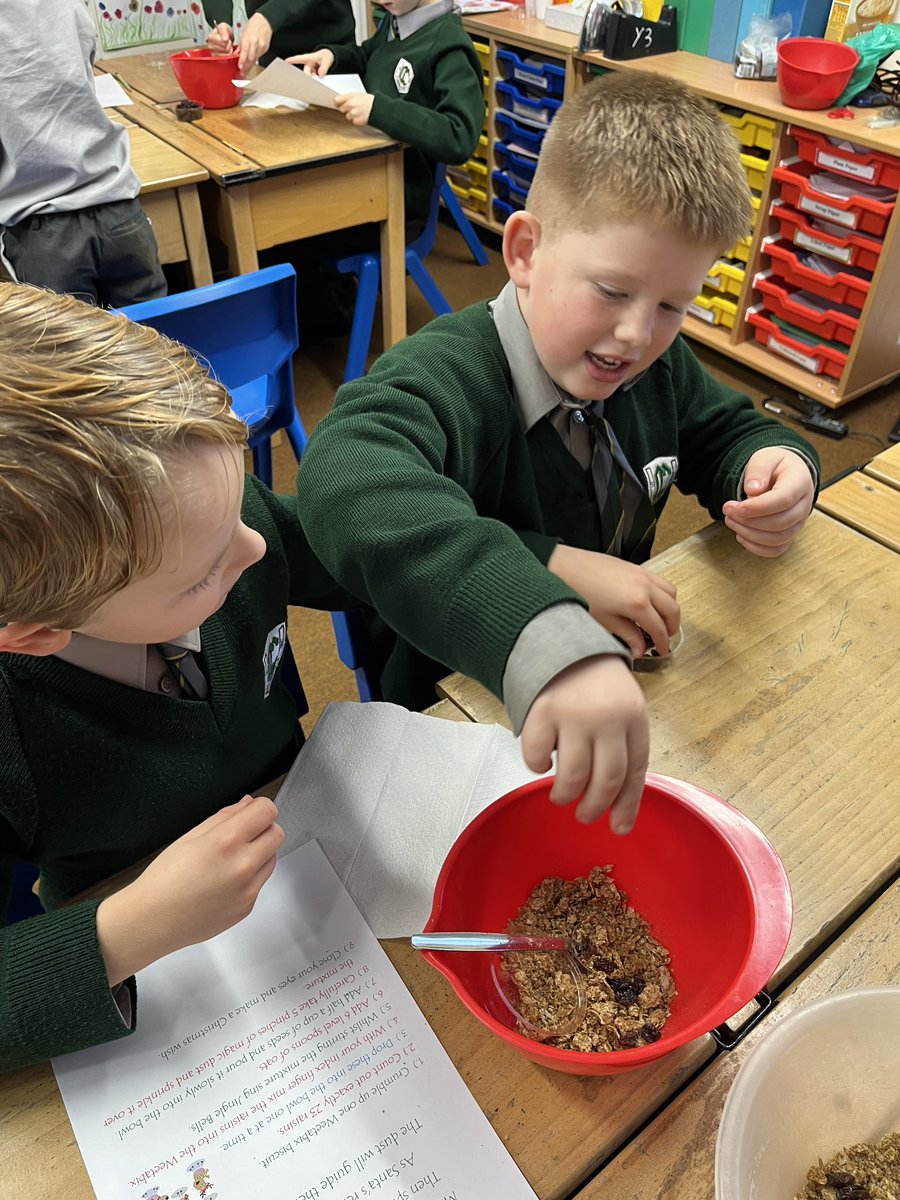
#CCJYear3 have been busy following a very special set of instructions, creating some Magical Reindeer Food! Make sure you remember to sprinkle it outside on Christmas Eve boys! #CCCreative #CCLoveofLearning
5
159
5 Dec 2023
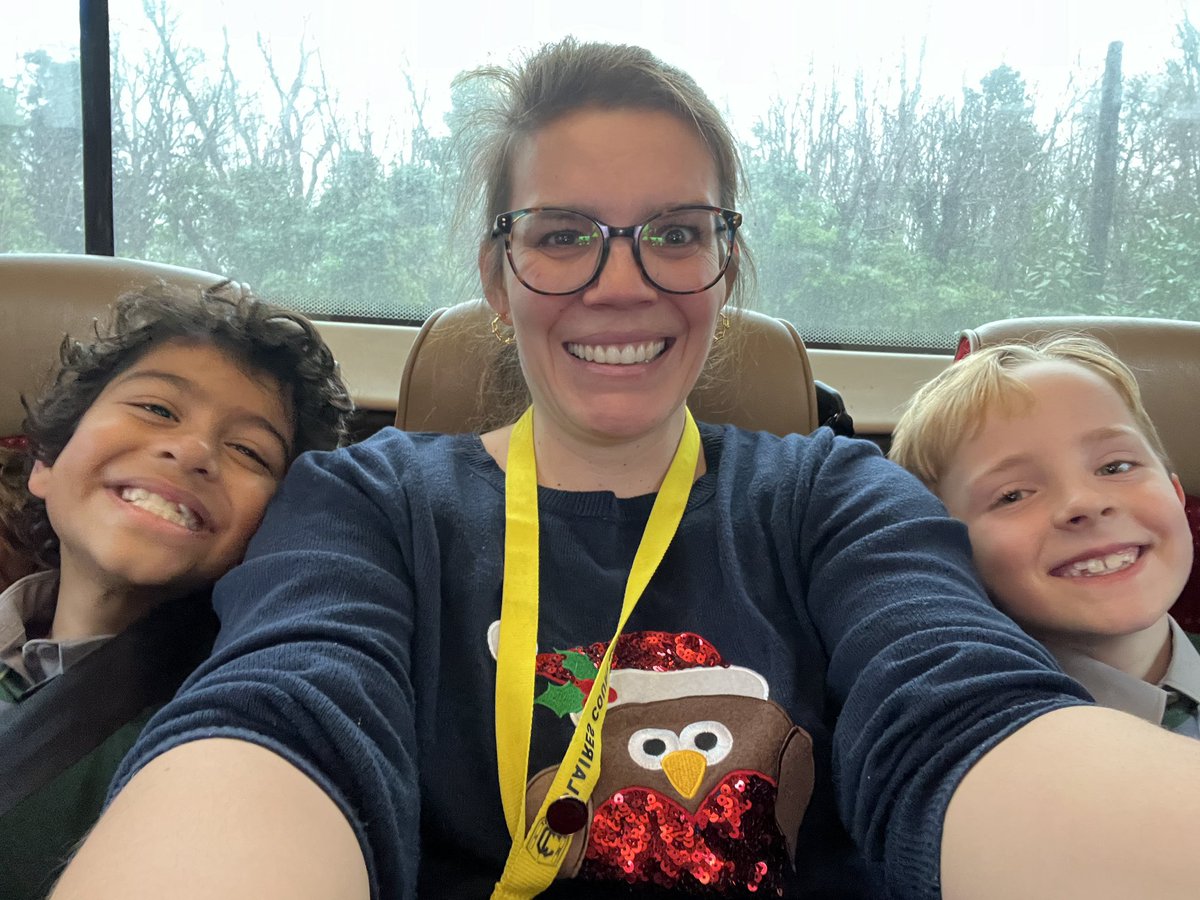
#CCJYear3 are on their way to All Saints Church for their Christmas Carol Service. We are FULL of beans and ready to sing! #CCCreative #CCFamily
11
190
4 Dec 2023
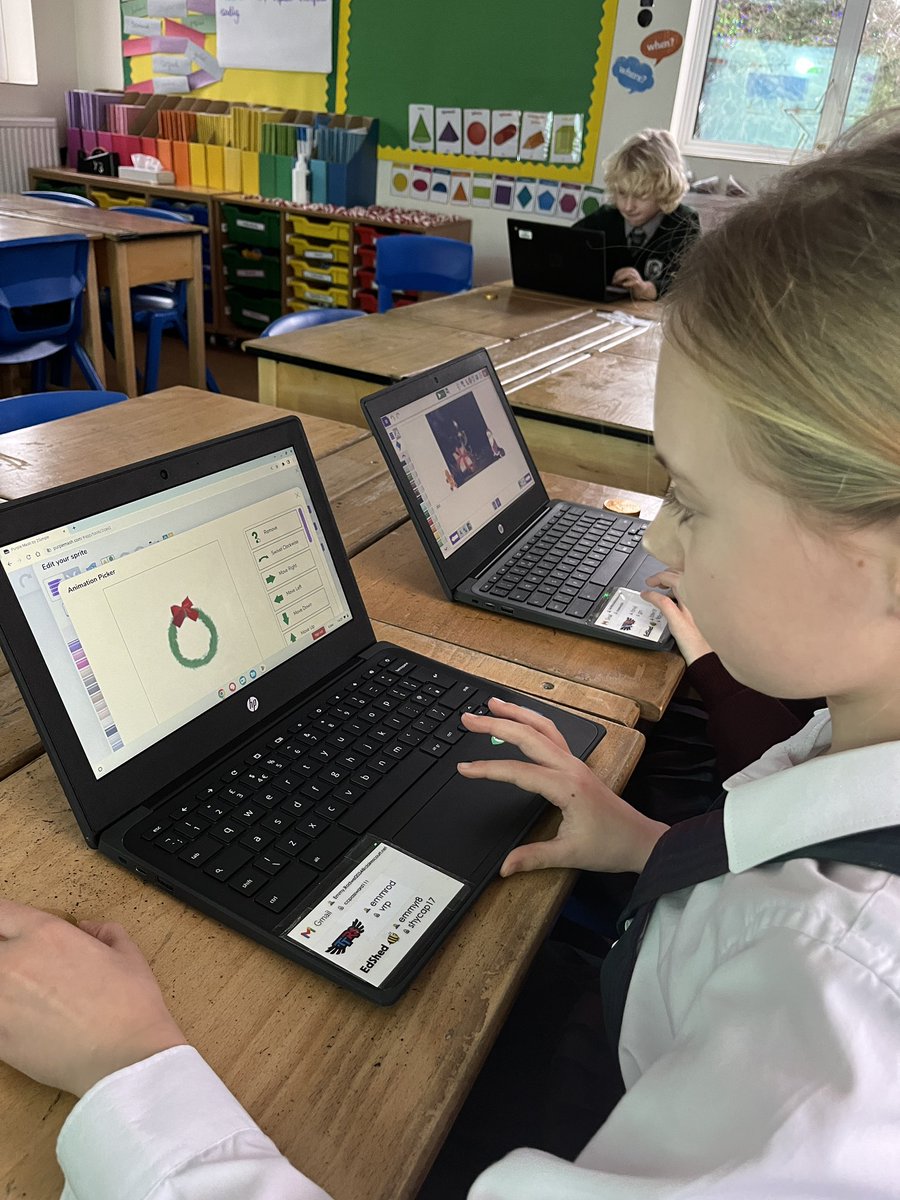
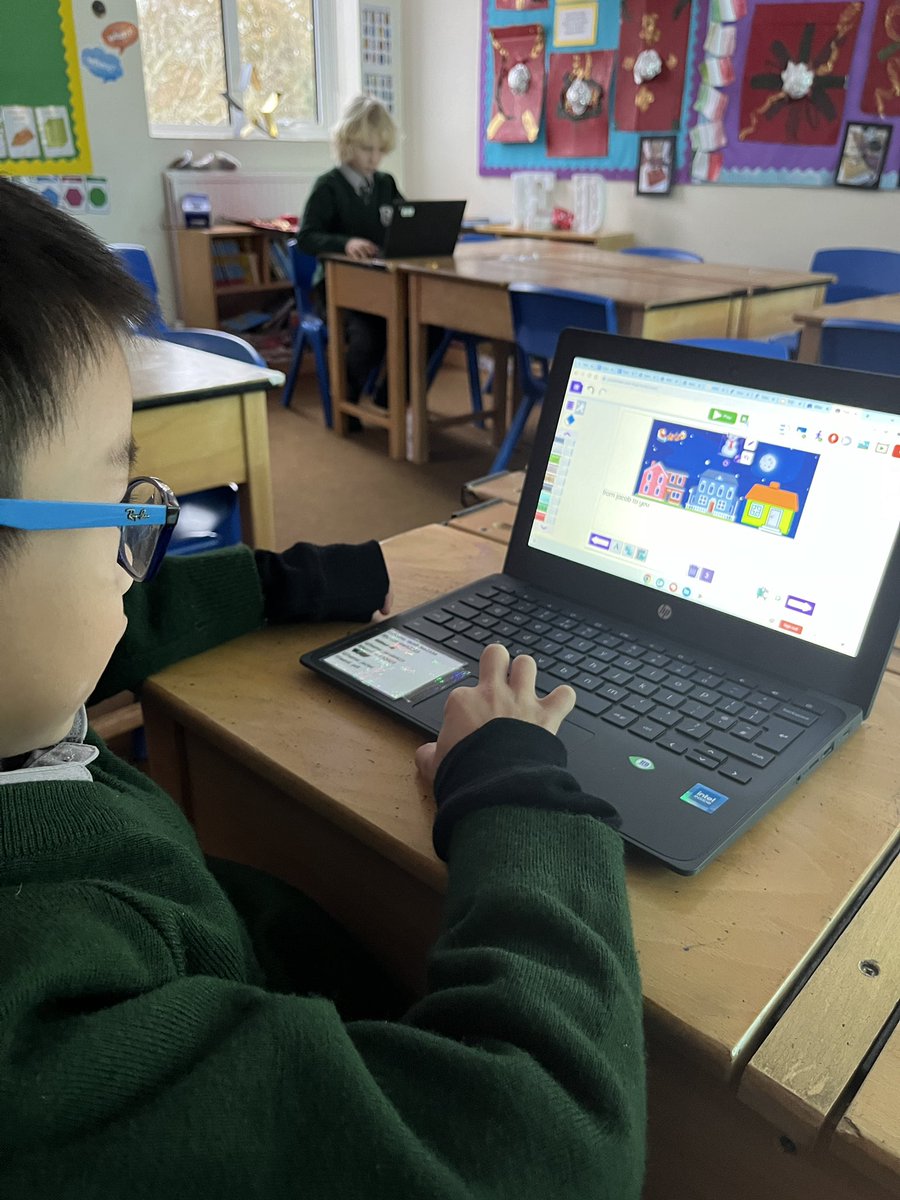
#CCJYear3 have been creating some animated Christmas cards using @purpleMash. Christmas is coming! #CCCreative #CCThrive
1
1
3
861
23 Nov 2023
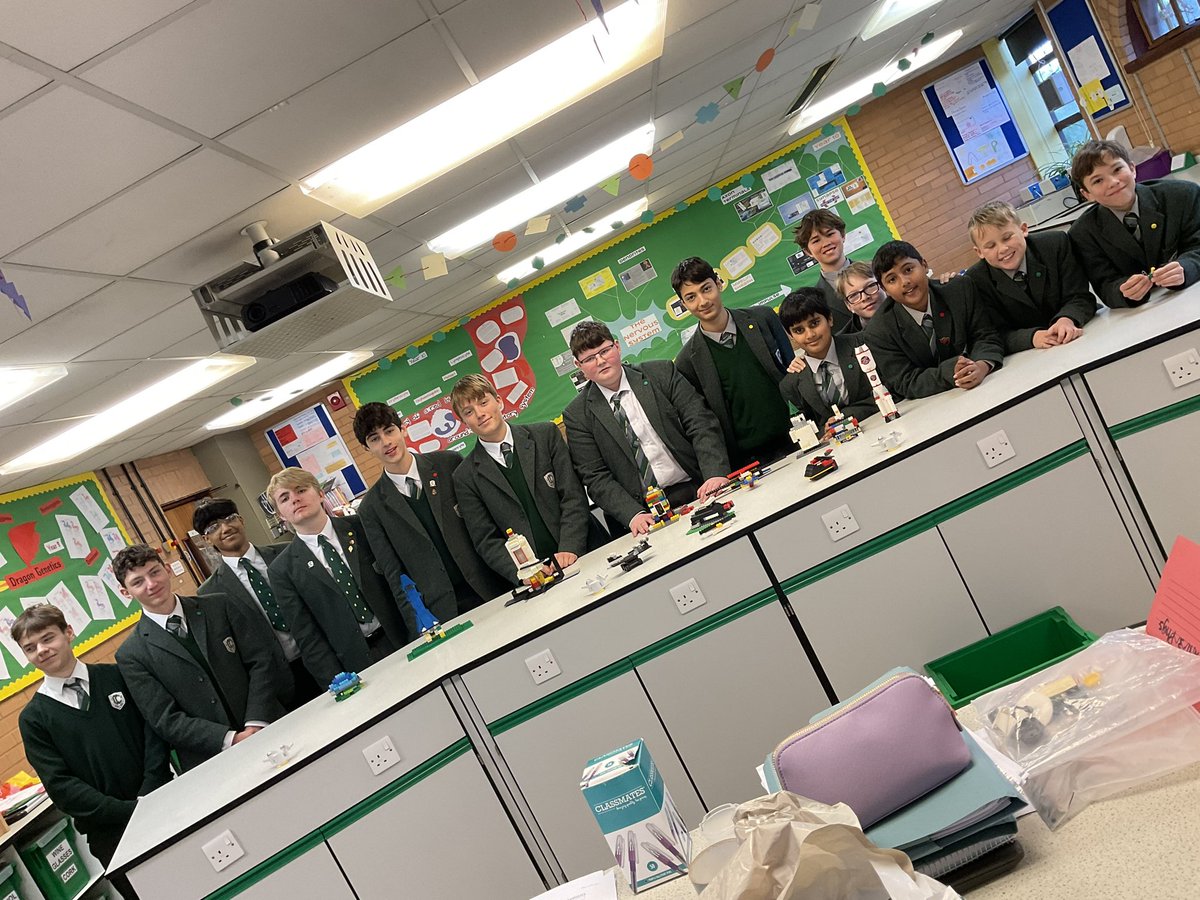
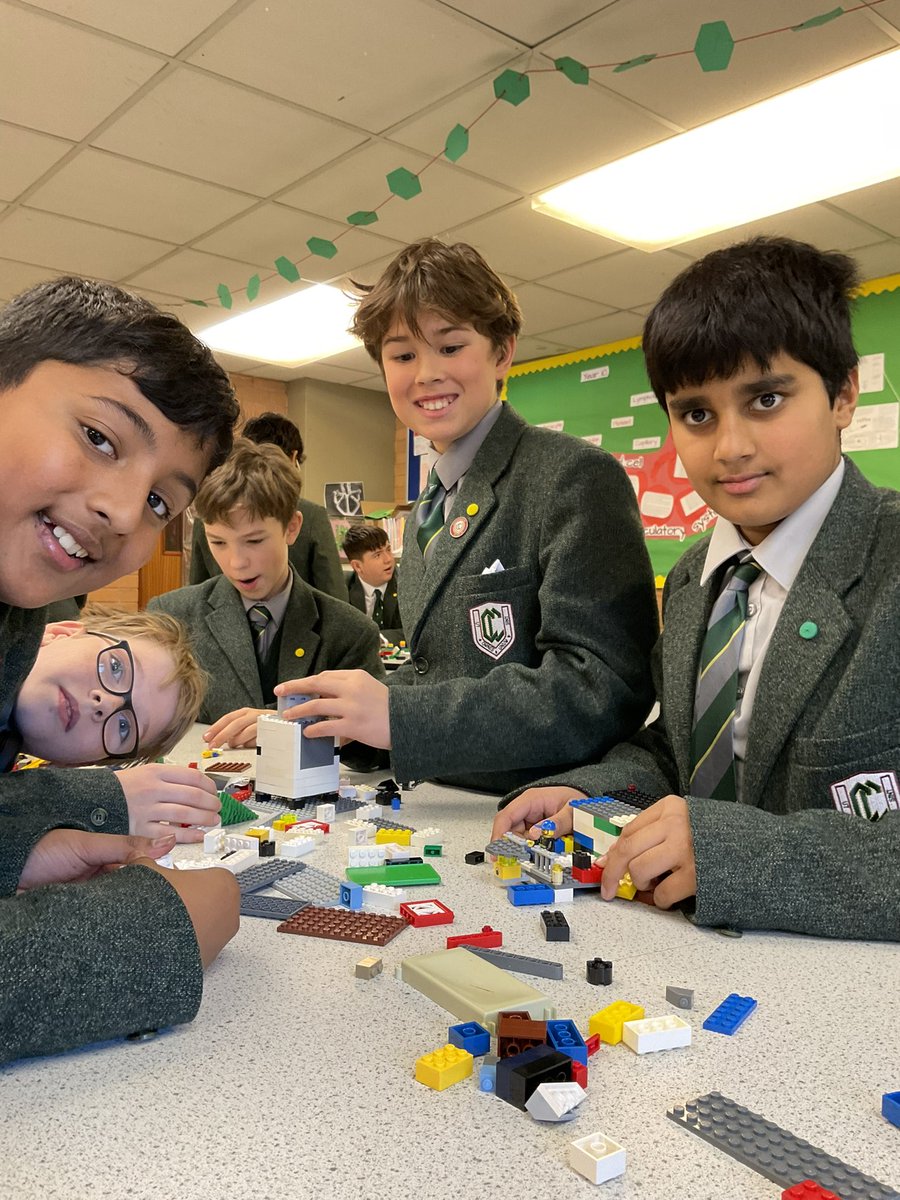
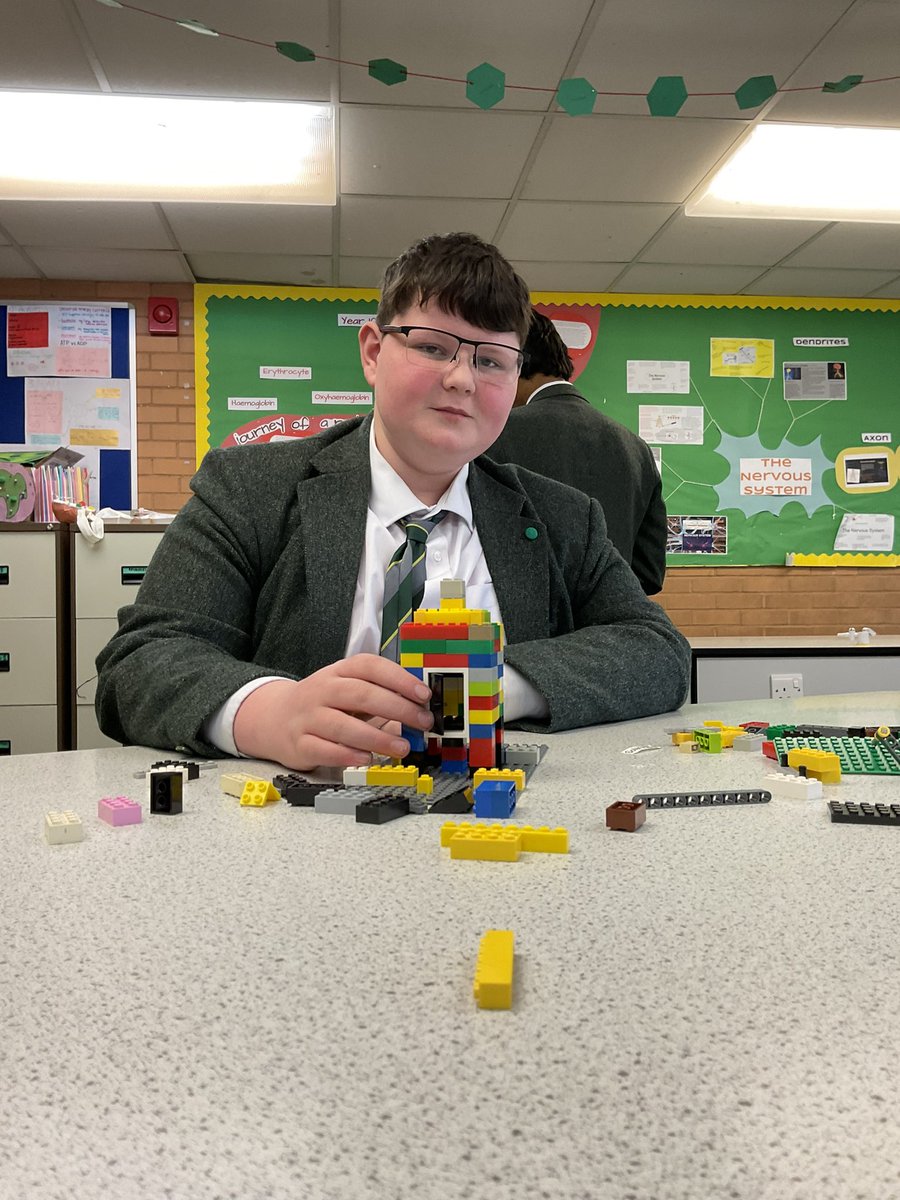
This lunchtime @CCSeniorBoys Miss Mirza ran an out of this world @LEGO_Group Masters in Space Competition to celebrate #SpaceWeek with some incredible rocket creations from all competitors #CCCreative #CCInspire #CCChallenge

2
2
286
16 Nov 2023
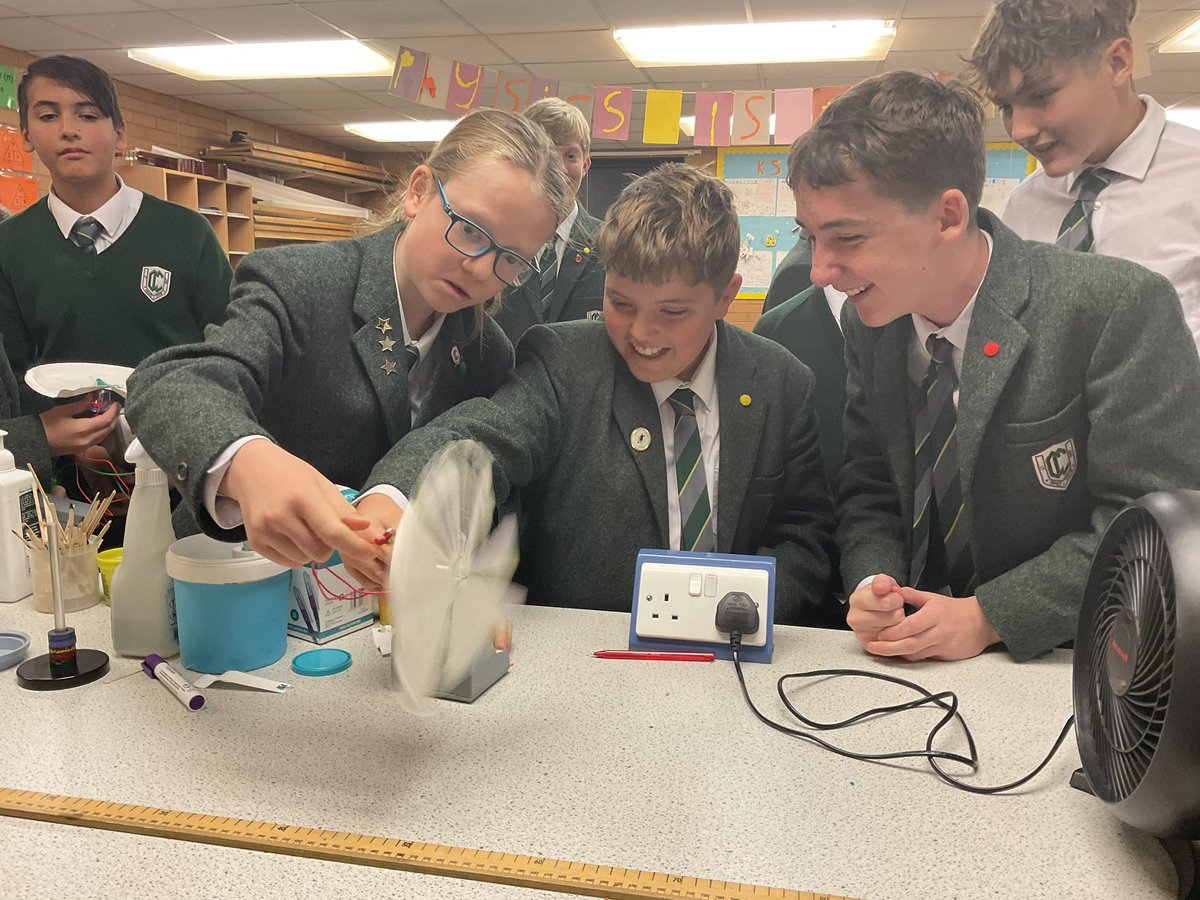
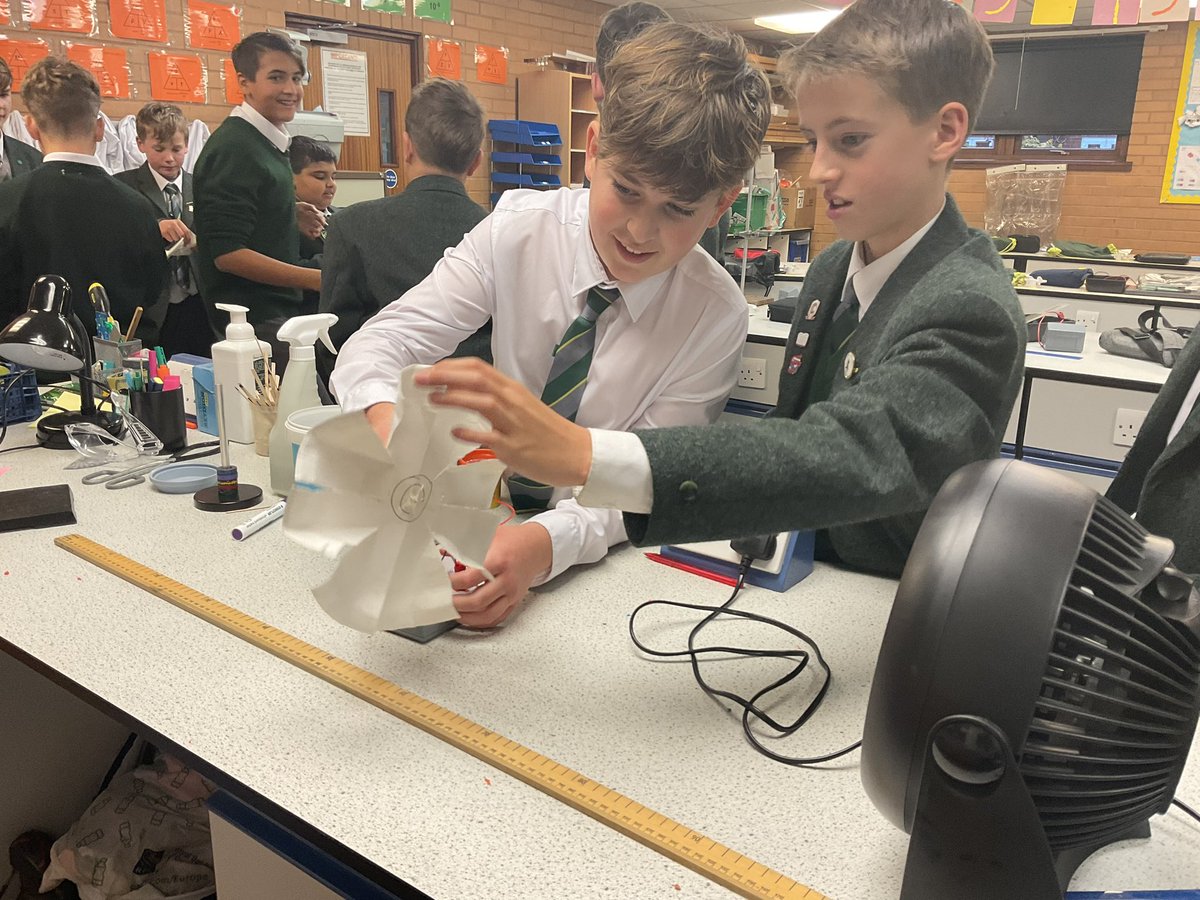
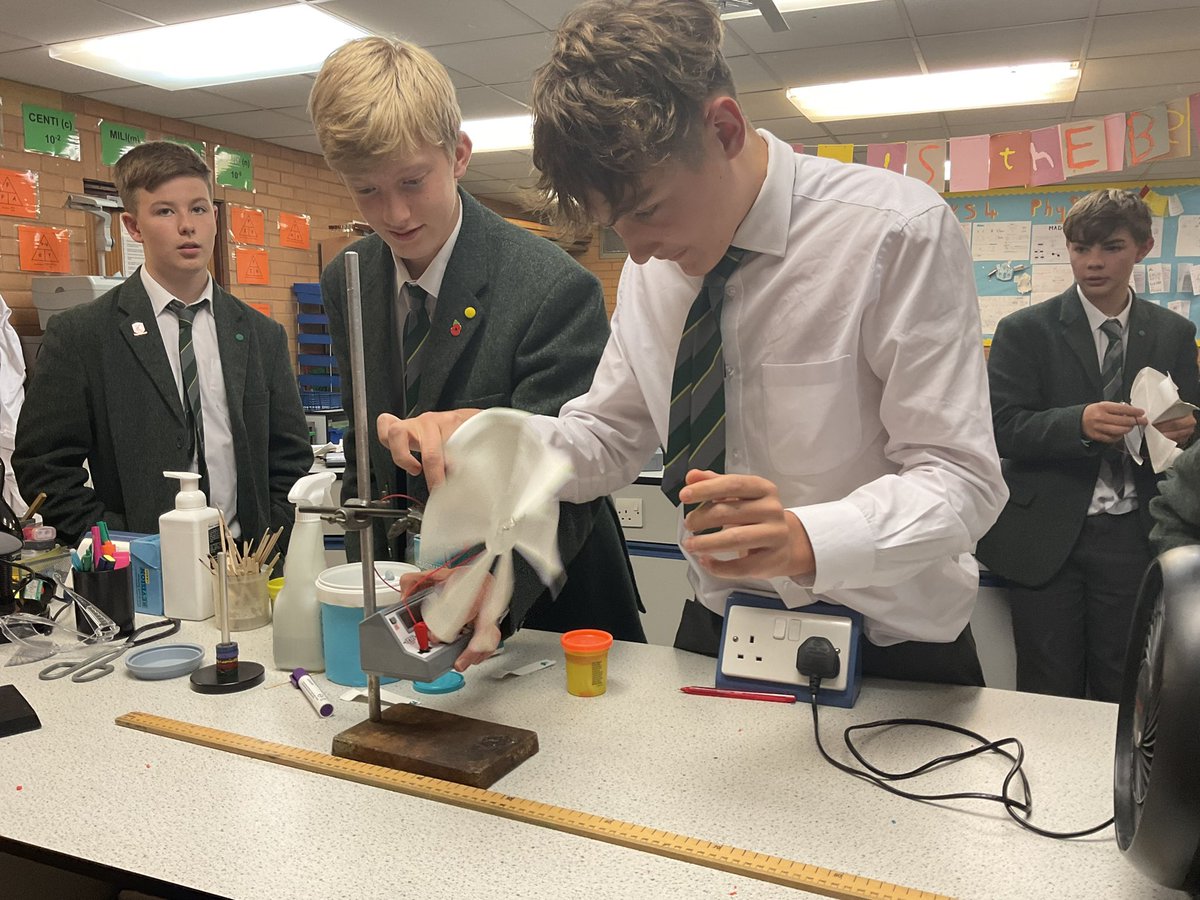
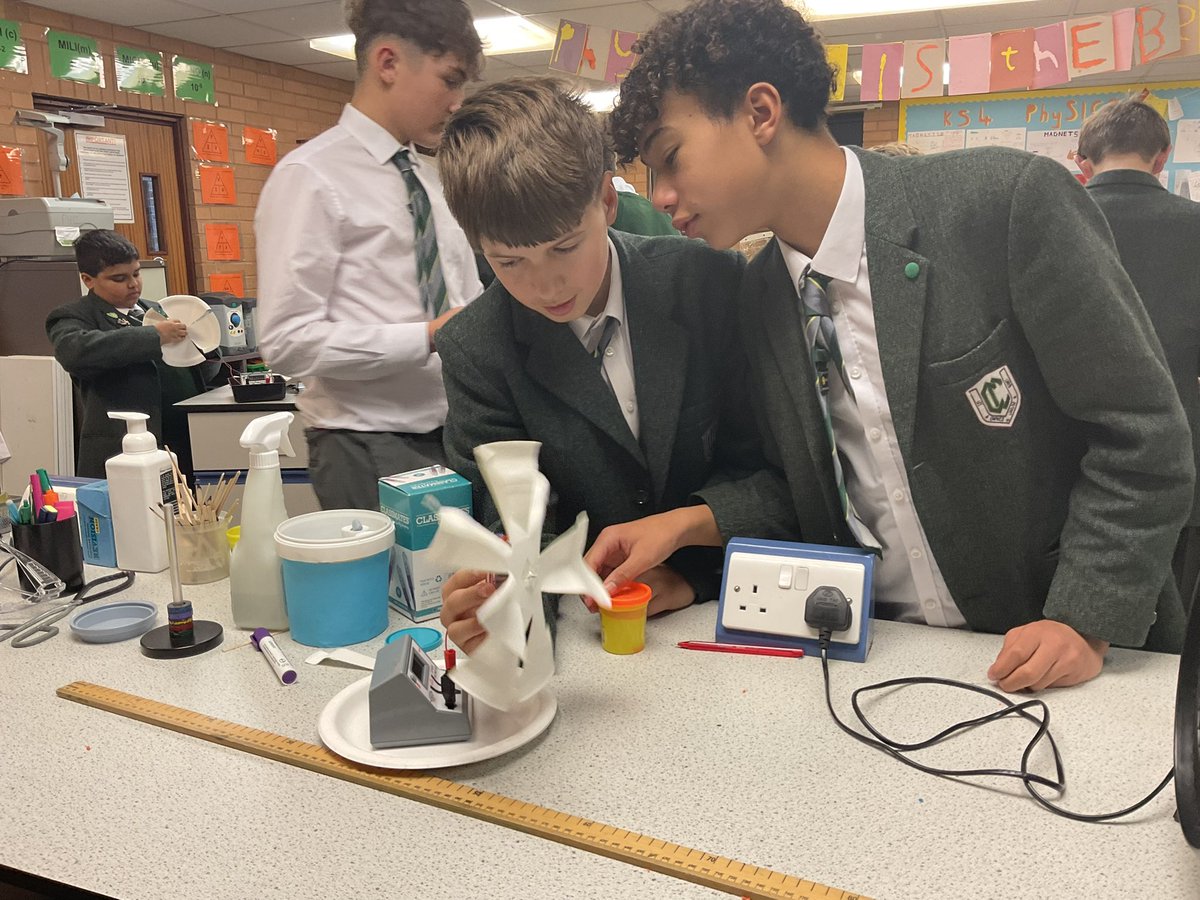
#CCSBYear9 investigating the best designs for wind turbines as part of their work on #RenewableEnergy as part of their #CCPhysics topic on energy #CCCreative #CCExplore #CCInvestigate #CCCollaboration
2
2
210
9 Nov 2023
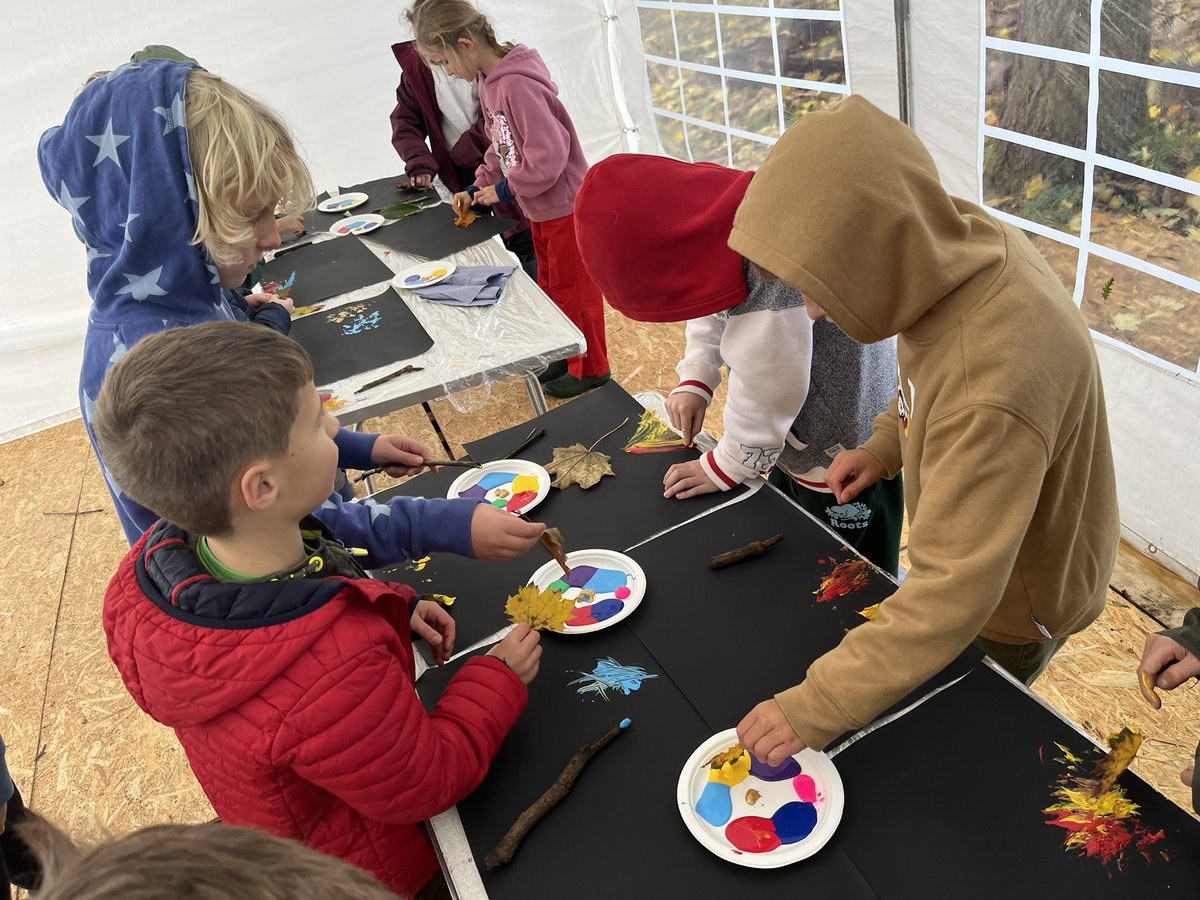
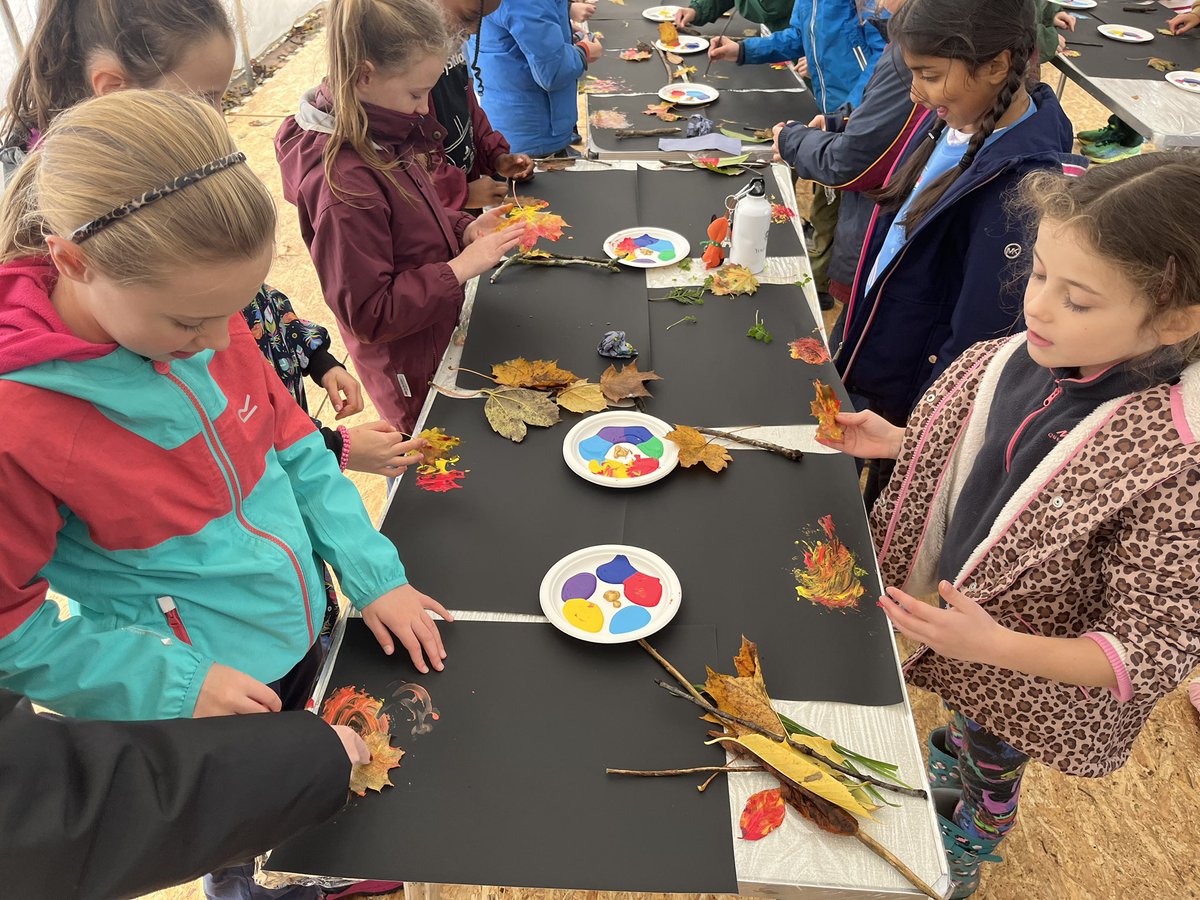
#CCJYear3 are busy creating paintings of Bonfire Night using foraged materials from our Forest School area #CCCreative @CCJuniorForest
6
180
13 Oct 2023
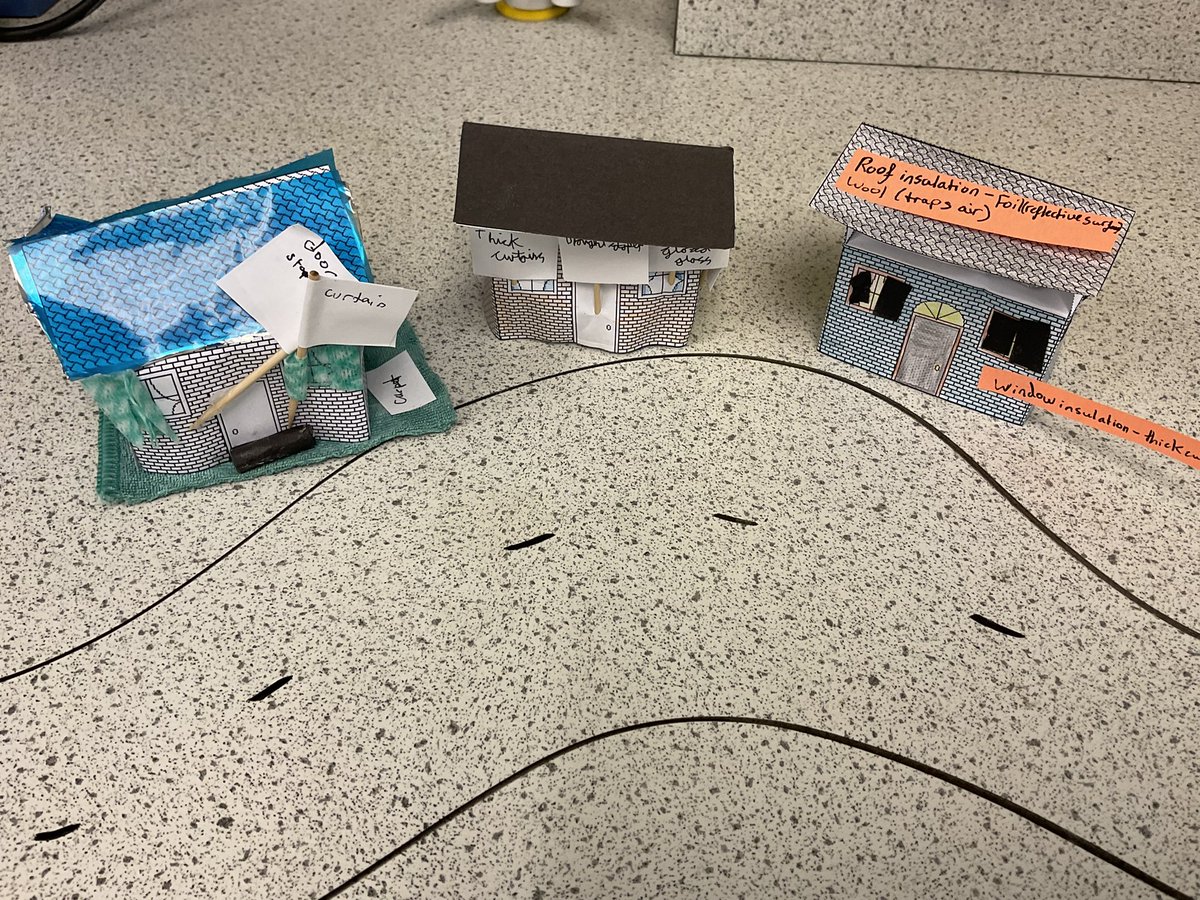
#CCSBYear9 have been putting their knowledge of insulating houses to the test by designing their own energy saving homes! #CCFamily #CCChallenge #CCCreative
2
2
199


30 Sep 2022
No, it only increases the devotion of those who were already fans.


4 Aug 2022
It's a money extraction business where lawyers and judges draw down every last cent of your assets and credit limit. The complex gymnastics are designed run up billable hours. Do your best to stay out of their system. Jesus is only judge that is just and good.
3