


カムヤ マト🇯🇵 retweeted

May 18
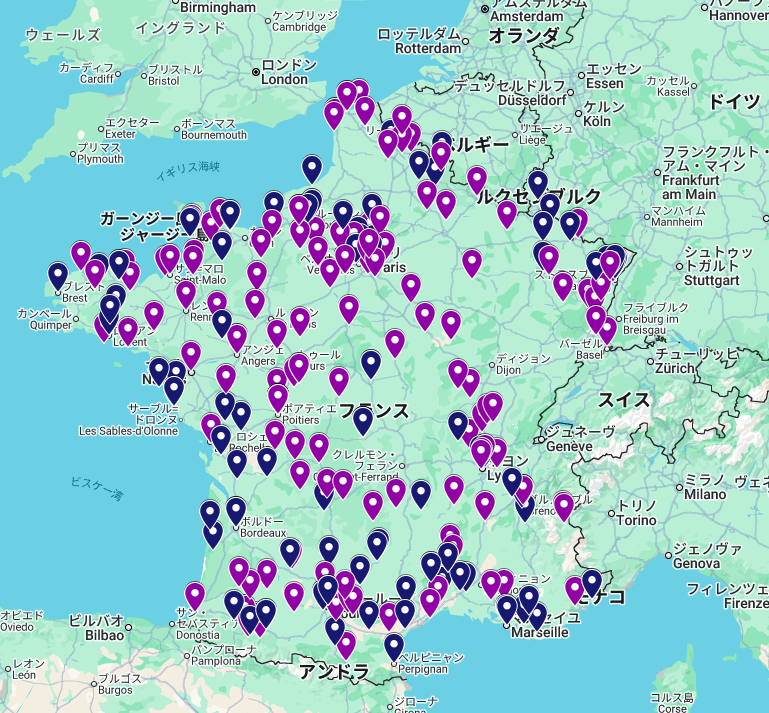
ノートルダム大聖堂の火災は放火説が否定されていますが、個人的にはムスリムの犯行だと思っています。
焼失したフランスのキリスト教会(2024年)。
@RMistereggen
6
201
563
10,040


May 21
Gak ketolong lagi mah ini. Pdhl CFST tuh beban CBA wkwkwk sama kek KSL & WTG
4
489

May 21
CFST seangkatan HiraJani, Cao Jihan, tapi Apriyani dan Lanny ga bisa ngalahinnya.
5
1,127



The five-second epistemology of the novel technology just discovered by America’s Silicon Valley and defense-tech genius fluids, called concrete
Day 48. Ask a Stanford alum to name the top defense technologies. Hypersonics. AI. Quantum. Sixth-gen. Ask him about UHPC. Carburetor face. Ask him what machine-made sand concrete is. Silence. Podcast ad. Ask him what pozzolan is. He asks if it’s a seed round. Ask him what held up the Pantheon. He says the Pantheon is in the metaverse now. Ask him what is going to hold up the port of Long Beach. He raises a Series A. Ask him where the concrete is. He asks what concrete is. Tell him. He announces a $400 million seed round. Sequoia calls it bigger than AI. The pitch deck says it will transform American infrastructure, solve the housing crisis, modernize the ports, rebuild the grid, fix the roads, and save the bridges. The material is called concrete.
The companies were sold. Southdown, Houston, Texas — the largest American cement producer in 2000 — went to CEMEX of Monterrey for $2.8 billion. Lafarge absorbed into Holcim, headquartered in Zug, Switzerland. Lehigh absorbed into Heidelberg Materials, headquartered in Leimen, Germany. The top three producers operating in this country are Mexican, Swiss-French, and German. A derivatives desk in Midtown moved the paper. A McKinsey deck called it shareholder value. The derivatives desk blew up in 2008. The plants are still in Monterrey. Nobody wrote up what had left, because what had left was not, in the estimation of the genius fluids, a technology. Technology had a repo.
Technology shipped in a sprint. Concrete is a technology. Concrete is more important than Blackwell. Blackwell sits on concrete.
The specs read as follows, and they are not what is being poured here. Ultra-high-performance concrete — UHPC — runs eighteen to thirty-five thousand psi, ten times the strength of the mix in American bridges today, tensile strength twice normal, chloride permeability under ten percent, freeze-thaw shrug. Machine-made sand concrete replaces river sand with precision-crushed aggregate engineered at the grain level and saved one Chinese province $3.19 billion on a single bridge program. Concrete-filled steel tubular arch systems — CFST — now span six hundred meters across Chinese canyons. Prefabricated modular bridge spans are stockpiled in fields next to the bridges they will one day replace, ready to be craned in when the live span is hit. Six bridges in seventy-two hours. The Iranians did this last week. The Chinese can do it at greater span than anyone has ever done it. The Bay Area reads about it on Reddit and thinks it is AI-generated.
Go ahead. Name an American cement company. The sentence doesn’t end. That’s the sentence-ending sentence. The country that cannot pour its own concrete is the United States of America.
Meanwhile six Iranian railway bridges went down and came back up in seventy-two hours. The method is called the Bridge Rapid Replacement System. In 2019 somebody sat in Tehran and said what if they bomb the bridges, and somebody else said we should put another bridge next to every bridge, and somebody else said yes, and they did it. Six times. In concrete. In peacetime. The reconstruction ministry is a warehouse. The warehouse is the doctrine. The doctrine is the pour.
Meanwhile in Guizhou there is a canyon and a bridge across the canyon, six hundred twenty-five meters of concrete, lifted into place with a hoisting system that did not exist fifteen years ago. The Chinese hold every world record for arch bridge span. Every single one. The seminary cannot pour a sidewalk in Baltimore that doesn’t crack in four years. The seminary had a harbor bridge in Baltimore and a ship bumped it and the bridge fell in the water. The seminary watched the ship coming for an hour.

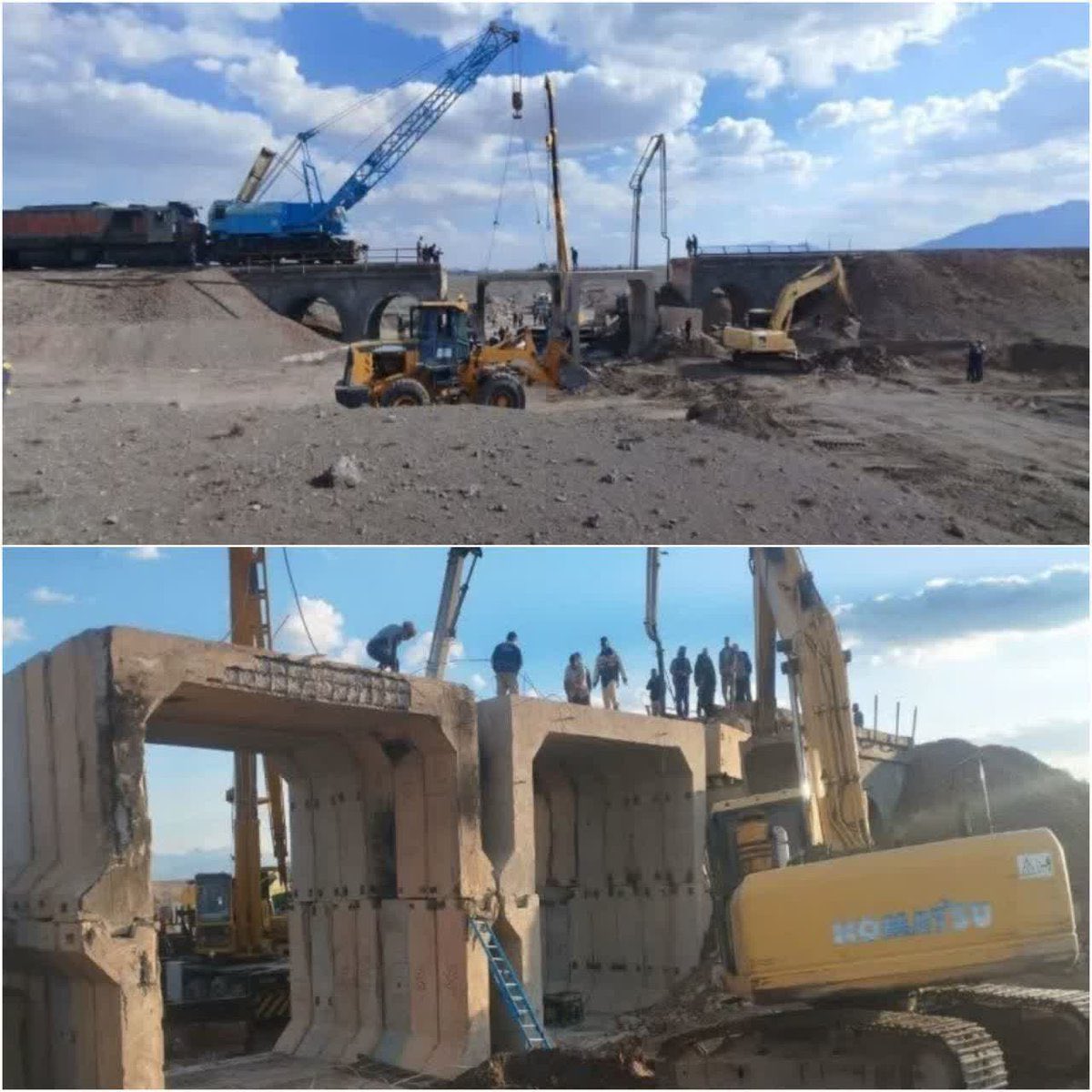
How was Iran able to repair *six* bombed railway bridges in just 72 hours?
The method was actually developed long ago and is called the Bridge Rapid Replacement System.
The secret is this: prefabricated structures - concrete and metal spare parts of bridges, exactly like the original - were stored next to the bridges. According to railway managers, repair teams only had to cut out the destroyed span and install the replacement part in its place with heavy cranes.
Prefabricated structure technology is no longer a temporary solution; it has become a strategic model in Iranian defense engineering.
Pre-crisis spare parts manufacturing, strategic stockpiling, and rapid replacement instead of time-consuming repairs have changed the equation of post-war reconstruction forever.
The experience of the Ramadan War demonstrated Iran's capacity for anticipation and preparation before a crisis, not simply in reaction afterwards.
7
28
94
7,779


It seems to be a CFST tied arch bridge. Iran advanced in engineering
Apr 7

Iranian patriots form human chain on the White Bridge of Ahvaz in southern Iran following American Israeli threats of destruction of Iran's vital civilian infrastructures.
Targeting civilian infrastructures is an internationally recognised war crime!
2
56

Elegant CFST analysis. Education transmits WEIRD culture globally, eroding the cognitive diversity essential for collaborative accuracy. We must sample beyond universities.
2
768

Mar 24
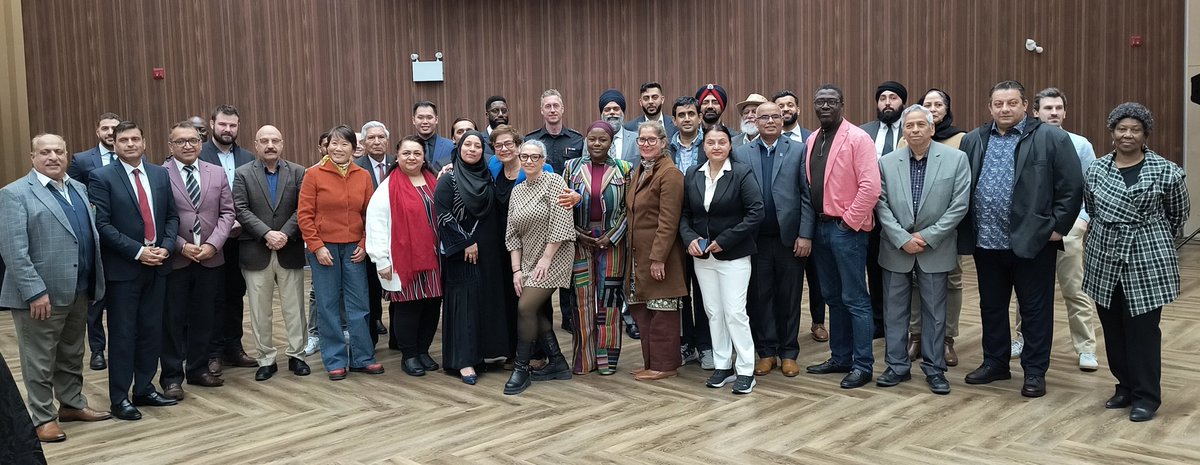
Building safer communities!
#PRP Dedicated Hate Crime Unit (HCU) & CFST hosted a meet & greet with Community Ambassadors.
A presentation highlighted the differences between Hate Crimes vs. Motivated Incidents & how to report them
peelpolice.ca/hate
@PeelPolice
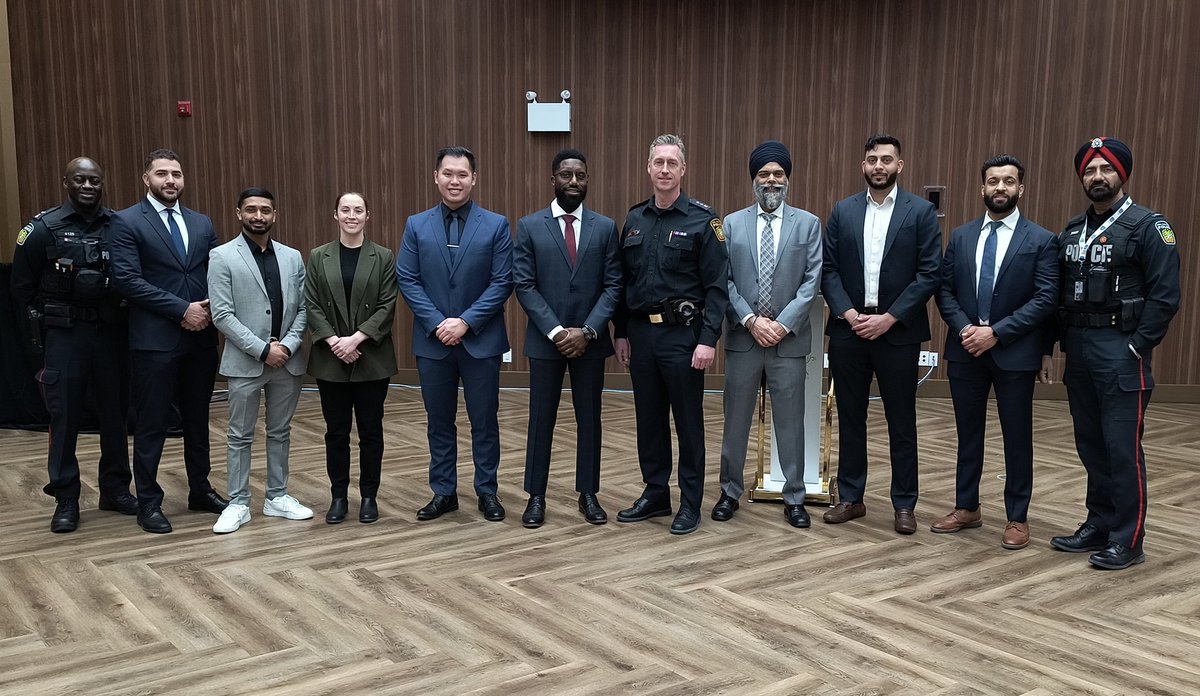
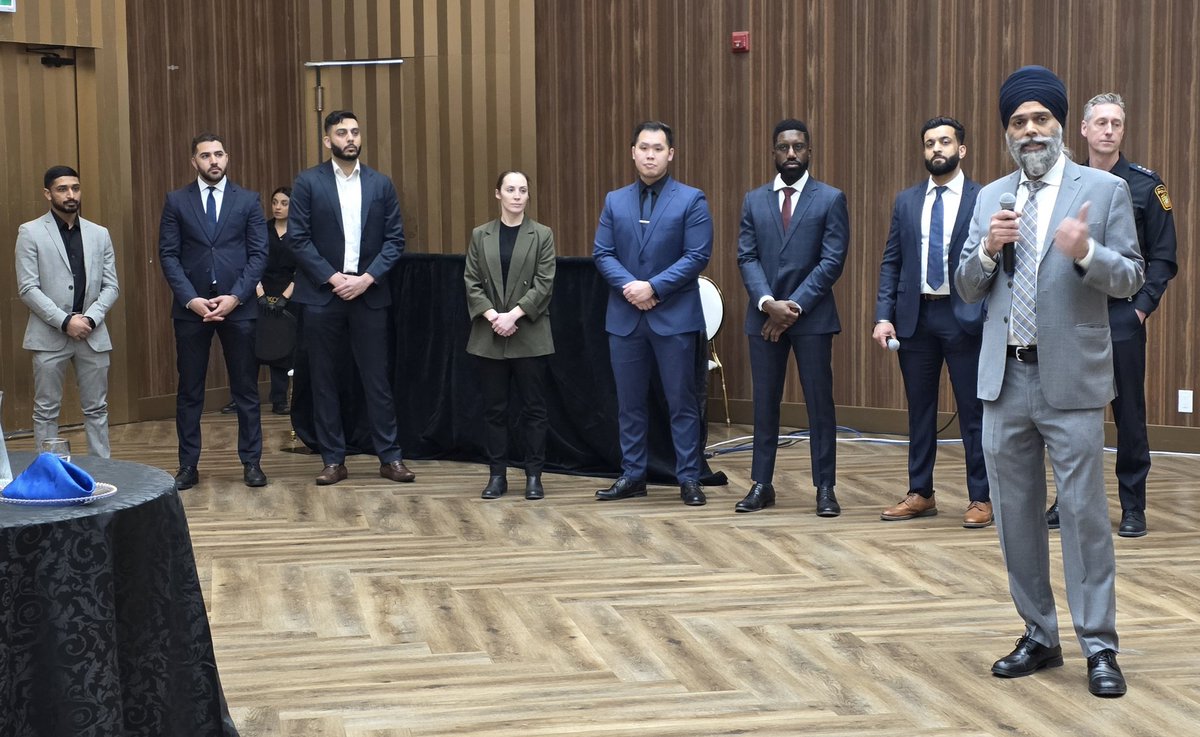
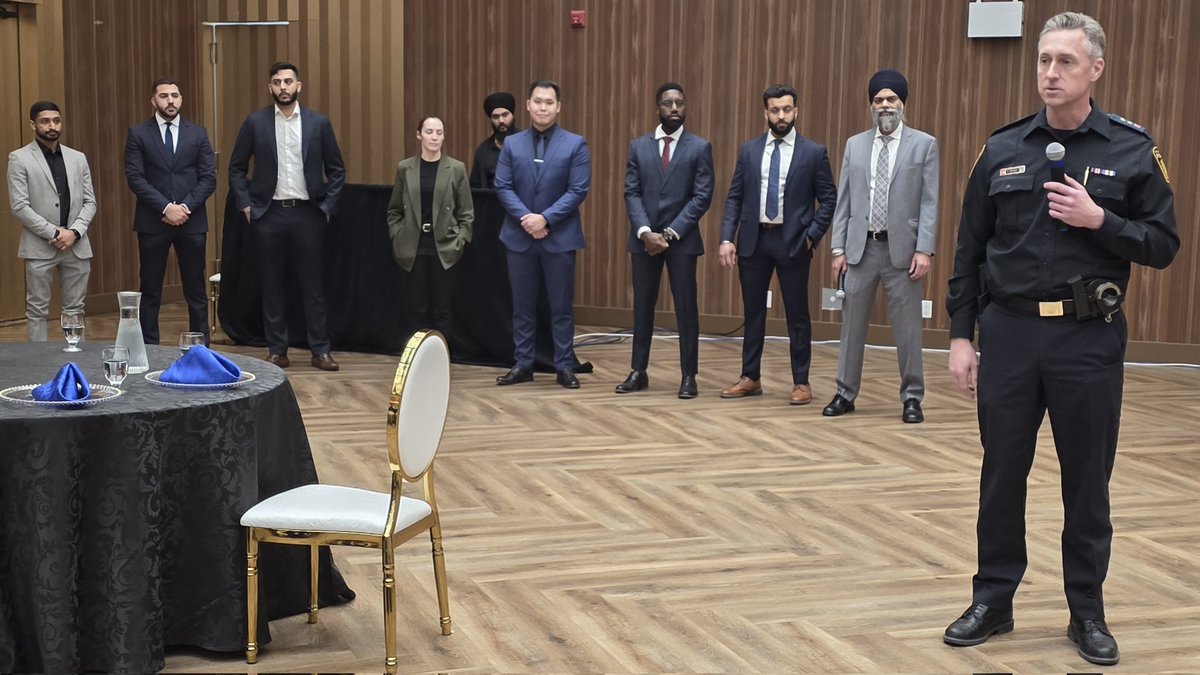
1
4
360

Mar 19
📢 #highlycited paper
📚 Behavior and Reliable Design Methods of Axial Compressed #DuneSandConcrete-Filled Circular #SteelTube Columns
🔗 mdpi.com/2076-3417/14/16/693…
👨🔬 by Said Ikram Sadat et al.
🏫 Central South University/China Energy Technology & Economics Research Institute/China Construction Third Engineering Bureau Group Co., Ltd.
#CFST #finiteelementanalysis
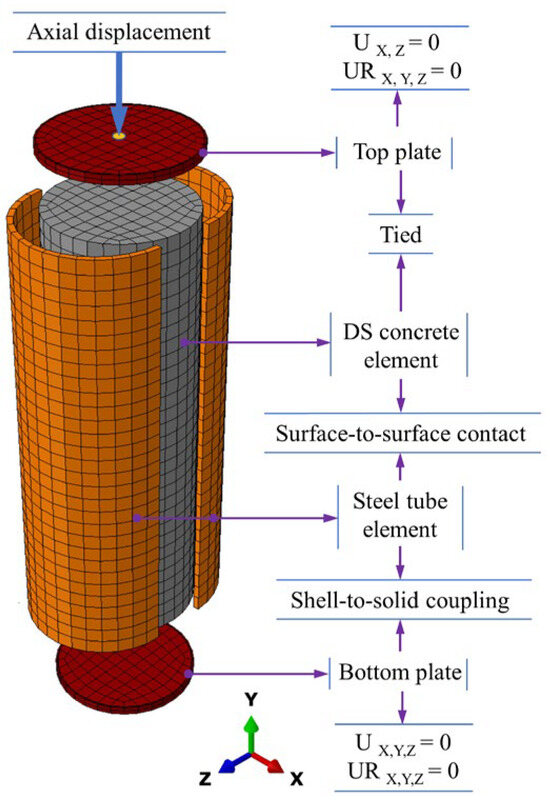
2
3
35

Mar 14
自陣ゴール近くでボールを保持した時に約束事があると良いな 例えば若原がハイボールでキャッチした時は必ずサイドハーフ2人が駆け上がり、真ん中もCFSTの2人が前進するとかね ビルドアップが苦しい時に、点を決めれる方法がほしい 前線に電柱がいないから、カウンターよ
2
110

Mar 8
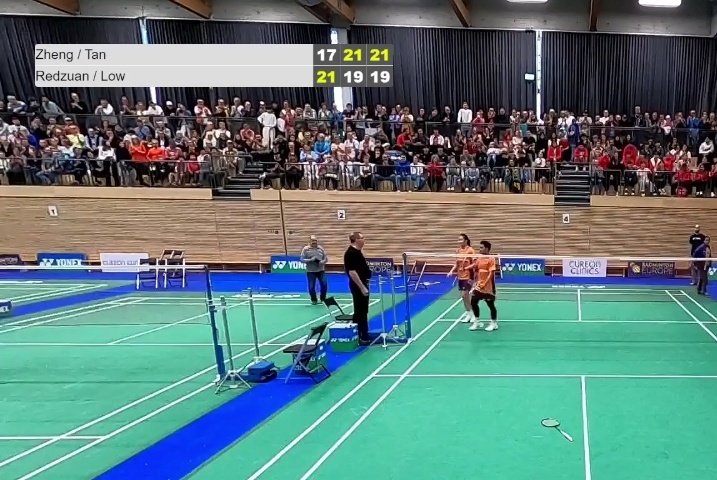
Ziyu rivalry with chinese player 😅
2024 : Chen Fan Shu Tian
2025 : CFST, Tan Ke Xuan
2026 : Tan Ke Xuan
I hope Redzuan/Ziyu to improve their gameplay and patience in front of net so that they could reduce UE.
Sayang patutnya boleh amik 3rd game cumanya after interval lost.

Sakit gila kalah dengan score macam ni 😭😭😭 papepon GOOD FIGHT Zul/ZiYu. To think they achieved back-to-back podium finishes in just their first 2 tournaments together?!?!? 🥈🥉 Surely more to come in the future!!! 🥇🥇
5
20
1,378

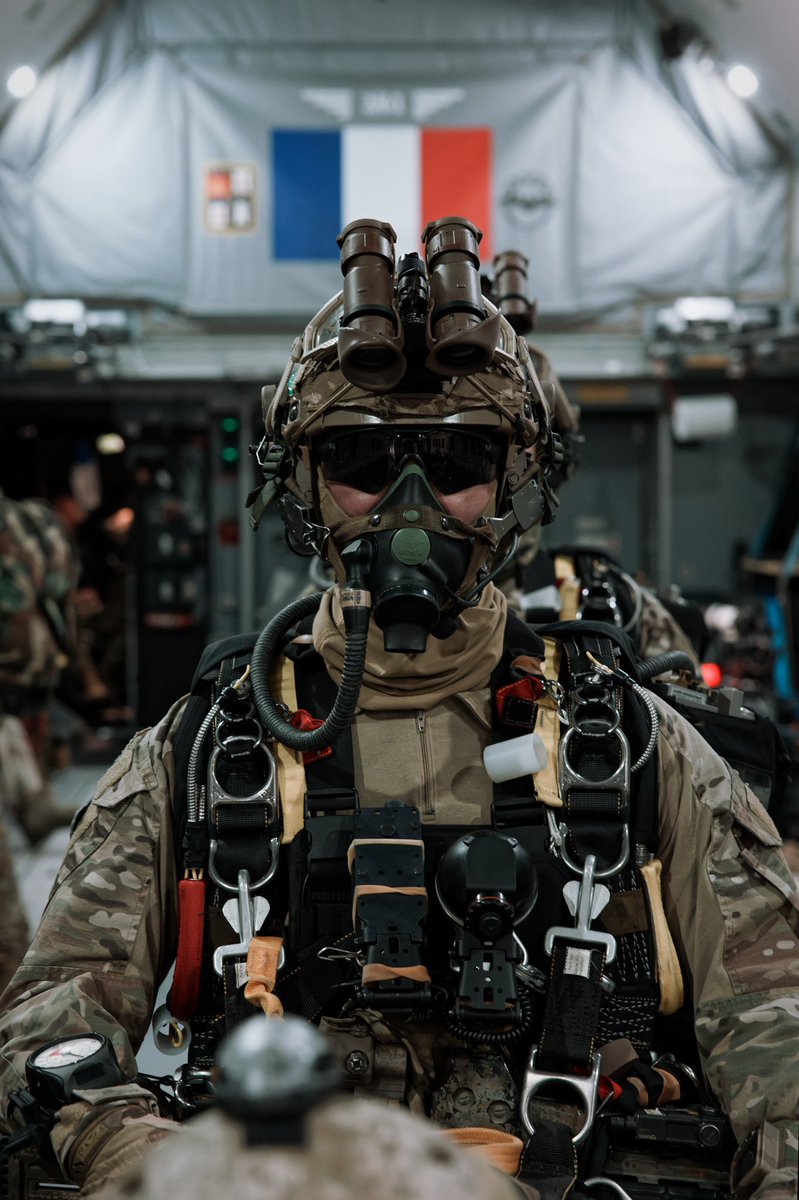
Visite au Commandement des actions spéciales Terre (CAST),
héritier du Commandement des forces spéciales Terre (CFST).
Deux ans après sa transformation, le CAST s’affirme comme un acteur incontournable de l’hybridité, des actions dans la profondeur aux opérations dans le champ numérique.
Pleinement engagé au profit de l’@armeedeTerre, il éclaire sa route sur le chemin de la transformation et de l’opérationnalisation.
4
82
678
18,630