


Water bottle, cap, aur light clothing summer ke essential companions hain. Prevention is always better than treatment
#SummerSafety #StayHydrated #BeatTheHeat #SummerTips #medcab

1
Secret Space🔥 retweeted

Jun 15
Every 🤤 = one piece of clothing this heavy tits girl removes
8
265
77
7,133
Maya Shine retweeted

Jun 16
Every 😘 = one piece of clothing this no surgery girl removes
Special access link in the comments 🔗
31
582
566
28,238

35s
Turkish men, while appearing conservative, appreciate Egyptian Sharia law, which praises revealing clothing. They have adopted the caliphate from Egypt. However, they dislike the Bektashi order because they believe it has Japanese origins.
2
Kunmi Àgbà Farmer retweeted

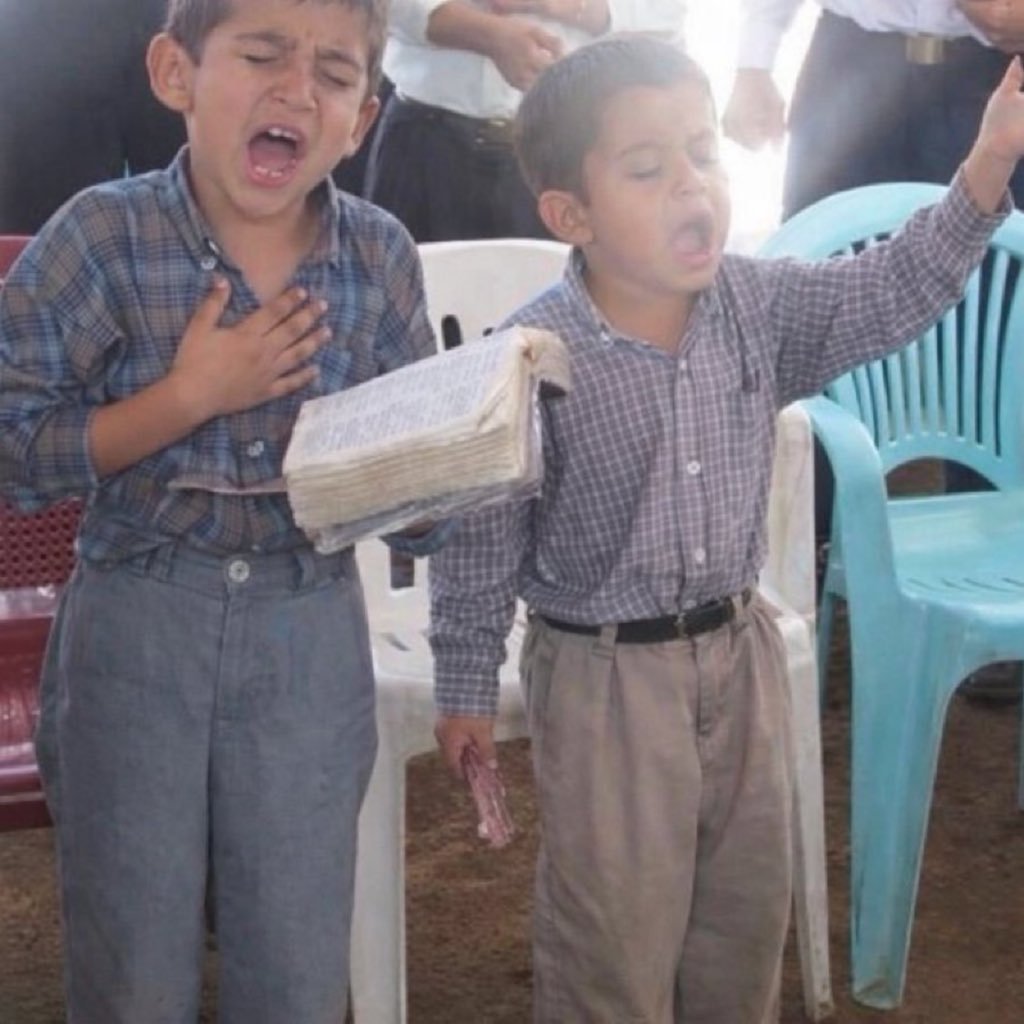
Let us pray!
Our Father in Glory, thank You for a beautiful day! Thank You for food, clothing and shelter! Thank You for our friends and families.
Dear Lord, we commit this day unto You! We ask for Your blessings, favours, connections and supplies. May we not struggle today!
Precious Father, we also ask You draw us closer to Yourself this day! Reveal the very purpose why we were created and still alive! Help us live to fulfil it!
Dear Lord, may we not be spectators but partakers of Your divine blessings and presence here on earth. All these we ask in Jesus Christ mighty name, Amen 🙏
23
20
34
170
donny ⭑.ᐟ retweeted

winter au #deku but i also took inspiration from nomadic steppe cultures/clothing
and i gave him little antlers because i thought they'd look cute

9
246
1,709
8,795

Part 2 - Agricultural & Food Expertise
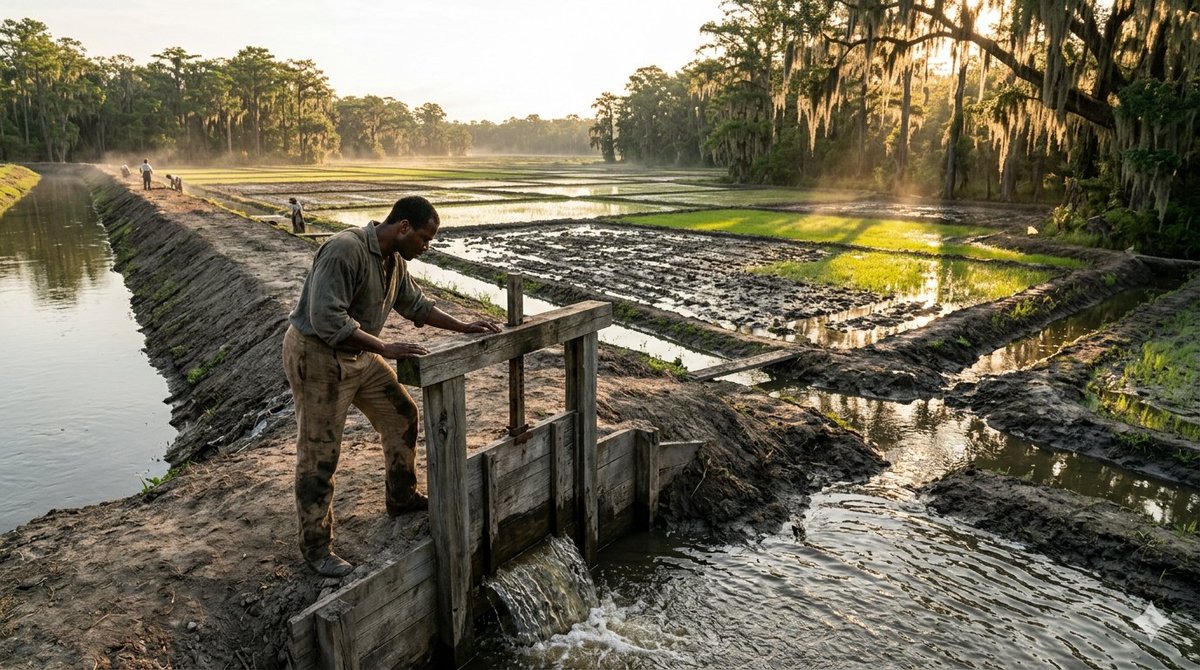
8. Rice and indigo farming in the treacherous, swampy coastal lowlands of the Carolinas required highly complex engineering, hydraulic management, and agricultural mastery. Because of this, European slave traders deliberately and surgically targeted specific regions of West Africa, specifically the Rice Coast, which includes Senegal, Gambia, and Sierra Leone.
9. For generations, these African societies had mastered sophisticated, highly technical water management systems, including tidal irrigation, diking, and desalination techniques to farm in precisely that kind of hostile terrain. White American plantation owners knew this. We have the historical auction records and newspaper advertisements to prove it.
10. Enslaved people from the Rice Coast were heavily marketed and commanded massive financial premiums because buyers explicitly demanded their advanced expertise as hydraulic engineers and agricultural specialists. The early American economy didn't just steal physical labor; it hijacked a sophisticated, centuries old intellectual property transfer.
11. The same specialized dependency applied to sugar. Louisiana sugar cane cultivation required mastery of soil drainage engineering, mill mechanics, and precise boiling house chemistry. Enslaved sugar workers were the industrial chemists of their era, managing exact temperature thresholds and crystallization processes that determined whether an entire harvest succeeded or failed completely. White overseers could supervise the brutality but they could not replicate the science.
12. Look at advanced textiles. In the 18th century, indigo dye was a global status symbol worth its weight in gold. Turning a green leaf into a permanent blue dye required advanced chemical engineering. Enslaved indigo makers constructed multi tiered sets of massive wooden vats and managed the precise fermentation and oxidation required to precipitate the dye into cakes.
13. While standard history books credit a white woman, Eliza Lucas Pinckney, with introducing indigo to South Carolina, her own diaries confirm that her early attempts failed completely. The industry only succeeded when she became systematically dependent on the specialized, technical direction of enslaved West African master dyers.
14. Look at agricultural botany and food security. Early white Americans didn't even introduce the foundational food staples that allowed the South to survive. Enslaved Africans smuggled the seeds of West African crops, including okra, sesame, black eyed peas, and the watermelon, directly across the Atlantic in their hair and clothing.
15. These weren't just random plants; they were highly drought resistant, nutrient dense crops selected because African agriculturalists knew how to cultivate them in degraded or sandy soils where European wheat and barley failed entirely. They literally fed and sustained the early American population through brutal periods of famine.
2
kylie ૮ ྀིᴗ͈ . ᴗ͈ ྀིა retweeted

8h
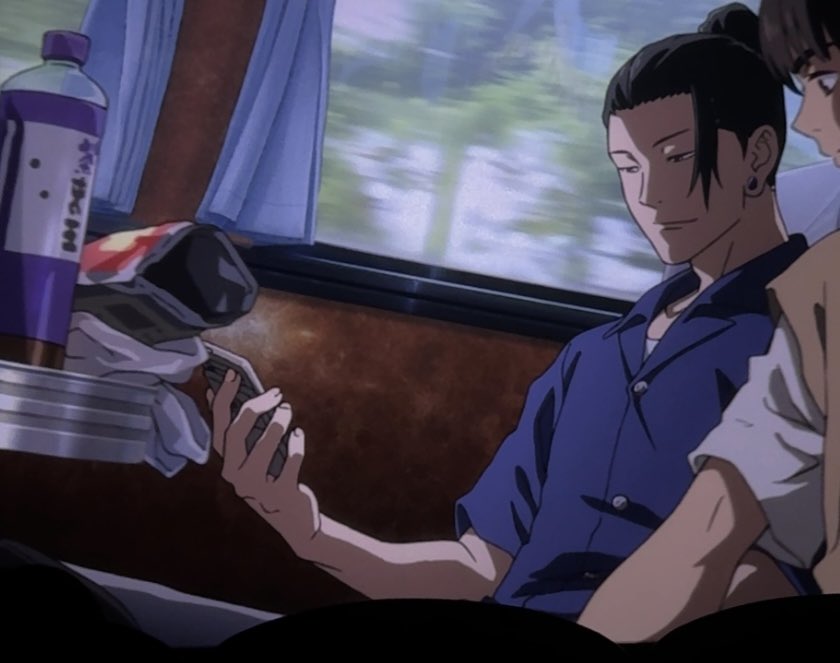
society needs more of Geto Suguru in casual clothing
1
138
1,355
6,683
Cabani retweeted

Every 🍒 = one piece of clothing this huge tits girl removes
Check below for my exclusive link 🔗

27
400
778
11,368
Sabrina retweeted

Every 🔥 = one piece of clothing this itty bitty titties girl removes
The private link awaits in comments🔗
14
257
579
10,155
jordi retweeted

Clothing in Jeffrey Epstein's cell had been ripped to create nooses.
BOP records showed no search of his cell before he died. Guards stopped rounds at 10:40 p.m. No inmate counts after 4:00 p.m.
The cell was never checked. EFTA00035824.

2
9
22
499
Nika Schleifchen 🎀 das Original retweeted

Young boys are dressed in women's clothing, given makeup, and forced to perform sexual dances for wealthy Muslim men before being sexually abused.
This widespread practice, known as Bacha Bazi, leaves countless underage victims in its wake 💔
348
904
2,906
706,740
Victoria 👄 retweeted

14h
Every 🍒 = one piece of clothing this skinny girl removes
My special private link in comments 🔗
15
280
106
6,785