
3 Sep 2025
Proud to announce my Artificial Intelligence Book is finally published! #AI #CMB_AI
Straight-Talk AI: Understanding Artificial Intelligence Without the Jargon (No Frills Straight-Talk) a.co/d/jihgih3 #Amazon via @Amazon
1
1
8
207
8 May 2025
Privacy and Surveillance in AI: A Deep Dive Analysis #CMB_AI #ArtificialInteligence
Part 1 - Overview of the Concern
Definition and Context
Privacy and surveillance in AI refers to the collection, analysis, and utilization of personal data by artificial intelligence systems, often without explicit consent or awareness from individuals. This concern encompasses both the direct surveillance capabilities of AI-powered systems (facial recognition, behavioral tracking) and the more subtle privacy implications of AI algorithms that process vast amounts of personal data to make predictions or decisions about individuals.
Significance in AI Domain
The concern is particularly significant in the AI domain because:
- AI exponentially amplifies surveillance capabilities through automated, continuous, and scalable monitoring
- Machine learning systems require enormous datasets, creating incentives for extensive data collection
- AI can identify patterns and make inferences that reveal sensitive information not explicitly shared
- The opacity of many AI systems ("black box" problem) makes privacy violations difficult to detect
Potential Risks and Stakes
- Mass surveillance and erosion of civil liberties
- Chilling effects on free speech and association
- Discrimination and targeting of vulnerable groups
- Loss of individual autonomy and decision-making power
- Creation of "digital twins" that predict behavior without consent
- Normalization of surveillance as "necessary" for technological advancement

1
1
3
249
7 May 2025
I just completed my first 10 part series on Ethical and Societal Implications of AI #CMB_AI. This first focus area was on Bias and Discrimination in AI and the links for the entire deep dive can be found below. The upcoming topic will be around Privacy and Surveillance - covering the same 10 topics.
Bias and Discrimination in AI:
Overview of the Concern - x.com/CuriousMindByte/status…
Real-Life Examples - x.com/CuriousMindByte/status…
Gray Areas - x.com/CuriousMindByte/status…
Clearly Defined Boundaries - x.com/CuriousMindByte/status…
Root Causes - x.com/CuriousMindByte/status…
Stakeholders and Impact - x.com/CuriousMindByte/status…
Solutions and Mitigation Strategies - x.com/CuriousMindByte/status…
Frameworks and Guidelines - x.com/CuriousMindByte/status…
Future Implications - x.com/CuriousMindByte/status…
Discussion and Reflection - x.com/CuriousMindByte/status…
7 May 2025

Bias and Discrimination in AI: A Deep Dive Analysis #CMB_AI #ArtificialInteligence
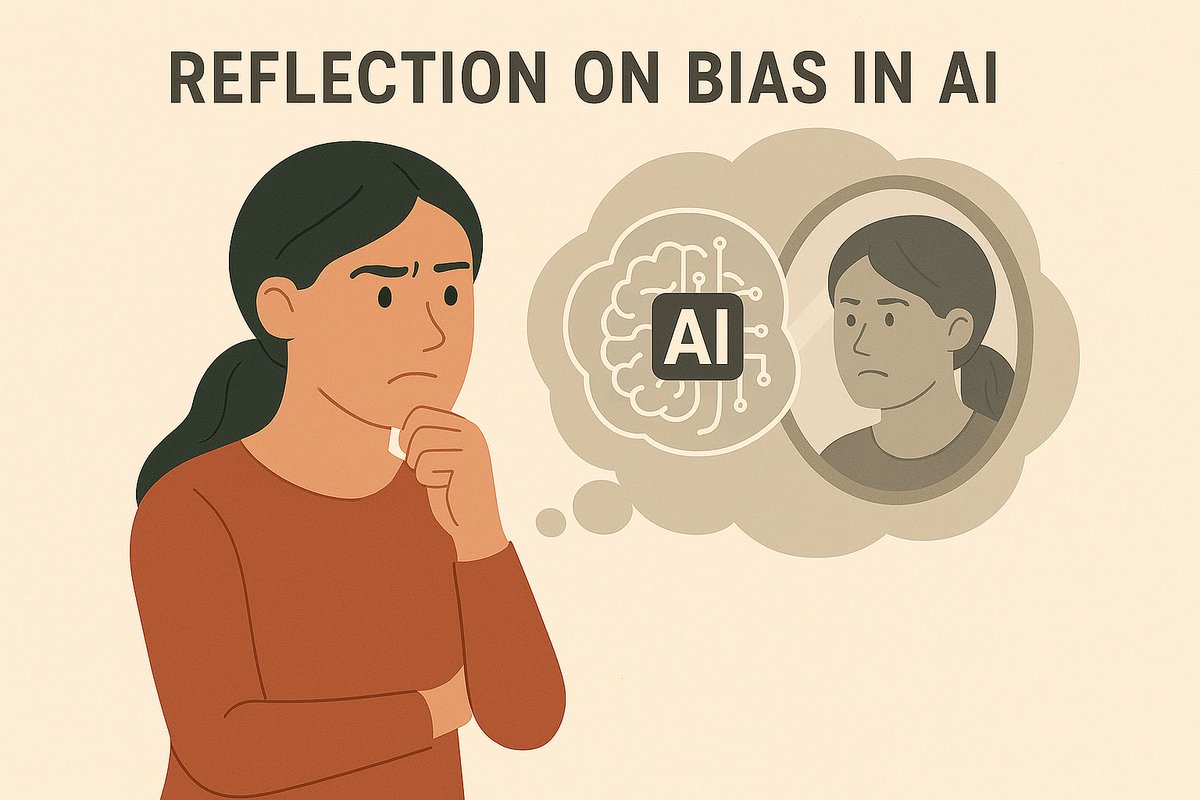
Part 10 - Discussion and Reflection
Ethical Dilemmas
- Competing Fairness Metrics: Which mathematical definition of fairness should prevail when multiple cannot be satisfied simultaneously?
- Privacy vs. Fairness Trade-offs: Collecting sensitive demographic data to test for bias while respecting privacy rights
- Global vs. Local Standards: Whether AI fairness should be judged by universal standards or local cultural contexts
- Acceptable Error Rates: What level of performance disparity between groups should be considered discriminatory?
- Liability Distribution: Who bears responsibility for biased outcomes in complex AI supply chains?
Philosophical Questions
- Value Alignment: How to ensure AI systems reflect diverse human values
- Fair vs. Unfair Bias: Distinguishing between harmful discrimination and appropriate differentiation
- Encoded Ethics: Whether and how moral principles should be explicitly coded into AI systems
- Justice Theories: Which conception of justice (distributive, procedural, etc.) should guide AI fairness
- Human-AI Partnership: Balancing automated and human judgment in sensitive decisions
Room for Public Discourse
- Inclusive AI Governance: How to ensure diverse stakeholders have meaningful input into AI regulation
- Education and Literacy: Building public understanding of algorithmic systems and their limitations
- Collective vs. Individual Rights: Balancing group protections against individual freedoms
- Transparency Mechanisms: What information about AI systems should be disclosed to affected individuals
- Democratic Oversight: Appropriate mechanisms for citizen influence over AI development and deployment
2
1
10
1,445
6 May 2025
Bias and Discrimination in AI: A Deep Dive Analysis #CMB_AI #ArtificialInteligence
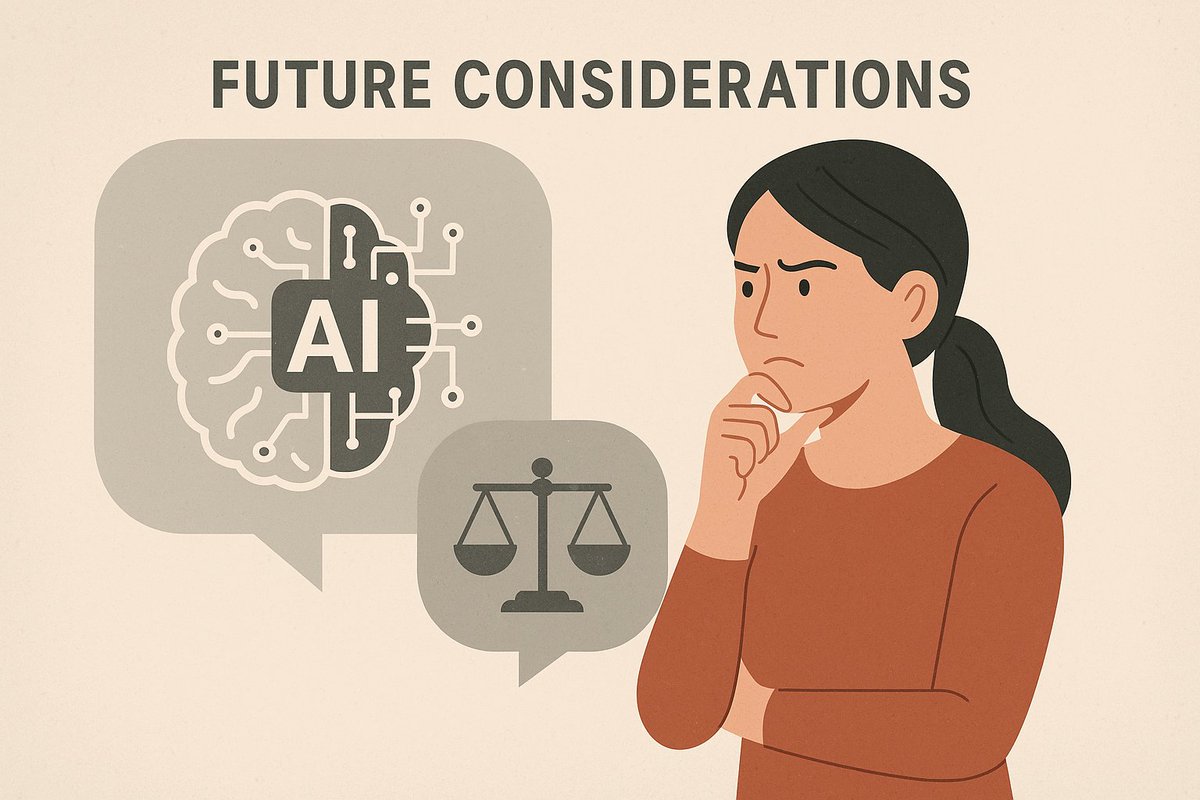
Part 9 - Future Implications
Long-term Consequences if Unaddressed
- Automated Inequality: Systematic disadvantage becoming encoded in ubiquitous AI systems
- Eroded Trust: Public rejection of beneficial AI applications due to fairness concerns
- Legal Backlash: Strict post-hoc regulation if industry fails to self-regulate effectively
- Innovation Barriers: Development slowed by concerns about potential discrimination
- Societal Division: AI systems potentially reinforcing or exacerbating existing social divisions
Evolution of the Concern
- Increasingly Complex Models: More sophisticated AI making bias detection and mitigation more challenging
- Expanding Applications: AI entering more domains where fairness is critical
- Cross-system Interactions: Bias emerging from multiple AI systems operating together
- Synthetic Data: Both opportunities and risks in using artificially generated data to address representation gaps
- Autonomous Evolution: Self-modifying AI systems potentially developing unforeseen biases
Potential for Innovation
- Fairness-Aware Learning Algorithms: New technical approaches explicitly designed to minimize discrimination
- Interpretability Breakthroughs: More transparent AI allowing better analysis of decision processes
- Distributed AI Governance: New models for collective oversight of algorithmic systems
- Cultural Context Awareness: Systems better able to understand and respect diverse cultural norms
- Bias Bounties: Similar to security bounties, incentives for identifying fairness issues in deployed systems
2
3
206
4 May 2025
Bias and Discrimination in AI: A Deep Dive Analysis #CMB_AI #ArtificialInteligence
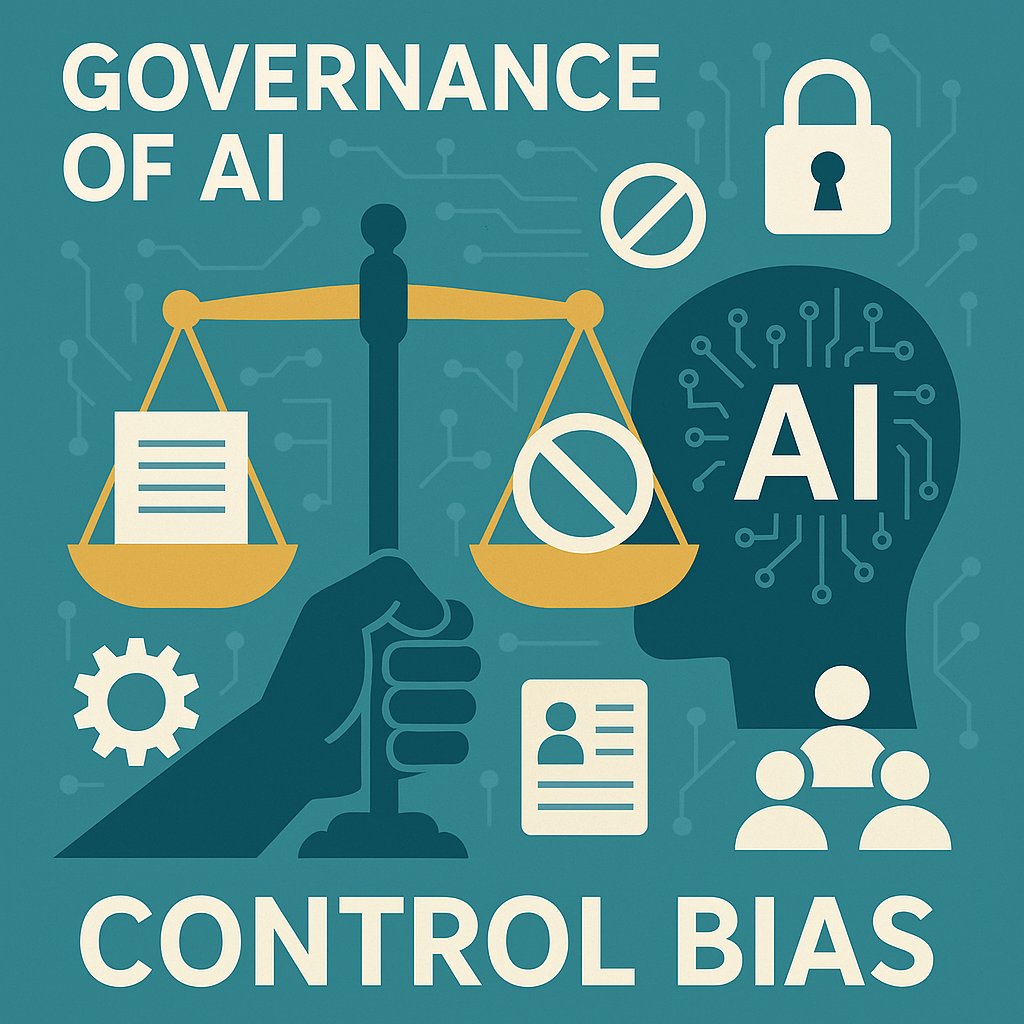
Part 8 - Frameworks and Guidelines
Existing Guidelines
- EU AI Act: Proposed comprehensive regulation categorizing AI systems by risk level, with stringent requirements for high-risk applications
- NIST AI Risk Management Framework: U.S. voluntary framework addressing bias detection and mitigation
- IEEE Global Initiative on Ethics of Autonomous Systems: Technical standards for ethically aligned design
- Toronto Declaration: Human rights framework for machine learning systems
- Singapore Model AI Governance Framework: Practical guidance for organizations deploying AI
Gaps and Inconsistencies
- Voluntary vs. Mandatory: Most frameworks remain voluntary with limited enforcement mechanisms
- National Variations: Significant differences in approach between jurisdictions creating compliance challenges
- Technical Specificity: Many guidelines offer high-level principles without concrete technical requirements
- Evaluation Standards: Lack of consensus on appropriate fairness metrics or acceptable thresholds
- Global Governance: Limited international coordination on AI ethics standards
- Implementation Resources: Small organizations often lack expertise and resources to implement comprehensive fairness practices
2
5
243
3 May 2025
Bias and Discrimination in AI: A Deep Dive Analysis #CMB_AI #ArtificialInteligence
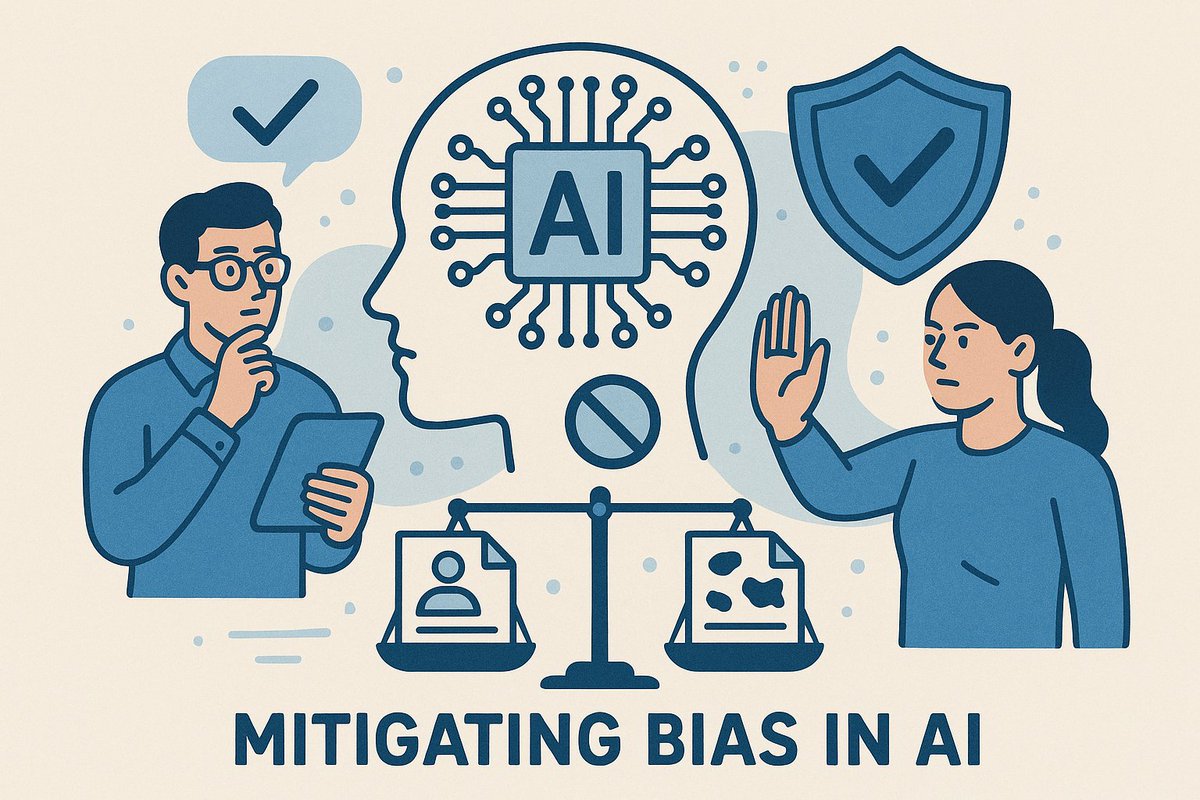
Part 7 - Solutions and Mitigation Strategies
Steps Being Taken
- Algorithmic Impact Assessments: Evaluating potential discriminatory effects before deployment
- Diverse Data Collection: Ensuring training data represents all affected populations
- Fairness Metrics and Constraints: Mathematical approaches to measure and enforce equitable outcomes
- Explainable AI: Developing more transparent systems whose decisions can be understood and evaluated
- Participatory Design: Including diverse stakeholders in AI development processes
- Technical Standards: Industry-wide benchmarks for fairness testing and documentation
Case Studies
- Success: The Gender Shades project exposed racial and gender bias in commercial facial recognition, leading multiple companies to improve their systems' equity
- Mixed Results: "Fairness constraints" in lending algorithms have shown promise in reducing discriminatory outcomes but sometimes at the cost of overall accuracy
- Ongoing Challenge: Content moderation systems continue to struggle with contextual understanding of language across different cultures
Roles in Ensuring Ethical AI
- Government: Enforcing anti-discrimination laws in AI applications, funding fairness research
- Industry: Implementing fairness by design, conducting rigorous testing, establishing ethics boards
- Academia: Developing new fairness metrics and methods, training ethically-minded AI practitioners
- Civil Society: Auditing AI systems, advocating for affected communities, educating the public
- Individual Users: Demanding transparency, recognizing limitations of AI systems, reporting problematic outcomes
1
2
293
2 May 2025
Bias and Discrimination in AI: A Deep Dive Analysis #CMB_AI #ArtificialInteligence
Part 6 - Stakeholders and Impact
Key Affected Groups
- Historically Marginalized Communities: Bearing disproportionate risks from biased systems
- AI Developers and Companies: Facing reputational and legal risks from biased products
- Government Agencies: Using AI for public services and regulation
- Consumers: Subject to automated decisions affecting access to opportunities and resources
- Workers: Facing AI-mediated evaluation and management
- Civil Society Organizations: Advocating for equitable AI development
- Academic Researchers: Developing fairness metrics and mitigation techniques
Broader Implications
- Economic Inequality: Biased AI potentially widening wealth gaps by restricting economic opportunities
- Democratic Participation: Algorithmic systems influencing civic engagement and access to information
- Social Cohesion: Trust in institutions diminished by perceived algorithmic unfairness
- Global Development: Risk of "AI colonialism" if technologies developed for wealthy regions are applied uncritically elsewhere
- Innovation Direction: Which problems get solved and which remain neglected based on who AI systems are designed to serve
1
2
258
1 May 2025
Bias and Discrimination in AI: A Deep Dive Analysis #CMB_AI #ArtificialInteligence
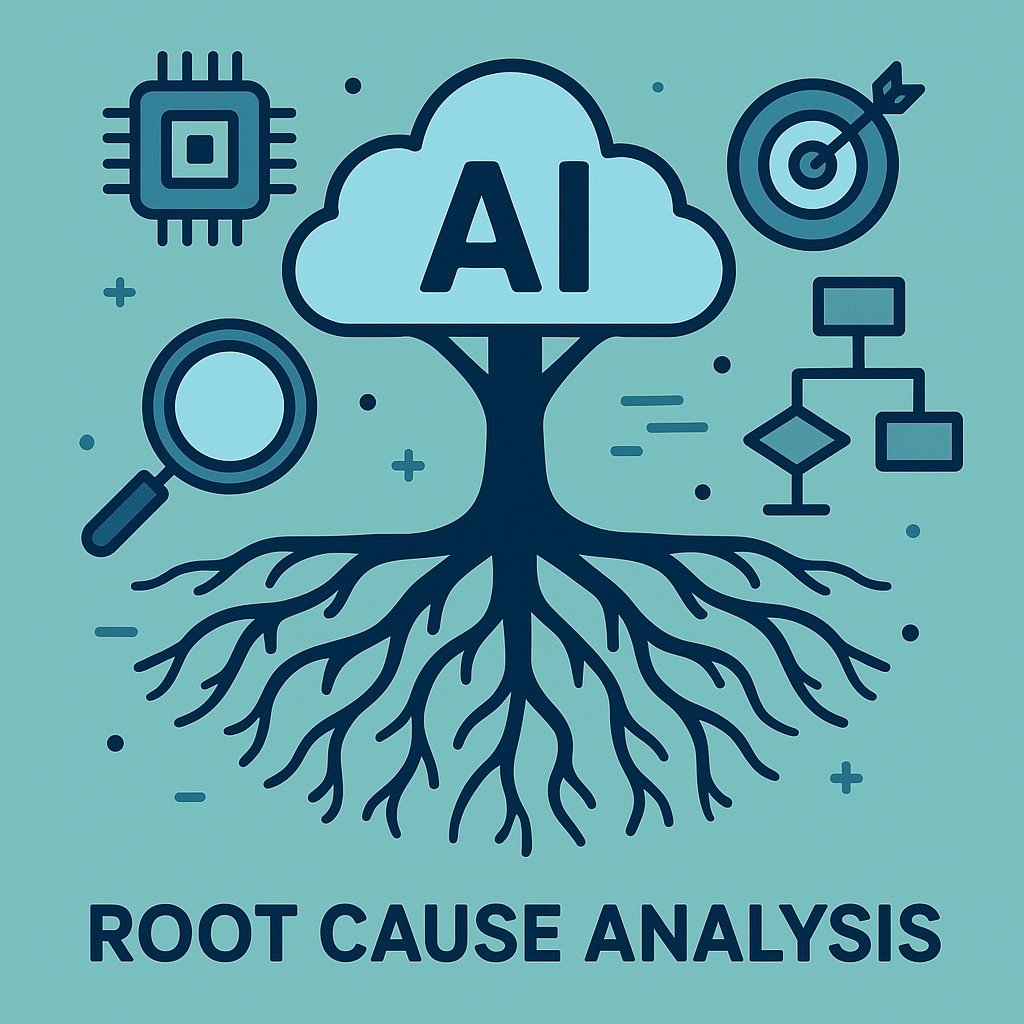
Part 5 - Root Causes
Why Bias Arises
- Biased Training Data: AI systems learning from historical data inherit and amplify existing patterns of discrimination
- Lack of Diversity in AI Development: Homogeneous teams may overlook potential impacts on groups they don't represent
- Inadequate Testing: Failure to test systems across different demographic groups before deployment
- Optimization Metrics: Focusing exclusively on overall accuracy rather than equitable performance across groups
- Feedback Loops: AI systems making biased predictions that influence future data collection, creating self-reinforcing cycles of bias
- Problem Formulation: How problems are framed and what proxies are chosen for target variables
Systemic Challenges
- Data Availability Gaps: Less data available for minority groups or developing regions
- Regulatory Gaps: Inconsistent or inadequate legal frameworks for algorithmic accountability
- Commercial Incentives: Pressure to deploy systems quickly often at the expense of thorough fairness testing
- Technical Complexity: Difficulty in detecting and mitigating bias in complex, opaque models
- Global Power Imbalances: AI development concentrated in specific regions imposing their values and priorities globally
- Interdisciplinary Communication Barriers: Gaps between technical, legal, and ethical experts addressing AI bias
2
1
237
25 Apr 2025
Bias and Discrimination in AI: A Deep Dive Analysis #CMB_AI #ArtificialInteligence
Part 3 - Gray Areas
Ambiguous Ethical Boundaries
- "Fairness" Trade-offs: Different mathematical definitions of fairness often conflict with each other, forcing difficult choices about which groups to prioritize
- Proxy Variables: Even when protected attributes like race are excluded, correlated variables (like zip code) can reintroduce bias in subtle ways
- Positive Discrimination: Using AI to intentionally favor underrepresented groups remains controversial and legally ambiguous in many jurisdictions
- Awareness vs. Reinforcement: Whether AI systems should be "aware" of protected characteristics to ensure fair outcomes or be "blind" to them to avoid discrimination
Complex Cases with Competing Priorities
- Healthcare Resource Allocation: AI systems optimizing for overall health outcomes may disadvantage patients with rare conditions or complex needs
- Criminal Justice Risk Assessment: Balancing public safety concerns with fairness across demographic groups
- Personalized Pricing: AI that optimizes prices based on willingness to pay may inadvertently charge higher prices to disadvantaged communities
- Content Moderation: AI systems removing harmful content must balance free expression with protection from harassment, often making culturally contingent judgments
Innovation vs. Regulation Balance
- Testing Requirements: How extensive should fairness testing be before deploying AI systems in high-stakes domains?
- Regulatory Oversight: Who should have authority to approve or restrict AI systems based on bias concerns?
- Self-Regulation: Can industry-led initiatives adequately address bias without external oversight?
- Competition Concerns: Strict fairness requirements may advantage large companies with more resources for compliance
1
1
3
248
22 Apr 2025
Bias and Discrimination in AI: A Deep Dive Analysis
#CMB_AI #ArtificialInteligence
1. Overview of the Concern
Definition and Explanation
Bias and discrimination in AI refer to systematic errors or unfair outcomes in AI systems that disadvantage certain individuals or groups based on characteristics such as race, gender, age, disability status, or socioeconomic background. These biases can manifest in various ways:
- Representational bias: When AI systems perpetuate or amplify harmful stereotypes or under/misrepresent certain groups
- Allocation bias: When AI systems distribute opportunities, resources, or information unfairly across different groups
- Quality-of-service bias: When systems perform better for some demographic groups than others
Context and Significance
As AI increasingly influences critical decisions in healthcare, criminal justice, employment, finance, and education, biased systems can systematically disadvantage already marginalized groups and reinforce existing social inequalities. Unlike human bias which can be addressed through awareness and education, AI bias can scale rapidly and affect millions of people simultaneously, often operating invisibly behind algorithmic black boxes.
Potential Risks and Stakes
- Perpetuation and amplification of historical discrimination
- Denial of opportunities, services, or fair treatment to vulnerable populations
- Erosion of public trust in AI technologies
- Legal liability for organizations deploying biased systems
- Long-term entrenchment of inequality through automated decision-making
- Potential violation of civil rights and anti-discrimination laws
Next up: Real Life Examples
1
3
229
21 Apr 2025
AI Education continues with a new series on Ethical concerns! #AI #ethics #CMB_AI
Get ready to dive into the complex world of AI ethics! over the next several weeks and months, I will examine the ethical considerations surrounding AI development and deployment. From bias and privacy to accountability and human values, we'll uncover the ethical implications of AI on society.
I will cover 7 main subject areas including:
1. Bias and Discrimination
2. Privacy and Surveillance
3. Accountability and Transparency
4. Job Displacement and Economic Impact
5. Security and Safety
6. Misinformation and Manipulation
7. Impact on Human Autonomy
For each of these areas, I will post content daily covering the following 10 aspects:
1. Overview of the Concern
2. Real-Life Examples
3. Gray Areas
4. Clearly Defined Boundaries
5. Root Causes
6. Stakeholders and Impact
7. Solutions and Mitigation Strategies
8. Frameworks and Guidelines
9. Future Implications
10. Discussion and Reflection
1. Overview
Why do we need to talk about this? Let me give you some reasons:
As AI becomes increasingly prevalent, it's essential to consider the ethical implications of its development and deployment. Issues such as bias in AI systems and privacy concerns must be addressed to ensure that AI is developed with ethics in mind. #AI #Ethics
AI systems can perpetuate biases and discrimination if not designed with fairness and transparency in mind. It's crucial to ensure that AI systems are designed to be fair, transparent, and accountable, preventing the reinforcement of existing societal biases. #AI #bias
As AI collects and analyzes vast amounts of data, privacy concerns become increasingly important. Ensuring that AI systems are designed with privacy in mind and that individuals have control over their own data is essential to protect personal information. #AI #Privacy
With AI becoming more autonomous, it's vital to ensure that AI systems are accountable for their actions. Transparency, explainability, and accountability must be prioritized to ensure that AI systems are responsible for their decisions and actions. #AI #Accountability
As AI becomes more integrated into our lives, it's essential to ensure that AI systems align with human values such as empathy, compassion, and kindness. AI systems should be designed to promote human well-being and dignity, enhancing our overall quality of life. #AI #HumanValues
Key Takeaways:
- Ethical Development: Ensuring AI development considers ethical implications, including bias and privacy.
- Fairness and Transparency: Designing AI systems to be fair, transparent, and accountable to prevent biases.
- Privacy Protection: Prioritizing privacy in AI design to protect personal data and give individuals control.
- Accountability: Ensuring AI systems are transparent, explainable, and accountable for their actions.
- Human Values: Aligning AI systems with human values to promote well-being and dignity.
- These considerations highlight the importance of ethical AI development to ensure that AI technologies benefit society and uphold our core values. 🌟🤖✨

2
5
291
16 Apr 2025
Once Holy Week has past, I will resume my daily posts on Artificial intelligence. My next series will deal with the ethical and societal implications we need to consider with AI. Look for them to start Monday #CMB_AI
6
134
5 Apr 2025
10th BOOKMARK OPPORTUNITY
AI Deep Dives across Industries
I wrapped up the AI Deep Dive industry examples and below is a consolidated list in case you missed one. #CMB_AI If I didn't cover one you are interested in, please let me know
Applications of AI in various domains (e.g., healthcare, finance, transportation) - x.com/CuriousMindByte/status…
AI in Healthcare: x.com/CuriousMindByte/status…
AI in Finance: x.com/CuriousMindByte/status…
AI in Retail: x.com/CuriousMindByte/status…
AI in Transportation: x.com/CuriousMindByte/status…
AI in Manufacturing: x.com/CuriousMindByte/status…
AI in Education: x.com/CuriousMindByte/status…
AI in Agriculture: x.com/CuriousMindByte/status…
AI in Energy: x.com/CuriousMindByte/status…
AI in Entertainment: x.com/CuriousMindByte/status…
AI in Telecommunications: x.com/CuriousMindByte/status…
AI in Legal: x.com/CuriousMindByte/status…
AI in Human Resources: x.com/CuriousMindByte/status…
AI in Marketing: x.com/CuriousMindByte/status…
AI in Real Estate: x.com/CuriousMindByte/status…
AI in Security: x.com/CuriousMindByte/status…
AI in Insurance: x.com/CuriousMindByte/status…
AI in Supply Chain: x.com/CuriousMindByte/status…
AI in Public Safety: x.com/CuriousMindByte/status…
AI in Tourism: x.com/CuriousMindByte/status…
AI in Construction: x.com/CuriousMindByte/status…
AI in Environmental Monitoring: x.com/CuriousMindByte/status…
AI in Space Exploration: x.com/CuriousMindByte/status…
AI in Gaming: x.com/CuriousMindByte/status…
AI in Fashion: x.com/CuriousMindByte/status…
AI in Art and Creativity: x.com/CuriousMindByte/status…
4 Apr 2025
AI Deep Dive in Art and Creativity #CMB_AI
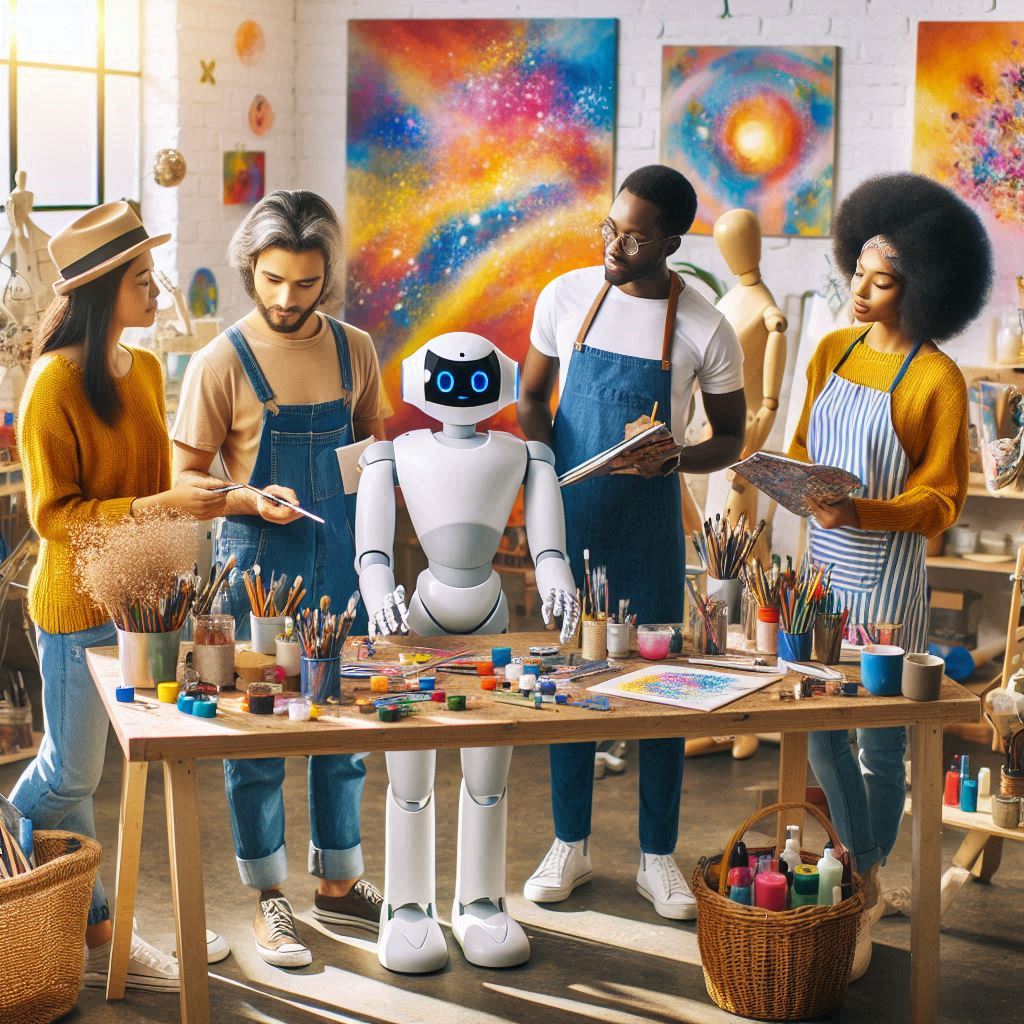
AI is fundamentally transforming the art and creative industries by enabling new forms of expression, augmenting human creativity, and democratizing access to creative tools. Machine learning algorithms, generative adversarial networks, natural language processing, and computer vision now power everything from image generation and music composition to creative assistance and art restoration. This technological evolution has shifted creative processes from purely human endeavors to collaborative human-AI partnerships that expand possibilities and challenge traditional notions of authorship and originality. The result is emerging new art forms, enhanced creative workflows, broader participation in creative fields, and ongoing philosophical reconsideration of creativity itself across visual arts, music, literature, film, and design disciplines.
Current Usage and Applications
Image Generation: Creating visual content from text prompts or stylistic references
Music Composition: Generating melodies, harmonies, and entire compositions in various styles
Creative Assistance: Suggesting alternative approaches or overcoming creative blocks
Style Transfer: Applying artistic techniques from one medium or artist to new creations
Art Restoration: Reconstructing damaged or deteriorated historical artworks
Collaborative Creation: Human-AI partnerships producing hybrid creative works
Content Enhancement: Upscaling, colorizing, or transforming existing artistic assets
Pattern Recognition: Identifying influences and connections across artistic movements
Potential Future Usage
Personalized Creative Education: AI tutors adapting to individual artistic development needs
Cross-Modal Translation: Converting between artistic mediums (e.g., music to painting)
Emotional Response Prediction: Forecasting audience reactions to creative choices
Dynamic Adaptive Content: Artworks that evolve based on viewer engagement or context
Multi-sensory Art Generation: Creating synchronized visual, audio, and haptic experiences
Cultural Heritage Reconstruction: Recreating lost or destroyed artistic traditions
Creative Process Optimization: Identifying peak creative states and ideal working conditions
Consciousness Exploration: Artistic investigation of machine perception and "experience"
Risks to Consider
Attribution Questions: Unclear creative ownership of AI-assisted or generated works
Artistic Devaluation: Potential devaluation of human creativity and technical mastery
Market Disruption: Economic impacts on working artists and creative professionals
Cultural Homogenization: AI potentially reinforcing dominant aesthetic preferences
Technical Gatekeeping: Access disparities to advanced creative AI systems
Originality Concerns: Derivative works based on training data without proper attribution
Human Connection Loss: Diminished emotional resonance with algorithmically created art
Creative Dependency: Reduced development of fundamental artistic skills and techniques
Opportunities to Leverage
Accessibility Enhancement: Making creative expression available to people with disabilities
Creative Democratization: Lowering technical barriers to artistic production
Historical Reinterpretation: Exploring alternative developments in artistic movements
Creativity Augmentation: Expanding human artists' capabilities and vision
Cross-cultural Dialogue: Facilitating artistic exchange across geographic and linguistic boundaries
Educational Revolution: New approaches to teaching creative disciplines
Environmental Sustainability: Reducing material waste through digital creation and testing
Therapeutic Applications: Using AI-assisted creativity for mental health and wellbeing
Legal Considerations
Copyright Framework: Adapting intellectual property laws for AI-involved creative works
Training Data Rights: Legal status of using existing artworks to train AI systems
Commercial Licensing: Frameworks for monetizing AI-generated or AI-assisted art
Forgery Prevention: Legal protections against AI-enabled artistic misrepresentation
Liability Assignment: Responsibility for potentially harmful or offensive AI-created content
Right of Publicity: Using AI to recreate or imitate recognizable artistic styles
Fair Use Boundaries: Determining appropriate limits for artistic appropriation
International Standards: Harmonizing global approaches to AI art regulation
1
21
2,315
4 Apr 2025
AI Deep Dive in Art and Creativity #CMB_AI
AI is fundamentally transforming the art and creative industries by enabling new forms of expression, augmenting human creativity, and democratizing access to creative tools. Machine learning algorithms, generative adversarial networks, natural language processing, and computer vision now power everything from image generation and music composition to creative assistance and art restoration. This technological evolution has shifted creative processes from purely human endeavors to collaborative human-AI partnerships that expand possibilities and challenge traditional notions of authorship and originality. The result is emerging new art forms, enhanced creative workflows, broader participation in creative fields, and ongoing philosophical reconsideration of creativity itself across visual arts, music, literature, film, and design disciplines.
Current Usage and Applications
Image Generation: Creating visual content from text prompts or stylistic references
Music Composition: Generating melodies, harmonies, and entire compositions in various styles
Creative Assistance: Suggesting alternative approaches or overcoming creative blocks
Style Transfer: Applying artistic techniques from one medium or artist to new creations
Art Restoration: Reconstructing damaged or deteriorated historical artworks
Collaborative Creation: Human-AI partnerships producing hybrid creative works
Content Enhancement: Upscaling, colorizing, or transforming existing artistic assets
Pattern Recognition: Identifying influences and connections across artistic movements
Potential Future Usage
Personalized Creative Education: AI tutors adapting to individual artistic development needs
Cross-Modal Translation: Converting between artistic mediums (e.g., music to painting)
Emotional Response Prediction: Forecasting audience reactions to creative choices
Dynamic Adaptive Content: Artworks that evolve based on viewer engagement or context
Multi-sensory Art Generation: Creating synchronized visual, audio, and haptic experiences
Cultural Heritage Reconstruction: Recreating lost or destroyed artistic traditions
Creative Process Optimization: Identifying peak creative states and ideal working conditions
Consciousness Exploration: Artistic investigation of machine perception and "experience"
Risks to Consider
Attribution Questions: Unclear creative ownership of AI-assisted or generated works
Artistic Devaluation: Potential devaluation of human creativity and technical mastery
Market Disruption: Economic impacts on working artists and creative professionals
Cultural Homogenization: AI potentially reinforcing dominant aesthetic preferences
Technical Gatekeeping: Access disparities to advanced creative AI systems
Originality Concerns: Derivative works based on training data without proper attribution
Human Connection Loss: Diminished emotional resonance with algorithmically created art
Creative Dependency: Reduced development of fundamental artistic skills and techniques
Opportunities to Leverage
Accessibility Enhancement: Making creative expression available to people with disabilities
Creative Democratization: Lowering technical barriers to artistic production
Historical Reinterpretation: Exploring alternative developments in artistic movements
Creativity Augmentation: Expanding human artists' capabilities and vision
Cross-cultural Dialogue: Facilitating artistic exchange across geographic and linguistic boundaries
Educational Revolution: New approaches to teaching creative disciplines
Environmental Sustainability: Reducing material waste through digital creation and testing
Therapeutic Applications: Using AI-assisted creativity for mental health and wellbeing
Legal Considerations
Copyright Framework: Adapting intellectual property laws for AI-involved creative works
Training Data Rights: Legal status of using existing artworks to train AI systems
Commercial Licensing: Frameworks for monetizing AI-generated or AI-assisted art
Forgery Prevention: Legal protections against AI-enabled artistic misrepresentation
Liability Assignment: Responsibility for potentially harmful or offensive AI-created content
Right of Publicity: Using AI to recreate or imitate recognizable artistic styles
Fair Use Boundaries: Determining appropriate limits for artistic appropriation
International Standards: Harmonizing global approaches to AI art regulation
1
1
4
192
3 Apr 2025
AI Deep Dive in Fashion #CMB_AI
AI is revolutionizing the fashion industry by transforming design processes, enhancing supply chain management, personalizing customer experiences, and enabling more sustainable practices. Machine learning algorithms, computer vision, natural language processing, and predictive analytics now power everything from trend forecasting and virtual try-ons to inventory optimization and counterfeit detection. This technological evolution has shifted fashion from intuition-based decision making to data-driven approaches that reduce waste, improve accuracy, and create more personalized experiences. The result is increased operational efficiency, reduced environmental impact, enhanced customer satisfaction, and new creative possibilities for designers, retailers, and manufacturers across the global fashion ecosystem.
Current Usage and Applications
Trend Prediction: AI analysis of social media, runway shows, and street style to forecast future fashion trends
Virtual Try-On Technology: Augmented reality applications allowing customers to visualize clothing on themselves
Smart Inventory Management: Demand forecasting to optimize stock levels and reduce overproduction
Visual Search: Image recognition enabling consumers to find products from photos or screenshots
Personalized Recommendations: Curated product suggestions based on individual style preferences and purchase history
Design Assistance: Generative algorithms creating new patterns, styles, and combinations
Quality Control: Computer vision detecting manufacturing defects in production lines
Counterfeit Detection: Systems identifying fake luxury goods based on subtle details
Potential Future Usage
Fully AI-Designed Collections: Complete fashion lines conceptualized and refined by algorithms
Body-Adaptive Clothing: Garments that automatically adjust to body changes or environmental conditions
Hyper-Personalized Production: Individual garments designed for specific customers' measurements and preferences
Virtual Fashion Influencers: AI-generated personalities showcasing and promoting clothing lines
Supply Chain Transparency: Complete verification and tracking of garment production from raw materials
Sustainable Material Development: AI-assisted creation of eco-friendly textiles and manufacturing processes
Real-time Trend Adaptation: Production systems immediately responding to emerging fashion interests
Fashion Brain-Computer Interfaces: Clothing designed directly from neural patterns and preferences
Risks to Consider
Creative Homogenization: Potential convergence of designs based on algorithmic pattern recognition
Digital Divide: Unequal access to AI fashion tools between established and emerging designers
Job Displacement: Traditional roles potentially eliminated in design, merchandising, and retail
Privacy Concerns: Collection of intimate body data and personal style preferences
Deepening Consumption Cycles: AI potentially accelerating fast fashion's environmental impact
Algorithmic Bias: Systems reinforcing existing beauty standards or fashion norms
Artisanal Knowledge Loss: Diminished traditional craftsmanship and handmade techniques
Technology Dependency: Reduced intuition and human creativity in fashion development
Opportunities to Leverage
Sustainability Enhancement: Reducing waste through precise demand forecasting and production
Size Inclusivity: Better fitting garments for diverse body types through data-driven design
Cultural Preservation: Digitally recording and incorporating traditional textile techniques
Manufacturing Reshoring: Local production enabled by AI-driven automation and efficiency
Secondhand Market Growth: Improved authentication and matching for pre-owned fashion
Accessibility Improvements: Adaptive clothing designs for people with disabilities
Circularity Facilitation: End-to-end lifecycle management of garments from creation to recycling
Fashion Education Evolution: New approaches to teaching combining creativity and technology
Legal Considerations
Intellectual Property: Copyright and design patent issues for AI-generated fashion
Data Protection: Compliance with regulations regarding customer measurements and preferences
Labeling Requirements: Transparency obligations for AI involvement in design or production
Environmental Regulations: Meeting sustainability standards with AI-optimized processes
Labor Laws: Employment implications of automated design and manufacturing
International Trade: Customs and tariff considerations for digitally-designed fashion
Consumer Protection: Accuracy requirements for virtual try-on and representation
Algorithm Accountability: Responsibility for biased or problematic AI fashion systems

3
161
2 Apr 2025
AI Deep Dive in Gaming #CMB_AI #Gaming #Web3 #gamer
AI has fundamentally transformed the gaming industry by enhancing player experiences, streamlining development processes, and creating more immersive and responsive virtual worlds. Machine learning algorithms, procedural generation, natural language processing, and computer vision now power everything from non-player character behaviors and dynamic difficulty adjustment to content creation and player analytics. This technological evolution has shifted gaming from static, pre-programmed experiences to adaptive, personalized adventures that respond to individual play styles, preferences, and skill levels. The result is deeper player engagement, extended game longevity, more efficient development pipelines, and new creative possibilities for game designers and developers across mobile, console, PC, and emerging platforms.
Current Usage and Applications
Non-Player Characters (NPCs): AI-driven behaviors creating more realistic and unpredictable virtual entities
Procedural Content Generation: Algorithmic creation of levels, quests, items, and environments
Dynamic Difficulty Adjustment: Automatic calibration of challenge based on player performance
Player Behavior Analytics: Pattern recognition to understand engagement and monetization opportunities
Cheat Detection: Identifying suspicious player behaviors and maintaining fair play
Natural Language Processing: Enabling conversational interactions with in-game characters
Motion Matching: Creating fluid character animations that respond to game environments
Pathfinding: Optimizing movement routes through complex game worlds
Potential Future Usage
Emotionally Responsive NPCs: Characters that recognize and adapt to player emotional states
Infinite Content Creation: Endless unique narratives, quests, and worlds generated on demand
Hyper-Personalization: Games that completely reshape themselves based on individual preferences
Neural Voice Acting: AI-generated dialogue adapting to player actions and game states
Cross-Game Adaptivity: Learning player behaviors across different titles to enhance experiences
Real-time Asset Generation: Creating high-quality visual content during gameplay
Distributed Physics Simulation: More realistic physical interactions with reduced computational costs
Dream-to-Game Creation: Converting simple user descriptions into playable game experiences
Risks to Consider
Addiction Amplification: AI potentially maximizing engagement beyond healthy levels
Creative Job Displacement: Reduced roles for human artists, writers, and designers
Privacy Concerns: Extensive collection and analysis of player behavior data
Algorithmic Bias: Unintentional reinforcement of stereotypes in character behaviors or narratives
Complexity Creep: Increasing difficulty in testing and debugging AI-driven systems
Player Agency Reduction: Creating illusions of choice while funneling toward predetermined outcomes
Technical Inequality: Growing gap between high and low-budget game productions
Intellectual Property Questions: Unclear ownership of AI-generated game content
Opportunities to Leverage
Accessibility Enhancement: Adapting gameplay for diverse ability levels and play styles
Development Democratization: Lowering barriers to game creation for independent developers
Cross-cultural Adaptation: Localizing content beyond translation to cultural contexts
Player Skill Development: Personalized coaching and improvement suggestions
Educational Integration: Creating more effective and engaging learning experiences
Narrative Experimentation: Enabling previously impossible storytelling techniques
Extended Game Longevity: Reducing content fatigue through continuous generation
Enhanced QA Processes: Automated testing finding more issues before release
Legal Considerations
Age Verification: Meeting regulatory requirements for age-appropriate content
Gambling Regulations: Compliance regarding AI-driven loot boxes and reward systems
Data Protection: Adherence to GDPR and other privacy frameworks for player data
Addiction Liability: Potential legal responsibility for highly engaging mechanics
Content Rating: Classification challenges for continuously generated AI content
Copyright Issues: Rights regarding AI systems trained on existing game assets
Virtual Property Rights: Legal frameworks for AI-generated in-game items and economies
Competitive Integrity: Regulations concerning AI assistance in esports and multiplayer games

1
5
191
1 Apr 2025
AI Deep Dive in Space Exploration #CMB_AI
AI is revolutionizing space exploration by enabling autonomous spacecraft operations, enhancing data analysis, and facilitating discovery in extreme environments beyond human reach. Machine learning algorithms, computer vision, natural language processing, and robotics now power everything from mission planning and spacecraft navigation to planetary surface exploration and astronomical data processing. This technological evolution has shifted space exploration from heavily human-controlled missions to increasingly autonomous systems capable of making decisions millions of miles from Earth. The result is improved mission success rates, scientific discovery acceleration, reduced operational costs, and the ability to explore hazardous or remote environments that would be impossible or impractical for human explorers.
Current Usage and Applications
Autonomous Navigation: Spacecraft self-piloting capabilities reducing reliance on Earth-based commands
Image Recognition: Identifying geological features, celestial objects, and potential landing sites
Anomaly Detection: Monitoring spacecraft systems and identifying potential failures before they occur
Data Prioritization: Selecting most valuable information to transmit given limited bandwidth
Robotic Exploration: Rovers and probes with increasing levels of autonomous decision-making
Mission Planning: Optimizing trajectories, fuel usage, and scientific observation opportunities
Satellite Health Management: Predictive maintenance and automatic fault recovery systems
Signal Processing: Enhancing weak communications signals and filtering interference
Potential Future Usage
Fully Autonomous Missions: Complete spacecraft independence for deep space exploration
Interstellar Data Analysis: Processing observations beyond our solar system with minimal Earth input
Self-Repairing Systems: Spacecraft capable of diagnosing and fixing their own mechanical issues
Mining Operation Management: AI-driven resource extraction from asteroids, moons, and planets
Habitat Construction: Autonomous building of human habitats on other planetary bodies
Extraterrestrial Biology Detection: Identifying potential biosignatures on other worlds
Multi-Agent Exploration: Coordinated swarms of smaller spacecraft working together
Real-time Astronomical Event Response: Automatic redirection of observational resources
Risks to Consider
Autonomous Decision Failures: Potentially mission-ending errors without human oversight
Communication Delays: Increasing difficulty in providing timely human input with distance
Resource Constraints: Computing limitations in radiation-hardened space-qualified hardware
Algorithm Bias: Systems missing unexpected discoveries outside their training parameters
Technical Obsolescence: Long-duration missions operating with increasingly outdated AI
Space Weather Vulnerability: Solar flares and radiation potentially disrupting AI systems
Critical Mission Dependency: Over-reliance on autonomous systems for life-support functions
Data Trustworthiness: Difficulty validating unexpected or anomalous AI-processed findings
Opportunities to Leverage
Extended Mission Capabilities: Enabling exploration beyond communication range or timeframes
Scientific Discovery Acceleration: Processing vast observational datasets for new insights
Hazardous Environment Access: Exploring extreme conditions unsuitable for human presence
Cost Reduction: Lowering operational expenses through reduced human mission control needs
Interplanetary Internet: Self-healing communication networks between planetary bodies
ISRU Optimization: In-situ resource utilization improving self-sufficiency of missions
Search for Life: Enhanced capabilities for detecting subtle biosignatures
Human-AI Collaboration: Augmenting astronaut capabilities and safety on crewed missions
Legal Considerations
Planetary Protection: Compliance with contamination prevention regulations
Space Debris Mitigation: Autonomous collision avoidance and end-of-life disposal
International Cooperation: Data sharing agreements across national space agencies
Scientific Attribution: Credit for AI-driven discoveries in space exploration
Commercial Space Activities: Regulatory frameworks for private AI-enabled missions
Extraterrestrial Resource Rights: Legal frameworks for AI-managed resource extraction
Autonomous Weapons Concerns: Dual-use technology restrictions for space systems
Radio Spectrum Management: Compliance with international communication regulations

1
2
263
30 Mar 2025
AI Deep Dive in Construction #CMB_AI
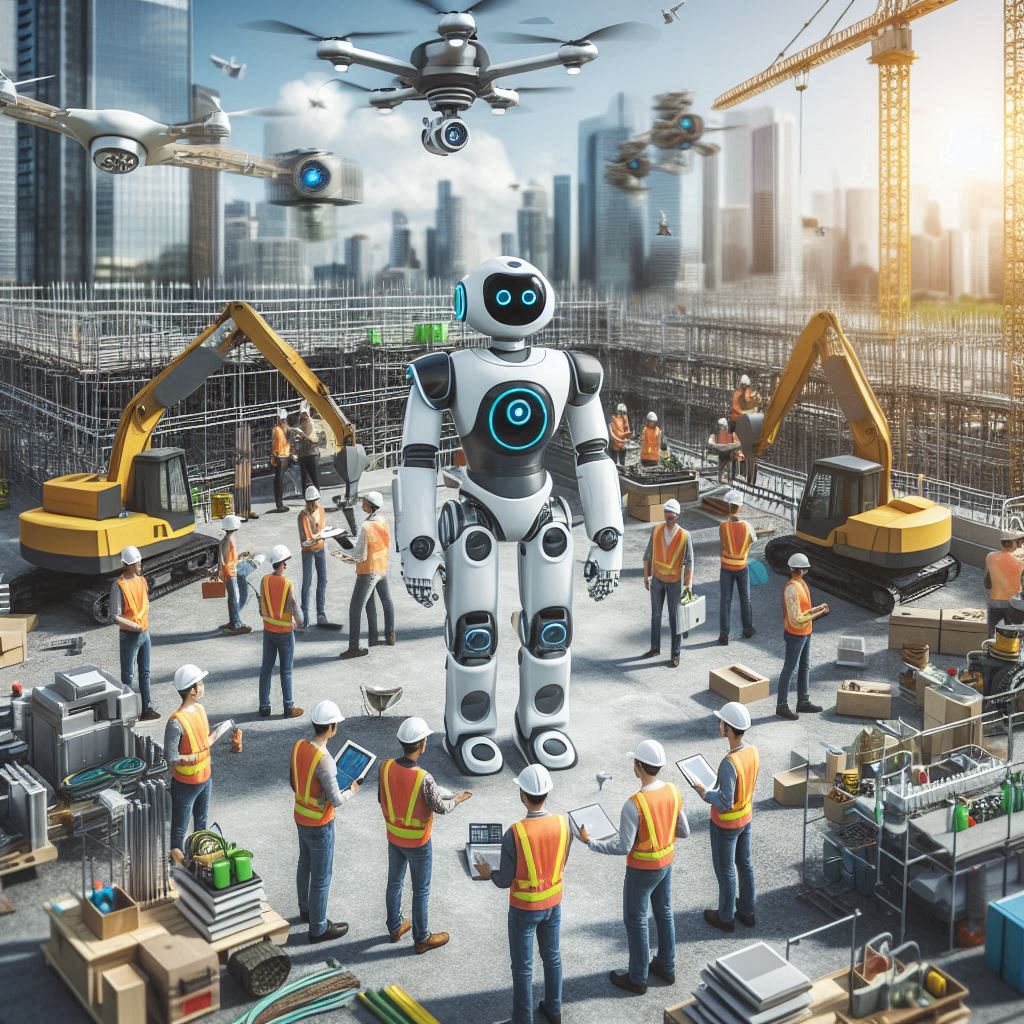
AI is revolutionizing the construction industry by enhancing project planning, improving safety protocols, optimizing resource allocation, and enabling predictive maintenance. Machine learning algorithms, computer vision, IoT sensors, and robotics now power everything from initial design and preconstruction analysis to on-site operations and post-construction facility management. This technological evolution has shifted construction from traditional manual processes to data-driven approaches that improve accuracy, reduce costs, and minimize project delays. The result is increased productivity, reduced workplace accidents, better quality control, and more sustainable building practices across residential, commercial, and infrastructure projects.
Current Usage and Applications
Building Information Modeling (BIM): AI-enhanced 3D modeling for comprehensive project visualization and collaboration
Predictive Analytics: Forecasting project timelines, costs, and potential risks based on historical data
Construction Robotics: Automated systems for repetitive tasks like bricklaying, concrete pouring, and demolition
Drone Surveillance: Site monitoring, progress tracking, and aerial mapping using computer vision
Safety Monitoring: AI systems detecting unsafe practices or conditions in real-time
Materials Optimization: Algorithms determining optimal quantities and reducing waste
Quality Control: Computer vision inspecting workmanship and identifying defects
Smart Equipment: IoT-connected machinery providing performance data and maintenance needs
Potential Future Usage
Autonomous Construction Sites: Minimal human intervention with coordinated robotic systems
Generative Design: AI creating multiple design options based on specified parameters and constraints
Real-time Digital Twins: Live virtual replicas of projects updating as physical construction progresses
Adaptive Scheduling: Self-adjusting timelines reacting to delays, weather, and resource availability
Material Science Integration: AI identifying and formulating new construction materials for specific needs
Collaborative Robots: Human-robot teams working together on complex construction tasks
Environmental Adaptation: Construction systems that automatically adjust to changing weather conditions
Prefabrication Optimization: AI managing off-site component production for just-in-time delivery
Risks to Consider
Implementation Costs: High initial investment for smaller construction companies
Workforce Displacement: Job losses from automation of traditional construction roles
Technical Reliability: Dependence on systems vulnerable to malfunctions or cyberattacks
Skills Gap: Shortage of workers trained in both construction and technological skills
Over-reliance: Diminished human oversight and critical thinking in construction processes
Data Security: Protection of sensitive project information and intellectual property
Technology Integration: Compatibility issues with existing systems and processes
Legal Liability: Unclear responsibility for AI-related decisions and outcomes
Opportunities to Leverage
Safety Enhancement: Reducing workplace injuries through preventative AI monitoring
Sustainability Improvements: Optimizing material usage and energy efficiency in designs
Labor Shortage Solutions: Addressing industry workforce gaps through automation
Project Acceleration: Reducing delivery times through optimized processes
Remote Construction: Enabling building in hazardous or difficult-to-access locations
Knowledge Transfer: Preserving expertise from retiring workers through AI systems
Disaster Resilience: Improving building responses to environmental challenges
Accessibility: Making construction careers more inclusive through assistive technologies
Legal Considerations
Regulatory Compliance: Meeting evolving standards for AI usage in construction
Intellectual Property: Ownership of AI-generated designs and solutions
Insurance Implications: Coverage for AI-assisted or autonomous construction
Contractual Frameworks: New agreements addressing AI roles and responsibilities
Building Code Adaptation: Updating regulations for AI-enabled construction methods
Certification Requirements: New standards for AI systems in safety-critical applications
Labor Regulations: Legal frameworks for human-robot collaboration
Liability Distribution: Determining fault in AI-related construction failures or defects
1
1
204
28 Mar 2025
AI Deep Dive in Public Safety #CMB_AI
AI has transformed public safety operations by enhancing emergency response, crime prevention, disaster management, and community protection. Machine learning algorithms, computer vision, and predictive analytics now support decision-making across law enforcement, fire services, emergency medical response, and disaster management agencies. This technological evolution has shifted public safety from primarily reactive approaches to more proactive, data-driven strategies that can anticipate threats, optimize resource allocation, and coordinate complex multi-agency responses. The result is improved situational awareness, faster response times, and better outcomes for communities during both everyday incidents and major emergencies.
Current Usage and Applications
Predictive Policing: Analyzing crime data to forecast potential hotspots and allocate resources
Emergency Call Analysis: AI systems prioritizing and routing emergency calls based on severity
Video Surveillance: Automated monitoring of public spaces to detect suspicious activities
Gunshot Detection: Acoustic sensors with AI analysis to locate and report firearms discharge
Crowd Management: Monitoring public gatherings for dangerous density levels or behaviors
Disaster Response: Analyzing satellite imagery and social media to coordinate relief efforts
Traffic Safety: Automated enforcement and accident prediction systems
Biometric Identification: Facial recognition and other biometrics for suspect identification
Potential Future Usage
Autonomous Emergency Vehicles: Self-driving ambulances, fire trucks, and police vehicles
Real-time Threat Assessment: Continuous evaluation of multiple data streams for emerging risks
Drone Response Networks: AI-coordinated unmanned aerial systems for surveillance and response
Behavioral Prediction: Advanced systems forecasting individual actions in crisis situations
Smart City Integration: Unified public safety systems connected with urban infrastructure
Virtual Reality Training: AI-powered simulations for first responder preparation
Multi-agency Coordination: Intelligent systems managing complex emergency responses
Preventative Intervention: Identifying at-risk individuals for social service connection
Risks to Consider
Civil Liberties Concerns: Potential for surveillance overreach and privacy violations
Algorithmic Bias: Discriminatory outcomes from biased training data or model design
Over-reliance: Degradation of human judgment and skills in critical situations
Public Trust: Community resistance to AI-driven public safety technologies
System Failures: Catastrophic consequences if AI systems malfunction during emergencies
Data Security: Protection of sensitive public safety information from breaches
Resource Diversion: High technology costs reducing funding for personnel and training
Accountability Gaps: Unclear responsibility for AI-influenced decisions
Opportunities to Leverage
Response Time Reduction: Faster deployment of appropriate resources to emergencies
Resource Optimization: More efficient allocation of limited public safety personnel
Interagency Collaboration: Enhanced information sharing and coordinated response
Improved Decision-making: Better situational awareness during complex incidents
Officer Safety: Reducing exposure to dangerous situations through technology
Community Engagement: Data-driven approaches to building public trust
Specialized Expertise: AI systems providing expert knowledge in specialized situations
Resilience Planning: Better preparation for large-scale disasters and emergencies
Legal Considerations
Fourth Amendment Issues: Constitutional constraints on searches and surveillance
Public Records Laws: Requirements for retention and disclosure of AI-generated data
Liability Questions: Responsibility for outcomes of AI-guided public safety actions
Regulatory Compliance: Adherence to evolving rules governing AI use in government
Due Process Requirements: Ensuring AI systems don't undermine legal protections
Transparency Mandates: Legal obligations to explain AI-driven enforcement actions
Equal Protection Concerns: Legal challenges to potentially discriminatory systems
Jurisdictional Issues: Coordination of AI systems across different legal boundaries

1
2
174
27 Mar 2025
AI Deep Dive in Supply Chain #CMB_AI
AI has revolutionized supply chain management by enhancing visibility, improving forecasting accuracy, and enabling autonomous decision-making across complex global networks. Machine learning algorithms, computer vision, and advanced analytics now optimize inventory levels, transportation routes, warehouse operations, and demand planning. This technological transformation has shifted supply chains from reactive, siloed operations to proactive, integrated ecosystems that can anticipate disruptions, self-correct, and continuously improve. The result is increased resilience, reduced costs, minimized waste, and improved customer satisfaction through more reliable delivery performance.
Current Usage and Applications
Demand Forecasting: Predicting customer orders with higher accuracy using multiple data sources
Inventory Optimization: Determining optimal stock levels to balance availability against carrying costs
Route Optimization: Calculating the most efficient delivery paths considering multiple constraints
Warehouse Automation: Robots and smart systems for efficient picking, packing, and inventory management
Supplier Risk Management: Monitoring and predicting potential disruptions in the supply base
Quality Control: Computer vision systems detecting defects in products and packaging
Procurement Analytics: Identifying cost-saving opportunities and optimal supplier selection
Digital Twins: Virtual replicas of physical supply chains for simulation and testing
Potential Future Usage
Autonomous Supply Networks: Self-governing systems that make decisions without human intervention
Predictive Maintenance: Anticipating equipment failures before they disrupt operations
Blockchain Integration: Immutable records combined with AI for end-to-end transparency
Climate-Adaptive Planning: Supply chains that automatically adjust to environmental changes
Quantum-Enhanced Optimization: Using quantum computing to solve complex supply chain problems
Generative Design: AI creating optimal network configurations based on constraints
Augmented Reality Logistics: AI-powered visual guidance for warehouse and transportation tasks
Hyper-Personalized Manufacturing: Supply chains configured for batch-size-of-one production
Risks to Consider
Algorithm Dependency: Over-reliance on AI recommendations without human oversight
Data Quality Issues: Poor outcomes from incomplete or biased input data
Privacy Concerns: Sensitive business data collection and sharing across partners
Integration Challenges: Difficulty implementing AI across disparate legacy systems
Skills Gap: Shortage of talent combining supply chain and AI expertise
Technology Obsolescence: Rapid changes making significant investments outdated
Cyber Vulnerabilities: Increased attack surface from connected supply chain systems
Ethical Sourcing Verification: Ensuring AI doesn't mask unethical practices
Opportunities to Leverage
Resilience Building: Creating supply chains that adapt to disruptions in real-time
Sustainability Optimization: Reducing waste, emissions, and resource consumption
End-to-End Visibility: Comprehensive tracking of products from raw materials to delivery
Cost Reduction: Minimizing inefficiencies across transportation, inventory, and operations
Collaborative Planning: Enhanced coordination among multiple supply chain partners
Asset Utilization: Maximizing the productivity of facilities, vehicles, and equipment
Customer Experience: Meeting expectations for speed, reliability, and transparency
New Business Models: Enabling servitization and other innovative approaches
Legal Considerations
Antitrust Concerns: Ensuring AI-driven collaboration doesn't violate competition laws
Data Ownership: Clarifying rights to information shared across the supply chain
Algorithmic Liability: Determining responsibility for AI-guided decisions
Trade Compliance: Navigating complex international regulations and sanctions
Labor Regulations: Addressing workforce impacts from automation
Contract Management: AI-enforced agreements and smart contracts
Environmental Compliance: Meeting sustainability requirements across jurisdictions
Intellectual Property Protection: Safeguarding proprietary algorithms and processes

1
1
4
225