趣の味 retweeted

こんばんは🌙
明日は、今年の結成33周年記念演奏会より
〈風の隊商〉 Phantasmal Overture vol.3
の演奏動画を公開します📷
▼動画はこちらから
6/10(水)20:30〜
youtu.be/rRi8d99ndr0
さらに21時からは、なにまんch.の方で、前回に続き4人でゲーム配信もやります👨🍳
お楽しみに✨
#なにまん

1
8
337
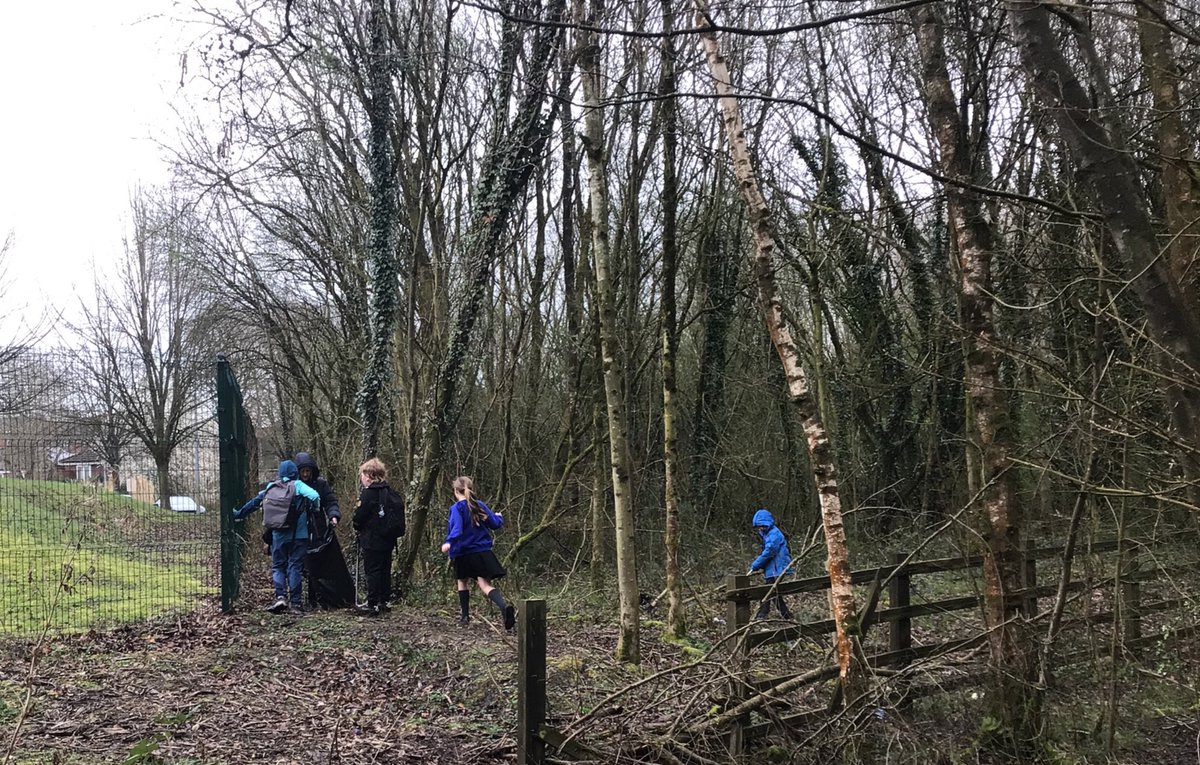
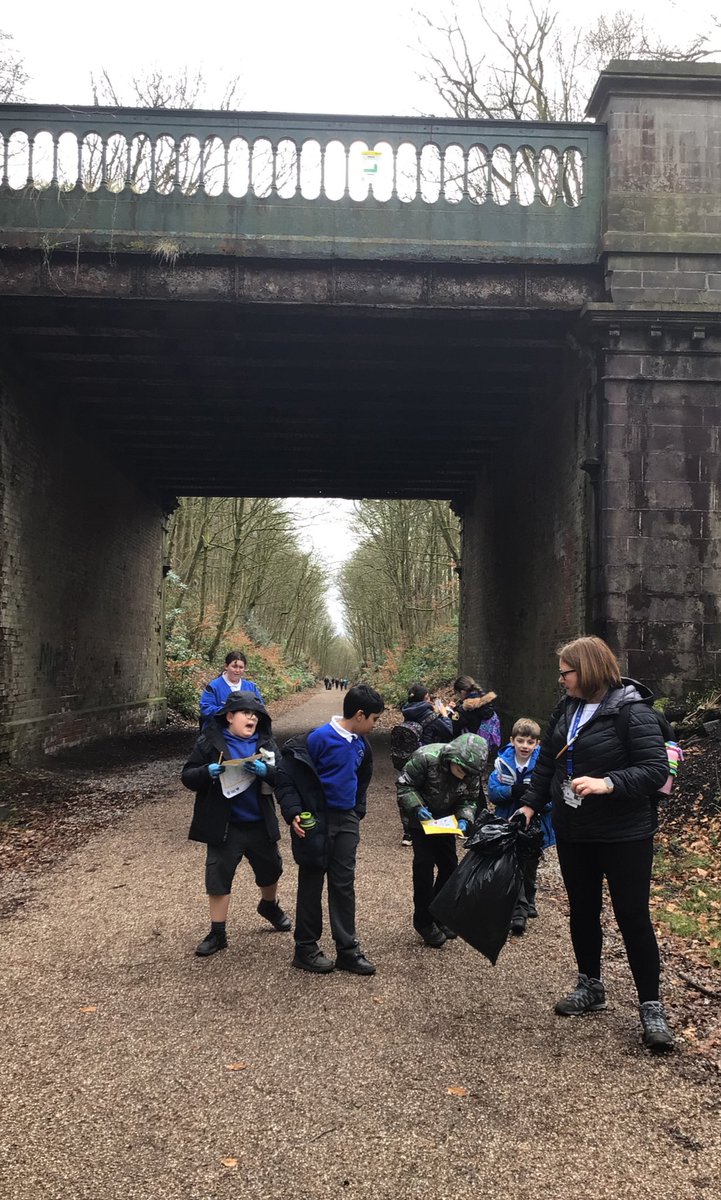
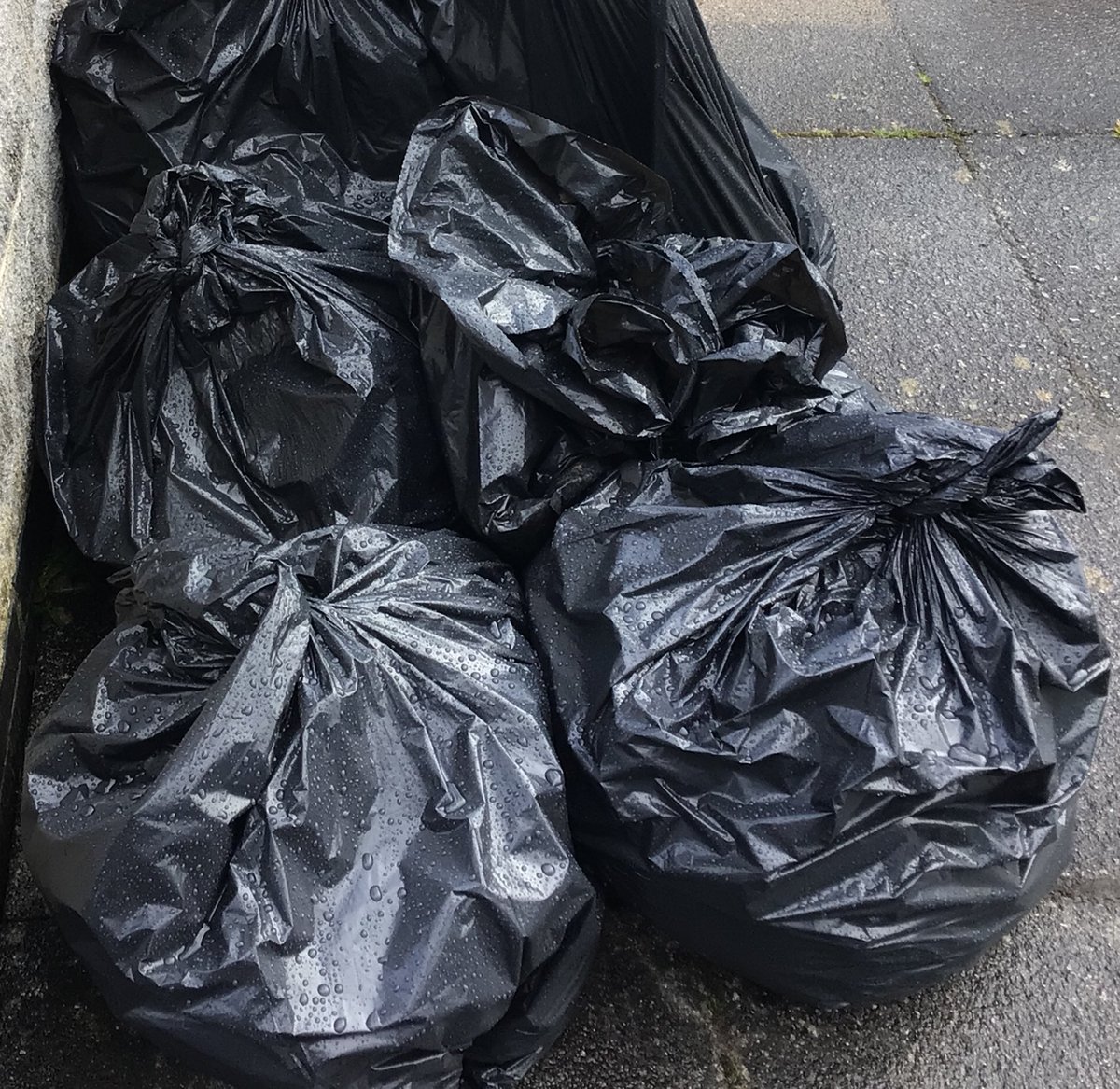
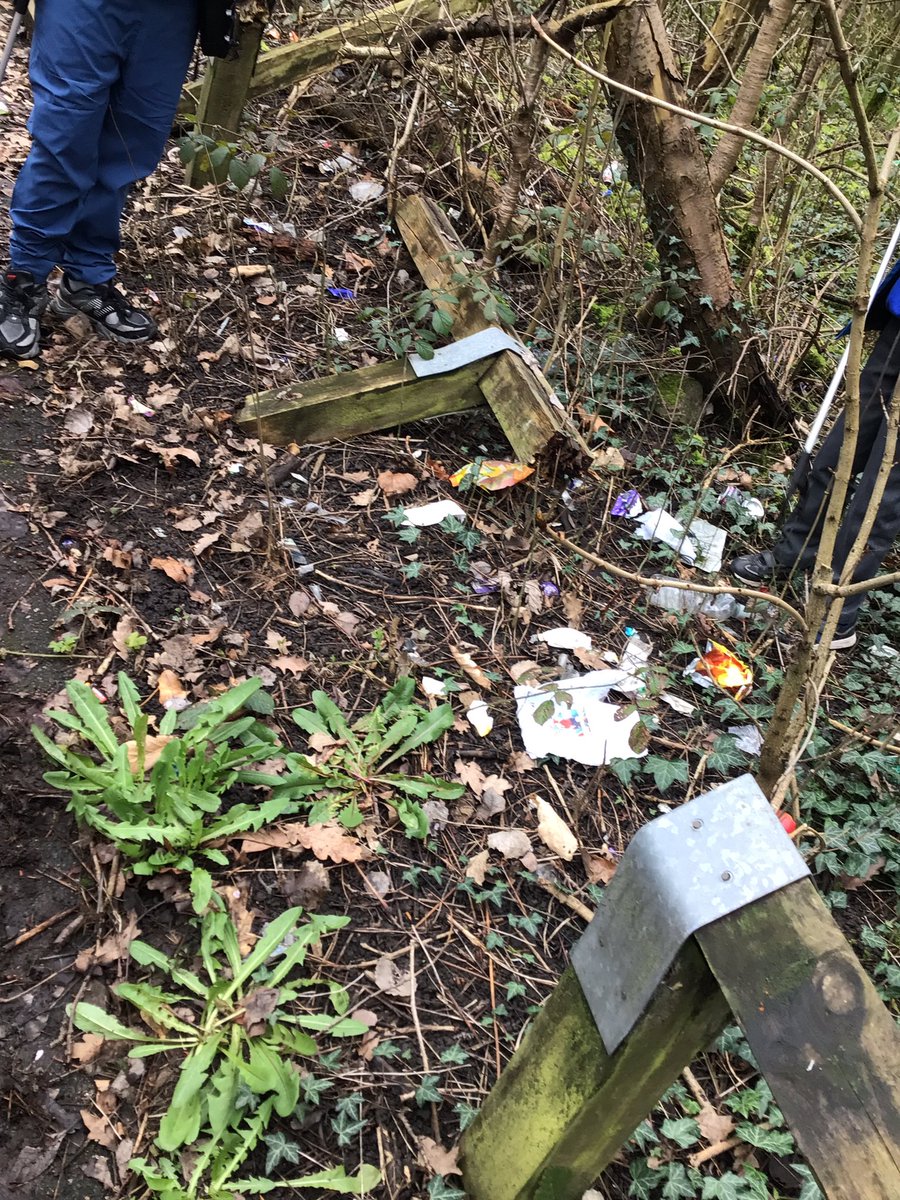
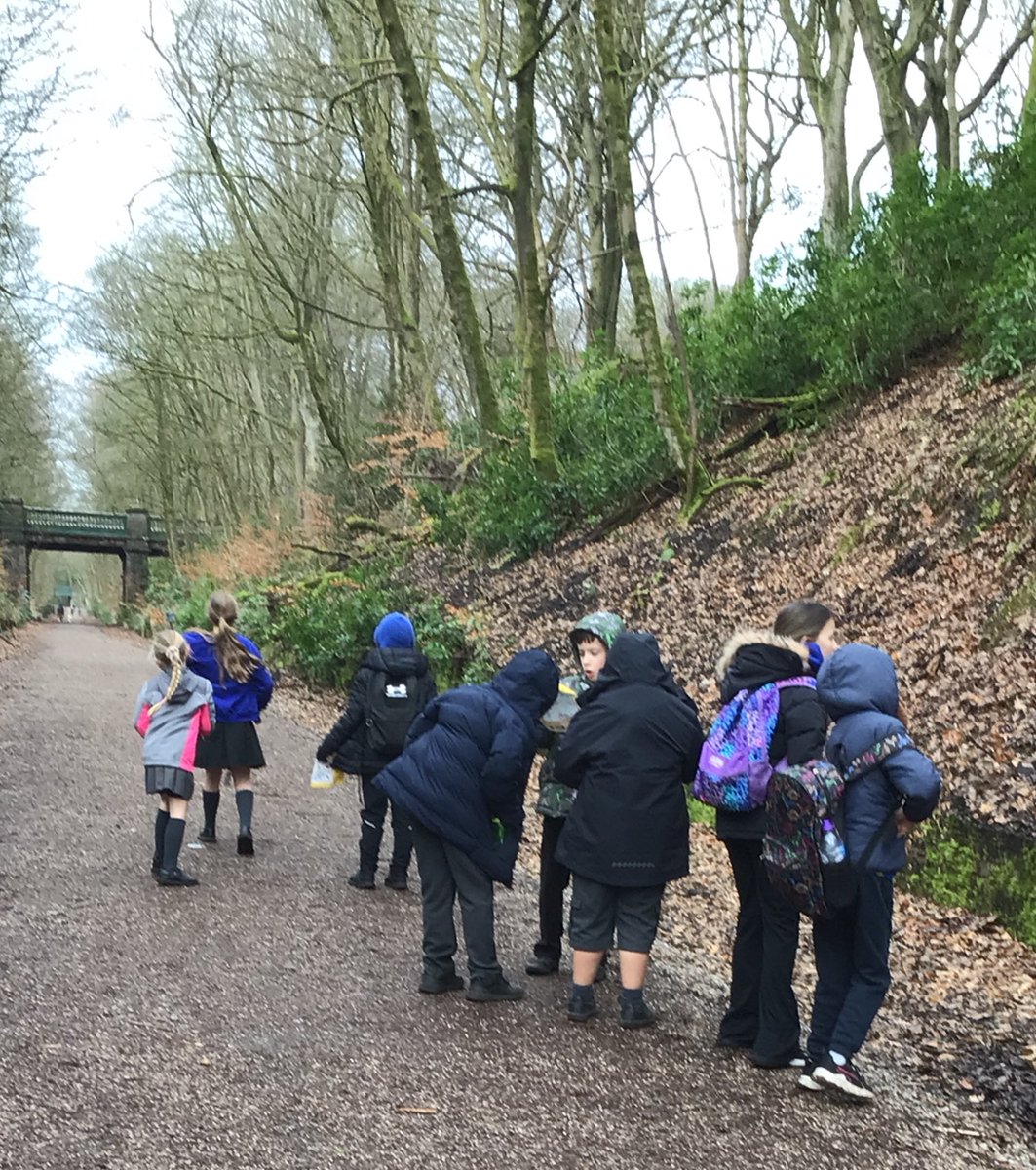
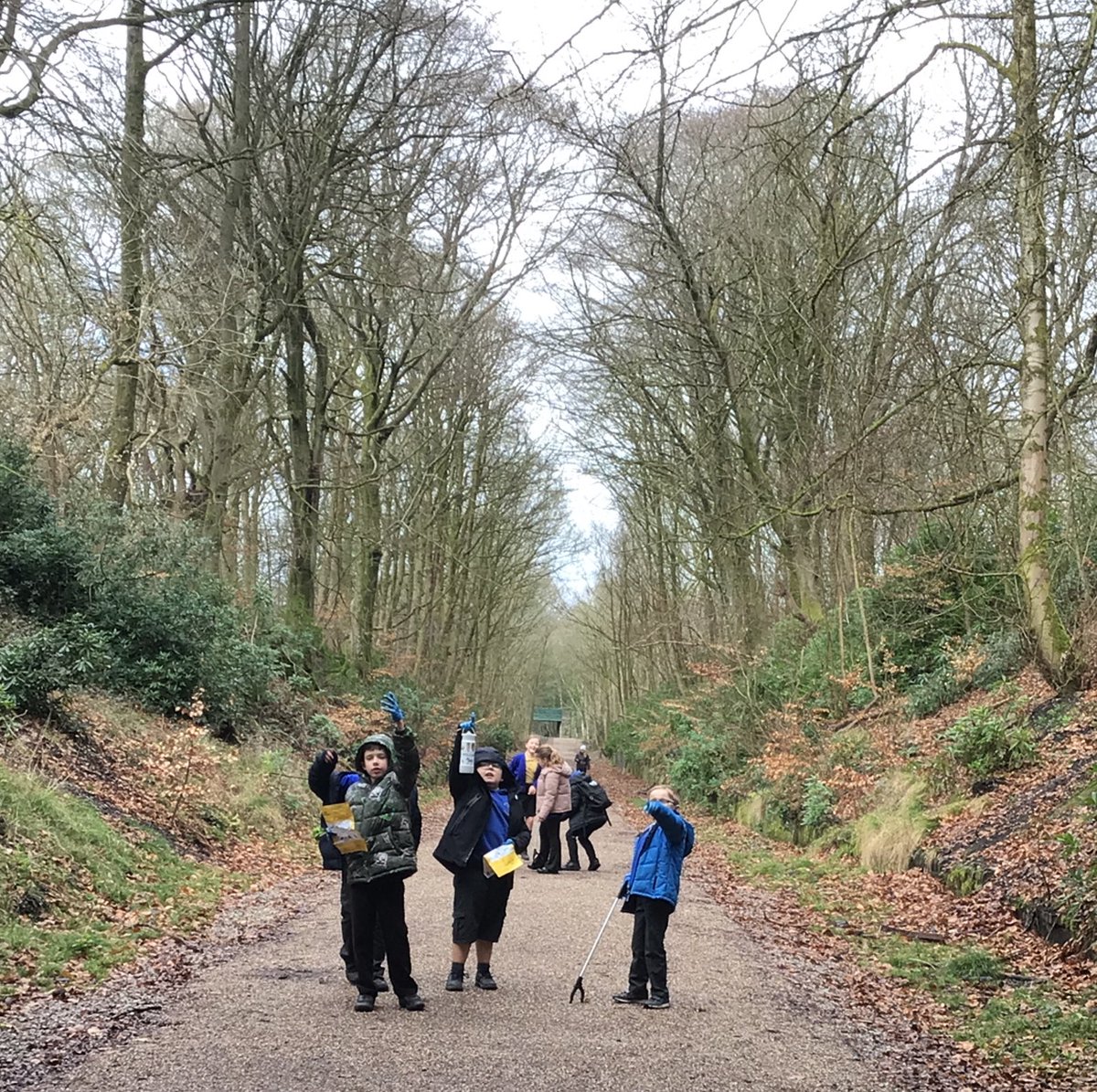
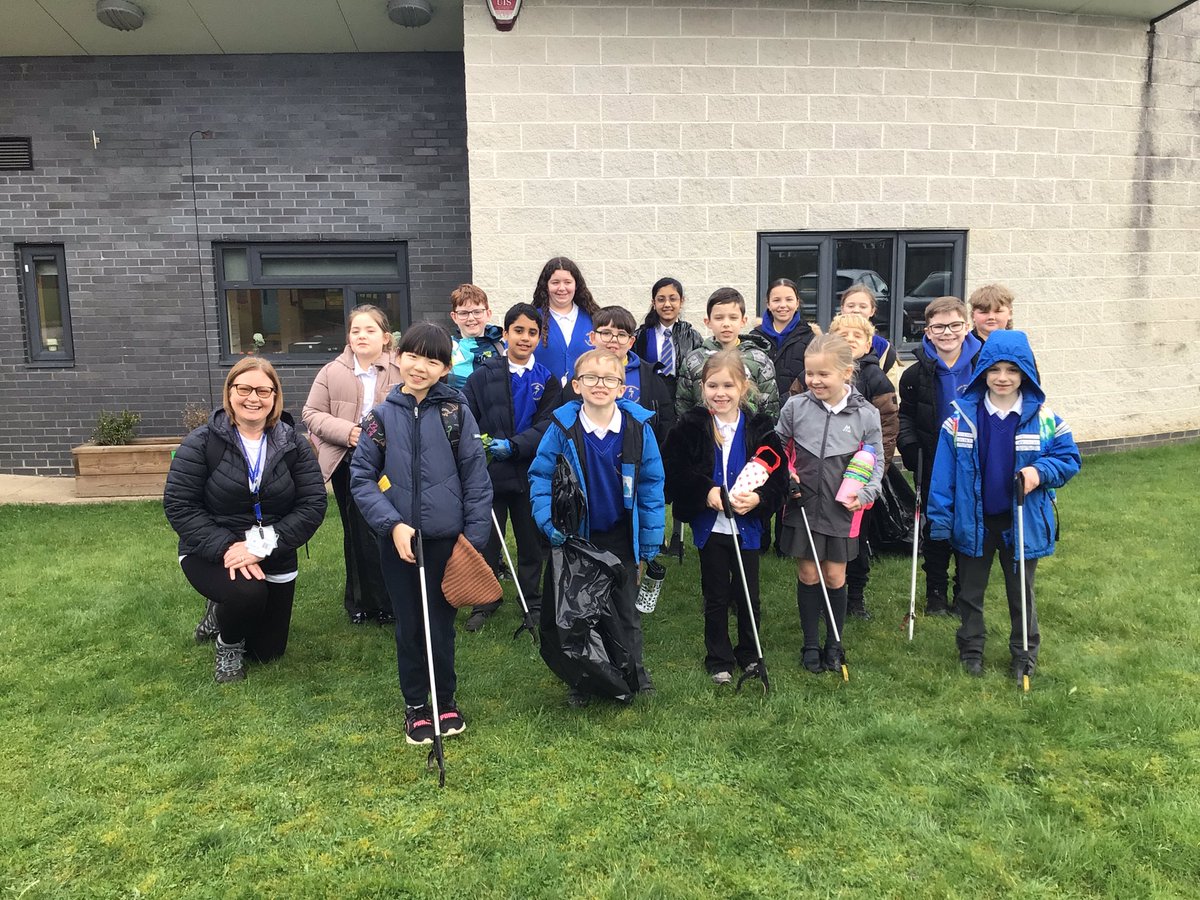
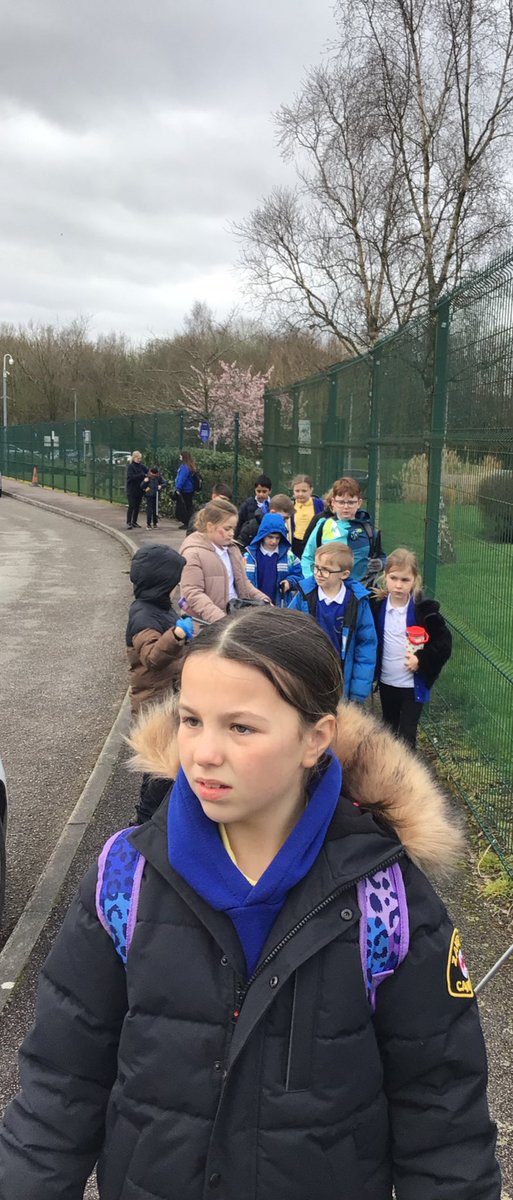
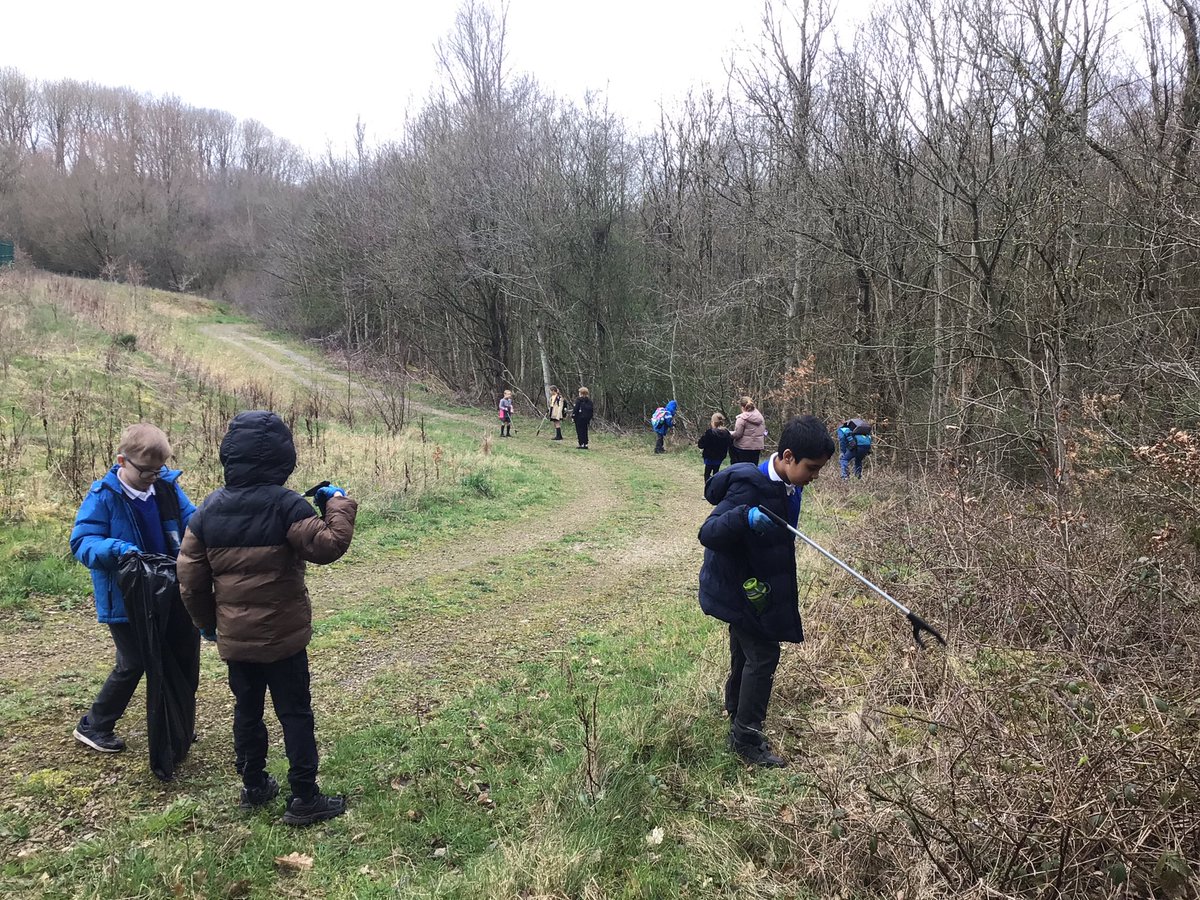
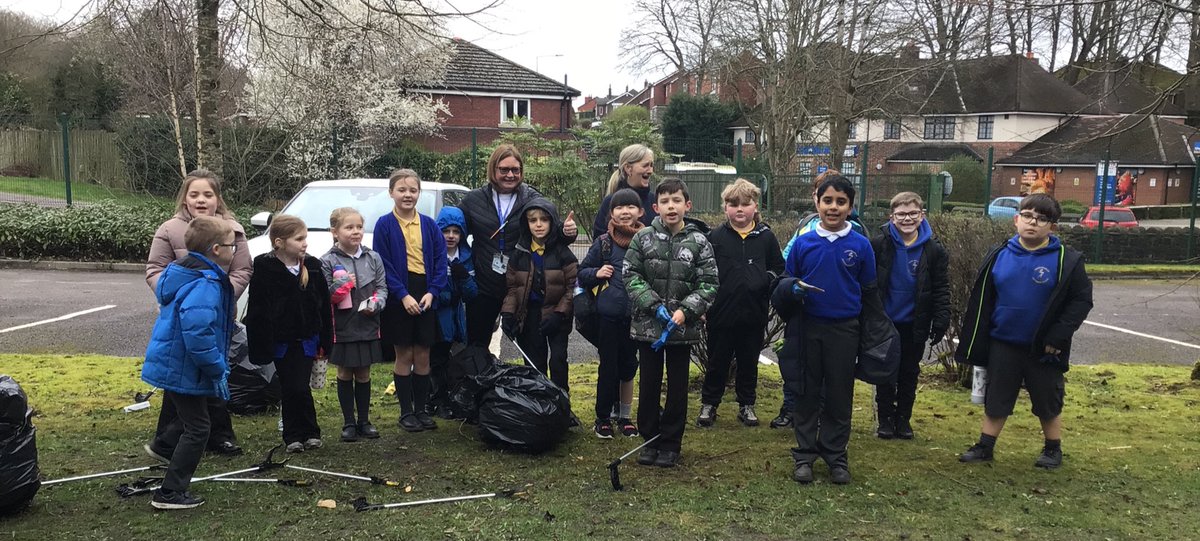
Amazing work today from our Eco Warriors! 👏🙌 Litter-picking around the perimeter of the school grounds and Whelley Loop Line was an arduous task but they persevered and achieved the goal. Great team effort!🌎🌳♻️@LT_Trust @CanonSharples #CSECO

1
2
173
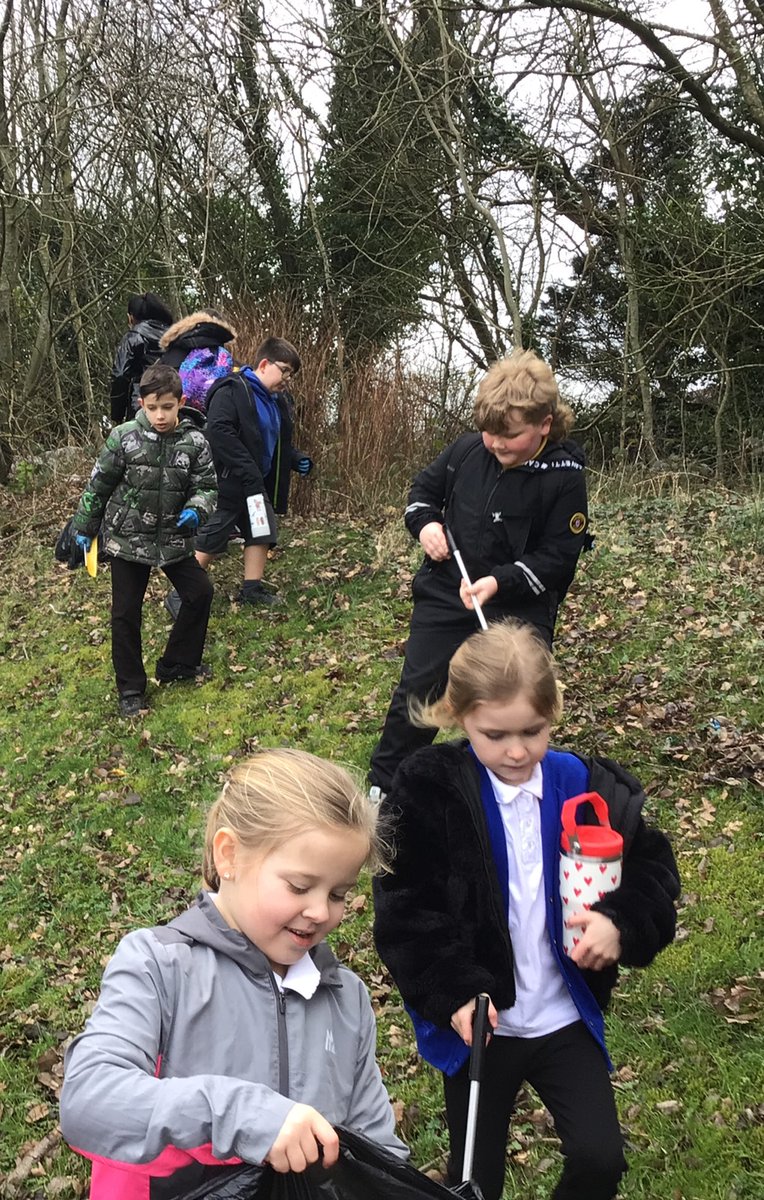
Amazing work today from our Eco Warriors! 👏🙌 Litter-picking around the perimeter of the school grounds and Whelley Loop Line was an arduous task but they persevered and achieved the goal. Great team effort!🌎🌳♻️@LT_Trust @CanonSharples #CSECO
1
3
140
Amazing work today from our Eco Warriors! 👏🙌 Litter-picking around the perimeter of the school grounds and Whelley Loop Line was an arduous task but they persevered and achieved the goal. Great team effort!🌎🌳♻️@LT_Trust @CanonSharples #CSECO
1
2
164
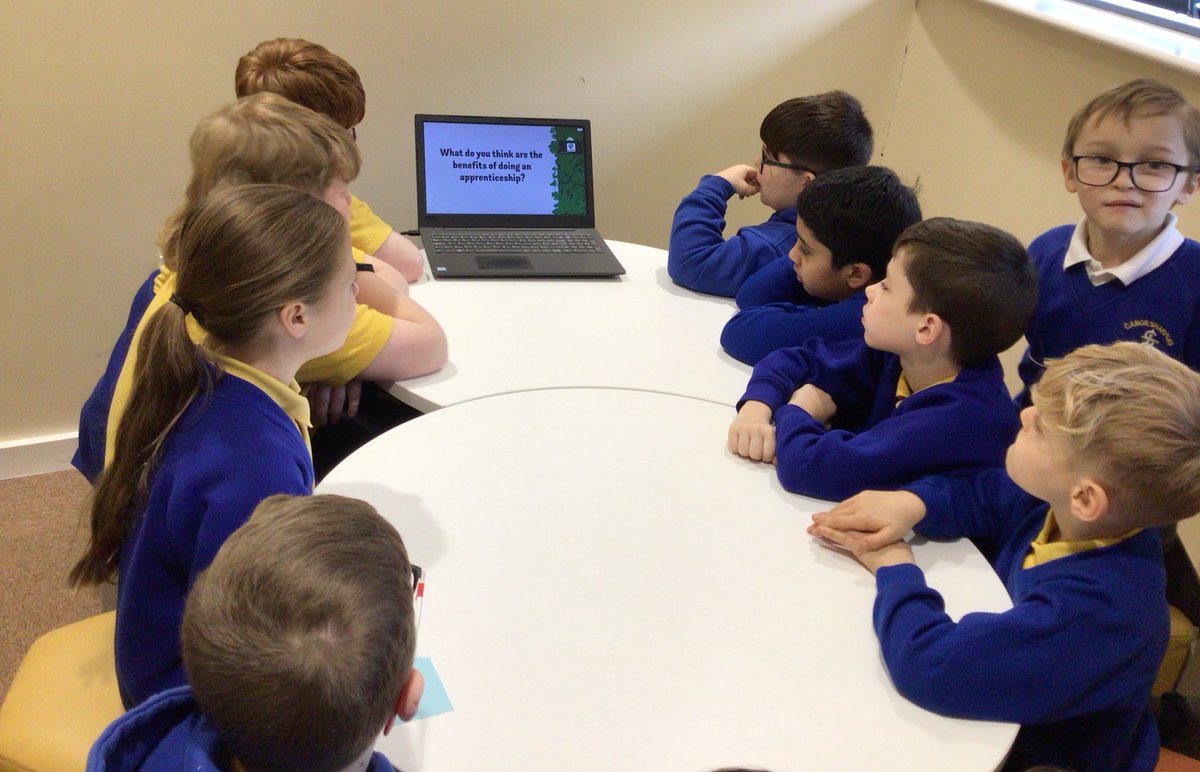
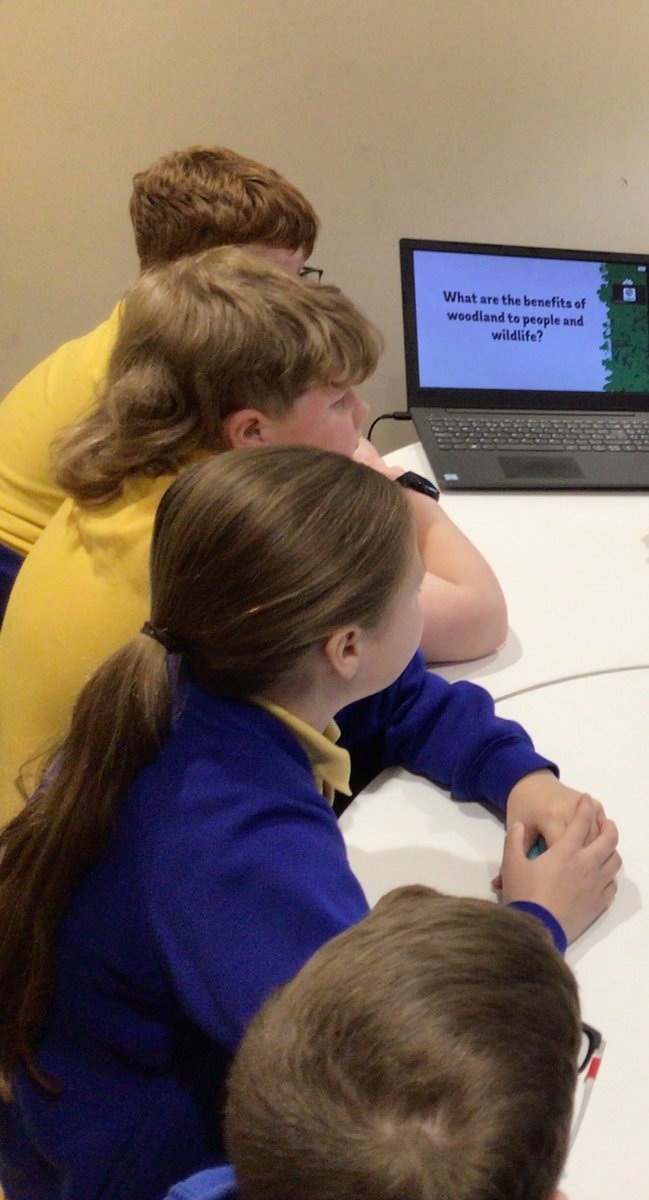
Eco Warriors took part in an online event this morning, learning about the work of the Woodland Trust and finding out what Eco jobs they could do in the future. They discussed questions posed & shared ideas about their particular Eco interests. 🌎🌳@LT_Trust @CanonSharples @cseco
1
2
89

28 Nov 2025
Our children carried out their daily litter-picking to keep our school grounds tidy and to look after our environment. Well done & thank you! 👏🌎💚@LT_Trust @CanonSharples #CSECO



1
4
190
27 Nov 2025
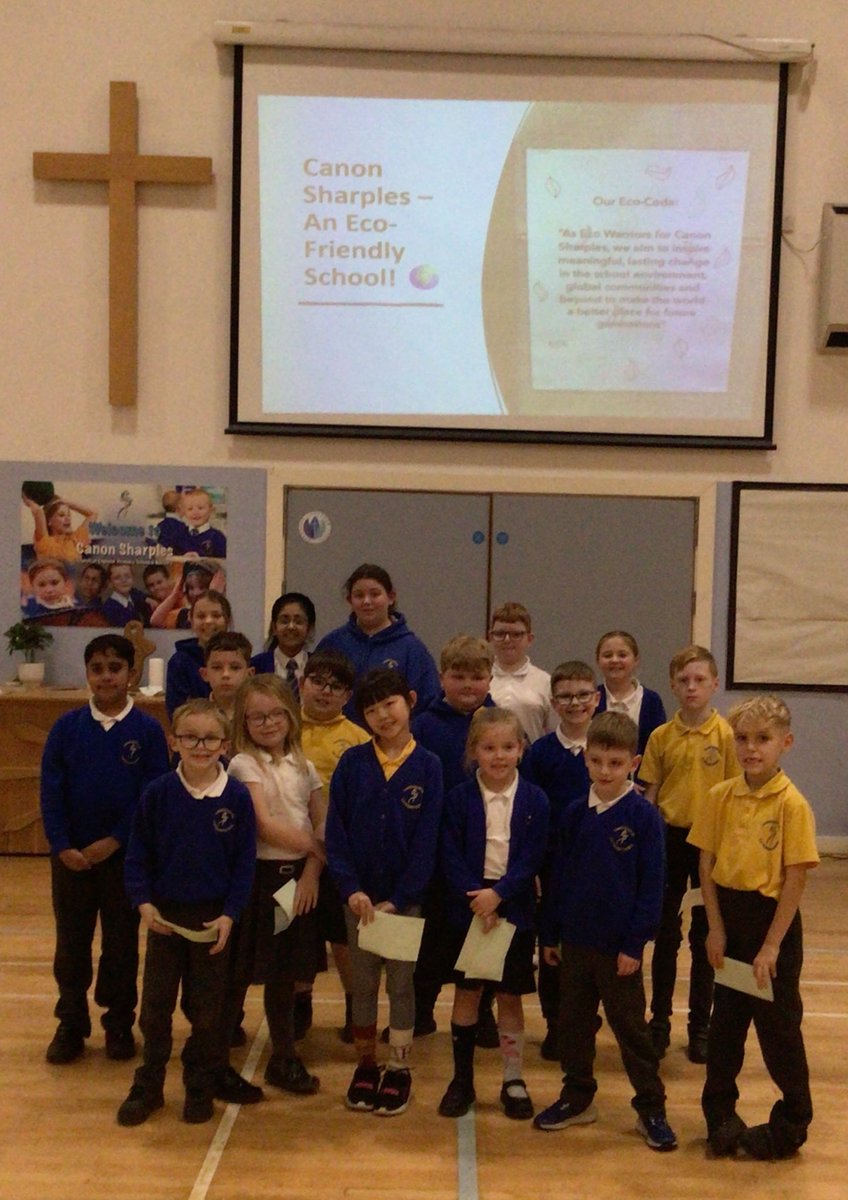
Well done to our Eco Warriors who performed their presentation for parents this afternoon. They were absolutely amazing!!👏🌎🪴💚@LT_Trust @CanonSharples #CSECO



1
4
131
10 Nov 2025
Well done to our amazing Eco Warriors who communicated their Eco message to the whole school today! 👏👏🌿🌎 🐢🦈It generated some interesting climate change discussions within our classes, which linked to our “Non-fiction Day” theme. 👍😀📚@CanonSharples @LT_Trust #CSECO



1
5
124
10 Nov 2025
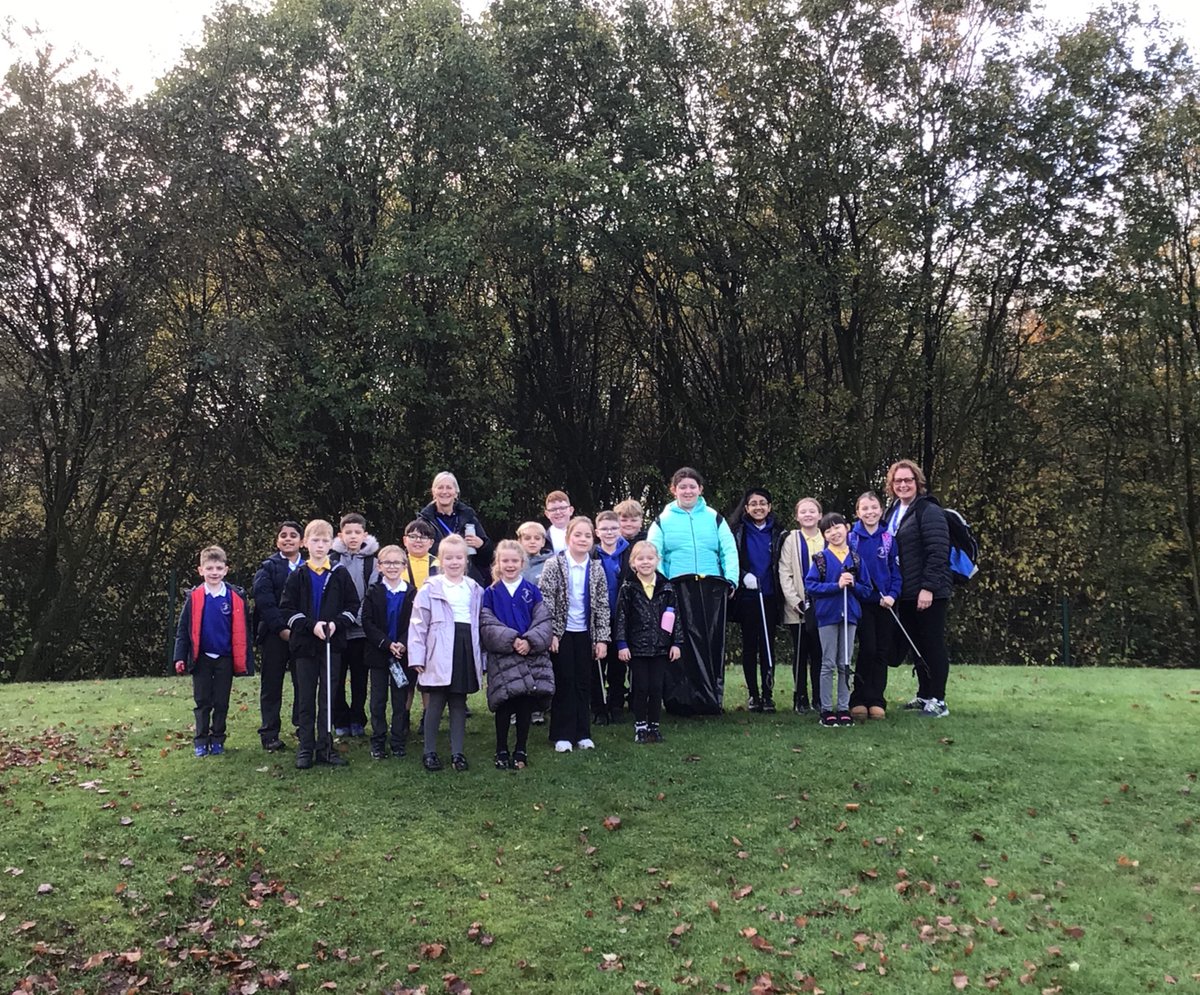
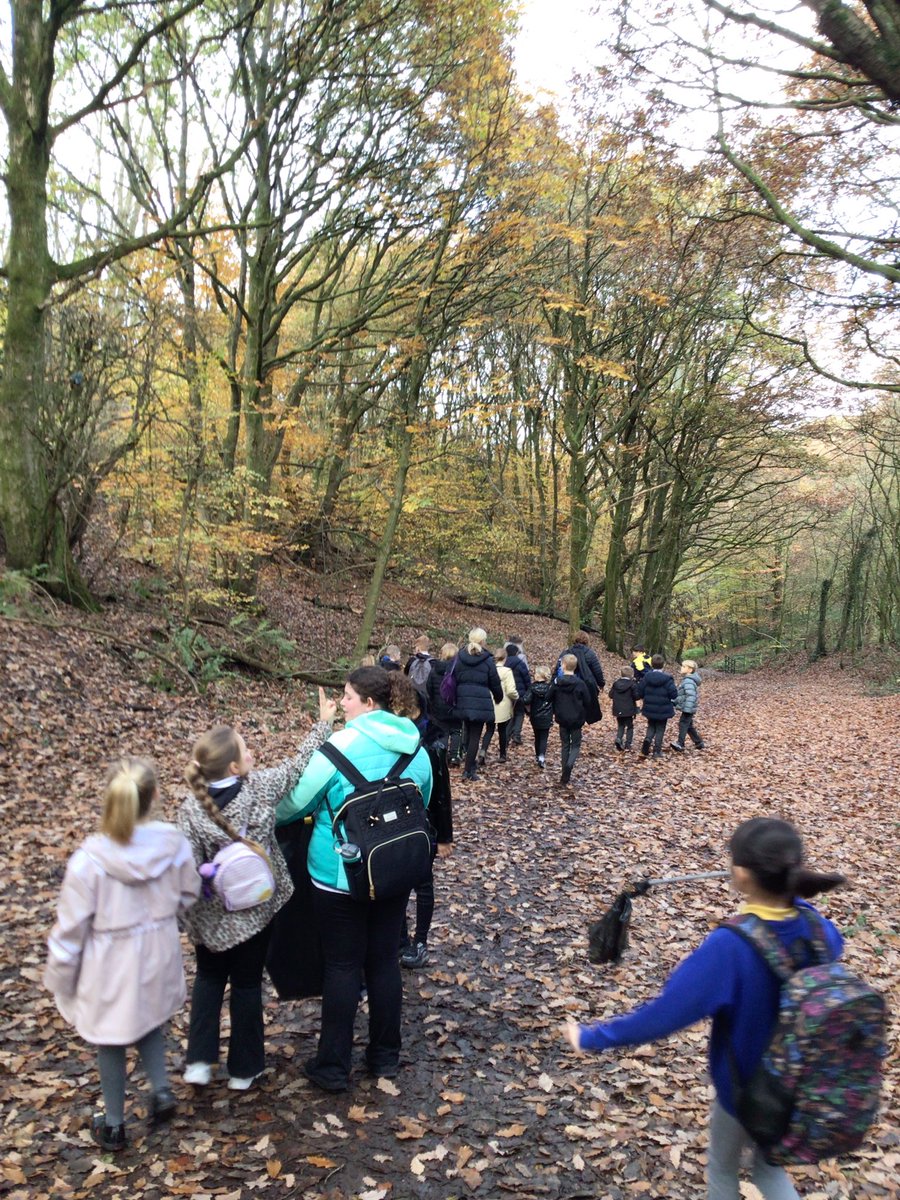
Canon Sharples Eco Warriors had fun carrying out a community litter-pick at Haigh Hall Country Park! 💚 We worked hard all morning to help keep the local community clean & tidy! Amazing work team! 👏@CanonSharples @LT_Trust #CSECO


1
6
193






18 Jun 2025
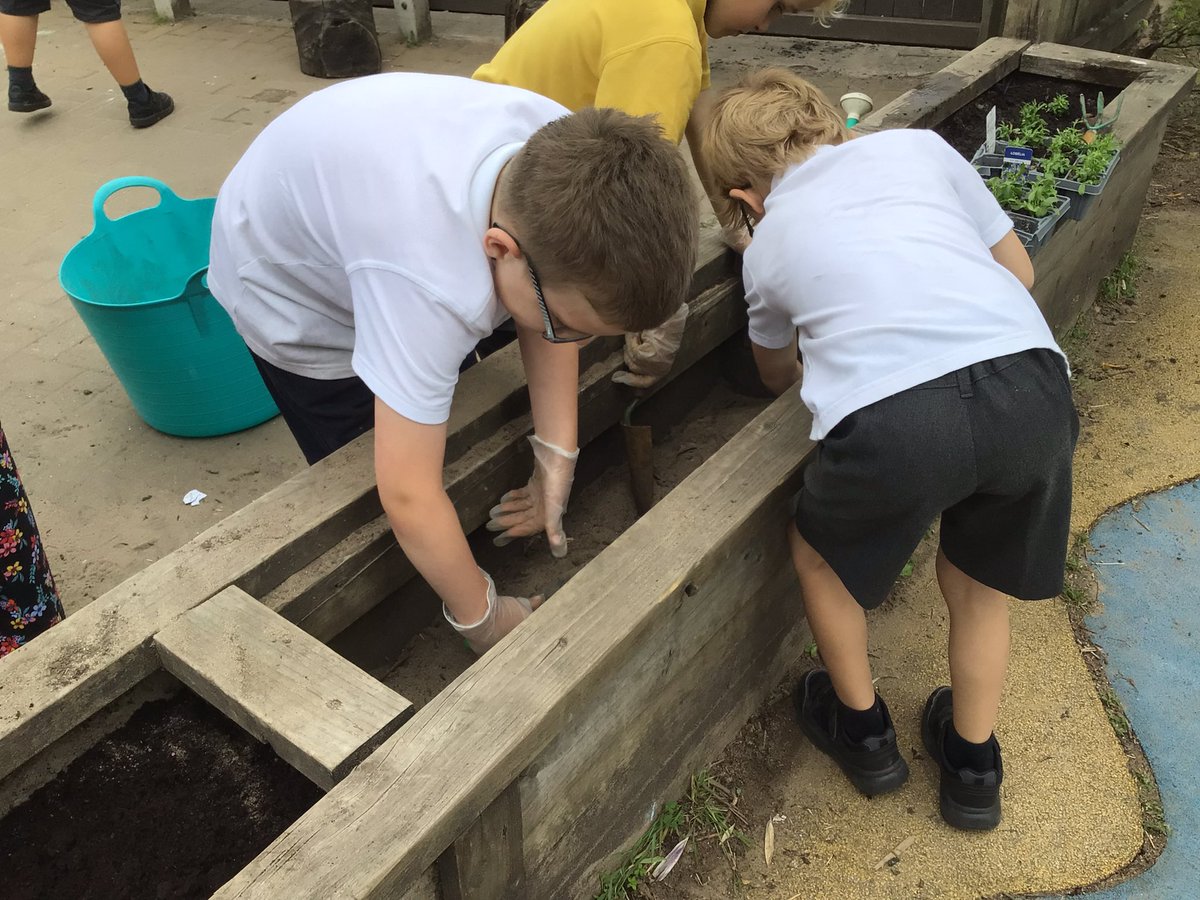
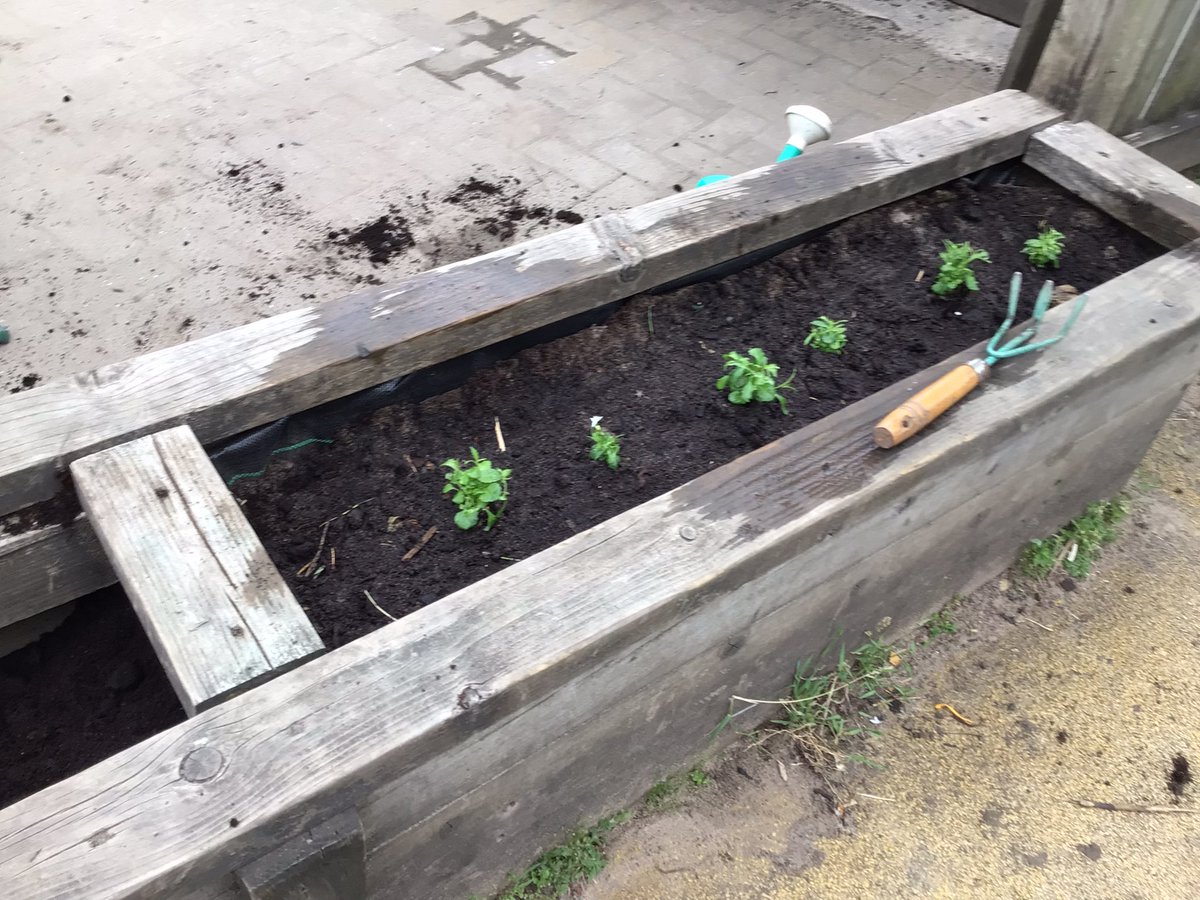
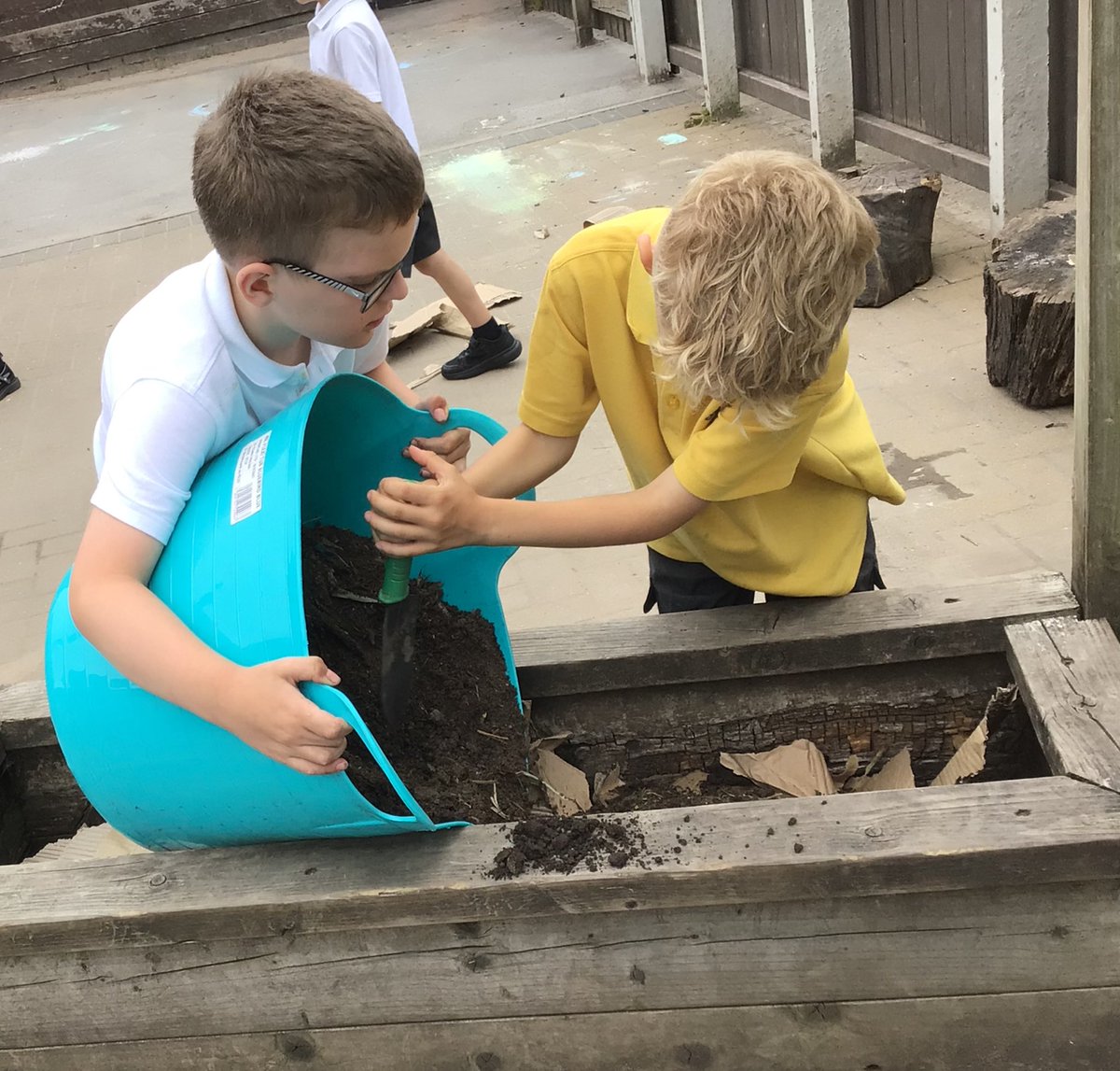
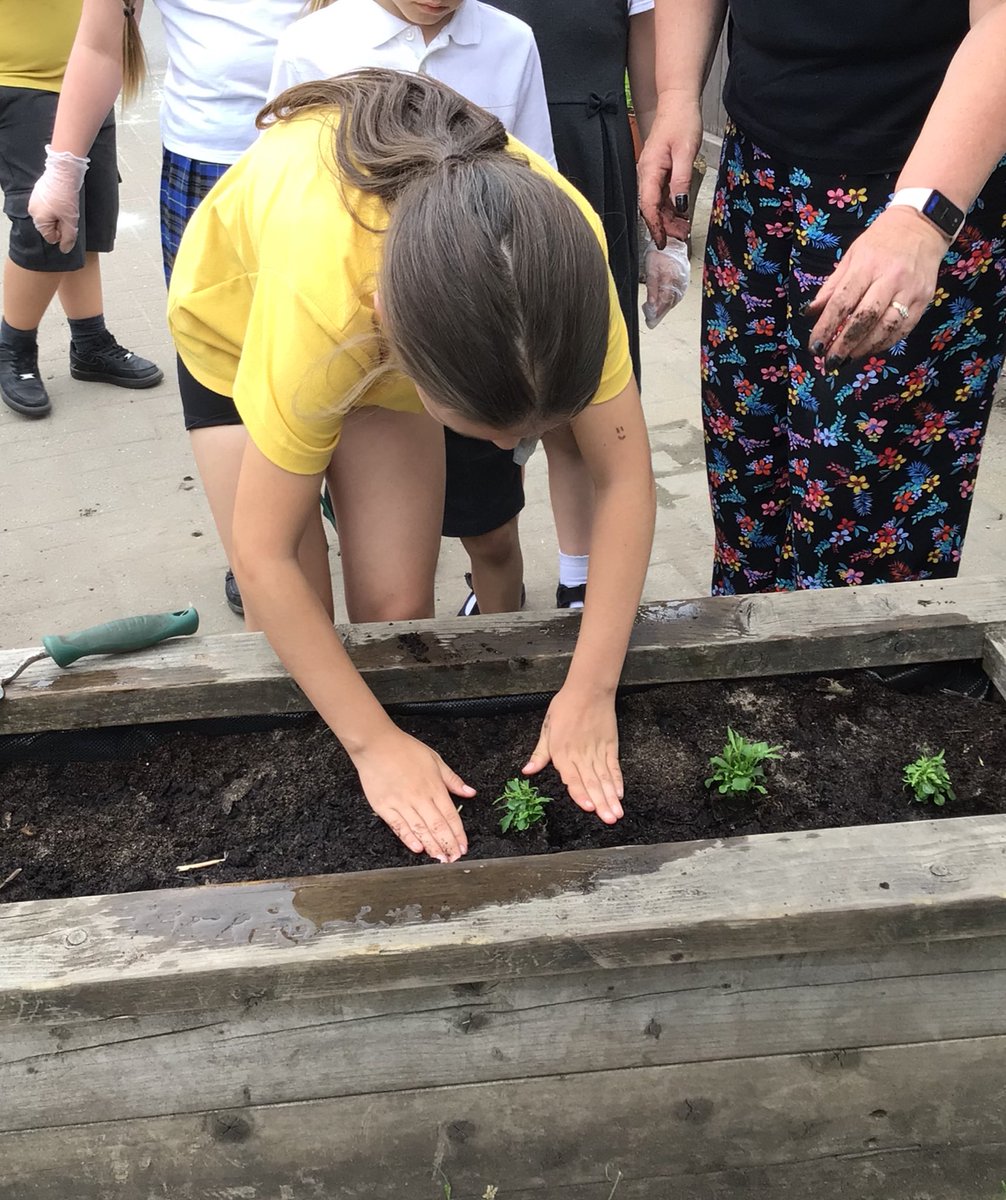
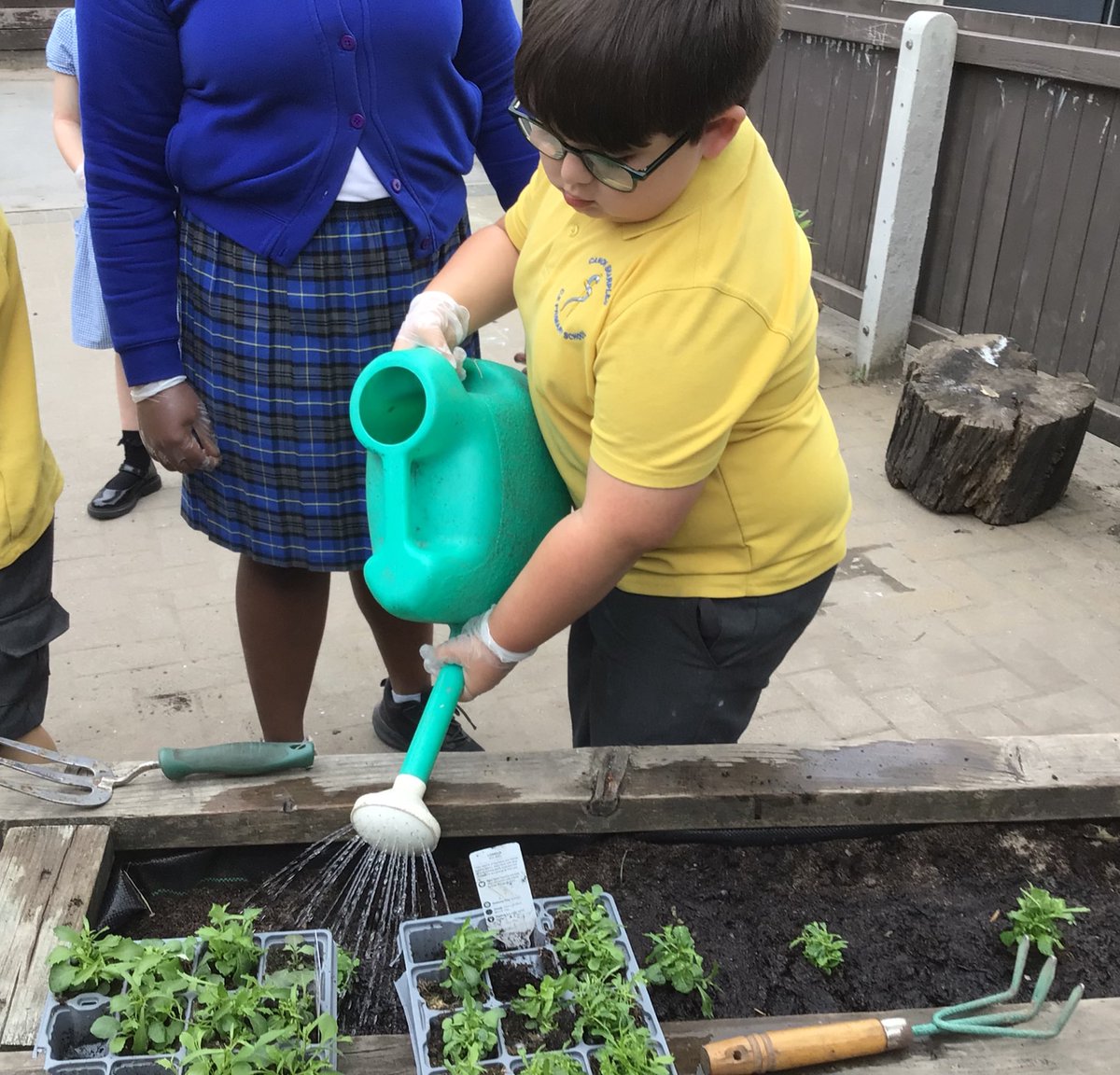
Well done to our Eco Warriors who started their pollinator-friendly planting project yesterday! You have all worked so hard!🪴🙌@ltt @canonsharples #CSECO
1
1
6
289
23 May 2025
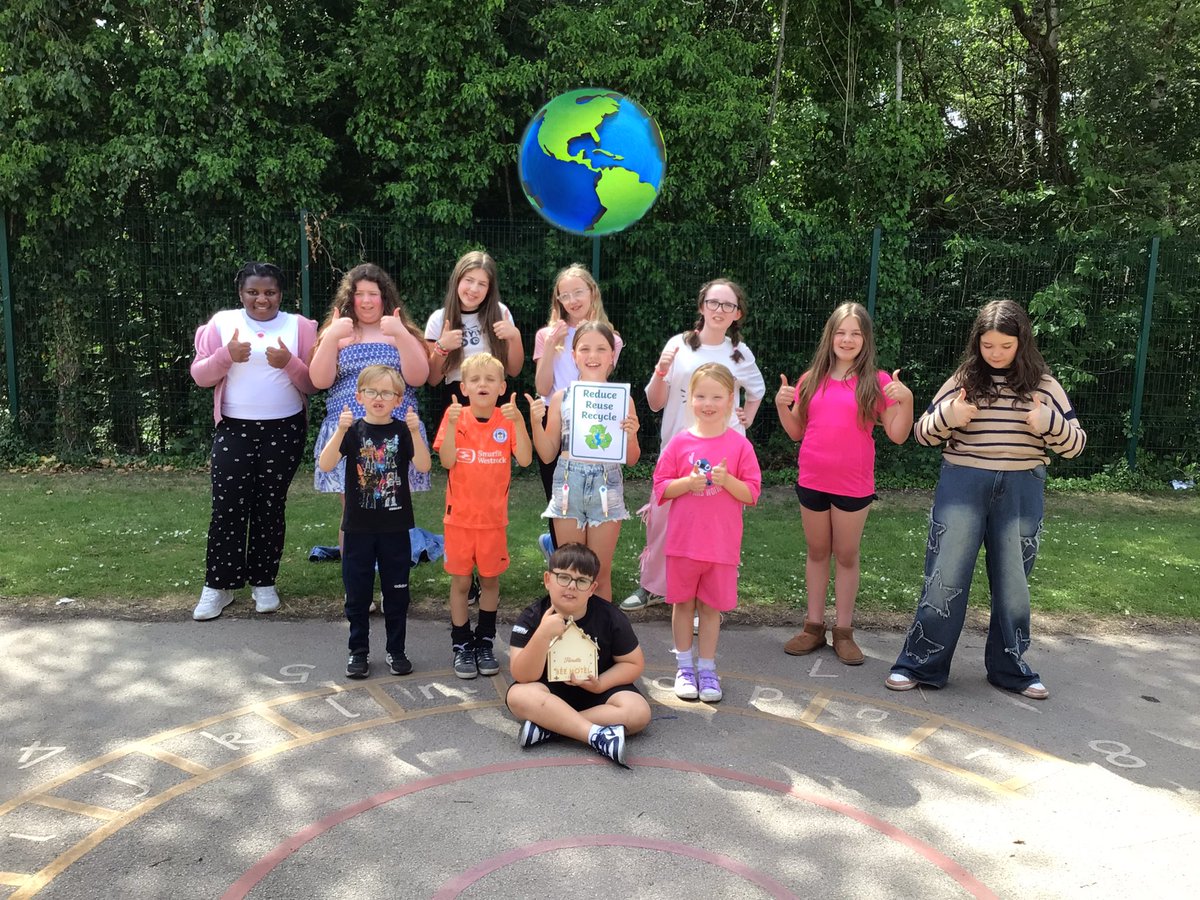
Some of our Eco Warriors celebrated the final completion of the Bee Hotel today! Well done! Keep saving our planet!👏@LT_Trust @CanonSharples #CSECO
2
7
238


7 May 2025
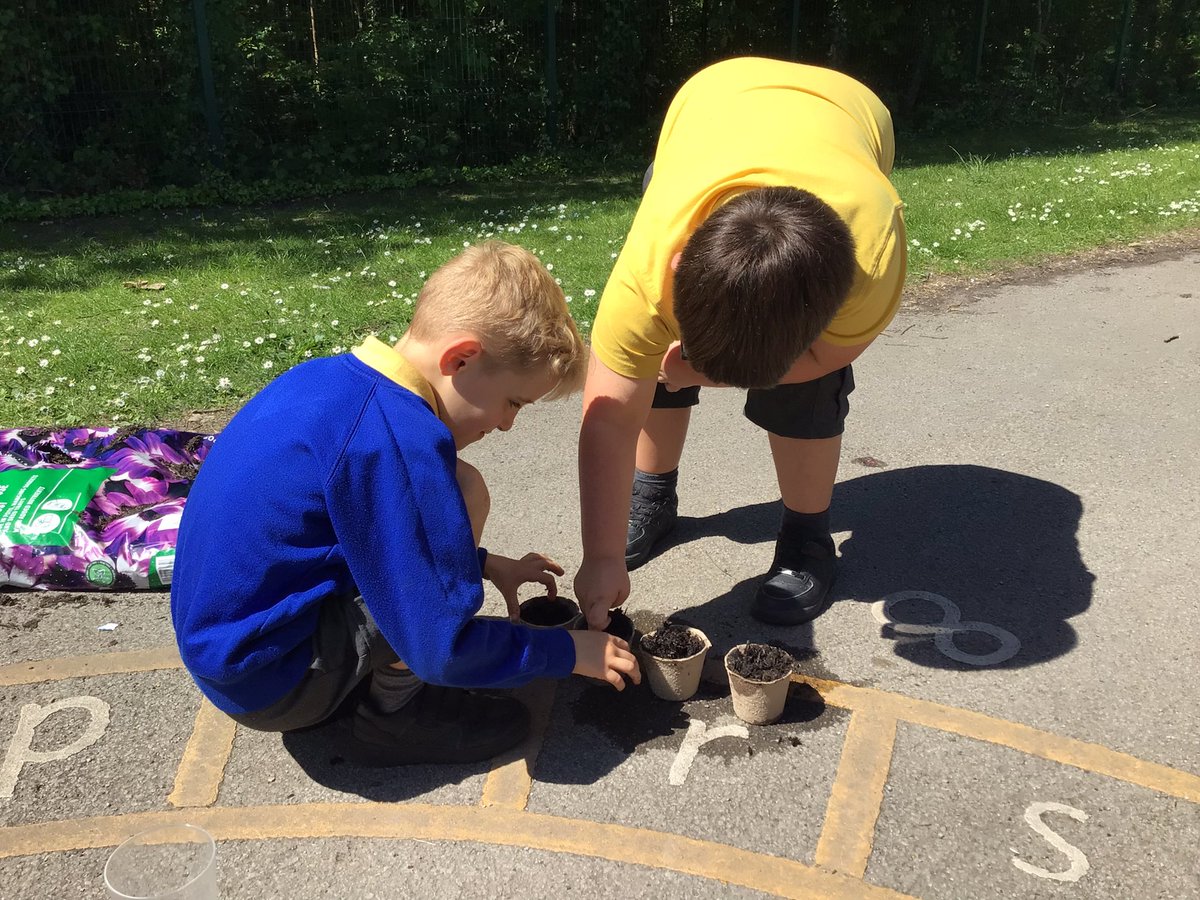
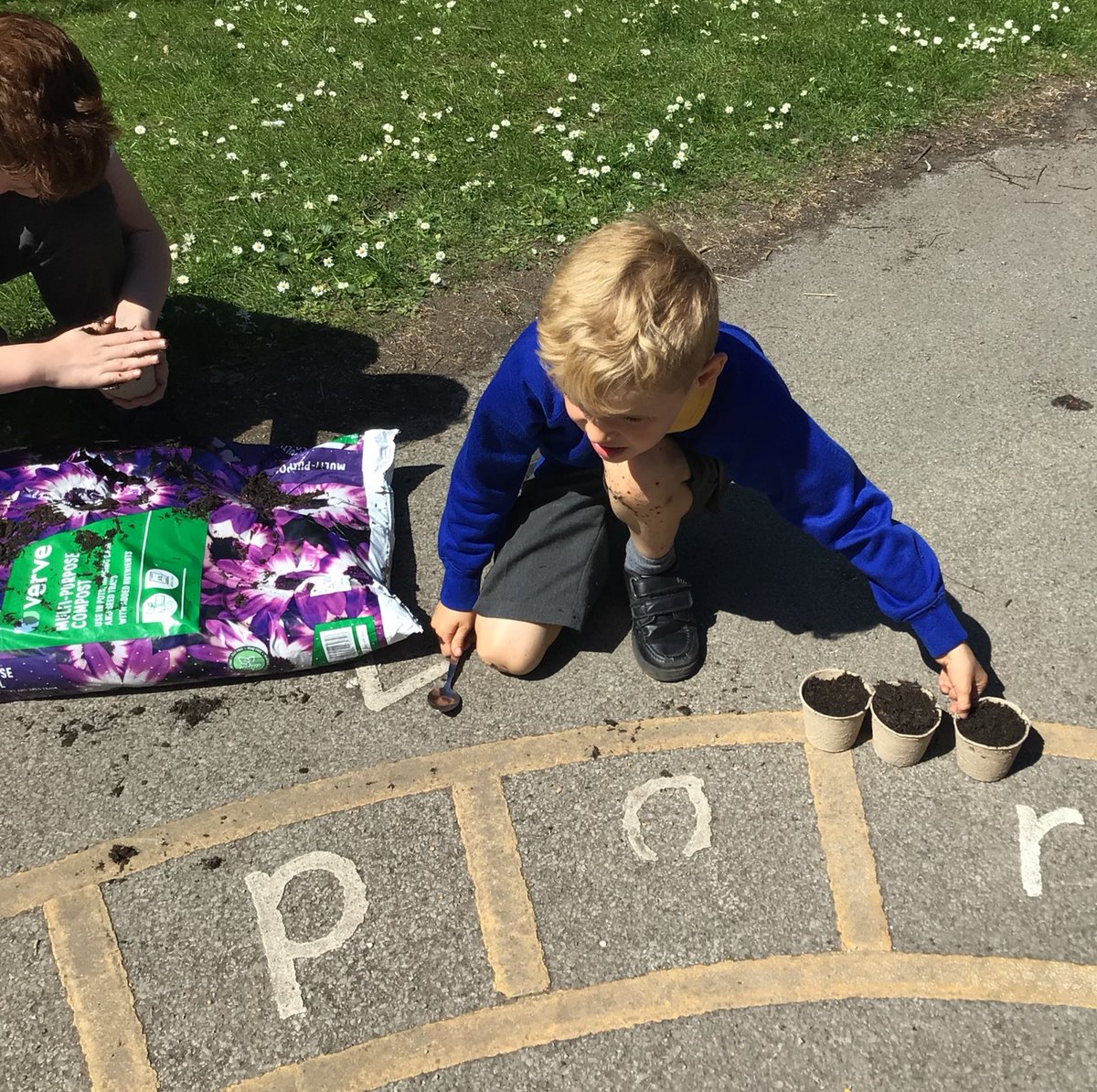
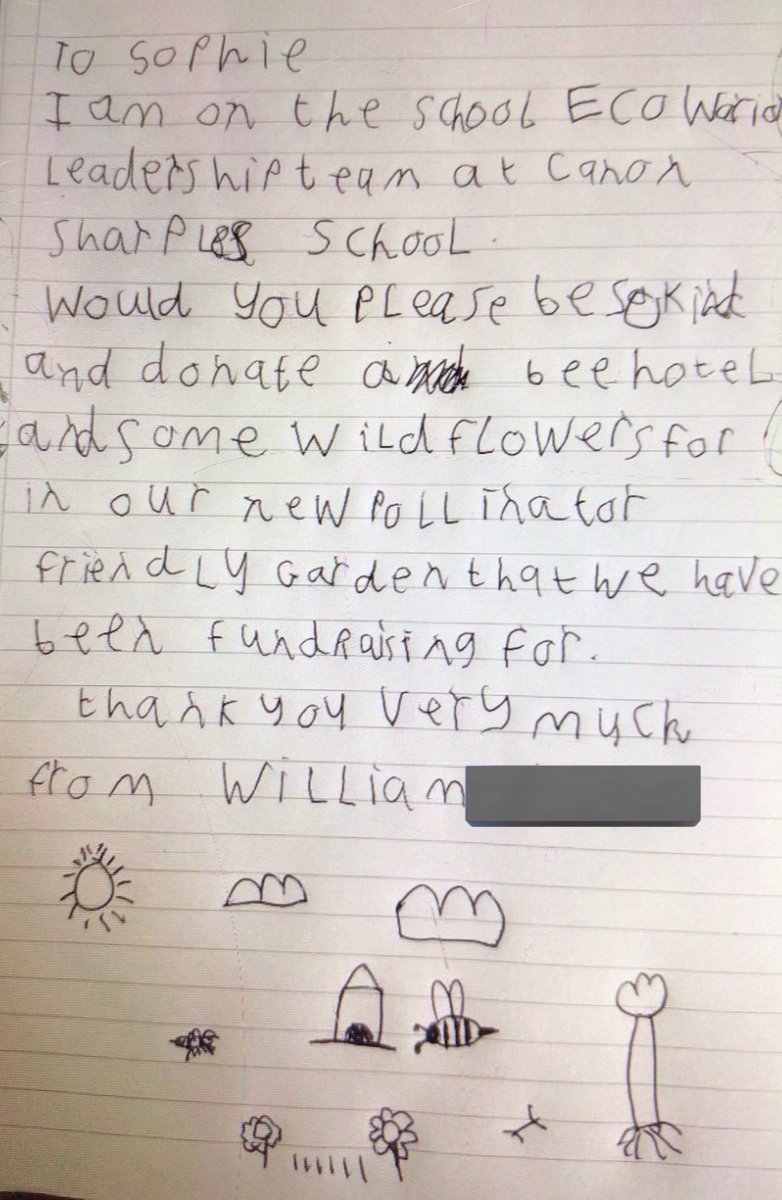
Congratulations to our amazing Eco Warrior, who wrote a letter asking for a donation to contribute to our Eco Warrior team project. Thank you to the donator and to our Eco Warrior for his initiative, enthusiasm & supporting our team. So proud!👏💙 @LT_Trust @CanonSharples #CSECO

1
2
73


4 Jun 2023
Geopolitics of the Caspian Region
The Caspian region, encompassing the five countries of Russia, Iran, Azerbaijan, Kazakhstan, and Turkmenistan, is a complex geopolitical area influenced by various interests, including energy, security, and water resources. In this article, we will delve into the intricate dynamics of the Caspian region, shedding light on the role of major global powers, the competition for energy resources, security concerns, and the importance of water resources in shaping the geopolitics of this region.
Energy Interests
Energy resources play a crucial role in the geopolitics of the Caspian region. The abundance of oil and gas reserves in the area has attracted the attention of major global powers such as the United States, Russia, and China. Each country is driven by its own interests, which have contributed to a complex web of relationships and rivalries.
Historically, Russia has held a dominant position in the region, thanks to its extensive oil and gas pipelines that connect the Caspian Sea to Europe. However, the emergence of new players, particularly China, has challenged Russia's position. China has made significant investments in the region, constructing pipelines and developing energy infrastructure in countries like Kazakhstan and Turkmenistan.
Iran is another influential player in the Caspian region, possessing substantial oil and gas reserves of its own. However, the country has faced international sanctions that have limited its ability to fully exploit its resources. With the lifting of sanctions in 2015, Iran has embarked on a path to expand its energy exports, further impacting the energy landscape of the region.
Security Concerns
The Caspian region holds significant strategic importance in terms of global security. Several conflicts and tensions have arisen within the region, including the ongoing conflict in Nagorno-Karabakh between Azerbaijan and Armenia, as well as the spillover of the Syrian conflict into neighboring countries.
Russia has traditionally held a dominant security role in the region, maintaining military bases in Armenia and Kazakhstan that serve as crucial strategic links between Europe and Asia. However, the growing influence of new players like China poses a challenge to Russia's dominance. China has made substantial investments in the region, establishing military bases and financing infrastructure projects.
The United States has also been actively engaged in the Caspian region, seeking to counter the influence of Russia and China. Through providing military aid to Azerbaijan and Georgia, and cultivating closer ties with Kazakhstan and Turkmenistan, the U.S. aims to maintain its presence and protect its interests in the region.
Water Resources
Water resources constitute another significant factor influencing the geopolitics of the Caspian region. The Caspian Sea, as the largest inland body of water in the world, serves as a vital water source for the region. Additionally, the presence of important rivers, such as the Volga, Ural, and Kura, further contributes to the significance of water resources for neighboring countries.
Competition for water resources has resulted in tensions between these nations. For instance, Iran has accused Azerbaijan of diverting water from the Araz River, which flows into Iran. Similarly, conflicts over the usage of the Syr Darya River have arisen between Kazakhstan and Uzbekistan.
Conclusion
The Caspian region is an intricately woven geopolitical area shaped by a range of factors, including energy, security, and water resources. The competition for control over energy resources has attracted major global powers, with Russia traditionally playing a dominant role, while new players like China have emerged to challenge that dominance. Security concerns, including conflicts within the region and the involvement of external powers like the United States, add further complexity.
Moreover, water resources play a crucial role in shaping the geopolitics of the Caspian region, leading to tensions and conflicts between neighboring countries. As the competition for resources and influence continues, the geopolitics of the Caspian region are likely to remain complex and contested for the foreseeable future.
Efforts to navigate these complex dynamics have included diplomatic negotiations, economic agreements, and regional organizations such as the Caspian Sea Economic Cooperation Organization (CSECO). The CSECO, established in 2002, aims to promote economic cooperation among the Caspian littoral states and has facilitated discussions on energy, transportation, and environmental issues. However, achieving consensus among the countries involved remains a challenging task, given the divergent interests and historical rivalries.
The Caspian region also holds potential for further cooperation and development. Expanding energy infrastructure, such as the construction of new pipelines and the exploration of untapped oil and gas reserves, can bring economic benefits and promote regional integration. Improved connectivity through transportation networks and trade routes can enhance economic ties and facilitate the movement of goods and people.
Furthermore, addressing security concerns and fostering stability in the region is crucial for the long-term prosperity of all countries involved. Cooperation on counterterrorism, border security, and the resolution of ongoing conflicts, such as the Nagorno-Karabakh issue, can contribute to a more secure and peaceful Caspian region.
In conclusion, the geopolitics of the Caspian region are shaped by a complex interplay of energy interests, security concerns, and water resources. Major global powers like Russia, China, and the United States seek to protect their interests and influence in the region. The competition for energy resources, the importance of security, and the management of water resources contribute to a dynamic and intricate geopolitical landscape. While efforts for cooperation and regional integration continue, resolving conflicts and balancing competing interests will remain a challenge. Understanding and engaging with the complex dynamics of the Caspian region is essential for policymakers and stakeholders seeking to navigate the geopolitical complexities and promote stability, development, and cooperation in this strategically important part of the world.

2
4
559

30 Mar 2020
CSECO offers a wide array of products, including the world-renowned Buster density meter and the Perfect Vision V20 Videoscope, the world's first UL-approved videoscope. - cseco.com/Products

1
1

22 Oct 2019
Scots @NHSDigAcademy @NHSDAalumni CIOs / CSecO - you should consider attending this #Cybersecurity event in Edinburgh edinburgh-innovations.ed.ac.…
1
2

17 Jul 2017
#ATENCION #InfoImportante
Hoy a las 10hs arranca la inscripción al cursado de #LAE #LE #Estadistica #CsEco

3