
CSWIP & CWI dey cost o. How you boys dey get them easy like that?
9

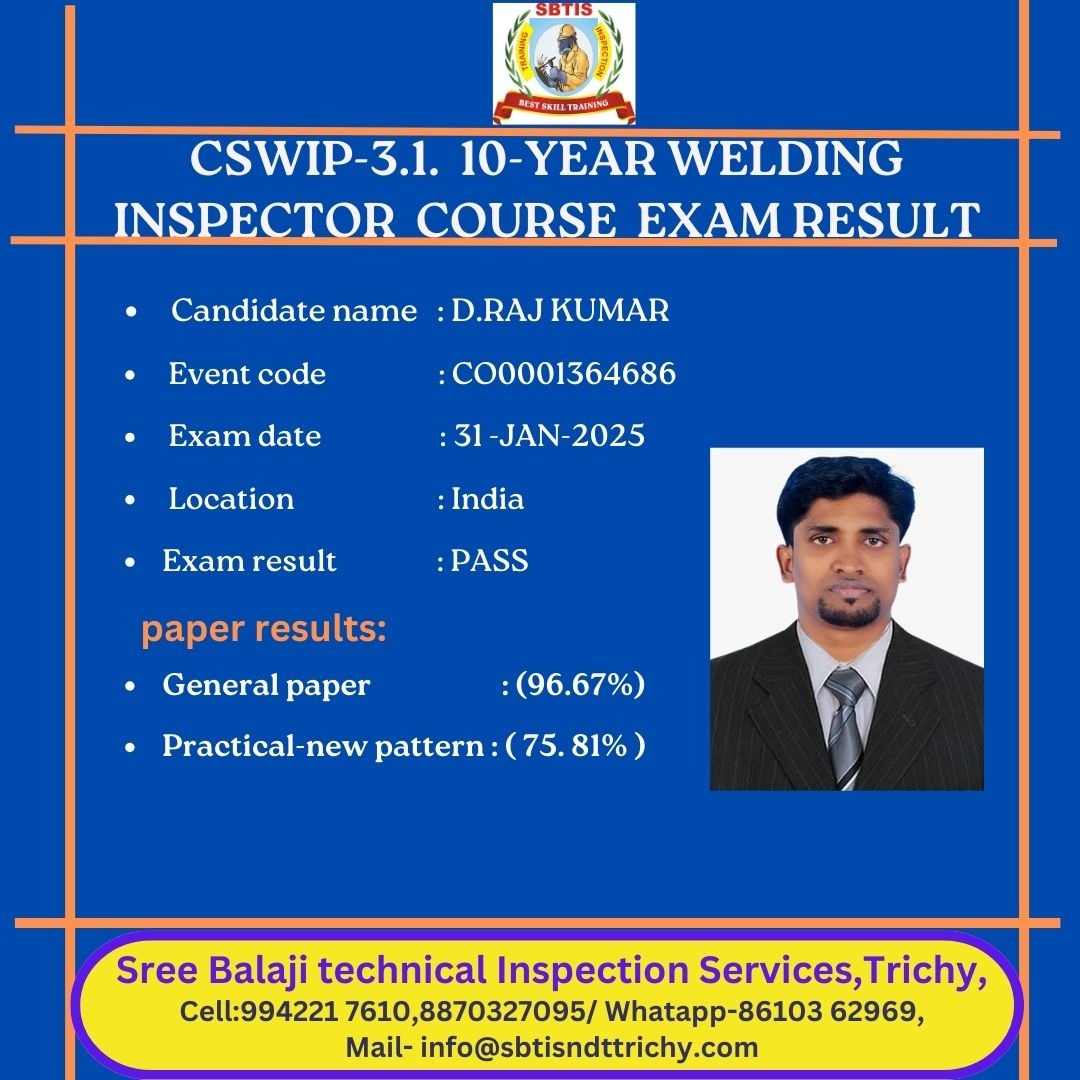
cswip 3.1 renewal course dindigul
CSWIP 3.1 – 10-Year Renewa ..For more info visit...sbtisndttrichy.com/latest-up…
9


For a Non-Destructive Testing (NDT) Engineer, here are possible career paths:
👉 Asset Integrity Engineer
👉 Inspection Engineer
👉 QA/QC Engineer
👉 Corrosion Engineer
👉 Pipeline Integrity Engineer
👉 Risk-Based Inspection (RBI) Engineer, etc
Here are key certifications to consider 👇
HSE Level 1–3 Certification
ASNT Level II (UT, RT, MT, PT)
ASNT Level III
ISO 9712 Certification
API 510 (Pressure Vessel Inspection)
API 570 (Piping Inspection)
API 653 (Storage Tank Inspection)
CSWIP Welding Inspection Certification
NACE / AMPP Certification (Corrosion & Coating Inspection).

NDT ENGINEER too
5
16
1,313

May 2
Petrojet - Kuwait Branch (Oil & Gas Infrastructure)
Positions:
- Piping Construction Engineer
- Welding & NDT Inspector (CSWIP 3.1)
- Planning Engineer (Cost & Control)
- Warehouse Coordinator
Requirements:
- Egyptian Engineers with Oil & Gas experience.
- Minimum 7 years of experience.
Submit your CV directly to the branch mail:
Email: kuwait.office@petrojet.com.eg
Date Posted: May 1, 2026
Location: Ahmadi, Kuwait
2
567


Apr 12
من الخاص✅
مطلوب فني جودة لحام (Welding QC Technician)
تعلن شركة الأول للاتصالات و الصناعة عن حاجتها إلى فني جودة لحام سعودي للعمل في بيئة تصنيع ومشاريع صناعية.
المهام الوظيفية:
- فحص أبعاد وصلات اللحام ومطابقتها للمخططات الهندسية.
- إجراء الفحص البصري لاكتشاف العيوب مثل الشروخ، المسامية، وعدم الاندماج.
- تنفيذ اختبارات الفحص غير الإتلافي (NDT) مثل:
- PT
- MT
- UT
- التأكد من التزام اللحامين بإجراءات اللحام المعتمدة (WPS).
- فحص تجهيز الوصلات وعمليات الـ Fit-Up قبل بدء اللحام.
- إعداد وتحديث تقارير التفتيش اليومية وخرائط اللحام (Weld Maps).
- متابعة سجلات المواد واعتمادات وتأهيل اللحامين.
- ضمان الالتزام بمعايير الجودة والسلامة وأكواد AWS / ASME.
المؤهلات المطلوبة:
- دبلوم أو بكالوريوس هندسة ميكانيكية أو تخصص ذو صلة.
- يفضل وجود شهادة:
- CWI
- AWS
- CSWIP
- NDT Level II
- خبرة من 3 إلى 5 سنوات في جودة اللحام داخل بيئات التصنيع أو الـ Fabrication.
- معرفة ممتازة برموز اللحام وقراءة الرسومات الهندسية.
- إلمام بعمليات اللحام:
- GMAW
- GTAW
- SMAW
ترسل السيرة الذاتية مع كتابة المسمى الوظيفي في العنوان على الايميل التالي :
Careers@ftc.com.sa
ملاحظة:
سيتم النظر فقط في السير الذاتية المطابقة لتخصص جودة اللحام / Welding QC / Welding Inspector.
1
1
4
12,686

As a young undergraduate studying materials and metallurgical engineering or mechanical engineering, I will advice you to use your 6 months IT to learn welding. Not road side welding but structural or pipe line welding. Try and understand the different welding positions and weld defects in metals. If there is a defect what must be done, how to repair a defect and the process of welding. Grove space for welding, preheat of parents metal before welding. Above all ensure you obtain the following certifications
1. QMS ISO 9001 2015
2. ASNT LEVEL 2 ( NDT) cover UT, PT, RT, MPI.
3. CSWIP 3.2 or AWI.
4. HSE level 1-3 and advance.
5. API 570 depends on the area you found yourself in the industry.
Build yourself and be prepared for the future.
1
5
5
157

نبحث الان عن | مفتش مراقبة الجودة – اللحام – المملكة العربية السعودية
مفتش لحام مؤهل وذو خبرة قوية في مجال النفط والغاز.
✅ لا تقل عن 6 سنوات من الخبرة ذات الصلة (بما في ذلك 3 سنوات في مشاريع SOW مماثلة)
✅ شهادة CSWIP 3.1 أو شهادة AWS CWI (مطلوبة)
✅ معرفة قوية ب WPS / PQR / WPQ
✅ ملم بأنظمة QMS والسعودية
📍 يفضل الاعتماد على الخبرة السابقة في المملكة العربية السعودية
يرجى التواصل عبر الايميل : recruitment8@metscco.com
5
6
9,030
Feb 18
مطلوب مهندسين في قطاعات الطاقة والصناعة بالخليج:
1. مهندس أجهزة دقيقة (الكويت):
صيانة أنظمة التحكم PLC/DCS في مصافي النفط،
وإجادة التعامل مع أنظمة Honeywell و Yokogawa.
التقديم:
[inst.kw@petro-jobs.com]
2. مهندس ميكانيكا توربينات (البحرين):
صيانة التوربينات الغازية والمضخات في محطات الطاقة،
وإجراء عمليات العمرات الجسيمة (Overhauling) للمعدات.
التقديم:
[turbine.bh@energy-hr.com]
3. مهندس أنابيب Piping (السعودية):
تصميم ومراجعة شبكات الأنابيب وحسابات الإجهادات،
باستخدام برامج CAESAR II و PDMS.
التقديم:
[piping.ksa@saudi-petro.sa]
4. مهندس عمليات Process (سلطنة عمان):
تشغيل وتحسين العمليات الكيميائية في مصانع التكرير،
وضمان الالتزام بمعايير السلامة والبيئة العمانية.
التقديم:
[process.oman@refinery-jobs.om]
5. مهندس لحام Welding (الرياض):
فحص اللحامات وإجراء اختبارات الـ NDT للمواسير،
يشترط الحصول على شهادات CSWIP أو AWS معتمدة.
التقديم:
[welding.ksa@oil-const.sa]
6. مهندس طاقة متجددة (السعودية):
الإشراف على محطات الطاقة الشمسية بمدينة سكاكا،
وإدارة فرق الصيانة والتشغيل للألواح والعواكس.
التقديم:
[solar.ksa@energy-sa.sa]
7. مهندس مبيعات صناعية (أبوظبي):
تسويق المعدات الثقيلة والغلايات للمصانع والشركات،
يشترط رخصة قيادة إماراتية وخبرة في المبيعات الفنية.
التقديم:
[sales.uae@equip-intl.ae]
8. مهندس إنتاج ميكانيكا (جدة):
إدارة خطوط إنتاج هياكل السيارات والمعدات المعدنية،
وتحسين الكفاءة الإنتاجية وتقليل الهالك السنوي.
التقديم:
[production.ksa@factory-link.sa]
9. مهندس صيانة وقائية (دبي):
وضع جداول الصيانة للمحركات والمضخات بالمصانع،
باستخدام أنظمة الـ CMMS الحديثة لمتابعة الأصول.
التقديم:
[maint.uae@industry-hr.ae]
10. مهندس كهرباء (حماية وتحكم):
اختبار وبرمجة ريليهات الحماية في محطات التوليد،
إجادة استخدام أجهزة الاختبار (Omicron) ومعايرتها.
التقديم:
[protection.ksa@grid-tech.sa]
ملاحظة : "يرجى التأكد من ذكر المسمى الوظيفي في خانة Subject الإيميل لسرعة الفرز" لخدمة الزملاء بشكل أفضل.
1
2
276


20 Dec 2025
I know of a Nigeria 🇳🇬 guy I met offshore he only works 6 times in a month and he is based in London , the other 6 month he uses it to tour round the world 🌎 for holidays, my mindset change about money 💰, people are balling in this life….. He as Cswip 3.4U, Underwater controller….. this are questions you need to ask not to be a banger boy.
20
86
917
82,783

15 Nov 2025
Ambil certification API, CSWIP, NACE untuk anak teknik terus kerja deh di Oil and Gas!
1
19
1,601

27 Oct 2025
5/10
Pour ma modeste personne, je suis ingénieur mécanique, le plus jeune Ivoirien certifié par l’American Petroleum Institute, à 27 ans et le seul triple certifié des trois certificats de base (API 510, 570 et 653) aussi inspecteur soudage CSWIP 3.1 de l'Institut Britannique TWI
1
15
14
8,133



16 Sep 2025
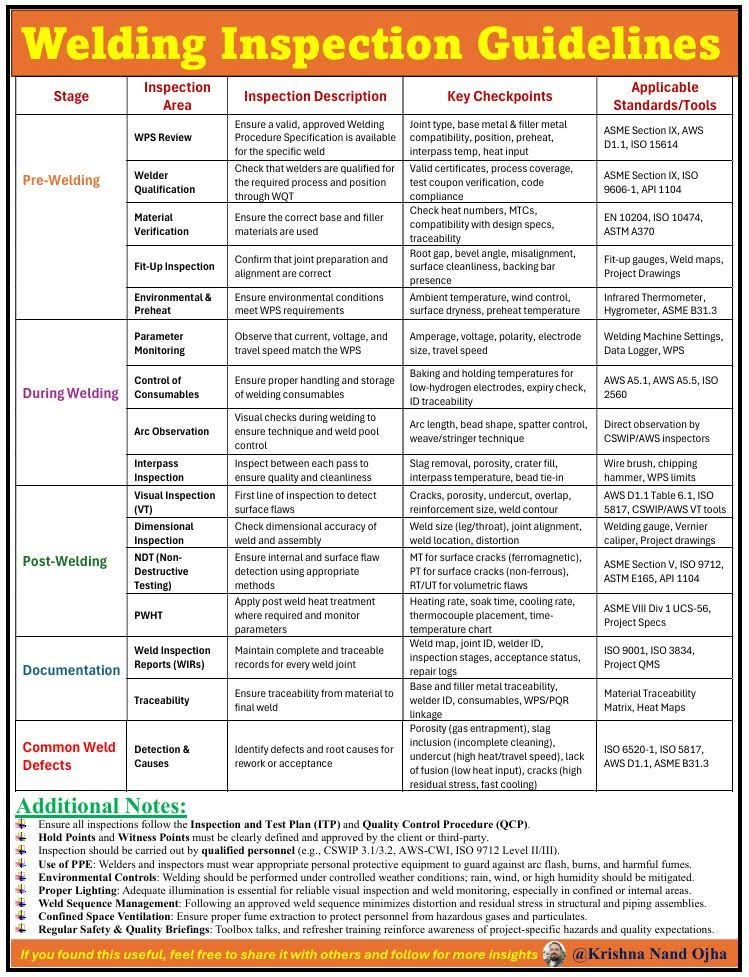
🔍 Detailed Welding Inspection Guidelines in EPC & Industrial Projects
weldfabworld.com/welding-ins…
Welding is a critical activity in the construction of pressure vessels, piping systems, and structural components. Effective inspection practices ensure the integrity, reliability, and safety of the final product.
Here’s a comprehensive overview of key inspection guidelines followed across all welding stages:
1️⃣ Pre-Welding Inspection:
Before welding begins, verify that an approved WPS (Welding Procedure Specification) is available and suited for the materials, joint type, and position. Confirm welder qualifications are valid, and material certificates (MTCs) are reviewed for grade and traceability. Conduct fit-up inspections to ensure correct bevel angles, root gaps, alignment, and cleanliness. Environmental checks like preheat temperature and wind shielding are crucial to maintain weld quality.
2️⃣ During Welding:
Continuous monitoring is essential. Check that voltage, current, and travel speed comply with the WPS. Consumables should be properly stored and handled, especially low-hydrogen electrodes that require baking. Inspectors should observe the arc, bead formation, and interpass cleaning to catch issues early. Ensure interpass temperature is within specified limits to avoid metallurgical problems.
3️⃣ Post-Welding Inspection:
Start with a thorough visual inspection (VT) for surface defects like porosity, undercut, cracks, and overlap. Dimensional inspection ensures the weld size, throat thickness, and alignment meet design criteria. Apply appropriate NDT methods—such as PT, MT, RT, or UT—based on the weld’s criticality and material. For code-stipulated cases, ensure post-weld heat treatment (PWHT) is applied and monitored with proper documentation.
4️⃣ Documentation & Traceability:
Maintain detailed records including WPS, PQR, welder IDs, inspection reports, NDT results, and repair logs. Traceability should extend from base material to final weld joint to meet QA/QC and client requirements.
5️⃣ Additional Best Practices:
✔ Ensure calibrated equipment and proper lighting
✔ Enforce use of PPE and fume ventilation in confined spaces
✔ Avoid over-welding and unnecessary repairs
✔ Follow approved weld sequences to minimize distortion
✔ Conduct regular toolbox talks to reinforce safety and quality awareness
Effective welding inspection is not just about compliance—it’s about building safe, sustainable infrastructure. A well-structured inspection system helps prevent failures, reduce rework, and deliver quality consistently.
✨ Found this valuable?
#WeldingInspection #EPCProjects #QAQC #WeldingEngineering #FabricationQuality #NDT #WPS #PQR #CSWIP #ASME #ProjectExecution #OilAndGas #WeldingStandards #ConstructionExcellence #fblifestyle
77

3 Sep 2025
إعلاان وظيفي :
تعلن شركة مقاولات كبرى في الرياض عن توفر شاغر وظيفي لكل من :-
مراقب جودة لحام مواسير فولاذية
مراقب جودة عزل لحام مواسير فولاذية
مدير ضبط جودة لحام مواسير فولاذية
مدير ضبط جودة عزل
مشرف أعمال عزل اللحامات
فني عزل اللحامات
فني تنظيف اللحامات بالقشط
مشرف تركيب مواسير
فني تركيب مواسير
مشغل ماكينة لحام أتوماتيك
فني أعمال اللحام
فني تنظيف اللحام والسنفرة والقص
لديه شهادات مهنية في في اللحامة والعزل
CSWIP 3.1 / 3.2 - AWS-CWI
وشهادة مهنية في العزل
BGAS - NACE
لحامل دبلوم فني ولديه خبرة ثلاث سنوات خبرة إلى خمس سنوات
المتطلبات :
•دبلوم فني
•عظوية فني سارية
•خبرة 3 – 5 سنوات
•المقدرة على المباشرة فورا
•الراتب يحدد بعد المقابلة
لمن يجد في نفسه الرغبة التقديم على الايميل التالي مع كتابة اسم الوظيفة في عنوان الايميل
Ibraheem.a.cv@gmail.com
1
2
5,700

29 Aug 2025
We are delighted to share highlights from the international BGAS-CSWIP Painting Inspector (Grade 2) training held on 11-15 August 2025 for Quality Control employees of SOCAR OGCT.
#TWI #TWITrainings #CTS #Training #BGAS #CSWIP #PaintingInspector #SOCAR #CaspianTechnicalSolution
2
61

24 Aug 2025
록히드마틴 용접사 Man/Daily가 22,00 dollaras라는 말을 듣고서도 아무도 영어 공부를 하지 않음.용접사중 Tig/6GR이 모두 가능한,심지어 cwi/cswip cert를 가지고 있는 Qualified된 이들 같은 고기량자 중에서도그만큼 낮선 장벽이란게 넘기가 어려운 것 임.
4
30
3,547

20 Aug 2025
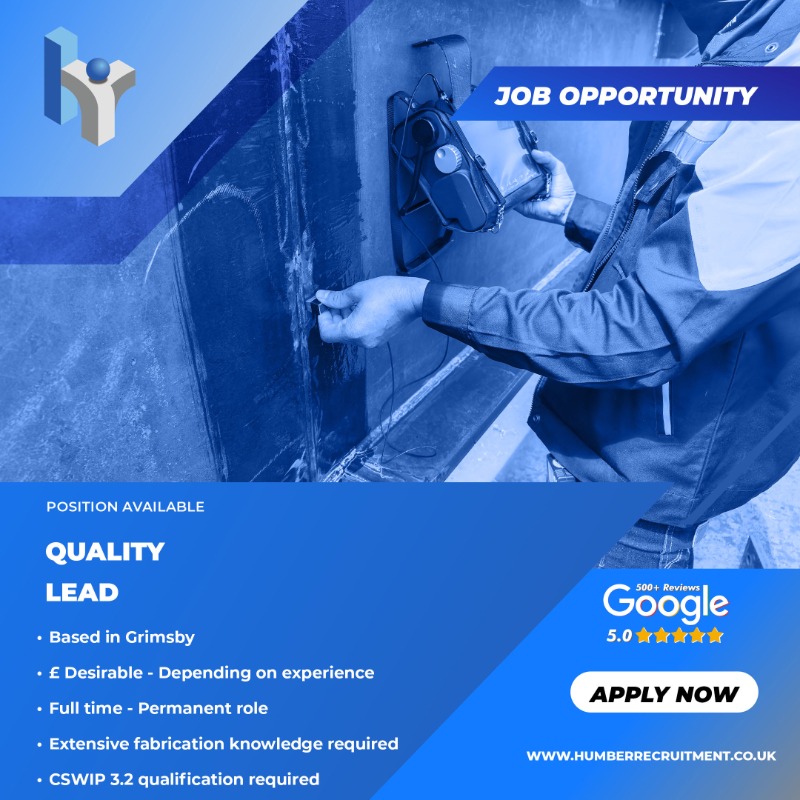
🔥 New opportunity in Grimsby! 🔥
👷♂️ Quality Lead
📍 Grimsby
💷 Desirable salary & benefits
🗓️ Full-time | Permanent
🧑🏭 Extensive fabrication knowledge required
🎓 CSWIP 3.2 required
Apply below or call 01472 729768 📞
#QualityLead #EngineeringJobs
2
2
42