Preservation Chicago: Love Your City Fiercely! ® retweeted

Caisson permit issued for new DePaul Basketball practice facility
@DePaulU | @DePaulAthletics | @HNTBCorp | @AntunovichAssoc | Bulley & Andrews
chicago.urbanize.city/post/c…
1
2
299

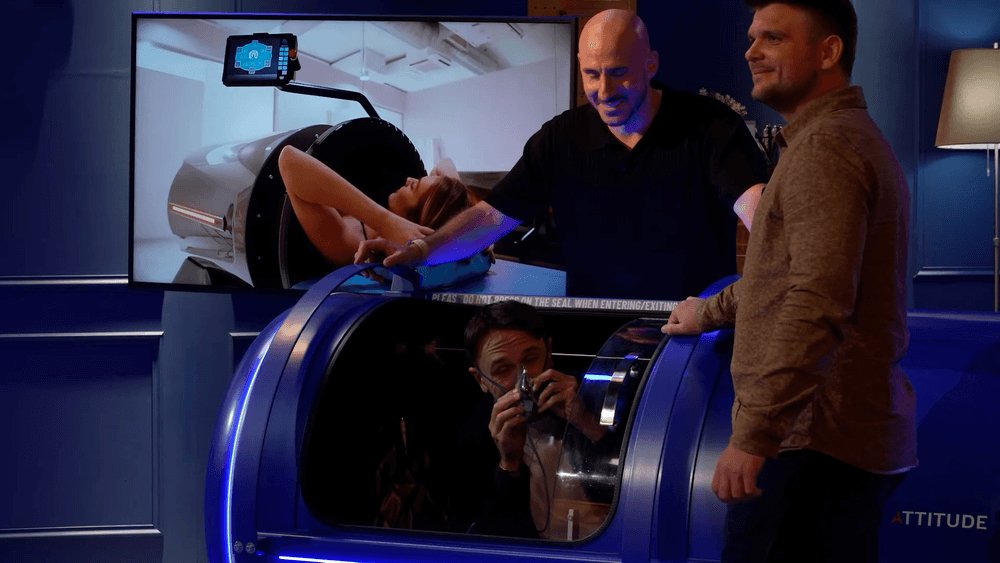
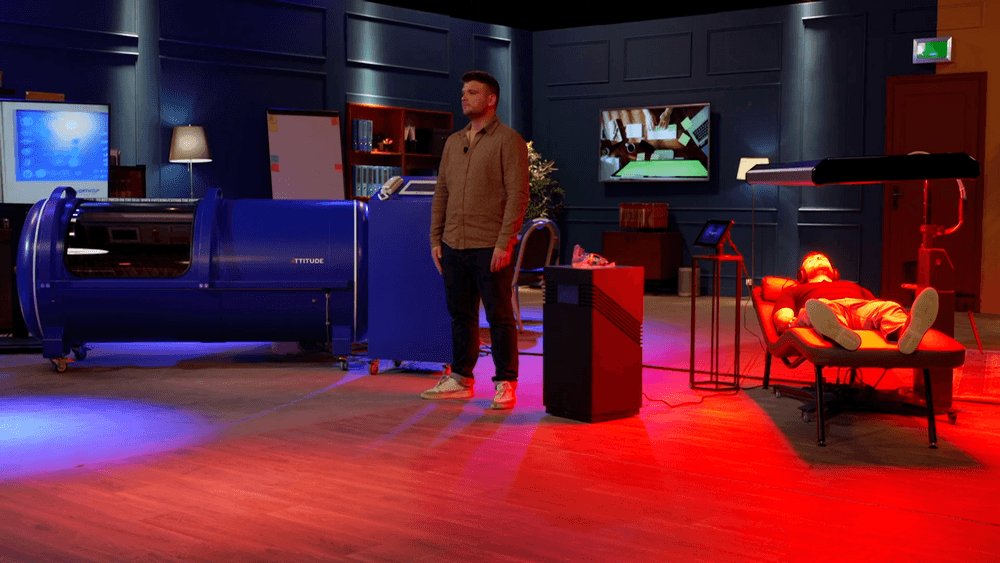
Alex coincé dans un caisson à oxygène, une IA qui remplace les mannequins, un boîtier contre le ronflement pour 2 millions de couples qui dorment à part, et un studio de biohacking qui coache des combattants de l'UFC.
Épisode 5 de Business ou Talent 👀
youtube.com/watch?v=yJ9G1zqI…


403

雪村雪緒🔞C108日曜-東G03b retweeted

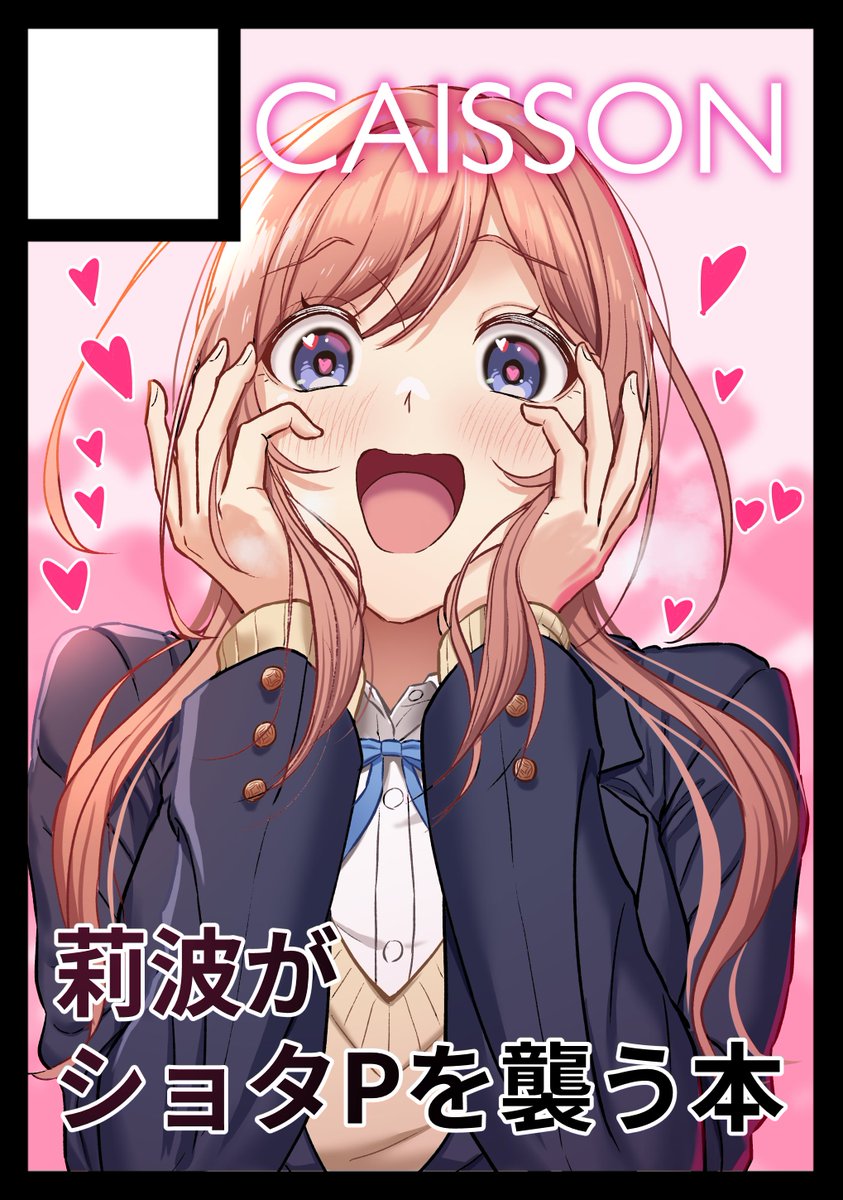
◎貴方のサークル「CAISSON」は、日曜日 東地区 東7ホール G03b に配置されました。
当選しました!
商業原稿の合間を縫って莉波本を出せるようにしたいと思います
2
59
88
8,783

"Biar apa ya?"
Yang kalian lihat itu bukan show-off.
Itu pasukan berkuda Paspampres protokol kenegaraan resmi.
Fungsinya pengawalan keamanan VVIP sekaligus representasi simbolik kehormatan bangsa kepada tamu negara. Ini Bukan pertama kali dilakukan. Pernah dilakukan saat menyambut Presiden Macron, PM Li Qiang
Btw, Negara lain juga melakukan hal yang sama.
Inggris punya King's Troop Royal Horse Artillery.
Amerika punya Old Guard Caisson Platoon.
Prancis melakukan hal serupa di Bastille Day bahkan mengundang pasukan TNI-Polri Indonesia tampil di sana tahun lalu.
lucunya....
Kalau Indonesia tidak menyambut tamu negara dengan hormat, pasti yang protes juga kalian.
"Kok nggak ada protokolnya? Memalukan."
Dipakai protokol resmi, dipertanyakan juga.
Jadi maunya apa?
4
2
20
2,633

Fuck off bitch. I served in the MDW, Ive buried over 2000 veterans, I founded the Ft. Sam Houston Caisson Section, and i was an Infantryman with 10th Mountain Div, and I am proud of every moment I saw.
14

Faut quand même être très très con pour aller se faire sauter le caisson pour les intérêts de ses ennemis
Ou bien être très gauchiste et avoir une Prédisposition pour le masochisme
2

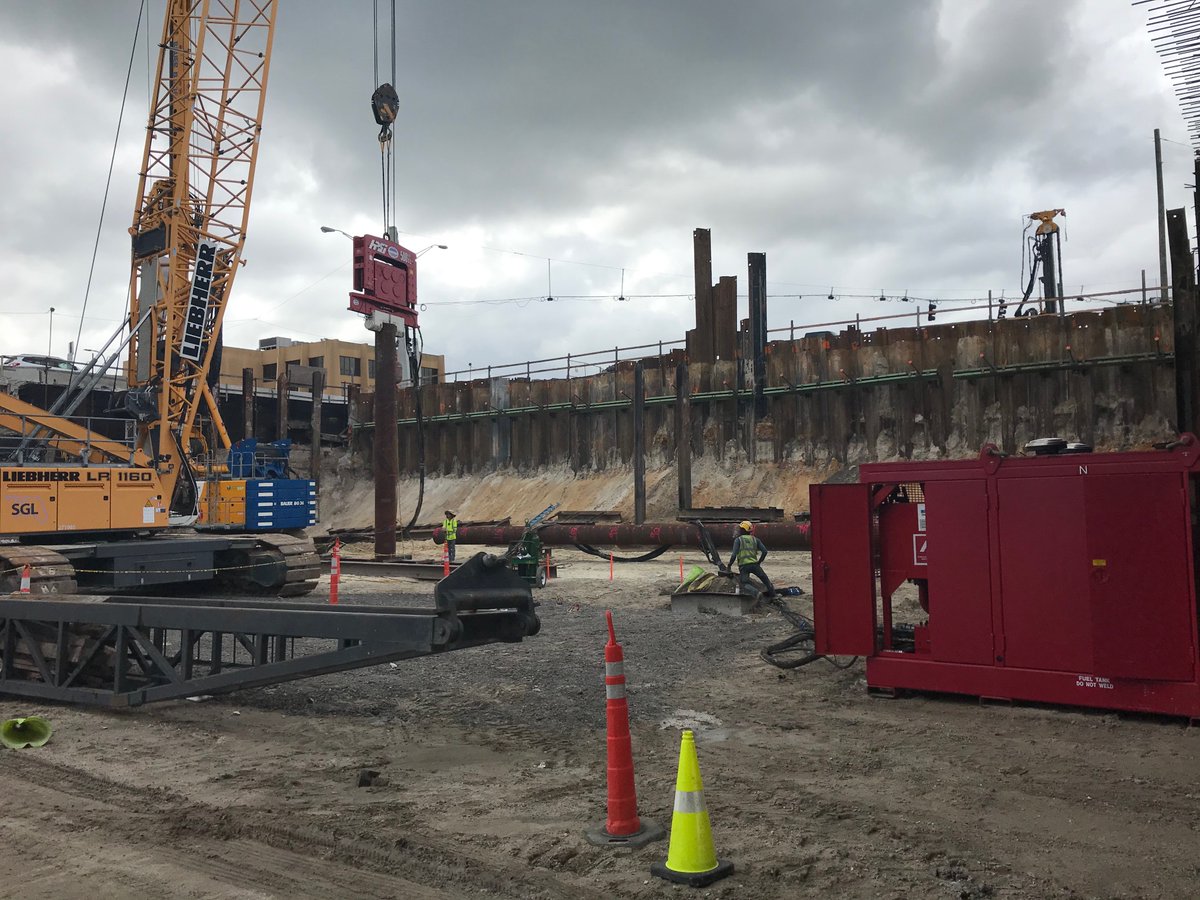
An HPSI 500 Vibratory Hammer outfitted with caisson beam and clamps on site with SGL Constructors on the I-4 project in Orlando, FL
1
99


Jun 14
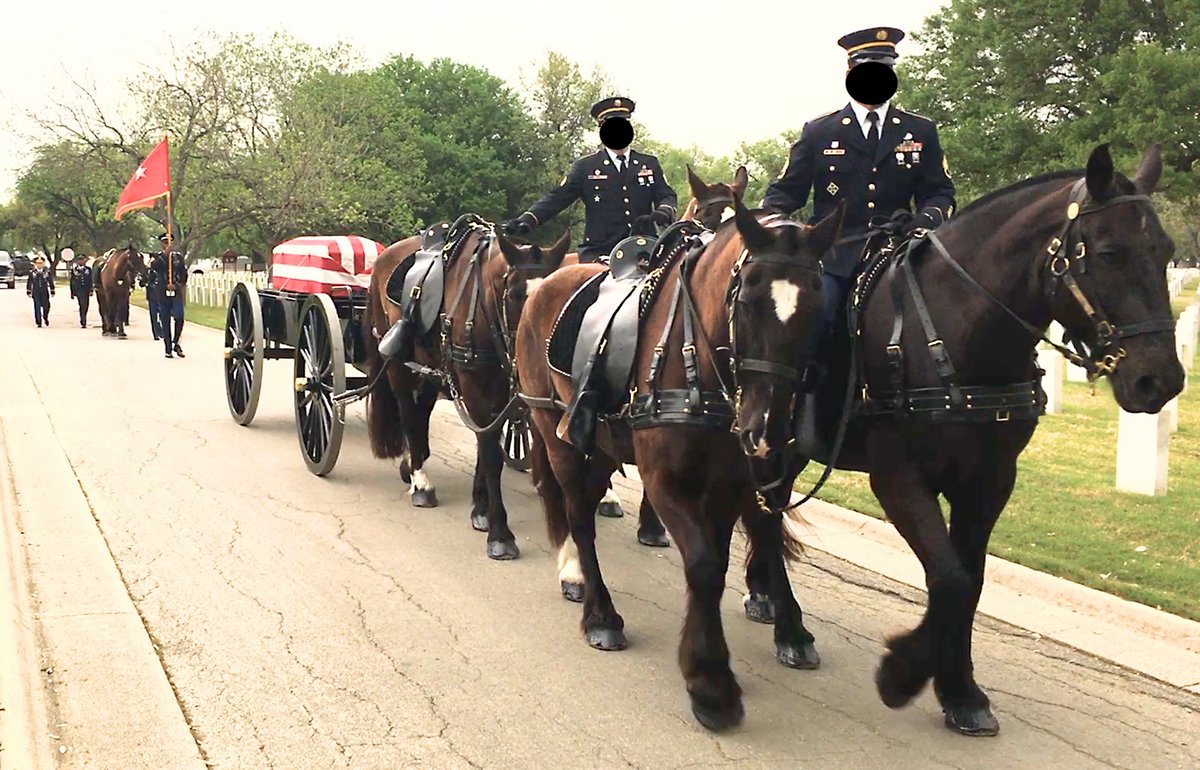
This was Fort Sam Houston. We had an MOU with Arlington Caisson Det. They used Quarter Horses; we had Percherons.
1
2
33
Jako Pasto retweeted

13 Dec 2023
Oui il veut se faire déboiter le caisson par tout le monde entier.
Et Toc les homophobes mdr ✊🇪🇺🏳️🌈🌿
2
13
113

Jun 14
In northwestern China, there is a city where the desert meets history, and where every gust of wind seems to carry the echoes of the Silk Road.
That city is called Dunhuang (敦煌).
Once a vital hub along the ancient Silk Road, Dunhuang has never really lost its power to draw people in. Today, Dunhuang is one of China's most beloved tourist destinations. Here, visitors can explore relay station ruins dating back more than 2,000 years, as well as breathtaking natural landmarks such as Singing Sand Dunes, and Crescent Spring. Of course, the best-known attraction is the Mogao Grottoes (莫高窟).
The Mogao Grottoes were first constructed in 366 AD. Today, more than 700 caves remain, preserving a vast collection of exquisite Buddhist statues, murals, and painted sculptures. Here, you can find written millennium-old records about Indian methods of making sugar from sugarcane, and also discover images of the sun god in the murals influenced by ancient Greek and Roman art.
Dunhuang also offers spectacular performances. Dressed in elaborate costumes and styled with exquisite detail, the performers seem to step straight out of the ancient murals. They dance, play traditional instruments, and bring thousand-year-old art back to life under the lights of the stage.
Coincidentally, the director of these performances happens to be a friend of mine.
Recently, another "attraction" of Dunhuang has gone viral across China. You might not expect it, but this time, the tourist landmark is a public restroom.
Yes, you read that correctly.
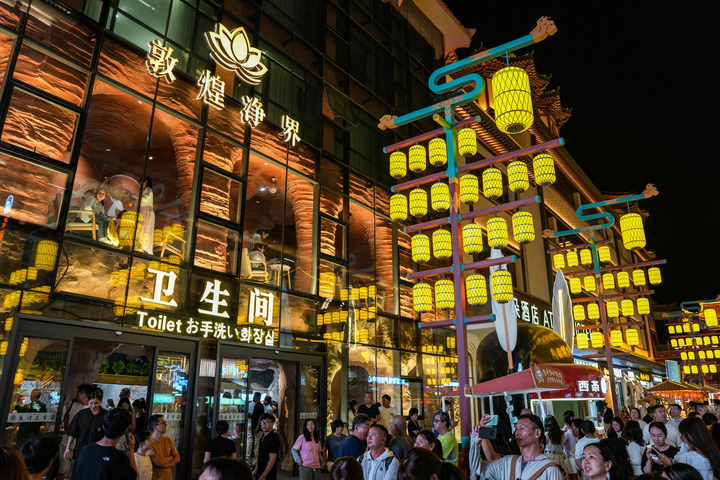
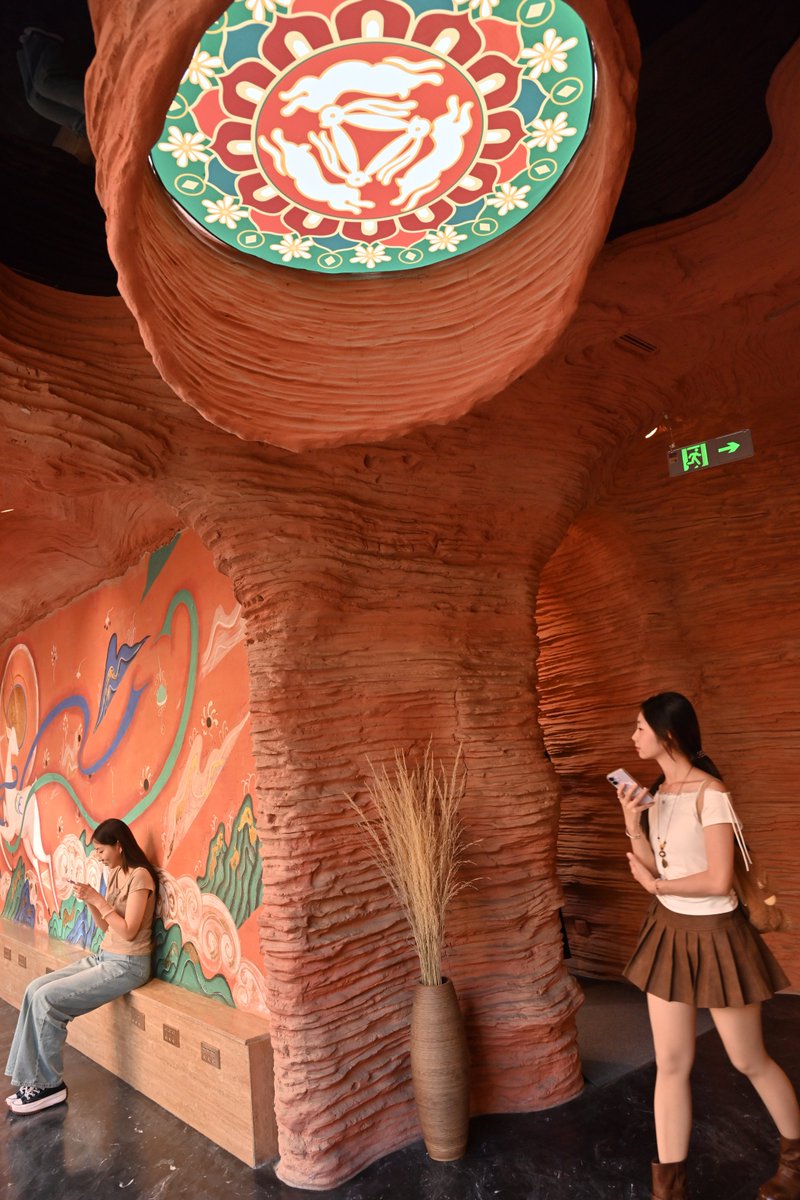
It's called Dunhuang Pure & Clean Space (敦煌净界, top left) .
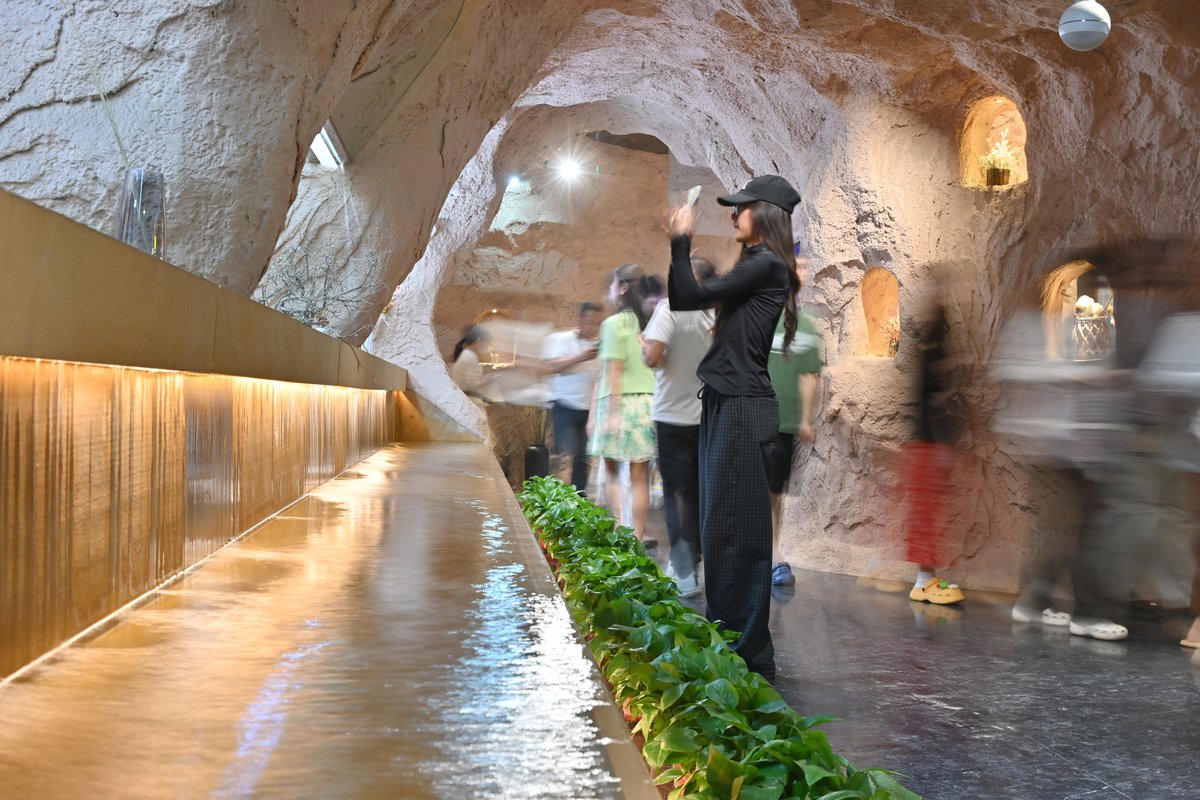
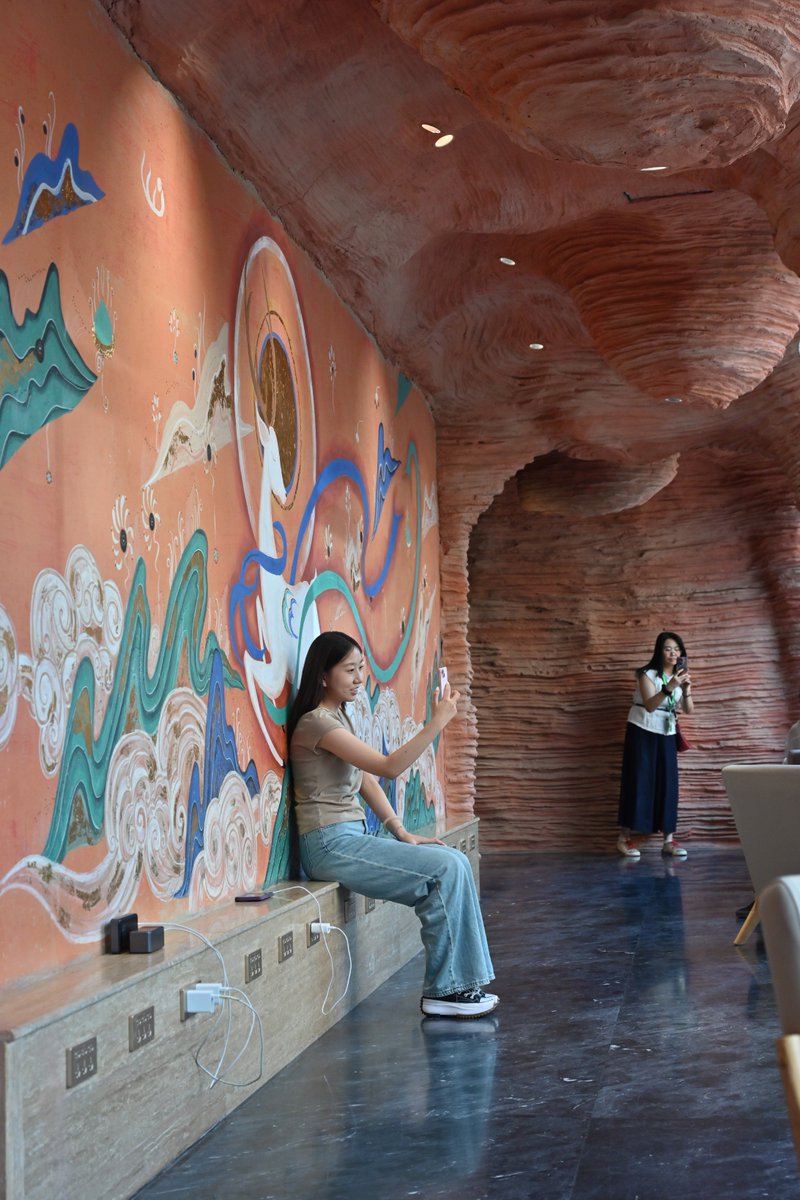
Located near a bustling night market in downtown Dunhuang, this restroom was transformed from an old, idle building. Once an ordinary and overlooked space, it has now been transformed into a cultural restroom that attracts crowds of tourists eager to visit, experience its unique design, and take photos (top right).
More importantly, it also solves a very real problem: providing clean, comfortable, and convenient facilities for visitors in the city's busiest areas at night.
The first floor features the style of a gray sandstone cave. Water flows gently in front of the mirrors, green plants add a sense of freshness, and a subtle fragrance fills the air.
On the second floor, the walls are painted with the classic Nine-Colored Deer mural, while the ceiling is decorated with motifs from the Mogao Grotto, such as the "Three Hares Sharing Ears" and the lotus caisson ceiling (bottom left).
The Three Hares Sharing Ears pattern shows three rabbits chasing one another, with each pair sharing a single ear. This mysterious pattern appears more than 20 times in the murals of the Mogao Grottoes. Similar designs have also been found in ancient Greece and Afghanistan, etc.
According to current research, the Three Hares Sharing Ears motif first appeared in Dunhuang in the 6th century. Between the 9th and 11th centuries, it spread along the Silk Road to Central Asia and West Asia, and from the 13th to 16th centuries, it reached Egypt and various European countries.
It quietly records a grand journey of cultural exchange across continents.
The Nine-Colored Deer is a famous story depicted in the murals of Dunhuang. In one of his previous lives, Shakyamuni Buddha was once a deer with nine colors. One day, by a river, the deer rescued a drowning man. In return, it asked for only one thing: that the man never reveal its existence (bottom right).
However, not long after, the queen dreamed of the beautiful deer and wanted to possess its radiant hide. The king then issued a notice offering a generous reward to anyone who could find the deer. When the rescued man heard about the reward, he gave in to temptation and betrayed the deer's whereabouts.
The man then led the king and his troops into the forest. But instead of fleeing, the Nine-Colored Deer calmly stepped forward and revealed the truth: it had once saved this very man from drowning. Moved, the king ordered that it must never be harmed. The man who betrayed soon paid for his greed, as sores began to break out all over his body.
Inside this restroom, these ancient stories are no longer locked away in caves or museums. They appear on walls, ceilings, mirrors, and everyday details.
At the same time, the space is not only beautiful, but genuinely useful. It includes smart crowd-monitoring screens, charging outlets, vanity areas, and rest spaces for visitors.
Sophisticated cultural tourism does not always mean placing culture behind glass. Sometimes, it means allowing thousand-year-old murals, legends, and aesthetics to enter ordinary daily life.
You may think you are simply stepping into a restroom. But in Dunhuang, even such a brief stop now becomes an encounter with art, history, and the romance of the Silk Road.
3
17
69
2,893


Jun 14
But if fate me should call
And in action I should fall
Keep those Caissons a rolling Along
Then in peace I’ll abide
When I take my final ride
On a Caisson that’s Rolling Along
1
1
4

Poutine finira comme ton pote, une bastos dans le caisson.
1
67