
9 Dec 2025
New Blood Test now available in Rhode Island as simpler, more convenient option to screen for Colon Cancer
#coloncancer #RhodeIsland #CancerScreenWeek rinewstoday.com/new-blood-te…
1
4
3
204

Early detection can help save lives and improve outcomes for people living with cancer. This #CancerScreenWeek, take the Spot Her quiz to learn how to “spot” the signs and symptoms of endometrial cancer (EC) early, when it may be more treatable: bit.ly/SpotHer_ForEC
2
6
193

8 Dec 2024
#VETERANS:
During this year’s #CancerScreenWeek, VA is encouraging Veterans to get screened. Veterans often have different screening criteria and risks of cancer from the general public so talk with your VA care provider. cancer.va.gov/learn-about-ca…
#CancerScreening #AGBSupported
@ttrmsp @tedbeezy33
8 Dec 2024

During this year’s #CancerScreenWeek, VA is encouraging Veterans to get screened. Veterans often have different screening criteria and risks of cancer from the general public so talk with your VA care provider. cancer.va.gov/learn-about-ca…
#CancerScreening
ALT Text: Cancer Screen Week
1
1
3
102

8 Dec 2024
During this year’s #CancerScreenWeek, VA is encouraging Veterans to get screened. Veterans often have different screening criteria and risks of cancer from the general public so talk with your VA care provider. cancer.va.gov/learn-about-ca…
#CancerScreening
ALT Text: Cancer Screen Week
1
11
16
2,720

7 Dec 2024
Researchers are studying different approaches for #AnalCancer screening, including one that allows people to self-collect samples for testing. Learn more from NCI’s Division of Cancer Epidemiology & Genetics. go.nih.gov/caTxBNs
#CancerScreenWeek
1
2
1,797

5 Dec 2024
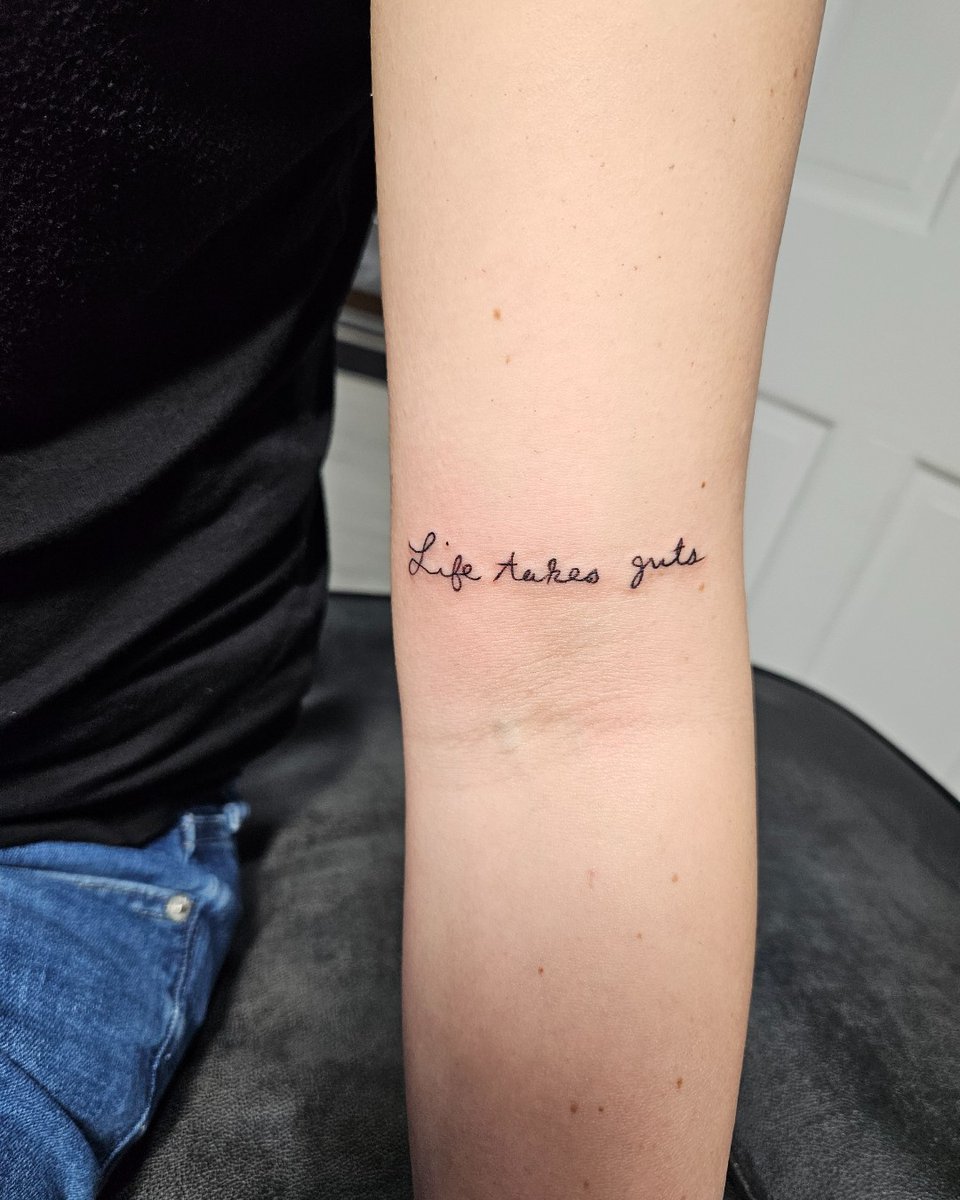
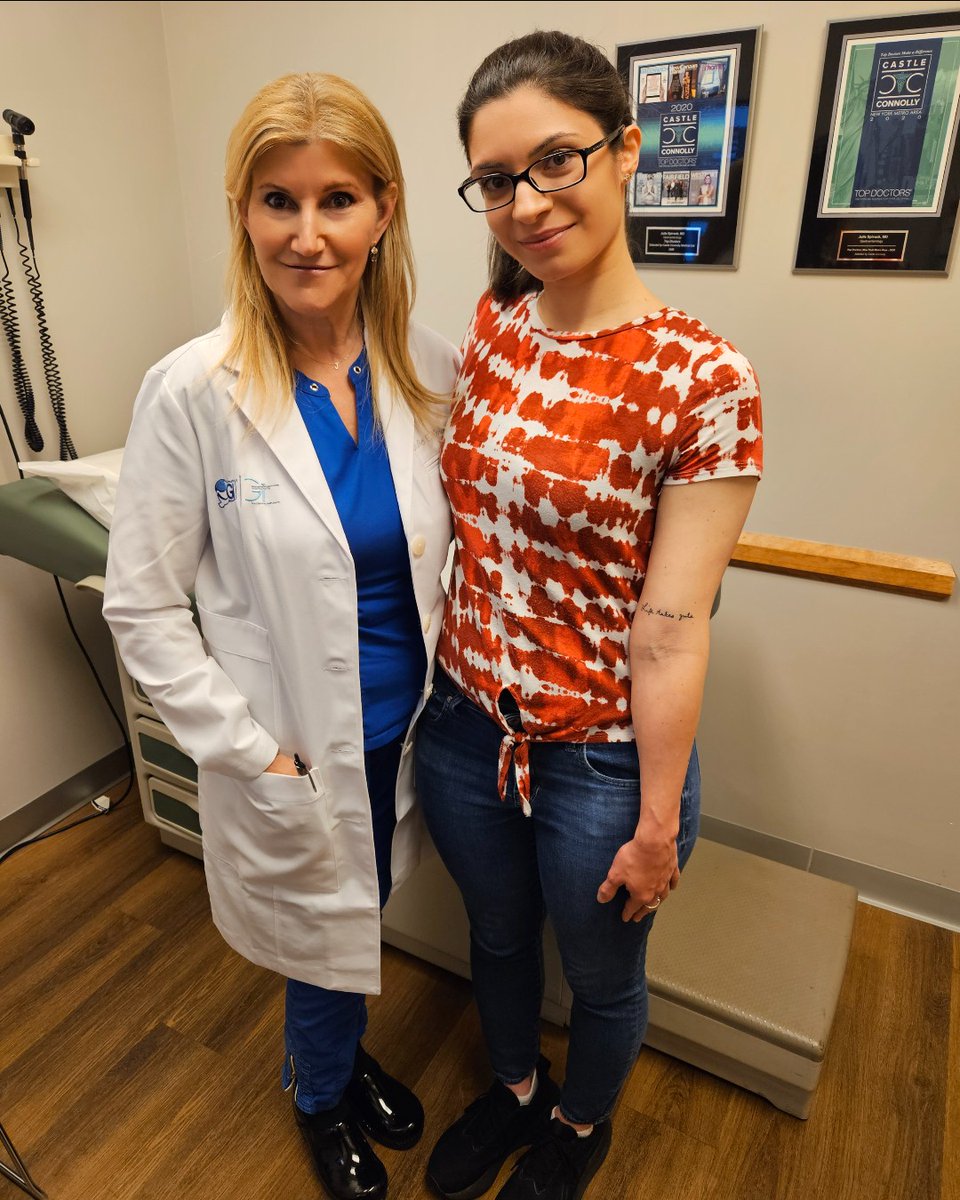
Did you know that IBD patients like Rosa are six times more likely to develop colorectal cancer than the general population?
It's important for Crohn's Disease & Ulcerative Colitis patients to stay on top of their regular colonoscopies not only to monitor the IBD condition, but also to screen for precancerous tissues and polyps.
Colorectal cancer is preventable and treatable when caught early. This week is #CancerScreenWeek, make sure to get screened! Take this short screening quiz 👉 quiz.getscreened.org
2
4
727

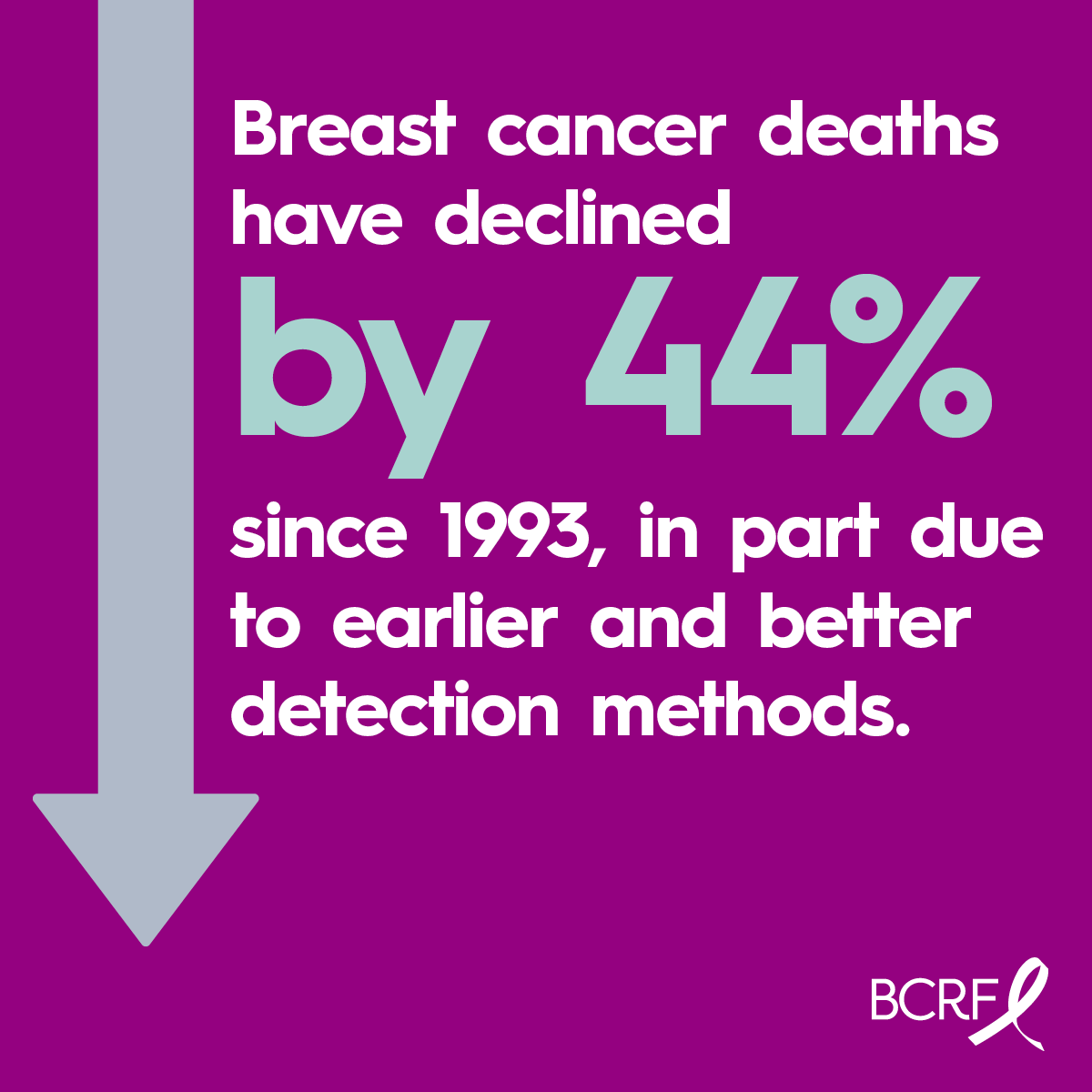
This #CancerScreenWeek, BCRF urges everyone eligible to book their annual mammogram. Despite incredible strides in screening made possible through research, there is still a critical need for better screening technology and more personalized screening.
bit.ly/3803MXf
3
8
1,383

4 Dec 2024
Cancer screening is the best way to catch cancer before symptoms appear and when it’s easier to treat. It’s #CancerScreenWeek—a reminder to talk to your doctor to learn about what cancer screening is recommended for you. Learn more: go.nih.gov/LUvTRWH
4
8
1,091
4 Dec 2024
Cervical cancer is preventable through vaccination against #HPV, screening, and clinical management of abnormal results. The Enduring Guidelines are designed to recognize & reduce disparities in #CervicalCancer prevention. Read more: go.nih.gov/S3bk0SV #CancerScreenWeek
1
6
7
1,617

4 Dec 2024
According to the American Cancer Society, getting regular screenings is essential to finding cancer early and taking control of your health. Learn more about cancer screening at CancerScreenWeek.org.
#CancerScreenWeek
3
77

8 Dec 2023
As #CancerScreenWeek comes to a close, visit our blog to learn more about some of the most common second cancers in #ChildhoodCancer survivors, symptoms to watch for, and what survivors can do to help safeguard their long-term health:
childrenscancercause.org/blo…
2
3
103

Skin cancer is the most common form of cancer in the U.S., with more new cases diagnosed annually than breast, prostate, lung and colon cancer combined. Learn more from the National Council on Skin Cancer Prevention: bit.ly/3PFHSJM.
#CancerScreenWeek

3
1
527

8 Dec 2023
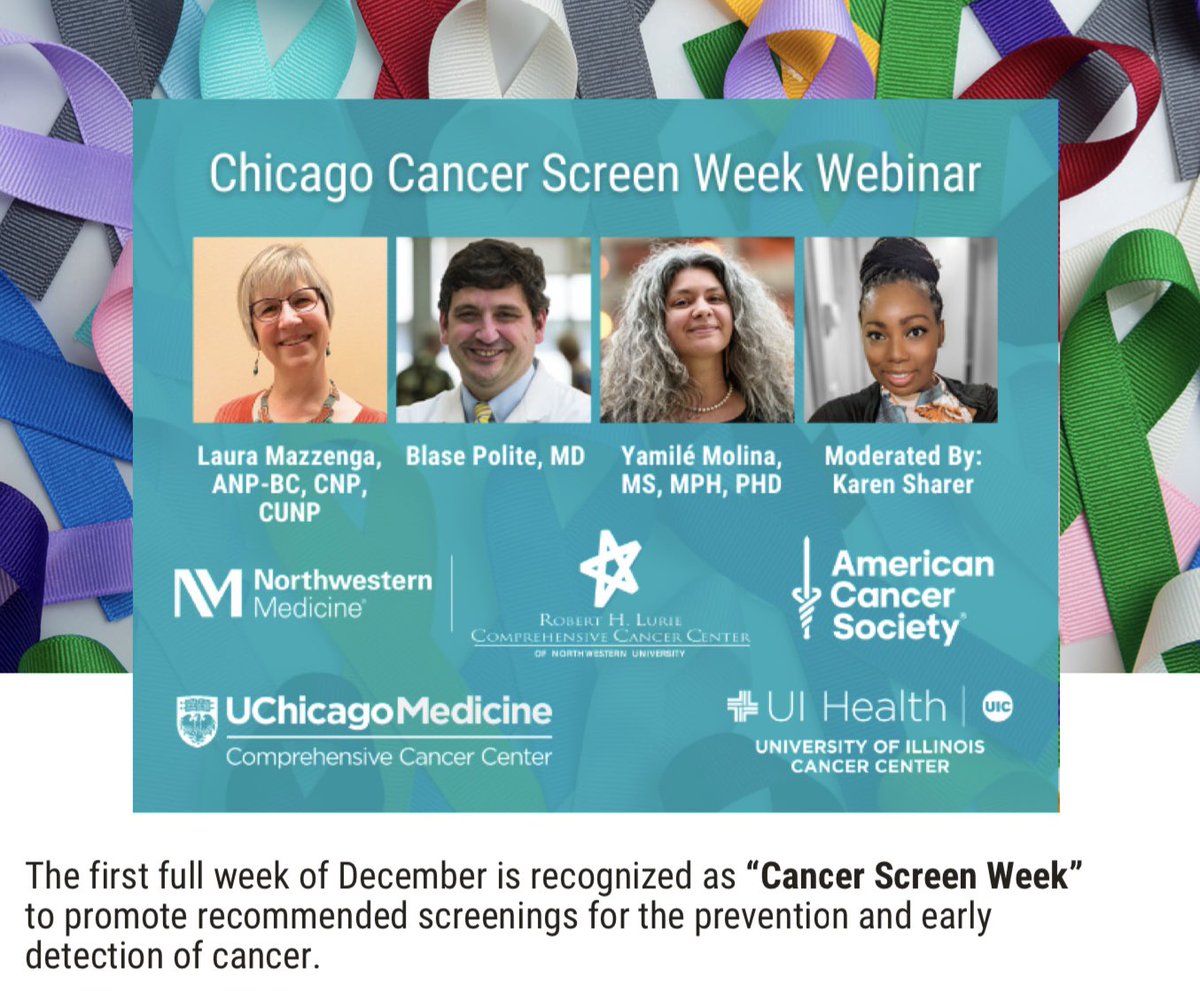
On Fri. Dec. 8 at 10 a.m. CT, our experts from @LurieCancer, @UICancerCenter & @UCCancerCenter will share information about the prevention and early detection of cancer. Register for our free #CancerScreenWeek Webinar here: bit.ly/3RfdOGn #pcsm #crcsm #bcsm
1
2
272
When it comes to cancer screening, don't neglect your skin. Skin cancer is the most common form of cancer in the US, with more new cases annually than breast, prostate, lung & colon cancer combined. Learn more from @skincancerprev: bit.ly/3PFHSJM.
#CancerScreenWeek
2
2
2
627

7 Dec 2023
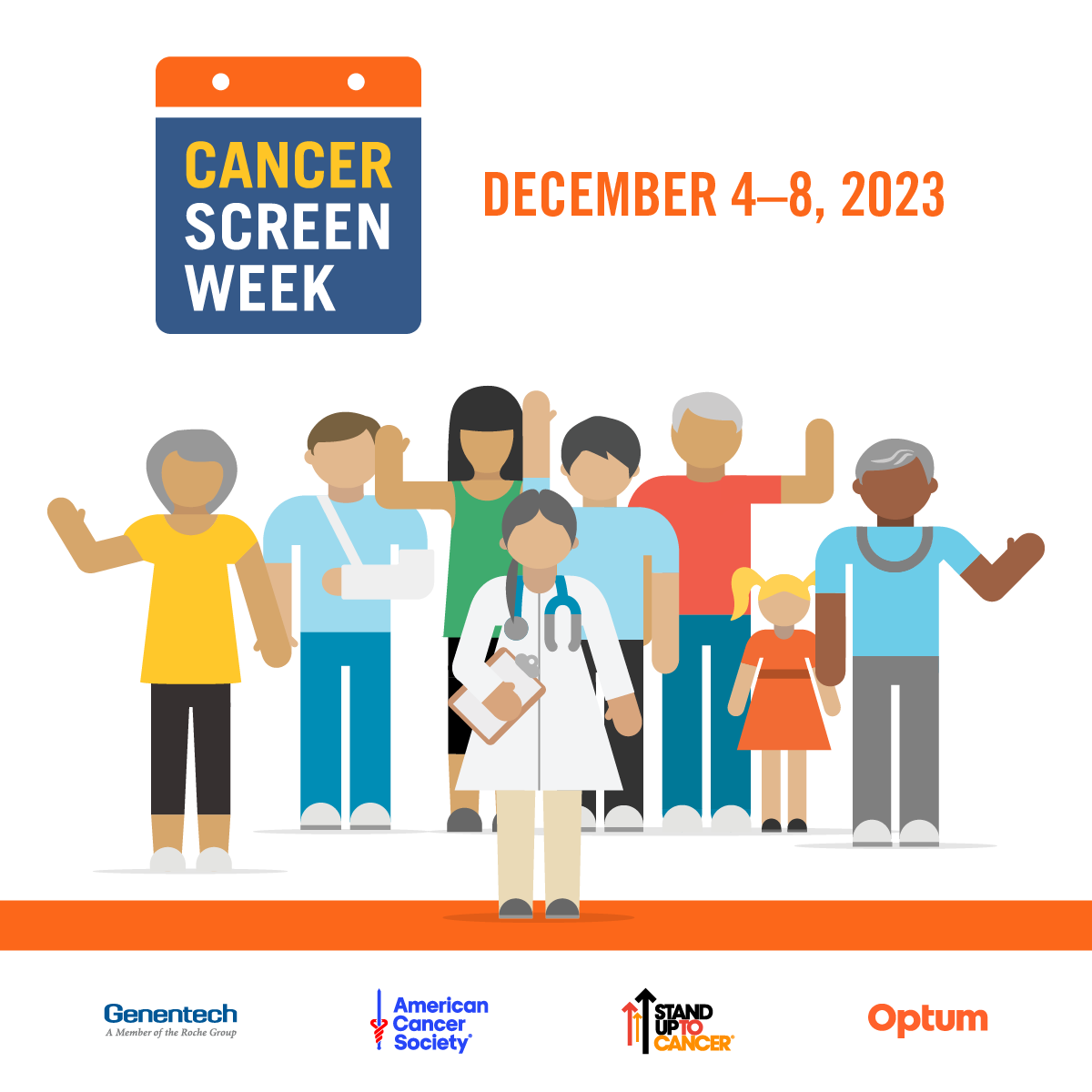
Cancer screenings are more important than ever. Take control of your future and visit #CancerScreenWeek to find out which screenings are recommended for you.
bit.ly/32Ekupi
1
4
144
7 Dec 2023
Far too many cancers are detected late, when treatment may be less effective. A new @theNCI-supported study estimates the # of lives that could be saved if more people receive currently recommended cancer screening. go.nih.gov/2Waw97y #CancerScreenWeek
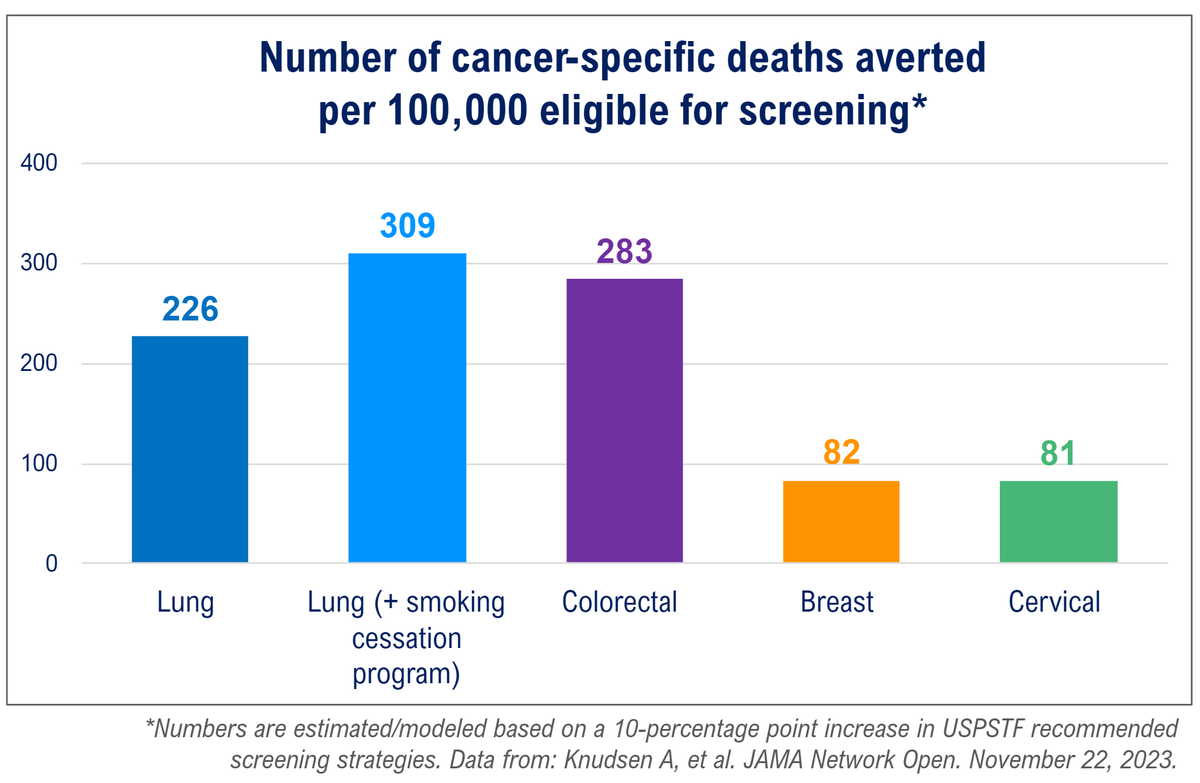
ALT A bar chart titled “Number of cancer-specific deaths averted per 100,000 eligible for screening*” showing the estimated deaths averted for lung, lung (plus smoking cessation program), colorectal, breast, and cervical cancers. *The numbers are estimated/modeled based on a 10-percentage point increase in USPSTF recommended screening strategies. The data are from Knudsen A, et al. JAMA Network Open. November 22, 2023.
1
13
18
5,026
7 Dec 2023
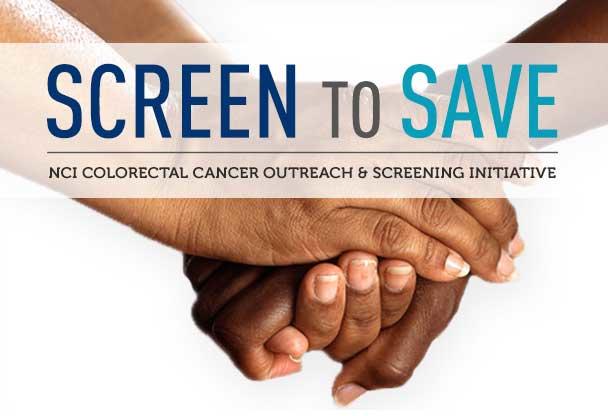
NCI community health educators and partners aim to increase #ColorectalCancer screenings through #ScreentoSave, a program designed for racially and ethnically diverse communities and in rural areas. spr.ly/6013RDSMU @NCICRCHD #CancerScreenWeek
1
1
6
1,813
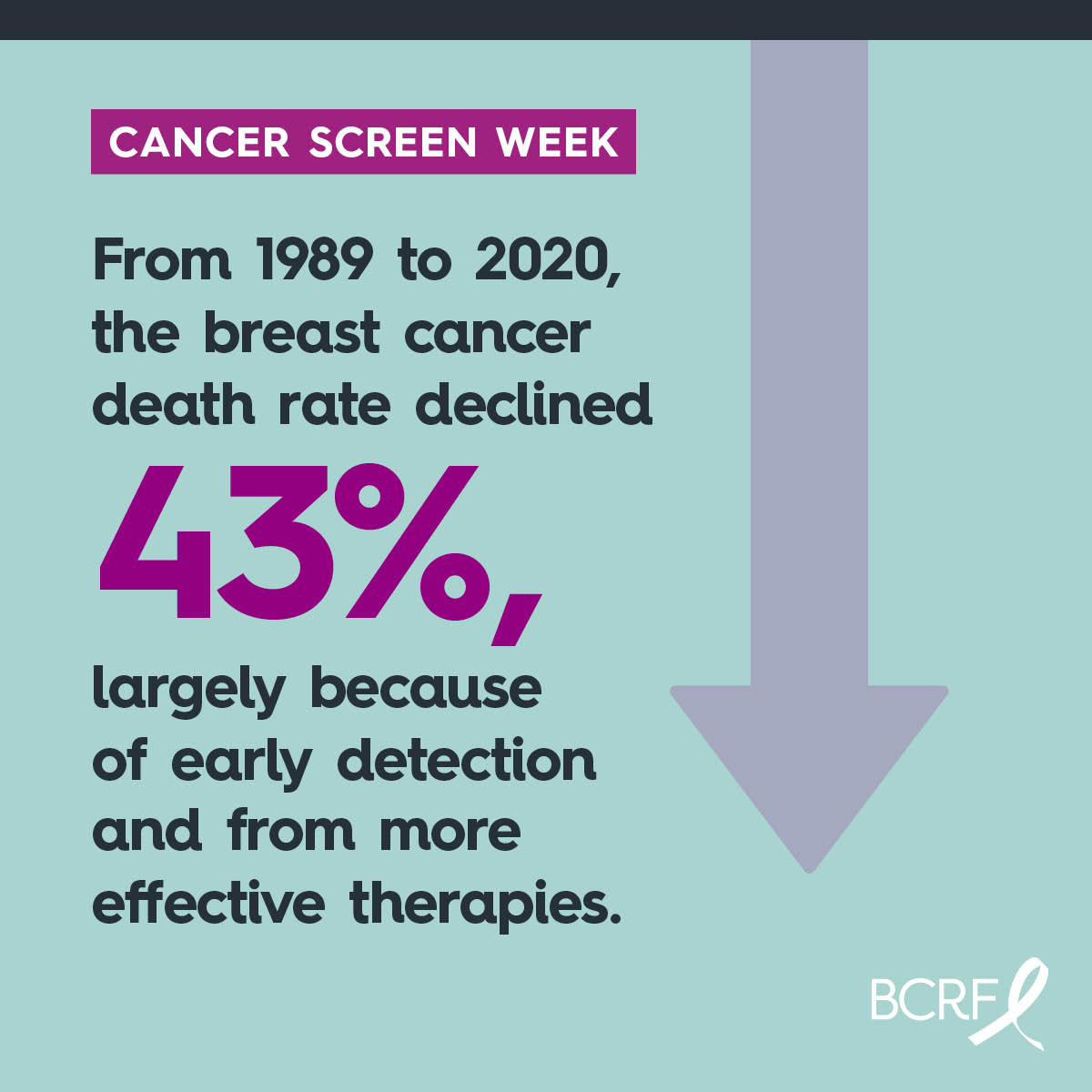
This #CancerScreenWeek, BCRF highlights the importance of screening and urges everyone who's eligible to book their annual mammogram.
For more information on breast cancer screening and answers to common questions, click below.
bit.ly/3803MXf
2
4
571

6 Dec 2023
I’ve already been screened for cancer.
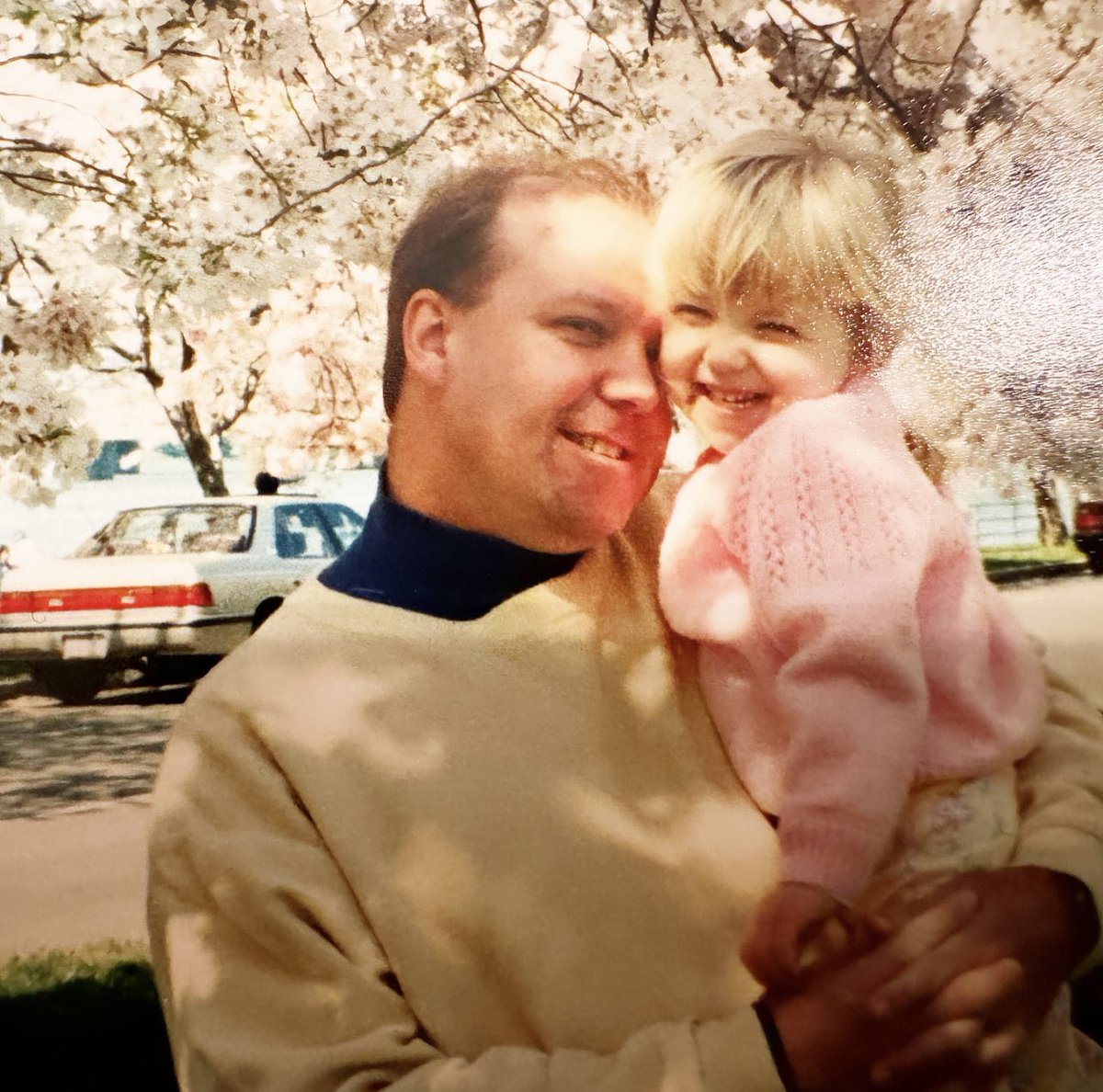
After my dad’s eight year battle with Stage 4 colon cancer, I wanted to know my risk factors. I worked with my doctor to schedule a colonoscopy at 26 years old, so I could have that peace of mind. The process is incredibly simple and frankly, not even that uncomfortable… especially when you consider the alternative. And the best news, everything came back clean!
I have teamed up with @su2c this #CancerScreenWeek to encourage everyone to work with your doctor to schedule your screenings. Early detection saves lives!
#StandUpToCancer bit.ly/4612Ytf
3
5
77
8,687

6 Dec 2023
It's day three of Cancer Screening Week. Today we're asking: Who should be screened for cancer? If you are in an at-risk category or fall within a recommended screening group, you should get screened for cancer.
lnkd.in/eRA4KZq
#CancerScreenWeek
59