
We hope the bunny didn’t skip your house this weekend… 🐰🍬 because we’re definitely still working through our stash over here.
#chocoholics #ChocolatePenniesMakeCents #CandyOverload
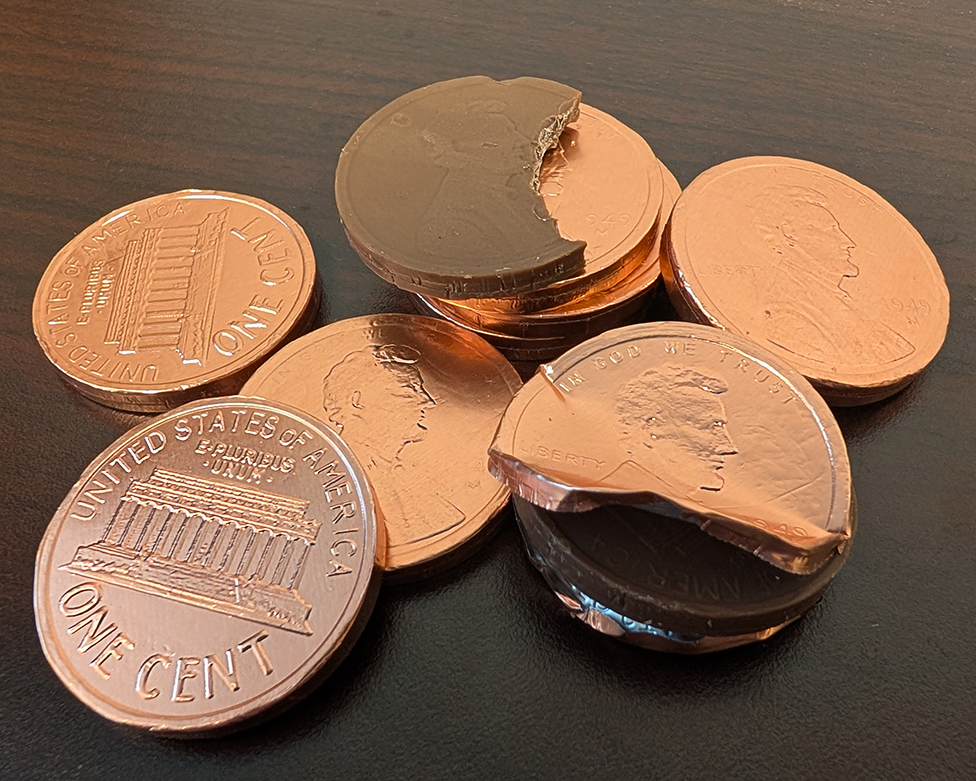
ALT Stack of U.S. pennies on a dark surface, with two coins partially bitten to reveal chocolate inside.
1
1
5
458

24 Apr 2025
Ugh, another Easter egg hunt? Found 10, all jelly beans. My dentist is thrilled. Send help (and chocolate)! 😭 #EasterFail #CandyOverload #KidsTheseDays
2
1
10

12 Nov 2024
"The Deadly Holiday Sins: A Cyber Journalistic Exploration"
By Jason Padilla Jr., Elementary Cyber Journalist, with Jason Padilla, Cyborg Journalist, and Grok
Introduction
In a unique and engaging exploration, young Jason Padilla Jr., with assistance from his father, Jason Padilla, and the AI companion Grok, delves into the theory that each major holiday corresponds with one of the seven deadly sins. This article aims to present this hypothesis through analytics and public sentiment data.
Halloween - Gluttony
Analysis: Halloween, with its focus on candy and indulgence, aligns with gluttony. Data shows a spike in candy sales and consumption during this period. Social media posts often celebrate the excess, with hashtags like #CandyOverload trending.
Public Sentiment: Surveys indicate a majority view Halloween as an excuse to overindulge in sweets, with comments like "I ate so much chocolate last night!" being common.
Christmas - Greed
Analysis: The holiday season, particularly Christmas, is synonymous with materialism. Analytics reveal an increase in consumer spending, with Black Friday and Cyber Monday sales breaking records each year.
Public Sentiment: Social media reflects a love-hate relationship with consumerism during Christmas, with posts like #GiftGiveaways and complaints about the pressure to buy.
Thanksgiving - Sloth
Analysis: Thanksgiving encourages a day of rest, heavy meals leading to naps, and general inactivity. Wearable tech data confirms a significant drop in average daily steps taken on this day.
Public Sentiment: Posts often humorously boast about doing nothing after dinner, with phrases like "Thanksgiving mode: activated."
Valentine’s Day - Lust
Analysis: This holiday is all about love, often with a sensual overtone. Sales of lingerie, romantic dinners, and date-night packages see a notable increase.
Public Sentiment: The day is filled with declarations of love and desire on social platforms, yet also critiques on the commercialization of romance.
Easter - Envy
Analysis: Easter brings about the tradition of egg hunts where children (and sometimes adults) compete for the best or most eggs. There's an underlying theme of wanting what others have.
Public Sentiment: Comments on social media often show children comparing their Easter baskets, with some posts highlighting envy or the desire for more chocolate.
New Year’s Eve - Pride
Analysis: The celebration of New Year's Eve often revolves around personal achievements, resolutions, and the pride of starting anew. Analytics show an uptick in self-improvement related content.
Public Sentiment: Posts celebrating the past year's successes and setting ambitious goals for the next, often with #NewYearNewMe.
Fourth of July - Wrath
Analysis: While not inherently negative, celebrations can sometimes escalate into displays of national pride that might turn into expressions of anger or frustration, especially in online debates.
Public Sentiment: Social media during this time can show a mix of patriotic fervor alongside heated discussions or arguments about freedom and rights.
Conclusion
This exploration by Jason Padilla Jr. supported by his father and Grok, suggests that holidays might indeed reflect human behaviors associated with the seven deadly sins. The analytics and public sentiment data provide an intriguing lens through which we can view these cultural phenomena. While not every celebration perfectly embodies a sin, the patterns observed through digital footprints offer a new perspective on our festive traditions.
Note: The data referenced in this article would be sourced from marketing reports, social media analytics, and public surveys, with privacy and data accuracy being paramount in the analysis process.
1
69

31 Oct 2024
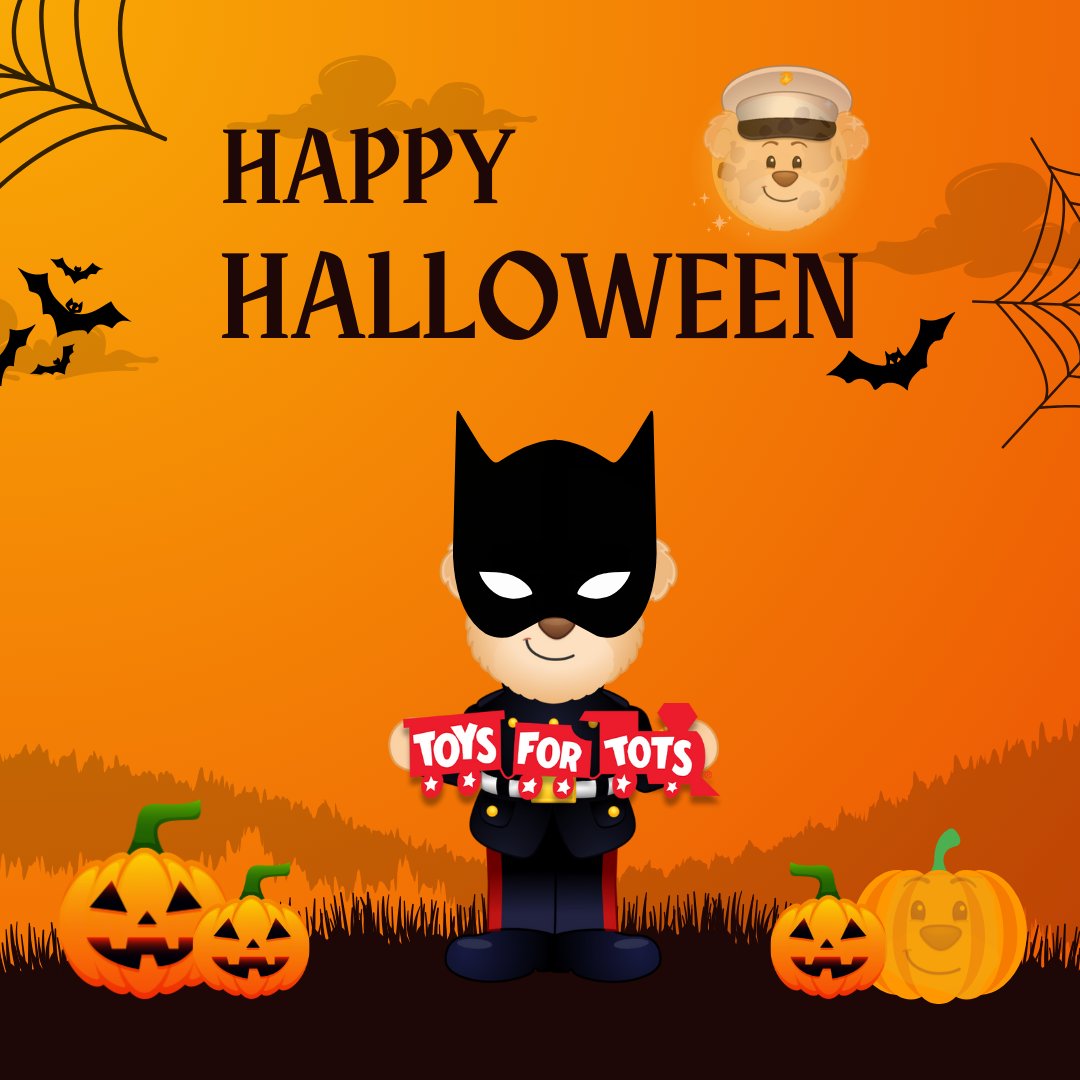
🎃👻 Happy Halloween! 👻🎃
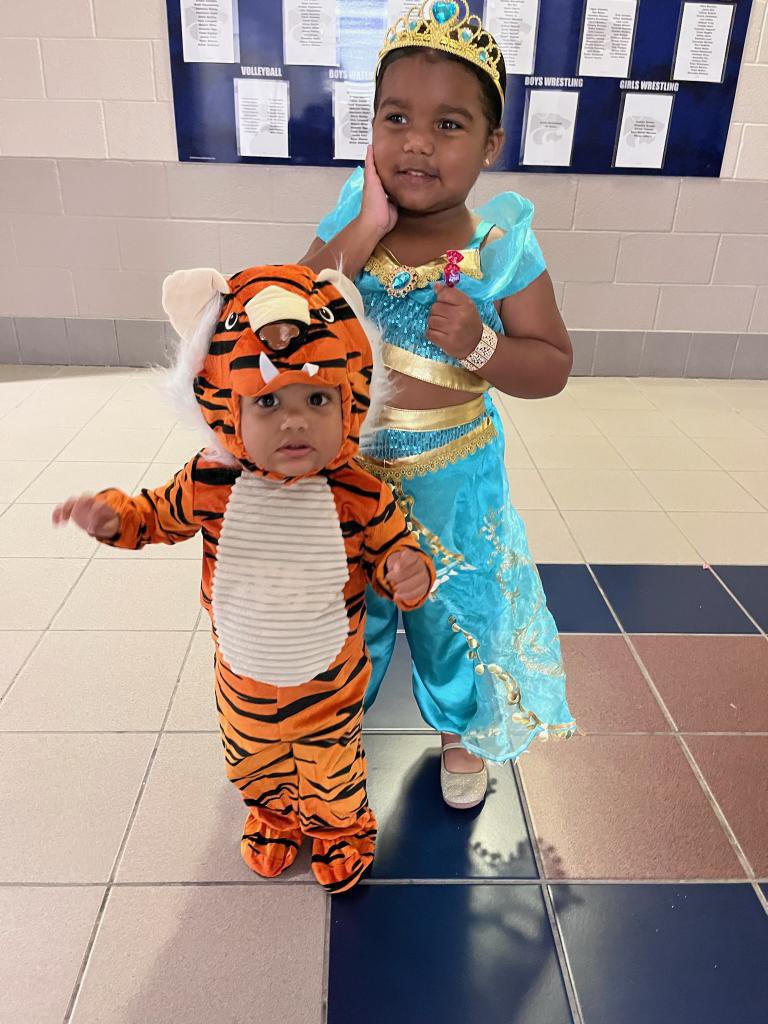
Time to put on your spookiest costume, eat way too much candy, and pretend that your kids' trick-or-treating is just a clever ruse for your own sweet tooth. 🍬😈
We hope you have the most fang-tastic Halloween ever! 🕸️👻🎉
#HappyHalloween #SpookySeason #CandyOverload #CostumeFun
2
4
163

3 Oct 2024
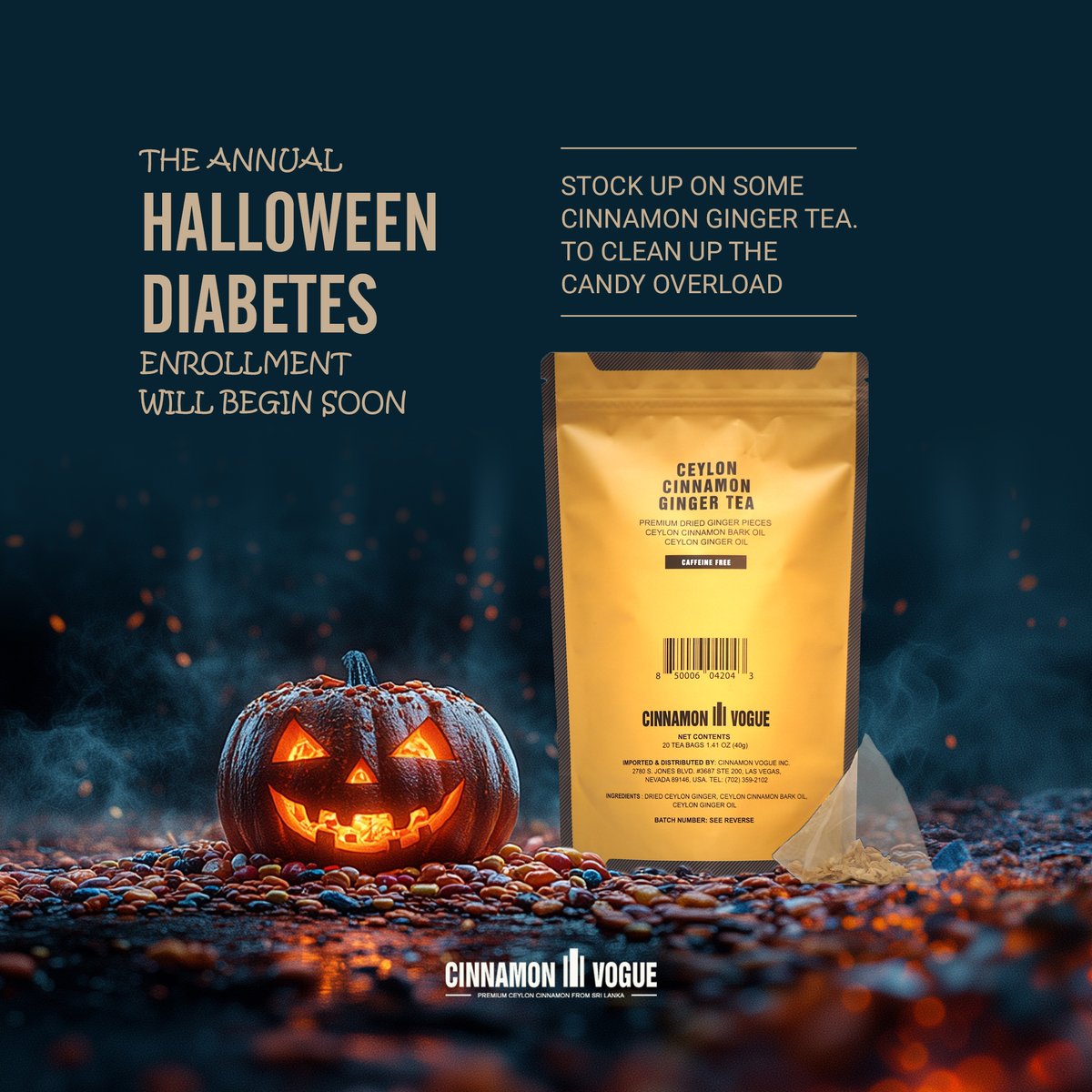
Millions overdose on candy every Halloween, leading to the beginnings of diabetes, colds, and flu spikes. Try Ceylon Cinnamon ginger tea to clean up and stay healthy! #HalloweenHealth #CandyOverload #HealthyHalloween #CinnamonTea #FluPrevention
2
32

5 Nov 2023
Halloween treats are everywhere! Find great tips and poor tips for dealing with the candy overload! You can conquer this Halloween nightmare!
healthy-diet-habits.com/hall…
#Halloween #HalloweenTreats #HalloweenCandy #Candy #Holidays #CandyOverload #HalloweenTreatsOverload
2
27

2 Nov 2023
Nice for a change to be out in the community. Harlingen South Annual Truck or Treat was a HUGE success. Loved all the costumes and excitement from the younger kiddos. #candyoverload #trunkortreat #Halloween2023
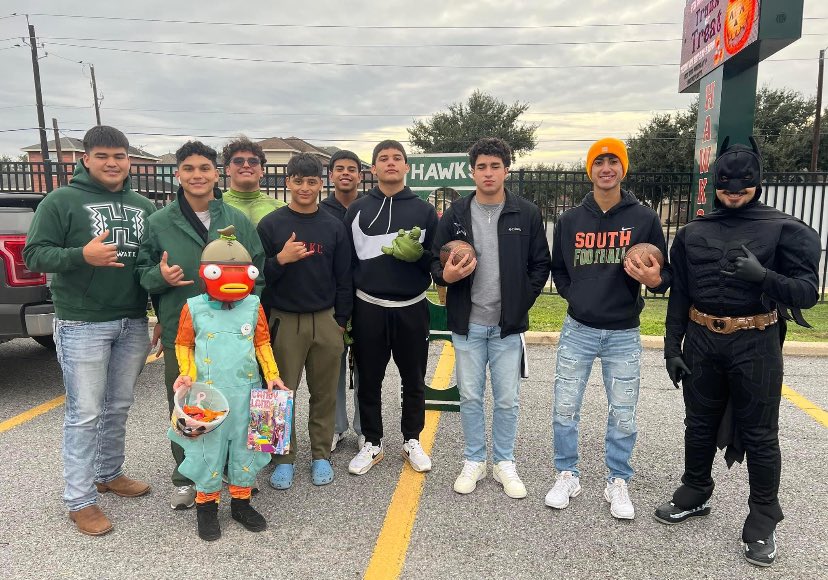
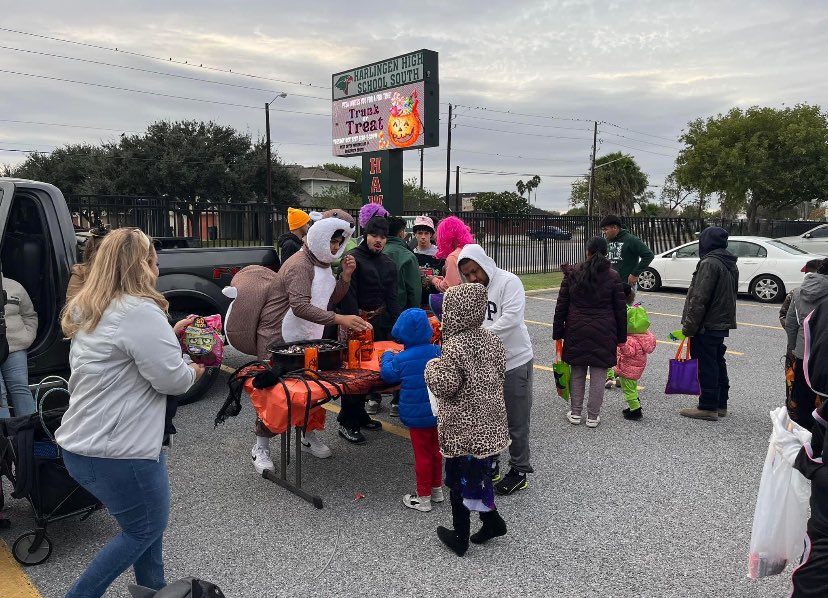
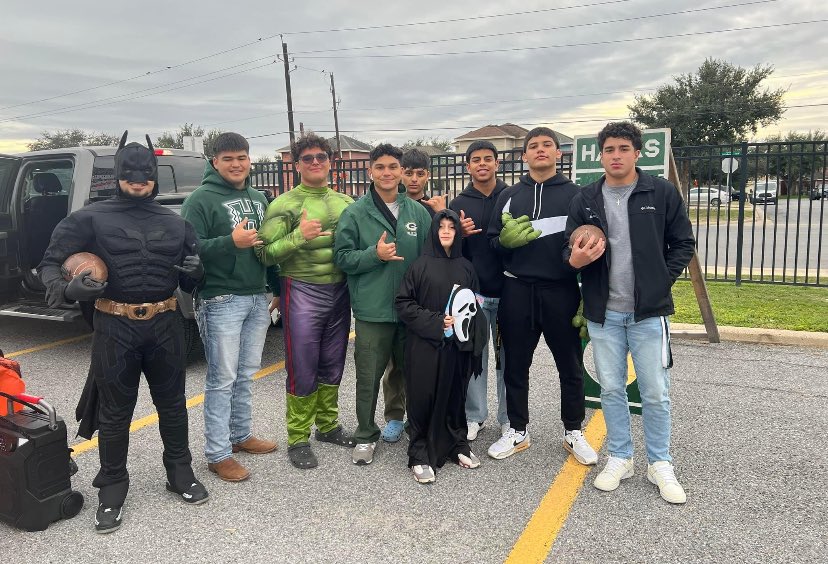
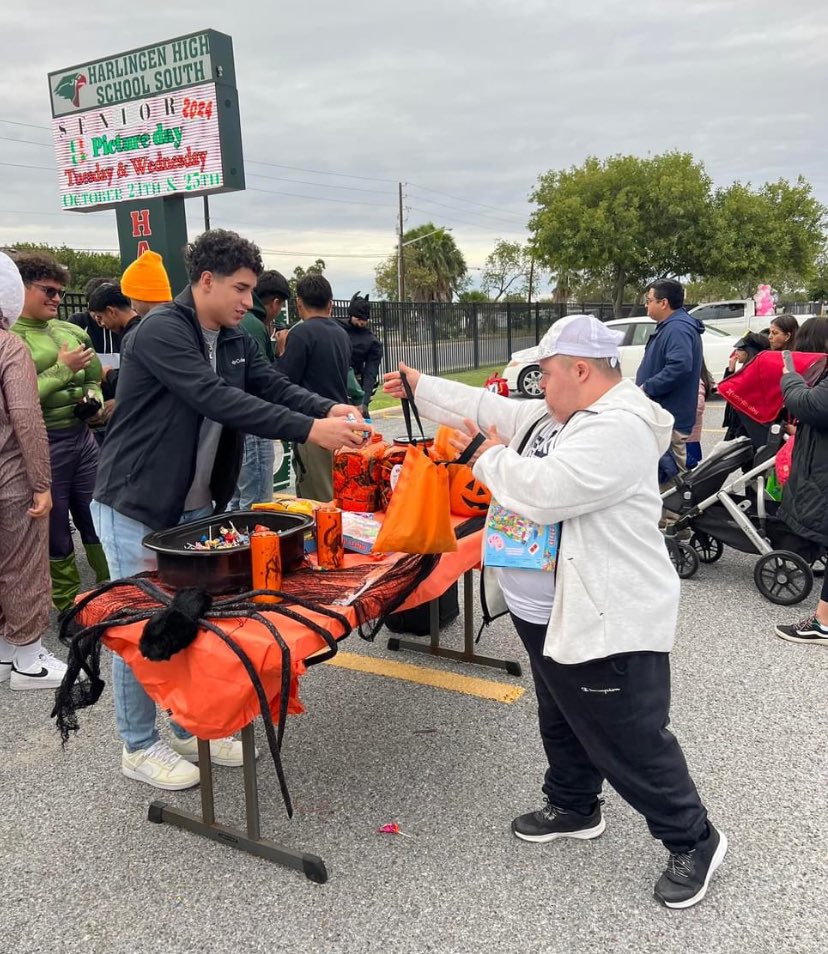
1
141

2 Nov 2023
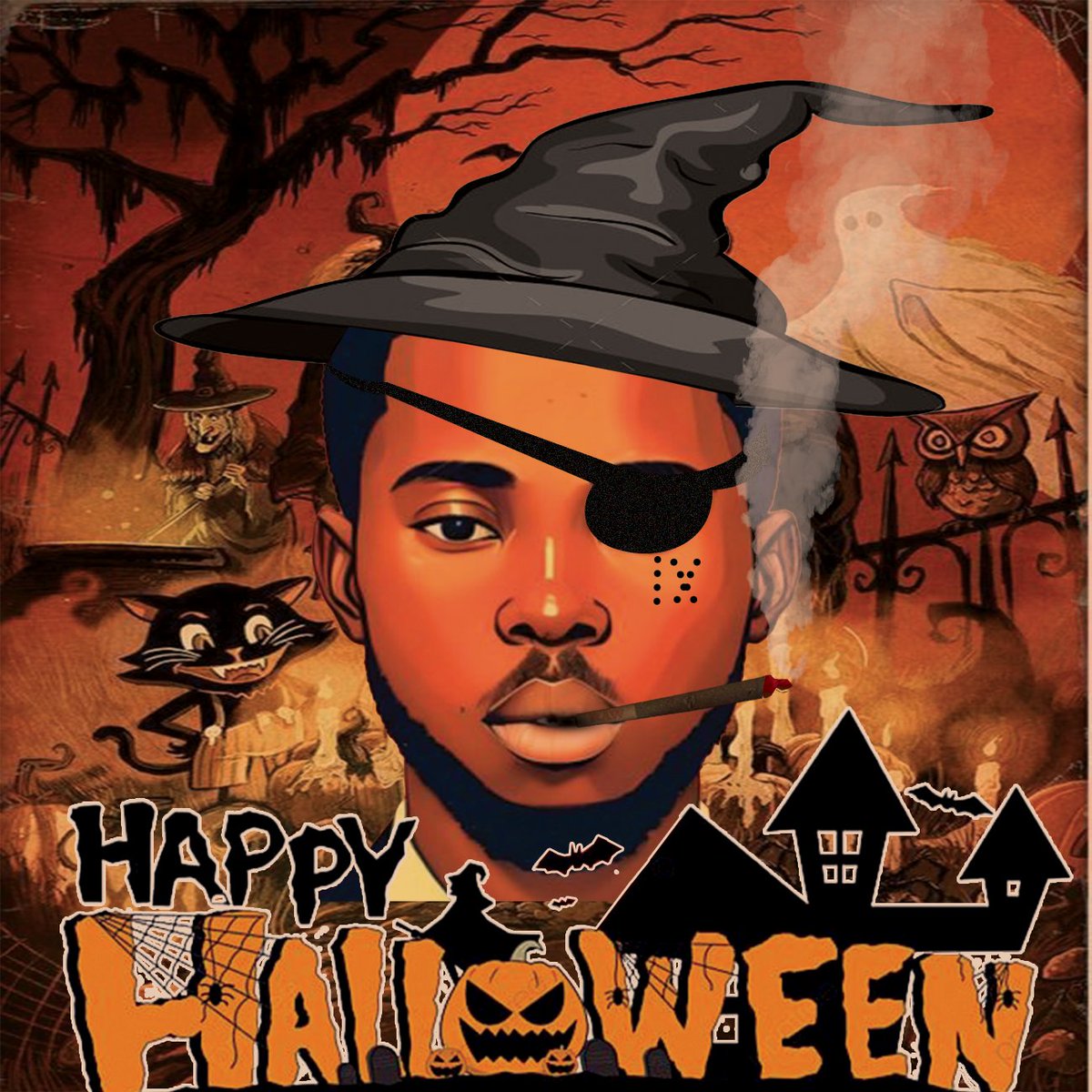
#SpookySeason in the air!🎃✨
@wilson_ embracing the fright and enjoining halloween fun. #TrickOrTreat #HalloweenParty #CostumeCraze #HauntedHouseAdventures #ScaryMovieMarathon #PumpkinCarvingContest #CandyOverload #CreepyCreatures #GhoulishDelights
4
3
14
547

1 Nov 2023
1
3
107

1 Nov 2023
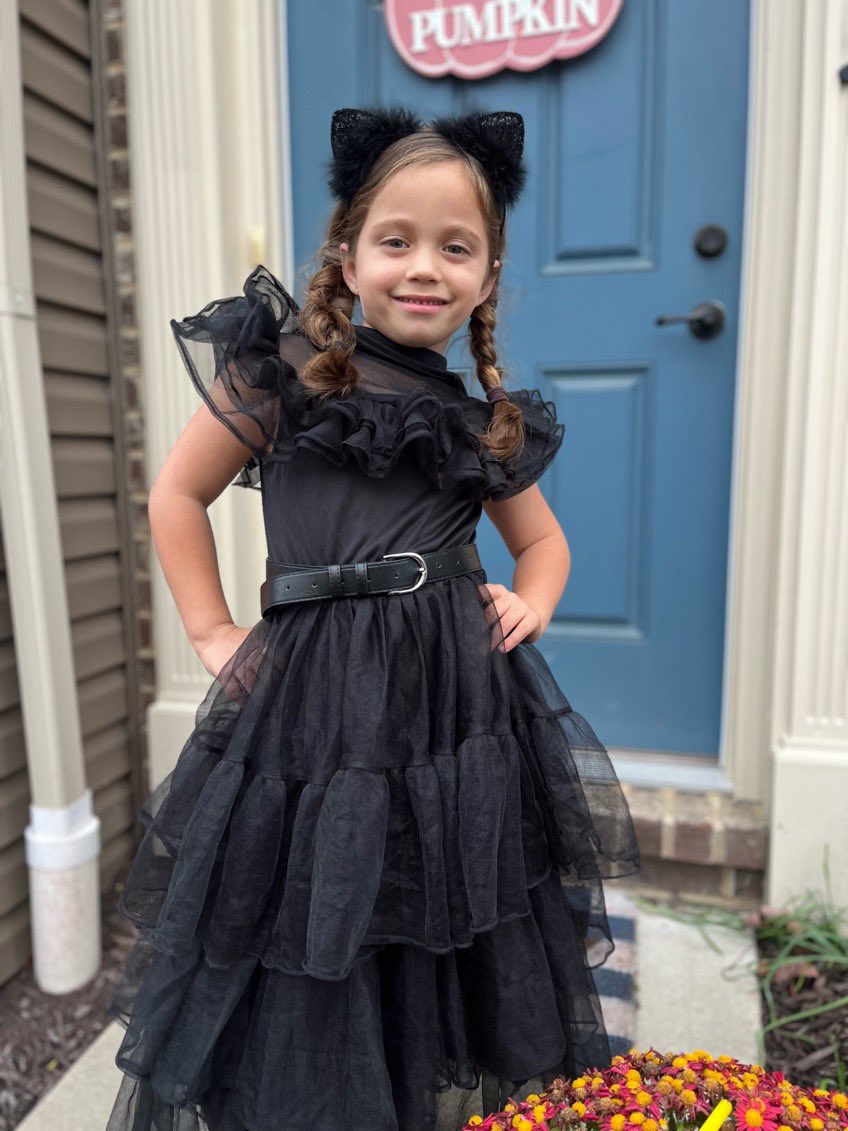
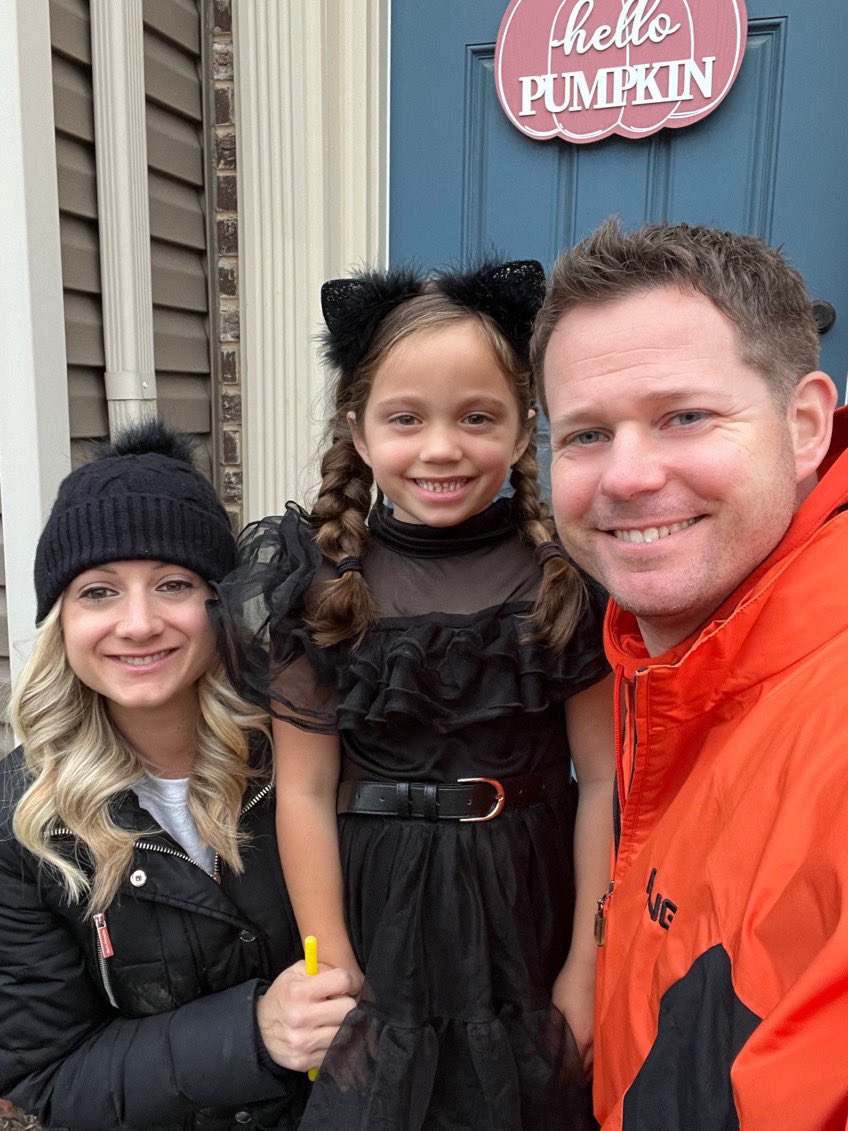
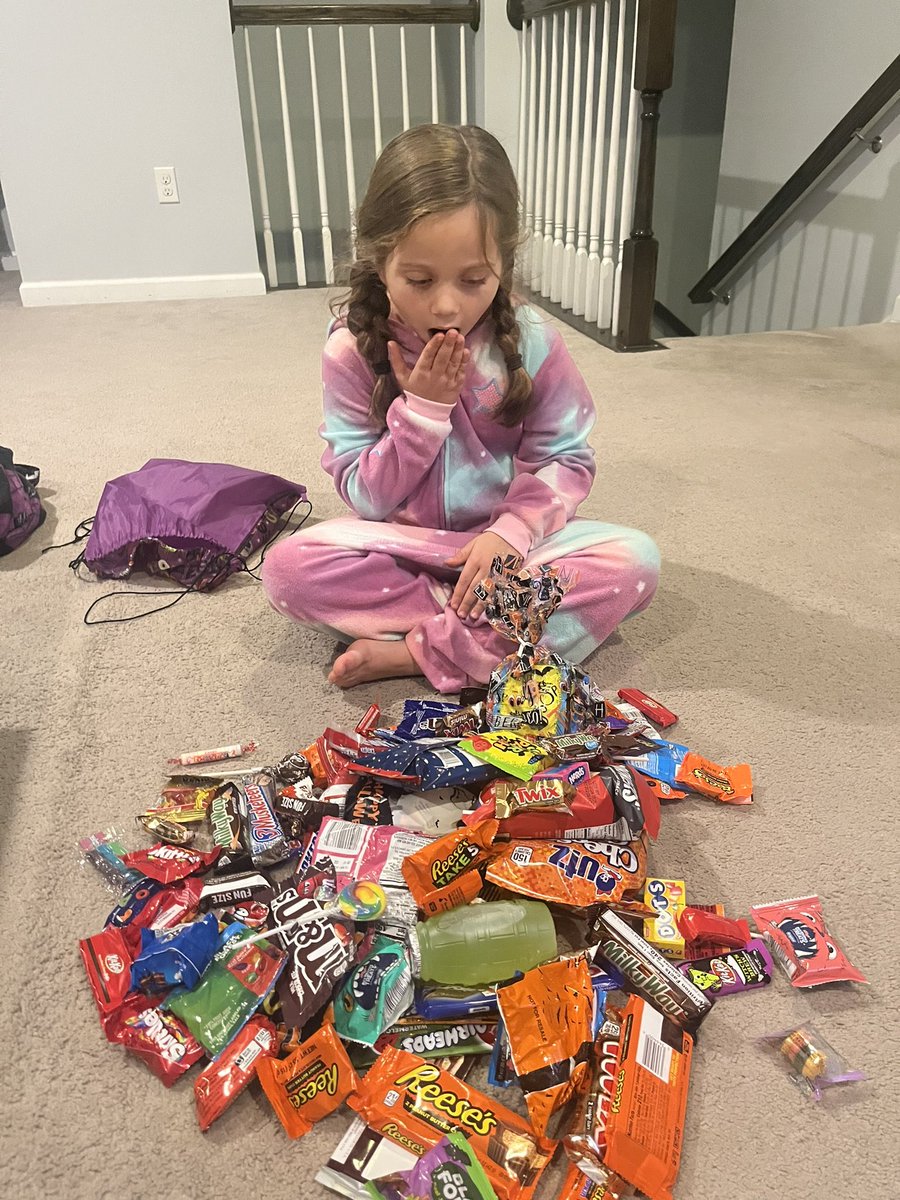
Happy Halloween 🎃👻 from Wednesday Adams (plus cat) and family! #candyoverload #goodluckelementaryteachers 🖤💛
9
474
27 Oct 2023
Halloween treats are everywhere! Find great tips and poor tips for dealing with the candy overload! You can conquer this Halloween nightmare!
healthy-diet-habits.com/hall…
#Halloween #HalloweenTreats #HalloweenCandy #Candy #Holidays #CandyOverload #HalloweenTreatsOverload
1
2
53

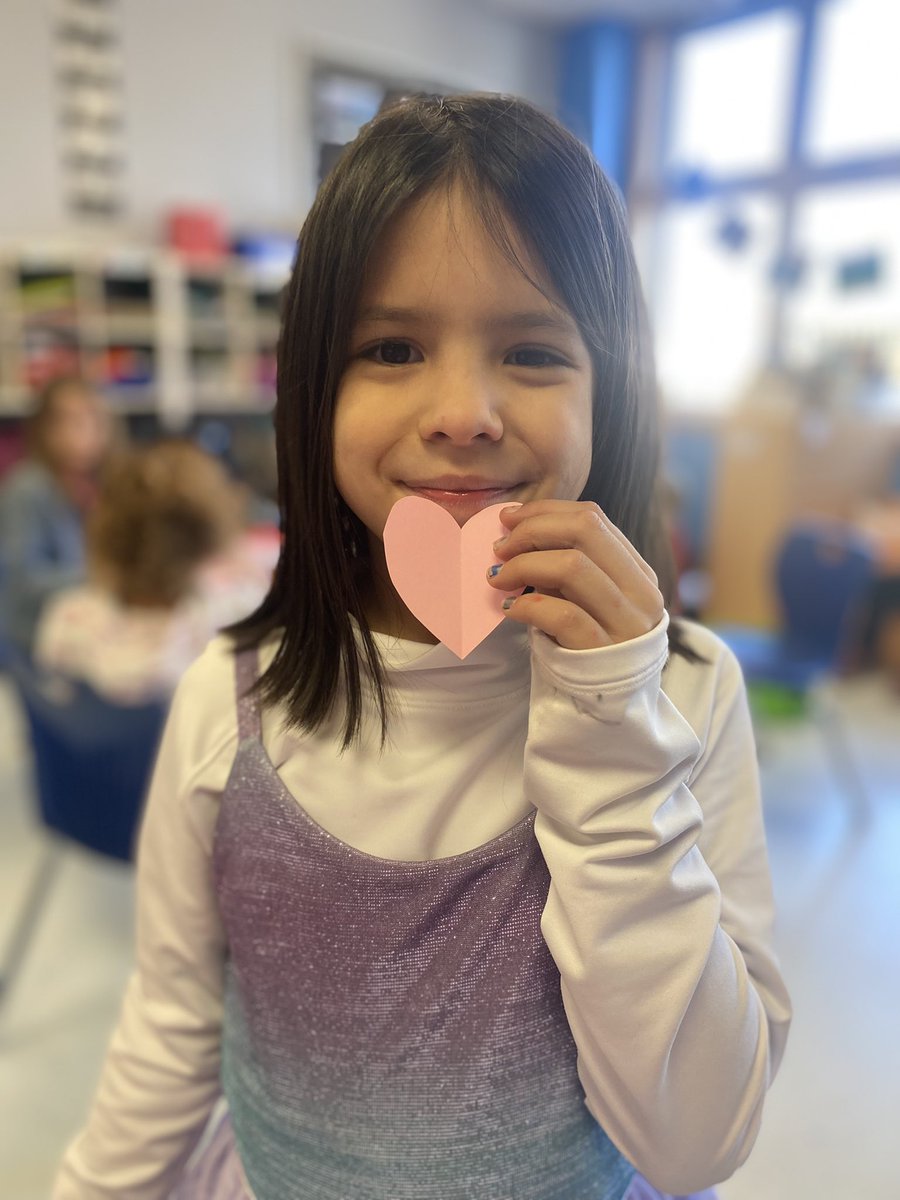
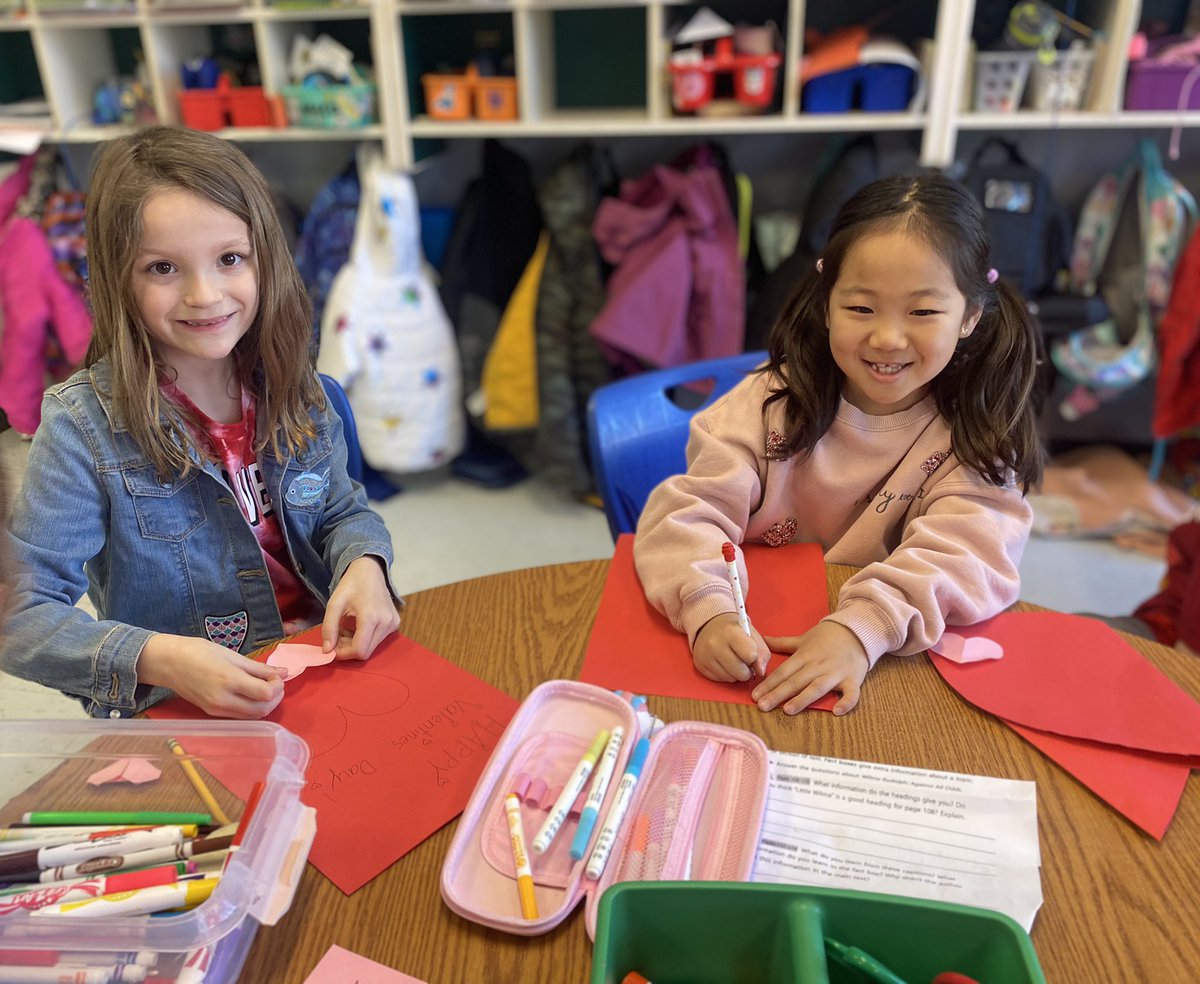
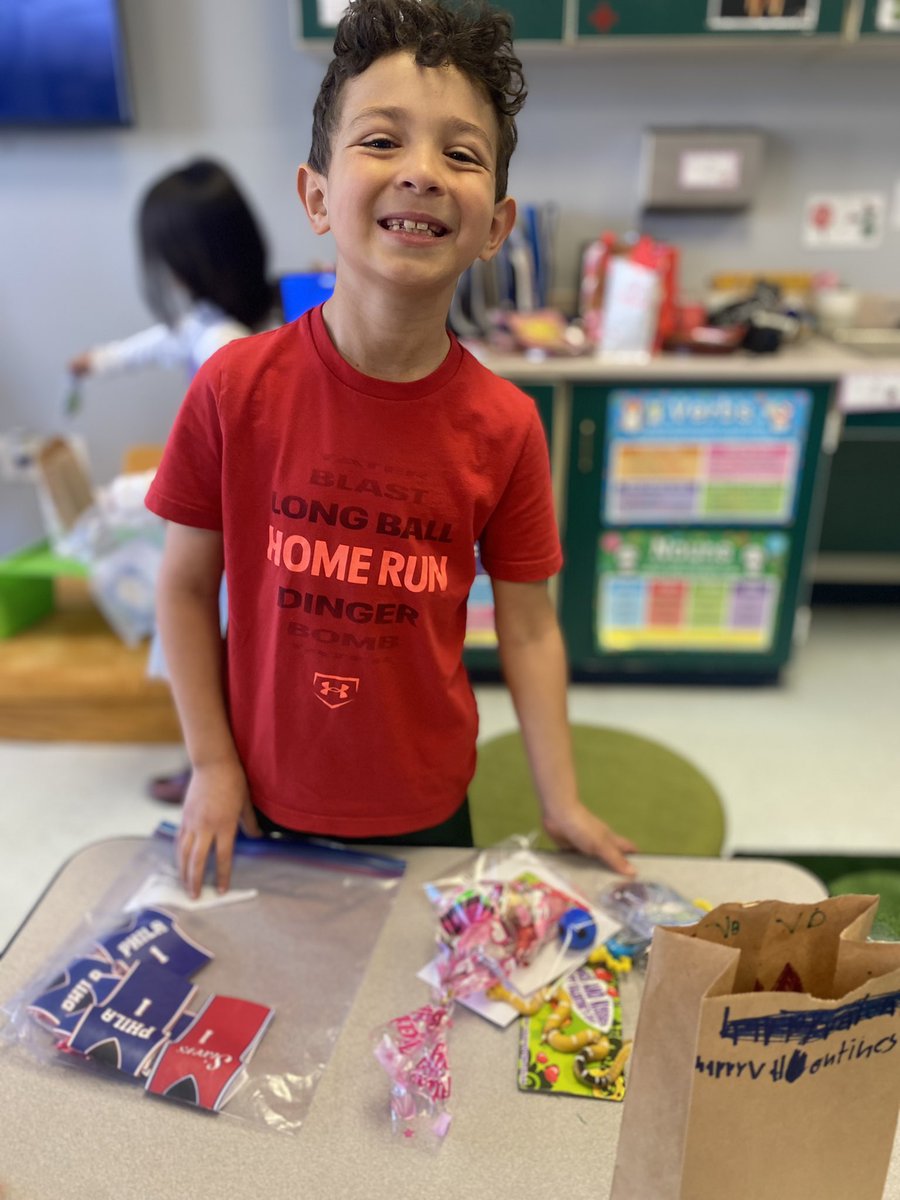
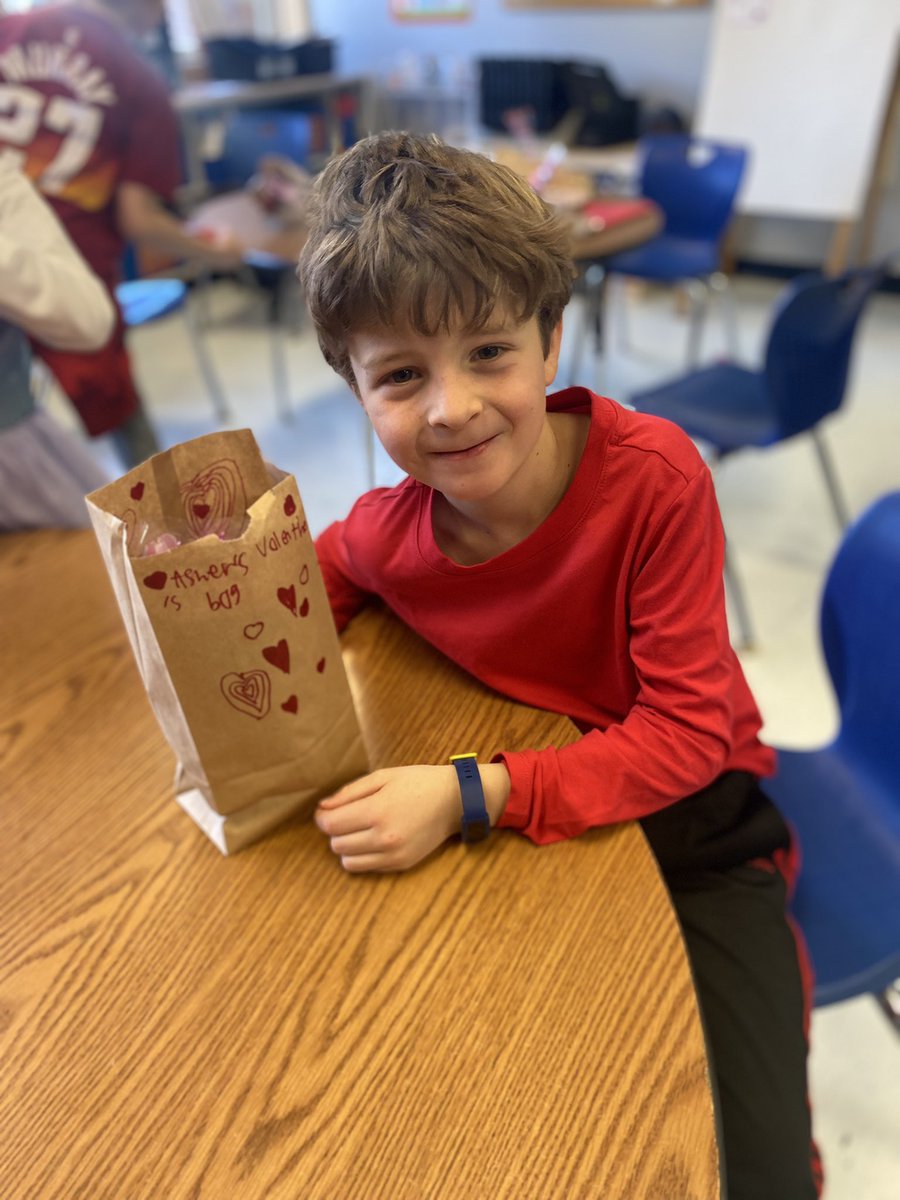
A fun Valentine’s Day morning in Second grade! ♥️🍫🍩
#2ndgrade #onlyatcba #candyoverload #ValentinesDay
3
80


1 Nov 2022
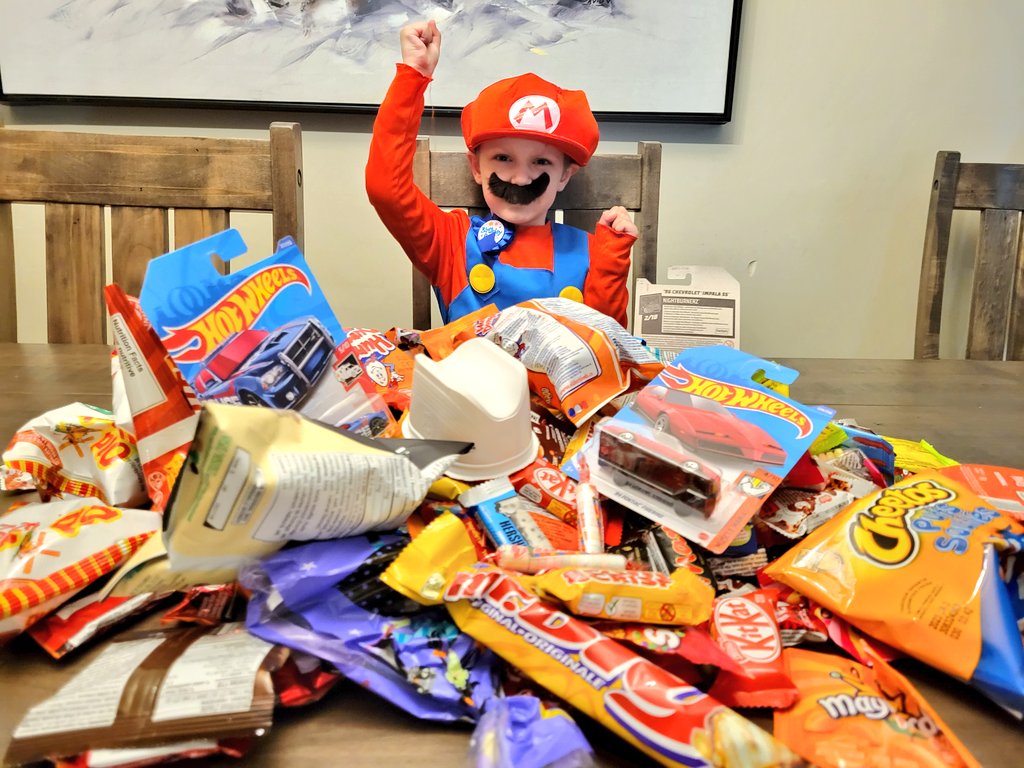
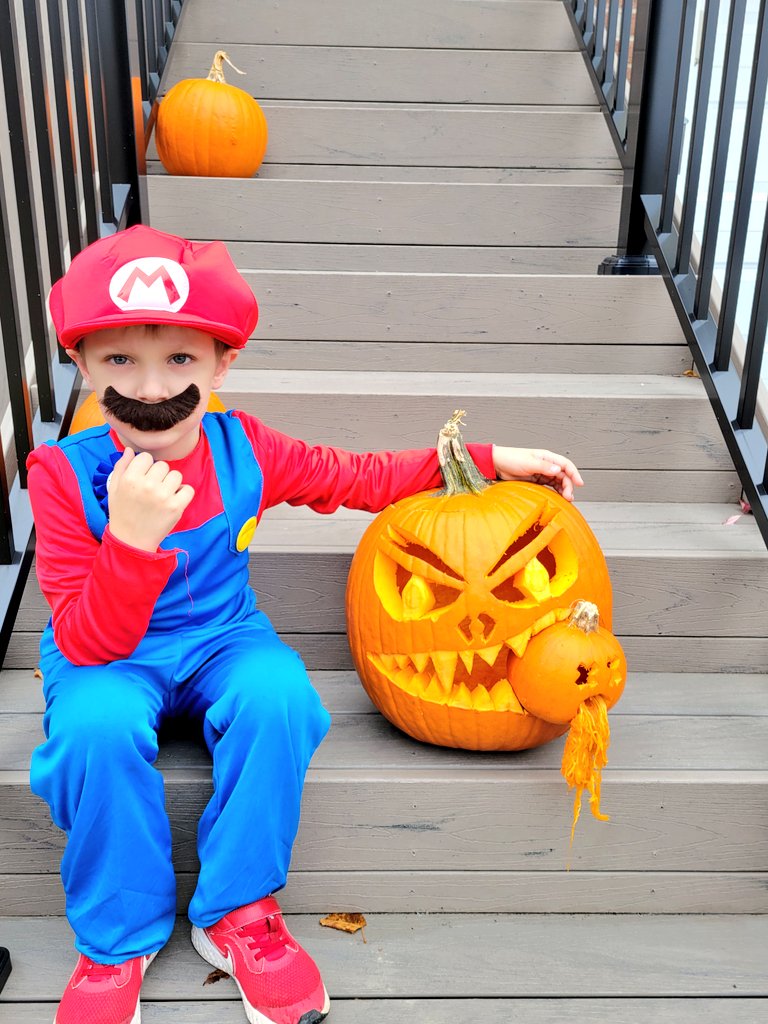
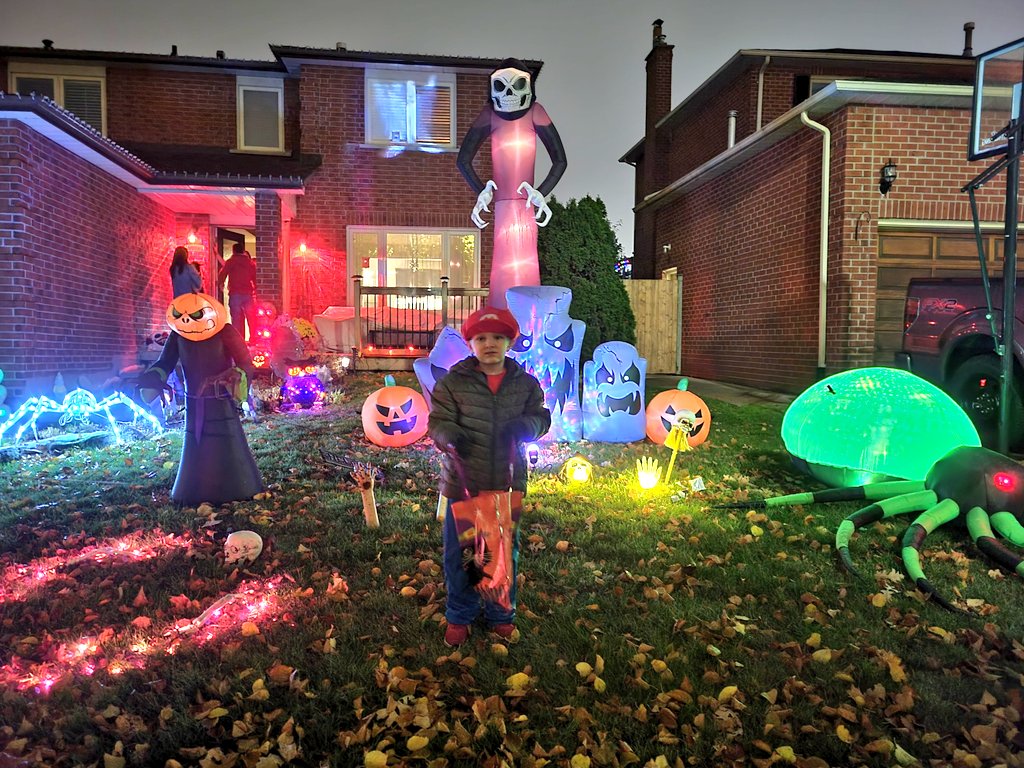
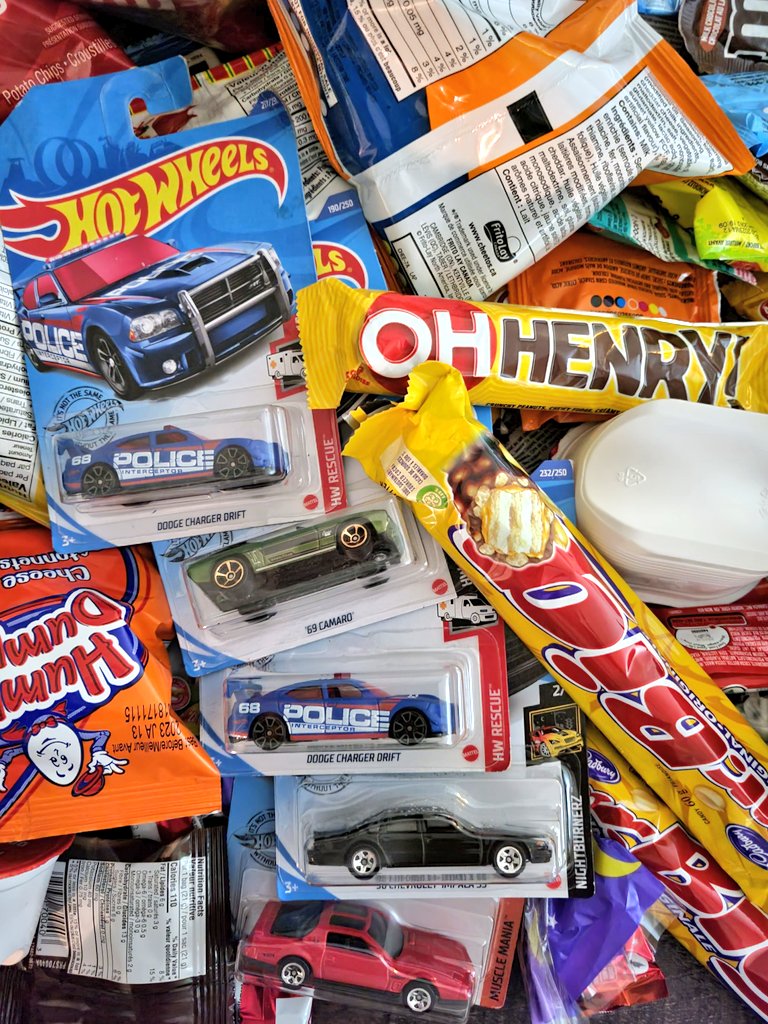
Happy Halloween, everyone! Hope you all had a night as great as Robbie's was. Lots of fun and quite the haul!!! Shoutout to his favorite house that gave him FIVE Hot Wheels this year. #HappyHalloween #CandyOverload #LoveOurBoy #ItsAMeMario
1
19

31 Oct 2022
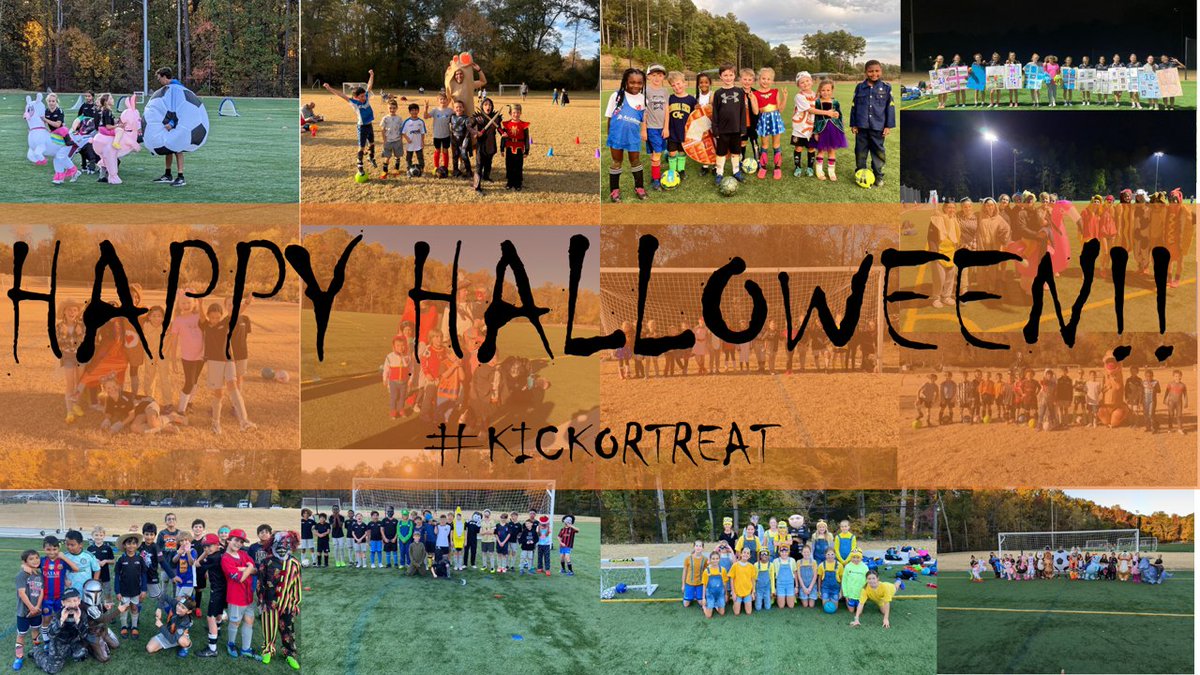
Wishing the Rush Union families a happy and safe Halloween! #brushthoseteeth #candyoverload #boo #kickortreat.
1
2

31 Oct 2022
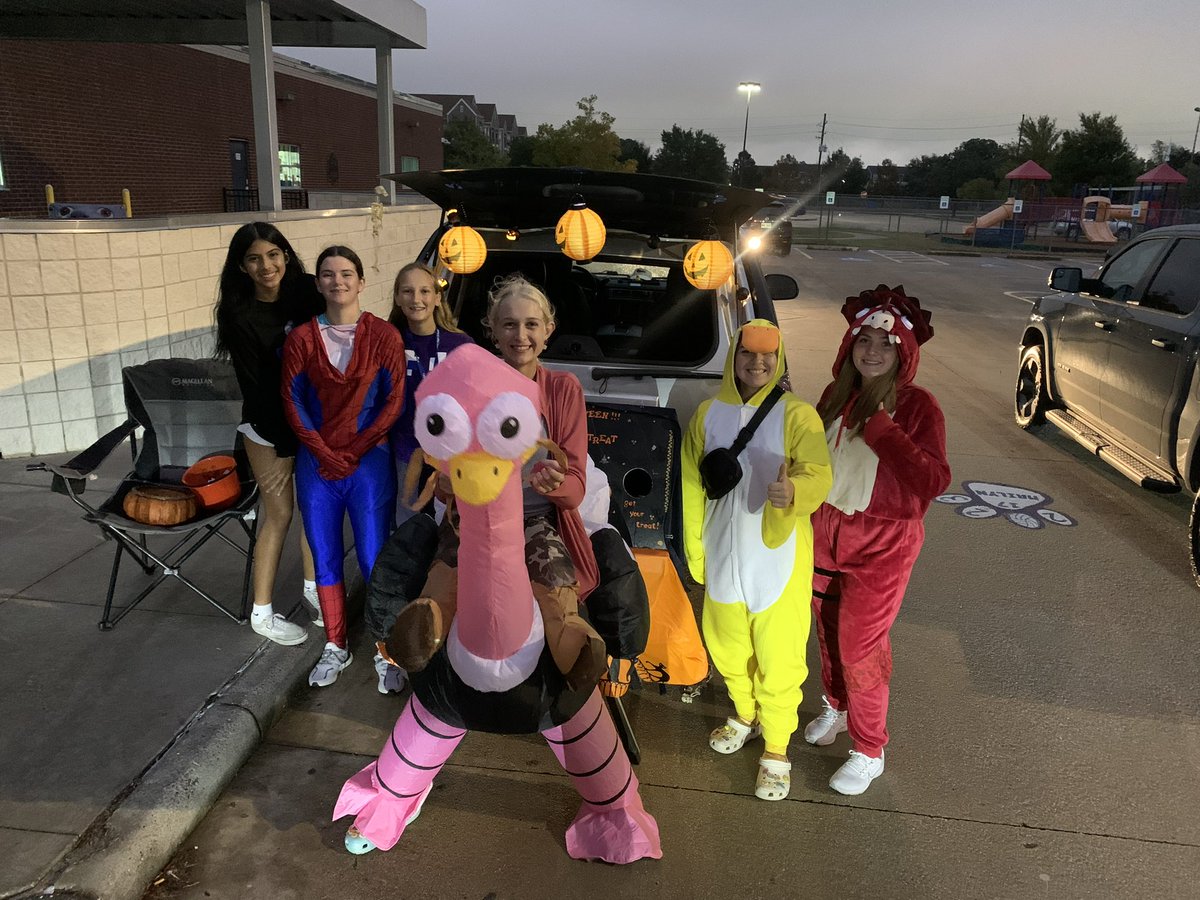
Wishing all of you a safe and #HappyHalloween!
In honor of this candy-filled day, tell us what your favorite candy or #Fall treat is. Are you a chocolate lover, the sweet and sour-type, or a traditional candy corn person?
#candyoverload #trickortreat #Halloween

2

29 Oct 2022
3
15

8 Apr 2022
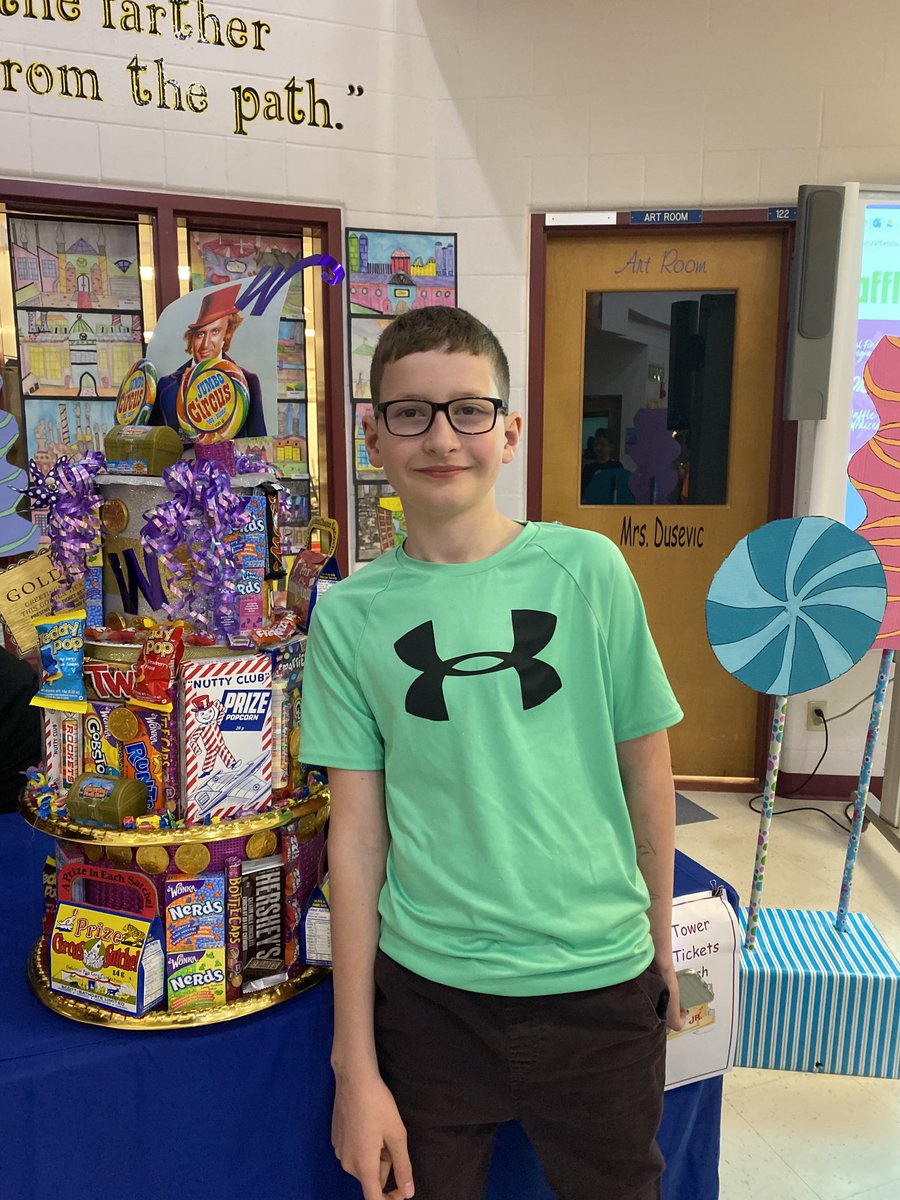
Congratulations to Jasper for being the lucky winner of the candy tower at last nights performance! #delicious #candyoverload
4
7 Apr 2022
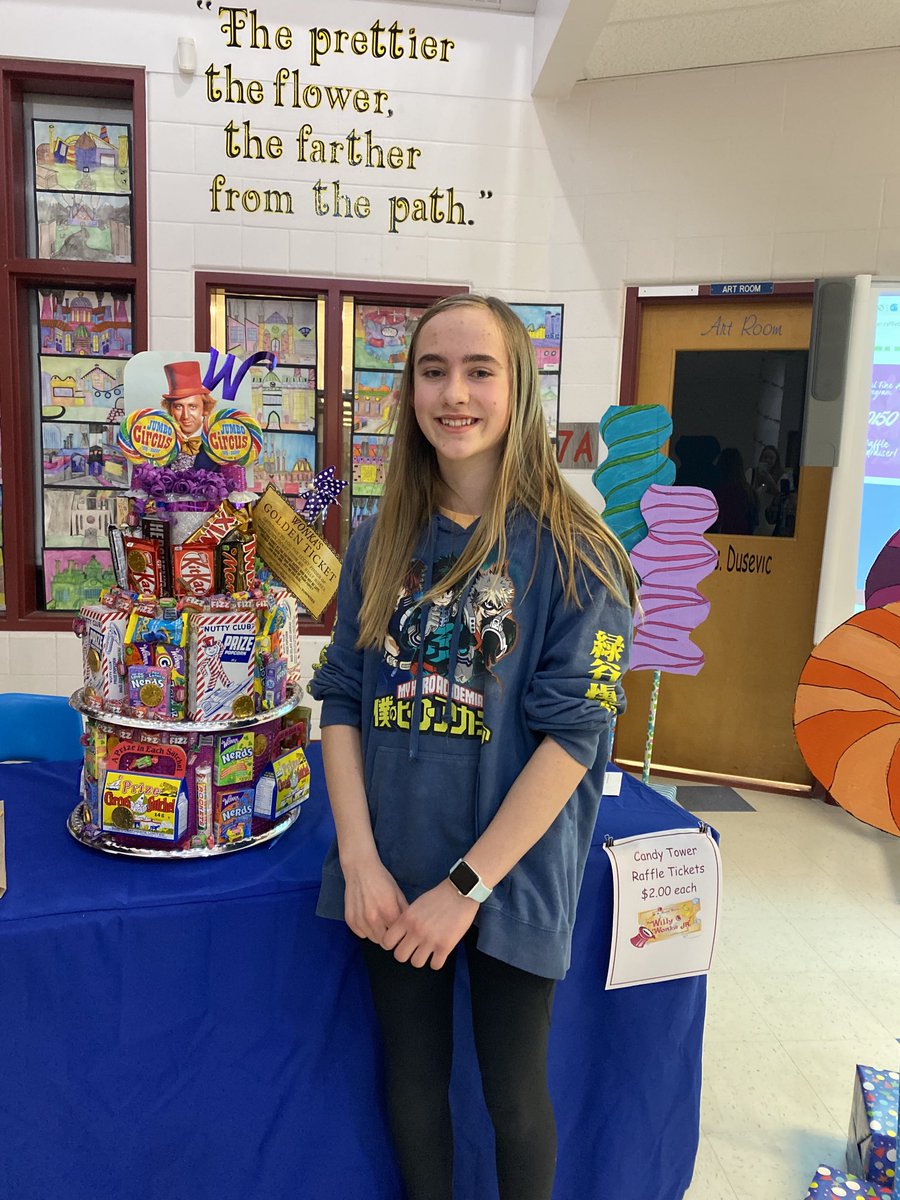
Congratulations to Melia for winning the candy tower raffle draw last night. #candyoverload #delicious
3
5 Apr 2022
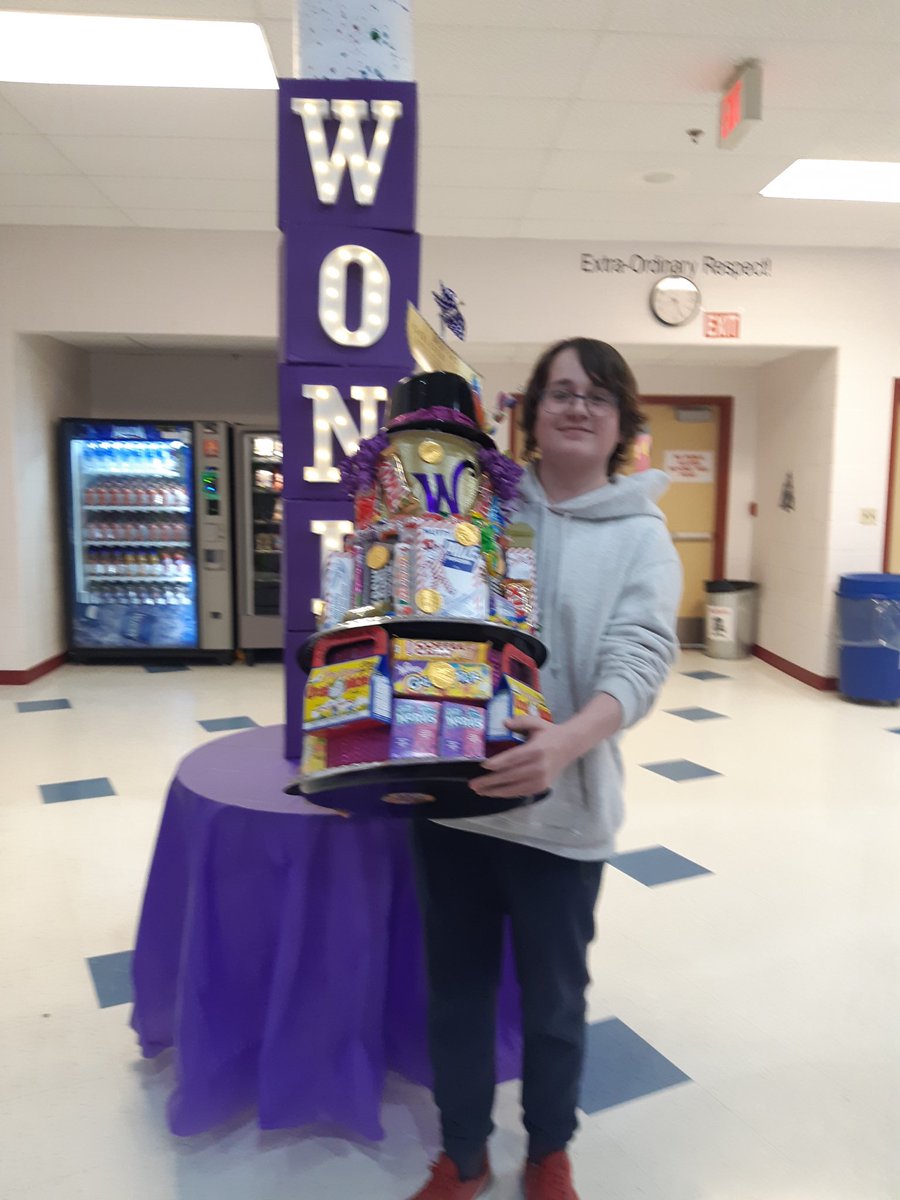
Congratulations to Owen for being the lucky winner of our candy tower raffle last night! #candyoverload #WillyWonkaJr
1
10