
22 Jul 2025
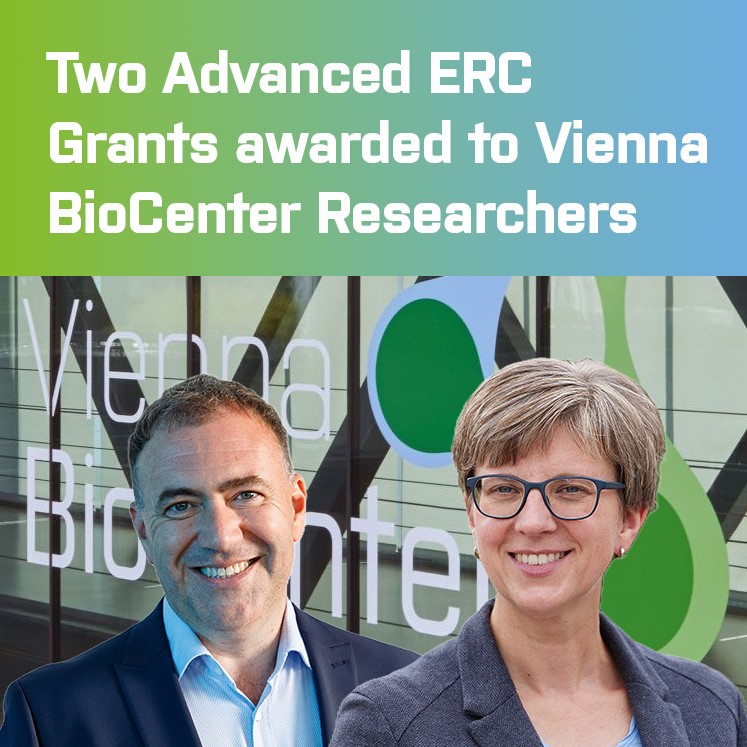
Two Advanced ERC Grants were awarded to Vienna BioCenter Researchers: Congratulations to Dagmar Woebken (CeMESS) and Alwin Köhler (Max Perutz Labs Vienna) on this achievement!
@cemess.bsky.social @MaxPerutzLabs
Read more: viennabiocenter.org/about/ne…
10
499

7 May 2025
Jakarta indonesia passing, korea kita cemess 🤾🏐



2
546

7 Nov 2024
As part of the science communication project BaMiKo, led by David Berry at #CeMESS and funded by @FWF_at, students have created cooking videos featuring high-fiber recipes aimed at adolescents and young adults.
Finde out more: ⤵ 👀
cemess.univie.ac.at/news/det…
2
2
401

18 Sep 2024
Wir freuen uns am Zentrum für Mikrobiologie und Umweltsystemwissenschaften CeMESS @univienna schon auf spannende Zusammenarbeiten. Ambitioniertes Forschungsinstitut für KI in der Biomedizin in Wien gegründet derstandard.de/story/3000000…
8
655
12 Sep 2024
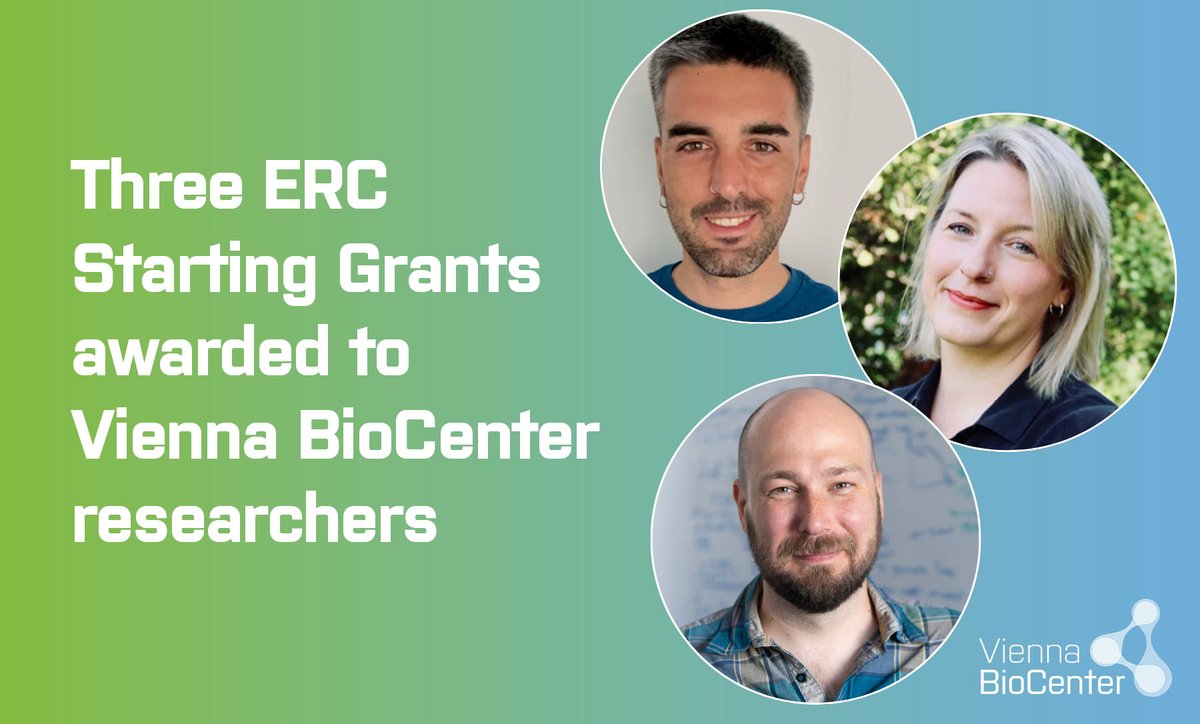
Three ERC Starting Grants have been awarded to researchers at Vienna BioCenter
Congratulations to Pere Gelabert (Faculty of Lifesciences), Isabella Anderson-Wagner (CeMESS) and Anton Goloborodko (IMBA)
Read more about their research here: lnkd.in/dEyccZKh
1
5
584
5 Sep 2024
Congratulations to Isabella Anderson-Wagner from CeMESS and Pere Gelabert from the Faculty of Life Science - both part of Vienna BioCenter - on being awarded an ERC Starting Grant!
5 Sep 2024

Drei @ERC_Research Starting Grants gehen an die Universität Wien: Neurowissenschafterin @isabellawagnr, Biologe @peregx9 und Naturgefahrenforscher @oeztuerk_ugur erhalten je einen Starting Grant, der mit jeweils rund 1,5 Millionen Euro dotiert ist! 🤩🎉
medienportal.univie.ac.at/me…
3
1,311
5 Sep 2024
Congratulations @isabellawagnr. Fantastic and so well deserved. #CeMESS @DOME_Vienna @univienna
dome.univie.ac.at/news-event…
8
664
14 Aug 2024
An international research team led by #CeMESS at the @univienna has discovered that comammox bacteria, first identified by them in 2015, can grow using guanidine, a nitrogen-rich organic compound, as their sole energy and nitrogen source.🦠🔍
Read more: ⤵
medienportal.univie.ac.at/en…
1
3
16
2,375

7 Jun 2024
.ουπς...science daily.
.σε λαχανικά που καλλιεργουνται κοντά σε αυτοκινητοδρομους βρέθηκαν υπολείμματα φθοράς ελαστικών σύμφωνα με μελέτη του πανεπιστημίου Βιέννης (CeMESS).
.πρόκειται για χημικά πρόσθετα στα ελαστικά που βελτιώνουν την αντοχή και διάρκεια των ελαστικών...🧐..
3
6
33
675
5 Jun 2024
Irrigation with treated wastewater and sewage sludge brings tire additives into the leafy vegetables 🥗Researchers at the #CeMESS at @univienna and @HebrewU have detected chemical residues in leafy vegetables for the first time. 🔍
Read more @FrontiersIn:
frontiersin.org/articles/10.…
1
2
205
23 May 2024
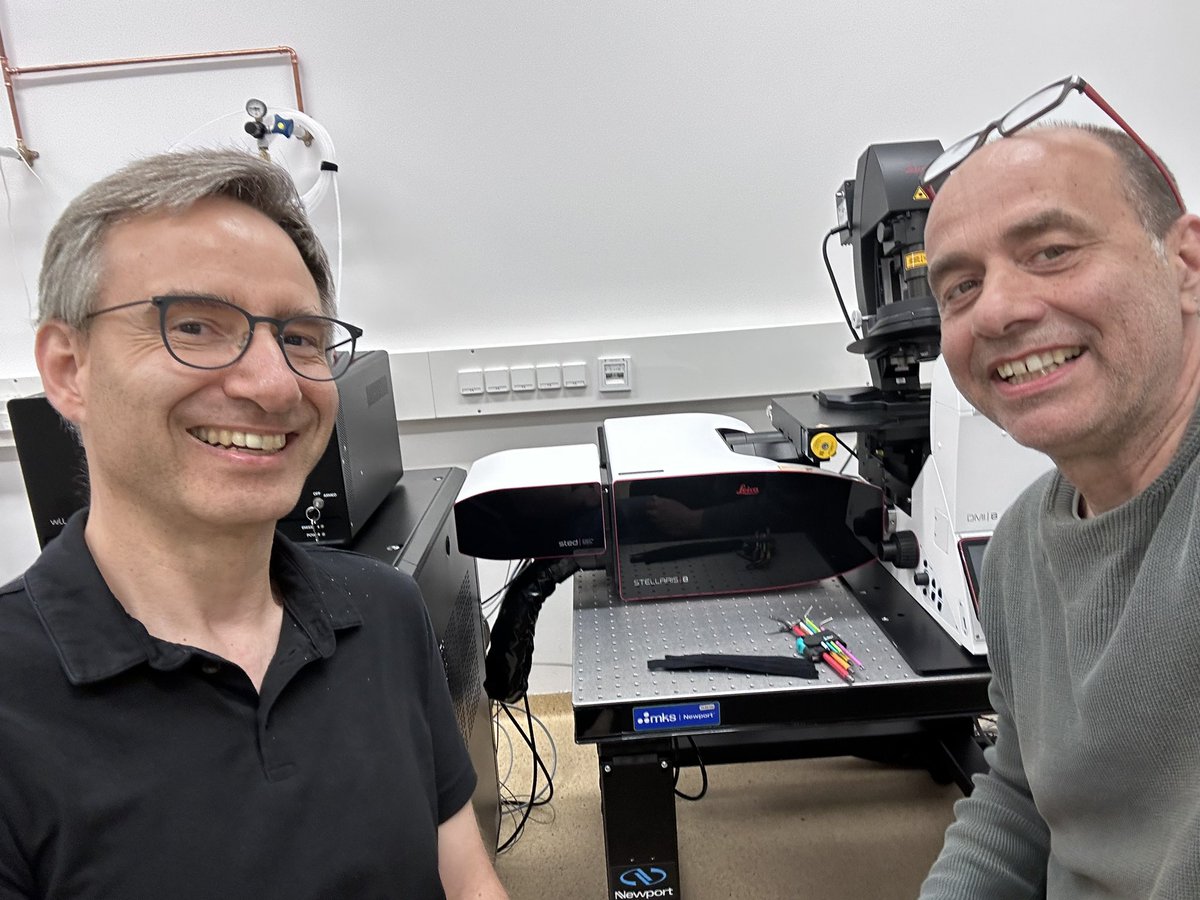
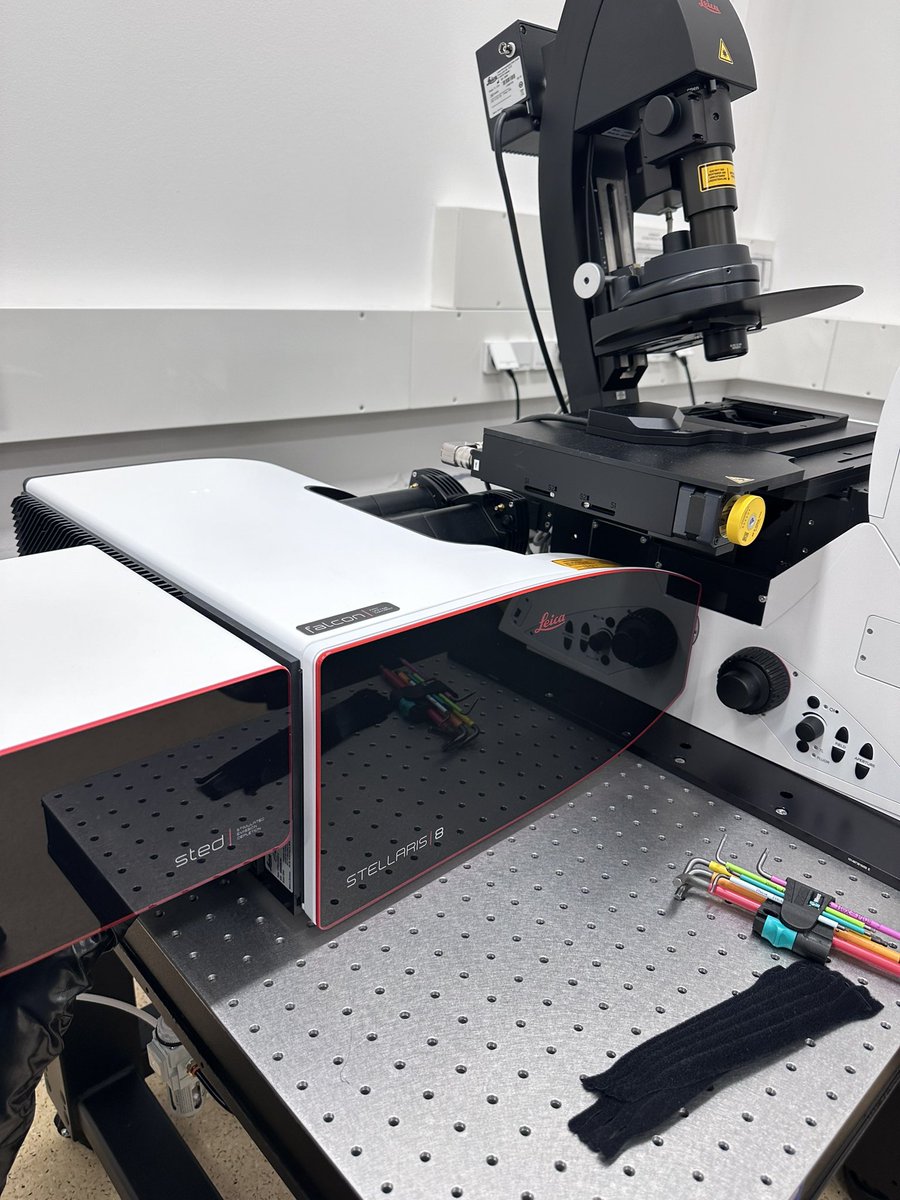
Super-resolution here we come. Our new STED-confocal microscope funded by the
@FFG_AT🙏 arrived at our Centre for #Microbiology and Environmental Systems Science (CeMESS)
@univienna
@DOME_Vienna
1
1
23
1,795
18 May 2024
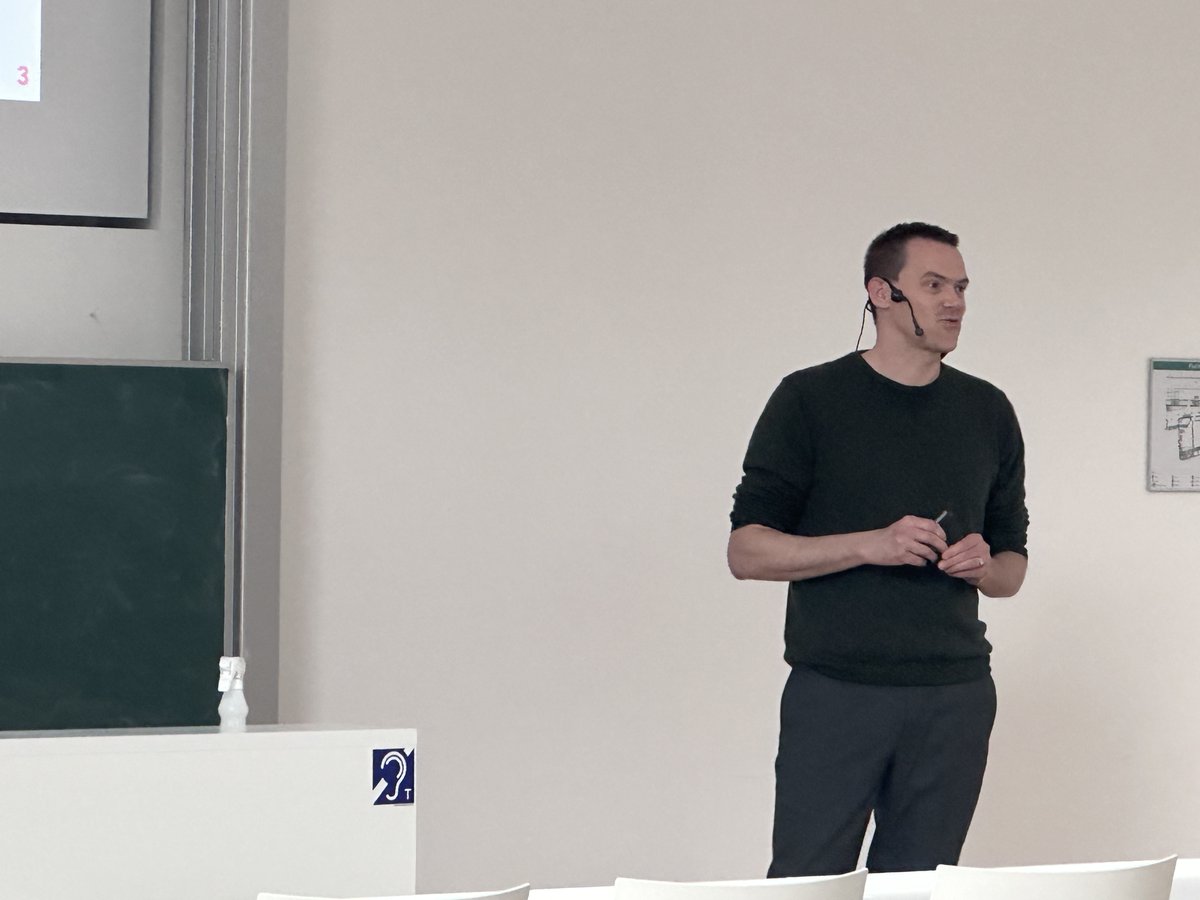
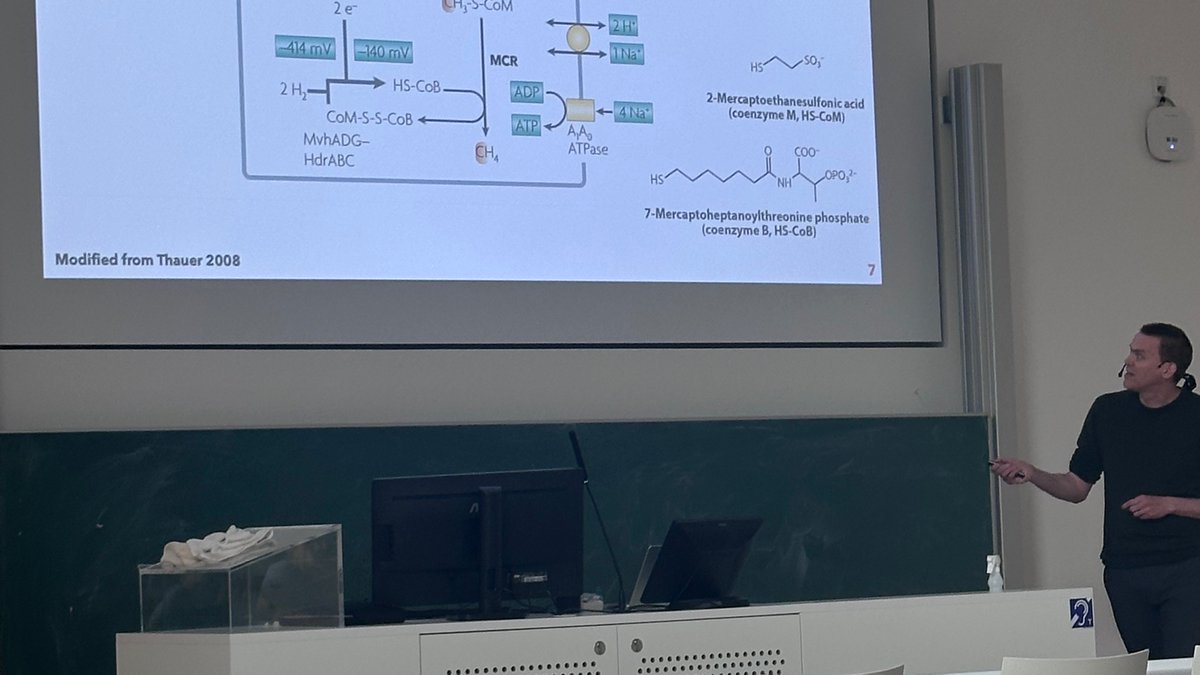
Great talk by @environmicrobio about cultivation and characterization of (really) novel methanogens at our Centre of Microbiology and Environmental Systems Science (CeMESS). Watch out - exciting stuff ahead.
3
20
3,930

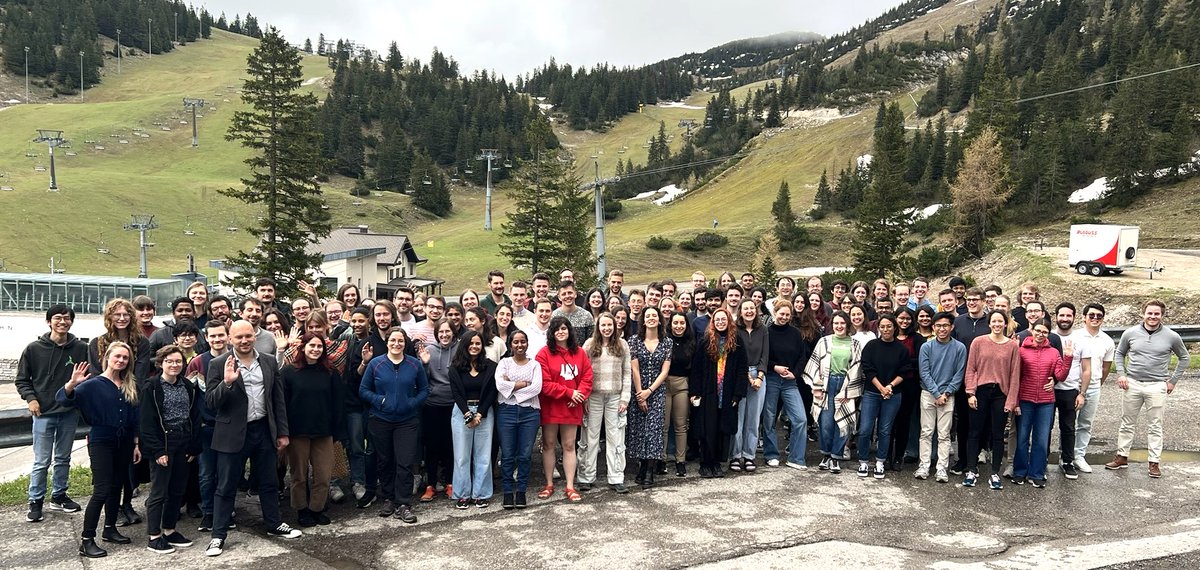
& Environmental Systems Science (CeMESS) at the University of Vienna. Scientific discussions were at the core of the event with students giving flash talks and presenting posters. There was also a workshop to discuss how to deal with difficult interactions.
1
3
367
17 Apr 2024
Prolonged droughts followed by sudden bursts of rainfall – how do desert soil bacteria manage to survive such harsh conditions? 🏜
This question has been answered in an @ERC_Research project led by @DagmarWoebken from the CeMESS at @univienna. 🔍 ⤵
medienportal.univie.ac.at/en…
1
7
25
2,800
28 Feb 2024
Welcome Sarah to our Centre for Microbiology and Environmental Systems Science (CeMESS) @univienna
28 Feb 2024

Three new group members have joined EDGE in February:
Dr. Sarah Pati is our newest assistant #professor and will be working on #organic #contaminants in aquatic systems.

2
14
2,198
26 Feb 2024
Warmer soils harbour a greater diversity of active microbes, according to a new study from researchers at our Centre for Microbiology and Environmental Systems Science (CeMESS) at the @univienna.
medienportal.univie.ac.at/en…
4
36
2,902
26 Feb 2024
Global warming increases the diversity of active soil bacteria 🧪
Warmer soils harbour a greater diversity of active #microbes, according to a new study from researchers at the #CeMESS at @univienna. 🦠The study has been published in @ScienceAdvances: ⤵
science.org/doi/10.1126/scia…
1
6
15
1,500
10 Feb 2024
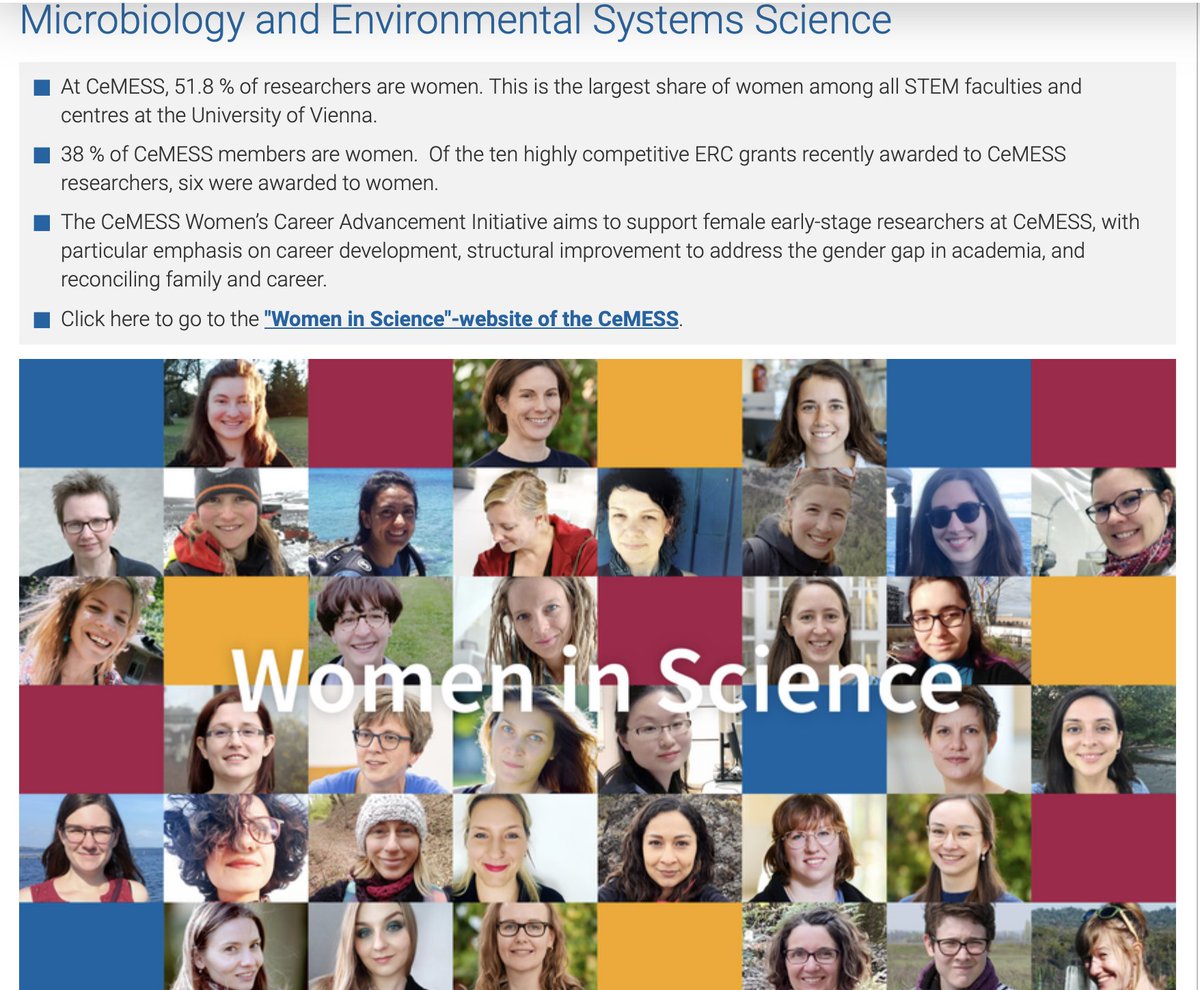
"Of the ten highly competitive ERC grants recently awarded to Centre of Microbiology and Environmental Systems Science (CeMESS) researchers, six were awarded to women."
@univienna
#WomenInScience #Microbiome 🧪
womeninscience.univie.ac.at/…
4
22
1,885
8 Jan 2024
Welcome Mark at our Centre for Microbiology and Environmental Systems Science (CeMESS) @univienna. Looking very much forward to many collaborations.
1
290

1 Jan 2024
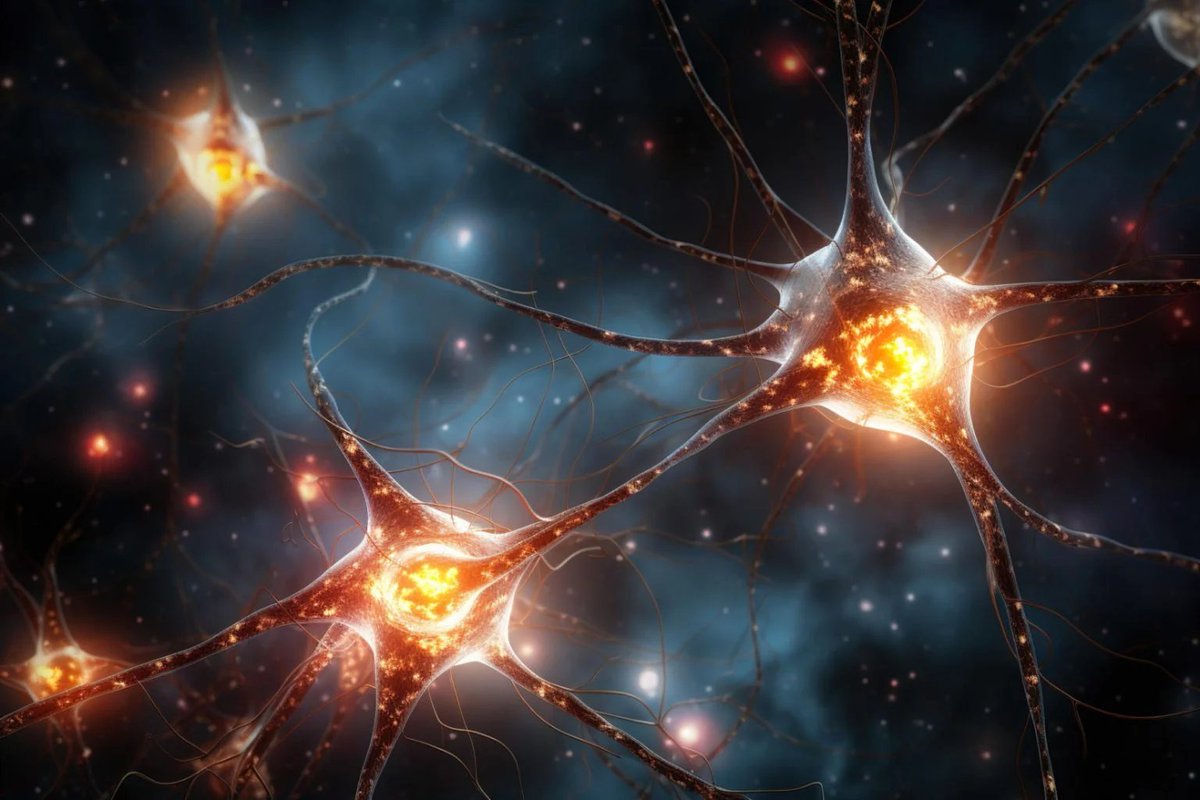
Researchers Discover Potential Environmental Trigger for Parkinson’s Disease
Researchers from the University of Vienna, University of Konstanz, and Albert Einstein College of Medicine have discovered a potential environmental trigger for Parkinson’s disease.
A recent study published in Environment International marks a significant advancement in Parkinson’s disease research. Conducted by the Institute of Biological Chemistry and Centre for Microbiology and Environmental Systems Science (CeMESS) at the University of Vienna, along with the University of Konstanz and the Albert Einstein College of Medicine, this research uncovers the role of a microbial metabolite in inducing Parkinson’s-like symptoms. This finding could revolutionize our understanding of Parkinson’s disease and its environmental triggers.
The underlying causes of Parkinson’s disease, a debilitating neurodegenerative condition, are not well understood. While genetic mutations are known to cause Parkinson’s, a staggering 90% of cases are sporadic, with no clear genetic origin. Scientists suspect environmental factors could play a role – and substances like pesticides and industrial chemicals have been investigated for potential links to neurodegeneration. Among the possible culprits also are microbial metabolites.
The Gut-Brain Connection and Parkinson’s
Recent studies highlight the gut-brain axis’s importance, suggesting that our microbiome might influence neurodegenerative diseases. Notably, the gut microbiome of Parkinson’s patients differs from that of healthy individuals. Some microbial metabolites have even been shown to specifically target dopamine-producing neurons, which are crucially affected in Parkinson’s disease.
Motivated by these findings and the potential role of a specific bacterial metabolite in inducing Parkinson’s-like symptoms, researchers from the University of Vienna, the University of Konstanz, and the Albert Einstein College of Medicine embarked on a comprehensive study. They focused on a metabolite produced by the bacterium Streptomyces venezuelae, which previous research hinted might cause selective damage to dopamine-producing neurons.
The team isolated and identified this metabolite and exposed human dopamine-producing neurons to it. The results were clear: the metabolite had a destructive effect, mirroring the neuronal loss observed in Parkinson’s disease. To further validate their findings, the researchers introduced this bacterial metabolite to worms, which then exhibited movement difficulties and specific neuronal patterns akin to those seen in human Parkinson’s patients.
New Horizons in Parkinson’s Research
Marcel Leist from the University of Konstanz and Thomas Böttcher from the University of Vienna collaborated in spearheading this pioneering study that bridges the realms of microbial biochemistry and molecular neuroscience. The scientists remarked, “Our research provides a tangible link between a specific bacterial metabolite and symptoms resembling Parkinson’s disease. It’s a step forward in understanding how our environment, down to the microbes around us, might influence the onset or progression of such diseases.”
This discovery not only offers a fresh perspective on the triggers of Parkinson’s but also opens up new avenues for research. Could other microbial substances influence neurodegenerative diseases? How do these substances interact with our neurons? And most importantly, can this knowledge lead to new treatments or preventive measures? While the study is just the beginning, it’s a promising step toward unraveling the mysteries of Parkinson’s and other neurodegenerative diseases.
Reference: “Identification of the bacterial metabolite aerugine as potential trigger of human dopaminergic neurodegeneration” by Anna-Katharina Ückert, Sina Rütschlin, Simon Gutbier, Nathalie Christine Wörz, Mahfuzur R. Miah, Airton C. Martins, Isa Hauer, Anna-Katharina Holzer, Birthe Meyburg, Ann-Kathrin Mix, Christof Hauck, Michael Aschner, Thomas Böttcher and Marcel Leist, 23 September 2023, Environment International.
DOI: 10.1016/j.envint.2023.108229
@ScottAdamsSays
scitechdaily.com/researchers…
1
304