
Jun 13



65




19 Feb 2024
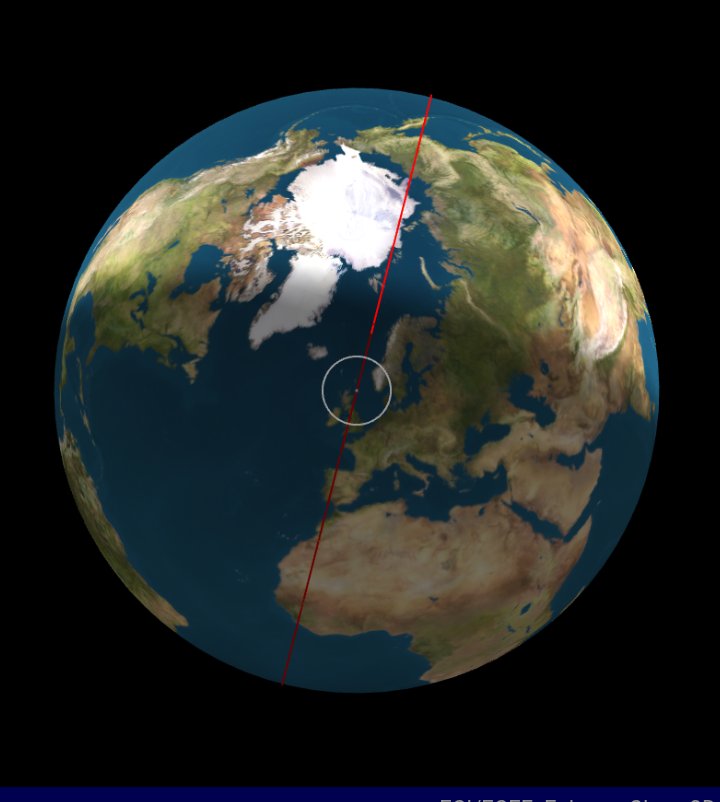
Senegal prepares to Launch its First Satellite, GAINDESAT africanews.space/senegal-pre…...
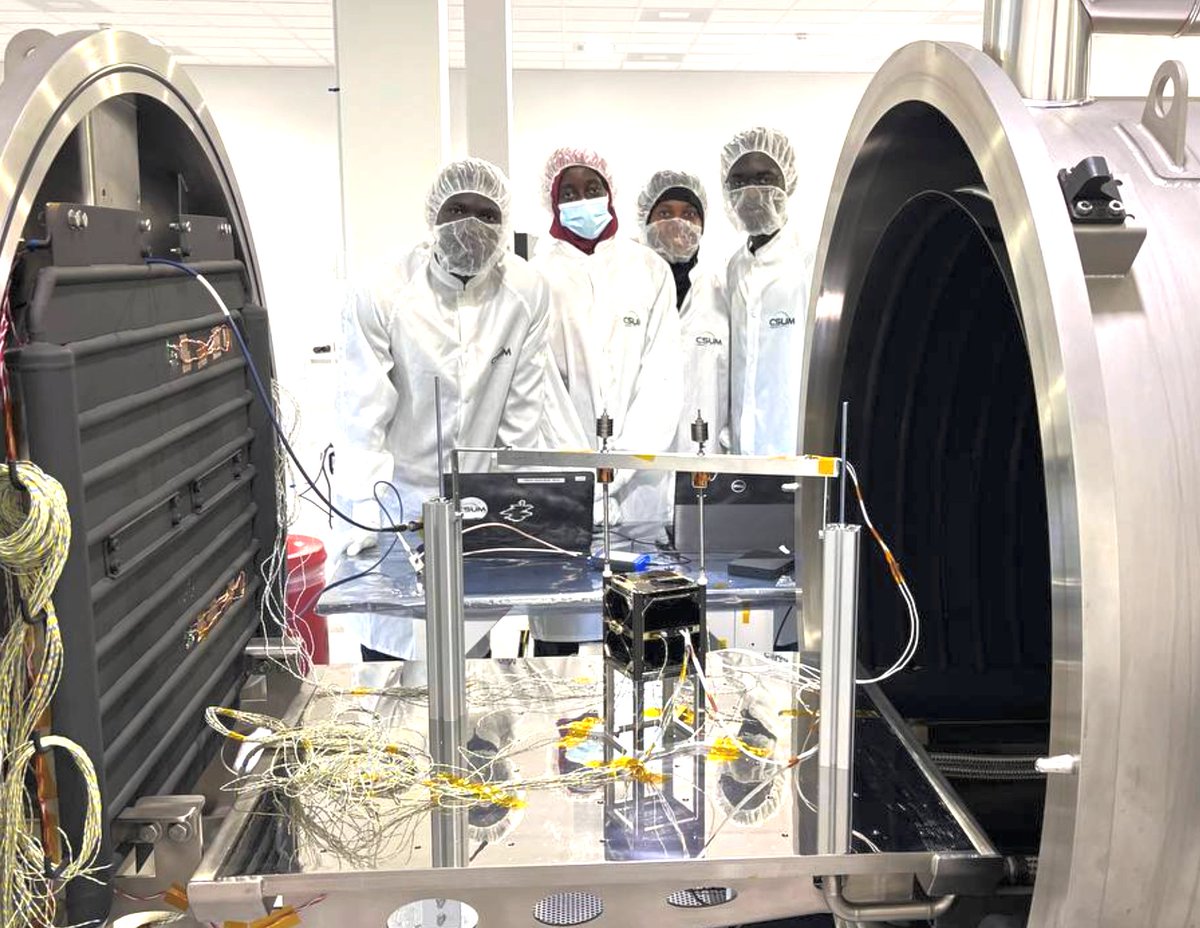
Developed by the Senegalese Ministry of Higher Education, Research, and Innovation in partnership with the Space Centre of the University of Montpellier (CSUM) and coordinated by Gayane Faye, the satellite's main mission will be to retrieve in situ data from the government's meteorological and hydrological services four times a day.
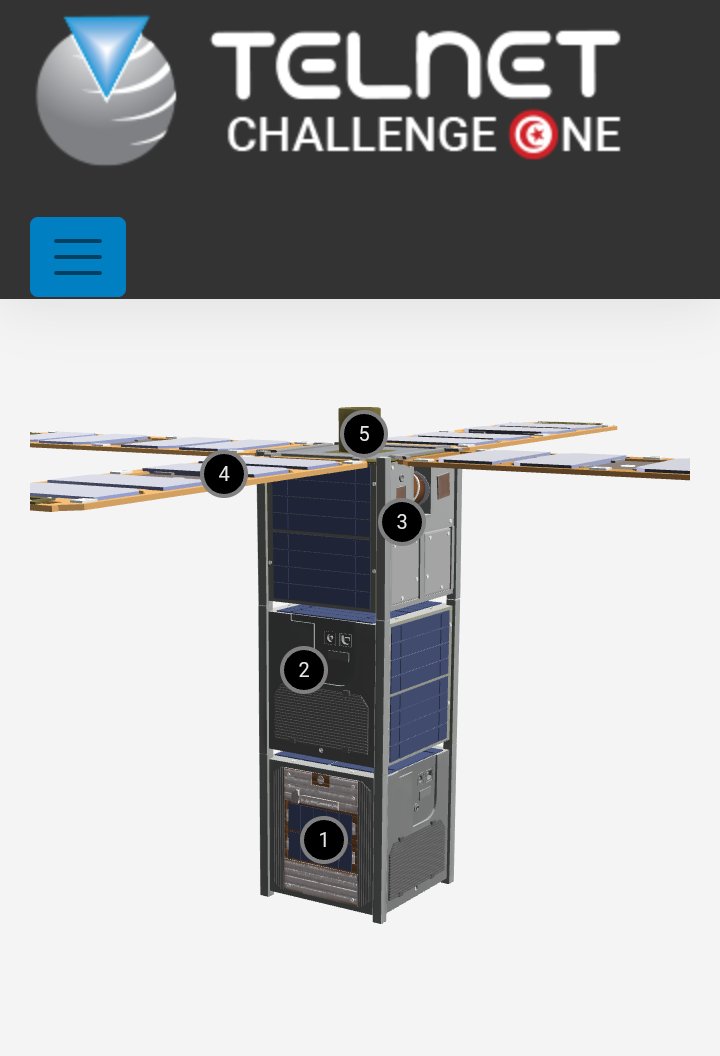
In November 2023, Djibouti launched its first satellite as part of a partnership with CSUM and with the same objectives of developing the country's capacity for in situ data acquisition, indigenous design, and manufacturing. In March 2021, Russia launched Tunisia's ChallengeOne, a domestically developed satellite designed to collect in situ data.
Why are in situ data so important? In situ data increase the accuracy and reliability of Earth observation data by enriching them with direct measurements of the phenomena being studied. They capture local characteristics more accurately, help validate models and simulations generated from Earth observation data, improve real-time monitoring of environmental phenomena, weather conditions, and biological processes, and enable appropriate decision-making. They also enable the identification of long-term trends and the adaptation of solutions to specific local needs.
1
3
277

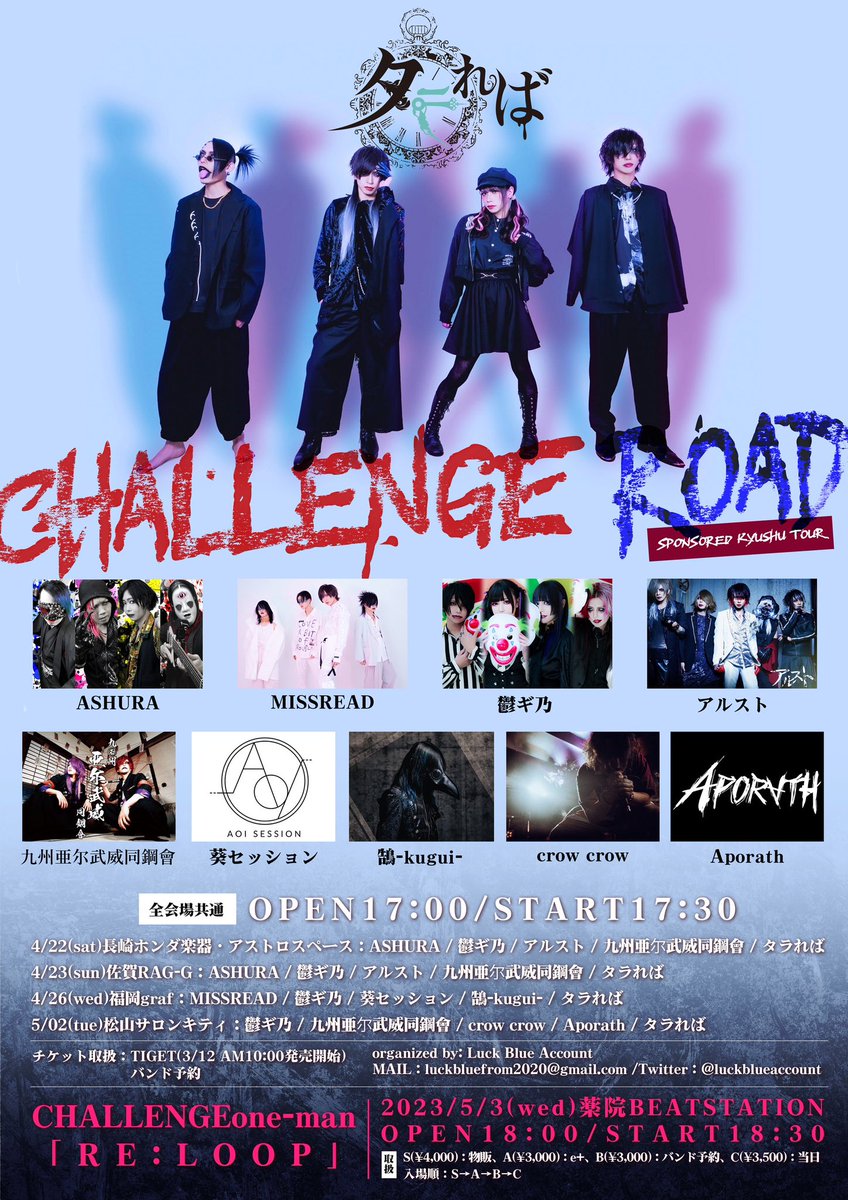
本日のライヴ(5/3)🎸福岡BEAT STATION
🔶タラれば
challengeone-man「RE:LOOP」
🕰️18:00 / 18:30
会場📞092-738-1761
📌beatstation.starfree.jp/
2
9
5,871


30 Aug 2022
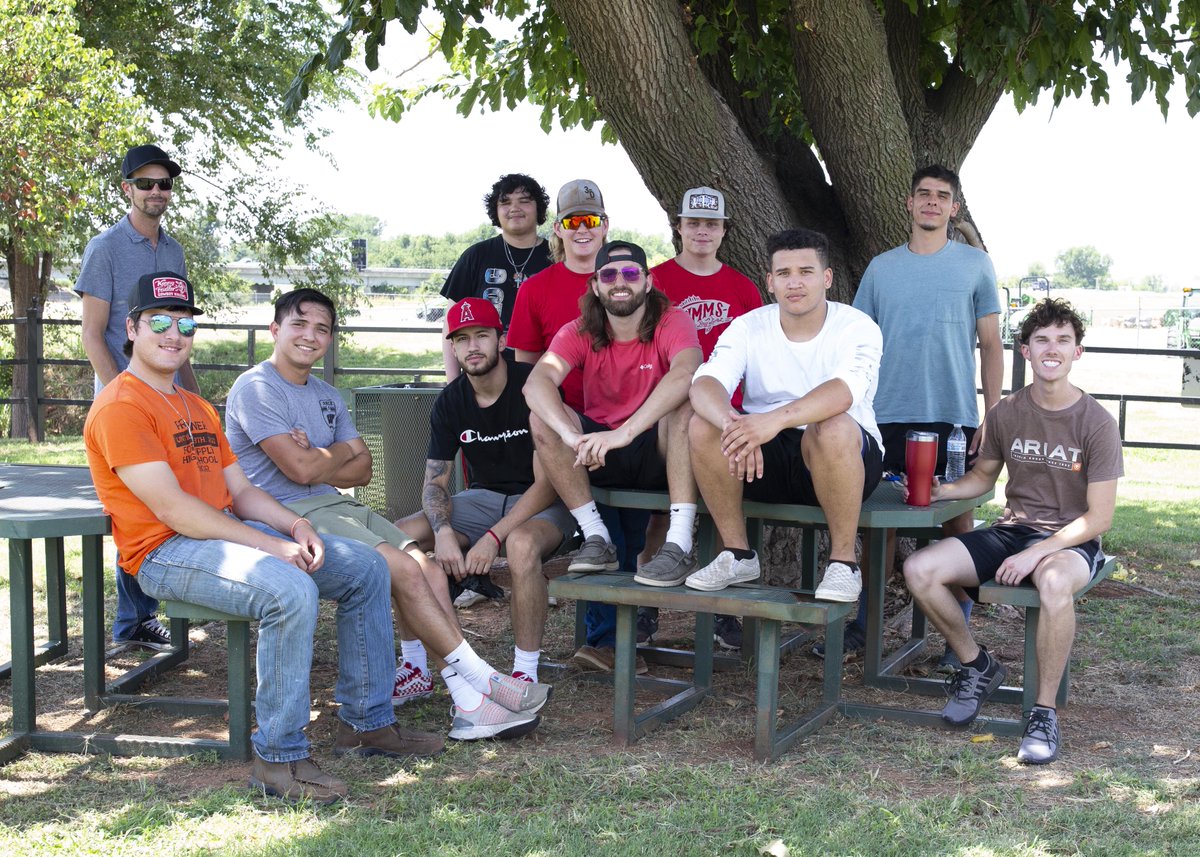
Our Wind Energy class recently did some team building on our ROPES Course at our Chickasha Campus. The ChallengeOne ROPES Training course is available for local companies and organizations to rent. Learn how to develop a stronger company team: ow.ly/NXb550KuuV6
2

16 Aug 2022
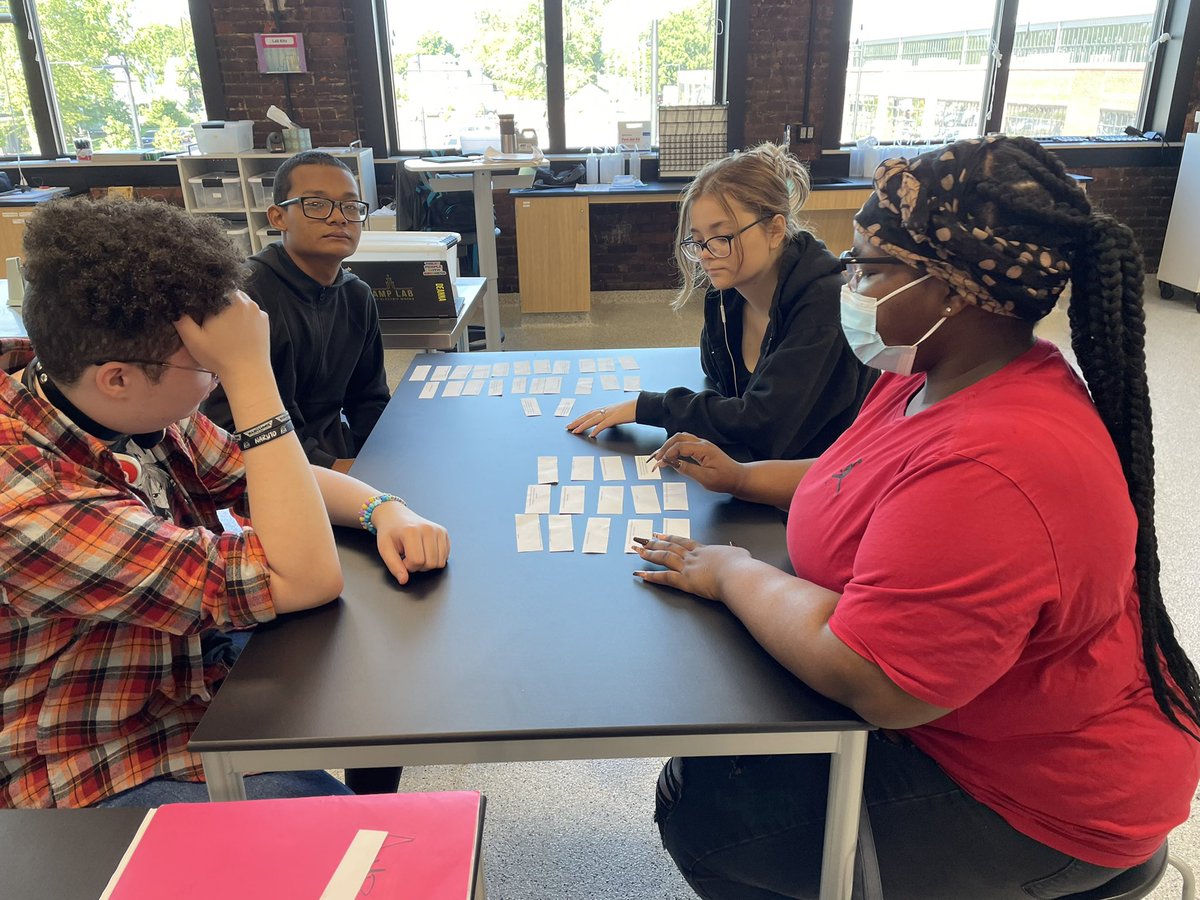
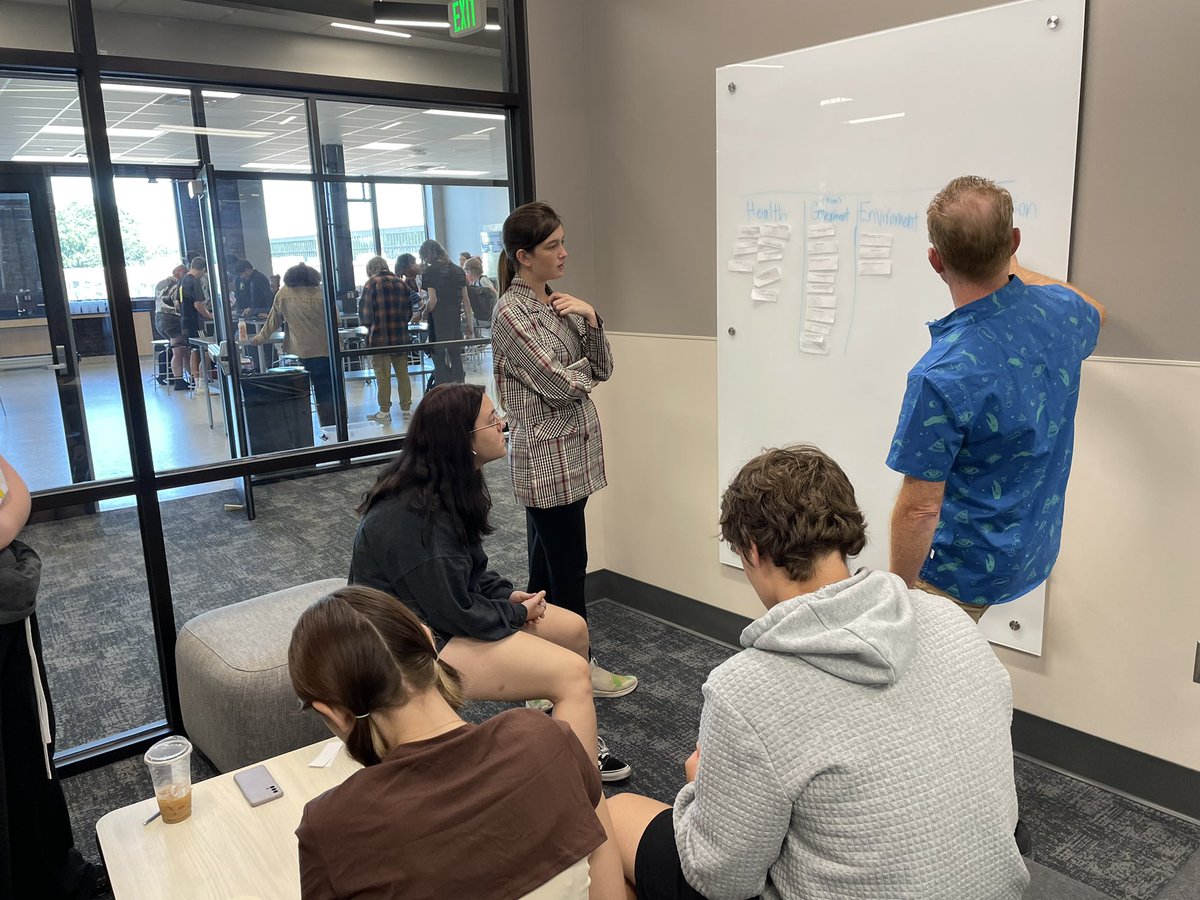
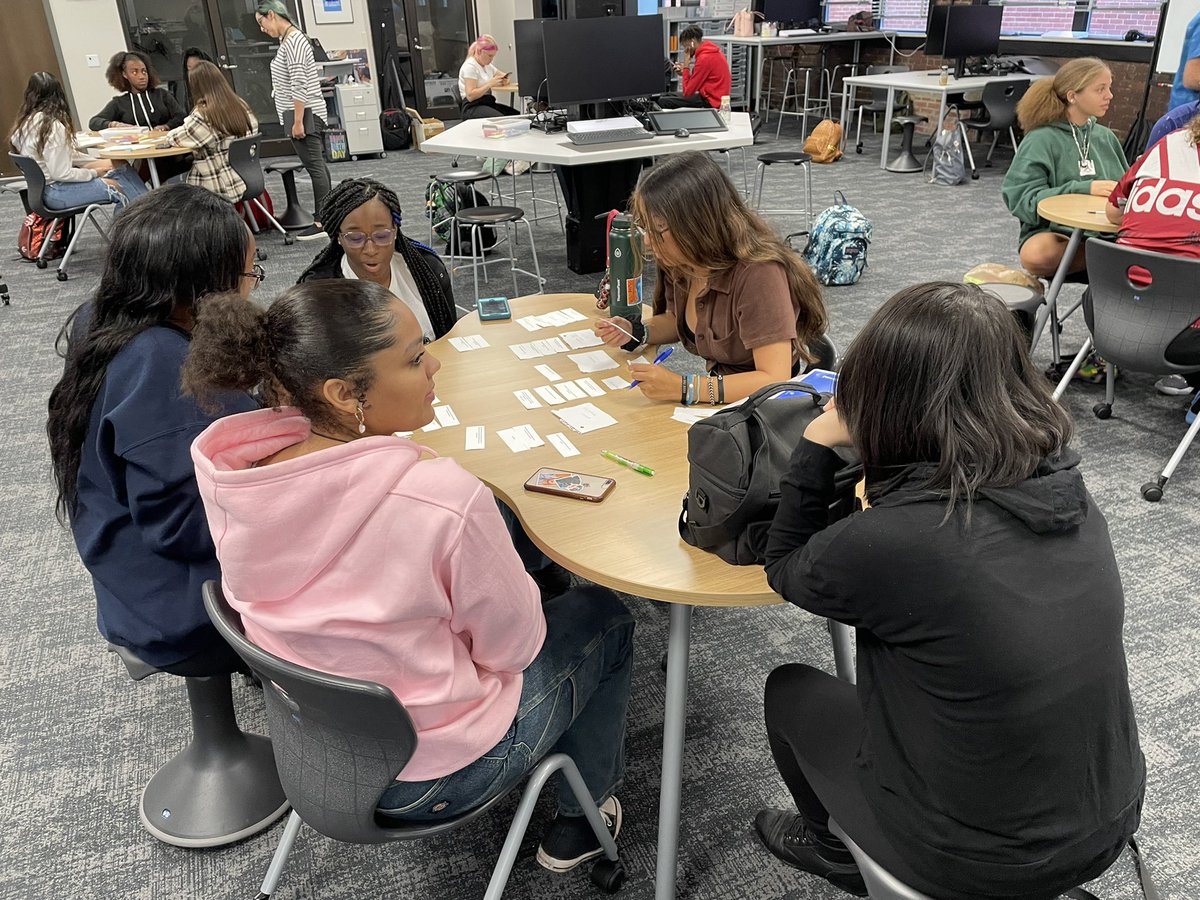
Sorting How Might We ?’s to see patterns and similarities across potential problems. #challengeone #amplab
1
3


Le satellite tunisien « #ChallengeOne » utilisé pour la 1ère fois dans l’agriculture webdo.tn/2022/03/22/le-satel… via @@webdo_tn #Tunisie

17 Feb 2022
The real legal challengeone day will be this: The Population Registration Act was repealed in 1991. This gives job recruitment officers, any government or private system, no legal right to classify any South African by race; There is no legal test to identify race.
1
2

26 Aug 2021
Zedkleinberg
“ChallenGeone”
Beatport
beatport.com/release/challen…
Junodownload
junodownload.com/products/ze…
Traxsource
traxsource.com/title/1645845…
Soundcloud
soundcloud.com/letstechnorec…
YouTube
youtu.be/cUpsEVInUYU
LETS TECHNO
#techno #electronicmusic #dj #music #rave #raver #festival #party
3

26 Aug 2021
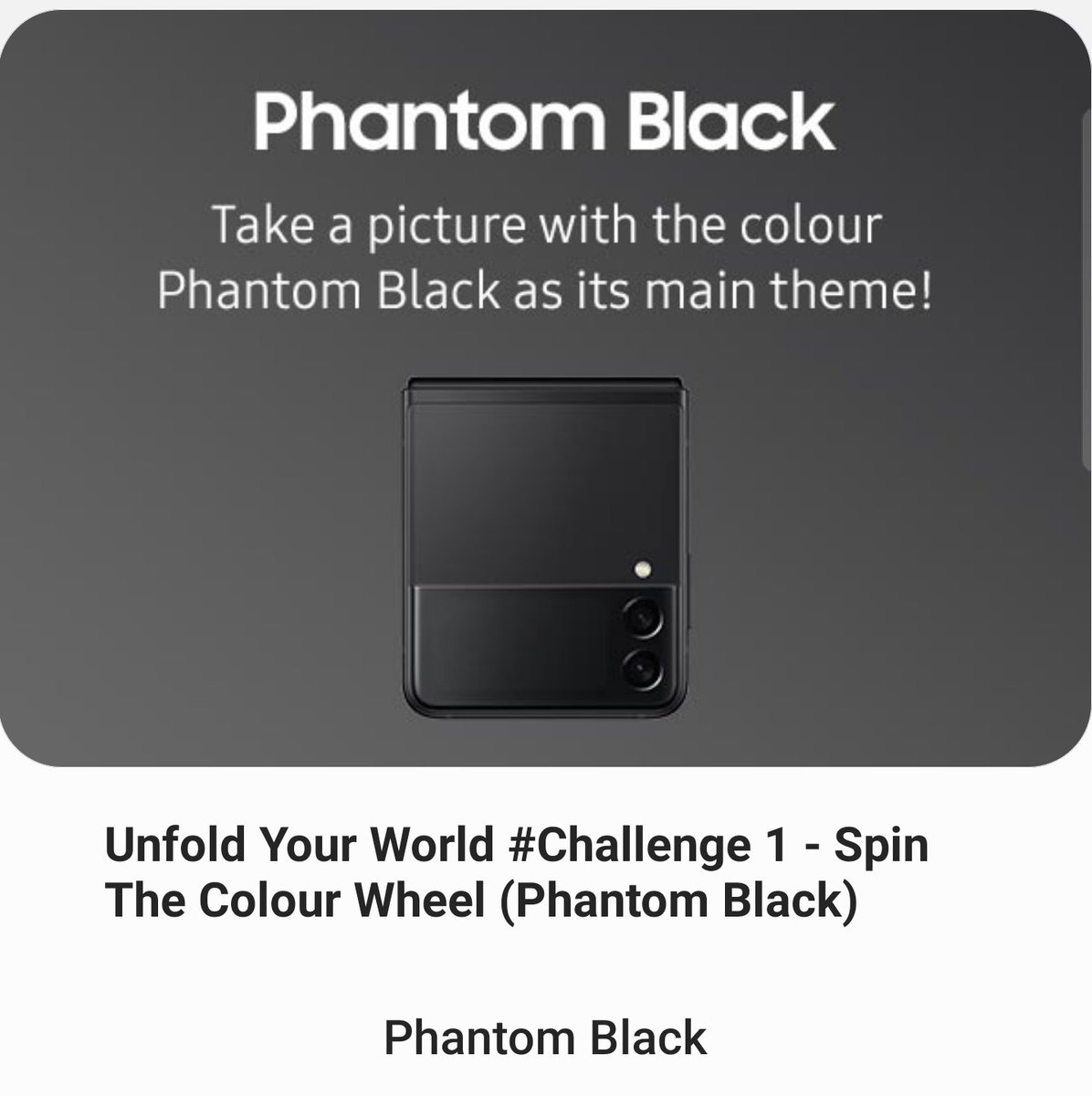
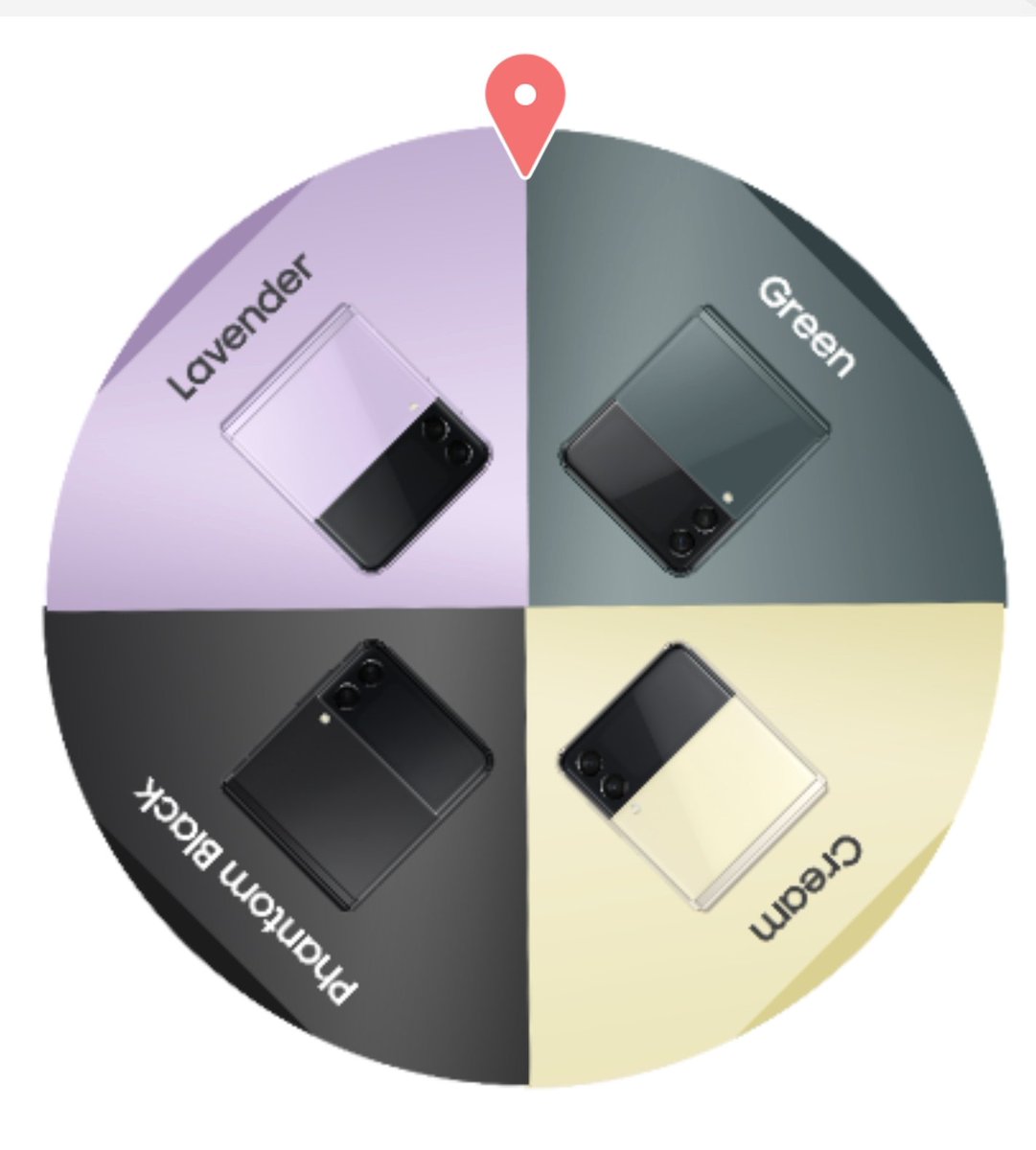
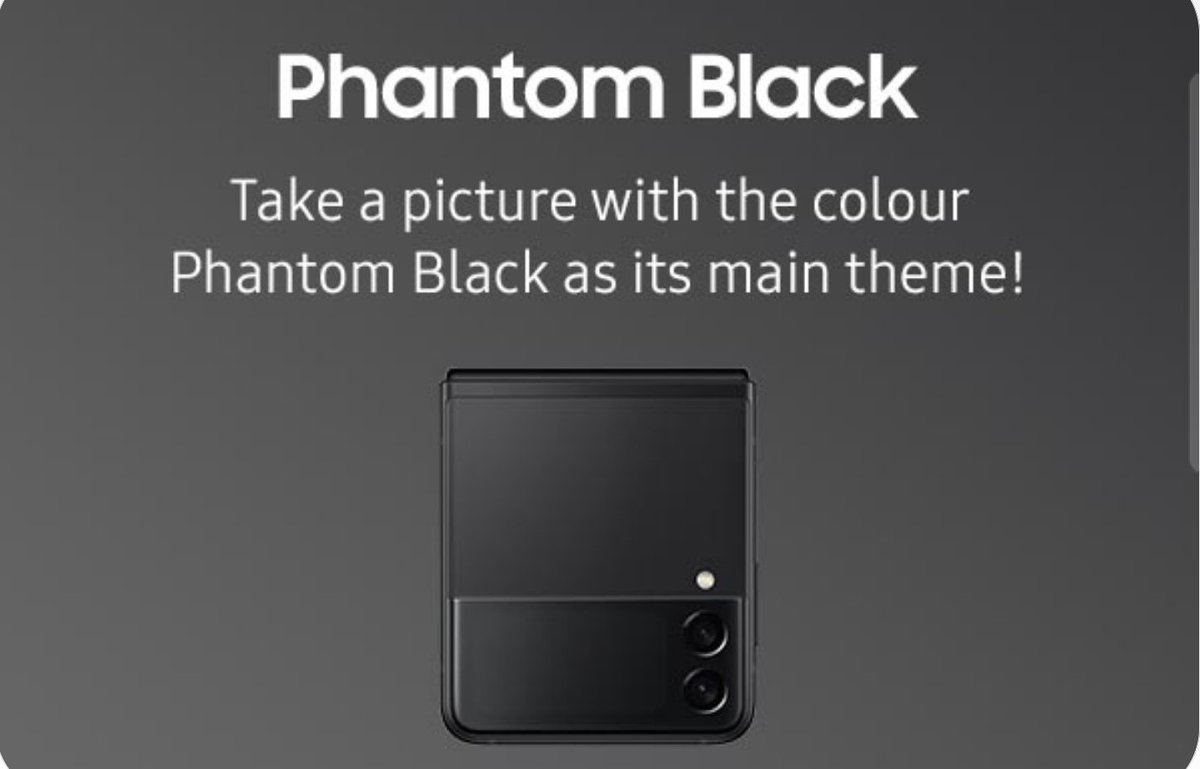
Unfolding My Phantom Black Galaxy Buds Pro for #UnfoldYourWorld #Challenge 1 .
#SamsungMembers
#UnfoldYourWorld #SamsungMembers #ChallengeOne #Challenge1
@SamsungIndia
3
26 Aug 2021
Unfolding My Phantom Black Galaxy Buds Pro for #UnfoldYourWorld #Challenge 1 .
#SamsungMembers
#UnfoldYourWorld #SamsungMembers #ChallengeOne #Challenge1
@SamsungIndia
1
3
26 Aug 2021
Unfolding My Phantom Black Galaxy Buds Pro for #UnfoldYourWorld #Challenge 1 .
#SamsungMembers
#UnfoldYourWorld #SamsungMembers #ChallengeOne #Challenge1
@SamsungIndia
1
6
26 Aug 2021
Unfolding My Phantom Black Galaxy Buds Pro for #UnfoldYourWorld #Challenge 1 .
#SamsungMembers
#UnfoldYourWorld #SamsungMembers #ChallengeOne #Challenge1
@SamsungIndia
4
22 Aug 2021
new releases LETS TECHNO
23 Aug 21
Mike Turing
“South Coast”
25 Aug 21
Aminohaus, D. DEMALDE
“My Religion is...”
26 Aug 21
Zedkleinberg
“ChallenGeone”
27 Aug 21
Indefatigable
“Ethereal Shadow”
beatport.com/label/lets-tech…
LETS TECHNO
#techno #electronicmusic #dj #music #rave #raver
1
1
18 Aug 2021
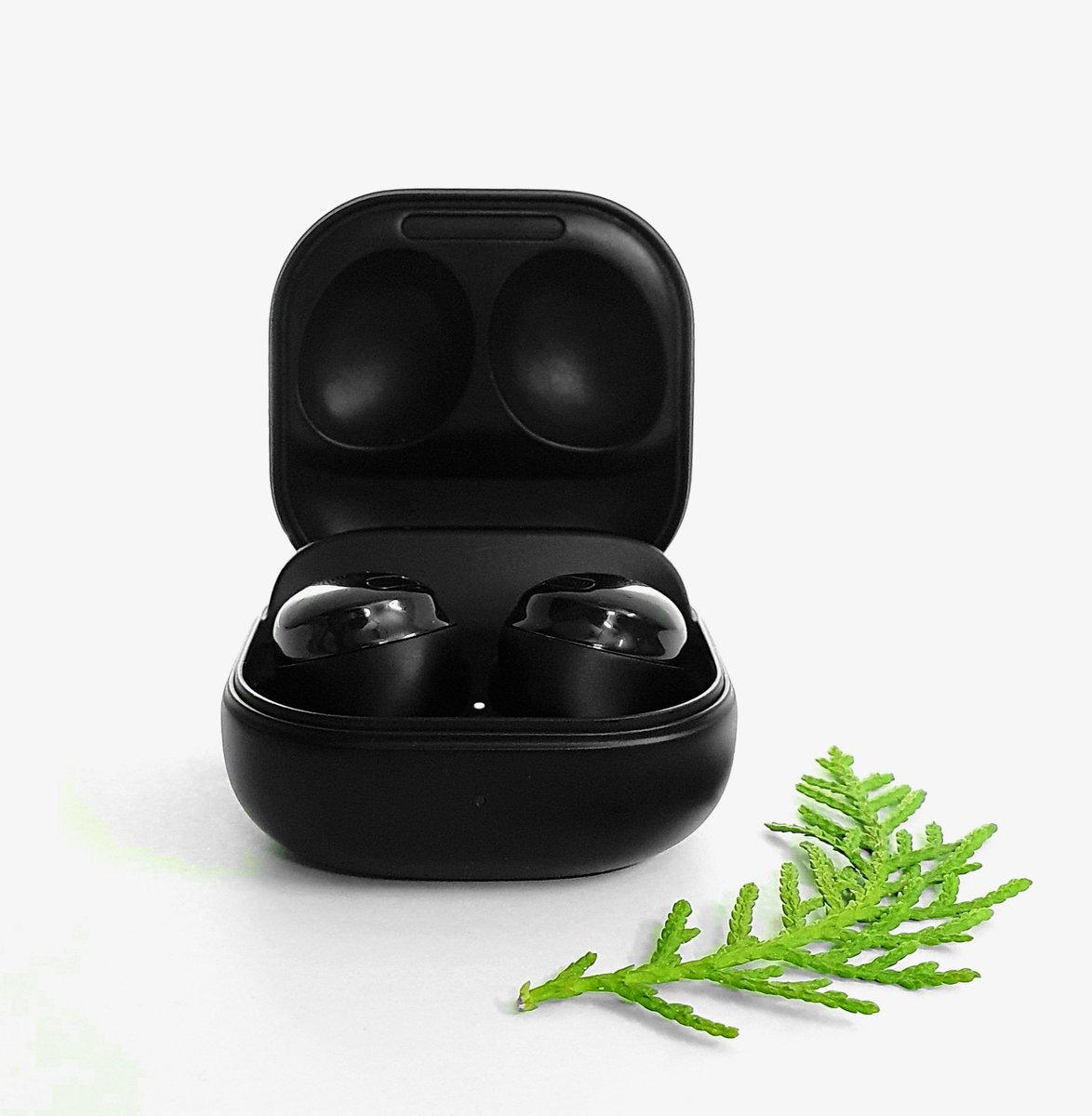
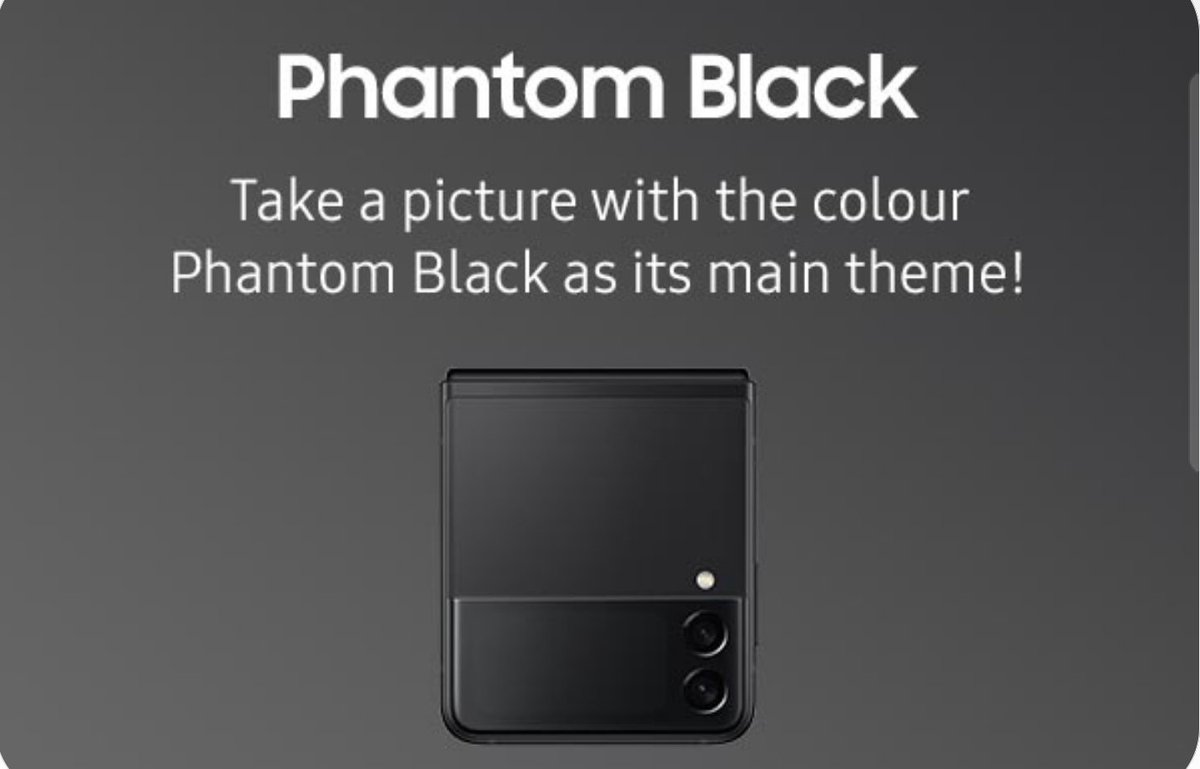
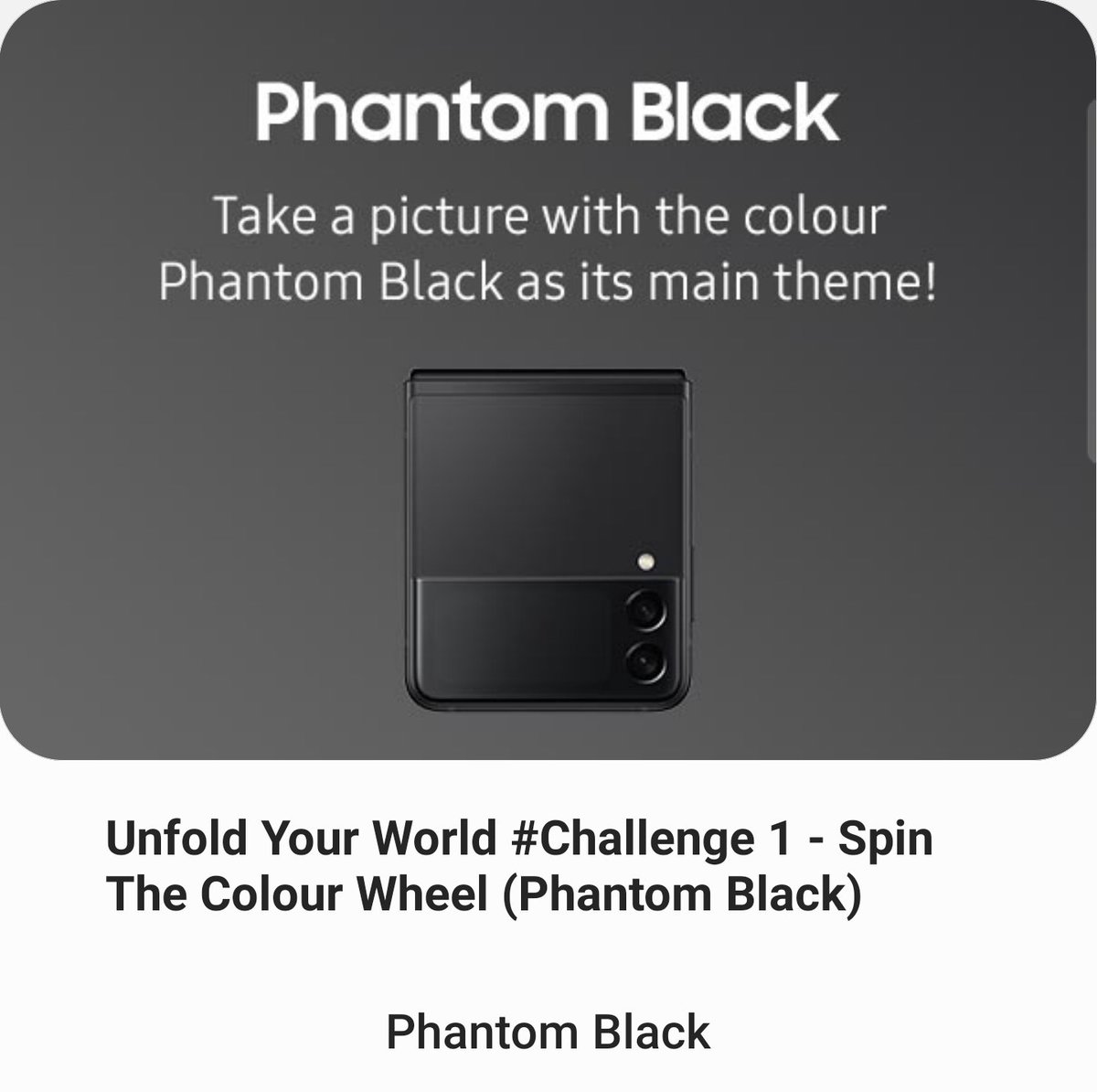
Unfolding My Phantom Black Galaxy Buds Pro for #UnfoldYourWorld Challenge 1 .
#SamsungMembers
#UnfoldYourWorld #SamsungMembers #ChallengeOne #Challenge1
@SamsungIndia
6
18 Aug 2021
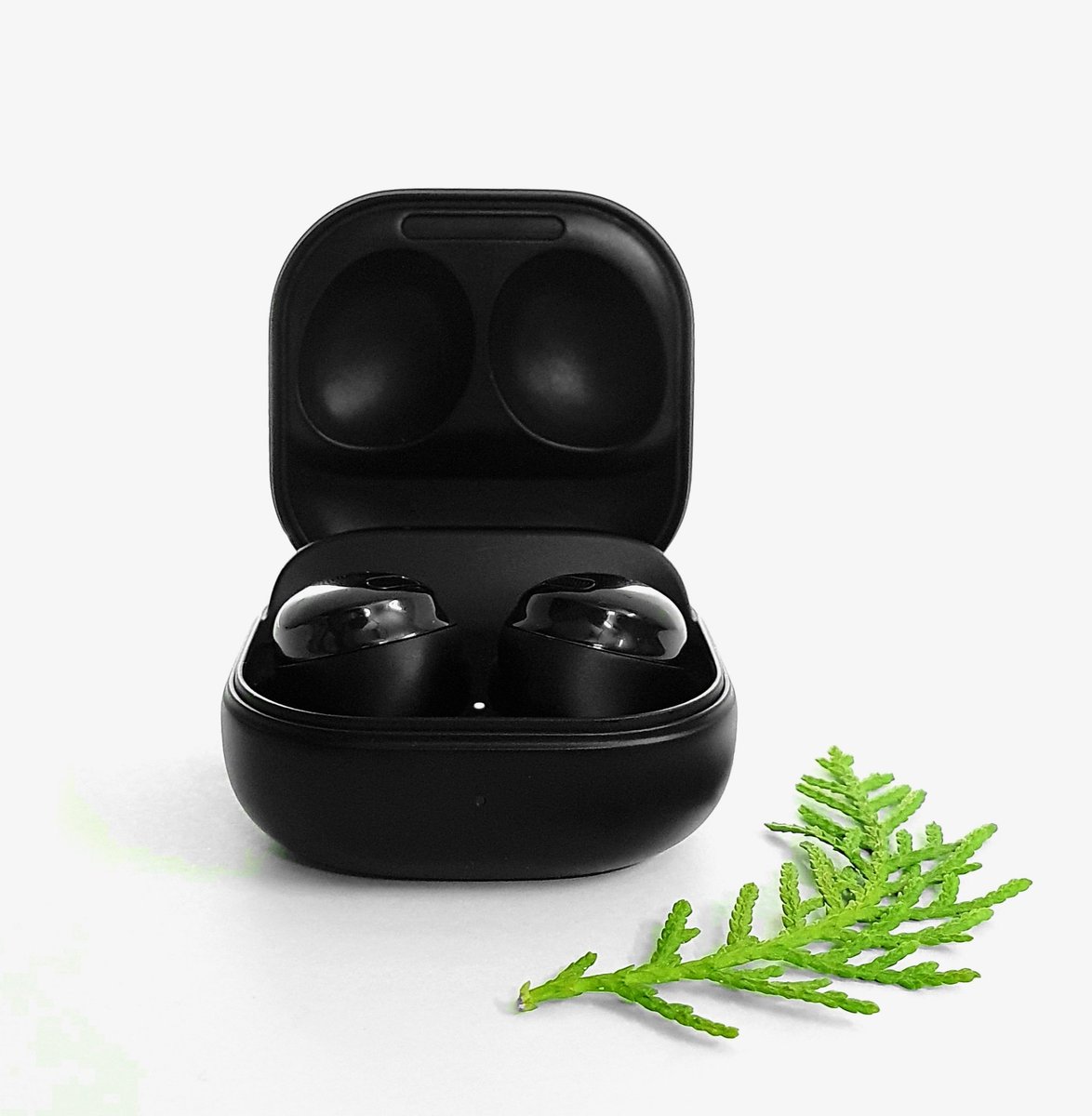
Unfolding My Phantom Black Galaxy Buds Pro for #UnfoldYourWorld Challenge 1 .
#SamsungMembers
#UnfoldYourWorld #SamsungMembers #ChallengeOne #Challenge1
@SamsungIndia
1
6

11 Aug 2021
私も追い付いてないとき、あるよ😀
challengeOneは規模大きくて、盛況だかやチャット元気よねw
インしたての開幕挨拶でチャット流れる量はトップクラスかもしれない(^-^)
1