
Jun 13
👏👏👏 Génial ! J'en avais aussi à Chaource
Belle journée à toi Martine 👍🌞🌞
1
6

Jun 9
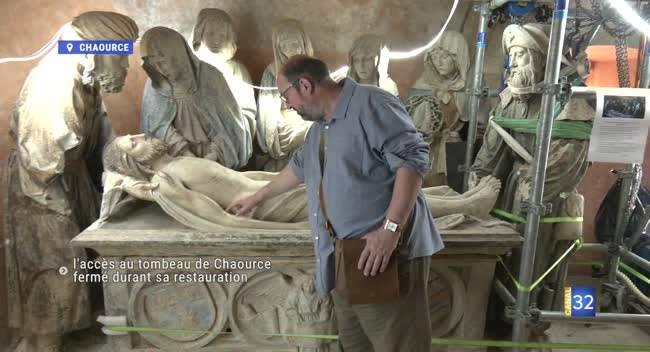
Chaource (10) La Mise au Tombeau est fermée pour restaurations du 6 juin 2026 à juin 2029 !
3
15
212


May 25
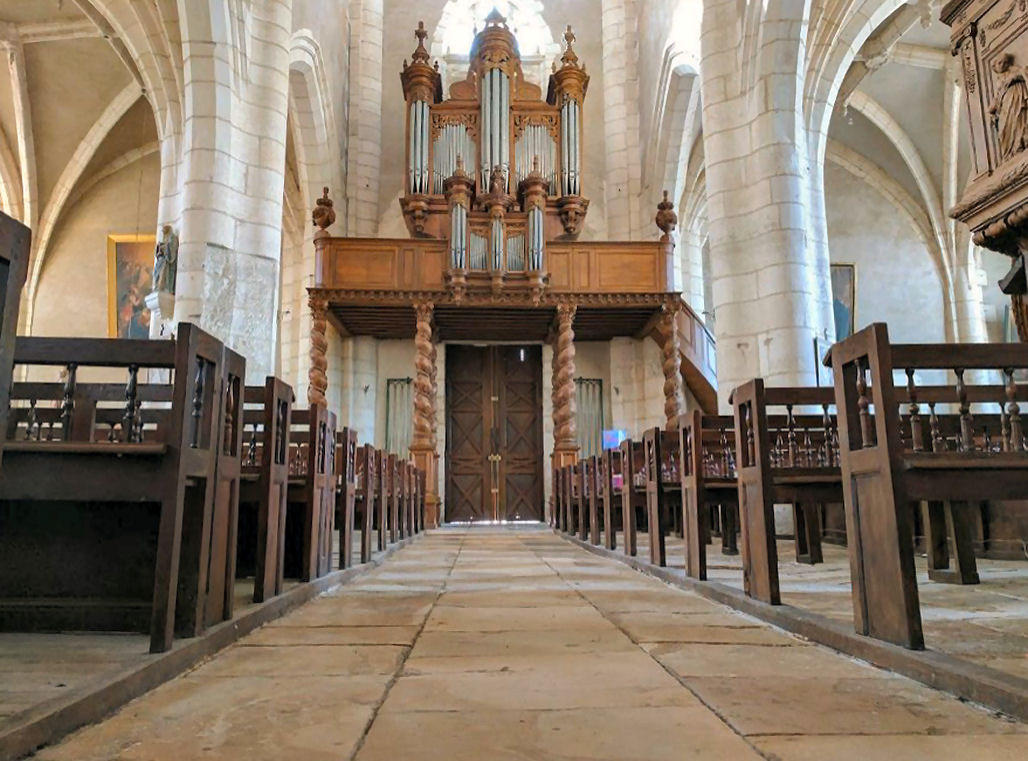
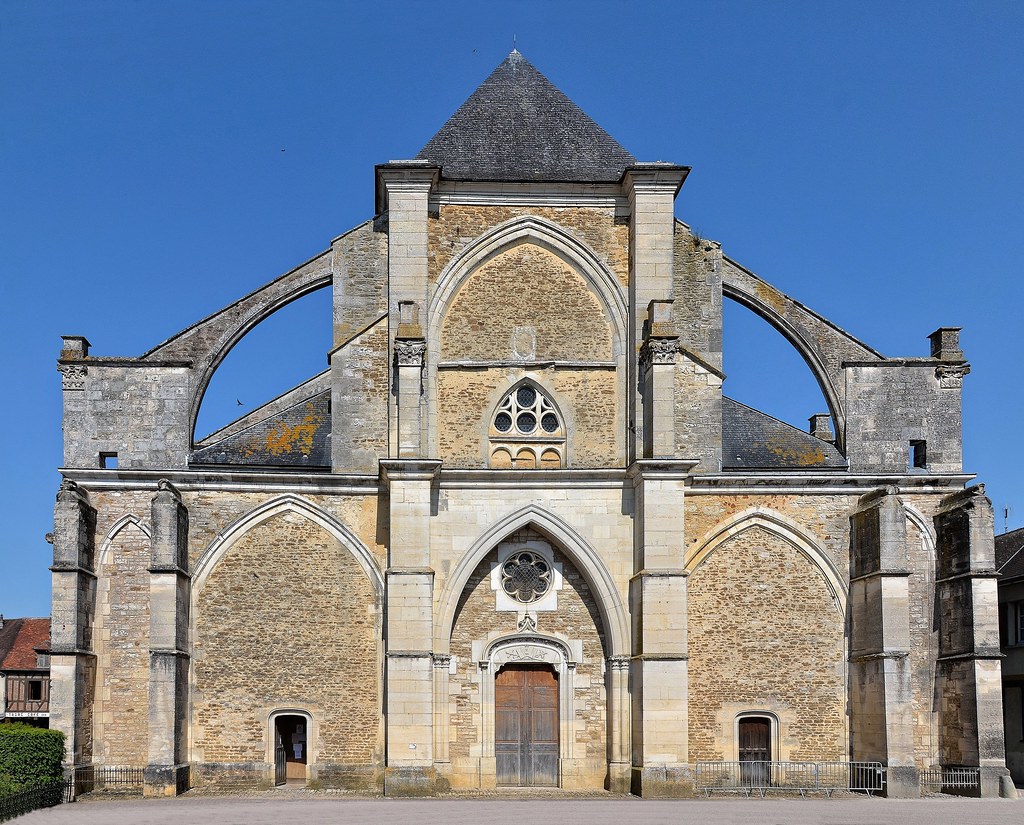
l'Aube, Troyes, les lacs de la forêt d'orient, le rosé des Riceys, le chaource, Nigloland
2
514

May 25
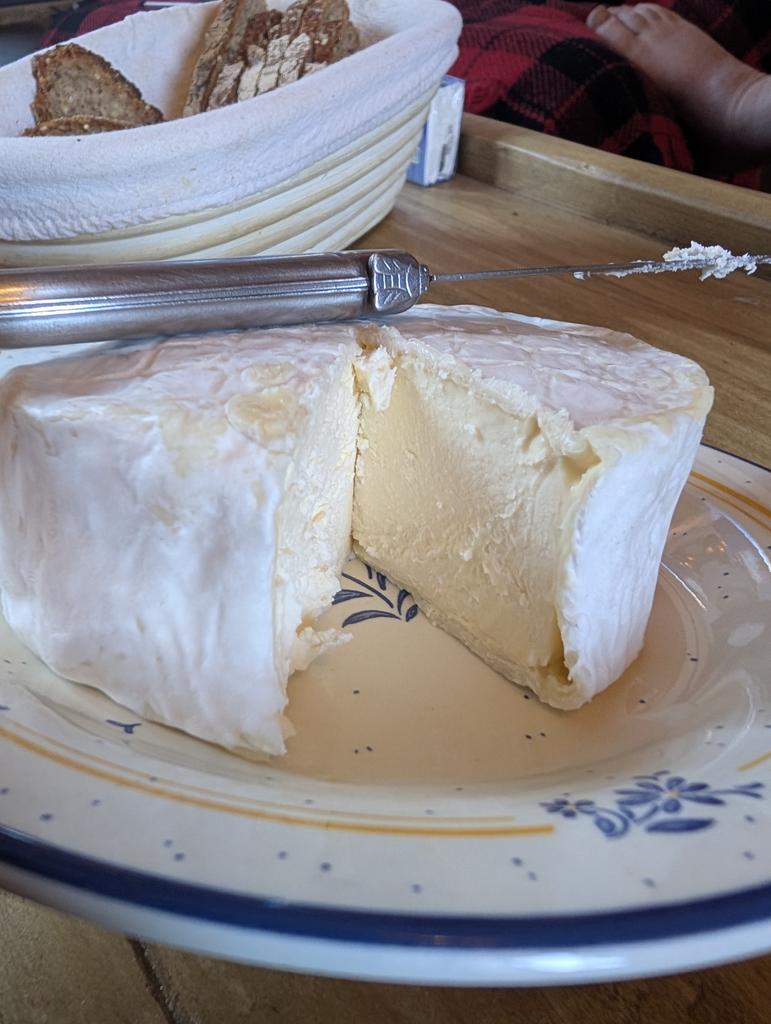
Style Chaource, madame en a commandé pour après les vacs, pour toutes les semaines.
3
1
24
284

May 20
Die Märtyrer von Troyes: Ein fabrizierter Blutverleumdungsprozess im Jahr 1288
—————-
Am 24. April 1288 wurden dreizehn prominente Mitglieder der jüdischen Gemeinde in Troyes, Frankreich, lebendig auf dem Scheiterhaufen verbrannt. Die Hinrichtungen folgten einer klassischen Blutverleumdung, in der Juden zu Unrecht beschuldigt wurden, ein christliches Kind rituell ermordet zu haben, um dessen Blut in Passah-Riten zu verwenden.
Die Ereignisse spielten sich während des Passah-Festes dieses Jahres ab, das mit der christlichen Karwoche zusammenfiel. Am Karfreitag, dem 26. März 1288, wurde eine christliche Leiche heimlich im Haus von Isaac Châtelain, einem angesehenen jüdischen Gelehrten, Grundbesitzer, Kommentator des Talmuds und Gemeindeführer, platziert.
Die deponierte Leiche löste eine sofortige Untersuchung durch franziskanische und dominikanische Inquisitoren aus. Bewaffnete Christen plünderten jüdische Häuser, und die breitere Gemeinde stand vor einem unmittelbar drohenden Massaker.
Um die vollständige Vernichtung der Troyeser Juden abzuwenden, gestand eine Gruppe von dreizehn Personen – größtenteils aus den wohlhabenderen Schichten und einschließlich mehrerer aus der Familie Châtelain – das erfundene Verbrechen.
Zu ihnen gehörten Isaac Châtelain, seine schwangere Frau, ihre zwei Söhne und ihre Schwiegertochter. Die anderen umfassten Samson (sein Schwiegersohn), Salomon, Sohn des Phebus, Simon den Schreiber und Kantor, Jona (Colon), Isaac Cohen, Hayyim von Brinon, Hayyim von Chaource sowie weitere angesehene Männer.
Die Verurteilten wurden zum öffentlichen Platz geführt. An Pfähle gebunden inmitten von Holz- und Reisighaufen, stellten sie sich den Flammen.
Die Hinrichtung wurde in einer anonymen altfranzösischen Elegie sowie in einer hebräischen Seliḥah (Bußgebet), verfasst von Jacob ben Judah aus Lothringen, festgehalten, die erschütternde Details bewahrt.
Ein Sohn schrie in panischer Angst auf, als das Feuer ihn erfasste: „Aaron, ich brenne!“ Sein Bruder tröstete ihn und sagte, er sei auf dem Weg ins Paradies. Isaac Châtelain ging als Erster, und ließ sein Haus und seinen Reichtum zurück. Die Flammen verschlangen die Gruppe am 24. April 1288. Ihre Körper wurden zu Asche verbrannt in einem öffentlichen Spektakel, das die Verleumdung bekräftigen sollte.
Die jüdische Gemeinde gedenkt des Martyriums traditionell am 20. Ijar im hebräischen Kalender (5048), ein Datum, das einige moderne Quellen zur Orientierung als 20. Mai 1288 wiedergeben. Dies erklärt gelegentliche Abweichungen in der Datierung: Der 24. April 1288 markiert den tatsächlichen Tag der Verbrennungen im julianischen Kalender, der damals in Gebrauch war, während der 20. Ijar als fester liturgischer Jahrestag dient.
Es gab keine Beweise für die Anklage.
Der Vorfall war Teil eines Musters von Blutverleumdungen im mittelalterlichen Europa, die oft zu Ostern oder Passah zeitlich ausgerichtet und für finanzielle Gewinne, soziale Kontrolle oder Pöbelgewalt ausgenutzt wurden.
In Troyes deutet die Auswahl reicherer Opfer auf Erpressungsmotive neben religiösem Hass hin.
Die Gemeinde überlebte um den Preis dieser Leben, doch das Trauma hielt in über Jahrhunderte rezitierten Elegien an.
Diese Gräueltat zählt zu den dokumentierten mittelalterlichen Fällen, in denen eine Blutverleumdung direkt zu gerichtlicher Hinrichtung durch Verbrennung führte, einem Schicksal, das frühere Opfer in Blois 1171 und andere in Frankreich und darüber hinaus teilten.
May 20

𝑻𝒉𝒆 𝑴𝒂𝒓𝒕𝒚𝒓𝒔 𝒐𝒇 𝑻𝒓𝒐𝒚𝒆𝒔: 𝑨 𝑭𝒂𝒃𝒓𝒊𝒄𝒂𝒕𝒆𝒅 𝑩𝒍𝒐𝒐𝒅 𝑳𝒊𝒃𝒆𝒍 𝒊𝒏 1288
—————-
On 24 April 1288, thirteen prominent members of the Jewish community in Troyes, France, were burned alive at the stake. The executions followed a classic blood libel accusation in which Jews stood falsely charged with the ritual murder of a Christian child to use the blood in Passover rites.
The events unfolded during Passover that year, which overlapped with Christian Holy Week. On Good Friday, 26 March 1288, a Christian corpse was secretly placed in the home of Isaac Châtelain, a respected Jewish scholar, property owner, Talmud commentator and community leader.
The planted body triggered an immediate investigation by Franciscan and Dominican inquisitors. Armed Christians ransacked Jewish homes, and the wider community faced imminent massacre.
To avert total destruction of Troyes Jewry, thirteen individuals, largely from the wealthier strata and including several from the Châtelain family, confessed to the fabricated crime.
Isaac Châtelain, his pregnant wife, their two sons, and daughter-in-law were among them. The others included Samson (his son-in-law), Solomon son of Phebus, Simon the scribe and cantor, Jonah (Colon), Isaac Cohen, Hayyim of Brinon, Hayyim of Chaource, and additional men of standing.
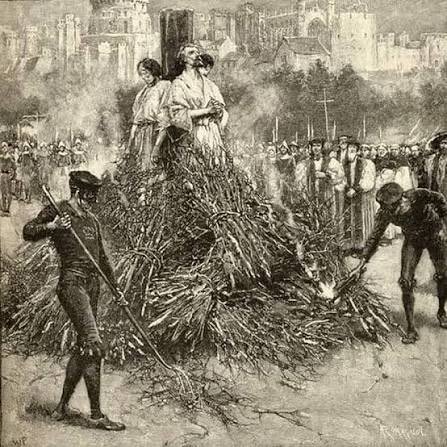
The condemned were led to the public square. Bound to stakes amid piles of wood and kindling, they faced the flames.
The execution was recorded in an anonymous Old French elegy and a Hebrew seliḥah (penitential prayer) written by Jacob ben Judah of Lorraine, preserving harrowing details.
One son cried out in terror as the fire took hold: “Aaron, I am on fire!” His brother comforted him, saying he was heading to paradise. Isaac Châtelain went first, leaving behind his home and wealth. The flames consumed the group on 24 April 1288. Their bodies were reduced to ash in a public spectacle intended to affirm the libel.
The Jewish community traditionally commemorates the martyrdom on the 20th of Iyar in the Hebrew calendar (5048), a date that some modern sources render as 20 May 1288 for reference. This explains the occasional variation in dating: 24 April 1288 marks the actual day of the burnings in the Julian calendar then in use, while 20 Iyar serves as the fixed liturgical anniversary.
No evidence supported the charge.
The episode formed part of a pattern of blood libels across medieval Europe, often timed to Easter or Passover and exploited for financial gain, social control, or mob violence.
In Troyes, the selection of richer victims suggests motives of extortion alongside religious hatred.
The community survived at the cost of these lives, but the trauma endured in elegies recited for centuries.
This atrocity stands as one of the documented medieval instances where a blood libel directly produced judicial murder by burning, a fate shared with earlier victims in Blois in 1171 and others across France and beyond.
3
19
68
1,687

May 20
𝑻𝒉𝒆 𝑴𝒂𝒓𝒕𝒚𝒓𝒔 𝒐𝒇 𝑻𝒓𝒐𝒚𝒆𝒔: 𝑨 𝑭𝒂𝒃𝒓𝒊𝒄𝒂𝒕𝒆𝒅 𝑩𝒍𝒐𝒐𝒅 𝑳𝒊𝒃𝒆𝒍 𝒊𝒏 1288
—————-
On 24 April 1288, thirteen prominent members of the Jewish community in Troyes, France, were burned alive at the stake. The executions followed a classic blood libel accusation in which Jews stood falsely charged with the ritual murder of a Christian child to use the blood in Passover rites.
The events unfolded during Passover that year, which overlapped with Christian Holy Week. On Good Friday, 26 March 1288, a Christian corpse was secretly placed in the home of Isaac Châtelain, a respected Jewish scholar, property owner, Talmud commentator and community leader.
The planted body triggered an immediate investigation by Franciscan and Dominican inquisitors. Armed Christians ransacked Jewish homes, and the wider community faced imminent massacre.
To avert total destruction of Troyes Jewry, thirteen individuals, largely from the wealthier strata and including several from the Châtelain family, confessed to the fabricated crime.
Isaac Châtelain, his pregnant wife, their two sons, and daughter-in-law were among them. The others included Samson (his son-in-law), Solomon son of Phebus, Simon the scribe and cantor, Jonah (Colon), Isaac Cohen, Hayyim of Brinon, Hayyim of Chaource, and additional men of standing.
The condemned were led to the public square. Bound to stakes amid piles of wood and kindling, they faced the flames.
The execution was recorded in an anonymous Old French elegy and a Hebrew seliḥah (penitential prayer) written by Jacob ben Judah of Lorraine, preserving harrowing details.
One son cried out in terror as the fire took hold: “Aaron, I am on fire!” His brother comforted him, saying he was heading to paradise. Isaac Châtelain went first, leaving behind his home and wealth. The flames consumed the group on 24 April 1288. Their bodies were reduced to ash in a public spectacle intended to affirm the libel.
The Jewish community traditionally commemorates the martyrdom on the 20th of Iyar in the Hebrew calendar (5048), a date that some modern sources render as 20 May 1288 for reference. This explains the occasional variation in dating: 24 April 1288 marks the actual day of the burnings in the Julian calendar then in use, while 20 Iyar serves as the fixed liturgical anniversary.
No evidence supported the charge.
The episode formed part of a pattern of blood libels across medieval Europe, often timed to Easter or Passover and exploited for financial gain, social control, or mob violence.
In Troyes, the selection of richer victims suggests motives of extortion alongside religious hatred.
The community survived at the cost of these lives, but the trauma endured in elegies recited for centuries.
This atrocity stands as one of the documented medieval instances where a blood libel directly produced judicial murder by burning, a fate shared with earlier victims in Blois in 1171 and others across France and beyond.
16
130
316
16,838


May 14
Y en a des bonnes choses dans ma région d'origine et le chaource en fait partie. 🤤

1
5
172

Memoria en Blanco y Queso: Una Lección de "Pasta Blanda".
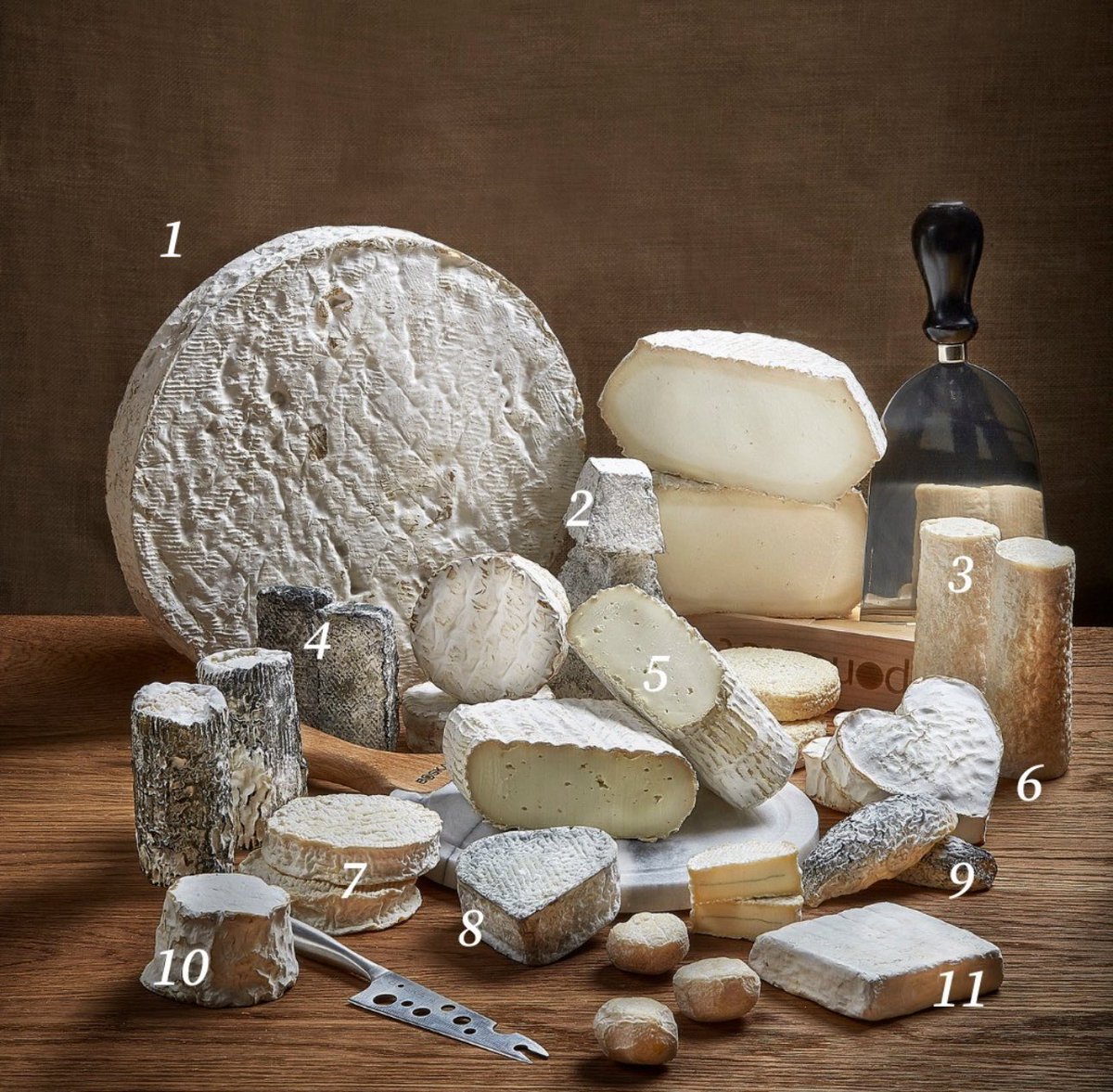
A veces, bucear en la galería de fotos del teléfono es como abrir una cava de afinación: los recuerdos maduran y, de repente, una imagen te devuelve un aroma. Al encontrar la foto de estos once quesos, me he visto transportado a dos etapas que marcaron mi criterio: mis años como asesor en Poncelet, hasta que tristemente cerró sus puertas, y mis días como jurado en el Ministerio de Agricultura bajo la gestión de Arias Cañete.
En el Ministerio, nuestra labor era ensalzar el producto nacional, premiando la excelencia de nuestras queserías. En Poncelet, sin embargo, el horizonte era el mundo. Esta selección que hoy os comparto es antigua, lo reconozco, pero para quien quiera iniciarse en el universo de la pasta blanda y la corteza enmohecida, sigue siendo una "hoja de ruta" imbatible.
Para un iniciado, la corteza blanca de un Brie o un Camembert puede imponer respeto. Pero como cocinero, siempre digo lo mismo: esa piel es el alma del queso. No es un envoltorio, es un ecosistema de Penicillium que transforma la leche en crema. Se come porque es ahí donde reside el matiz a champiñón y tierra húmeda que equilibra el dulzor láctico del interio
Si algo aprendí asesorando en Poncelet es que el queso es un organismo vivo. El error más común es el frío. Estos quesos deben "sudar" un poco, recuperar su temperatura para que la proteólisis (esa textura que casi fluye) haga su magia. Si los conservas en casa, huye del film plástico; envuélvelos en papel parafinado y deja que respiren, como respiraban en nuestras cámaras de afinación.
Aunque el tiempo pase, estas piezas son lecciones magistrales de equilibrio. Algunas me recuerdan a las catas técnicas en el Ministerio, otras a las joyas que seleccionábamos para los clientes más exigentes de Madrid:
1. Brie de Meaux (Francia): La intensidad de la leche cruda de vaca. El padre de todos ellos.
2. Valençay (Francia): Elegancia de cabra y ceniza. Una pirámide que es pura historia.
3. Rulo de Madrid (España): Un orgullo local que defendí en muchas catas; potencia caprina con sello madrileño.
4. Brique Cendrée Fermier (Francia): Un bocado dulce y fresco, ideal para entender la sutileza de la vaca.
5. Sola Búfala (Italia): La grasa noble de la búfala llevada a una intensidad que sorprende.
6. Coeur de Neufchâtel (Francia): El corazón de Normandía. Tierno y poco pronunciado, perfecto para empezar.
7. Camembert de Normandía (Francia): El aroma a establo y setas en su versión más auténtica (leche cruda).
8. Coeur du Berry (Francia): Delicadeza en forma de corazón, pura seda de cabra.
9. Petit Meje (Francia): Un pequeño gran queso de cabra para quienes buscan elegancia sin estridencias.
10. Chaource (Francia): Textura de nube y notas cítricas. Un "imprescindible".
11. Olavidia (España): Lo incluyo porque, aunque sea más reciente en la memoria colectiva, representa ese espíritu de los premios del Ministerio: innovación, leche de cabra y una personalidad arrolladora con su ceniza de hueso de aceituna.
Mirar estas fotos no es solo recordar quesos; es recordar una época donde el oficio de jurado y asesor nos permitía poner en valor el tiempo, la leche y el moho. Para quien empieza hoy, cualquiera de estos es un billete de ida sin retorno al placer gastronómico.
#sedcuriosos
4
10
73
4,320

May 5
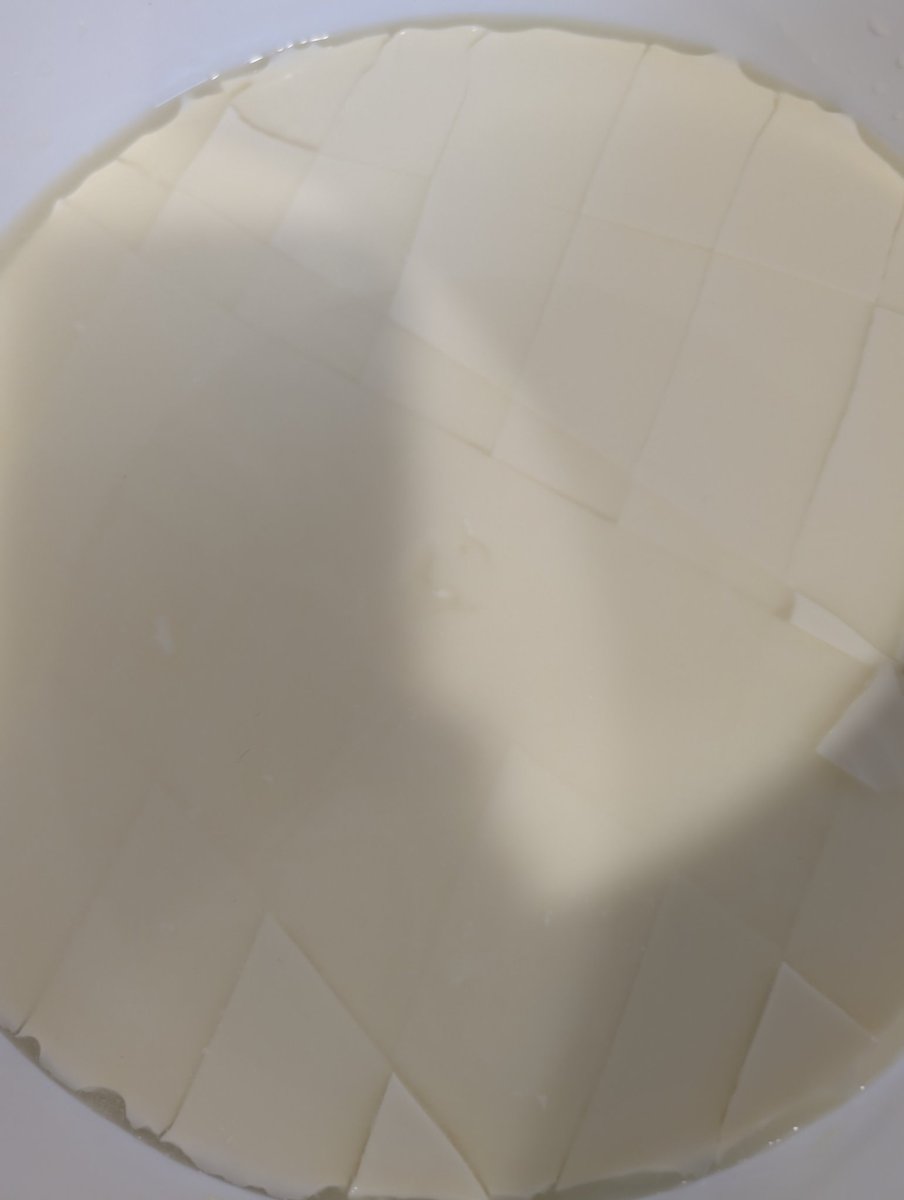
Ce n'est valable que si on l'essore bien...pour récolter l'eau de chaource naturelle.
3
16


May 4
Pour la première fois depuis dix ans, la production du fromage Chaource est en baisse dans l'Yonne et l'Aube
➡️ l.ici.fr/TTVG
1
7
10
1,148

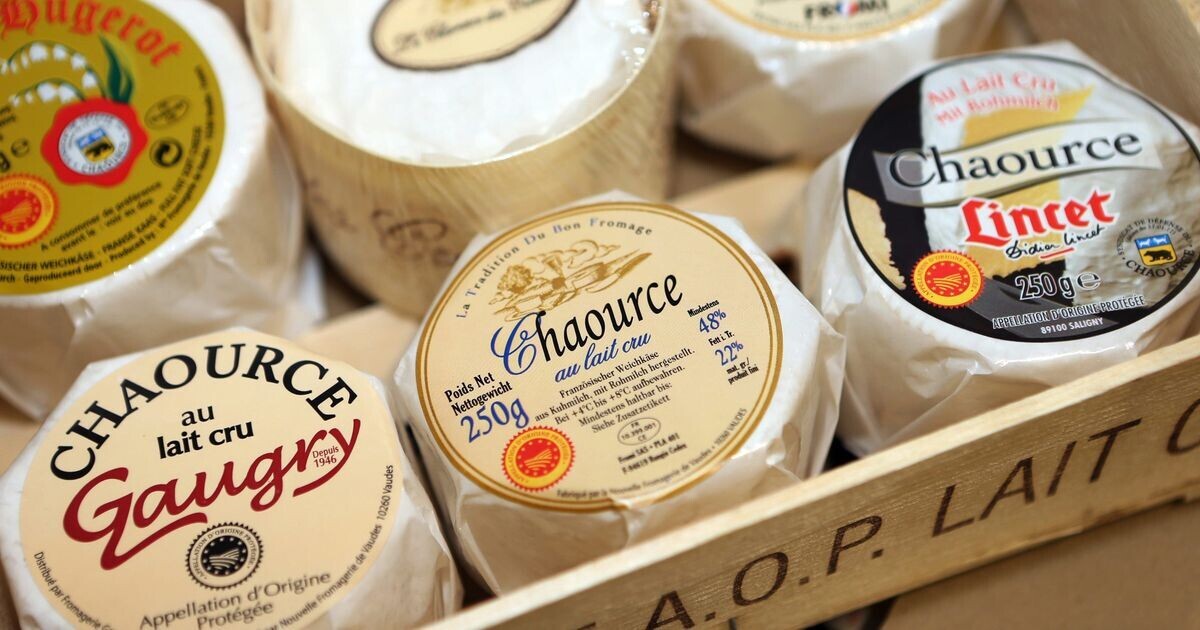
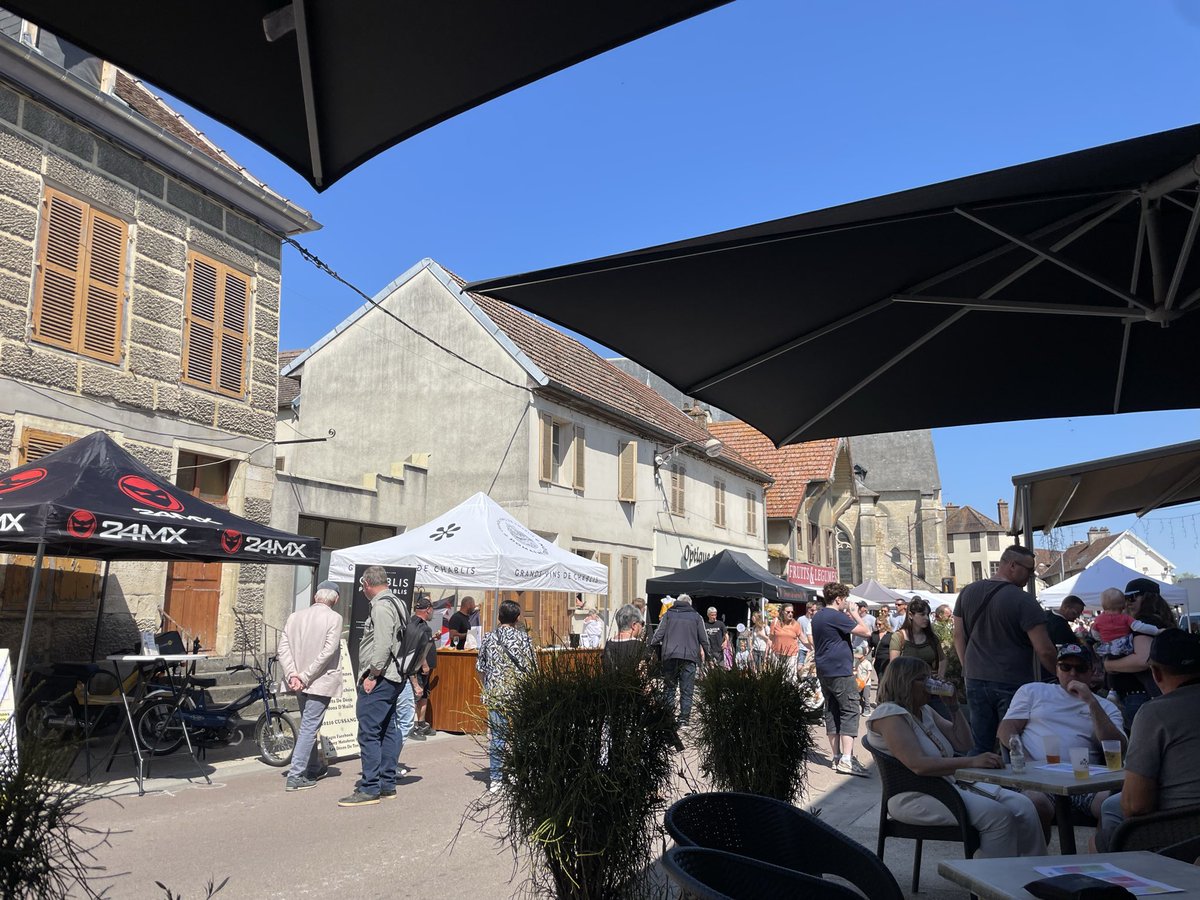
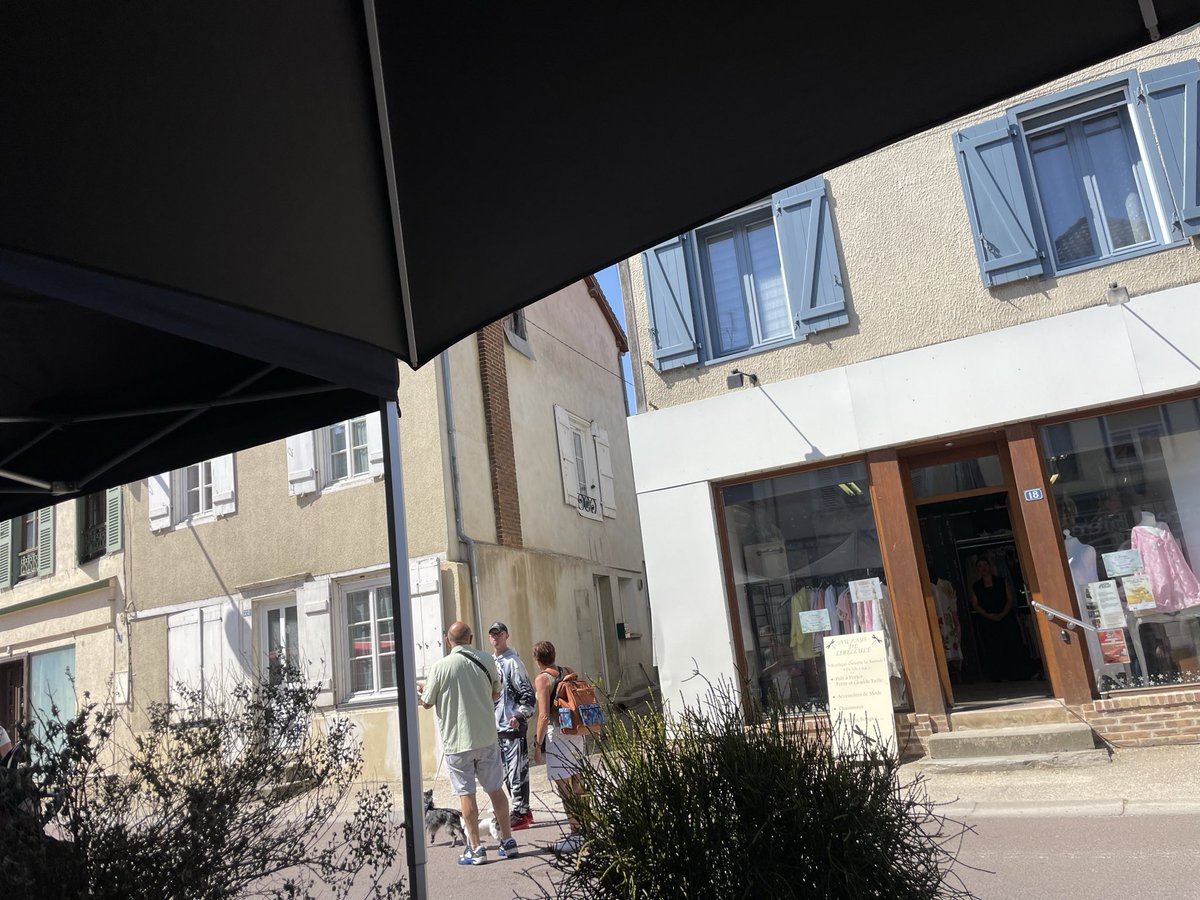
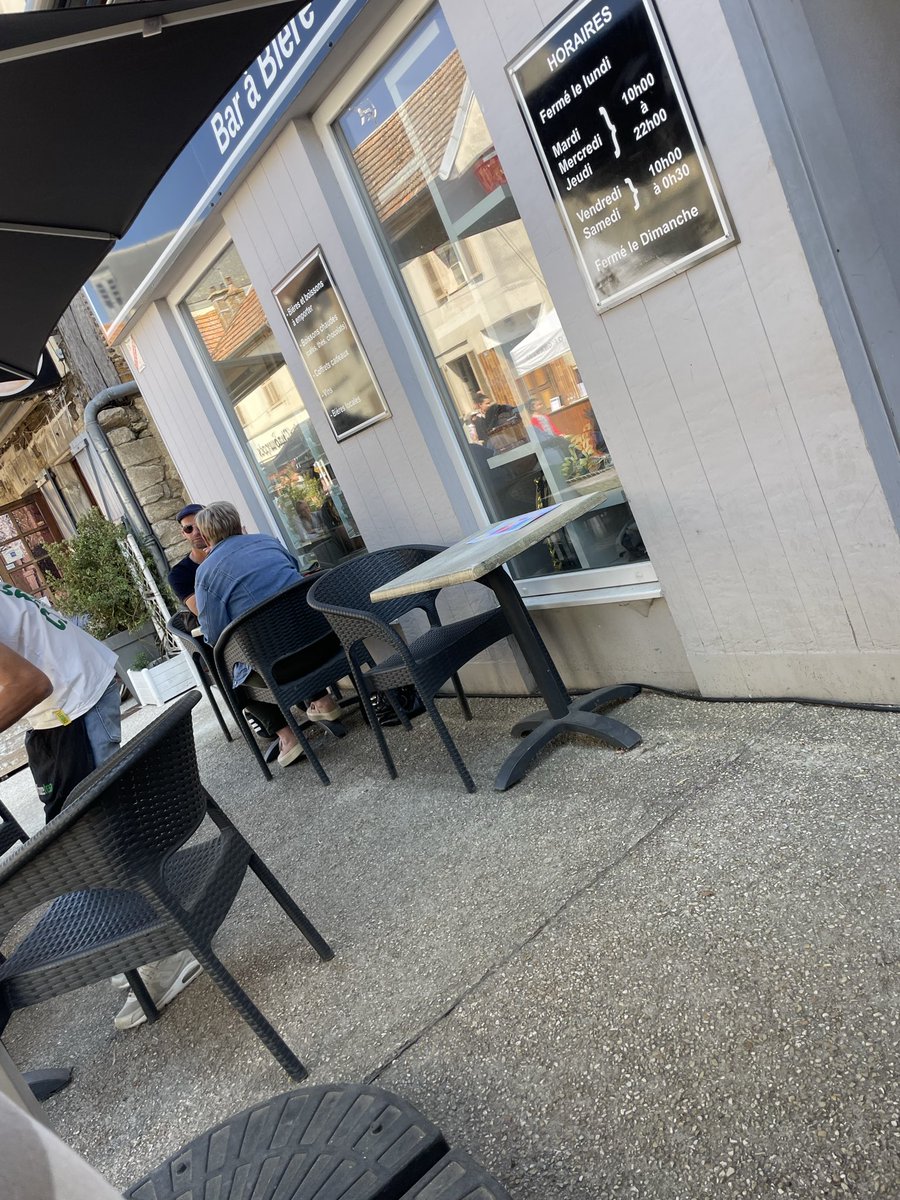
Ik heb lang geleden zoveel blanken bij elkaar gezien! Allemaal RAL9010, heerlijk!
#frankrijk
#Chaource
2
1
5
79
May 1
Bonjour le monde 👍☕🥐
Bon 1er mai à toutes et à tous
Joli petit soleil 🌞 15° - parait que les orages arrivent ?
Dans la forêt de Chaource ce sont des océans de muguet
Belle journée les amours 🥰

12
2
24
268
Apr 29
Jour de glande aujourd'hui, pas de jardin .
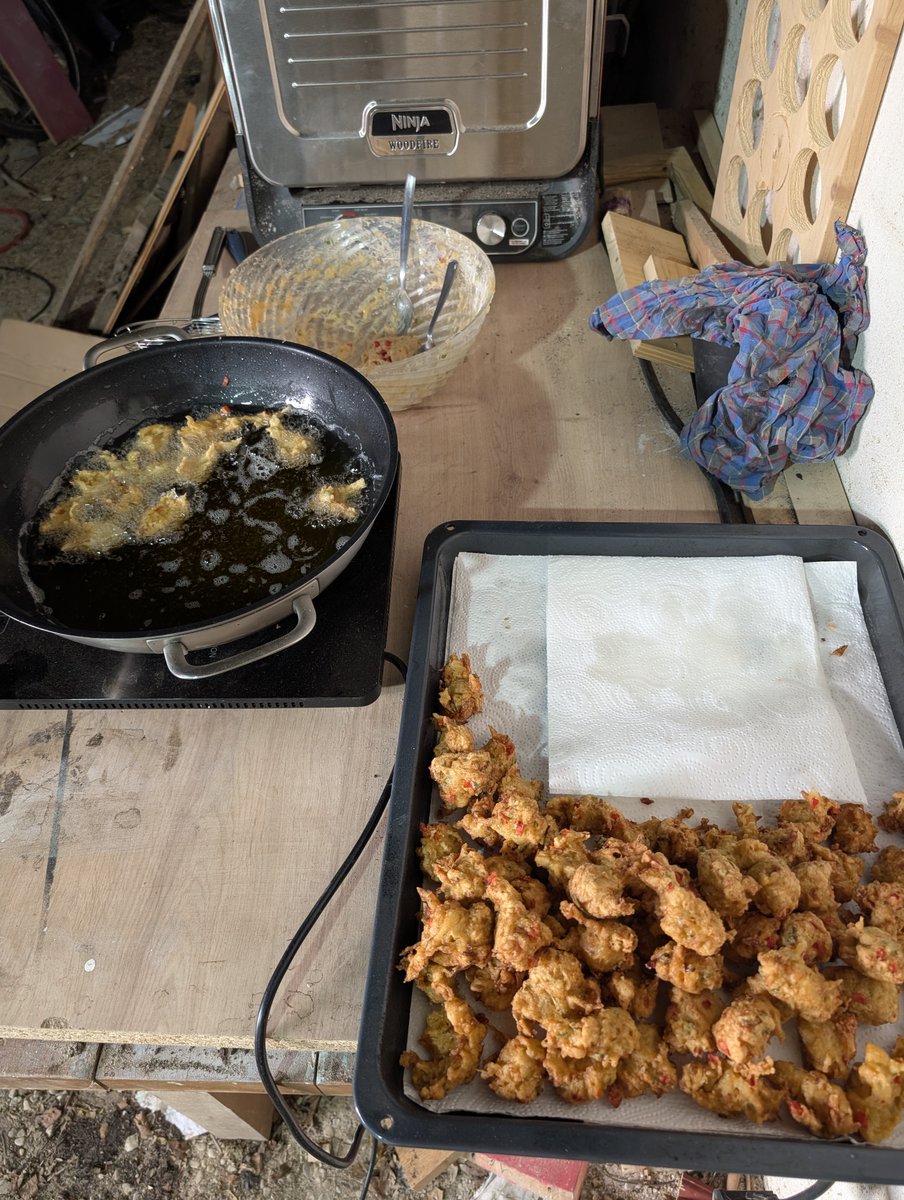
Dernière série d'accras , morue, poivron coriandre , à l'abris du vent qui décorne les boeufs .
Du pain .
Du riz au lait .
De la faisselle .
Des fromages style Chaource .
Donc reste à faire demain .
J'aime glander .
On ferme .
2
1
17
233