James VIP retweeted

Apr 19
Chudai
Aquí hay de todo, vergas, sudor, mecos por todas partes 🥵🔥🫠
Solo en @elchillmx
@derickStrokz
@Powervergon1
@chilitoverde77
@haroldvergon
@jamesvolpk
@ianenrique9991
@Mia012Jose
📍@clubolimpomx2
🔥 @CeroMachoFilms
3
216
1,009
34,768

Looking at how fat you are, those nasty farts are definitely yours. Just red bull and chili dogs 🤢
1

León (con 'n' costeña) retweeted

When you eat Mexican food, your brain releases endorphins and dopamine. Capsaicin, the compound in chili peppers, binds to pain receptors in your mouth. Your brain reads this as a threat and counters with feel-good chemicals. The burn in a good salsa triggers the same pathway as a runner's high.
This is all happening on top of a food tradition more than 3,000 years in the making. The tortilla in a chicharron taco exists because of nixtamalization, a process Mesoamerican cooks developed roughly 3,200 years ago. Corn kernels are soaked in lime water, which releases niacin, a B vitamin that corn otherwise locks away in an indigestible form. Without this step, corn-heavy diets cause pellagra, a B-vitamin deficiency that killed around 7,000 Americans per year at its peak in the early 20th century. Southern sharecroppers were eating corn without the process Mexico had preserved for three millennia.
In 2010, the UN added Mexican cuisine to its Intangible Cultural Heritage list, the first year any national food culture had ever qualified. The application covered seed preservation, farming customs, ritual preparation, and thousands of years of cooking knowledge passed through communities.
The diversity inside that designation is hard to picture. Mexico has 59 varieties of heirloom corn, more than 60 distinct chili pepper types, and 32 states with cuisines different enough that Oaxacan mole negro (a dark sauce from dried chili and chocolate) and Yucatecan cochinita pibil (slow-roasted pork in a smoky red spice paste) share almost no ingredients. Oaxaca alone has more than 20 types of mole. Mole poblano uses more than 20 ingredients, including several chili varieties, dark chocolate, and cinnamon, in a single sauce.
Chicharron fires three systems at once. Fat carries flavor deep into the palate. The crunch comes from pork skin dried, then dropped in 375-degree oil. The trapped moisture turns to steam, puffs the skin, and produces thousands of flavor compounds through the same browning chemistry that makes coffee and seared meat smell incredible. Then the salsa lands capsaicin on top of everything and the dopamine kicks in.
The "best food ever" reaction has a chemical basis. You are tasting dopamine from capsaicin, browning chemistry from pork fat at high heat, and a tortilla built on a process 3,200 years old. These flavors were engineered to do exactly this.

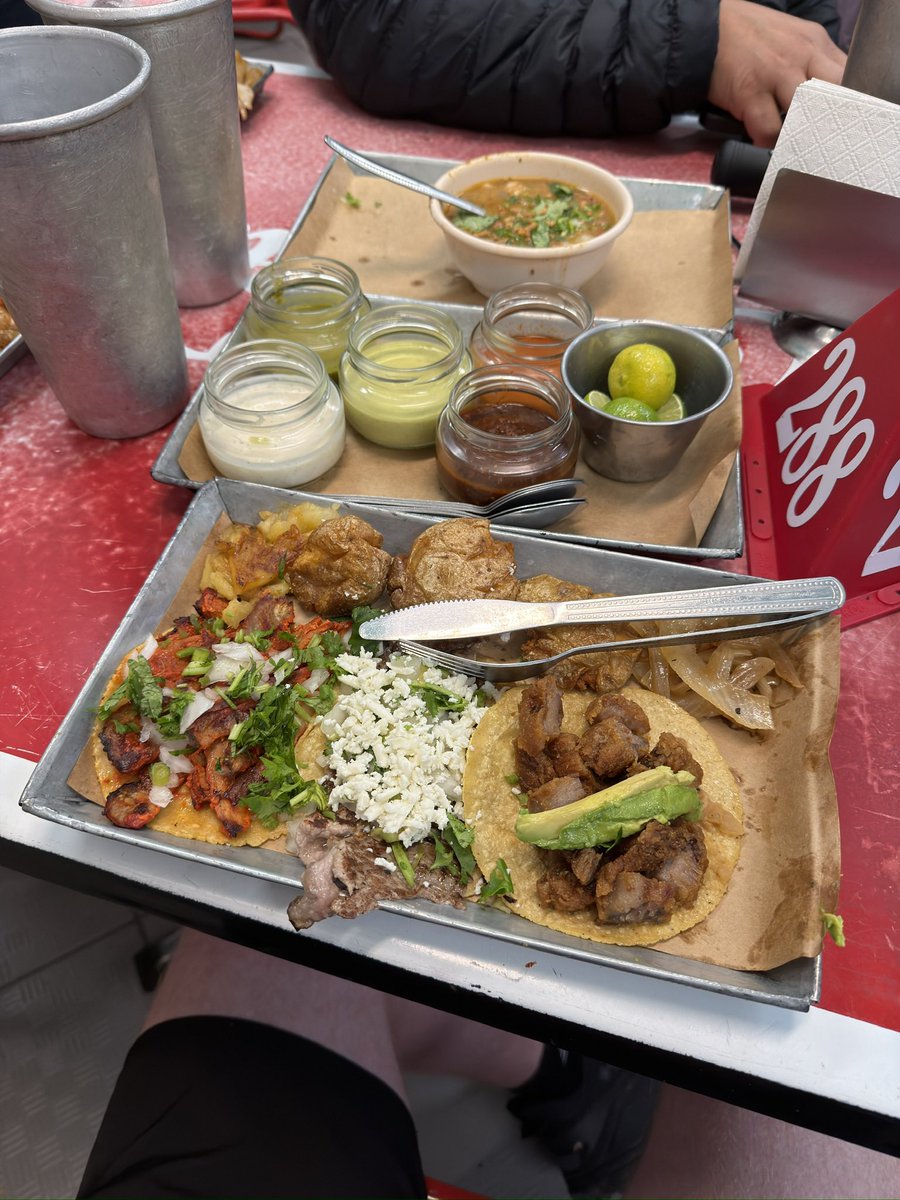
THAT WAS THE BEST FOOD IVE EVER HAD IN MY LIFE OMG 😭😭😭
VAMOSSS CHICHARRONNN! 😍
99
1,257
7,393
317,623


FULL MATCH | Magesi FC 1️⃣➖1️⃣ Milford FC | 2026 PSL Promotion/Relegation Play-offs
(Edmore Chirambadare 14') Magesi FC 1️⃣➖1️⃣ Milford FC (Menzi Chili 59')
youtu.be/bpwwrLTEDqY
15

Diluc Aether sim cũ của t bị lỗi và ko thể chơi được nữa
trung bình sau mỗi lần update lại có 1 cp bị hư phải bỏ tạo lại 🙃 bắt buộc t phải tạo lại họ
may mắn là chili và Wriollet vẫn ổn
ko t nghỉ game thật vì bực
#Dither
14

CHAOYENG retweeted

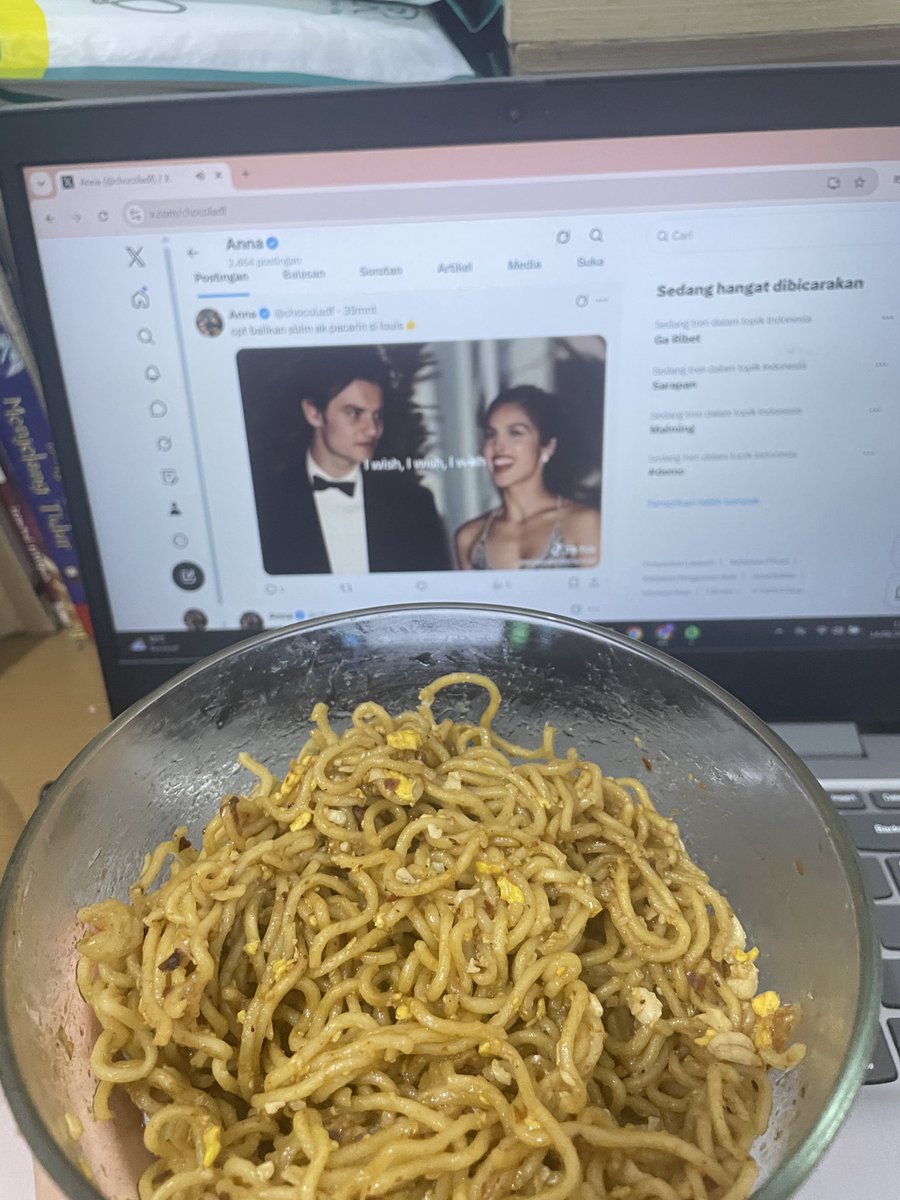
I accidentally put too much Sweet Chili sauce in my pho

3
37
1,252
15,730

Their roast beef with the au jus on the side is good. Chili cheeseburgers are good. Chili tamale as well. I always go for the wild cherry soda.
1
6

I have confirmed it myself that store bought premade seasoning sucks and you should just make your own seasoning at home, that premade seasoning was lacking SALT I had to add in more salt and other seasonings
And also!! That chili was 0/10, so thank ...
10
46


Really love the chili lime and wasabi flavors. There's a cuttlefish chip thats kinda similar but sweeter if you havent tried it.
Never let your Chinese girlfriend see that you have them, one ex kept letting herself in my unopened bags and looked at me like this when I caught her
1
8

Mais la coupe de fédération réunit les vainqueurs de chaque continent, et le Portugal se sont fait sortir par le Chili 😹😹😹😹. Et on sait que c’est pas vraiment très important, au même titre que la LDN sur laquelle vous flexez
9