
8 Jul 2025
Pistachios through the Grimm Lens: not just a snack—an encrypted photon signal 🌰🔋☀️
Most people eat pistachios for the crunch, the fiber, or the heart-healthy fats.
That’s great. But let’s go deeper—Field Biology style.
—
🥜 The Green Signal
Pistachios are green because they hold chlorophyll, a pigment that doesn’t just sit pretty—it absorbs sunlight.
When you eat it, that chlorophyll doesn’t disappear. It can interact with light inside you—especially if your gut sees some sunlight (yes, even through the skin).
Chlorophyll → forms Mg-centered porphyrins
Porphyrins = the molecular semiconductors that your mitochondria love.
Translation?
Pistachios may carry solar memory—and under the right field conditions, they can help transfer that energy to you.
—
🧬 Easter Egg Hunt
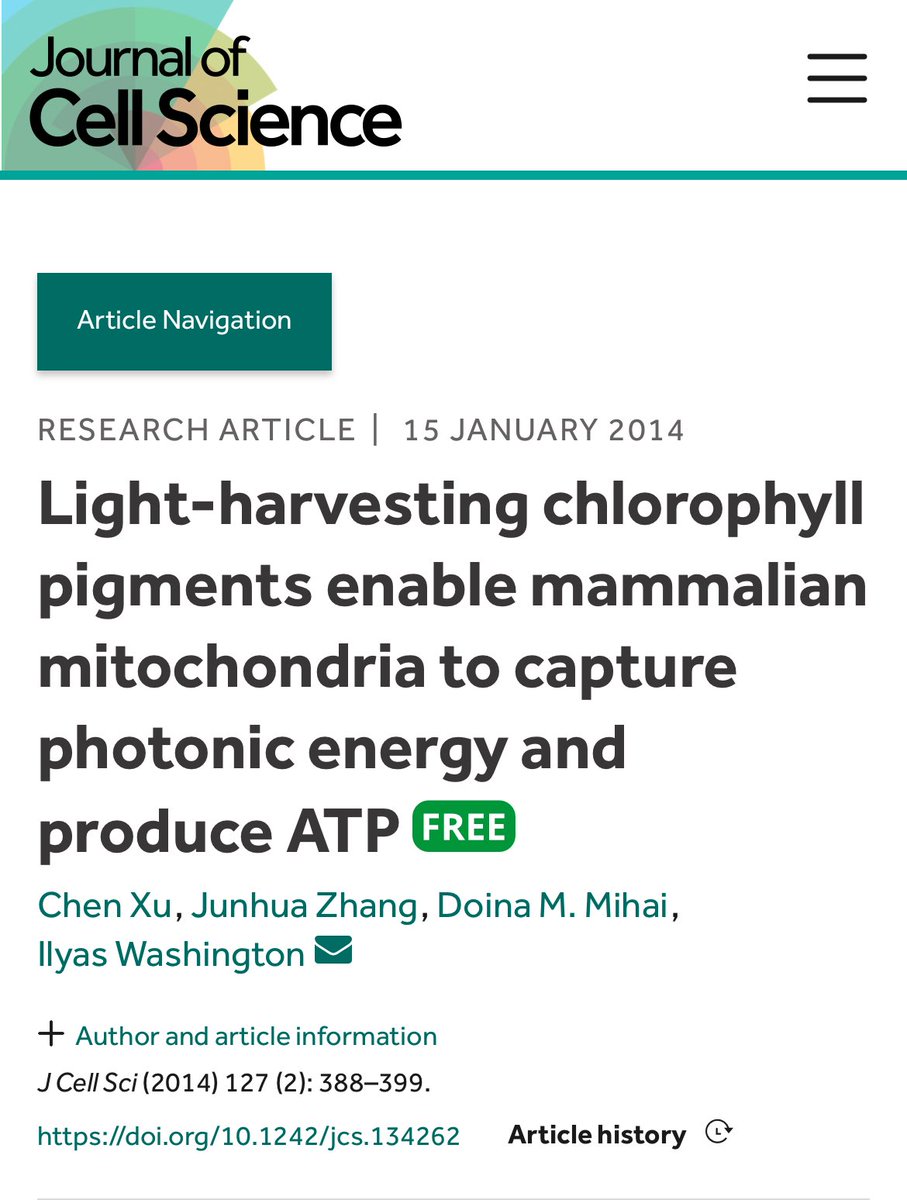
Search: “Zhang et al 2014 ATP chlorophyll gut”
This study showed that ingested chlorophyll exposed to light could help generate ATP inside animal cells—without glucose.
That means your cells can make energy from light, using pigments from plants.
Let that sink in.
—
⚡️ Golden Nugget
This isn’t woo.
This is photonic biochemistry that medicine hasn’t caught up with yet.
Food isn’t just calories—it’s structured information.
Color. Electron spin. Redox rhythm. Light memory.
Pistachios aren’t just heart-healthy.
They’re potential solar panels for your mitochondria.
—
So yes, eat them for the protein.
But smile knowing you’re snacking on a time-encoded sunlight archive.
🍃 Eat the green.
☀️ Absorb the field.
📡 Snack the signal.
—
Follow the light.
Follow the field.
Follow the nuts. 😉
🔗 drgrimmmd.substack.com
🧠 IG | Threads | X: @DrGrimmMD
#FieldBiology #GrimmLens #SnackTheSignal #ChlorophyllCode #PistachioPhysics #FoodIsCode #ATPFromLight
7 Jul 2025

Crack open some plant-powered protein. A 1-ounce serving (about 49 pistachios) contains 5.7 grams of protein, making them one of the highest-protein tree nuts—second only to almonds Peanuts are higher, but they're not a tree nut.
#Nuts
#Pistachios
1
6
401