
28 Dec 2025
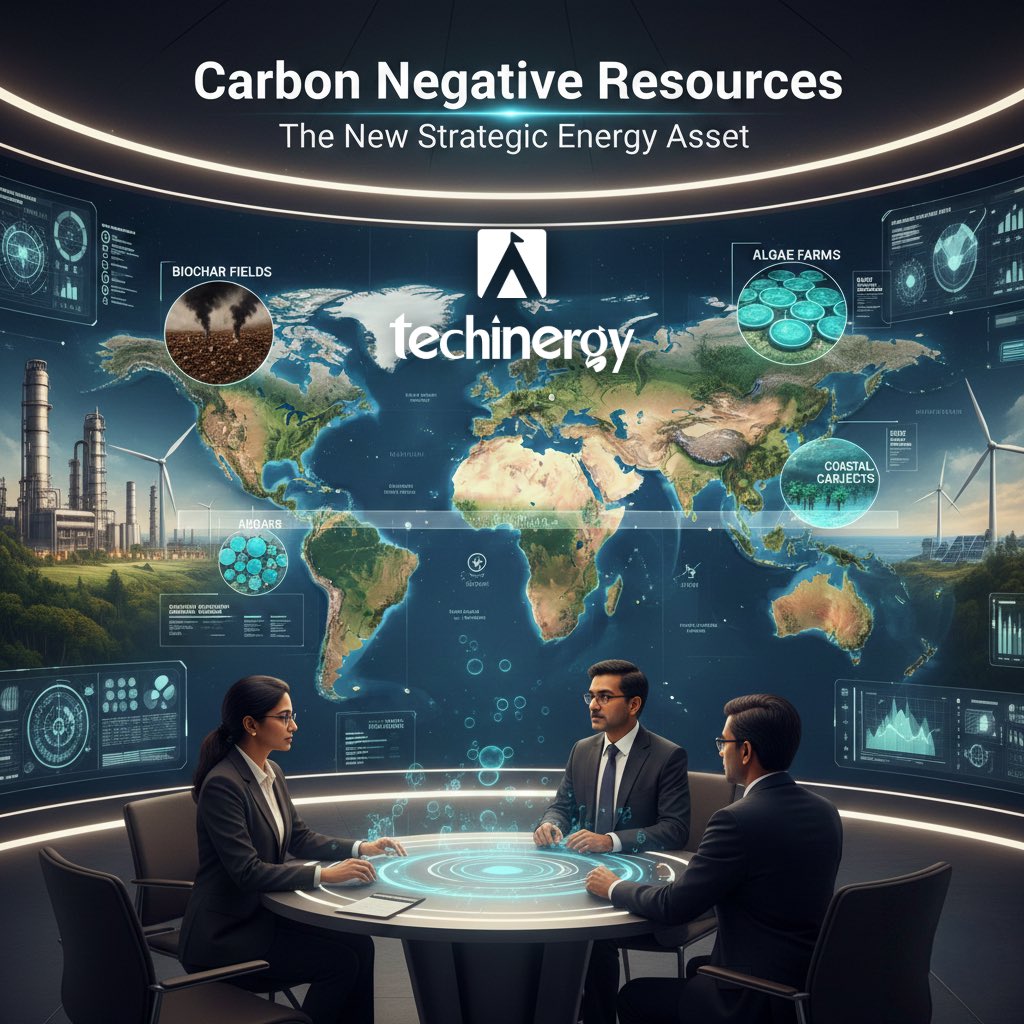
🌍 The Global Race for Carbon Negative Resources
When Nature Becomes Strategic Power
A new geopolitical competition is unfolding around carbon negative resources. These include biochar rich soils mineralization rocks algae systems and long life carbon sinks that permanently lock carbon away. Nations that control these resources are gaining strategic advantage in future climate aligned trade.
Carbon negative assets are no longer environmental projects alone. They are becoming core elements of national security industrial resilience and long term economic influence.
🔹 Carbon negative minerals enable permanent carbon storage
🔹 Biochar and soil systems strengthen agriculture and credits
🔹 Algae and ocean based sinks attract global investment
🔹 India holds strategic potential across land biomass and coastline
At Techinergy we recognize carbon negative resources as the foundation of the next global power shift where sustainability and strategy move together.
#Techinergy #ExcellenceDrivingTheFuture #News #SocialMedia #India #World #Business #Technology #Innovation #Petroleum #Petrochemical #oil #crudeoil #energy #marketing #Biofuel #lubricants #bitumen #refinery #environment #Sustainability #US #UK #HydrogenRevolution #GreenFuel #carboncredits #CarbonNegative #ClimateAssets #EnergyGeopolitics
2
6
28

7 Dec 2025
A single climate fix can’t steady a world under pressure. Real resilience comes from many solutions working together and becoming transparent digital carbon value through crbcoin 🌍✨
Read the full story: crbcoin.com/diversifying-cli…
#crbcoin #carboncredits #climatefinance #sustainability #tokenisedimpact #greeninvesting #climateassets #web3forgood #regenerativetech #futurefinance
1
5
76
5 Dec 2025
There’s something powerful about seeing the human side of climate action. This is where crbcoin begins: with real people working on real projects that store carbon, restore land and reshape what climate value can mean. By turning that impact into digital carbon assets, we make it measurable, transparent and accessible for anyone who wants to invest in a cleaner future. 🌍✨💙
#crbcoin #carboncredits #sustainability #climateassets #greeninvesting #web3impact #tokenisedcarbon #regenerativetech #futureofclimate #impactdriven
2
3
66

14 Jul 2025
I’ve been speaking on this for some time, but it’s now unmistakable — 𝐖𝐚𝐥𝐥 𝐒𝐭𝐫𝐞𝐞𝐭 𝐢𝐬 𝐜𝐢𝐫𝐜𝐥𝐢𝐧𝐠 𝐜𝐚𝐫𝐛𝐨𝐧.
The shift is backed by data: in 2023, institutional demand for carbon credits rose by 31% (Trove Research). BlackRock launched a $1.5 billion climate infrastructure fund. In 2024, JPMorgan acquired a stake in Anew, one of the world’s largest carbon trading platforms.
Meanwhile, UNEP reports that nearly $7 trillion annually still flows into nature-negative industries. Less than 3% of global capital supports ecosystem restoration, conservation, or sustainable land use. That imbalance is beginning to shift.
This is a structural flaw in capital allocation and the market is beginning to correct. Where there is correction, there is opportunity.
Capital is rotating. Regulation is evolving. High-integrity credits are becoming scarce.
And most investors remain shut out of the climate assets institutional capital is now targeting. But we are fixing that at @nonkyotoproto
$NKP is building institutional-grade real-world assets and making them accessible. We originate large-scale, verified carbon projects and provide structured access for broader participation.
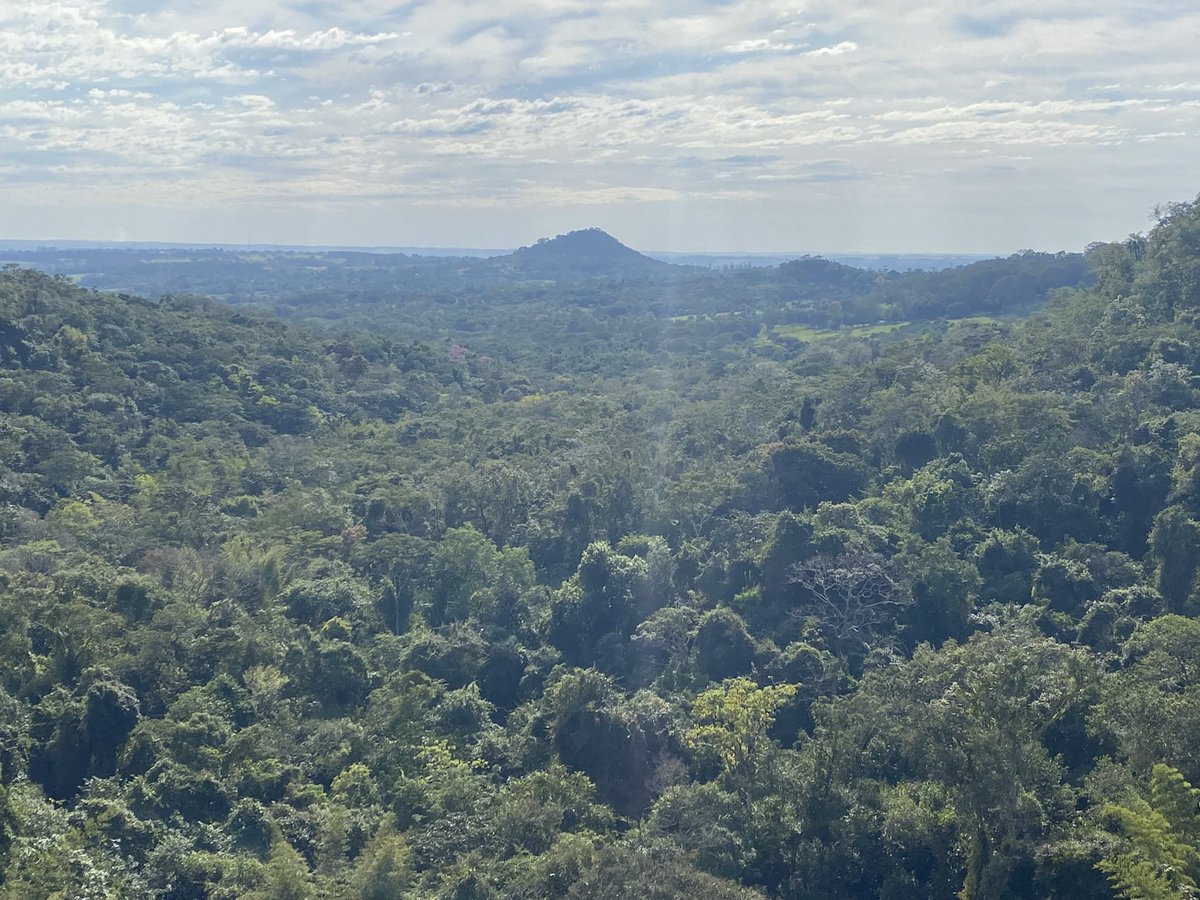
From Chaco Vivo to our waste-to-value project in the Dominican Republic, we are building a pipeline of real assets with long-term credit issuance and tangible value.
Check out what we are doing: 👉
nonkyotoprotocol.com
#NKP #CarbonMarkets #ImpactInvesting #NatureCapital #RestorationAlpha #ClimateAssets #TokenizedAccess #ChacoVivo #Web3Finance
6
9
25
1,516

Did you know that @CalPERS directing $25bn to green #privatemarkets investments is one of the largest commitments by a major fund to unlisted #climateassets?
ft.com/content/cebeb72e-036a…
2
64

26 Sep 2023
Through this landmark relationship, we are creating a new generation of #climateassets that are fully auditable through digitized and open-source methodologies via the Guardian - enabling us in our mission to bring the balance sheet of the planet to the public ledger.
1
1
40
994