
Apr 28
Britain was forced to accept the new fishing limits and withdraw its distant-water fleet from Icelandic waters. The Cod Wars severely damaged the British fishing industry but helped establish the modern international concept of exclusive economic zones at sea. Iceland achieved its goal of protecting its vital cod resources, and the conflicts remain a rare example of mostly non-lethal naval confrontations in the 20th century. The name Cod War has since become a humorous label for any minor international fishing dispute.
#HistoryMysteries #UntoldStories #BizarreHistory #WeirdHistory #AbsurdHistory #CodWars #IcelandUK #FishingWars #StrangeButTrue #FunHistory #HistoricalOddities

1
6
51

11 Dec 2025
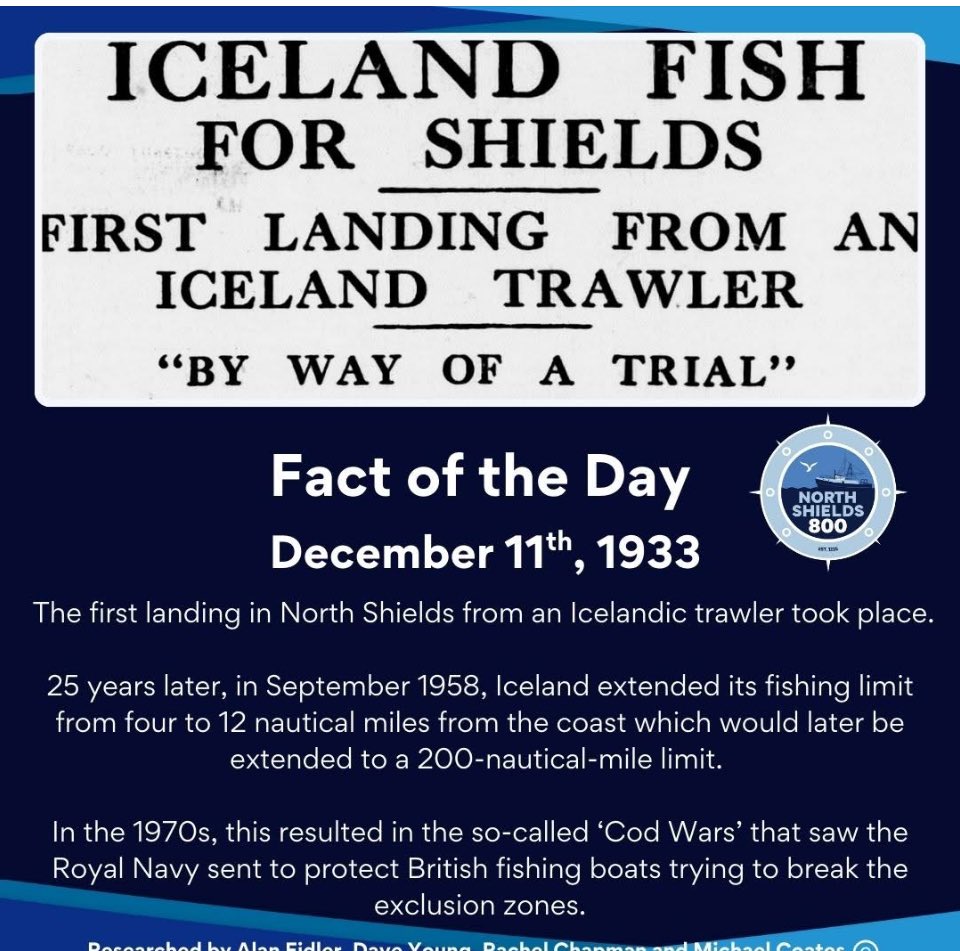
Brings back memories of the early ‘80s and covering the clamour surrounding the wonderfully-named Captain Kirk, a Danish trawler skipper whose boat was escorted into the Tyne for him to appear at court at North Shields, for infringing British waters #CodWars
11 Dec 2025

5
14
1,713

31 Aug 2025
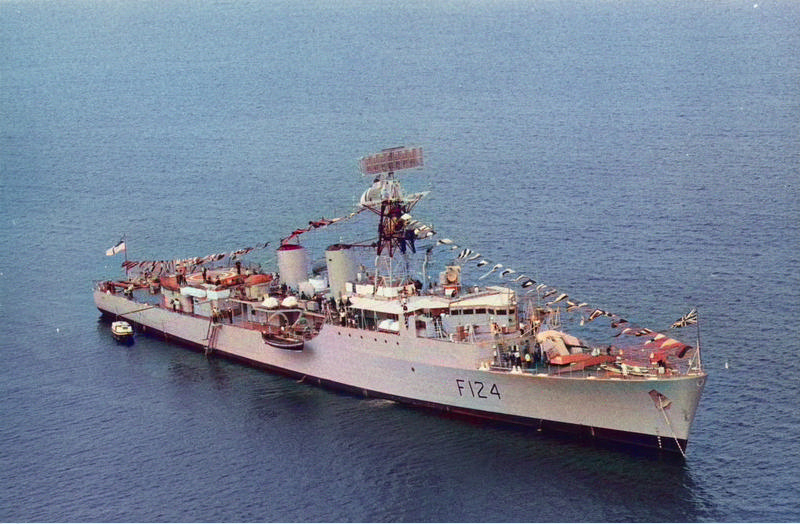
The Type 81 Frigates of the Royal Navy were the last "tribal class" (3rd of the name) originally designed as sloops to replace WW2 legacy Black Swan and Loch-class frigates. naval-encyclopedia.com/cold-… #coldwar #royalnavy #tribalclass #codwars #falklands
7
458
31 May 2025
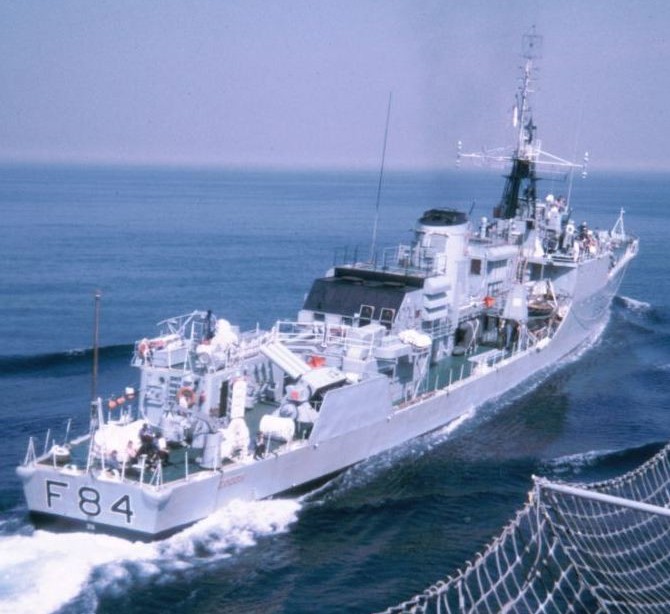
The Type 14 (Blackwood class) were a more austere variant of the Type 12 purpose-built ASW Frigates of the Royal Navy built in the 1950s... And soon sent to take part in the "cod wars" naval-encyclopedia.com/cold-… #royalnavy #aswfrigates #coldwar #hmsblackwood #type14frigates #codwars
4
252


17 Nov 2024
Day 9/100
Taking a bit of a break from Magical Cat Cafe and wanted to try my hands at a Codwars problem since it's been awhile. Gave a 7kyu a try to ease my way in, was pleasantly surprised to see I still had it. Gonna try a 6kyu tomorrow and see how that goes 🔥
#100DaysOfCode
3
10
315

1 Sep 2024
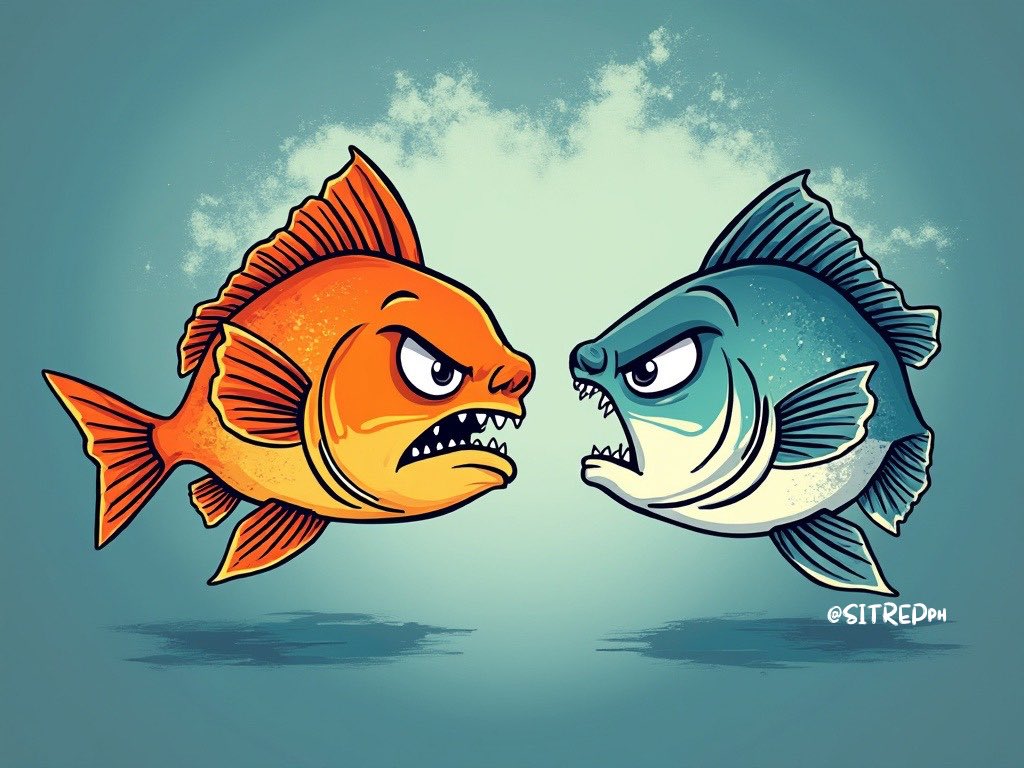
Rear Adm. Rommel Ong mentioned the Cod Wars in our latest podcast episode, which made us read and learn more about its relevance to the #WestPhilippineSea disputes.
From Cod Wars to West Philippine Sea: Lessons in Maritime Strategy
The Cod Wars between Iceland and the UK offer a historical lesson in how smaller nations can assert maritime rights against larger powers.
It was a series of confrontations between Iceland and the United Kingdom, spanning from the 1950s to the 1970s, over fishing rights in the North Atlantic.
Each Cod War ended with Iceland successfully asserting its rights over a larger maritime area. By 1976, the UK recognized Iceland's 200-mile EEZ, marking Iceland's victory in securing its fishing grounds. This series of events not only established Iceland's maritime boundaries but also set precedents in international law regarding Exclusive Economic Zones.
Here's how Iceland's strategy could inform the ongoing disputes in the West Philippine Sea:
- Iceland's Approach:
- Coast Guard Over Navy: Iceland, lacking a traditional military, used its Coast Guard effectively, showing that defense doesn't always require a large navy.
- Technological Innovation: Introducing trawl wire cutters neutralized British trawlers, demonstrating the power of innovation in leveling the playing field.
- NATO Leverage: By threatening to leave NATO or close US bases, Iceland forced concessions, highlighting the importance of strategic alliances.
- Relevance to West Philippine Sea:
- Legal and Diplomatic Strategy: Like Iceland, the Philippines can leverage international law, particularly the 2016 arbitration ruling, and strengthen alliances to assert its rights.
- Public and International Pressure: Iceland's national unity and diplomatic efforts were key. The Philippines could similarly mobilize international support through forums and public opinion.
- Innovation and Asymmetry: While not directly applicable, the spirit of Iceland's innovation suggests the Philippines might explore new technologies or strategies in surveillance, environmental protection, or legal challenges.
The Cod Wars remind us that in maritime disputes, creativity, law, and alliances can be as powerful as military force. In the case of the West Philippine Sea, this suggests that a strategy focused on legal assertiveness, strategic partnerships, and innovative tactics could lead to a resolution that respects maritime sovereignty.
One of the key challenges, however, is that China's communist governance adds additional layers of complexity to the situation.
#CodWars #WestPhilippineSea #MaritimeStrategy #WPS
1
5
12
622
27 Jun 2024
Weekly Fleet !
The Icelandic Navy from 1918 to this day. The coast guard is today the only standing force protecting Icelandic extensive 200 nautical miles EEZ. naval-encyclopedia.com/cold-…, second article of Minor Navies Part II. #coldwar #codwars #isceland #icelandiccoastguard
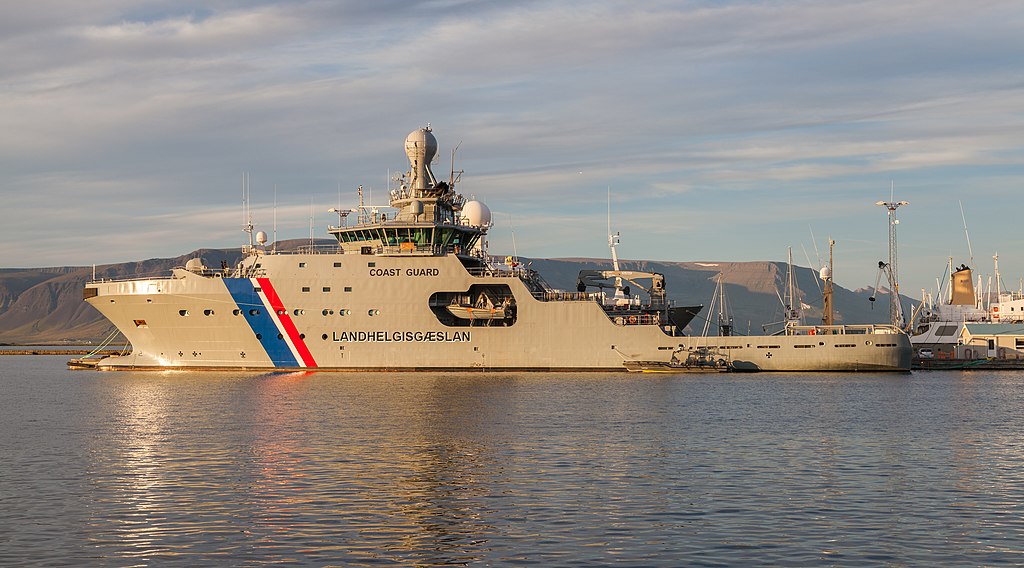
3
174

16 Mar 2024
@PolarBearRoars for #GRIMM a story of 3-day millionaires, fighting fishermen, country & western and #CodWars. From @SugarPunchuk & a brilliant new young writer #EvangelineHenderson … great cast in a great play.



1
8
14
938

29 Jan 2024
🚢 Throwback to Ep. 91 of the #IrregularWarfarePodcast! We explored the #CodWars and how NGOs like Sea Shepherd impact maritime law enforcement. 🎙️ With Kevin Bilms & Dr. Claude Berube. Hosted by Ben Jebb & Lisa Munde. #MaritimeStrategy #IWI
irregularwarfare.org/podcast…
3
282


Day 57 of #100DaysOfCode
- completed 2 leetcodes
- completed 1 codwars
2
12
217

6 Nov 2023
Day 2 of #100DaysOfCode
Best ways to practice TypeScript:
1. Convert an old project from JS to TypeScript
2. Make a new project
3. Codwars
4. ask chat-Gpt for challenges
when do you think it's a good sign to use typeScript for a project and when it's not?
1
12
172


12 Sep 2023
"🇮🇸 The Cod Wars: Iceland's Epic Battle for Fisheries! 🐟⚓️ Did you know Iceland and the UK engaged in three epic conflicts in the 20th century over fishing rights? It's a true fishy tale of sovereignty and seafood that left a lasting legacy! 🛶🌊 #CodWars #Iceland #Fisheries"
4
279

18 Jul 2023
Day 22-24 of #100daysofcode (round 2):
✅ Codwars (reaching 401)
✅ Went through my whole anki
✅ Lecture and read about CRUD
✅ Gonna start working on Bug tracker tool tomorrow
7
50

6 Jul 2023
Coming Tuesday, 11th of July, "The Cod Wars" between 🇮🇸Iceland and the 🇬🇧UK. Quite a serious trade dispute involving collisions between Royal Navy and Icelandic Coast Guard ships. Listen wherever you get your podcasts.
#Iceland #UnitedKingdom #England #fishing #history #codwars
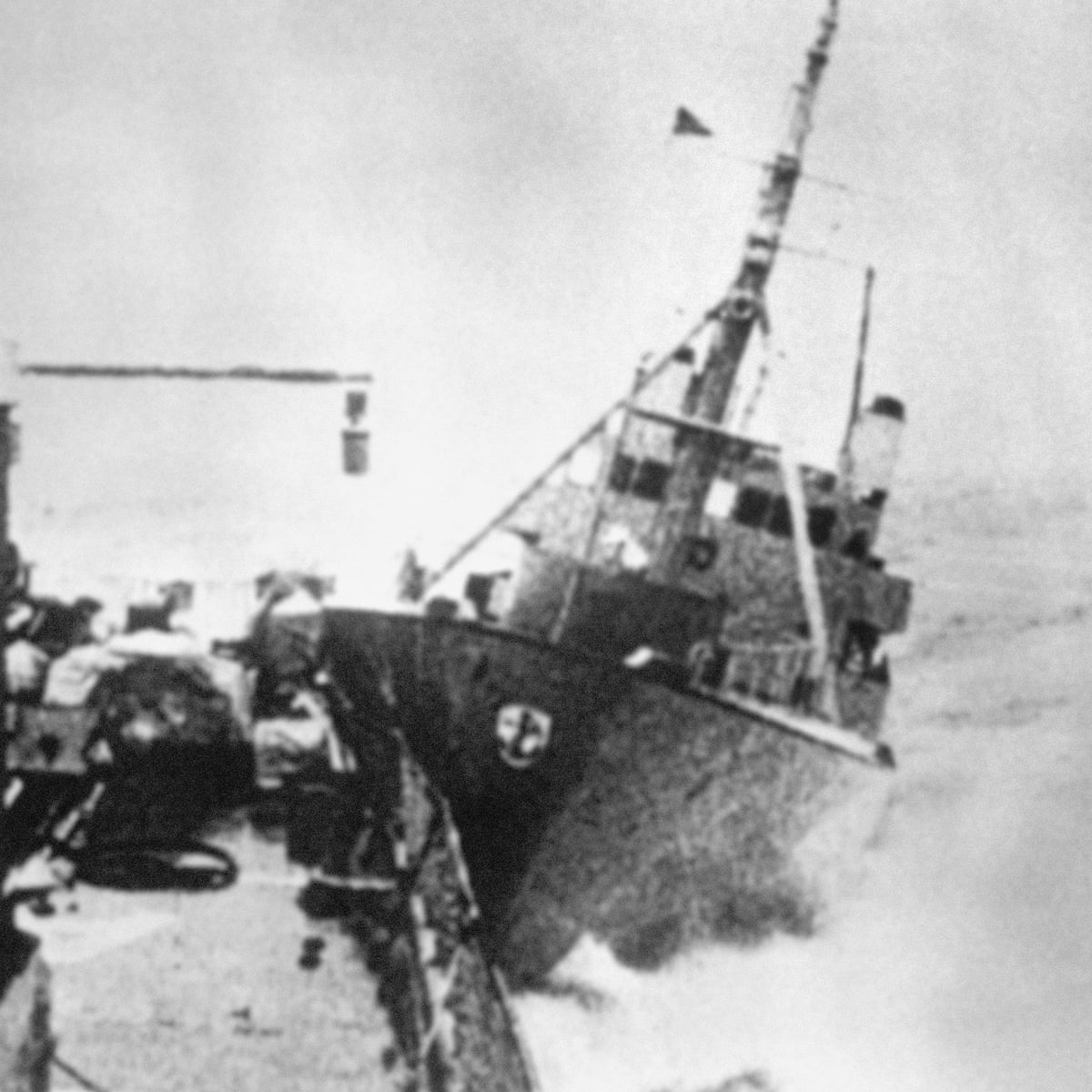
ALT A British frigate collides with an Icelandic Coast Guard vessel in the North Atlantic.
3
3
28
780

19 Jun 2023
Hi Misbah 👋
Actually I am learning Javascript like you, for me I use freecodecamp too but besides I use different resources to learn better and also practice with what I learn.
For practice you can use Codwars or Hackerrank or .....
1
1
67

5 Jun 2023
Do your #codwars daily 🤓. Challenges completed and pushed to GitHub🤖. #javascript #techies #techtwitter
5
7
134