
18 Jan 2024
Most companies at early stage #AIadoption #piloting #aiusecases, opportune moment to assess their #techstack for incorporating #cognitiveinterfaces and #knowledgestores in #enterpriseIT applications.
1
1
26

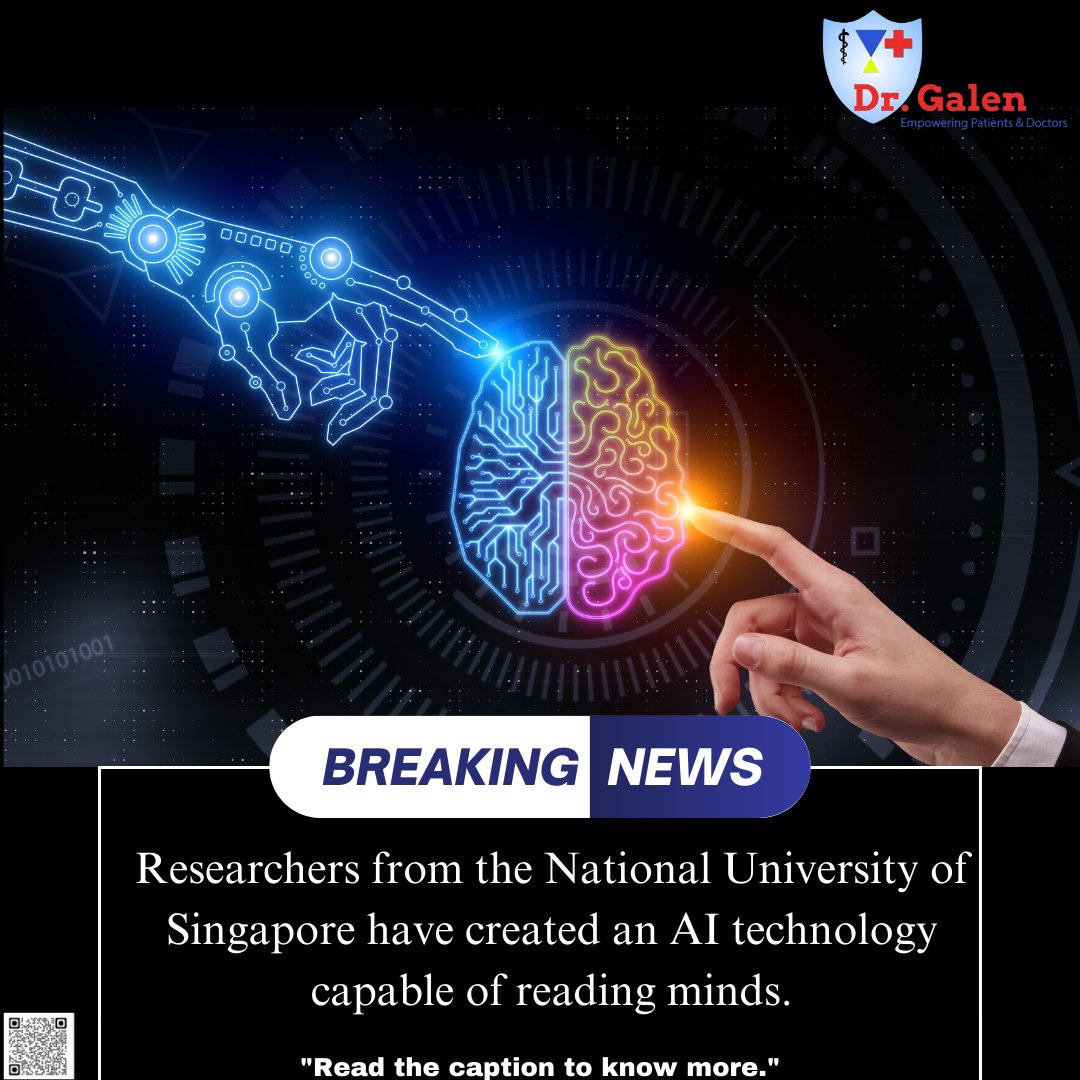
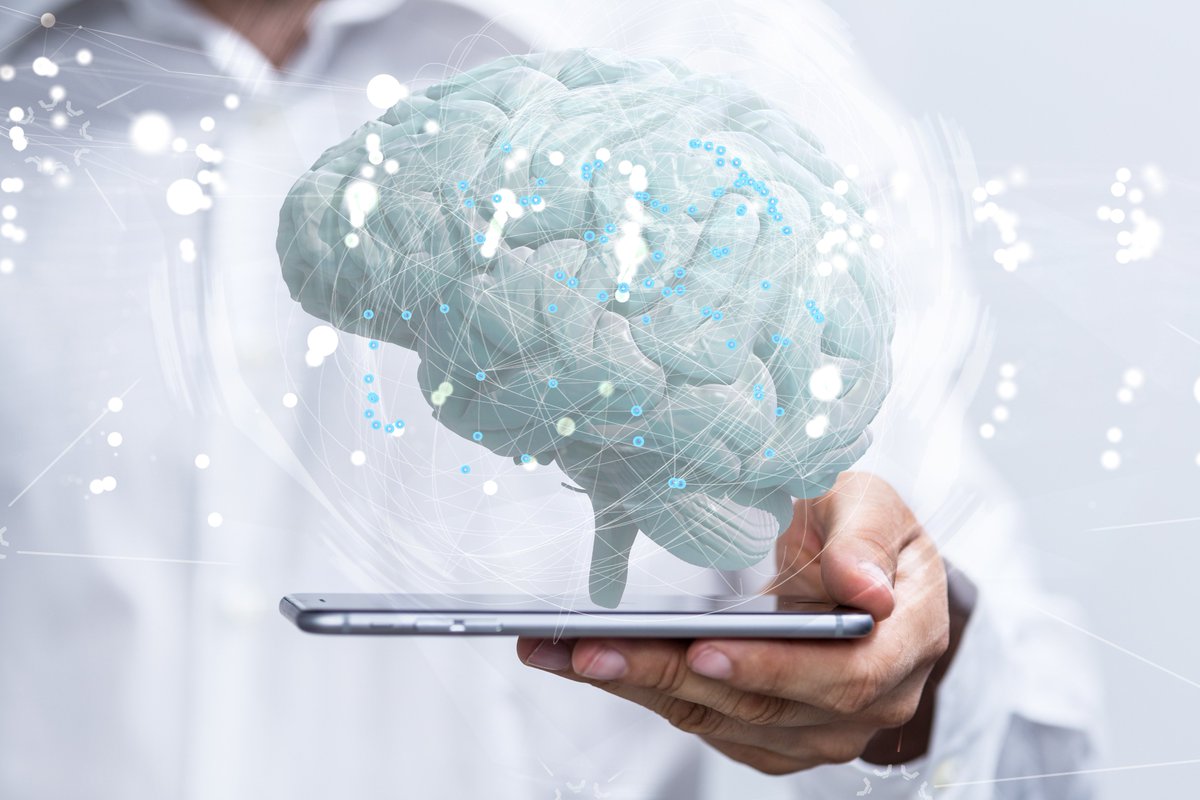
In a recent study published in the journal Nature Electronics, researchers from the National University of Singapore (NUS) introduced an advanced AI technology called the "semantic decoder." This innovation has the remarkable capability to translate human brain activity into written text. The technology was trained using data from 30 participants who were prompted to think about different words and phrases. Impressively, the semantic decoder accurately reconstructed the exact words and phrases based on participants' brain activity patterns.
The semantic decoder's introduction represents a significant stride in the field of brain-computer interfaces (BCIs), designed to facilitate interactions between individuals and computers through cognitive processes. This advancement paves the way for novel BCIs that can enhance communication and device control without the need for physical movement.
While the semantic decoder is still in its early development stage, its practical applications are yet to be fully determined. Nevertheless, its potential to redefine interactions with computers and technology is truly revolutionary.
Key potential applications of the semantic decoder include:
Communication: Enabling a new type of BCI that empowers individuals, particularly those with speech impairments or paralysis, to communicate more fluidly.
Control: Fostering innovative BCIs that grant people, especially those with physical disabilities, the ability to manage devices without relying on physical actions.
Medical Research: Serving a critical role in studying the neural foundations of language and cognition, aiding in understanding brain function and advancing treatments for neurological disorders.
The semantic decoder emerges as a robust and promising breakthrough with the capacity to enhance the lives of numerous individuals. Although it is still in its infancy, its arrival heralds an exciting advancement, poised to reshape our interaction with the world around us.
#TechnologyInnovation #AIAdvancements #BrainComputerInterfaces #NeuroTech #SemanticDecoder #MindReadingAI #CognitiveInterfaces #NeurologicalResearch #drgalen
110

19 Dec 2019
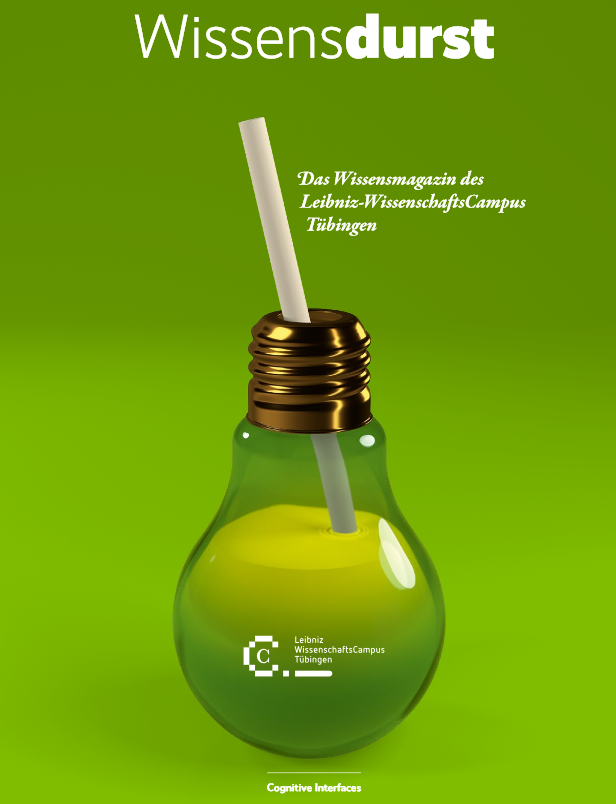
Warum sind #Lernspiele gute Wissensvermittler? Und welchen Einfluss haben Likes auf das Verhalten #SocialMedia-Usern? Das #Wissensmagazin des #Leibniz-#WissenschaftsCampus Tübingen bietet Antworten: bit.ly/2PGjL0N (Link zum PDF) #CognitiveInterfaces
1
8
22 Nov 2019
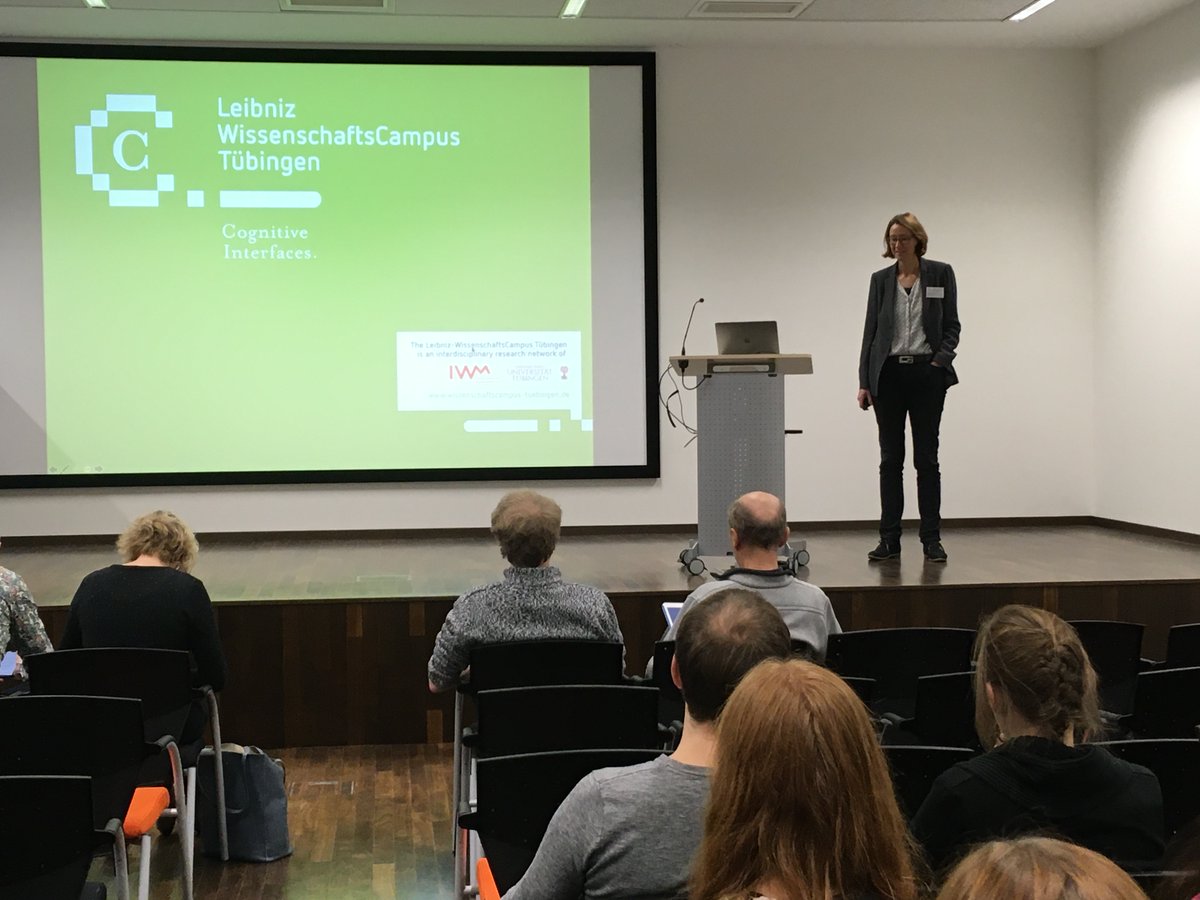
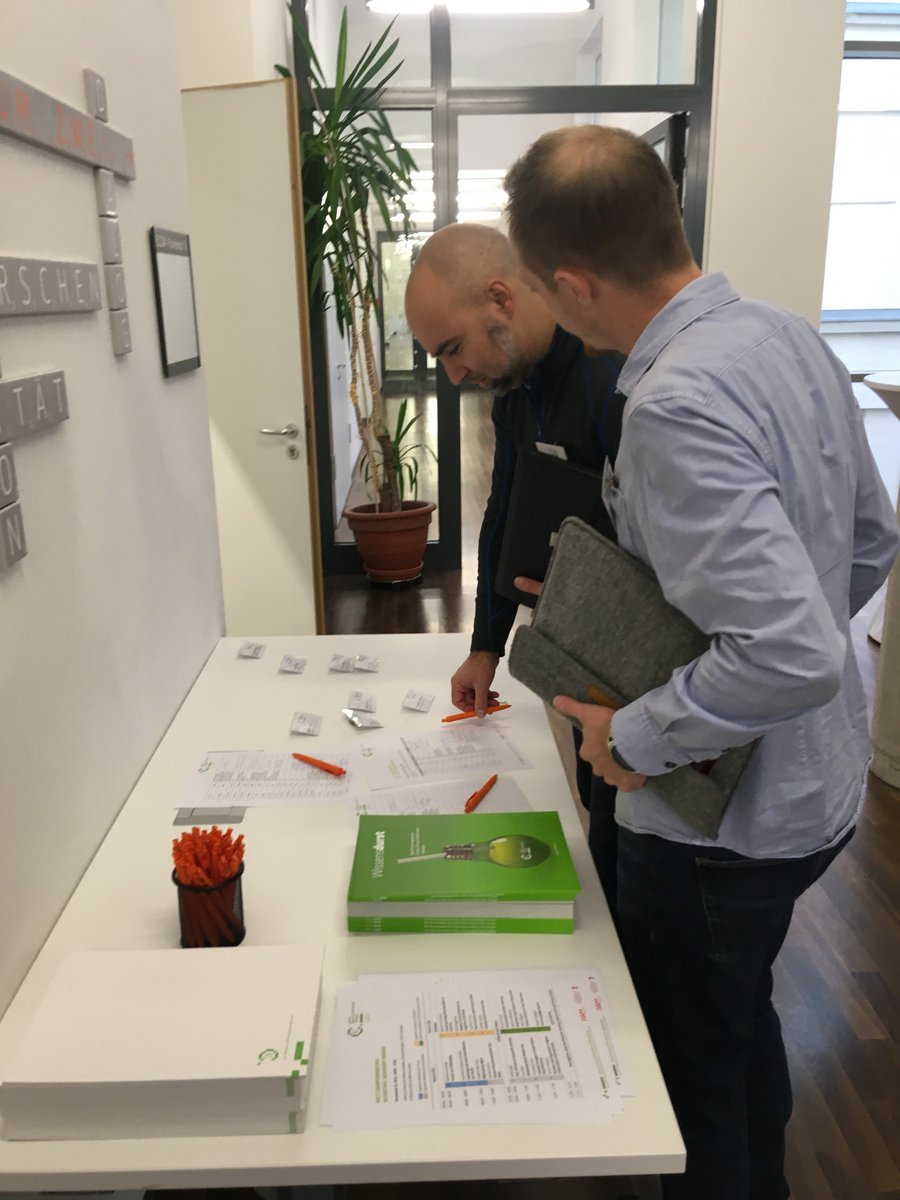
Heute am IWM: Treffen des #Leibniz-#WissenschaftsCampus Tübingen #CognitiveInterfaces. Wir sind gespannt auf viele Gäste und spannende Vorträge! @uni_tue
4
7
17 Oct 2019
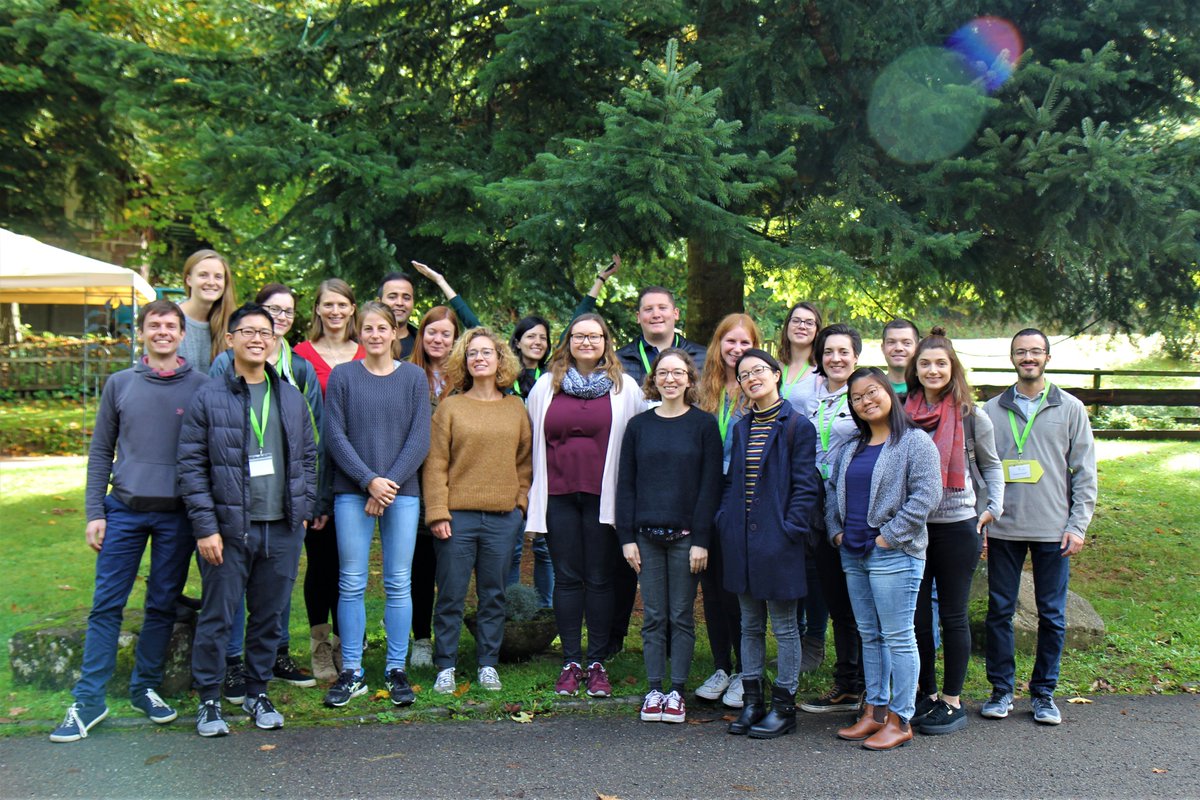
Unsere #Leibniz-#WissenschaftsCampus Autumn School im Rückblick: iwm-tuebingen.de/www/de/inst… #IWMnews #CognitiveInterfaces
1
1
7 Oct 2019
Heute am IWM: Evan Risko von der University of Waterloo @UWaterloo, @VimlaLPatel und @TShortliffe . Wir freuen uns auf spannende Tage mit unseren Trackleadern der Autumn School des Leibniz-#WissenschaftsCampus #CognitiveInterfaces
1

7 Jun 2019
Vom 8.-11. Oktober findet im #Schwarzwald die International Autumn School #CognitiveInterfaces statt von unserem #Leibniz #Bildungspotenziale Verbundpartner @IWMtue. Anmeldungen sind bis 15. Juni möglich.
9 May 2019

Autumn School “#CognitiveInterfaces” des Leibniz-#WissenschaftsCampus Tübingen vom 8.-11. Oktober in Bad Teinach. Anmeldungen sind ab jetzt möglich: autumnschool.wissenschaftsca… @uni_tue @LeibnizWGL
2
2
6 Jun 2019
Reminder: Bis 15. Juni kann man sich noch für die Autumn School “#CognitiveInterfaces” des Leibniz-#WissenschaftsCampus Tübingen vom 8.-11. Oktober bewerben
9 May 2019
Autumn School “#CognitiveInterfaces” des Leibniz-#WissenschaftsCampus Tübingen vom 8.-11. Oktober in Bad Teinach. Anmeldungen sind ab jetzt möglich: autumnschool.wissenschaftsca… @uni_tue @LeibnizWGL
1
2
9 May 2019
Autumn School “#CognitiveInterfaces” des Leibniz-#WissenschaftsCampus Tübingen vom 8.-11. Oktober in Bad Teinach. Anmeldungen sind ab jetzt möglich: autumnschool.wissenschaftsca… @uni_tue @LeibnizWGL
3
2

29 Mar 2019
Now Franziska Huth presenting our project on automatic detection of context changes in social media contributions #WissenschaftsCampus #CognitiveInterfaces
1
29 Mar 2019
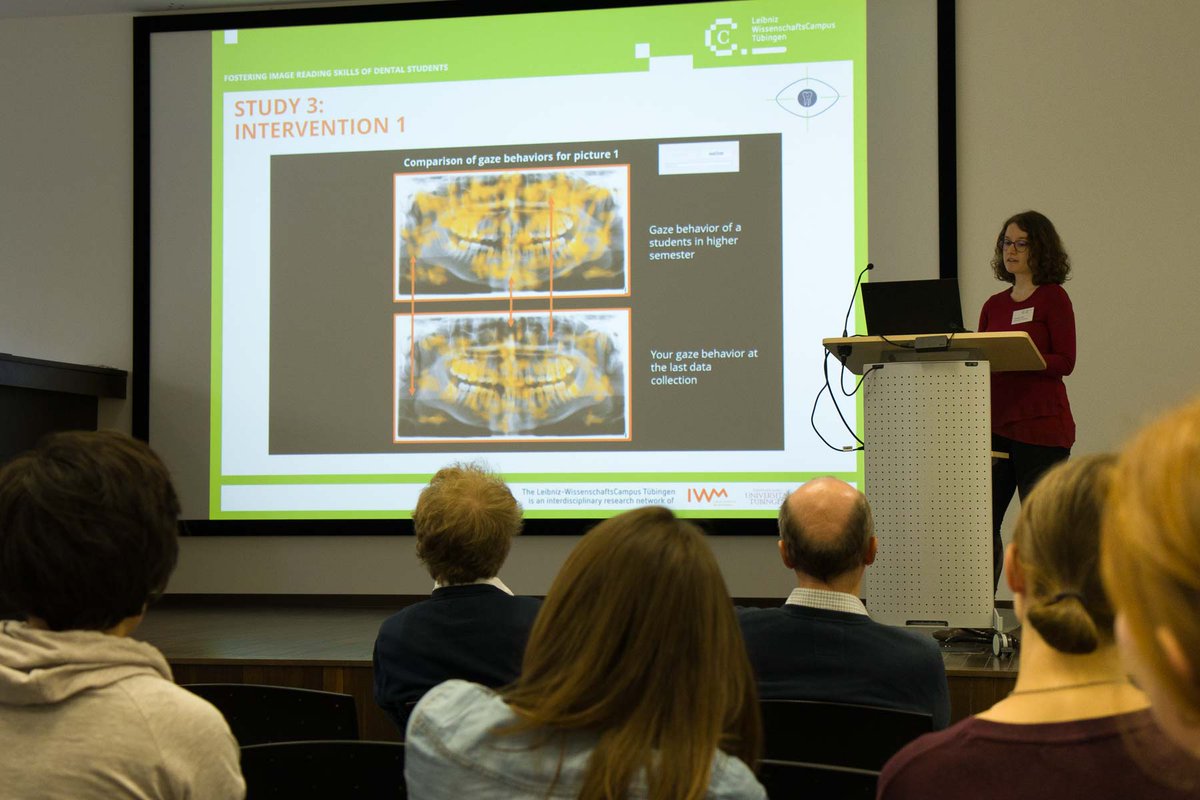
Heute am IWM: Treffen der WissenschaftlerInnen des #Leibniz-#WissenschaftsCampus Tübingen #CognitiveInterfaces beim WCT Campusmeeting @uni_tue @Uni_Stuttgart
2
4

7 Feb 2019
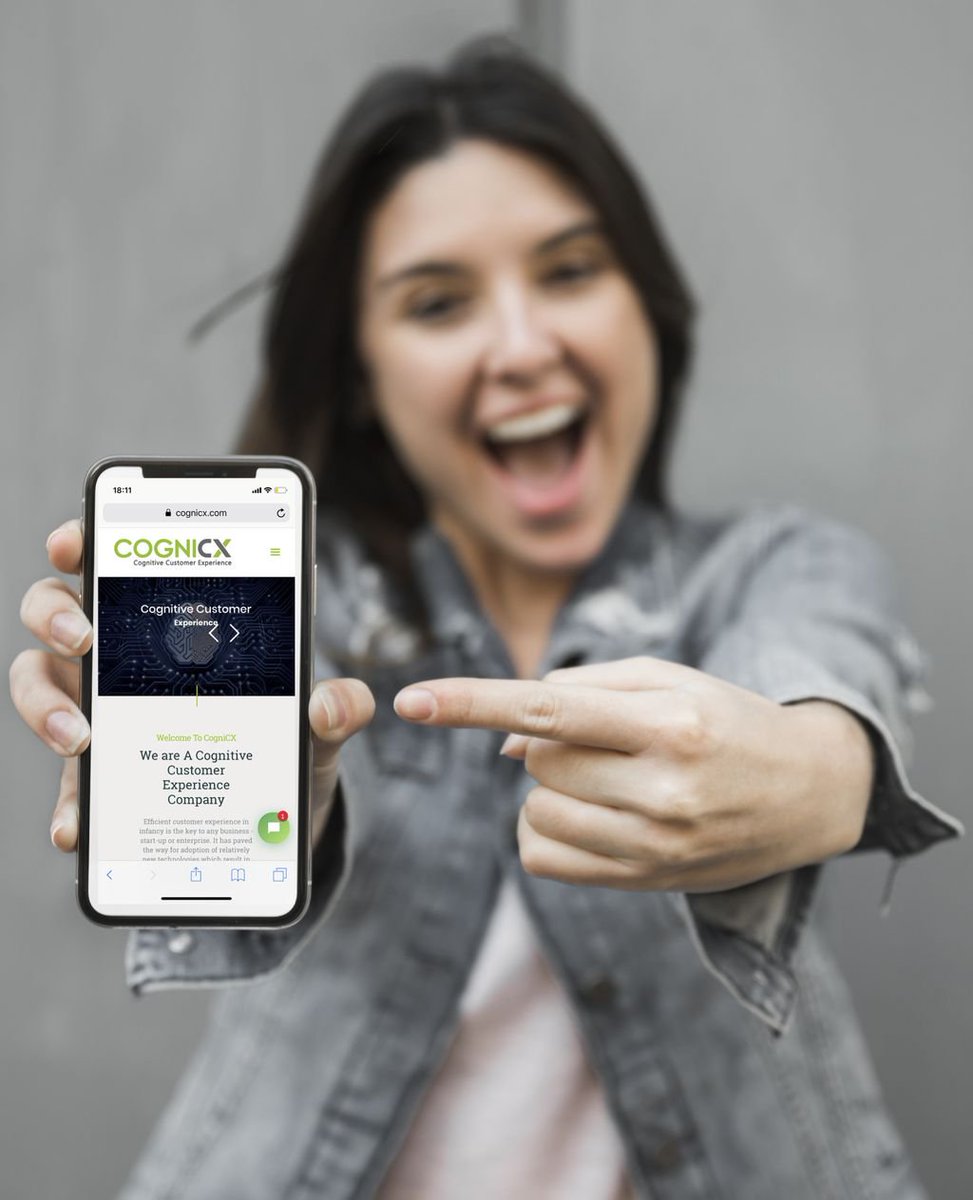
We provide #CustomerEngagementSolutions by leveraging the #CognitiveInterfaces that take the company to the next level
In Fact, #CogniCX is way Beyond Solutions, It's a Partner in #Transformation - buff.ly/2RcFcsB
#ThursdayThoughts #ThursdayMotivation #ThrowbackThursday
1
1
15 Nov 2018
„WCT meets HCI“: heute und morgen treffen sich die Projekte des #Leibniz-#WissenschaftsCampus Tübingen #CognitiveInterfaces am IWM
wissenschaftscampus-tuebinge… #HCI
1
3
18 Oct 2018
Im November am IWM: Workshop des #Leibniz-#WissenschaftsCampus #CognitiveInterfaces „WCT meets HCI“ mit Gerhard Fischer, Heinz Ulrich Hoppe und
@elisamekler iwm-tuebingen.de/www/de/inst… #IWMnews #HCI
2
3

1 Oct 2018
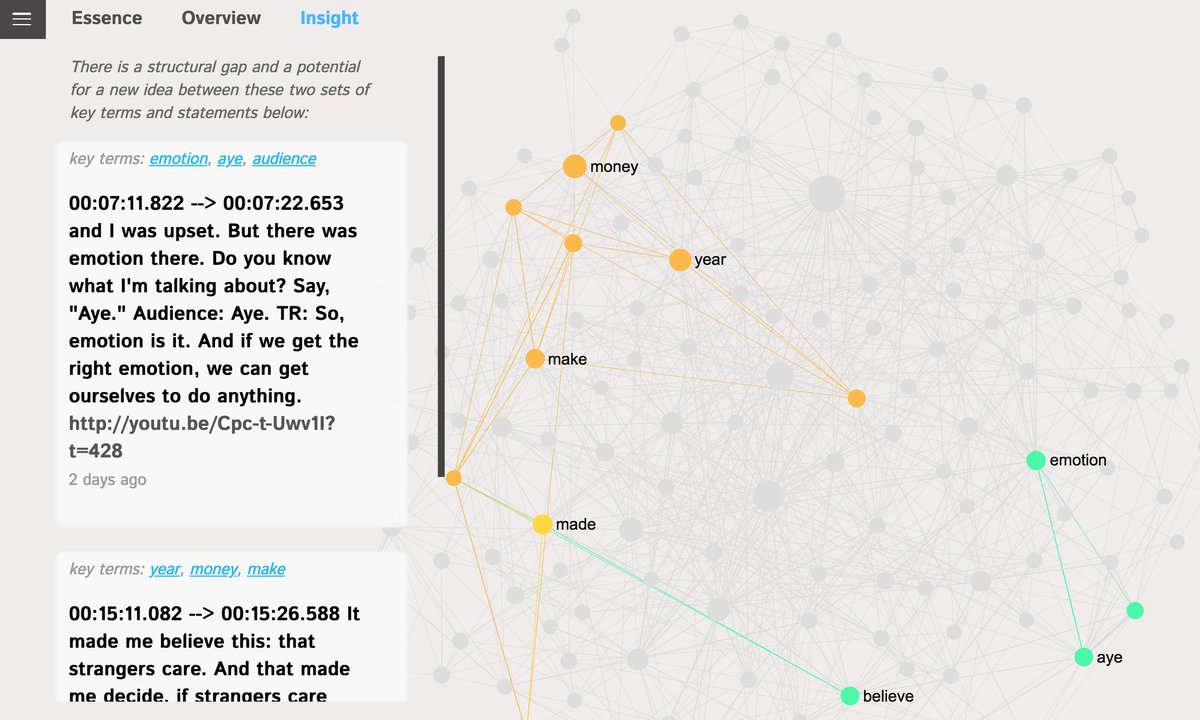
How network graph visualizations affect perception? Read our new study — bit.ly/2NSS1H0 #dataviz #research #cognitivepsychology #perception #TNA #software #cognitiveinterfaces #thinking
2
4 May 2018
Argumente, Emotionen und Nachrichtenverbreitung in den #sozialenMedien: Zwei neue Projekte der @Uni_Stuttgart für den #Leibniz-#WissenschaftsCampus Tübingen „#CognitiveInterfaces“ iwm-tuebingen.de/www/de/inst… @uni_tue @LeibnizWGL #IWMnews
4

What cognitive science taught me about design hubs.ly/H0bFZhl0 by @cliquechicago #design #usability #cognitivescience #cognitivedesign #cognitiveinterfaces #smartdesign
1
9 Mar 2018
Weitere Infos zu den Projekten #CognitiveInterfaces von unserem #Leibniz #Bildungspotenziale Verbundpartner @IWMtue gibt es hier: wissenschaftscampus-tuebinge…
8 Mar 2018
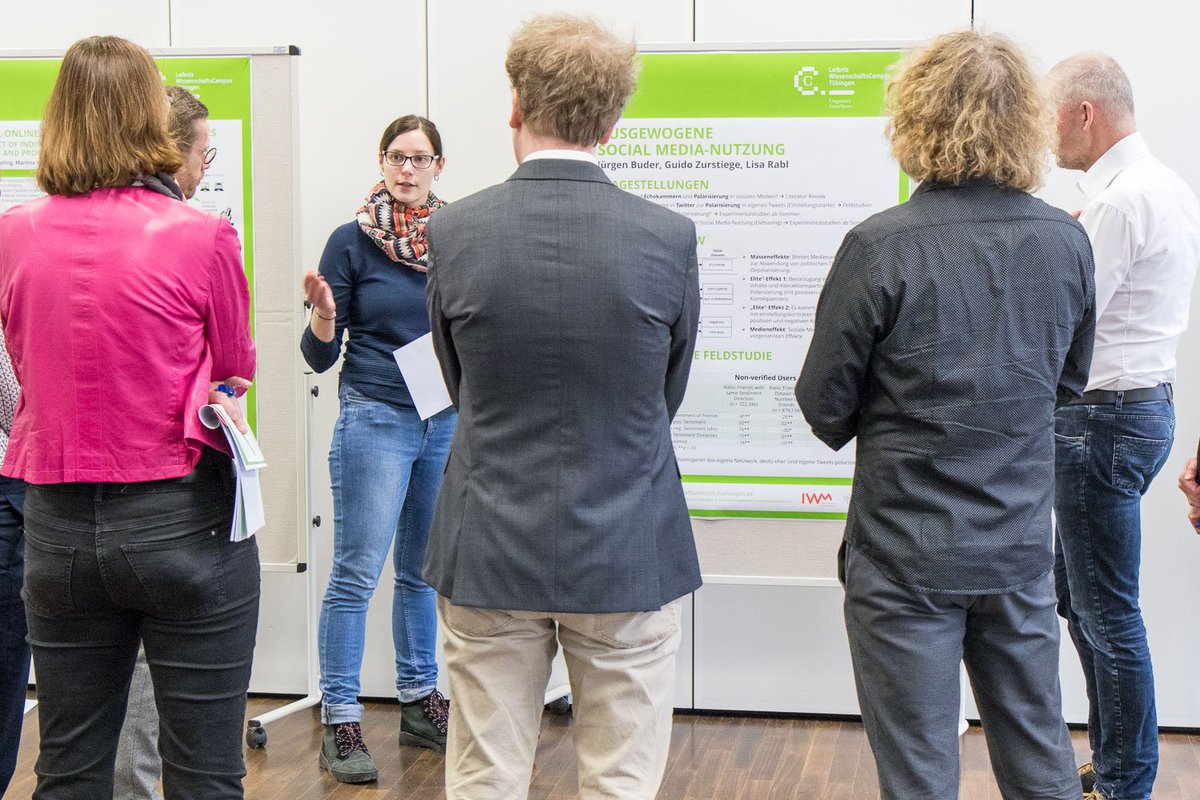
Rückblick auf das 2. Treffen des #Leibniz-#WissenschaftsCampus Tübingen "#CognitiveInterfaces": iwm-tuebingen.de/www/de/inst… #IWMnews
1
1
8 Mar 2018
Rückblick auf das 2. Treffen des #Leibniz-#WissenschaftsCampus Tübingen "#CognitiveInterfaces": iwm-tuebingen.de/www/de/inst… #IWMnews
1
2
22 Nov 2017
Mitarbeit am IWM: Neue #Koordinatorin/#Koordinator des #Leibniz-#WissenschaftsCampus Tübingen „#CognitiveInterfaces“ ab 1.1.2018 gesucht bit.ly/2iHIYXw #Stellenangebote @LeibnizWGL @uni_tue
5
1