non💛 retweeted

Jun 14
アフパの切り抜きはやめようねFC限定だからねみんながやってるからいい理論は存在しないからね守る所はしっかり守ろうね
テレビの切り抜きもよそうねCOMMUNEの画像やプラメの画像もよそうね
よきファンダムでいようね
INIに恥じない迷惑をかけないMINIでいようねお互いにとってWINWINの関係築いていこうね
1
50
401
26,626
Cas @ DGM Revival retweeted

commune or husk Jayceeee

2
4
60
722

Claude NIBARUTA retweeted

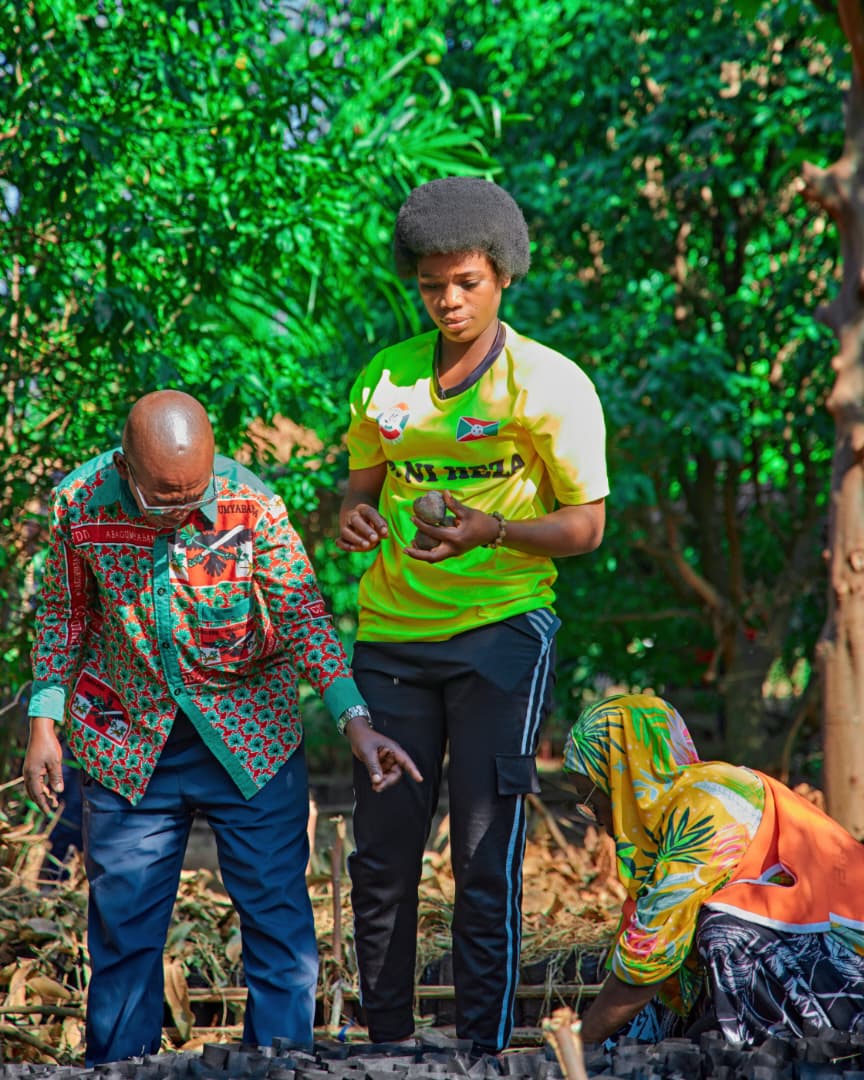
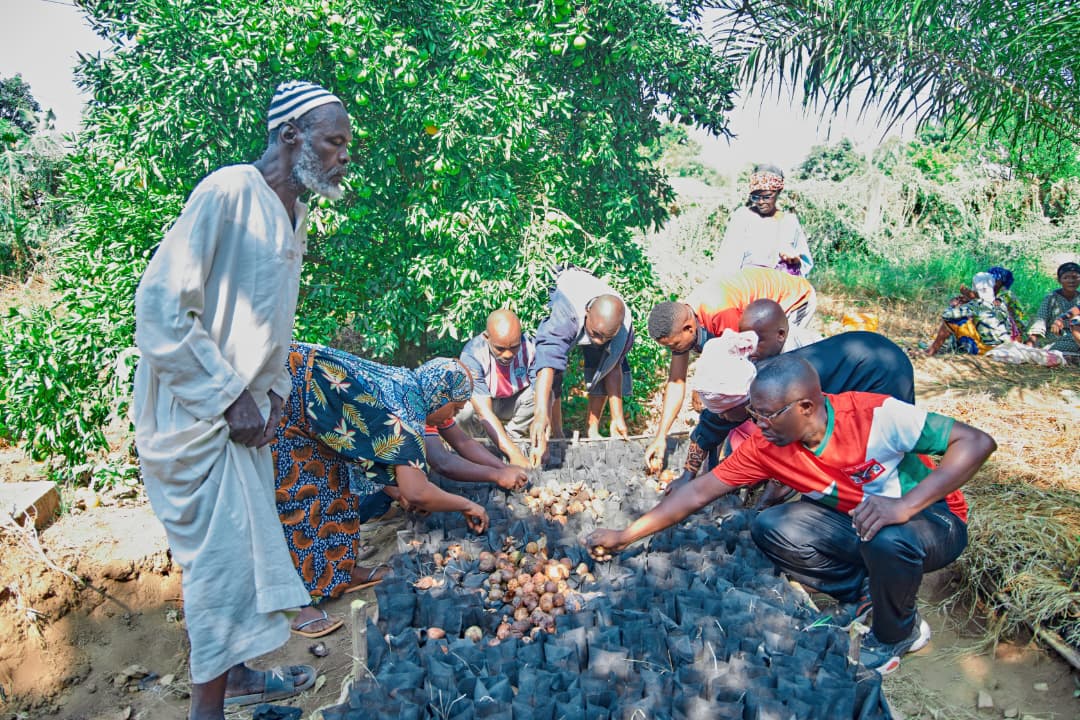
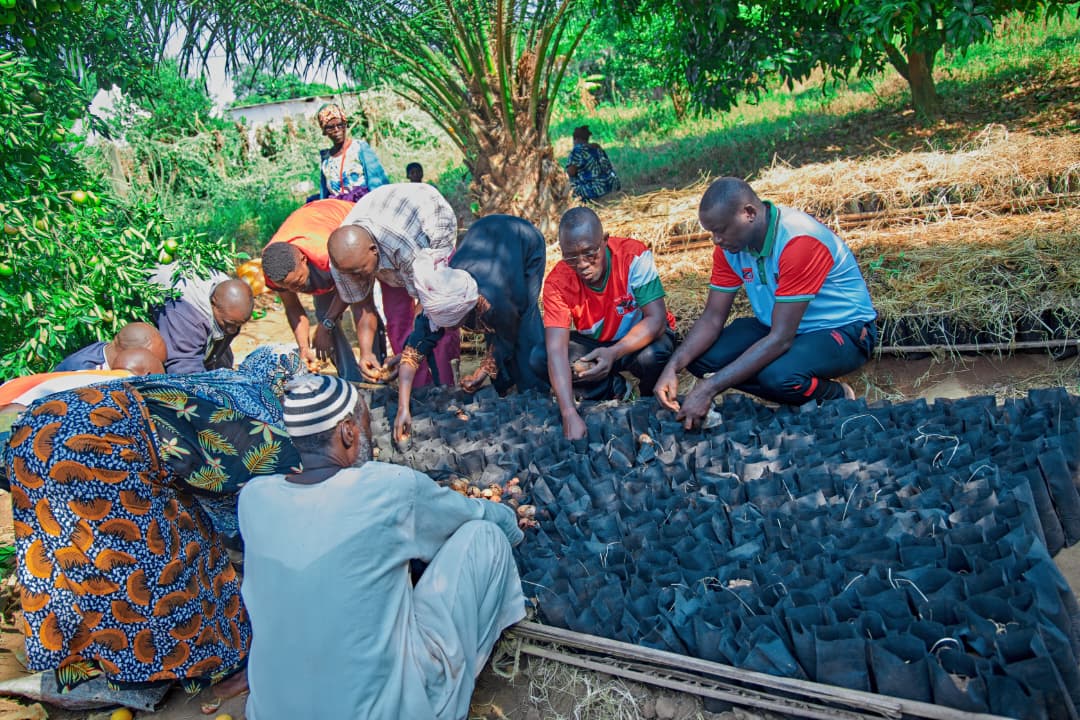
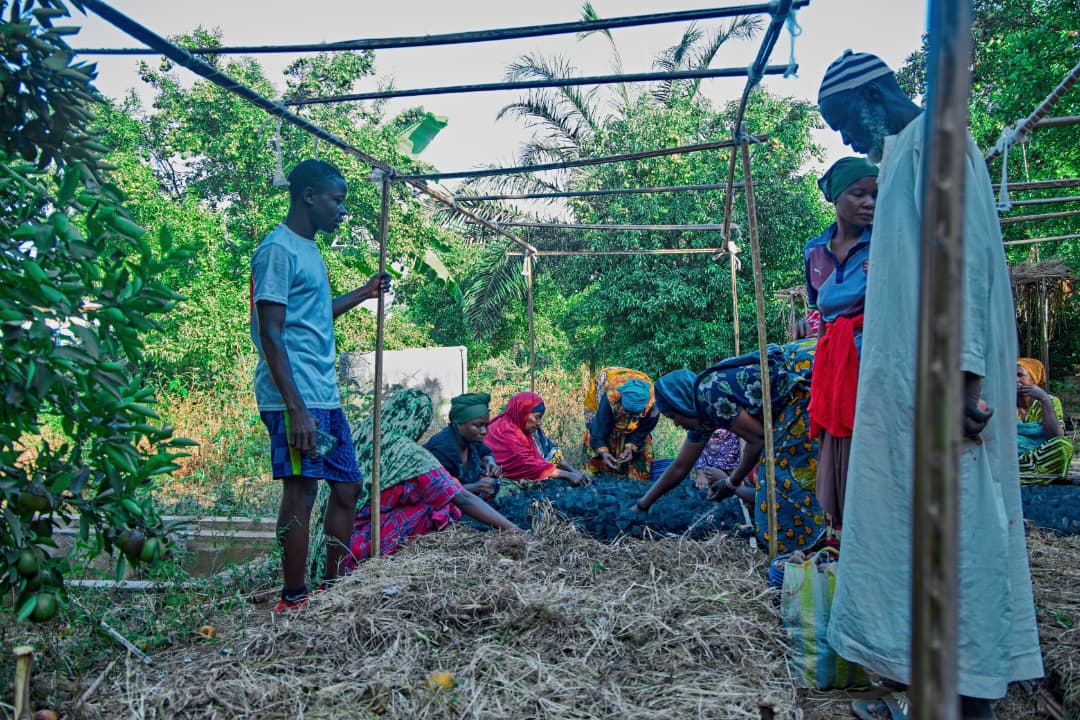
Mu gukomeza ibikorwa vy'iterambere, ubuserukizi bw'umugambwe @CnddFdd muri zone Rumonge Commune #Rumonge bwaratunganije igikorwa co kuvomera no kwongerako imivyaro 11.600 muri pépinière y'iyo zone. Ubu igitigiri c'imivyaro kikaba kimaze gushika ku 61.600.
Kurera amaboko, Non!!
11
11
104
Cécile Garcia retweeted

Dans une petite commune de banlieue : à peine élue, proposition de construction d'une piscine dans le jardin de l'élue si obtention d'un marché pour les ronds-points de la commune. Encore un sujetà propos duquel "tout le monde sait".
2
2
77

the man behind my phone 🤳 retweeted

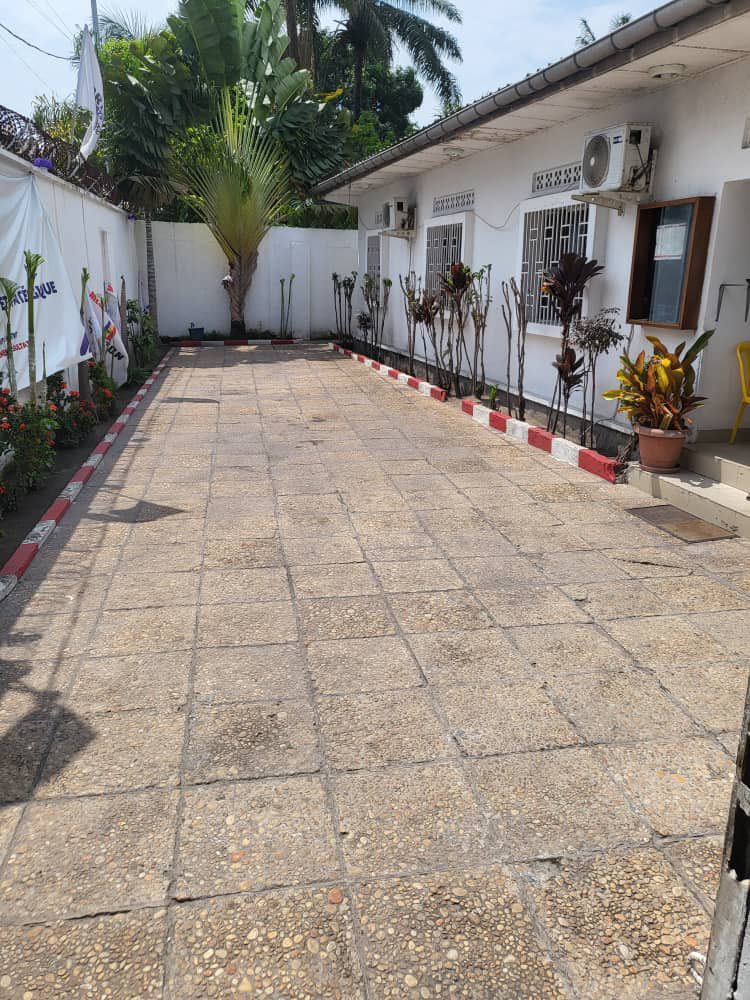
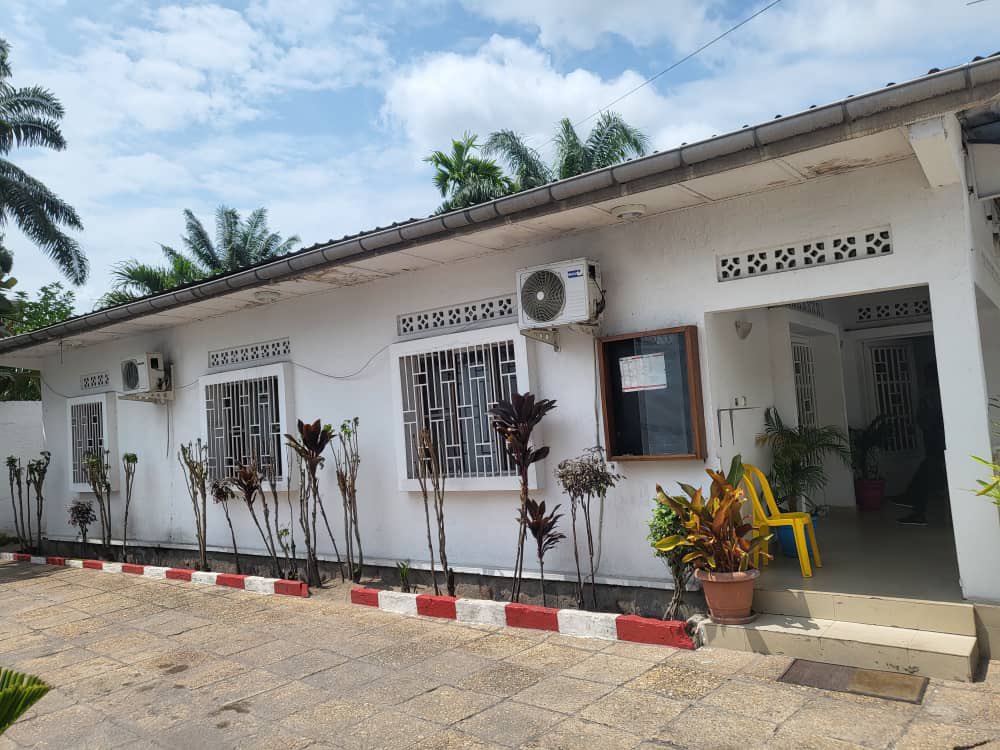
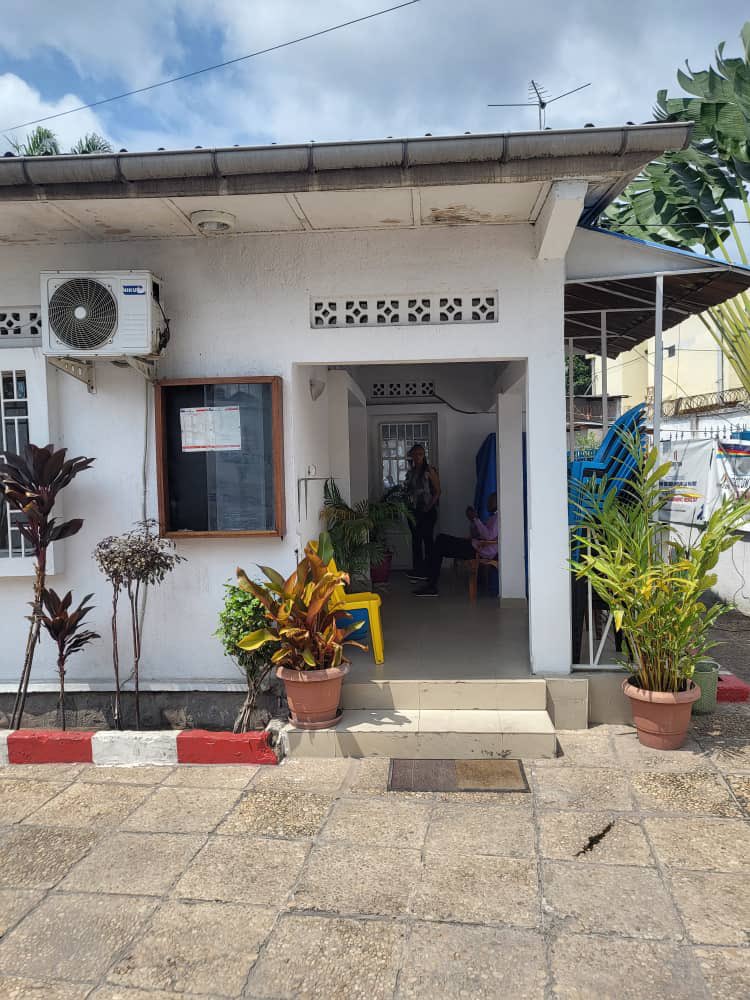
🏡 Opportunité immobilière à Lingwala
Une maison est mise en vente dans la commune de Lingwala, référence Kato-Mushi, idéalement située à proximité du centre-ville.
📐 Dimensions : 15 m × 20 m
Le bien comprend :
✅ 3 grandes chambres
✅ Un spacieux salon
✅ Un magasin
✅ Une véranda
✅ Une guérite
💰 Prix : 800 000 USD (à discuter)
📍 Située dans un secteur stratégique et facilement accessible, cette propriété constitue une excellente opportunité pour une résidence familiale ou un investissement immobilier.
📩 Pour plus d’informations ou pour organiser une visite, merci de me contacter en message privé.
#Immobilier #MaisonAVendre #Lingwala #KatoMushi #Kinshasa #ImmobilierRDC #InvestissementImmobilier

2
11
13
1,100

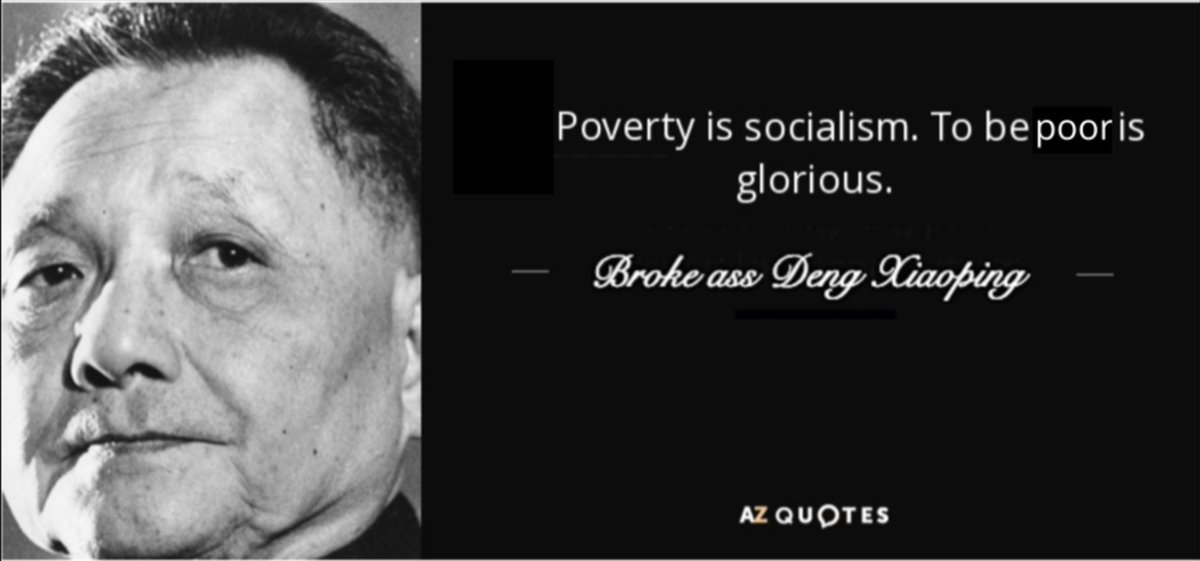
More like Deng Xiaoping truly understood that Communism was Post Capitalist as opposed to centered around everyone being poor in an Anarchist style type Commune

3
1
5
40
𝘔𝘪໒꒱ retweeted

Jun 13
𝟐𝟎𝟐𝟔 𝑰𝑵𝑰 𝟓𝑻𝑯 𝑨𝑵𝑵𝑰𝑽𝑬𝑹𝑺𝑨𝑹𝒀 𝑫𝑶𝑴𝑬 𝑻𝑶𝑼𝑹 [𝑪𝑰𝑻𝒀 𝑶𝑭 𝑳𝑰𝑮𝑯𝑻𝑺]
VISUAL POSTER 公開!
🎫INI COMMUNE 先行 受付中
~ 6/14(日) 23:59 まで
🔗特設サイト
cf.ini-official.com/feature/…
#INI #INI_DOME_TOUR
#INI_CITY_OF_LIGHTS

79
4,478
21,926
520,582

I imagine this is like every day life at a commune in Asheville, NC or somewhere similar…
4
ForMyBee retweeted

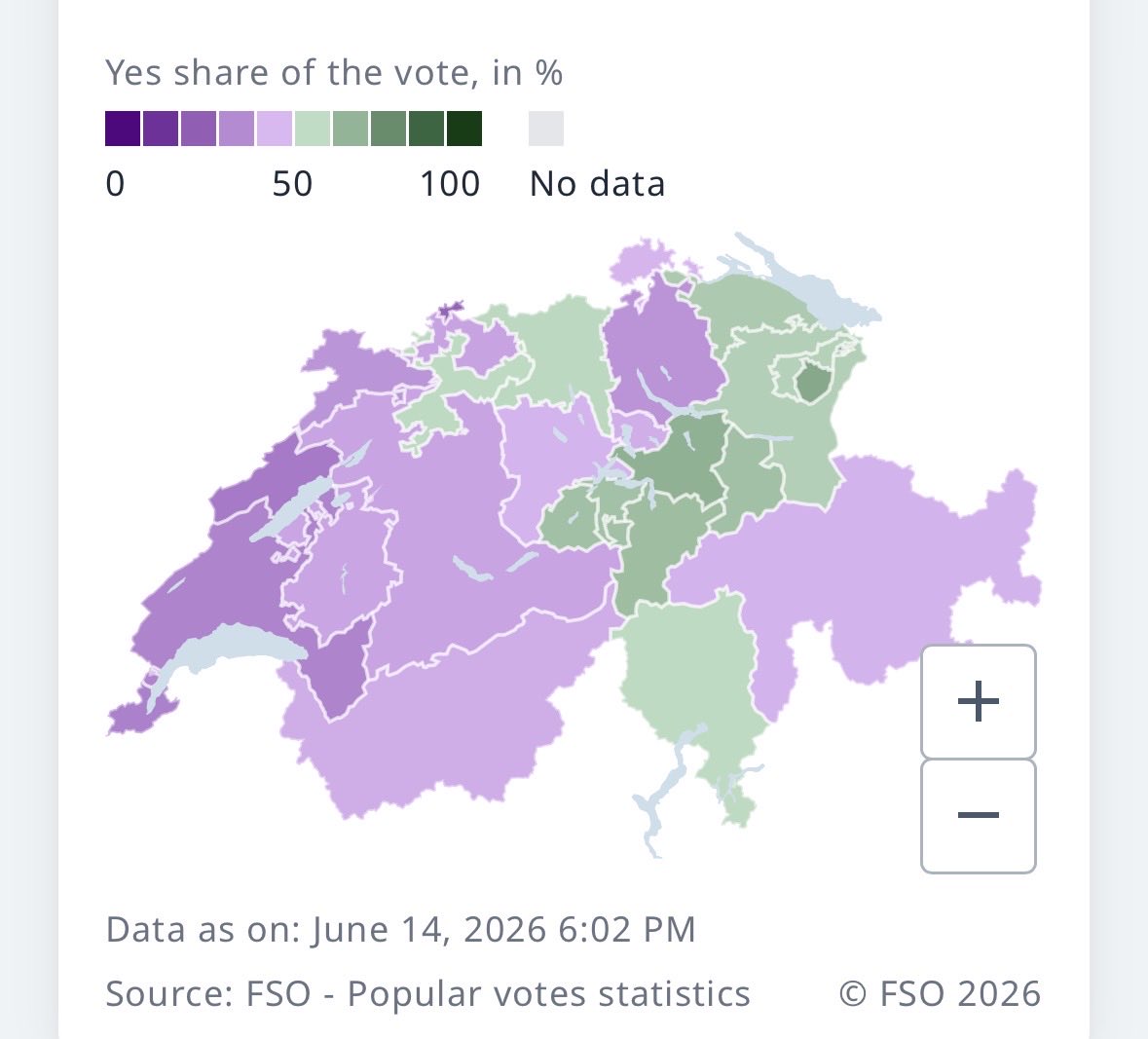
Looking in more detail at Switzerland vote by commune
The French-heavy west was a major driver of opposition. The more Germanic east backed it, as did Italian areas in the south.
You can view maps here abstimmungen.admin.ch/en/det…
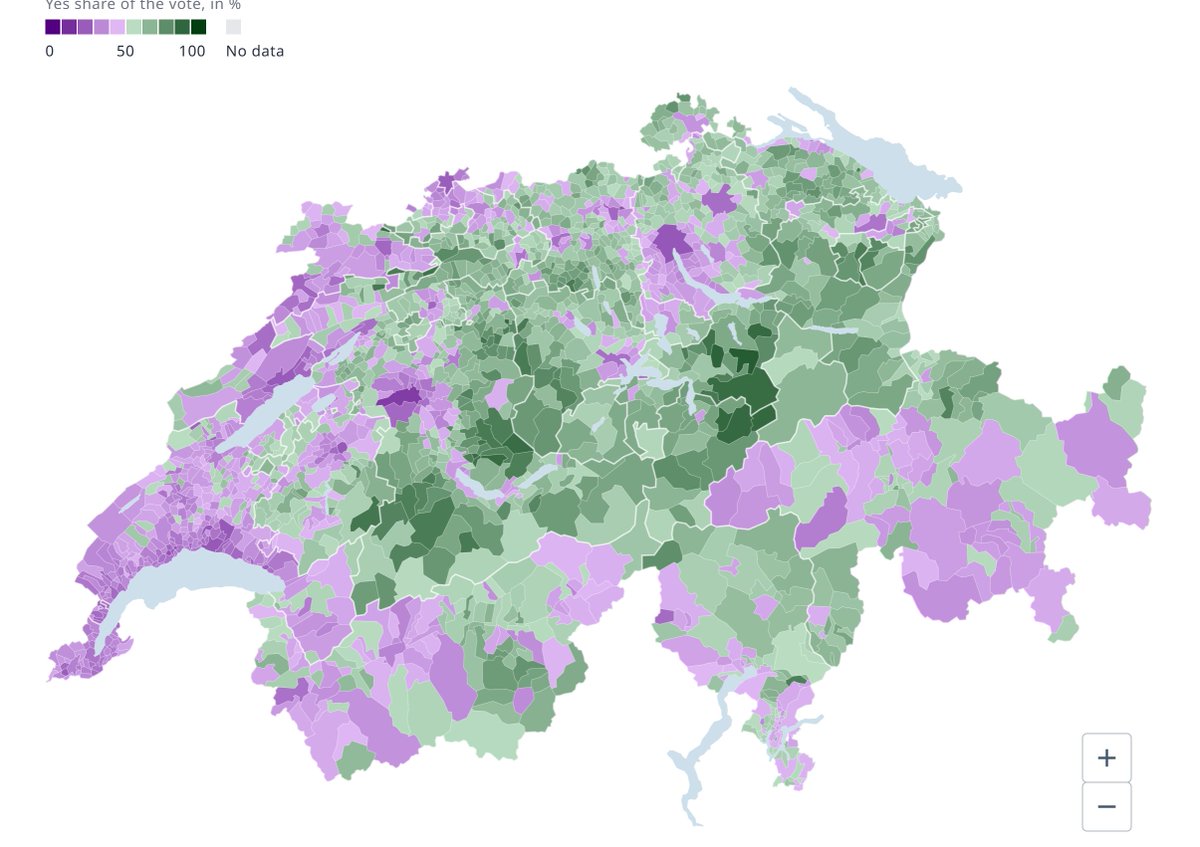

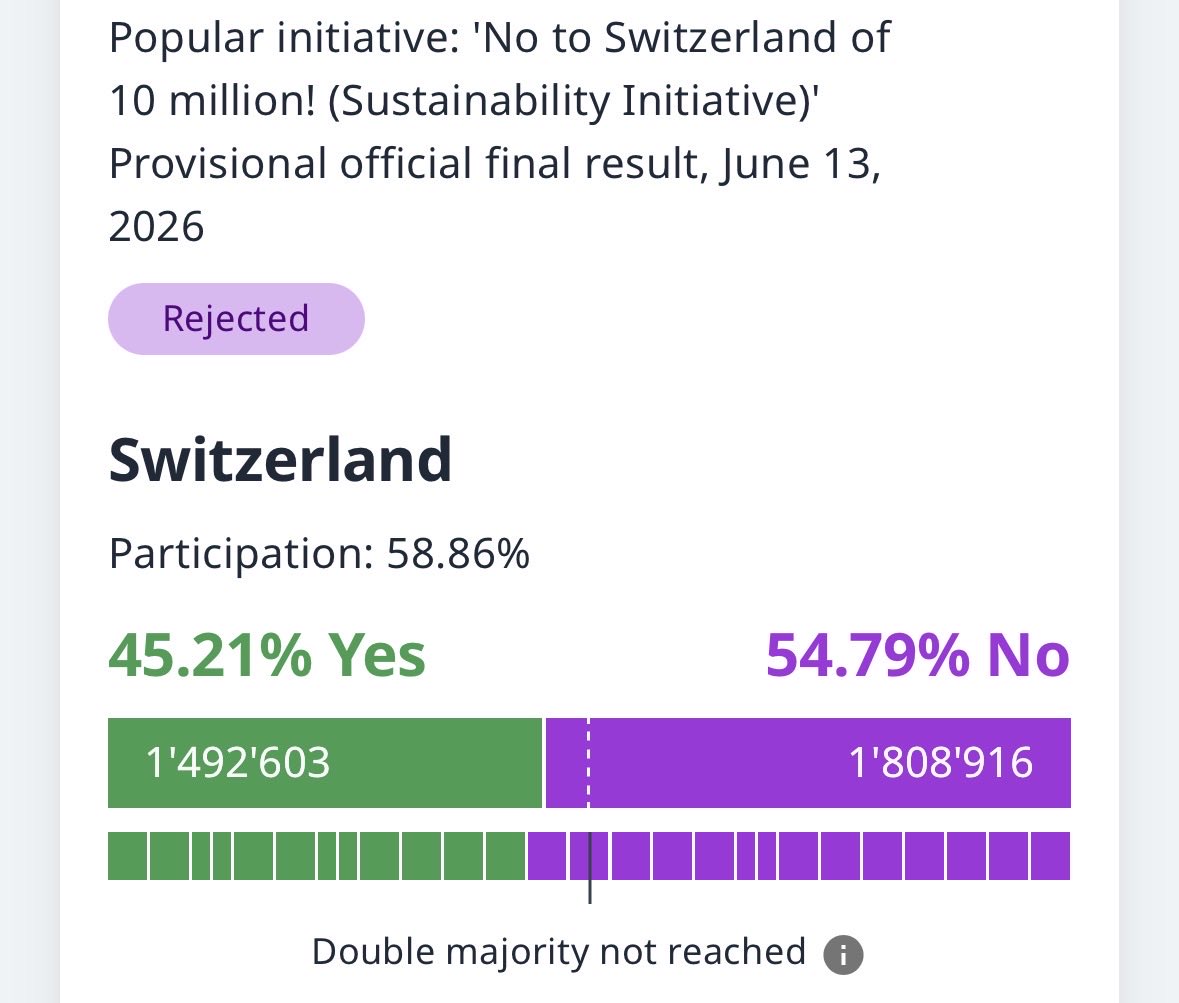
Switzerland rejected a high profile and controversial referendum today - a vote that would have capped the nation’s population at 10 Million
The nation is currently around 9 million people
Good background here youtu.be/e6n5jOxICvU?is=goHe…
4
14
2,017

I hope everyone remembers how Bernie Sanders was kicked out of a Israeli commune after only 4 days because he refused to pull his own weight, the fact is he's never pulled his own weight in his entire life, that's the way a communist rolls, on the backs of everyone else
7
いもむすこ retweeted

【commune MON11:00~14:00】
地域と繋がる3時間。ランチタイムに彩るミュージック&トークをお届けします 。
月曜日は、のじこ&鈴木千慧がナビゲート!
メッセージテーマ「ID、パスワードどうやって管理してる?」
▼(11:30からは「フードナビ」)
▼(12:43からは「It's 猫ニャース」)
#commune
2
104

"propitiation"
relating to an appeasing or expiating, having placating or expiating force, expiatory; a means of appeasing or expiating, a propitiation
🔥used of the cover of the ark of the covenant in the Holy of Holies, which was sprinkled with the blood of the expiatory victim on the annual day of atonement (this rite signifying that the life of the people, the loss of which they had merited by their sins, was offered to God in the blood as the life of the victim, and that God by this ceremony was appeased and their sins expiated); hence the lid of expiation, the propitiatory
an expiatory sacrifice
a expiatory victim
Exo 25:22 And there I will meet with thee, and I will commune with thee from above the mercy seat, from between the two cherubims which are upon the ark of the testimony, of all things which I will give thee in commandment unto the children of Israel.
1
2
25


Difficulty with Ordinary Human Relationships and Empathy
Christian charity is not merely a love for humanity in the abstract. It is expressed concretely through patience, conversation, friendship, encouragement, and concern for the particular people whom God places before us. While the saints often practiced detachment from worldly attachments, that detachment ordinarily enabled them to love other individuals more deeply rather than less.
Throughout her Diary, Sr. Faustina frequently expresses great concern for souls, sinners, and humanity as a whole in general terms. She offers prayers and sacrifices for the conversion of the world. Yet when we examine her interactions with the actual people around her, a different pattern often emerges.
A striking feature of the Diary is the frequency with which Sr. Faustina refers to other people simply as "creatures."
The term is, of course, theologically correct. Every human being is a creature of God. Yet the way the term is employed is unusual. Rather than speaking of fellow sisters, friends, companions, or family members, she repeatedly speaks of "creatures" in a dismissive manner. The phrasing show additional documentation that Sr. Faustina disliked talking to her fellow nuns;
"I do not seek help from creatures, but God is everything to me." (Diary 209)
"Do not rely on creatures, even in the smallest things..." (Diary 295)
"I do not expect anything from creatures, and therefore I am not disappointed." (Diary 766)
"Nor do I wonder at the deceitfulness of creatures..." (Diary 1040)
"I commune with creatures in so far as it is pleasing to Him." (Diary 1021)
Taken individually, these passages can be interpreted as expressions of traditional spiritual detachment. Taken collectively, however, they contribute to an unusually dismissive view of ordinary human relationships with her fellow nuns. Again and again, the people around Sr. Faustina are presented not as companions in the spiritual life but as distractions, sources of misunderstanding, or creatures from whom one must remain detached.
This tendency is visible in her description of a visit from her family. Rather than delighting in conversation with her brothers and sisters, she writes:
"When, tired from these talks and yearning for solitude and silence, I quietly slipped out into the garden..." (Diary 401)
When her family followed her, she devised a way to avoid participating in the conversation:
"I asked my brothers to sing for me... And during this time I was able to devote myself to interior prayer without shunning their company." (Diary 401)
The episode is noteworthy because it is presented as a spiritual success. Her family wished to spend time with her. Sr. Faustina's objective, however, was not to deepen the relationship but to withdraw into her interior world while remaining physically present.
A similar dynamic appears elsewhere. While accompanying Sr. Faustina to a doctor's appointment, another sister became increasingly anxious about transportation and expenses:
"What are we going to do? I don't have enough money to pay for the cab." (Diary 1636)
Sr. Faustina already knew that sufficient money had been provided by the superior. It seems that she was holding onto it without telling the other nun. Nevertheless, she remained silent while the sister continued to worry. She then writes:
"I laughed and told sister that I was not worried one bit... But I saw that my deep peace was getting on her nerves." (Diary 1636)
The striking feature of the incident is that the obvious solution would have been to reassure the anxious sister that she had enough money. Instead, Sr. Faustina focuses on her tranquility leaving the anxiety of the other sister unaddressed.
A similar pattern appears in Sr. Faustina's account of a planned trip to Calvary. She records that her companion was "filled with joy" at the prospect of the excursion (Diary 64). After Sr. Faustina’s voice concluded that it did not want her to go, a sudden storm caused the trip to be cancelled. The disappointment of the other sister is never discussed. Instead, Sr. Faustina writes that she spent the day thanking God for having kept her at home and records the spiritual consolations she received as a result. The narrative is noteworthy because the desires and feelings of the companion instantly fade into the background, while the event is interpreted entirely through its significance for Sr. Faustina's own spiritual life.
The same pattern appears repeatedly throughout the Diary. Human conversation is exhausting. Silence is preferable to explanation. Family visits become occasions to seek solitude. Other people are frequently viewed through broad categories such as "creatures," "souls," or "sinners" rather than as individuals with distinct personalities and concerns.
The issue is not that Sr. Faustina lacked concern for mankind. The Diary contains abundant evidence of concern for humanity in general. Rather, the difficulty lies in the virtual absence of ordinary interpersonal affection. The people immediately around her often appear less as persons to be known and loved than as interruptions to recollection, occasions for suffering, or creatures from whom one must detach oneself.
This recurring pattern helps explain many other features of the Diary, including Sr. Faustina's discomfort with conversation, her preference for silence, her reluctance to explain herself to others, and her tendency to retreat into her interior life. What is presented as spiritual detachment often seems to extend beyond worldly attachments and into detachment from the people themselves.

1
38
☆🍋 retweeted

Commune vibes :)

ALT A digital drawing of S2 Jayce and Viktor, asleep. They are spooning on a pile of pillows. Viktor's hexcorized body catches soft dappled light. Jayce, long-haired and bearded, hugs him from behind. Faint anomaly webbing can be seen on his bare thigh.
4
86
610
3,037
CHEMIN POL retweeted

Jun 12
Philippe Bouyssou le maire PC de la commune :
"J'espère Inch Allah, qu'on pourra signer le permis de construire (de la mosquée) avant la fin de ce Ramadan. "


438
2,776
9,291
426,725


38m
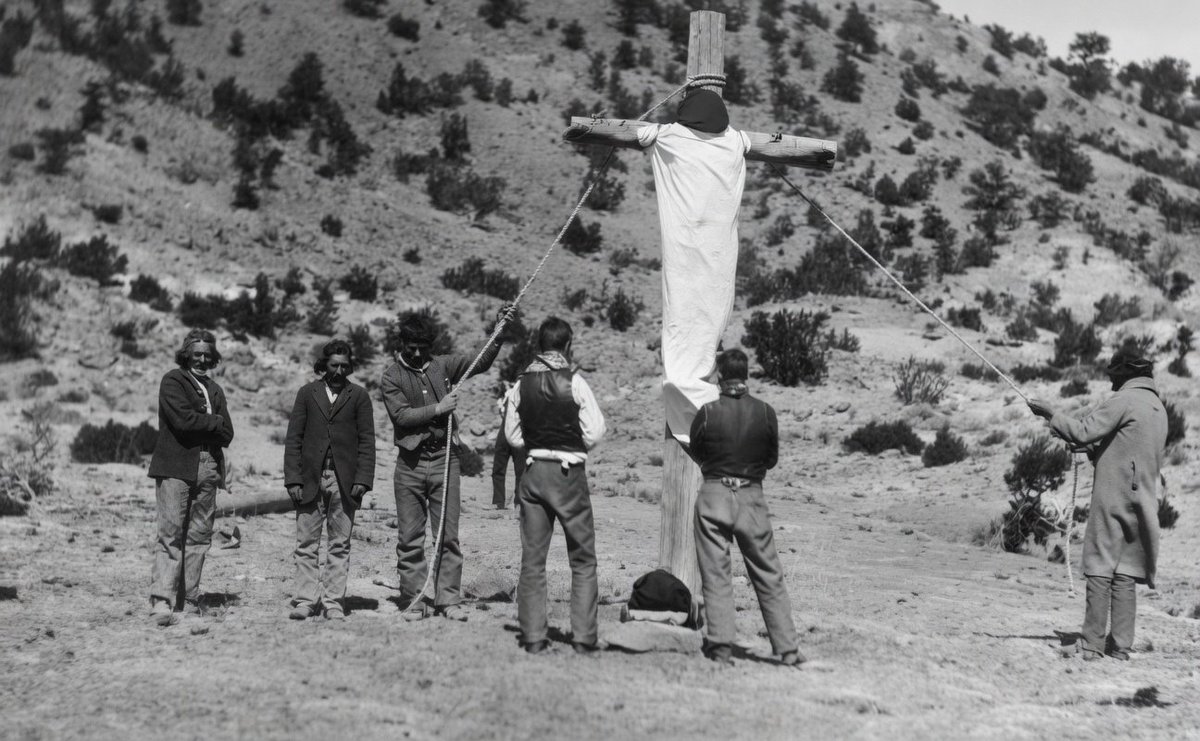
My sister lived in Llano NM. Hog Farm commune on the left, Penitente meeting house on the right. I was 11. I spent the whole summer trying to get into that windowless building.
For added context, Grok***
Los Hermanos Penitentes (also known as Los Penitentes, the Penitente Brotherhood, or formally Los Hermanos de la Fraternidad Piadosa de Nuestro Padre Jesús Nazareno —
"The Brothers of the Pious Fraternity of Our Father Jesus the Nazarene") is a lay Catholic confraternity of Spanish-American men, primarily active in northern and central New Mexico and southern Colorado.
Its practices have roots in medieval European flagellant movements from Spain and Italy (dating back ~800 years), where self-mortification was used for penance. The New Mexico version developed its distinct character in isolated Hispano communities.
1
25