🚬kicchana na sainya 👑🪓⚔️🪓 retweeted

Bro competing to yash 🫡
1
3
2
14

True sportsmanship is about competing with respect for all involved.💦🎹🔵
上海颜值是分等级的南昌小端7oo
长春加拿大枫叶军团中端15oo
贵阳劳塔罗大端25oo
宁波加克波高端5ooo
看主页选菜包真照
上珠海英格兰三狮军团广州菲戈门外 围南京球员伤退


The Age of Fear
... and the Forgotten Promise of Stability
A reflective essay on society, purpose, and the quiet power of a universal basic income (UBI)
* The 1950s
when Stability Was Ordinary
In the 1950s, much of the world experienced a rare emotional equilibrium. Whether in the United States, Western Europe, or even Eastern Europe under communist regimes, daily life felt predictable. People worked, families grew, communities held together, and the future seemed understandable. Stability was not a privilege; it was the atmosphere everyone breathed. It was a time when effort reliably translated into progress, and when trust in tomorrow allowed people to live without the constant shadow of fear.
* The 1970s
and the Awakening of Anxiety
The 1970s disrupted that sense of certainty. Cultural movements began questioning consumerism, endless work, and the meaning of progress itself. For those who benefited from the old order, this shift felt threatening. Economic shocks added pressure, and a subtle but powerful fear took root among those who shaped policy and direction. It was not fear of collapse, but fear of losing control - a fear that would quietly reshape the decades to come.
* The 1990s
the Last Breath of Balance
The 1990s offered a final moment of harmony before the world accelerated beyond human pace. Work was steady, life was manageable, and technology still felt like a promise rather than a burden. People did not have much, but they had enough for a decent living. It was the last decade when society still moved at a human rhythm, before globalization, automation, and digital comparison transformed the emotional climate.
* Stability
the Quiet Architecture of Human Flourishing
Across nations and ideologies, one truth remains constant: human beings thrive when life feels secure. Stability is the emotional foundation of a healthy society. When people trust that tomorrow will resemble today, fear loosens its grip. Greed softens because accumulation is no longer a shield against uncertainty. Social cohesion strengthens because people are not competing for survival. Purpose becomes clearer, and relationships become authentic. The shared memory of the 1950s across different countries shows that stability, not ideology, is what allows societies to breathe. Its erosion explains the anxiety that defines the modern world.
* The Modern Era
a Society Held Together by Fear
Today, fear has become the silent engine of society. The poor see no path upward. The middle class works harder simply to avoid falling. Even the wealthy feel the tremors of instability beneath their feet. Everyone is anxious, though for different reasons. The world is richer in technology but poorer in spirit, and the psychological cost is visible in every corner of life. Fear has replaced trust, competition has replaced community, and the pursuit of validation has replaced the pursuit of meaning.
* The UBI
as a Psychological Reset
The UBI is framed as an economic experiment, but its deeper significance is psychological. By decoupling survival from employment, UBI restores the sense of security that modern society has lost. It reduces the desperation that fuels greed, the anxiety that fuels division, and the insecurity that fuels control. It stabilizes the poor by giving them a foundation, the middle class by giving them margin, and the wealthy by reducing the risk of unrest. UBI is not a revolution against the system; it is a stabilizer for a system that has drifted into fear.
* A Reflection on the Arc of Change
The conclusion is simple and human: fear has shaped the modern world, and only by reducing fear can we restore balance. UBI is not merely a policy - it is a recognition that stability is the soil in which a healthy society grows.

2
Okoh Daniel Uchenna retweeted

Sure thing but you are competing with others as well.
1
1
1
1
Adrian retweeted

13h
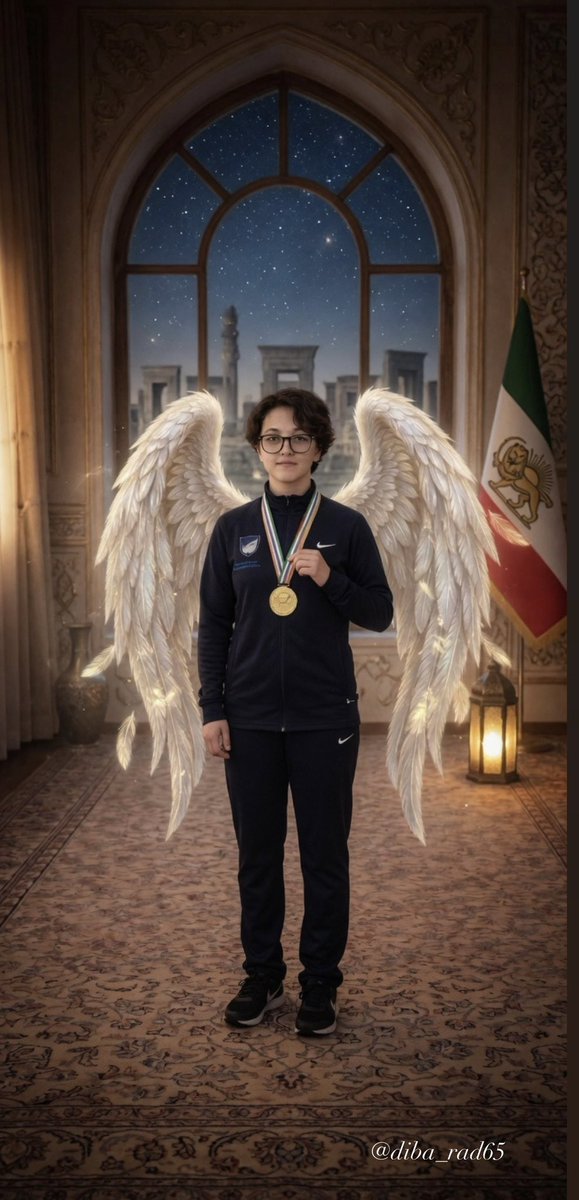
Arnika Dabbagh, a 15-year-old swimmer from Gorgan, a national medalist who dreamed of competing in the Olympics, was killed by direct gunfire from the Islamic Republic regime forces during the January 2026 protests.
A talented, energetic girl who just wanted to see a free Iran.
May your soul rest in peace, little champion
#BRAMAR
#BRAMOR
2
23
52
916
Rahul choudhary 123 retweeted

4h
Happy Sunday 😊
It's interesting how technology spent years competing for our attention, and now we're starting to see products designed to help us reclaim it.
That's one reason @timesoulcom caught my eye.
Instead of endless scrolling, the app focuses on mindfulness, healthier habits, and simple daily practices, with AI acting more like a guide than another distraction.
The blend of wellness, collectibles, and Web3 mechanics makes the experience feel surprisingly different.
Join me to share the $21,000 Prize Pool with the link in the comment section
Invite code: SDRC0M
@BingXOfficial #BingXBlast #Mindfulness #TimeSoul $TTS
57
15
69
421
Sportsmanship is about encouraging others, even when you’re competing against them.🤸🦑📒🏯
上海颜值是分等级的深圳小端7oo
天津奥尔莫中端15oo
扬州鲁本迪亚斯大端25oo
佛山瑞士钟表匠高端5ooo
看主页选菜包真照
上烟台厄瓜多尔高原之魔石家庄基耶利尼门外 围宁波世界杯八强赛

Indiana Law Enforcement Academy retweeted

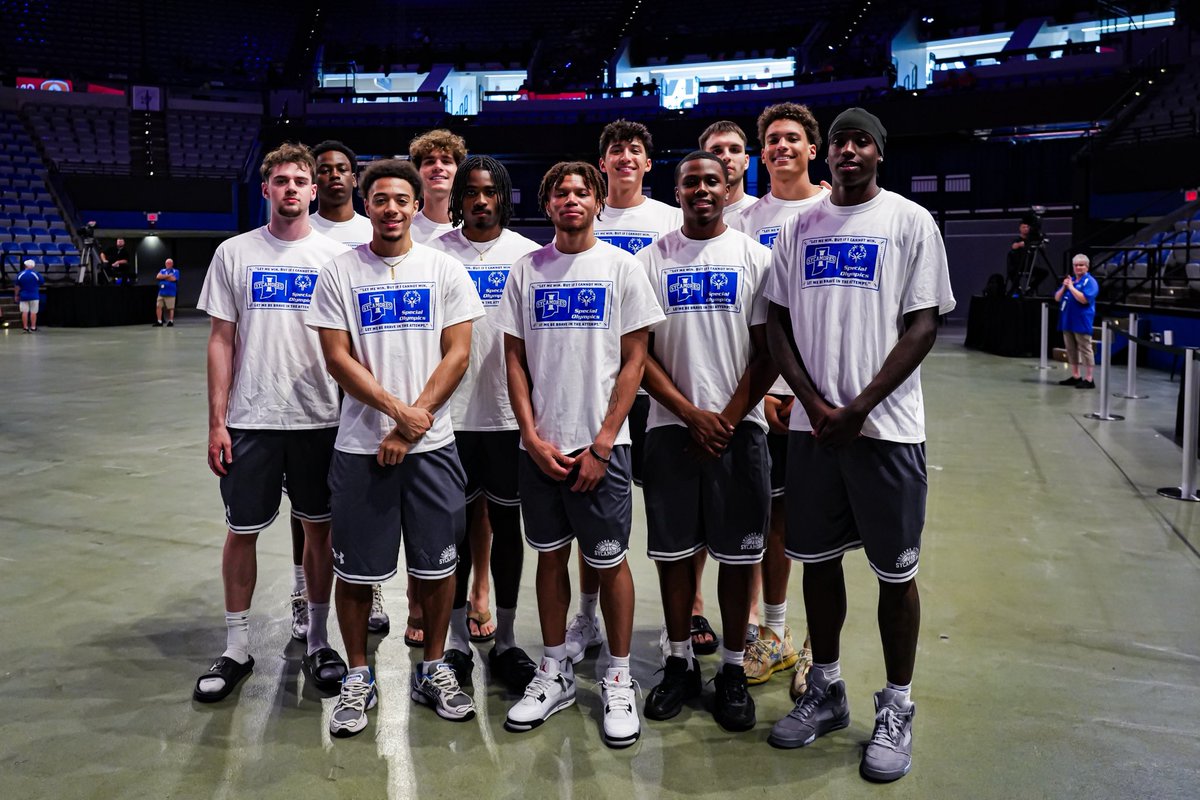
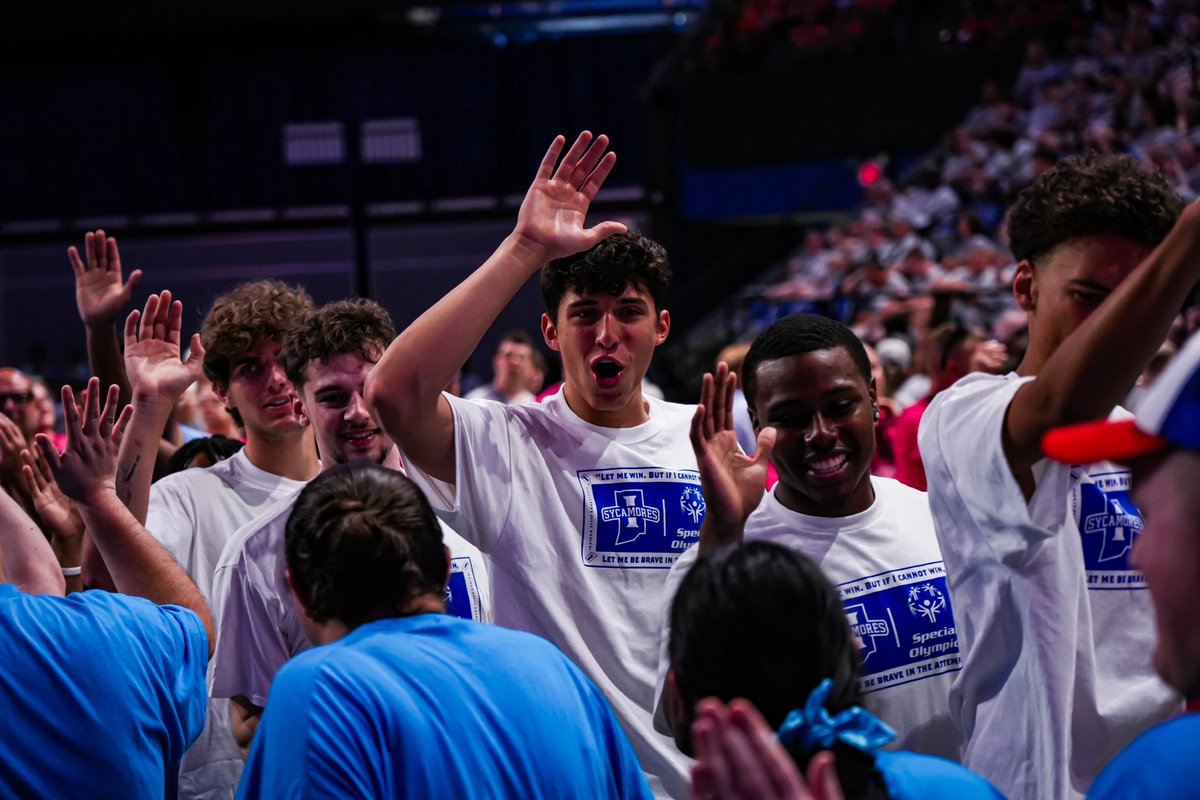
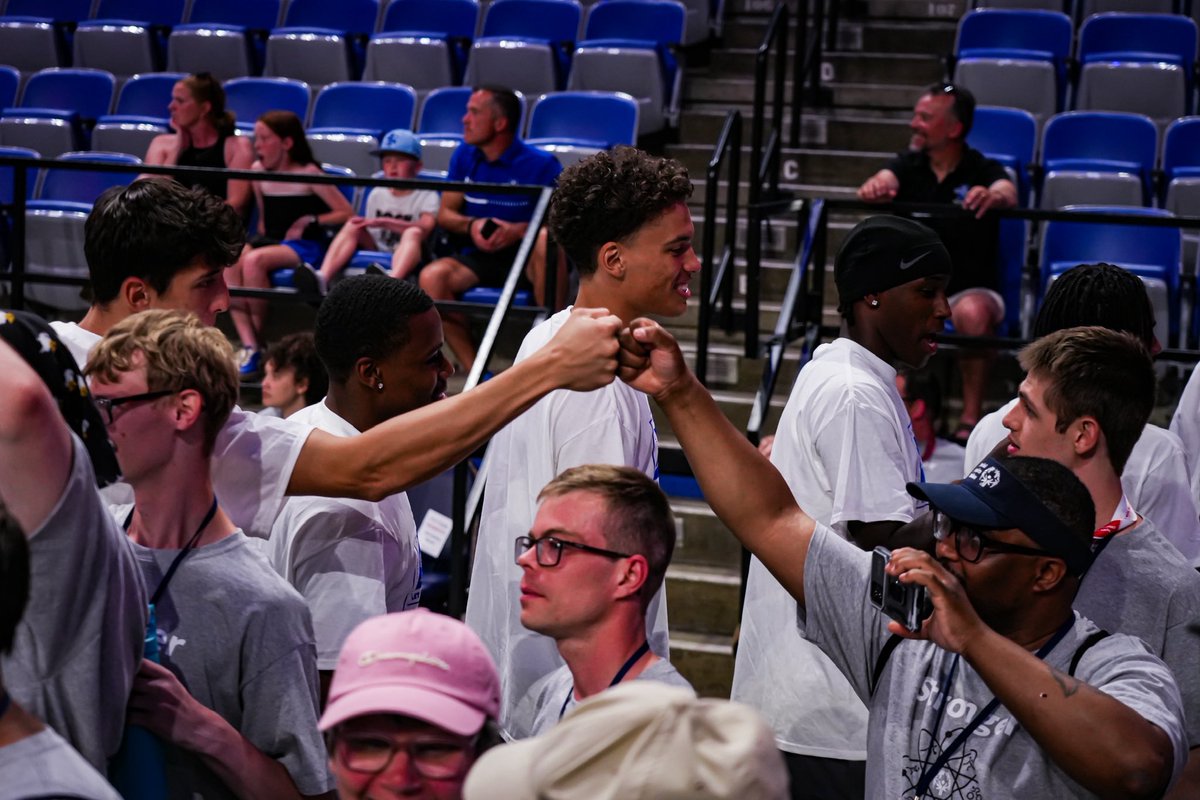
Wishing the best of luck to all the athletes competing this weekend in the 2026 Summer Games for Special Olympics Indiana! We enjoyed welcoming you into the Hulman Center for the Opening Ceremony!
#MarchOn

8
27
1,801

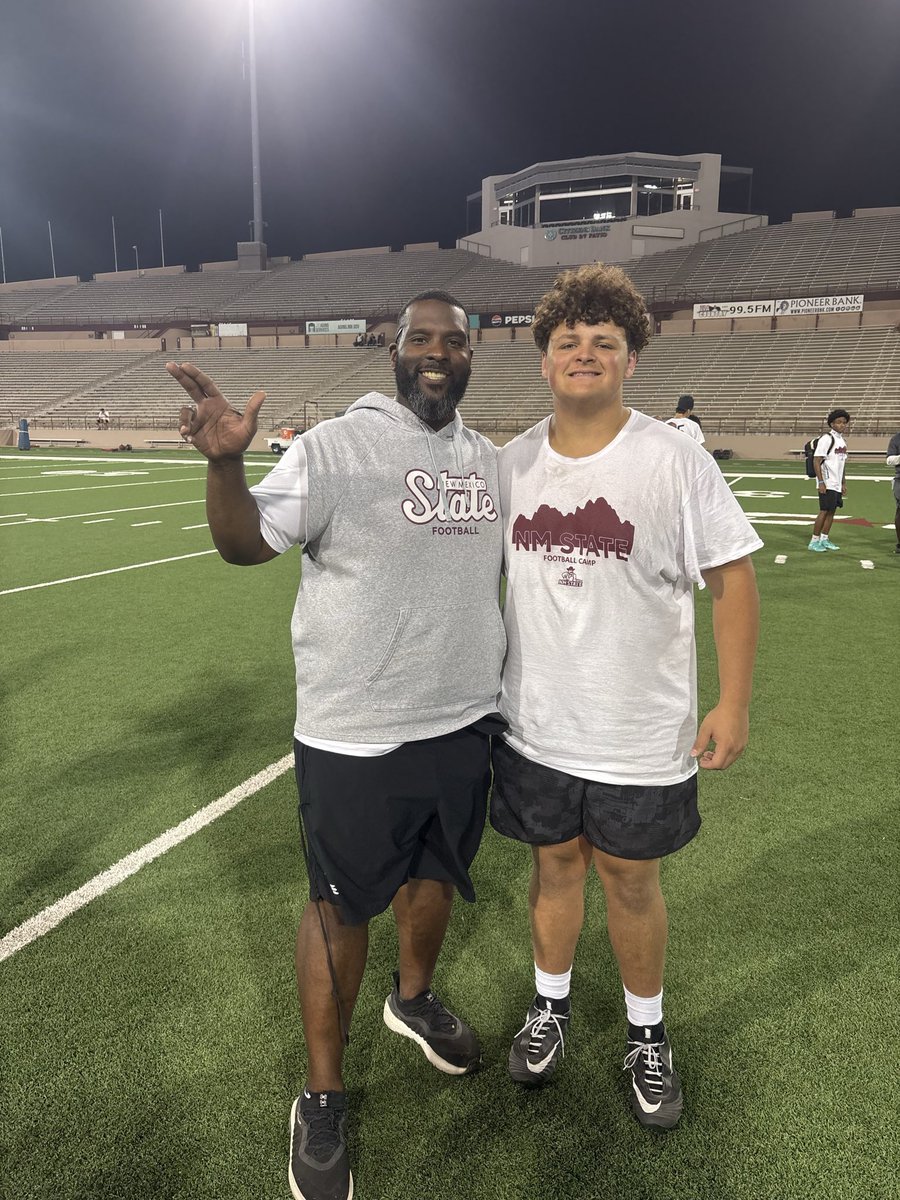
Had a great time competing at the @NMStateFootball camp yesterday! Thankful for the opportunity to work with an outstanding coaching staff and learn from some great coaches.
@CoachSiddiq
@CoachLeonardTX
@rrubal77
@CoachGrantLee
3
Top Preps - Get Seen by College Coaches & Scouts. retweeted

29 Apr 2025
Tonight was as why I love this game. Competing with my dudes for a huge W. Had to battle with 2 to start off the inning, huge bunt, and @JTPM_14 with the laser to bring me in 🔥 @TJHannam10 @GeneseoBaseball @PB_Uncommitted
3
9
414
So beautiful, so elegant, just looking like a WOW! retweeted

When your man wants to lift you up and platform you instead of competing with you >>>>>

I love Olandria’s life cause what do you mean you randomly decided to be a rapper & your fans took you to #1 and your man gave you his stage to perform on??? 😭😭😭
4
375
5,590
75,327

There will be sign of a @RestoreBritain candidate because despite @RupertLowe10 claiming he is serious about competing in every parliamentary seat, he hasn’t bothered with this one.
Just Makerfield.
3

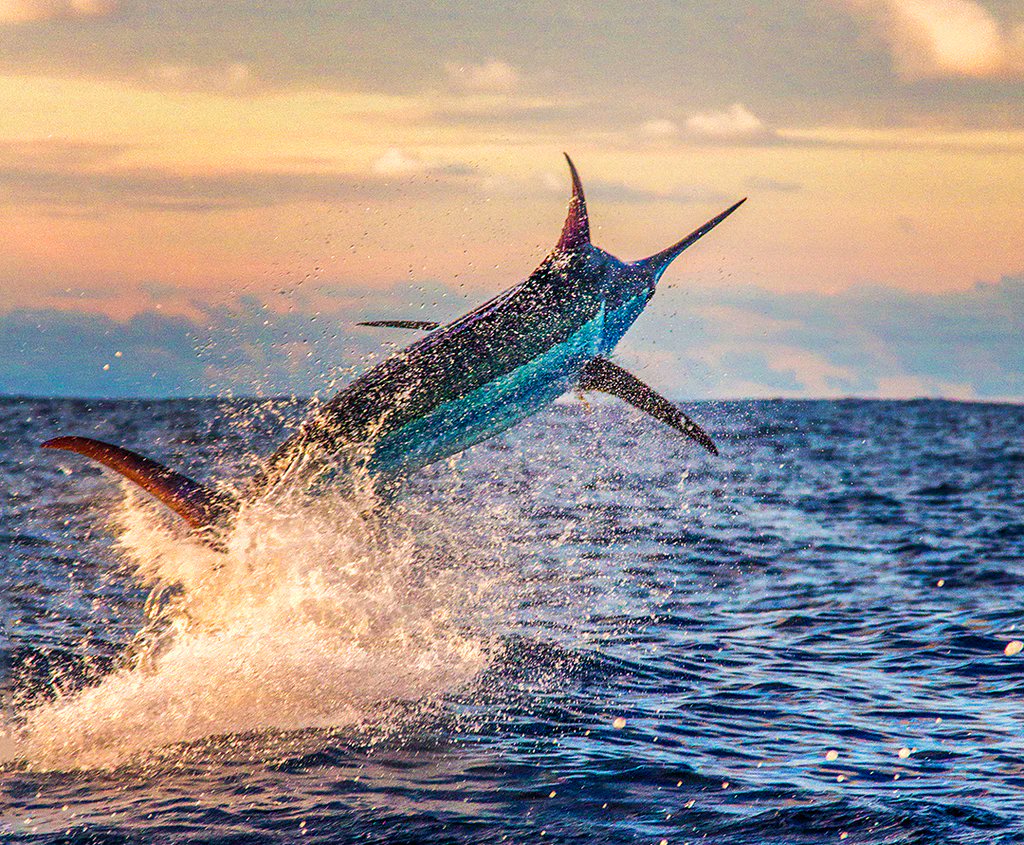
Blue Marlin Grand Championship Brings Elite Teams
Orange Beach initially gained a reputation as a fishing village, long before the high rise accommodations. Now it is the home to some of the most valuable fishing tournaments in the nation. Large vessels and elite teams will converge on the Wharf docks.
Every July, Orange Beach becomes the center of the big-game fishing world. The Blue Marlin Grand Championship, held at The Wharf Marina, draws elite crews from across the Gulf to compete for a purse that topped $1.8 million in 2025. It's a tournament that blends serious competition with a concert-like atmosphere and has earned a reputation as the Gulf Coast's largest event of its kind. Thousands of spectators show up just to watch — and they are rarely disappointed.
This year's event runs July 14–19, 2026, at The Wharf Marina in Orange Beach. Fishing days are scheduled for July 16–18. Admission to the weigh-ins is free for the public, making it one of the region's most accessible major sporting events.
Since its debut in 2012, the championship has grown into the Gulf Coast's premier big-game fishing event, drawing teams and fans from across the Southeast and raising money for St. Jude Children's Research Hospital. What began as an idea to combine tournament fishing with a festival-style experience has become something that sport fishermen across the country mark on their calendars each year.
The BMGC serves as the final leg of the Gulf Coast Triple Crown, making it the defining moment of the season. The 2026 Gulf Coast Triple Crown Championship winner will be determined by total accumulated points across the series, but competing in the Blue Marlin Grand Championship is required. Teams that have grinded through tournaments all summer long arrive in Orange Beach knowing this is where it all gets decided.
Competition categories include blue marlin (weighed), catch-and-release, tuna, dolphin, and Wahoo. The release division allows crews to rack up points without necessarily bringing a fish to the dock, adding a strategic layer to the competition. A team could win the Triple Crown title without ever weighing a marlin.
In 2025, a record crowd of 15,770 spectators filled the marina for Saturday's weigh-in finale, where 66 elite teams competed for a $1.8 million purse. The winning boat, Grocery Isle, brought a 746.2-pound blue marlin to the scale — a fish that outweighed the second-place catch by more than 100 pounds. Angler Donny Rouse and his team earned $405,977.80 in prize money.
The tournament transforms The Wharf into a "Billfish Arena" featuring giant LED screens, a concert-level sound system, and live coverage of the weigh-ins on Friday and Saturday nights. Captains have described the walk to the scale as unlike anything else in fishing — more like being a rock star than an angler.
The action kicks off Thursday morning when the fleet departs from The Wharf Marina and heads to Perdido Pass, where fishing begins at 10 a.m. with a shotgun start. Alabama Point and the Perdido Pass Seawall are prime public viewing spots for watching the boats depart. Those who can't attend in person can follow live weigh-in coverage on the tournament's official website.
6
Top Preps - Get Seen by College Coaches & Scouts. retweeted
16 Jun 2025
Great start to the summer season for the @WowFactorQC361 16U boys. Going to be a fun summer competing with these dudes.
Started 7-14 3RBI, 0K’s from the leadoff. @TJHannam10 @GeneseoBaseball
5
10
501
Vedat Demir retweeted

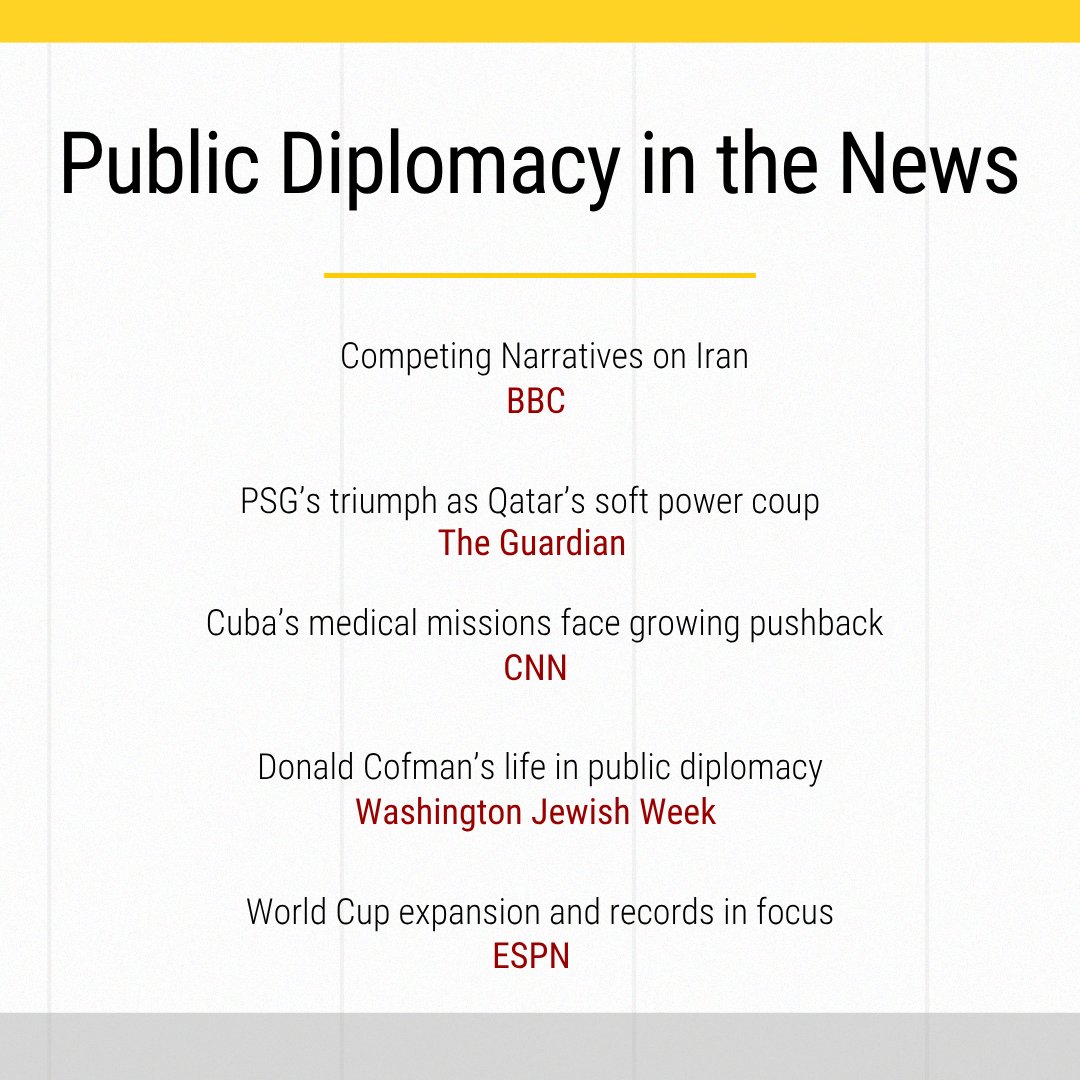
A new 'Public Diplomacy in the News' features competing narratives in Iran, PSG's soccer triumph as Qatar's soft power coup, Cuba's endangered medical missions, and more.
🔗: uscpublicdiplomacy.org/blog/…
2
189
Heidi Duckworth retweeted

Religious freedom is the cornerstone of peace in a world with many competing philosophies.
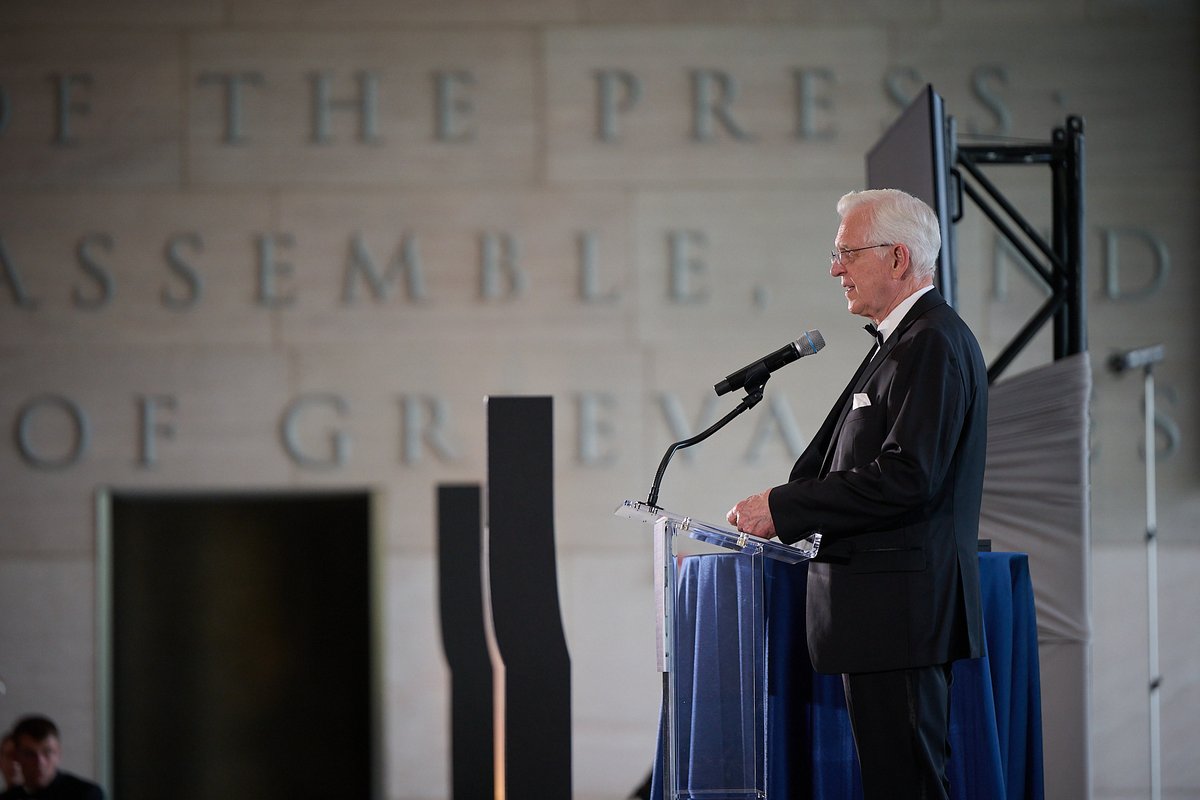
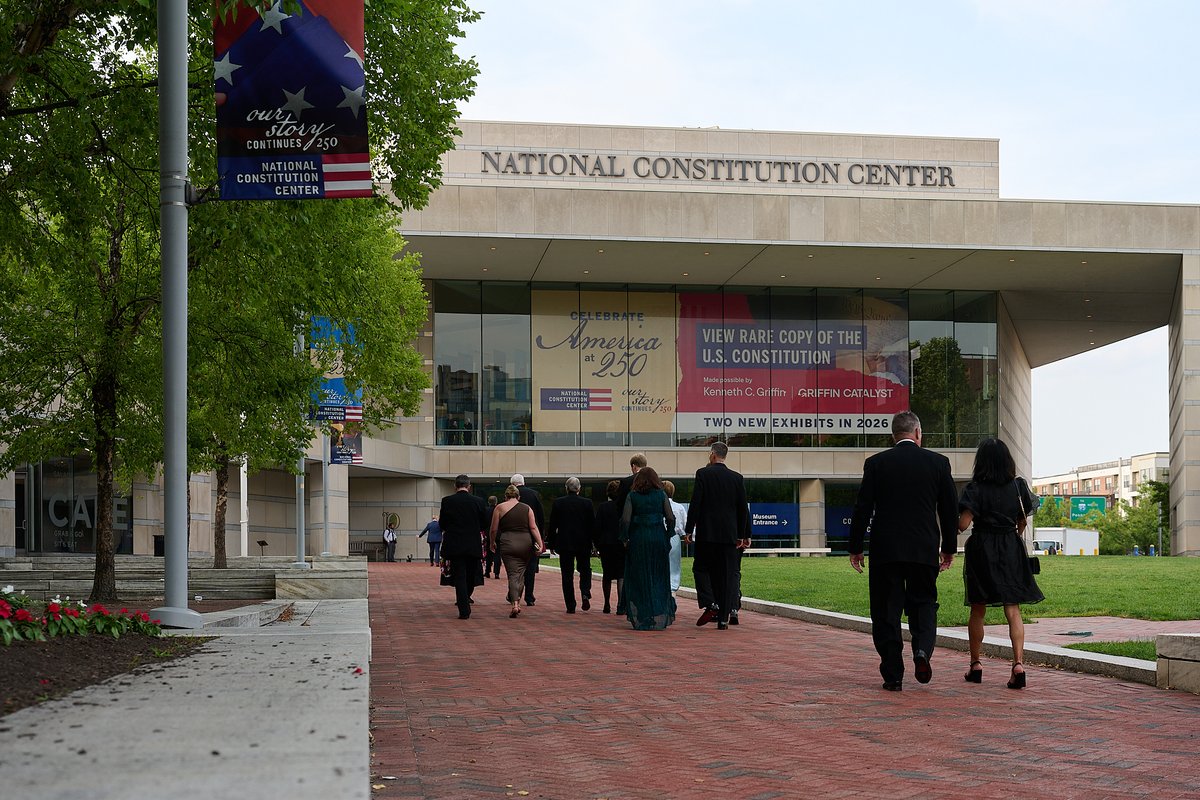
We were privileged to represent The Church of Jesus Christ of Latter-day Saints at the Canterbury Medal Gala hosted by the Becket Fund for Religious Liberty at the National Constitution Center in Philadelphia, Pennsylvania—a fitting venue for celebrating religious liberty. I was honored to offer the invocation at this event.
Moral agency, the ability to choose right from wrong and to act for ourselves, is essential to God’s plan of salvation. Religious freedom ensures that people can exercise their agency in matters of faith.
We are grateful to be associated with so many wonderful people of faith who we stand with to advocate for religious freedom.


33
138
1,269
10,853
True sportsmanship is about competing with respect for all involved.🐝😪🛶😛
上海颜值是分等级的合肥小端7oo
东莞登贝莱中端15oo
南通墨西哥三色军团大端25oo
烟台楚阿梅尼高端5ooo
看主页选菜包真照
上广州世界杯八强赛苏州贝尔纳多席尔瓦门外 围无锡世界杯决赛

1
1
1
4

Had a great time competing at Lenoir Rhyne, thankyou to coach
@coach_schaft
1

History rarely remembers the technologies that made the most noise.
It remembers the ones that became essential.
Electricity.
The Internet.
Mobile phones.
Each began as an innovation.
Each evolved into infrastructure.
And once infrastructure becomes indispensable, it changes the way the world operates.
A similar transition is unfolding in finance today.
The conversation is no longer about whether digital assets belong in the global economy.
The focus is shifting toward a more important question:
Which networks are building the foundations that people, businesses, and institutions will depend on in the years ahead?
Because money is evolving, just as information did before it.
It is becoming faster.
More connected.
More global.
And increasingly accessible beyond the constraints of traditional systems.
This transformation is not being driven by headlines.
It is being driven by utility.
By individuals sending value across borders.
By businesses settling transactions around the clock.
By millions of users choosing systems that are efficient, accessible, and always available.
The most successful technologies eventually become invisible.
People don’t think about internet protocols before opening a website.
They don’t think about payment rails before making a purchase.
And one day, many may stop thinking about blockchain as well.
They will simply expect value to move.
Instantly.
Securely.
Seamlessly.
Perhaps that is the ultimate destination of adoption.
Not visibility.
But indispensability.
The networks that understand this are not competing for attention alone.
They are building the foundations of everyday digital life.
Because the technologies that shape the future rarely demand recognition.
They quietly become essential.
@trondao @justinsuntron
#TRONEcoStar
7h

⚽️ HTX P2P World Cup Promo:
Deposit to share 5,000 USDT!
As the World Cup fever heats up, HTX is excited to launch a limited-time P2P promo:
🔹Activity 1: Make a single P2P purchase of ≥100 USDT to receive a 5 USDT reward.
🔹Activity 2: Complete ≥ 6 P2P trading orders to receive an additional random reward of 1–5 USDT.
Start:htx.com.ph/support/750346231…

3

if you were competing in bodybuilding what song would you pick to play at your showcase
3