
Hating a 90IQ person for not understanding democracy is cruel: democracy is a political technological. It is a weapon. It is a process superficially designed by evil 140IQ people to baffle well meaning 90IQ people who are, quite literally, can't understand a complex system.
1

This is incompatible with the complex Hopf fibration. E8 is not on the complex Hopf and you cannot pull nontrivial complex Hopf off of E8.

i want everyone to know i have the survival instincts of a fart i thought i was hearing fireworks last night so i ran to them just to find out it was actually gunshots , and then this lady took me to her apartment complex and gave me water and a charger. idk how im alive😭
Tom Vee retweeted

BREAKING: Israel bombed an apartment complex in Beirut’s Dahiyeh district, killing at least 1 person and openly flouting Iran’s red lines
This is why any “peace deal” with the US-Israeli axis is a pipe dream
Israelis in occupied Palestine are likely to pay a heavy cost tonight
5
29
51
875

An apartment complex is private property. The parking lot is owned by the management company who runs the apartments.

That’s crazy because Inquisition has the best, most complex and spread out romances of the series, and every playthrough i’ve watched of it has everyone saying the same thing.
Cullens, Cassandras, Dorians, Josies, Solas are all incredible I mean come on
Clover retweeted

17h
The most complex piece I’ve done to date. 19 hours and 40 layers of work. For an anonymous client on Discord ❤️
Dedicated to Charlie.

43
565
8,009
98,741

22s
It isn't real lol at most you have trauma bonding or complex PTSD. Stockholm was invented in Stockholm due to the womens response to a robbery in 1973. Please do your research, no Doctor has ever diagnosed a patient with the syndrome. Not enough clinical evidence to its existence
the_och_jezter retweeted

The most complex piece I've done to date. 19 hours and 40 layers of work. For an anonymous client on Discord ❤️
Dedicated to Charlie.

48
1,898
17,248
130,023


By encouraging communication over confrontation, Pakistan is playing a positive role in advancing peaceful solutions to complex challenges. Its diplomatic efforts reflect a steadfast commitment to peace.
#PakGlobalPeaceMission #CDFPeacemaker #FieldMarshalPeacemaker

1

Its a little more complex than that. It's the value of current assets compared to all forecast future pension liabilities (though this is where actuarial expertise is also applied). Discount rate, life expectancy and inflation for example.
Although forecasts, they provide a snap-shot of whether assets today will be sufficient, need topping up, etc.
For public sector pensions, those assets don't necessarily exist (we don't have a ring-fenced pension fund like Germany for example).
The bigger the public sector, the larger the funds required to pay pensions in the future. If staff contributions don't reflect reality and public sector employers keep paying unaffordable employer contributions, the burden on the taxpayer grows.


Abhishek Mukherjee retweeted

My statement expressing gravest concerns at notoriety of Islamists and jihadists targeting the Sanatan Complex in Gaibandha district under Rangpur division in Bangladesh and dangerous provocation of demolishing the idols of Lord Shiva, Lord Krishna and Lord Ram.
2
74
149
1,542

Craig’s a gen-xer. His earned wealth is north of $160 million. He grew up in a working-to-middle-class household.
The "Trust Fund Trap" of inheriting extreme wealth is highly predictive of several negative behaviours: erosion of extrinsic motivation; the imposter complex; enmeshment and entitlement; empathic disconnect.
Most people inherit a house or two. Maybe a couple million dollars. That can relieve suffering and do a lot of good.
Inheriting a massive fortune can do good. Or a lot of harm.
1

John Thune Stan retweeted

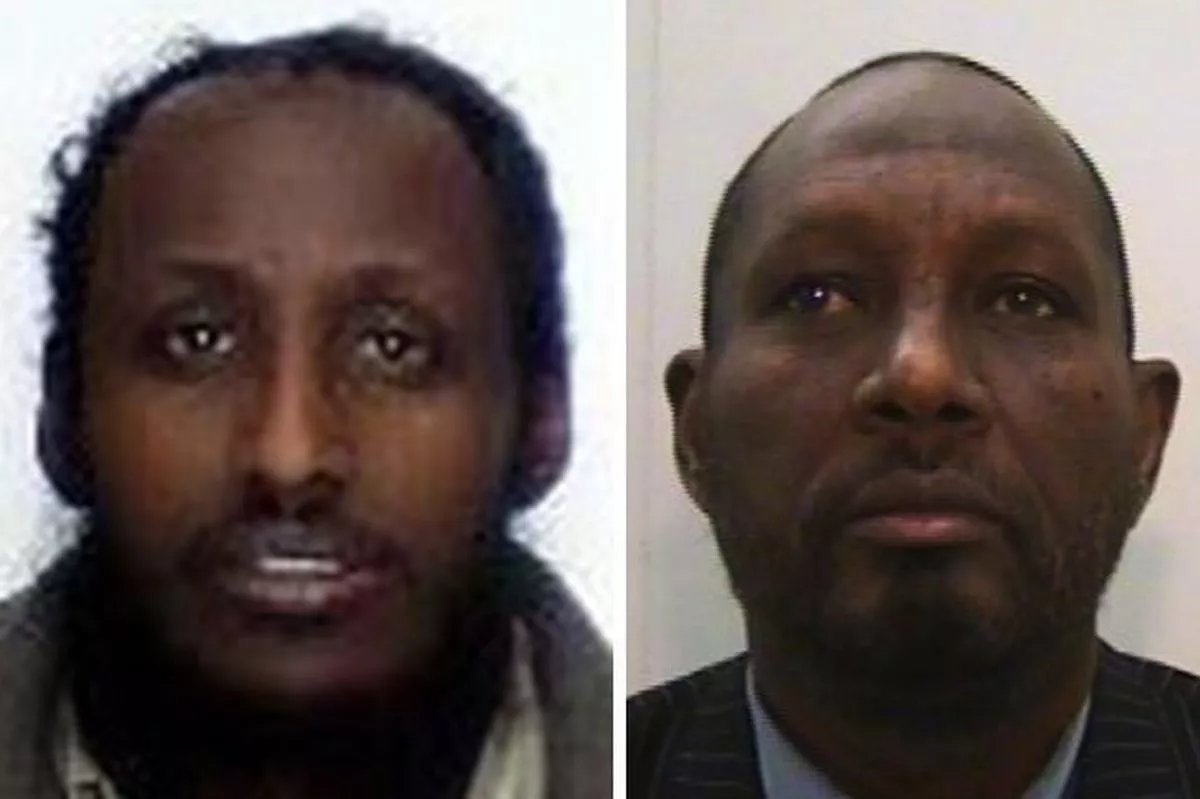
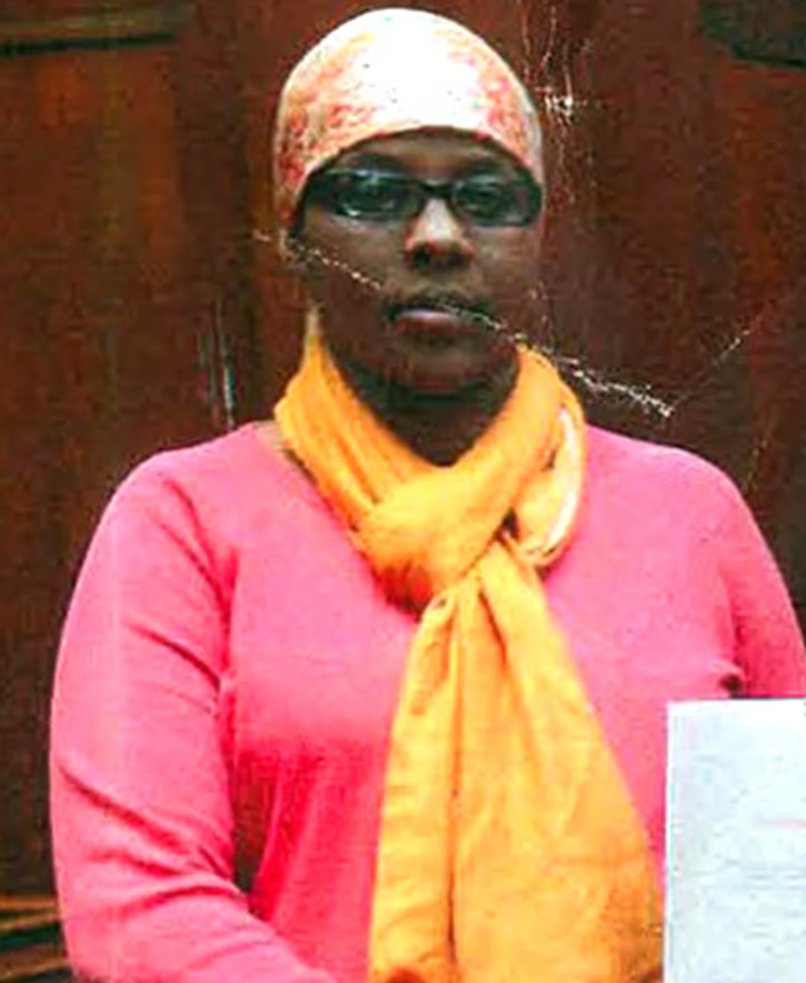
BRITAIN'S SOMALI FRAUD INDUSTRIAL COMPLEX
The sophisticated Somali fraud schemes operating in Minnesota appear to have equivalents across the West, including Britain. Britain's generous welfare system is easily abusable and accessible.
THREAD of Somali benefit fraudsters 👇

28
503
1,326
44,859

How is Sutherland able to conduct complex operations such as this without having completed FOST?
3