
Jun 14
When the Void Becomes an Idol
The story of St. John of the Cross (1542-1591) is often told as a tale of heroic sanctity. The great Carmelite reformer endured imprisonment, humiliation, and suffering in his quest to restore the contemplative life.
Yet his story also reveals a paradox that runs through much of mystical history.
At the centre of the Carmelite conflict was a dispute that appears almost absurd to modern eyes: shoes.
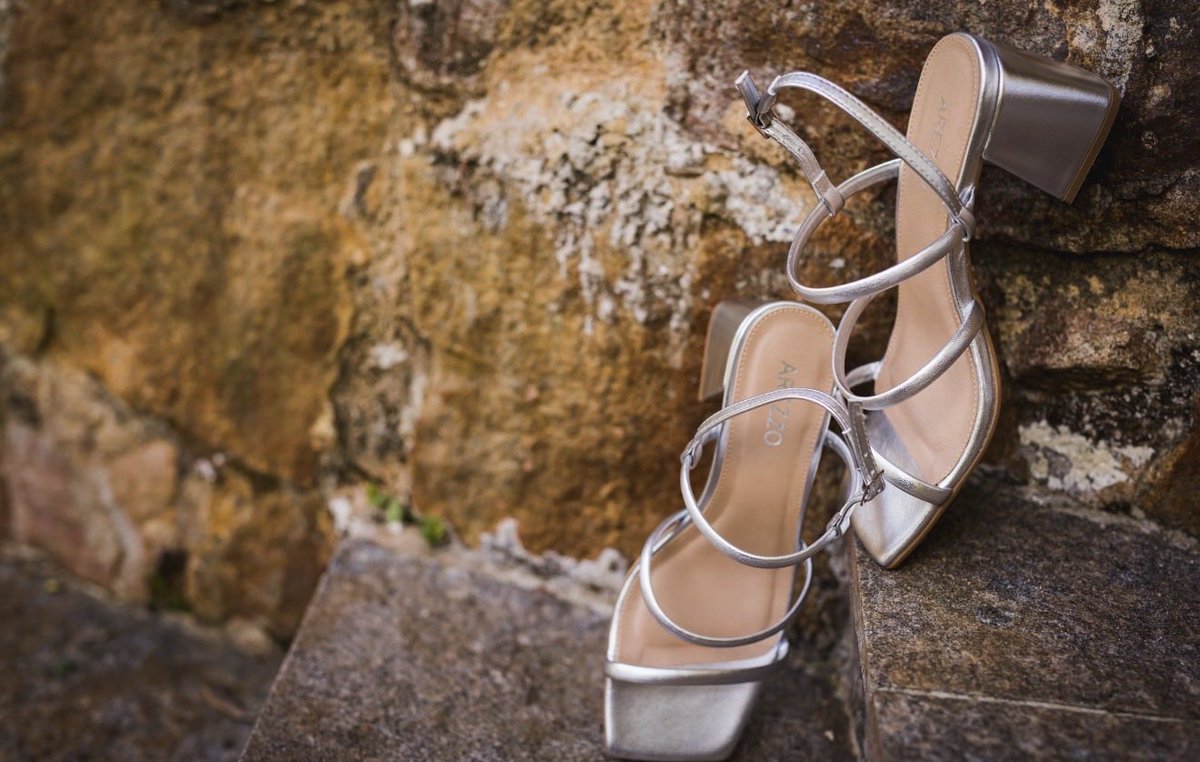
The “Calced” Carmelites wore shoes. The “Discalced” reformers, led by John and St. Teresa of Ávila (1515-1582), embraced a stricter and more austere way of life.
To be fair, neither John nor Teresa believed that God literally resided in bare feet rather than sandals. Their concern was discipline, simplicity, and freedom from attachment. Ascetic practices can undoubtedly help loosen the grip of habit and comfort. Silence, fasting, solitude, and renunciation have served as powerful aids to contemplation for centuries.
The problem begins when a useful discipline quietly becomes a metaphysical principle.
A subtle shift occurs.
What began as a means of recognizing Reality becomes mistaken for Reality itself.
The contemplative discovers the silence beneath thought and concludes that silence is holier than sound.
Discovers emptiness and concludes that emptiness is superior to form.
Discovers stillness and concludes that movement is a distraction.
Discovers God in the desert and begins to overlook God in the marketplace.
This is a danger recognized in the Zen tradition itself.
One discovers the Void and then quietly begins to treat the Void as a special state. One discovers Nothingness and starts looking for it only in silence, solitude, and renunciation. But if the Void is truly empty, it cannot exclude anything. It must be equally present as shoes and bare feet, fasting and feasting, celibacy and intimacy, monastery and marketplace. Otherwise the Void has become another object, another idol, another subtle attachment.
The discovery is genuine.
The reification is the mistake.
The mystic discovers water as ice and becomes fascinated by its purity and stillness. The next step is to recognize the same water flowing as a river, falling as rain, rising as vapour, and crashing as waves. Otherwise one has not realized water, but only a particular state of water.
Likewise, one has not fully realized God if God can only be found in the monastery and not in the marketplace, in the fast and not in the feast, in the Void and not in its endless display.
If God is truly omnipresent, then God is not more present in fasting than in feasting, in celibacy than in intimacy, in bare feet than in shoes.
The person drinking wine while seeing clearly into their true nature is not farther from God.
The lover embracing their beloved is not farther from God.
The ascetic sleeping on a bed of nails is not closer.
The difference lies not in God’s presence but in recognition.
From this perspective, the deepest question is not whether asceticism is useful. For some people, it clearly is.
The deeper question is whether we eventually learn to recognize the same Reality everywhere.
In silence and sound.
In solitude and relationship.
In monastery and marketplace.
In ice, water, and steam.
The history of religious reform movements often follows a familiar pattern.
A mystic rebels against rigid forms in pursuit of Truth.
A new movement emerges.
The movement develops its own forms.
Those forms harden into new rules.
The next generation rebels against them.
The cycle repeats.
The irony is that Truth itself never belonged to any of the forms.
The challenge is not merely to discover the Void.
It is to recognize that the Void appears as everything.
The final freedom may not consist in escaping the world, but in seeing that nothing was ever outside the Divine in the first place.
#StJohnoftheCross #Nonduality #ChristianMysticism #ContemplativePractice #ApophaticTheology
1
70
Under a Softer Light — The Sun · Star · Hearth open.substack.com/pub/jennxm…
The light is softened
Yet rays of grace guided me
To a central hearth
#tarot #haiku #poetry #dailydraw #tarotcommunity #lenormand #oraclecards #contemplativepractice #symbolicliving #thestarcart
4
27

Apr 4
タロットは、その長い歴史の中で、役割を変えながら受け継がれてきました。
遊びとして始まり、占いとして広まり、そして今、自己理解のためのひとつの方法として、あらためて見直されています。
けれど本質は、変わっていません。
それは、人が「まだ言葉にならないもの」と向き合おうとしてきた営みです。
一枚のカードは、何かを言い当てるためのものではなく、
むしろ、自分の中にある感覚や思考を、静かに引き出していきます。
忙しさの中で、つい後回しにしてしまう「自分の声」。
タロットは、それに耳を澄ますための、小さなきっかけになるのかもしれません。
答えを急がず、少しだけ立ち止まる。
その時間が、思っている以上に、自分を整えてくれることがあります。
#TarotAsPhilosophy
#SymbolicThinking
#InnerDialogue
#ContemplativePractice
#TokyoTarotMuseum
1
18
104
2,925

Mar 31
Nothing to Grieve in the Turning — Knight of Wands · Watchful Eye · Hexagram 64: Before Completion open.substack.com/pub/jennxm…
Clash we can not avoid
Trust yourself, you’ll know the way
No reason to doubt
#tarot #haiku #poetry #dailydraw #iching #contemplativepractice
1
5
27

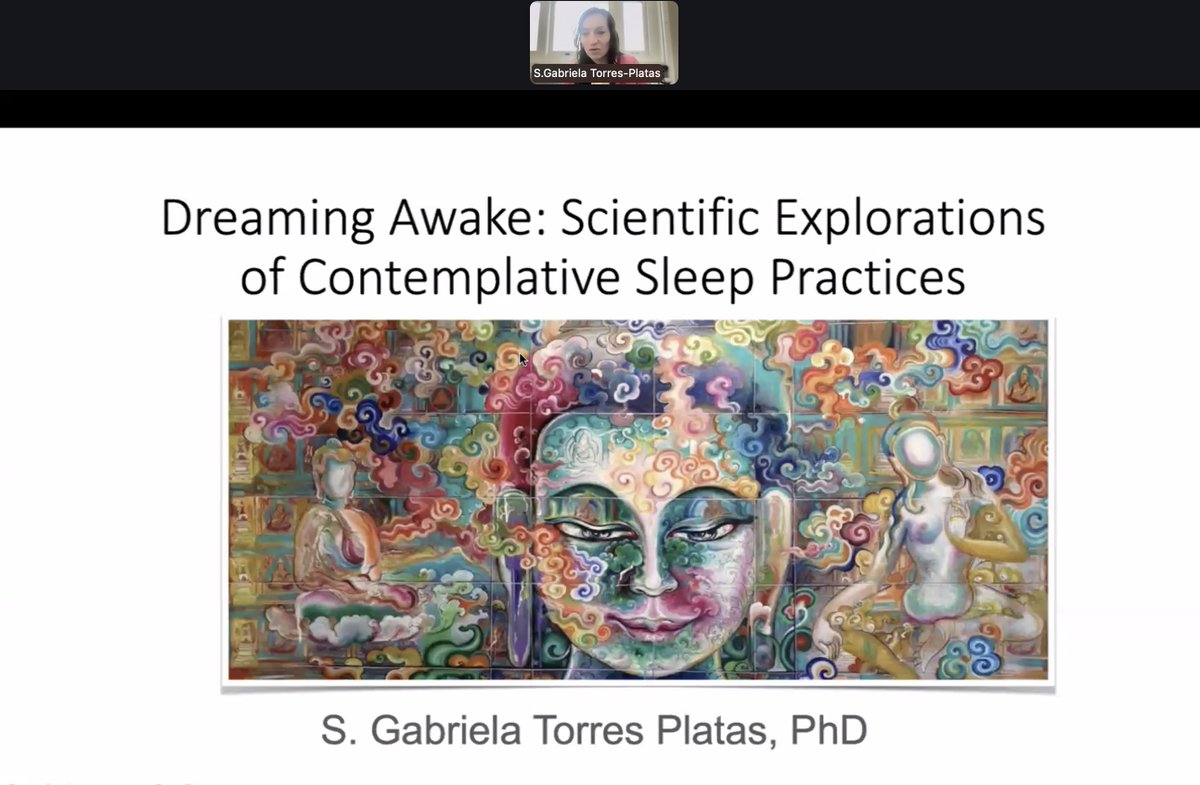
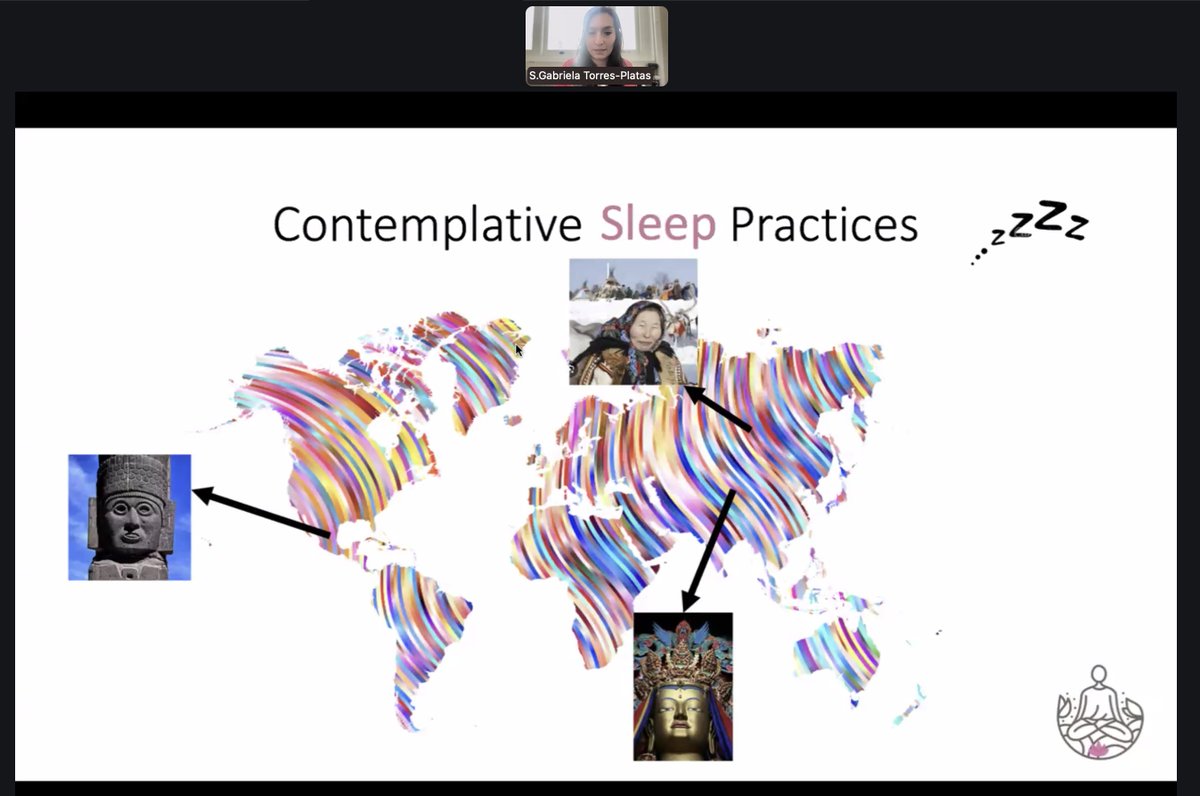
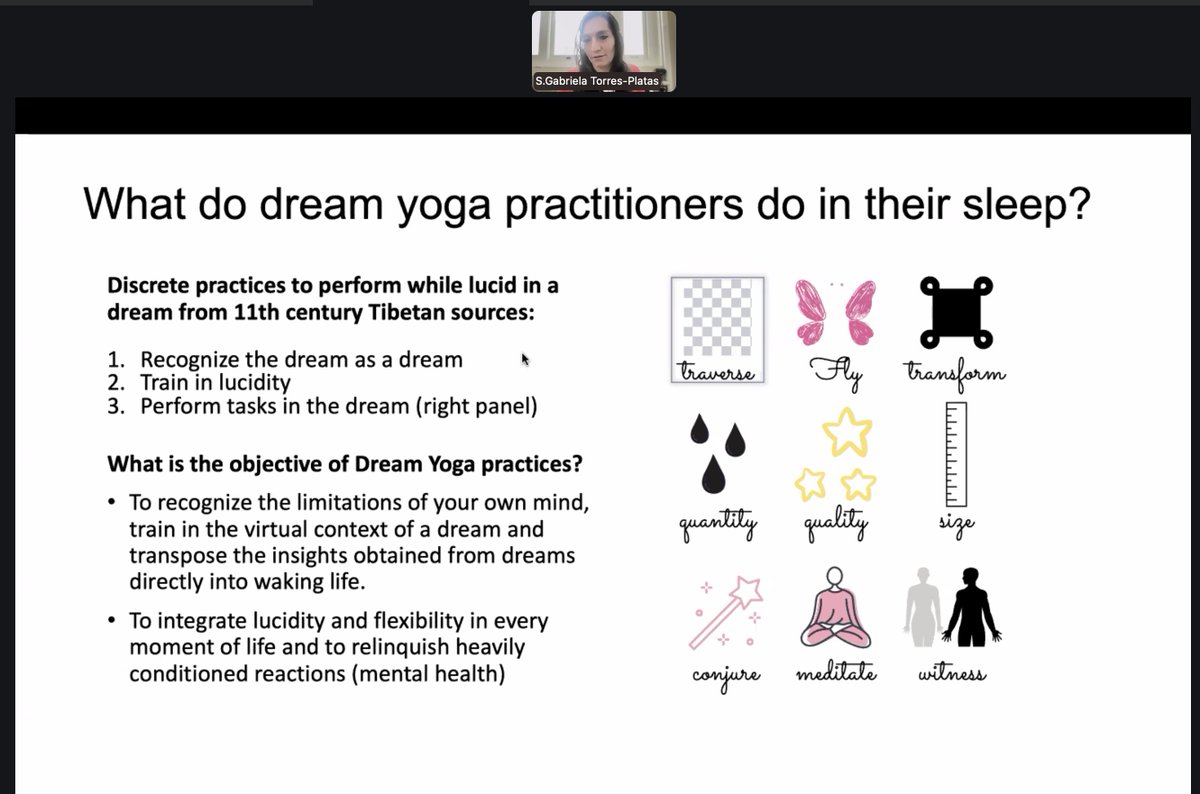
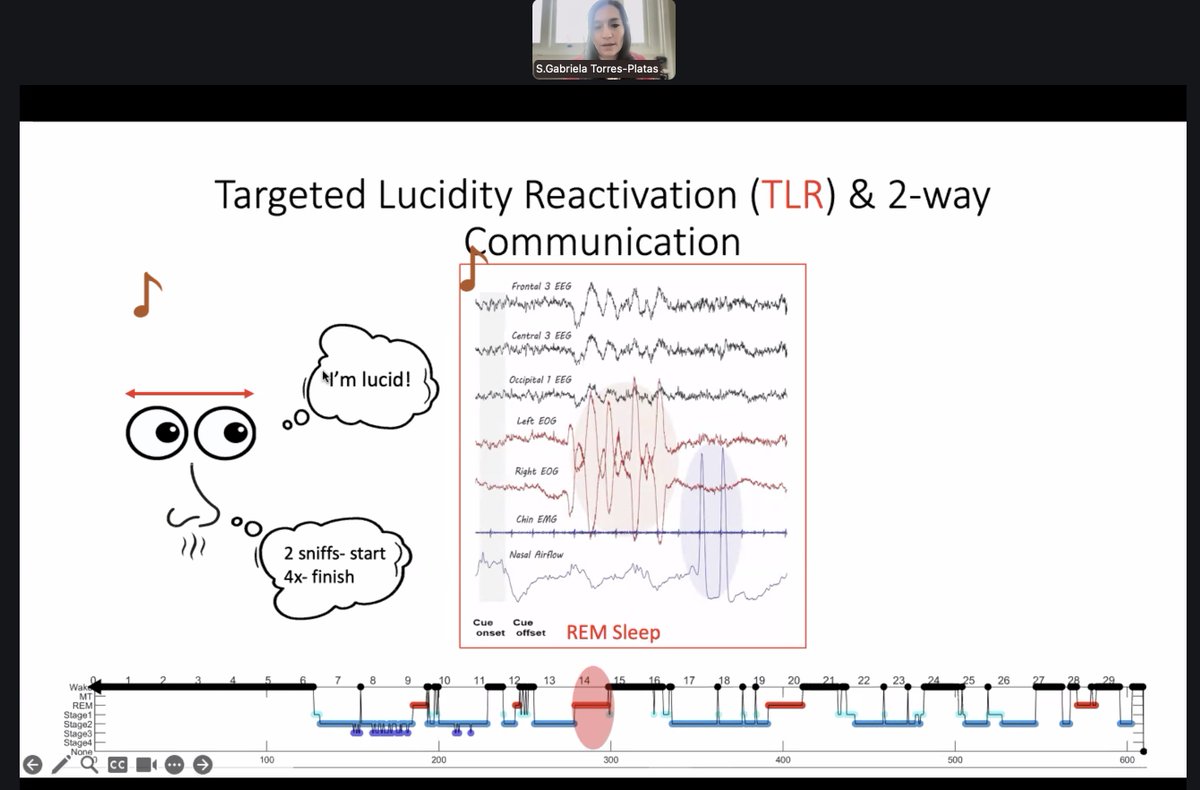
Contemplative sleep practices? Yes, please!! I'm excited about this nexus of sleep neurology, contemplative training, and clinical improvements across symptoms.
#SleepScience #ContemplativePractice #SleepNeurology #Neurospirituality #MindBodyConnection
1
5
284

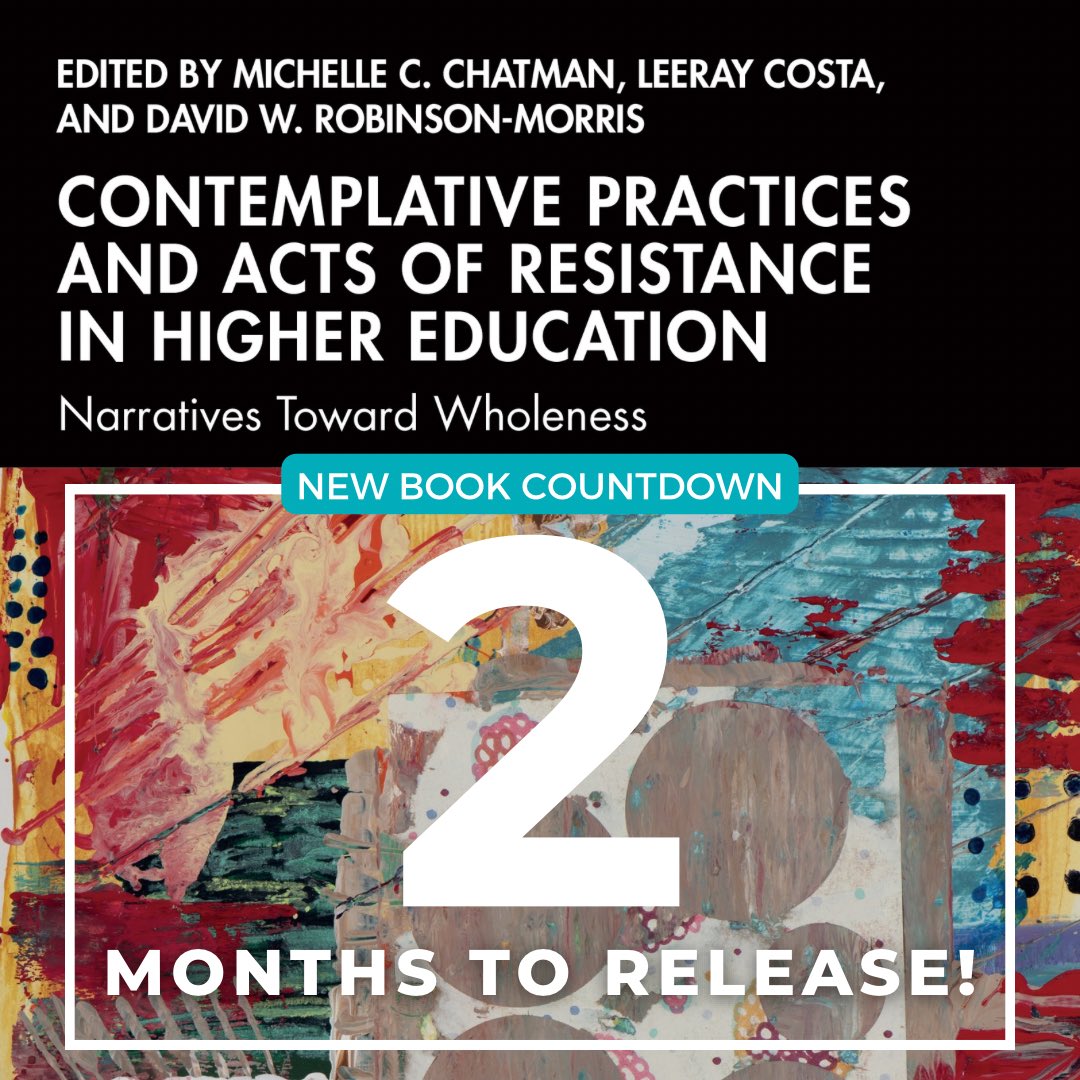
🚨 New Pub Alert 🚨
"Contemplative Practices and Acts of Resistance in Higher Education: Narratives Toward Wholeness!"
Co-edited with my colleagues Michelle C. Chatman, Ph.D. and LeeRay Costa, PhD.
tinyurl.com/4n2vnv6w
#contemplativepractice #resist #HigherEducation
1
1
51

5 Aug 2024
Contemplative practice gives us space to listen to the things that we don’t normally hear inside. #contemplativepractice #spirituality #spiritualpractice
3
6
179
3 Feb 2024
During meditation, we anchor deeper to uncover what's unavailable. It expands our presence and helps navigate internal spaces. #ContemplativePractice #ThomasHuebl
3
5
297

13 Nov 2023
"God...to you even silence is praise."
(Psalm 65:1, Common English Bible)
#contemplativepractice #silence #quakers #quakerspirituality
2
3
154

A guide has entered this life
in silence.
His message is only heard
in silence.
~ Rumi
Join us on 10th October, 6:30-8pm, a space and moment for silence at St Ethelburga’s contemplative practice gathering. ow.ly/3jZ750PLUfw
#contemplativepractice
1
130

This saying is a wonderful #contemplativepractice. The mind may not understand it at first, it needs to sink down into the heart and marinade there a while
“Sometimes I go about
in pity for myself, and
all the while, a great
wind carries me across the sky.”
Ojibwe
2
28
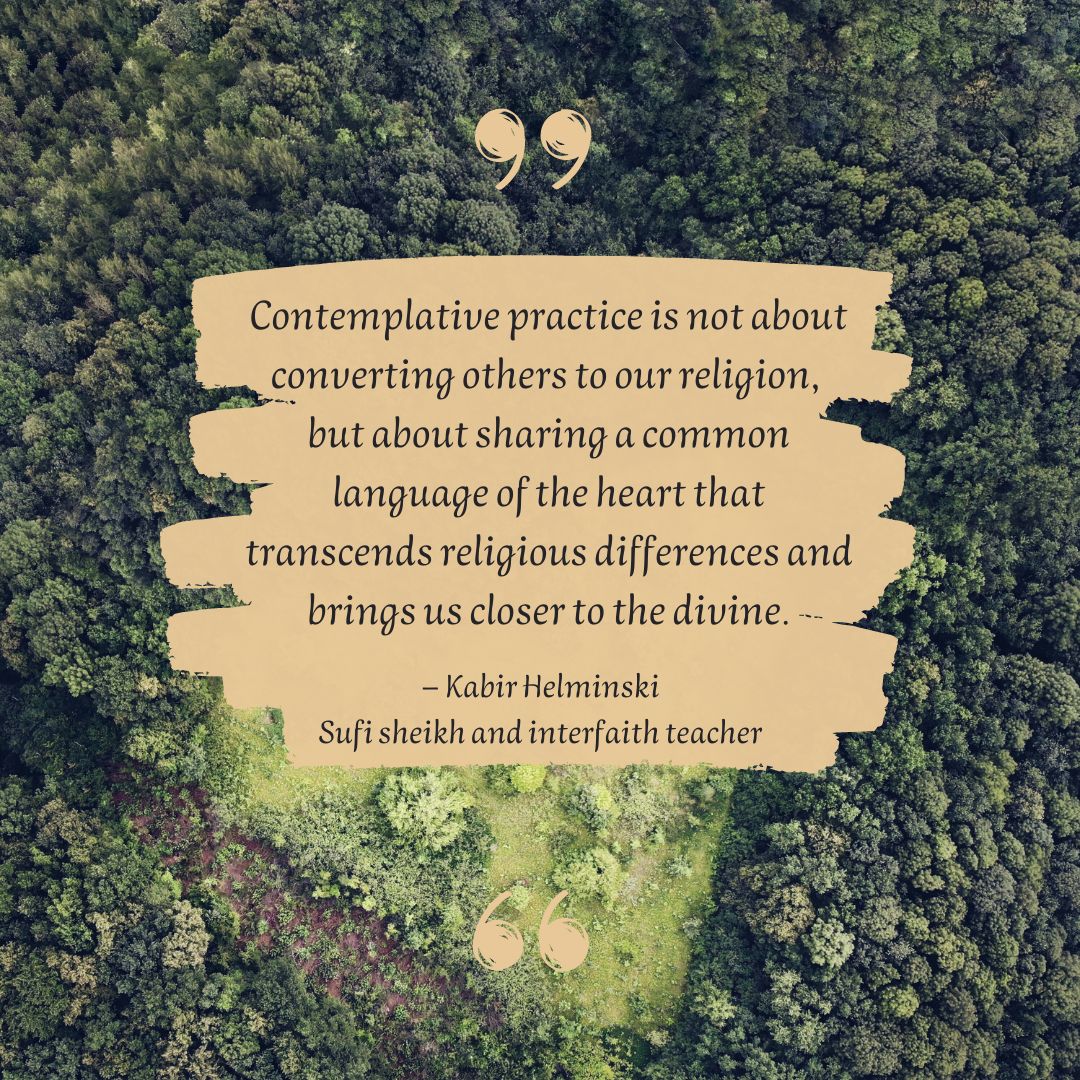
Join us tomorrow for an evening of silence and contemplation in the heart of City of London. St Ethelburga's hosts contemplative practice gatherings every second Tuesday of the month, open to people across all faiths and none.
ow.ly/NqPJ50NGGa7
#contemplativepractice
1
2
142

5 Dec 2022
The ultimate value of life depends upon awareness and the power of contemplation rather than upon mere survival. ~ Aristotle
Get your contemplation #nft from the #ContemplativePractice now!
Collection link: opensea.io/collection/contem…
#aiartist #OpenSeaNFT #NFTartist
4
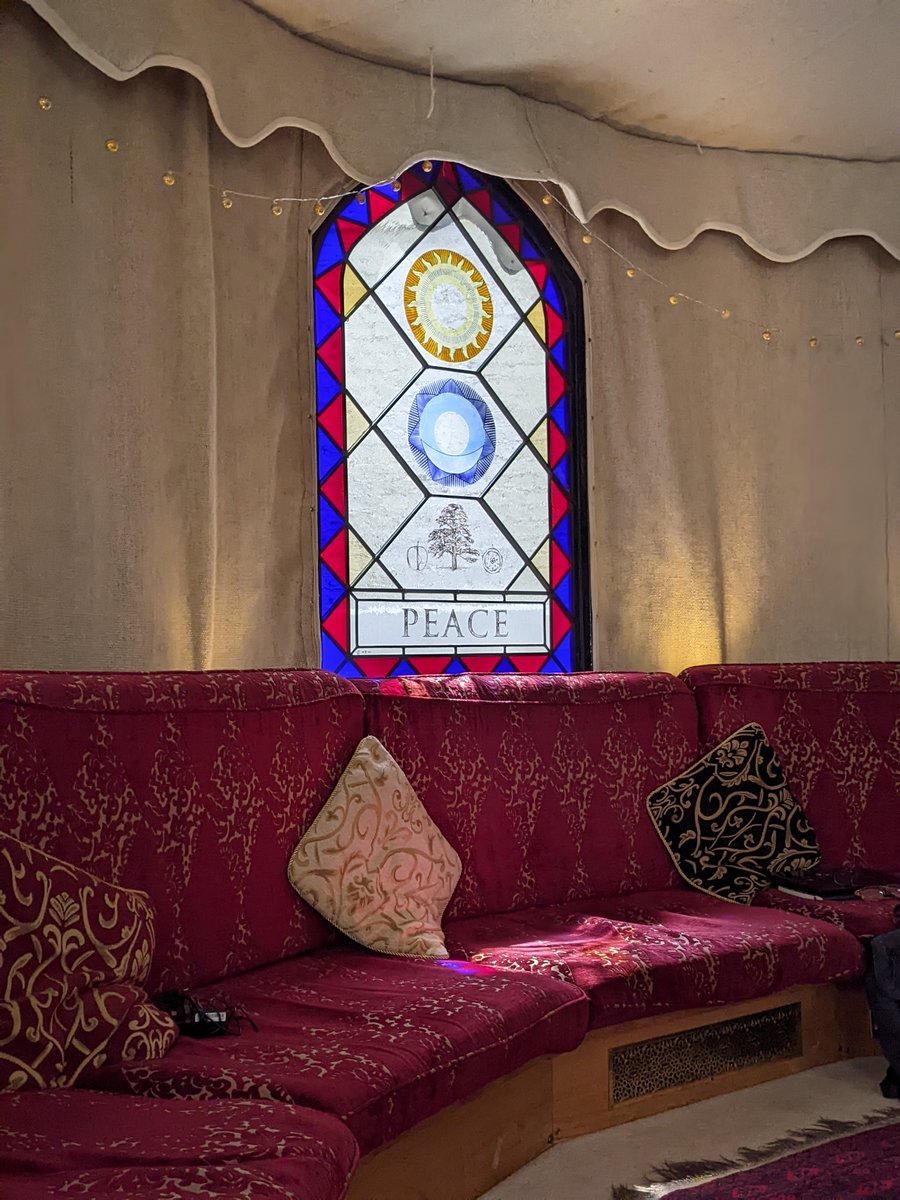
Yesterday at #contemplativepractice we held #COP27 in prayer. There's something unique about sharing contemplation across traditions. Our gathering included Muslim, Sikh, Buddhist, Sufi, Christian and agnostic meditators. Join us Dec 13th at 6.30 for the next one!
1
3
7

Contemplate Consciousness with #ContemplativePractice
Picture for a moment the planet you are on. Imagine where you are standing on it right now. Then zoom out in your mind. Zoom out and see the blue marble you live on surrounded by stars, and darkness and zooming asteroids.
4

9 Oct 2022
Join our upcoming Global Read: "The Heartfulness Way" by @kamleshdaaji & @JoshuaRPollock ✨Wed. Oct. 12, at 8am PT/8.30pm IST
📚
Info and registration: charterforcompassion.org/the…
♾
#compassion #literature #theheartfulnessway #meditation #contemplativepractice @heartfulness
1
3
8 Oct 2022
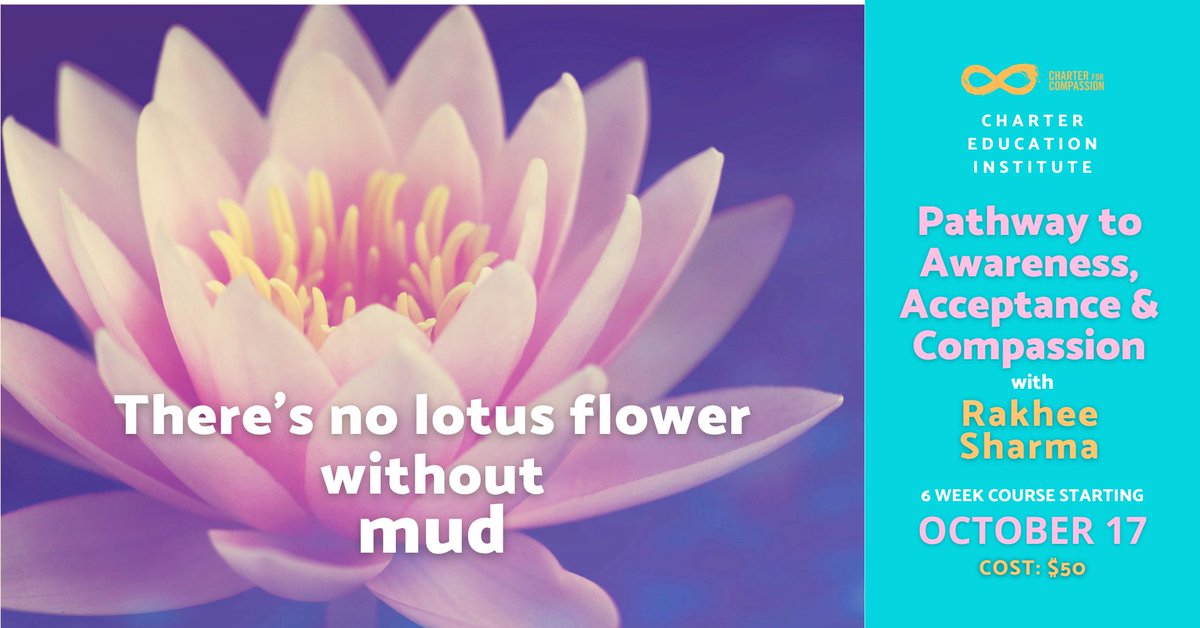
Our next course is “Pathway to #Awareness, #Acceptance, & #Compassion” with Rakhee Sharma ⭐ Course begins Oct. 14 for 6 weeks ☀️ Cost: $50
🧘
Learn & Register: charterforcompassion.org/pat…
♾
#contemplativepractice #mindfulness #meditation #selfgrowth #onlinecourse #spiritualgrowth
1
2

15 Sep 2022
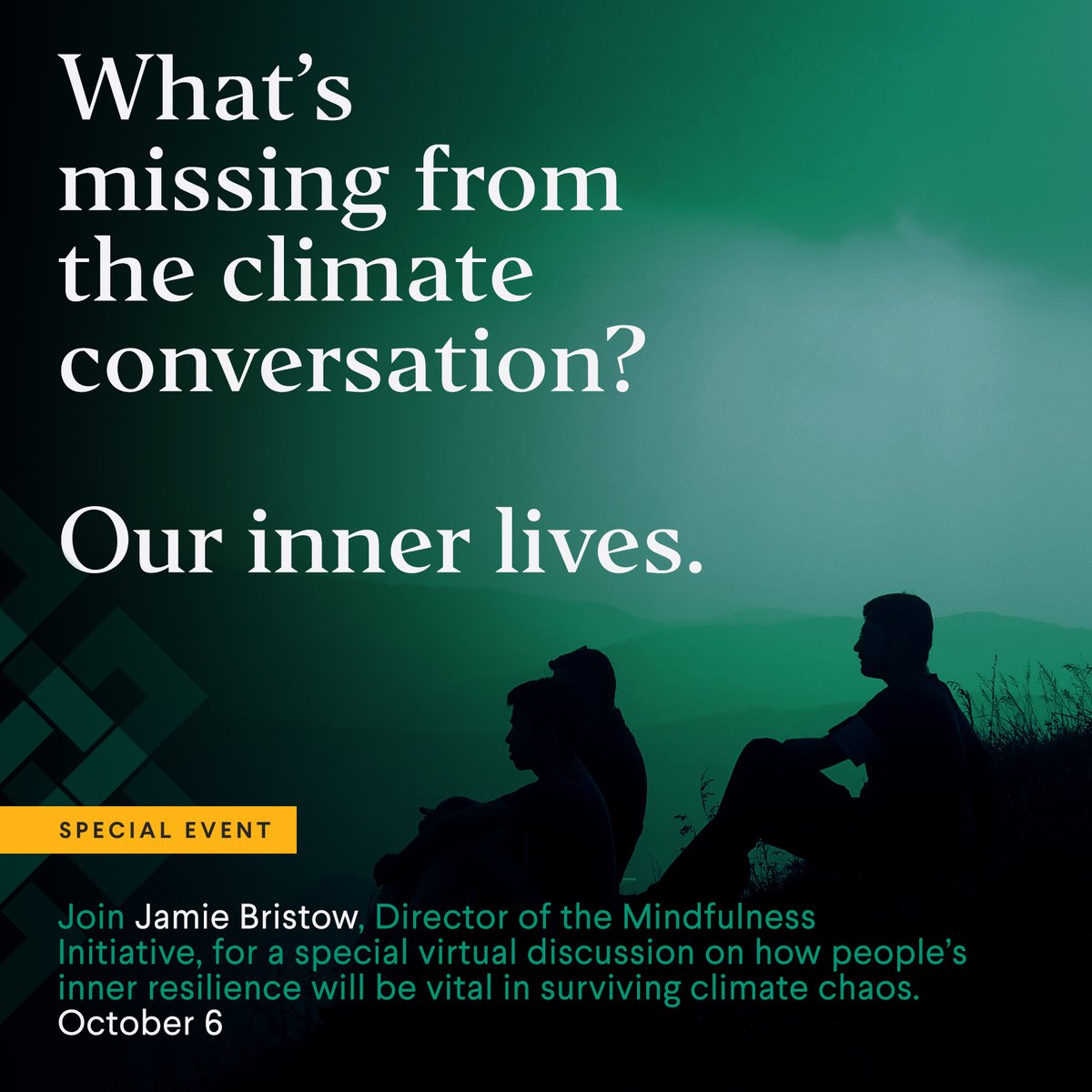
Join @JonathanFPRose in conversation and @JamieBristow as they discuss how we can face the climate crisis with #mindfulness and compassion.
REGISTER: loom.ly/rhUZTCw
@MindfulNationUK #contemplativepractice #mbsr #climatecrisis #mindfulnesspractice #meditation
2
3

15 Sep 2022
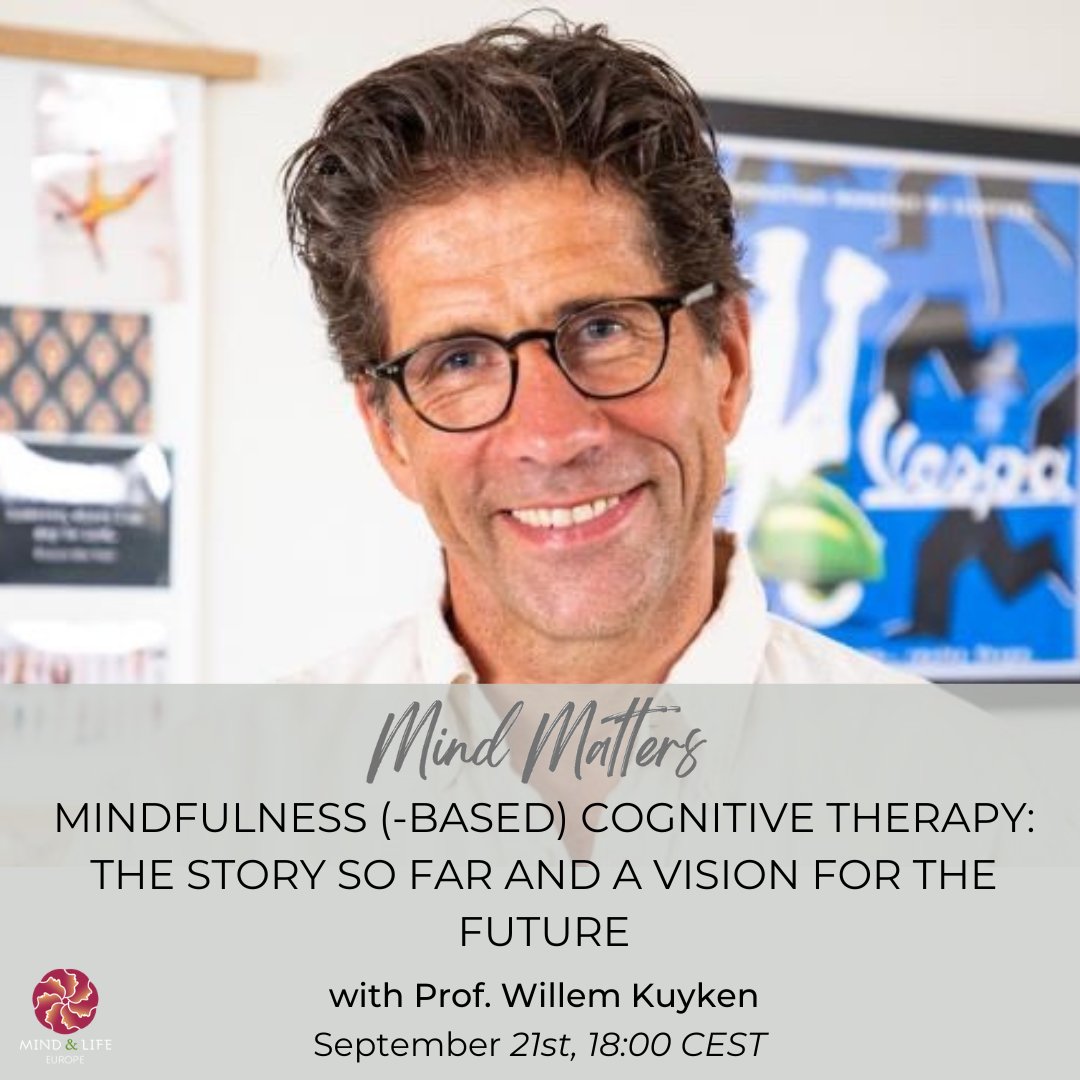
Join us on September 21st at 6pm CEST for the next Mind Matters talk with guest speaker Prof. Willem Kuyken!
Learn more: ow.ly/Z6Uv50KK3Sw
👉 Register here: ow.ly/651a50KK3Qi
#mindmatters #mle #mindandlifeeu #webinar #contemplativepractice #contemplativescience
2
4

23 Aug 2022
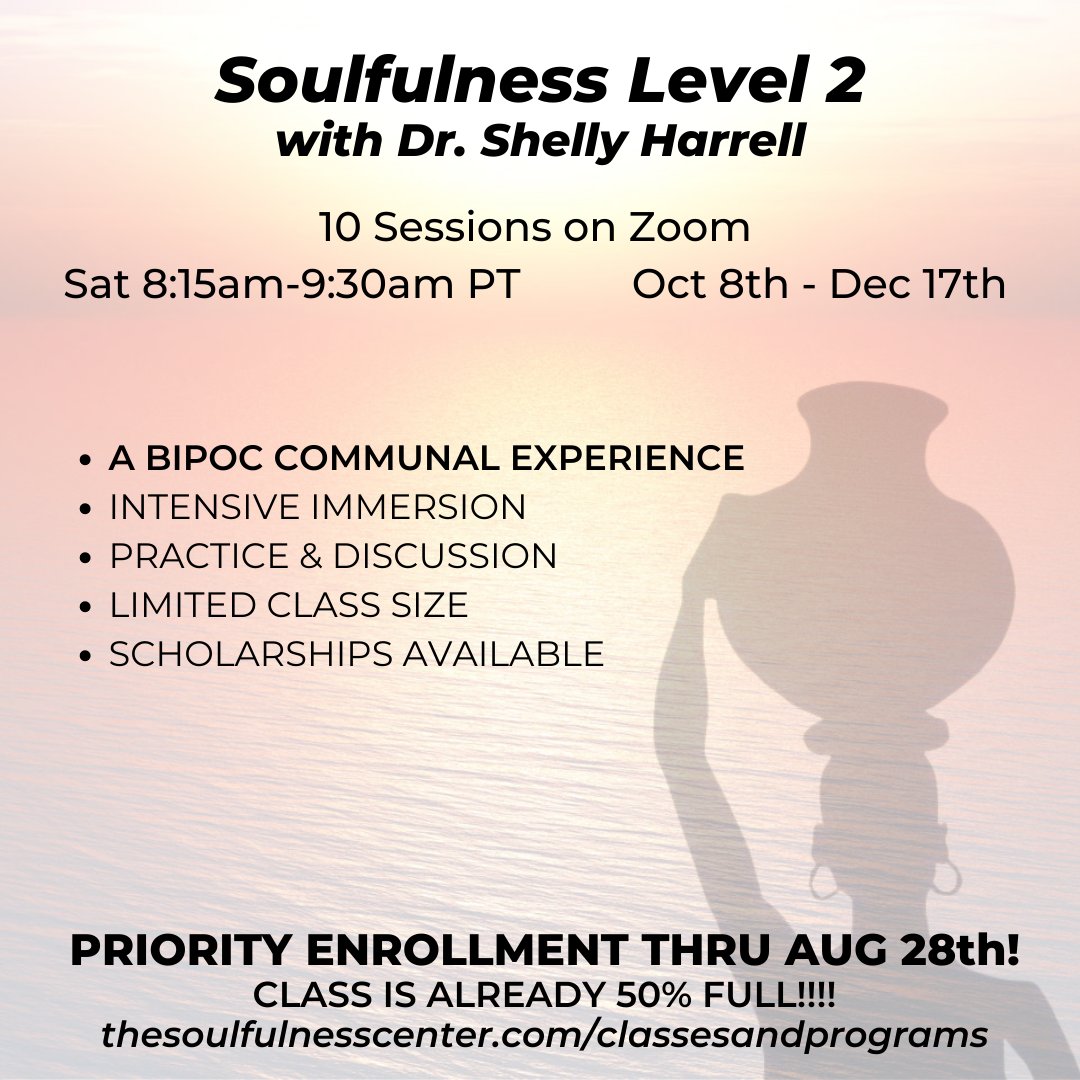
New Course! Take a deeper dive into the soulfulness approach to wellness, healing, and liberation! linktr.ee/drshellyharrell
#meditation #mindfulness #soulfulness #mindbody #mindbodysoul #embodiment #wellness #bipocwellness #blackmentalhealth #contemplativepractice #mindbodyspirit
2
2