
Been travelling frequently lately and one thing i realized, i don’t really have time to game while moving about. Ask yourself, do you? My advice is to enjoy your time while on the road and if you need a temp fix, a smartphone with a mobile controller could emulate the feeling.

1

I was about to get one but decided to get. Series X instead. I will just move my Steam Deck to the room and enjoy it with the controller.
1

PS5 Pro is on the right 😄 LEGO Batman is running on PlayStation, shown on my ASUS ROG PG32UCDM OLED. The controller in the shot is just part of the setup. Good eye though.
1
Zaka Swartz retweeted

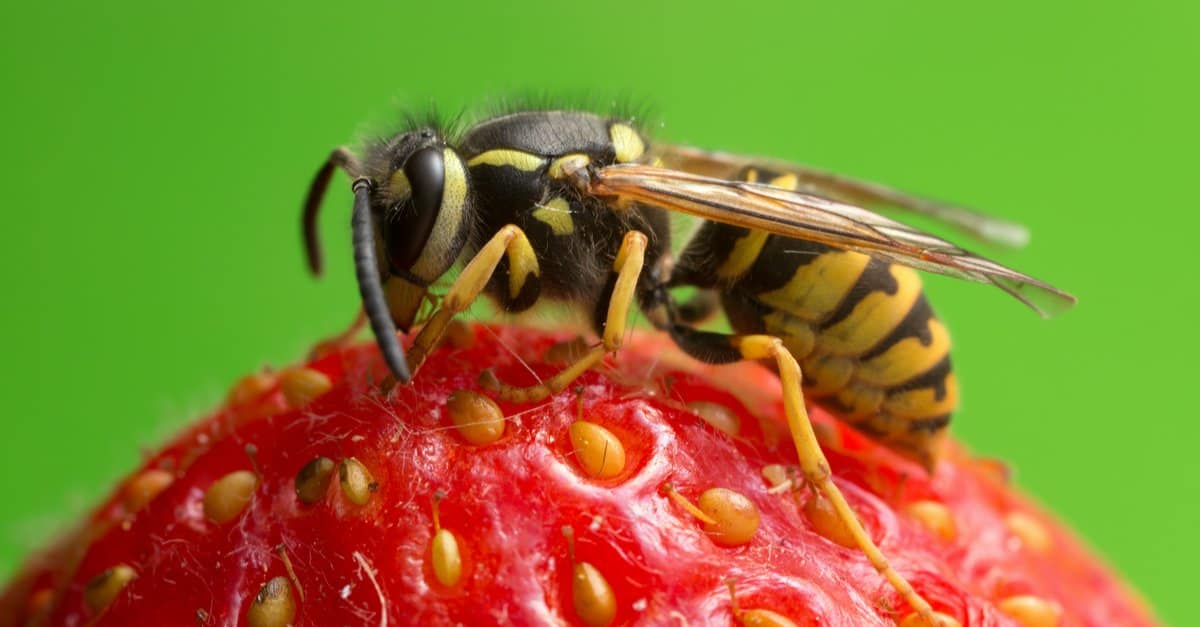
A yellowjacket in June is a fairly docile pest controller. A yellowjacket in late August wants to fight you for a soda. Same insect, but the colony has changed.
All summer, the workers hunt protein. Caterpillars, flies, and other garden pests get chewed up and fed to the larvae back in the nest. In return, the larvae provide the adults with a sugary secretion that fuels the workers.
So all season those workers are out killing the bugs eating your tomatoes because that's how they feed the babies that feed them. A single colony removes thousands of pest insects.
Then late summer arrives. The colony reaches peak population. The queen shifts from producing mostly workers to producing males and next year's queens. Fewer larvae remain, and as those larvae pupate, the workers lose much of their built-in sugar supply.
Now you have a huge population of aging wasps searching for carbs wherever they can find them. Fallen fruit, hummingbird feeders, your picnic, your soda, anything sweet. They're not suddenly mean. They're just hungry, unemployed, and nearing the end of their lives.
You'd be itching to fight for a piece of candy too.
By winter, the old queen, workers, and males are dead. Only newly mated queens survive to start fresh colonies the following spring, and old nests are almost never reused.
A nest tucked away in a field corner or high in a tree is doing free pest control for a few more weeks, then it's gone.
The nests worth dealing with are the ones in doorways, walls, or places where people, especially anyone with a severe allergy, could be at risk.
52
457
2,116
49,543
GianSid92 retweeted

Jez Corden expects Project Helix to ship without a controller to drive down costs.
41
14
83
13,802
Dora Limoncelli retweeted

Jun 12
LA Controller Kenneth Mejia said he was supposed to audit the missing homeless $.
Because he was going to do an honest audit, Dems took the job away from him & hired an outside firm that doesn’t even do audits, then pd them millions for false results.
 Wall Street Apes
286
7,540
16,994
334,842

I will agree the Snapback and Dpad aren't the greatest. But it's a solid controller for the Switch 2

The switch 2 pro controller is fucking amazing 👏
10
Seyram🐐 retweeted

12h
Low key Brazil needs a controller like ederson in that midfield.
33
57
953
15,655

yo gang pass the controller if you’re gonna suck i’ll take her of your hands😭 she mad cute bro i would never compliment another girl knowing i have a whole girlfriend my shawty would’ve bodied me 😭😭😭😭
24

One question: how can I play with a controller? Or is it only with a keyboard?
1

SageToad retweeted

The Navajo Nation holds roughly $10 billion in investments Controller Sean McCabe told a budget public hearing yet left about $58 million unspent last fiscal year out of roughly $313 million budgeted for its three branches.
navajotimes.com/reznews/were…
5
9
305


Don’t forget Atreus side quest to POC Norse gods place where you literally put down the controller for what felt like 15 minutes to watch a movie. A theatre kids idea of a video game 👍
6

Auto Manifestation Tweet
I'm hoping to make some progress on the controller (26%) or Tomodachi Life!! (6%)✨🍀
Any help's greatly appreciated!
And thank you as always to everyone who interacts/shares/comments! 🩵 throne.com/holo72/wishlist

Desco retweeted

He's not a controller oga, he's a destroyer.
More tendency to win the ball and break up play than dictating tempo and lay off various types of passes.
A lot of you are poor at profiling.

Bouaddi is a Fantastic player but he’s not what Arsenal need.
I don’t need a controller. I need a destroyer. A ball mover. I have better options.
1
1
4
123

other than being a sleeper in trios, assassin lowkey bodies controller players and anyone who suddenly cant aim without bully/battle pistol aim assist
mained him most of s1 but hes just a bit too disappointing in cryo so i switched off. hes soo good n fun everywhere else
18

一番の雑魚敵のパペットくんを行動パターン違いで8種類バリエーション出せた。あともう1種類、弓装備のやつを作らないと。攻撃属性違い程度ならAnimator Override Controllerでどうにかなるかな。見た目の違いはまあコツコツ作っていきましょう。
3

※米系で言うcontrollerの意です。
欧州系はAccounting(制度会計)、Controlling(管理会計)となっているのでややこしい
24

The Star Trek controller 😼
It is good for Sonic R, Burning Rangers, Nights into Dreams and Deep Fear.
1
9