
ตะลึงทั้งโลก! เปิดถ้ำใต้ทะเลที่ถูกปิดผนึกกว่า 17,000 ปี พบภาพสัตว์ยุคน้ำแข็งสมบูรณ์ที่สุดเท่าที่เคยมีมา
#ฝรั่งเศส #ภาพวาดถ้ำ #CosquerCave #ไบรท์ทีวี #BrightTV
2
197

May 20
Hidden beneath the waters of Southern France lies one of the most extraordinary archaeological discoveries on Earth 🌊🖐️
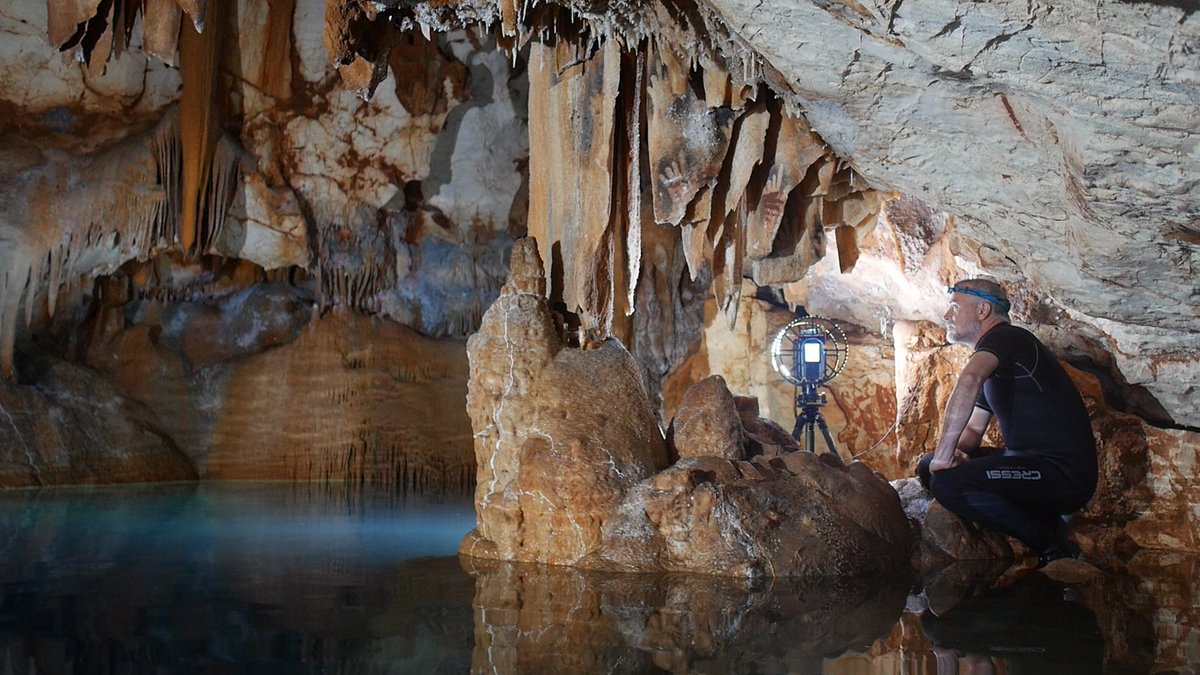
The entrance to Cosquer Cave sits 35 meters below sea level - but 30,000 years ago, prehistoric humans walked inside and covered its walls with stunning artwork.
Now, decades after its discovery, researchers are still uncovering the cave’s secrets: how it once remained above water, how air circulated deep inside the cave, and how pressure from crashing waves continues to shape this ancient hidden world.
Using atmospheric probes, scientific analysis, and groundbreaking preservation techniques, experts are racing to understand and save this incredible window into human history before rising seas claim it forever.
Watch the full documentary The Mystery of Cosquer Cave on Curiosity Stream
.
.
.
#CosquerCave #Archaeology #AncientHistory #Prehistory #UnderwaterDiscovery
2
4
523

18 May 2024
Explores the Cosquer Cave, a submerged prehistoric site that challenges what we know about human evolution. Did our ancestors have advanced seafaring skills? Watch to find out!
Stream 'Sapiens And The Sea - Prehistory Underwater on DocuBay - surl.li/ttfbv
#documentary #prehistory #cosquercave #sealevels #oceans #rewritinghistory
2
66
9 Feb 2024
Explore a cave submerged beneath the waters of Southern France, home to breathtaking 30,000-year-old paintings. Follow along as dedicated prehistorians construct a replica to safeguard these treasures. 🌊 🖌️
The Mystery of the #CosquerCave ⬇️
📺 curiosity.tv/toqz0yy
1
2
3
515
8 Feb 2024
Journey to Southern France where a hidden cave, submerged 35 meters below sea level, reveals ancient paintings dating back 30,000 years.
Learn more about the work being done to preserve this priceless heritage in The Mystery of the #CosquerCave ⬇️
📺 curiosity.tv/toqz0yy
3
9
545

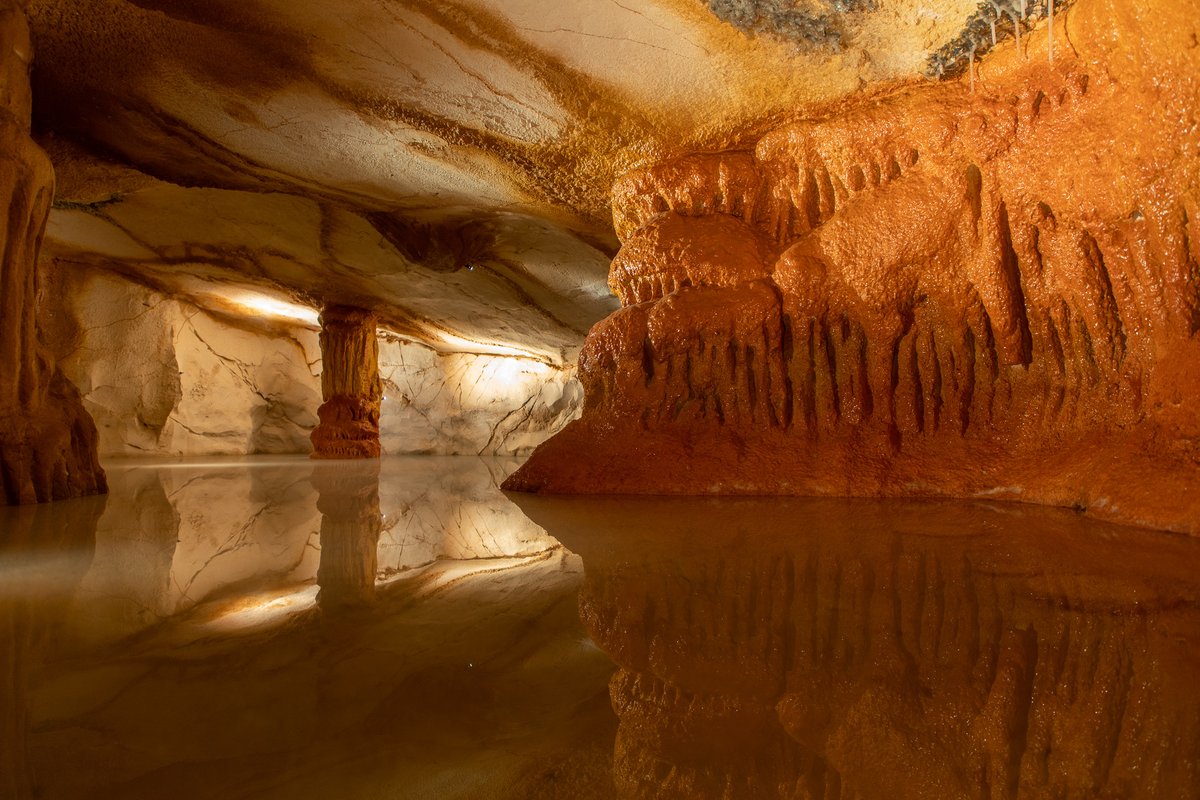
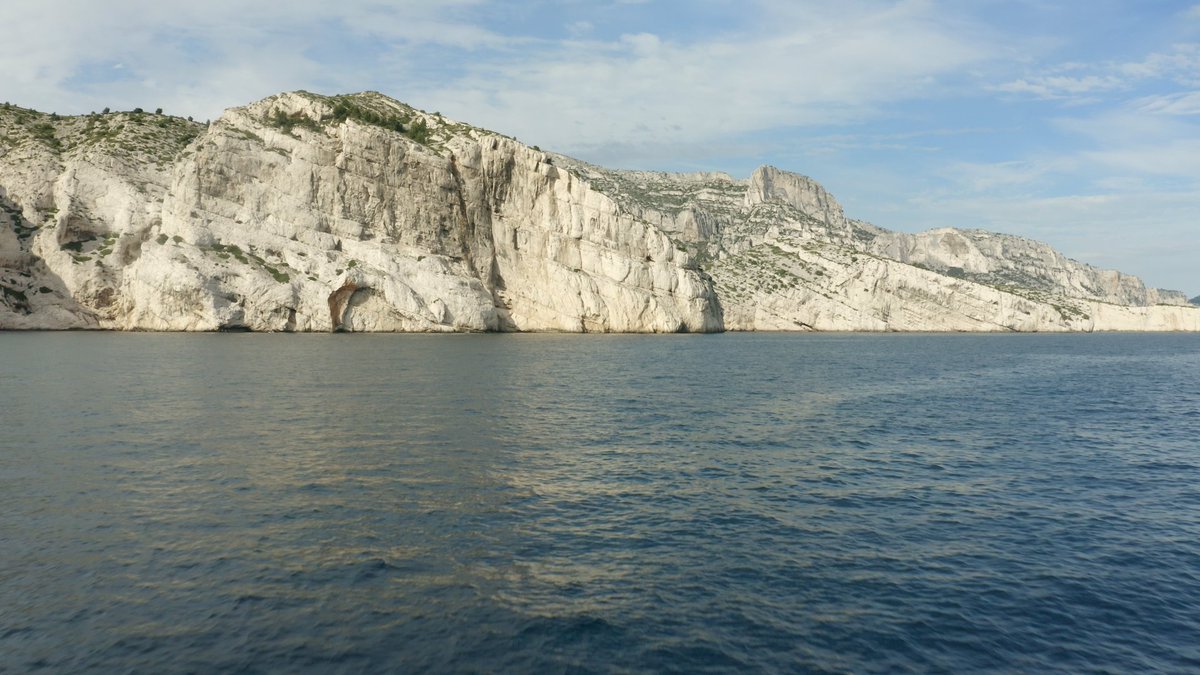
The Cosquer Cave is a remarkable underwater prehistoric cave located near the Calanque de Morgiou in the Calanques National Park in southern France. What makes this cave particularly intriguing is its unique entrance: it is partially submerged in the Mediterranean Sea, and its main passage extends about 175 meters (574 feet) into the cliffside.
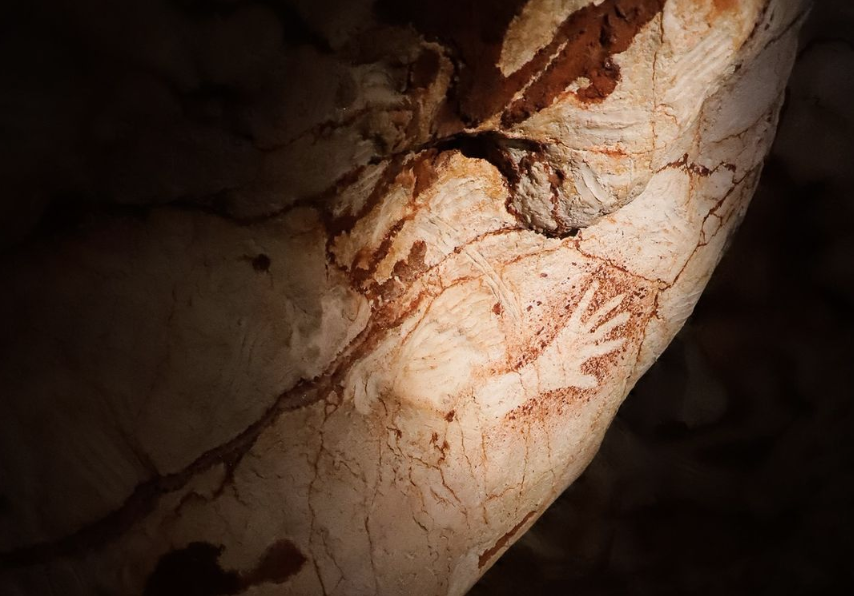
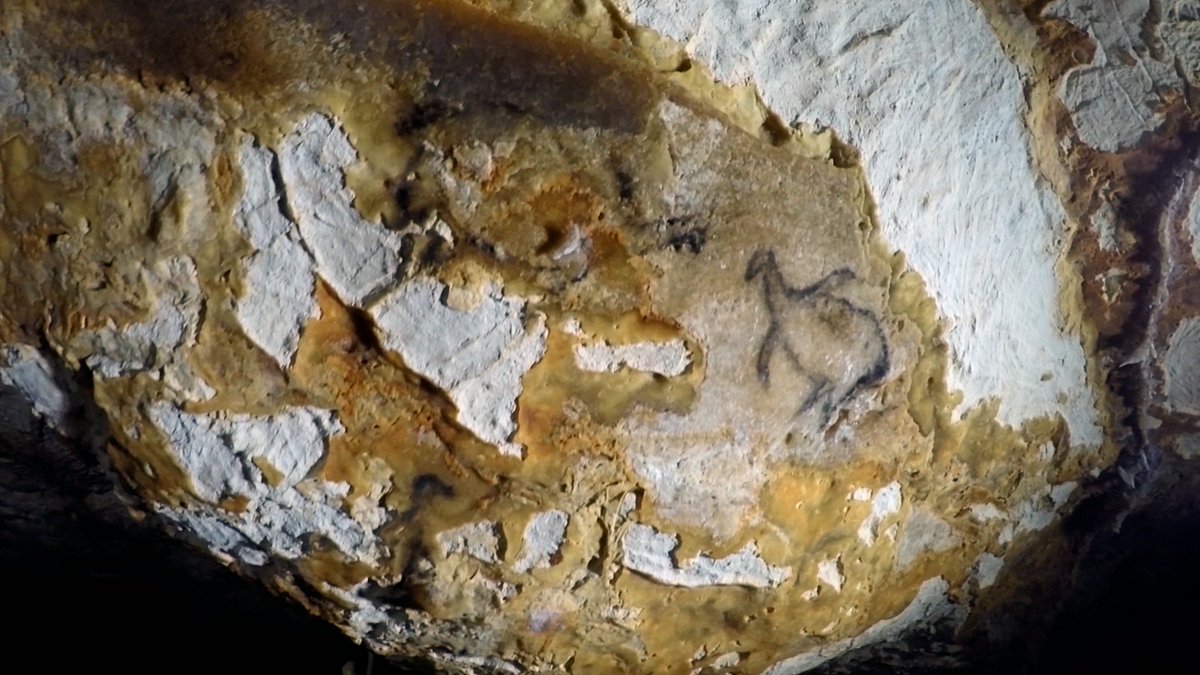
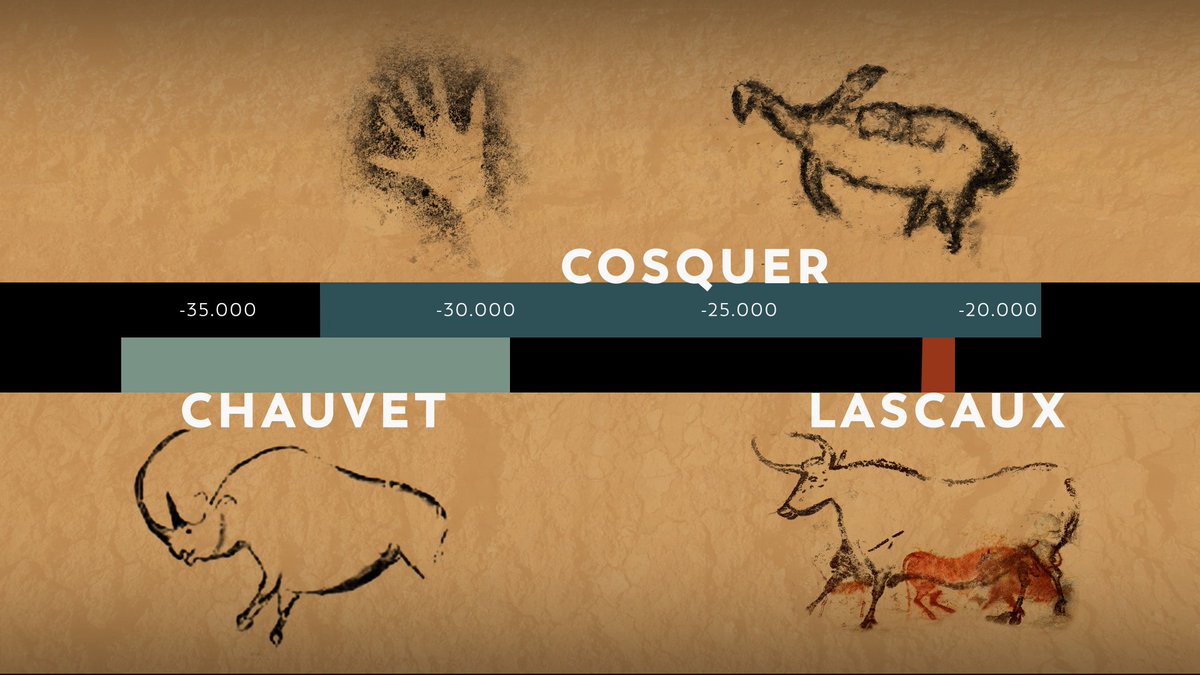
The cave contains a wealth of prehistoric rock art, including handprints, stencils, and animal paintings, dating back to the Upper Paleolithic period, approximately 27,000 to 19,000 years ago. These ancient artworks offer valuable insights into the lives and artistic expressions of the people who inhabited the region during that time.
What sets the Cosquer Cave apart is the underwater adventure required to access it. Due to rising sea levels since the Paleolithic era, the cave's entrance is now about 37 meters (121 feet) below the surface of the sea. Divers must navigate a submerged tunnel to reach the main chamber, where the ancient art is found.
The discovery of the Cosquer Cave's art was accidental and occurred in 1991 when diver and amateur archaeologist Henri Cosquer ventured into the cave and stumbled upon the remarkable Paleolithic paintings. Since then, extensive research and preservation efforts have been carried out to protect and study this invaluable archaeological site.
The cave paintings depict a variety of animals, including seals, horses, and bison, along with geometric patterns. These artworks provide a glimpse into the culture, beliefs, and artistic abilities of our distant ancestors.
Today, the Cosquer Cave is not accessible to the public due to its underwater location and the need for special equipment and training to explore it safely. However, its significance in the study of prehistoric art and human history is widely recognized, making it an important archaeological site in Europe. 🌊🎨🌄 #CosquerCave
1
4
19
5,172

12 Jul 2023
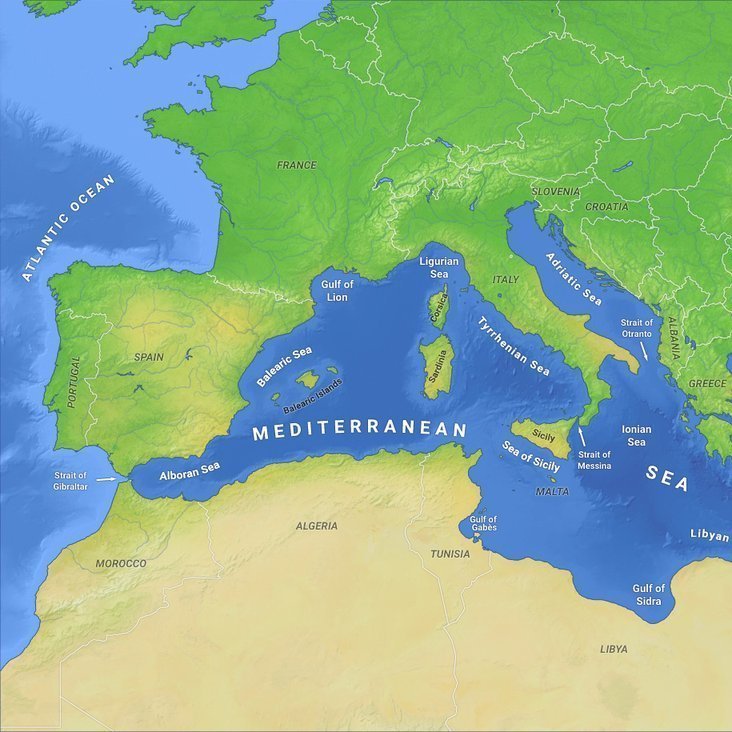
#Marseille and the #CosquerCave part of 'Mediterranean July', a month-long programme of the Spanish Presidency of the EU Council. The Union for the Mediterranean a great initiative to promote dialogue and cooperation in the region and unite the two shores of the #Mediterranean

2
12
1,681

12 Jul 2023
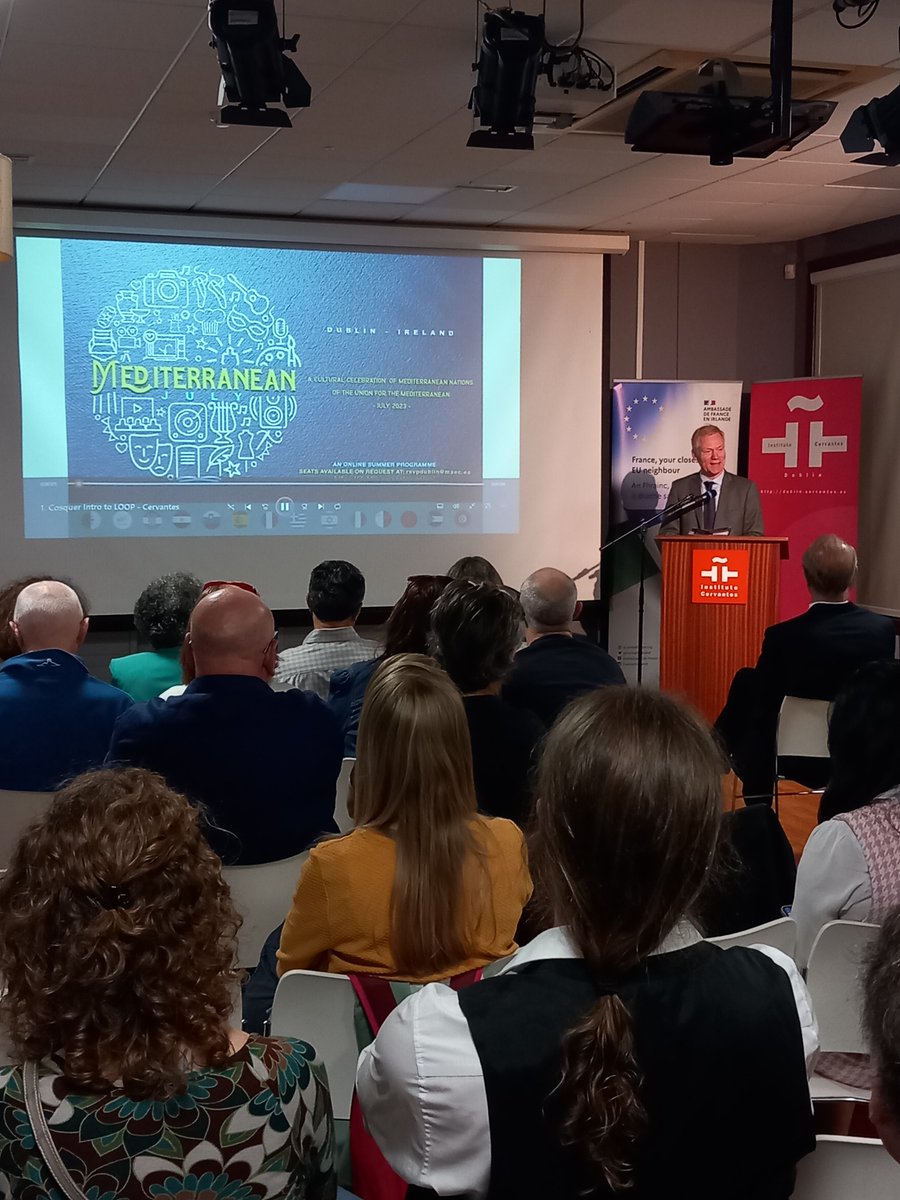
The #MediterraneanDay is back with a new challenge! Can you find the Mediterranean in your city?
We did, and our 1st stop takes us to #Dublin 📷for an exclusive film screening organised by @FranceinIreland. Don't miss this captivating cinematic experience at @ICDublin.
Reserve your seat now! mediterraneanday.com/events/…🎬 #FilmScreening #CosquerCave
Learn more about the #MediterraneanDay ➡️ mediterraneanday.com/
2
7
1,053
11 Jul 2023
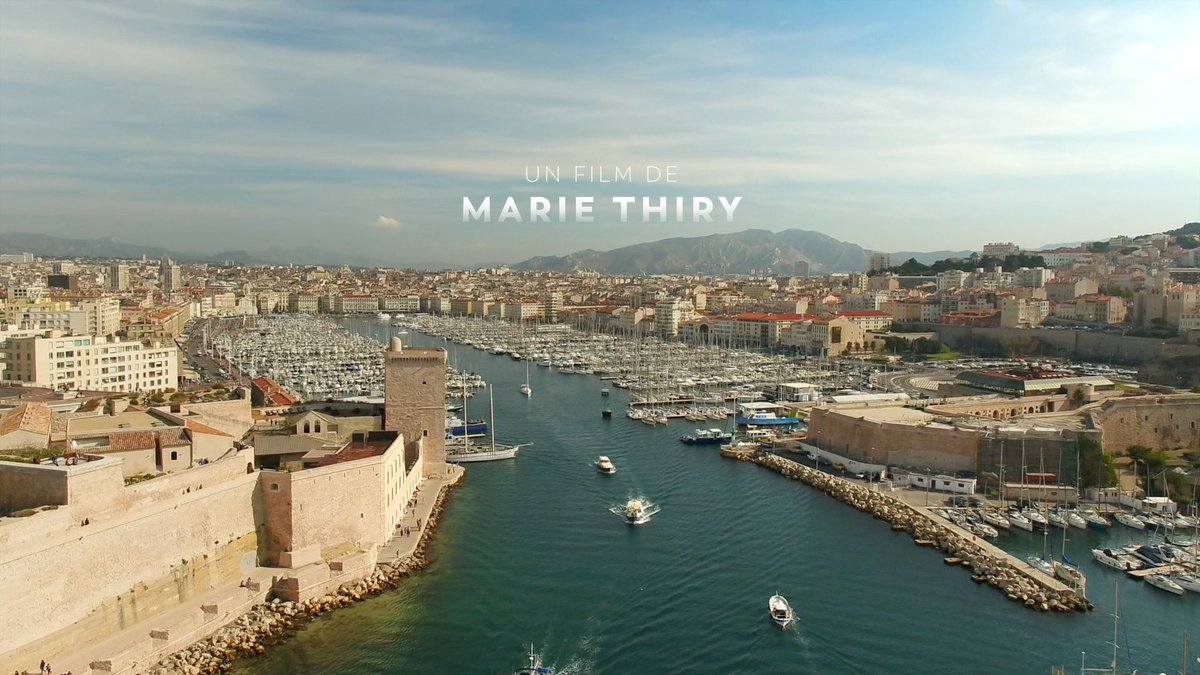
The extraordinary history of one of Europe's most important decorated caves. Paintings & engravings of horses, bison, jellyfish & even penguins bear witness to life on the shores of the #Mediterranean 30,000 years ago.
Discover 🇫🇷#CosquerCave tomorrow:
👉tinyurl.com/4awpw343
1
3
591
10 Jul 2023
Don't miss the stunning documentary about the #CosquerCave near #Marseille : an incredible story of the first human settlements in #Provence 🇫🇷. A jewel of the Paleolithic Age now threatened by rising sea levels
🗓️Wed 12 July, 6.30pm @ICDublin &Online
👉 tinyurl.com/4awpw343
3
8
1,275
7 Jul 2023
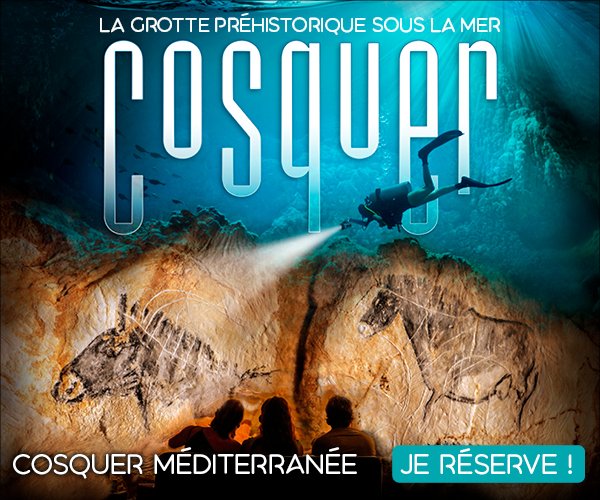
For a chance to #WIN 2 tickets to visit the replica of the #CosquerCave in Marseille 🇫🇷 , the only known underwater prehistoric decorated cave, simply Like ❤️& Comment below👇 👇
tinyurl.com/4awpw343
#BastilleDayIreland #ExploreFrance @grotte_cosquer
6
11
1,880
5 Jul 2023
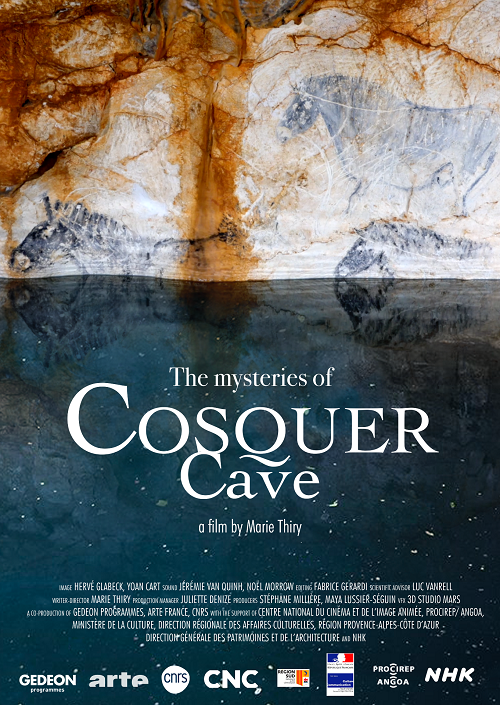
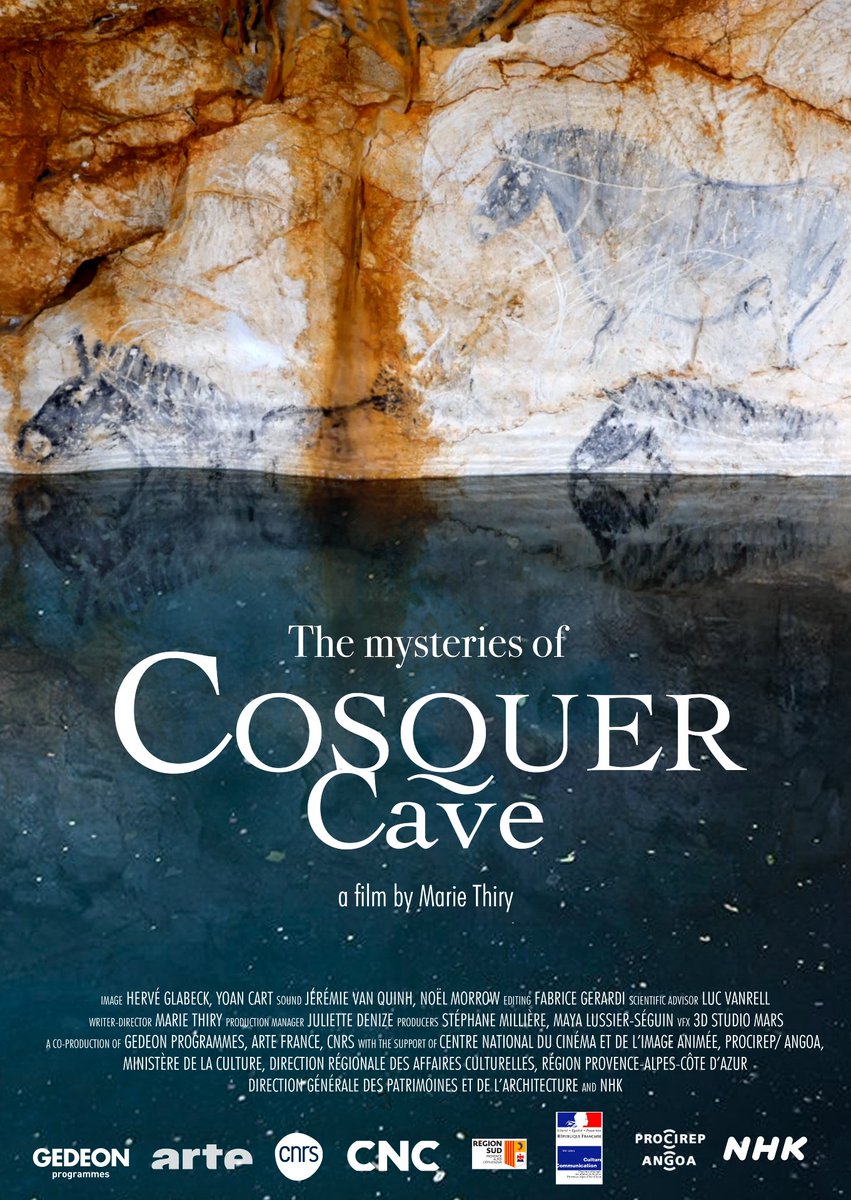
‘The Mysteries of the #CosquerCave’ is a 🇫🇷 film about the extraordinary story of the only known underwater prehistoric decorated cave discovered in #Marseille :
🗓️Wed 12 July, 6.30pm & Online
Admission Free - Book here tinyurl.com/4awpw343
@EmbEspIrlanda @ICDublin
4
4
1,020
3 Jul 2023
Join us for the 🇮🇪 premiere #film screening of ‘The Mysteries of the #CosquerCave’, on the only known prehistoric underwater decorated cave discovered in #Marseille :
🗓️Wed 12 July, 6.30pm or Online
Admission Free - Book here tinyurl.com/4awpw343
#Archaeology #Mediterranean
2
14
25
4,563

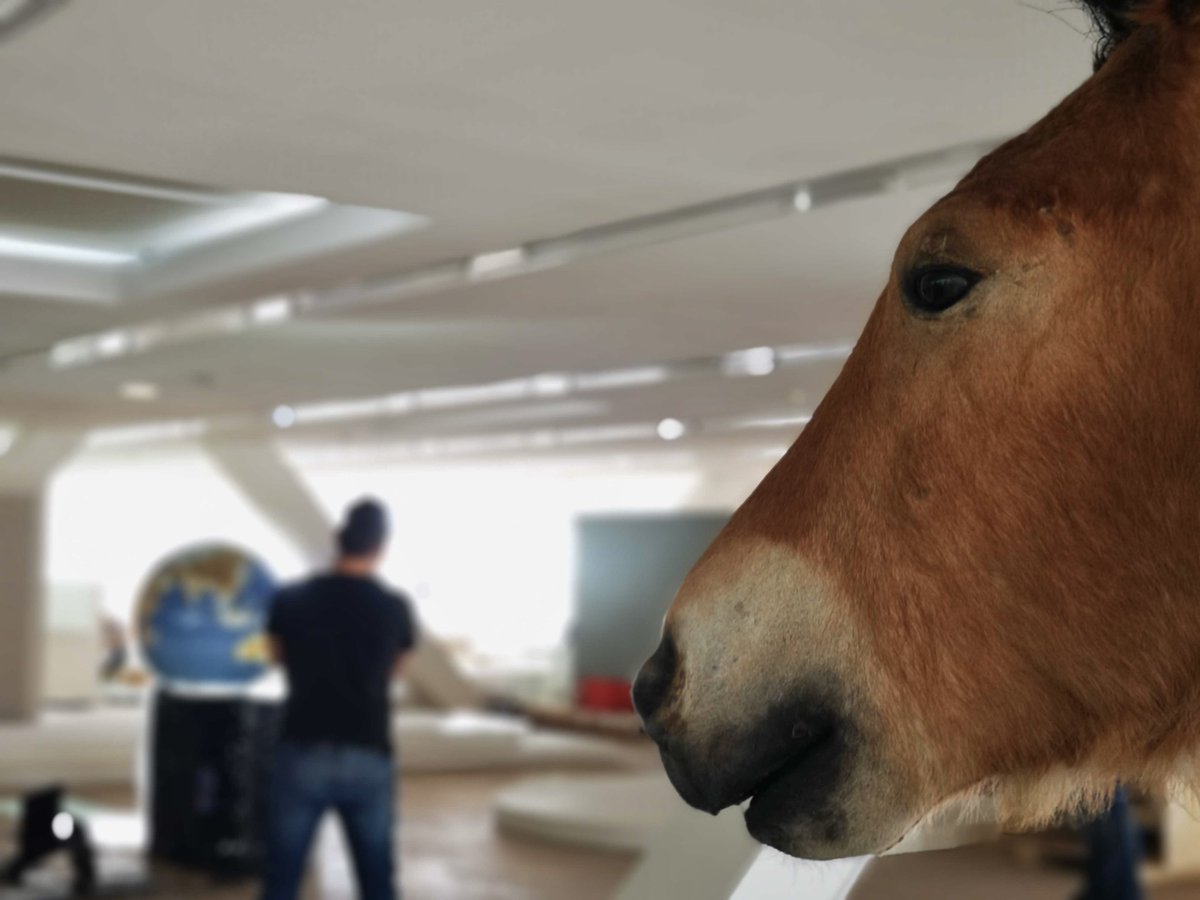
La @grotte_cosquer ouvre ses portes au public demain Samedi 04 Juin ! Vivez une expérience unique, immersive et découvrez notre sphère qui retrace l'occupation de la Terre par l'Homme moderne, Homo Sapiens.#cosquercave #grottecosquer #prehistory #cosquermediterranee #homosapiens
2

18 Oct 2021
Bertrand Chazaly, topographer and expert in the 3D digitization of cultural heritage, will take us to the #CosquerCave to present his last work in this outstanding cave with #PaleolithicArt
Don't miss it!
1
8

11 Feb 2021
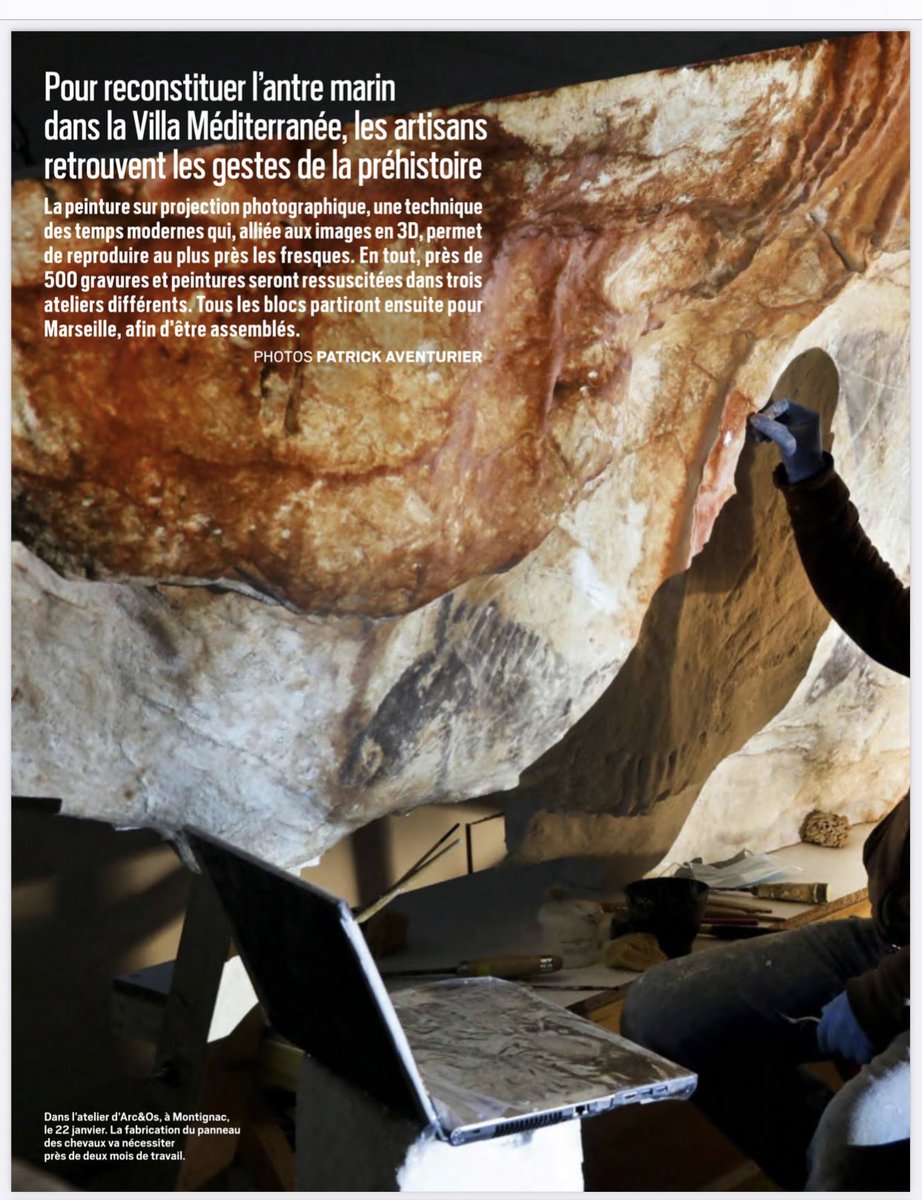
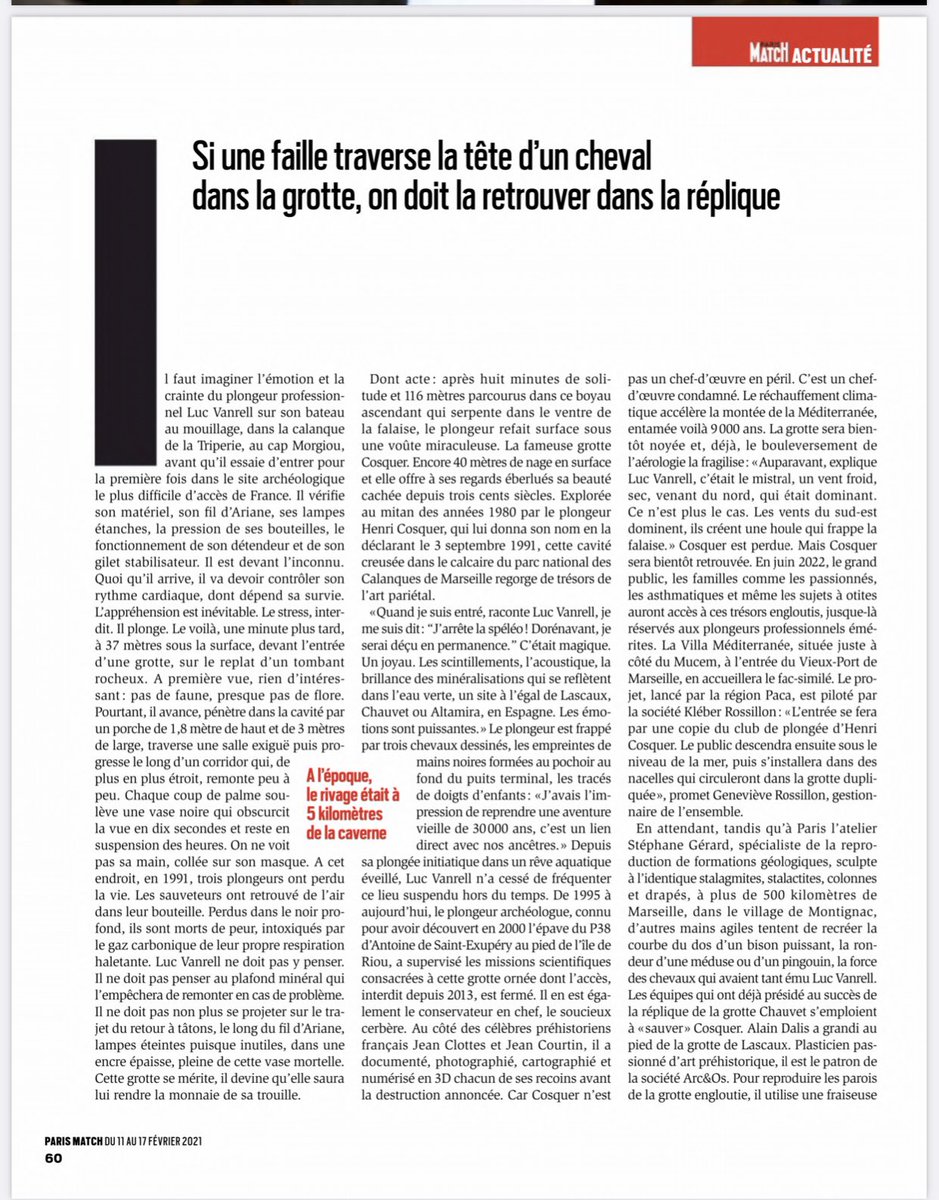
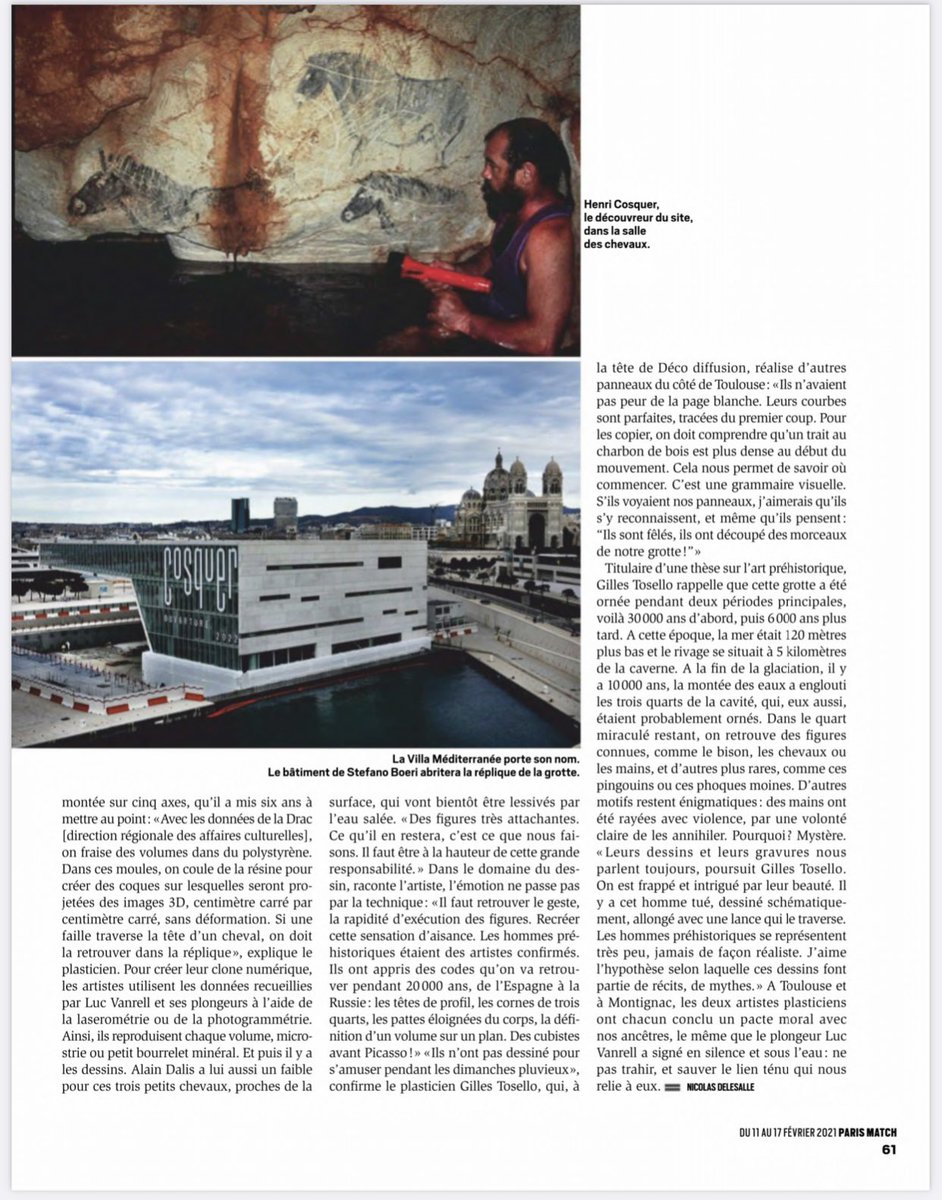
from June 2022 #VillaMediterranée in #Marseille, which we designed and which was built in 2013, will host -below sea level -the reproduction of one of the most extraordinary archaeological discoveries in the Mediterranean:the #CosquerCave. #stefanoboeriarchitetti #marseille
2
11

17 Dec 2020
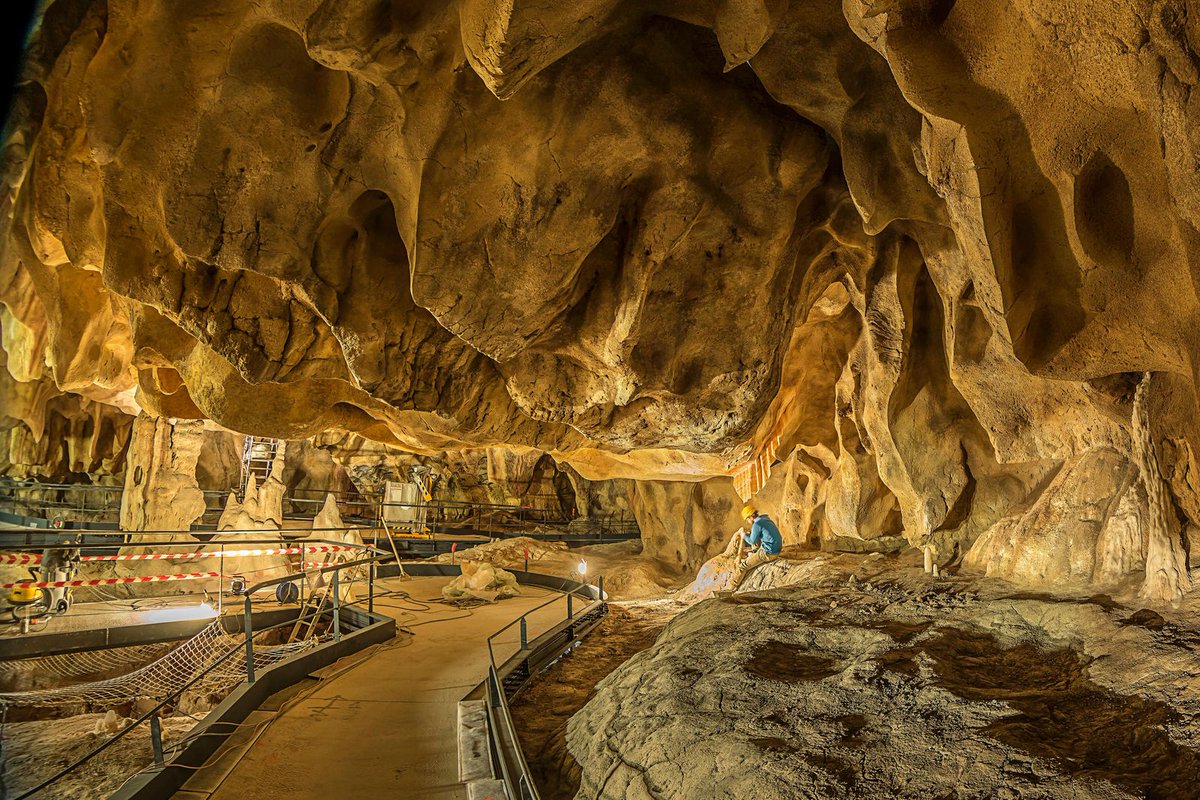
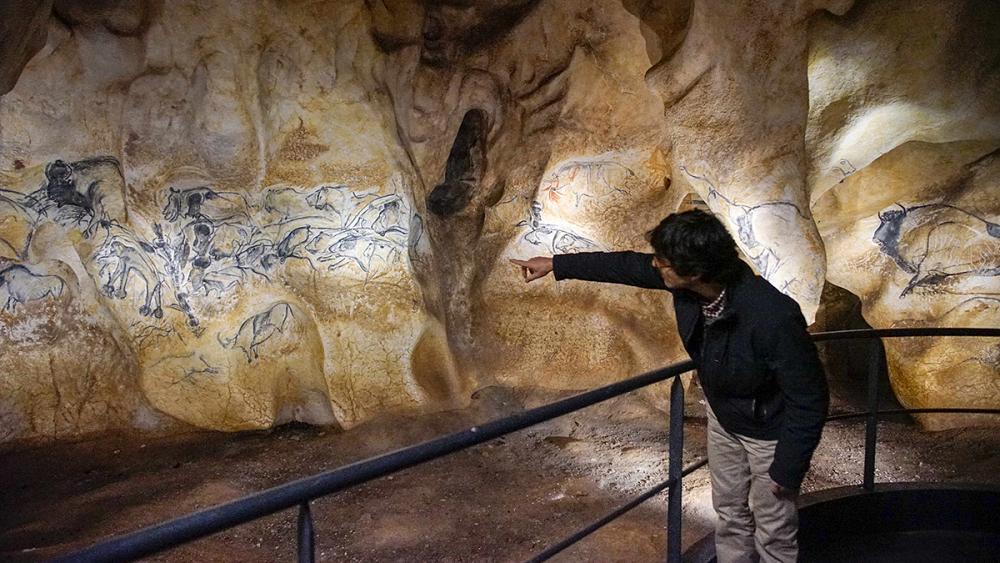
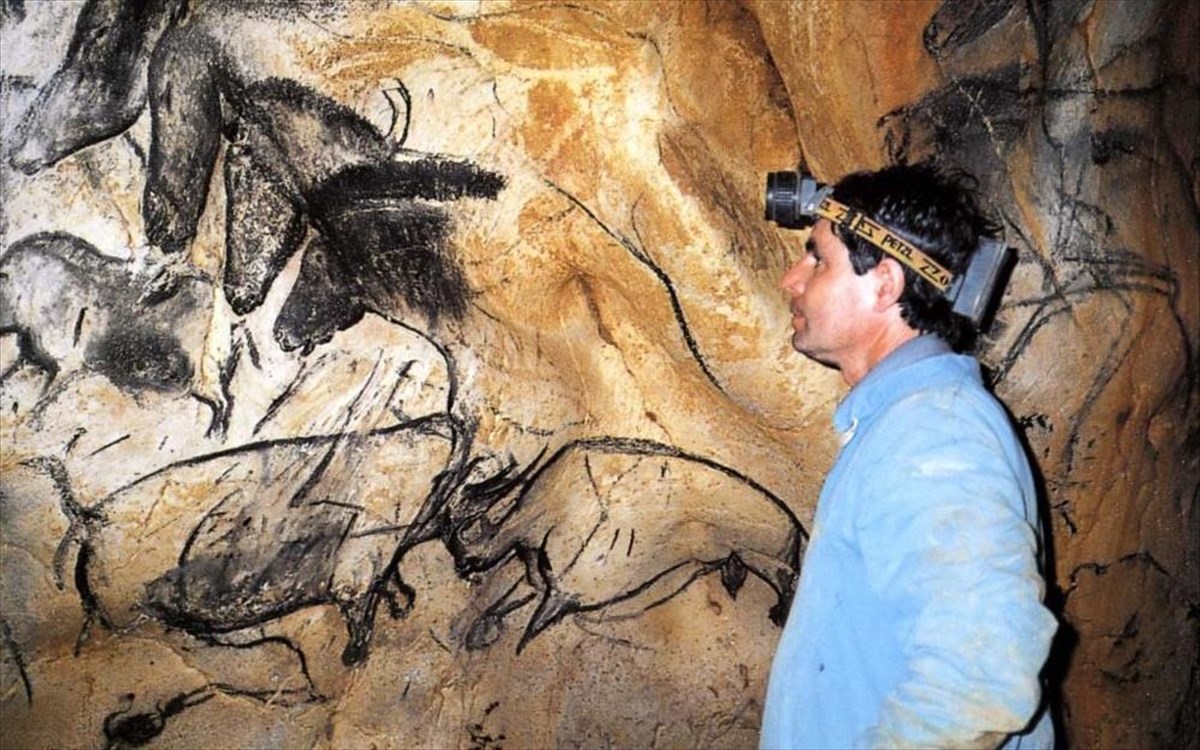
Σπήλαιο Σωβέ: Το doodle της Google για ένα από τα πιο σημαντικά προϊστορικά μνημεία naftemporiki.gr/story/167150… #grottecosquer #cosquer #cosquercave #chauvet #grottechauvet #chauvetcave #archeologie #archeology #histoire #prehistoire #UNESCO #doodle #GoogleDoodle #naftemporiki
3
8