
Opt in to Cloud Gaming on your Steamworks dashboard. This will make the game playable on NVIDIA GeForce Now via the Install-to-Play feature. Tell your community about it. Also, not sure how easy DLSS integration is on Cryengine, but look into that.
40

Rolling Sun out now!
indiedb.com/games/rolling-su…
A horizontal platformer powered by cryengine. @Mystikart_ #indiedev
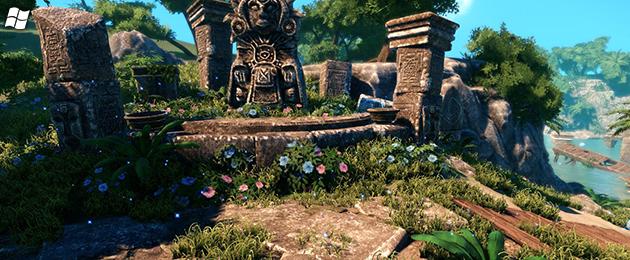
8
3


This has a very cryengine feel to it and also like KCD. Pretty amazing work man
64

Yes, you're right and you understood my problem perfectly because I'm using Cryengine and the game requires a certain minimum configuration, etc...
1
26

You’re right, porting is difficult if the project wasn’t originally designed for it. Apparently, CryEngine doesn’t have the capability to build for multiple platforms in the same way as Unity. Nowadays, this has become the modern standard, given the power of mobile devices.
1
1
33

oh try the cryengine approximation I ported over, if you combine it with fresnel it'll really fake the sss. I have one that requires passes but it kills performance.
1
42

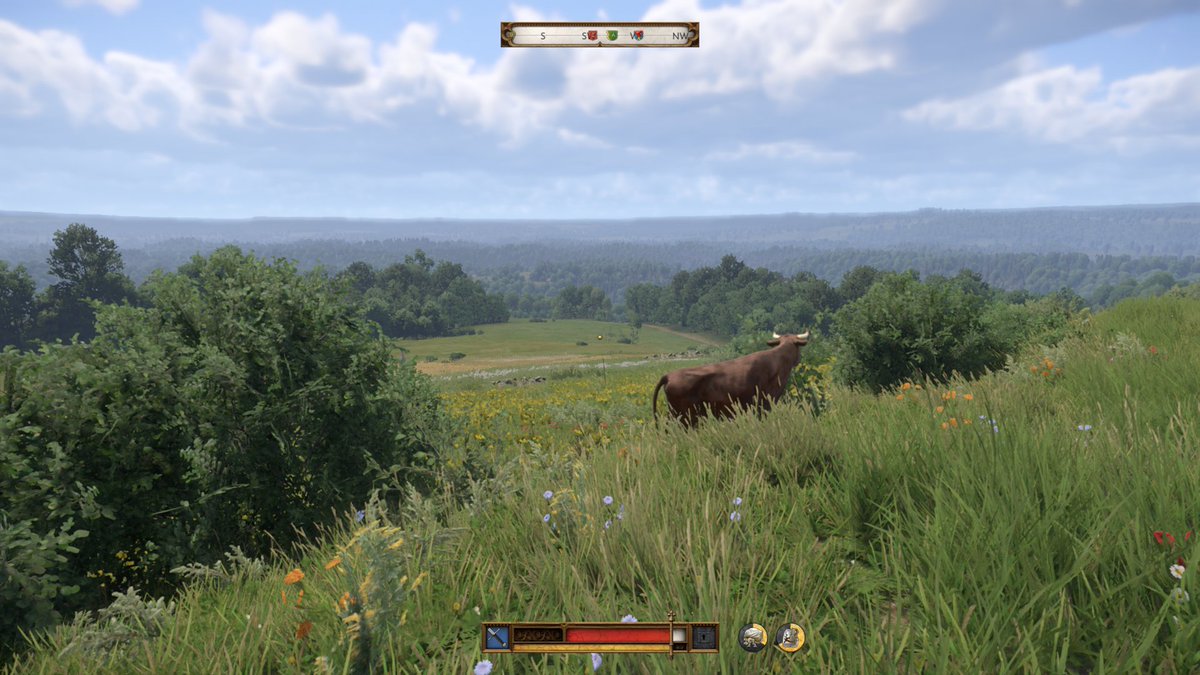

Oh wow, it's built in Cryengine?
Sorry it didn't sell well. I'd prob recommend dropping the price to below $10 and/or releasing a demo.
It looks like a good game, but $15 is a lot to pay if you don't know much about a game.
Also, don't give up on promoting it!
27
1,947
Hafizt retweeted

CryEngine - episode 1 Full Animation TG TF MTF Ai #maletofemale #transformation #genderbend #tgtf #ai #tf #aiart #tsf
4
23
4,885

Jun 13
They're achieving nothing, really.
The ability to do what AI does for them—copy/paste/adjust—has always existed. The Internet is full of samples, engines other than Three.js, and Three.js content.
It’s nothing new. Most are just grifters or having fun with a new tool.
Even technically, it is much harder to decide, design, and implement a material system and pipeline, or an asset system in general, than to make a basic renderer.
FFT waves, physical atmosphere, foliage, and terrain have existed for a while, and a student can pull them from CryEngine or Unreal. There are thousands of engine and game demo projects all over.
Engines are not about your terrain showing up; they’re about working for artists and designers and deploying to all platforms.
Games are not only about loading a level. They’re about smoothness, gameplay, story, and feel.
You can’t vibe-code a game any more than you can vibe-code a proper engine.
The moment you try something off the rails, these models fall apart. Fable or Opus output code they were trained on, not what an intern would write after seeing the existing codebase.
In my own tests, my engine uses an unorthodox, cutting-edge approach to rendering with render graphs, bindless resources, vertex pulling, and mesh shaders. Yet the models (including almighty Fable) poisoned my codebase with average Internet code, ignoring both the existing code and guidelines given right before the “go” command.
Like all rapid copy/paste/modify tools, AI is fantastic. It sped up my work by tens of times in some areas. But no, they can’t make quality stuff they haven’t seen.
Unless a carbon copy of a game from some repo is desired, they’re not going to work.
1
1
31

Jun 12
the Fighter and the Engine. #KillerInstinct #Cryengine #ULTRACOMBO #COMBOBREAKER #SUPREMEVICTORY #Xbox


3
336

Jun 12
Unreal Engine Baby . Best one out honestly .. cryengine is a strong number 2 but NOBODY uses it
16

Jun 12
Oh no engines are pushing hardware hard again...
It's Cryengine all over again but this pushes hardware forwards.
I want to play AAA games at ultra on a paperclip
67


Jun 11
so bigger change than unreal and unity and cryengine and threejs and torque and babylonjs and godot and all the stuff Fable is using ?
1
236

#Crysis3 - 'Hell of a town'
youtu.be/bneAJKSjeKI?si=7x4K…
#Crytek #Cryengine #Crysis #InCrydible #CrystalClear #Nanosuit #Invisible #Armor #Cloak #Imperceptible #Tank #Shield #Unrivalled #FPS #SciFi #Breathtaking #CevatYerli
My favourite after 'Cause and effect'
Crysisly yours
1
33
Extraordinary.
#Crysis3 - 'Cause and effect'
youtu.be/2qFLtnSqS6Y?si=6mhg…
#Crytek #Cryengine #Crysis #InCrydible #CrystalClear #Nanosuit #Invisible #Armor #Cloak #Imperceptible #Tank #Shield #Unrivalled #FPS #SciFi
P.S. #Crysis4 is the future. Patience engaged.
1
55