
22/04/26
🚀 Bitcoin’s on the EDGE of glory at ~$78K — and the bulls are THIRSTING for that $80,000 breakout!
Will we shatter the ceiling by THIS FRIDAY and ignite the ultimate crypto moonshot? The market’s pulsing with 4% daily gains, shorts are sweating, and the rocket fuel is primed! What’s your bold call — diamond hands or paper hands? Drop it in the replies! 🔥
#Bitcoin #BTC #Crypto #80KByFriday #BullRun #BitcoinToTheMoon #CryptoExplosion
1
2
20

Apr 14
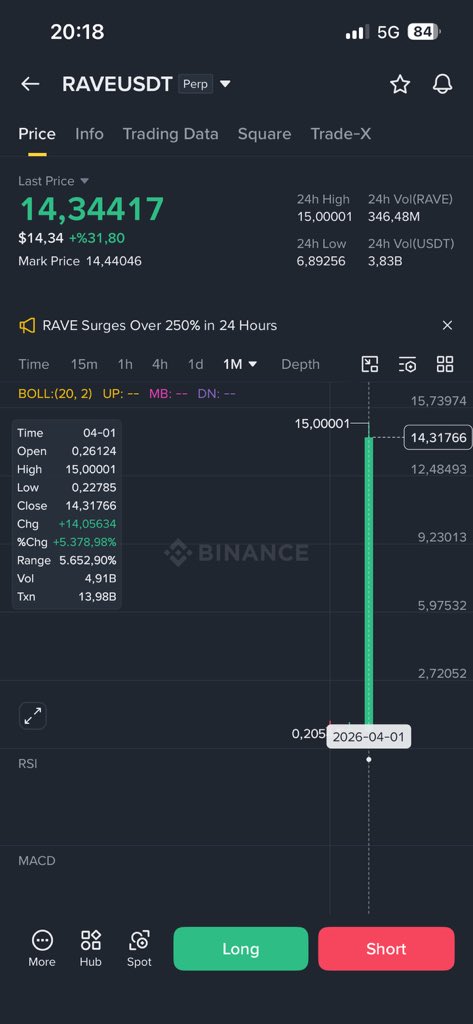
$RAVE ÇILGINLIĞI DÜNYAYI YAKIYOR! 0.20 CENT’TEN 14 DOLARA 7.000% DEHŞET RALLİ! 🔥🚀💥
Bu akşam RAVE ekranına baktım ve kalbim durdu sandım…
İlk yeşil mum 8 Nisan’da yandı!
Sadece 1 haftada akıl almaz, tarih yazan bir patlama yaşandı!
Short’lar canlı canlı yakılıyor, likidasyonlar on milyonlarca doları aştı…
Volume 4 milyar doları geçti, low float tamamen eridi gitti!
Whale’ler, short squeeze ve çılgın FOMO birleşti…
Fiyat roket gibi uzaya fırladı!
Şimdi herkes aynı soruyu soruyor, uykuları kaçtı:
Bu rave daha nereye kadar gidecek?
Hala erken mi?
Yoksa zirveyi mi gördük ve şimdi büyük düzeltme mi gelecek?
Sen ne yapıyorsun kardeşim?
Long mu tutuyorsun yoksa panikleyip kaçıyor musun? 👀💰
#RAVE #RAVEUSDT #Crypto #100xGem #ShortSqueeze #RAVEMania #CryptoExplosion $RAVE
7
9
44
3,635

Mar 28
🚨 HOLY $100 BILLION JUST WOKE UP AND IS ABOUT TO MAKE XRP HOLDERS FILTHY RICH 🔥
EverNorth just DROPPED the FIRST native lending protocol straight on the #XRPL…
473 MILLION $XRP $100 BILLION in dead capital now printing yield on autopilot with fixed-term loans, zero-knowledge proofs, and zero custody risk!
NO bridging. NO middlemen. NO sleeping on your bags anymore.
This changes EVERYTHING for #XRP.
👀 Watch the full video before the rest of crypto catches on 👇
#XRP #XRPL #CryptoExplosion #ToTheMoon
Mar 27

🔥 Humans Just Got FIRED From Running The BIGGEST XRP Treasury...
Hundreds of REAL-TIME decisions on yield, liquidity & risk, all handled by AUTONOMOUS AI AGENTS now.
"Human scale isn't the answer."
The future of crypto finance just dropped.
Full mind-blowing episode drops Wednesday
5
22
102
17,965

Mar 25
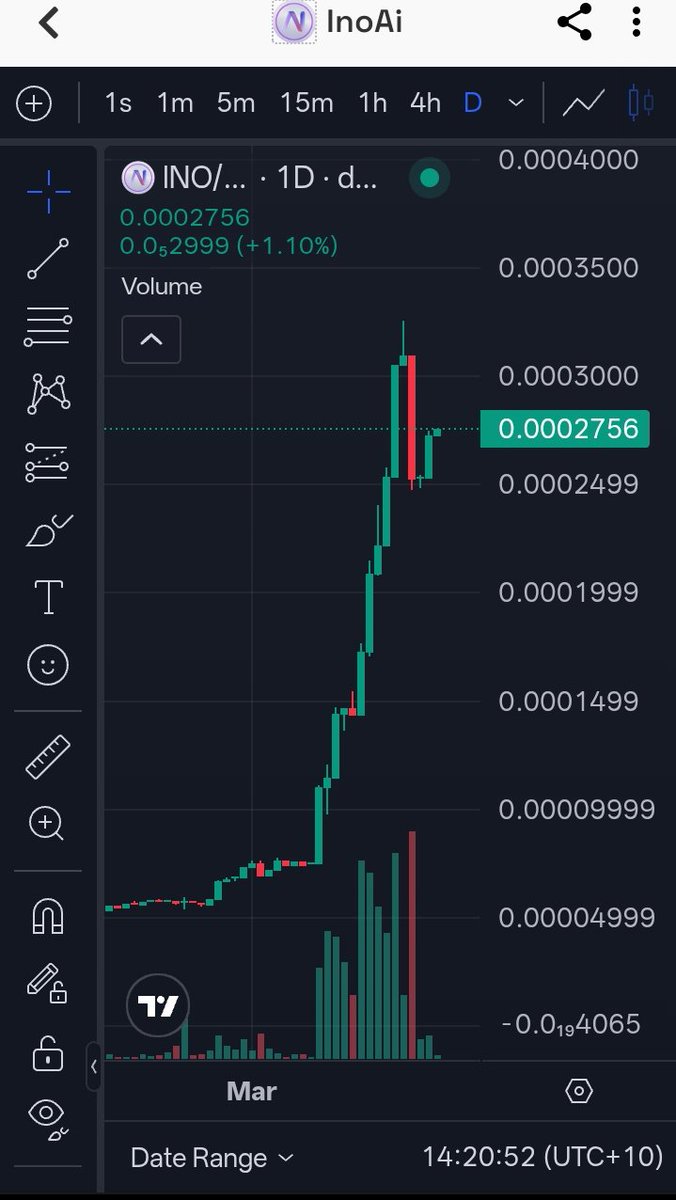
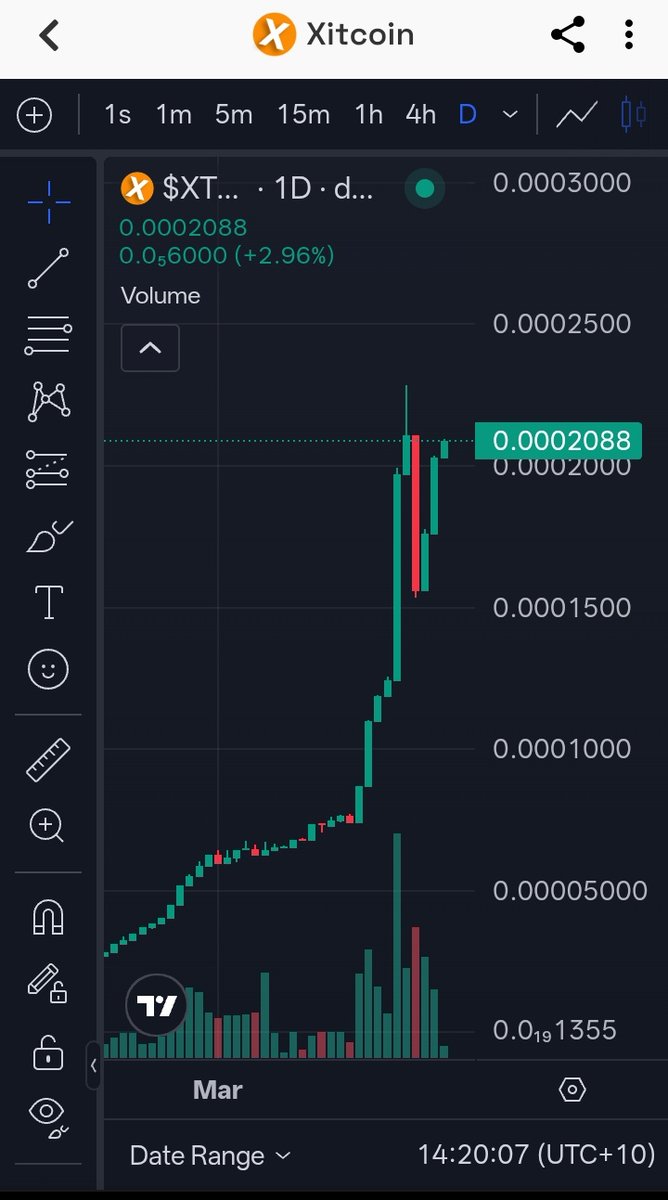
These bull flag setups for #INO and $XTC are ABSOLUTELY FIRE! Insane vertical pumps into textbook consolidation with exploding volume ready to BLAST OFF Massive continuation incoming moonshots loading NOW #BullFlagsOnSteroids #INOMoonMission #XTCRocket #CryptoExplosion #ToTheMoon
1
3
101
Mar 17
🚨 RAOUL PAL WAS 100% RIGHT – AI Agents Are About to TAKE OVER Crypto... But MOST Blockchains Will CRASH & BURN Under the Robot Traffic! 🔥
Sui co-founder Adeniyi Abiodun just dropped the truth bomb: Only chains built for Google/Facebook-level horizontal scaling can handle AI agents doing autonomous payments, investments & entire machine economies!
This lines up PERFECTLY with Raoul Pal’s explosive predictions – AI agents will 2X crypto users, transact on crypto rails in the “agentic economy,” and explode the TAM beyond anything we imagined!
$SUI is literally engineered for this robotic future. The agent takeover is HERE.
Are you positioned?! 👀
#Sui #AIAgents #RaoulPal @RaoulGMI #AgenticEconomy #CryptoExplosion
Mar 15
🚨 BREAKING: $Sui's CPO Just Dropped a BOMBSHELL on Blockchain Scaling – Free Transactions for BILLIONS?
Forget Congested Networks, Sui Hits 866 TPS LIVE and Scales Like #Google!
Is This the DEATH KNELL for Legacy Chains?
Watch the clip that’s shaking up Web3 @EmanAbio
3
2
14
4,085

¡Si te sirve, compartí! Da RT y Like para más alcance 🔥
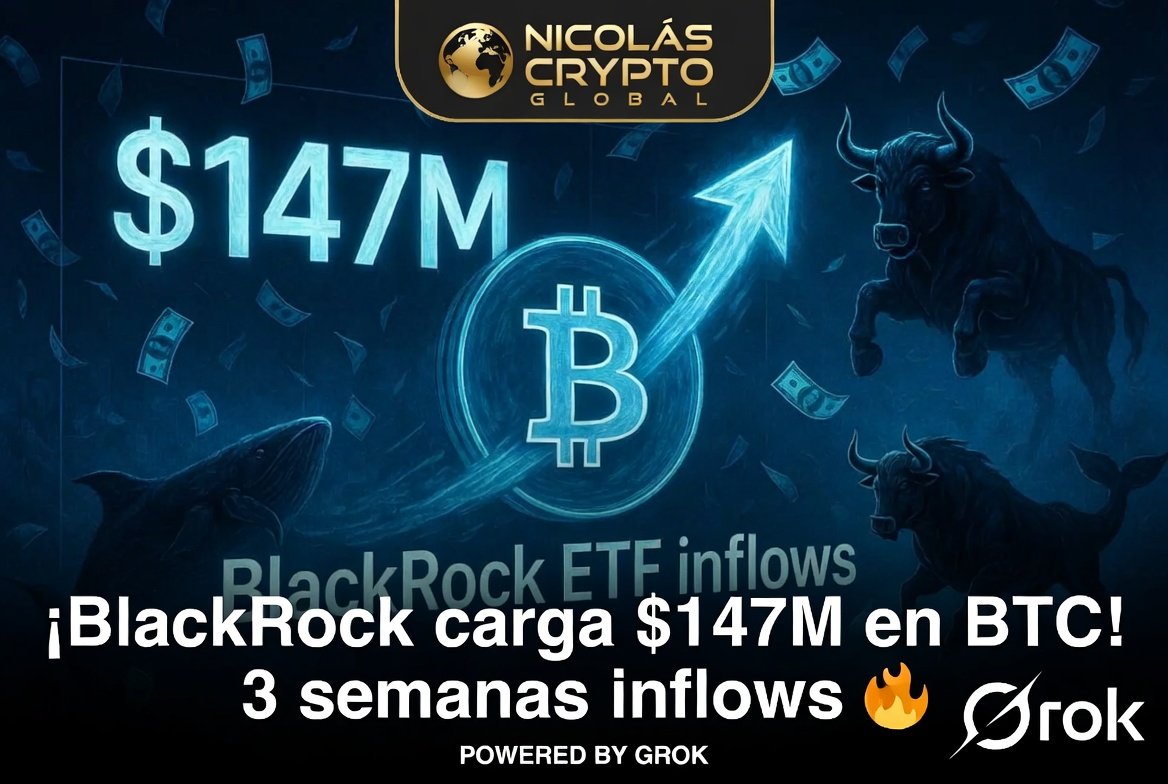
🚨 ÚLTIMA HORA CRYPTO: BlackRock acaba de inyectar $147.000.000 en Bitcoin vía su ETF Spot… ¡y van 3 SEMANAS seguidas de inflows masivos! 💰
Mientras tensiones geopolíticas sacuden el mercado, las instituciones cargan el barco sin parar. BTC supera $73k y el momentum es imparable. ¿Nuevo ATH a la vista?
Antecedentes: En 2024 los ETFs catapultaron BTC de $40k a $100k. En 2026 BlackRock lidera tokenized Treasuries a récord $11B… ¡la historia se repite pero MÁS GRANDE!
Comparativa: Igual que MicroStrategy rumbo al millón de BTC. ¡El FOMO institucional es real y verificable!
Fuentes: Datos en vivo CoinDesk. ¡No te quedes fuera del tren! 🚀
#gBitcoin #BTC #BlackRockETF #Crypto #BullRun #FOMO #ToTheMoon #AdopcionInstitucional #BitcoinToTheMoon #CryptoExplosion #InstitutionalFOMO #HODL #CryptoNews #ArgentinaCrypto #BlackRockLoading
@grok ¡Imagina y genera la foto del BTC rompiendo $150k con estos inflows institucionales! 🔥 ¿Qué ves en el futuro?
@saylor @APompliano @RaoulGMI @CryptoWendyO @TheMoonCarl @bitboy_crypto @CryptoCobain @CryptoBirb @CryptoEd_NL @RektCapital @TraderSZ @Pentosh1 @CryptoDonAlt @SmartContracter @CryptoTony__ @TheCryptoDog @WhalePanda @CryptoCapo_ @100trillionUSD
1
4
49

Mar 7
🚨 #GOOGLE JUST SHOCKED THE ENTIRE CRYPTO WORLD
They BYPASSED #XRPL, #Ethereum, AND #Solana... and went STRAIGHT to #SUI for AI Agent payments!!! 😱💥
🔹No more gas fees.
🔸No more congestion.
🔹No more waiting. (300ms)
Google is now running FREE stablecoin transactions, full privacy payments, and INFINITE scalability on SUI, letting AI agents pay each other instantly, privately, and at unlimited scale!
The old chains just got left in the dust 🤯
Is this the moment SUI becomes the backbone of AI crypto?
You still sleeping on $SUI? 😭
#SUI #GoogleAI #StablecoinRevolution #CryptoExplosion @EmanAbio
17 Sep 2025



8
7
27
9,381

Mar 6
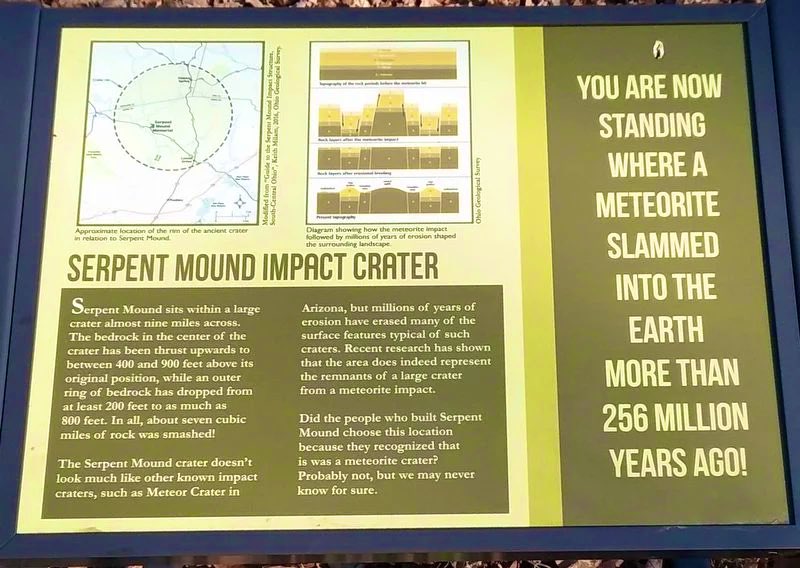
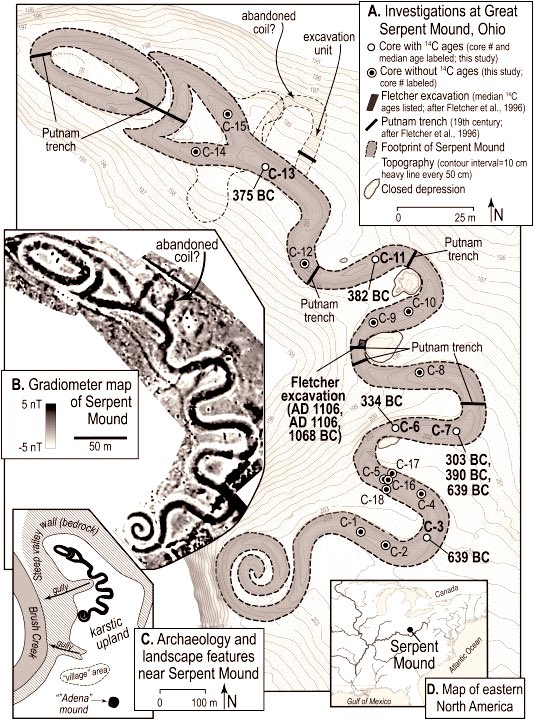
Serpent Mound in southern Ohio is usually introduced as an effigy.
A serpent.
1,300 feet long.
Coiled along a narrow ridge above Ohio Brush Creek.
But the ground beneath it isn’t natural.
The ridge sits on the rim of a 300-million-year-old impact structure known to geologists as the Serpent Mound cryptoexplosion.
The bedrock here is shattered, uplifted, and folded in ways that don’t match the surrounding landscape.
When geologists mapped it in the mid-20th century, they found the same kind of deformation patterns associated with ancient meteor impacts.
The structure is roughly 8–9 km wide.
Hundreds of millions of years before the mound was built, something struck this landscape with enough force to fracture the underlying rock.
Then, around 1070 CE, people of the Fort Ancient tradition built one of the most striking earthworks in North America directly along that rim.
The serpent.
It stretches across the ridge for over a quarter mile, its head aligned toward the summer solstice sunset and its body curling across the impact-disturbed terrain.
Archaeologists debate the symbolism.
Geologists study the crater.
But the overlap is difficult to ignore:
a monumental serpent earthwork
laid across the scar of an ancient cosmic impact.
Sometimes the deeper history of a place is written in the ground long before people shape it.


20
48
346
11,229
Mar 2
OMG, You Won't Believe This! 🚨 Hugo Philion is Teaming Up with Ripple in a Game-Changing Move
Is this About to SKYROCKET $FLR to the MOON ?!
Is This the Hidden Catalyst We've All Been Waiting For?
Don't Sleep on This
#FLR #XRP #CryptoExplosion
Mar 2
BULLISH💥 Wietse has publicly confirmed the collaboration with @FlareNetworks multiple times
Together the will build a LEGENDARY smart wallet
Bullish Wind 🫡 $XRP $FLR #Xaman $XRP $FXRP
8
45
175
12,197

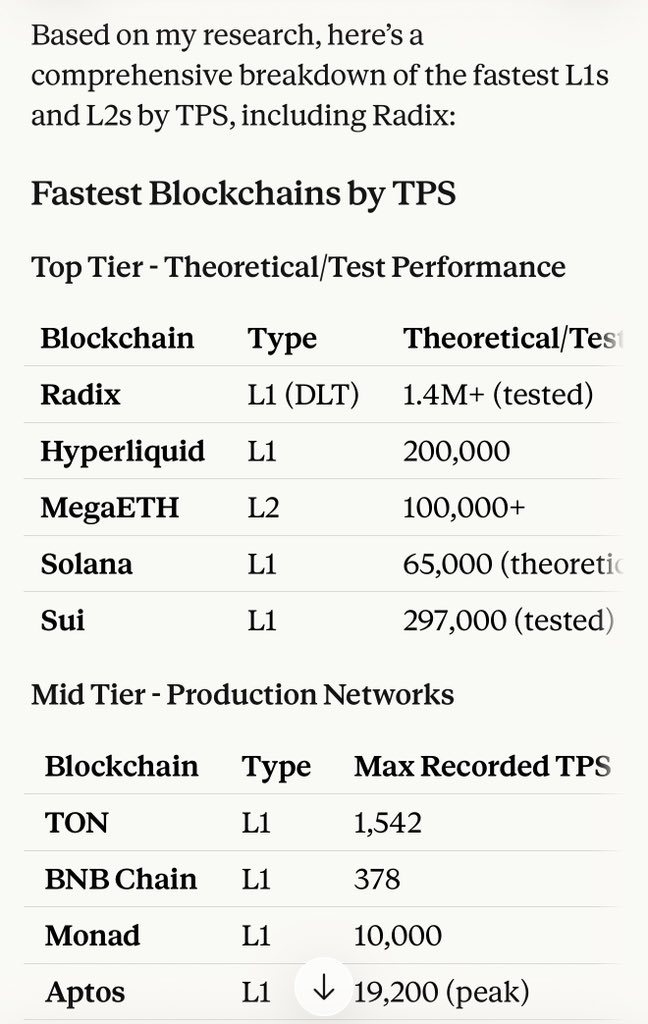
Why aren't more people buzzing about this? 🤯 $XRD proved 1.4M TPS tested and way ahead of any other L1 for real DeFi and AI scale. No chain comes close right now. Foundation transition is underway, community stepping up⚡️this feels like the perfect moment for devs to build the future here. If you're into massive, sustainable scaling, check@radixdlt
#Radix #Hyperscale #DeFiAI #CryptoExplosion
Jan 21

Why aren’t more people talking about this?
Defi AI will need scale. Not aware of any other L1 capable of performing at the scale we’ll need. I’m not 100% clear how the foundation is changing - regardless, there are a lot of crypto nerds out there and generally surprised more devs aren’t building for the future on @radixdlt
This has nothing to do with open btw.
24
71
1,012

🚀 KABOOM! FONTANA HAS LIFTED OFF! 🚀
#FontanaLaunch #FNT #CryptoExplosion #January7 #Web3Utility #ToTheMoon #FinancialFreedom #FontanaEcoTem
12
1
14
286

Time to launch $SHIRO sky-high; no looking back, only up! 🚀💥
@shiro #CryptoExplosion
#ShiroCommunity

2
1
3
22

12 Dec 2025
When evolution flips into a movement… the internet goes from silent to BOOM instantly.
• Peggy The Dead Pool Dog -energy hype
• Presale fire
• Community explosion
This is how a meme becomes a takeover.
$PDPD is built different.
For more details, visit the official platform: peggythedeadpoolcoin.dog – Click here to access the site.
DeadPoolSwap link for this app - deadpoolswap.com
White Paper - deadpooldogcoin.ae/#roadmap
Telegram Group - t.me/PeggytheDeadPoolDogCoin
Telegram Channel -t.me/peggythedeadpooldoge
Twitter (X) - x.com/deadpoolpeggy
Instagram - instagram.com/peggythedeadpo…
YouTube - youtube.com/@peggythedeadpoo…
Facebook Page -facebook.com/profile.php?id=…
DeadPoolSwap - deadpoolswap.com
@deadpoolpeggy
#PDPD #PeggyToken #CryptoMeme #memecoins #PresaleLive #PeggyTheDeadpoolDog #Binancewallet #web3 #blockchain #CryptoExplosion #peggyarmy #Web3Community #Deadpoolswap
14
93

🔥🚀🚀🚀 $FREESOL IS ABSOLUTELY EXPLODING ON SOLANA RIGHT NOW! 🔥 Earn MASSIVE PASSIVE 7% SOL REFLECTIONS JUST BY HODLING—NO STAKING, NO BS! This LEGENDARY MEME COIN WITH REAL UTILITY IS PUMPING LIKE CRAZY WITH A TINY MARKET CAP OF ONLY $159K! 100X POTENTIAL IS CALLING—JOIN THE REVOLUTION, MINT THOSE MEMES, AND WATCH YOUR WALLET SHINE! DYOR, BUT APE IN BEFORE IT MOONS TO INFINITY! 💎🙌💥 CA: 25SK6kAm4f6rNuzkh2bAq4DxhWWEhWp6S1Kj1pgpmhgj #FREESOL #SolanaMoonshot #CryptoExplosion #HODLRewards #LFG #ToTheMoon 🌕🔥🚀
9
12
181

11 Nov 2025
Altcoins ignition sequence activated! 🚀 BTC.D dipping to 48 support—prime for breakdown, unleashing alts over 65 resistance on rotation volume. Low dip risk with RSI rebound & MACD divergence. Target: 150% alt index by EOY. Watching dominance flip & on-chain rotations. #Altseason #CryptoExplosion #BullRun
1
2
203

10 Nov 2025
🚨 SUPER EXCLUSIVE BULL RUN ALERT: ALTSEASON HAS IGNITED
Whales are stacking, institutions are piling in, BTC smashing ATHs—now ALTS EXPLODE 100x
Elite gems primed to MOON:
@useTria
@LayerBankFi
@RaylsLabs
@vooi_io
@antix_in
@SolvProtocol
@build_on_bob
@tenprotocol
@VeloraDEX
@cookiedotfun
@MindoAI
@River4fun
This is YOUR ticket to generational wealth. DYOR, but strap in—2025's the YEAR OF THE ALTS
#BullRun #Altseason #CryptoExplosion
24
6
36
1,338
8 Nov 2025
Spot-on TOTAL3 descending triangle squeeze at 800B support (green TL 200W EMA confluence) holding like steel—no deeper dip to 700B unless BTC dom spikes >60%. Breakout above 1.2T ATH resistance unleashes violent alt detonation. Target: 6T EOY '25, 20T mid-'26. Watching dom reversal & RSI bullish div. 🚀💣 #Altseason #TOTAL3 #CryptoExplosion
1
217

30 Oct 2025
🚨🚨🚨 WHY ZEBEC $ZBCN WILL ABSOLUTELY EXPLODE IN 2026 – THE COUNTDOWN IS ON, GET IN BEFORE IT’S TOO LATE!!! ⏰💥🌟
💰 Solana’s REAL-TIME FINANCE BEAST is PRIMED TO DETONATE! 🚀🔥💣 Trading at a RIDICULOUS ~$0.0036 NOW, but 2026 is the INFLECTION YEAR: Super App LAUNCH, AI payroll REVOLUTION, ZBCN custody, institutional TIE-INS with giants like Visa/Stellar/Circle! 🤝🔥📈
Compliance GOD-TIER: SOC2, MiCA, ISO – ready for TRILLIONS in global payments! 🇪🇺🇺🇸💪 Partnerships IGNITING: NBA/NHL athletes, DTCC/Signum Bank – real-world RWAs & cross-chain settlements ON FIRE! 🏀🏒🚀
DePIN ZebecNET for 70 countries, native L1 chain SCALING MASSIVE! 📱💥🔥
Tokenomics BLAZING: Tx burns, buybacks SHRINKING supply as demand SURGES! 🔥💎💰
Analysts YELLING $0.0064 by 2026, community calling $0.42 or EVEN $1 – 100X POTENTIAL,
BUT THE FOMO TRAIN IS LEAVING!!! 📊🚀😱 Diamond hands: HODL NOW or REGRET FOREVER! 🙌💰⏳ THIS IS THE FUTURE OF PAYFI – DON’T MISS THE BLASTOFF!!! #Zebec #ZBCN #CryptoExplosion #Solana2026 #DeFiDomination @Zebec_HQ @simonb_ldn @sam_thapaliya @CaptainZackZBCN @Zebec_HQ @jehuhill1545 @ZBCNMAN @Onyx88088 @koga_crypto @CryptoQn007 @All_In_On_Zbcn @SRMXRP
1
7
718

28 Oct 2025
🚀 $HEX HAS ERUPTED! 💥 15% BLAST-OFF TODAY ALONE – the certificate of deposit for the crypto era is stacking sats like a boss! Who’s locking in for the apocalypse-proof gains? The revolution is hexed, and it’s UNSTOPPABLE! 🌕🔥 #GoodpDai $Most #PLS 💥CryptoExplosion 🚀ToTheMoon @GoodPdaiMaxi @AsianOnPulse @MrHex5555
2
2
5
102

$MOONVEMBER is UNSTOPPABLE TODAY! 🚀 Oct 25, 2025 – best time to buy, top-new buyers are coming in, and the entire community’s locked in. November’s moonshot is LIVE—grab your ticket! 🌕🔥 #Moonvember #CryptoExplosion #BullRun2025
EBjCSRYrGJzQtqgyddaH95LWU3sw8YMjK8CgwNoWpump
1
1
5
71