pinkprint 4 retweeted

11h
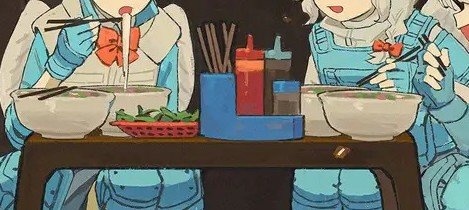
The attention to detail is amazing...Inee i love you
19
311
2,669

21s
Throwback to Find the Look ala Jejouw at Brightspot. 4 steps #CircletoSearchwithGoogle bisa dapetin detail outfit kece, jadi super easy 😍✨ #CircletoThrowback #GalaxyS26 Series
212
shacy retweeted

4h
Who else is amazed by this level of embroidery detail?
133
98
141
479

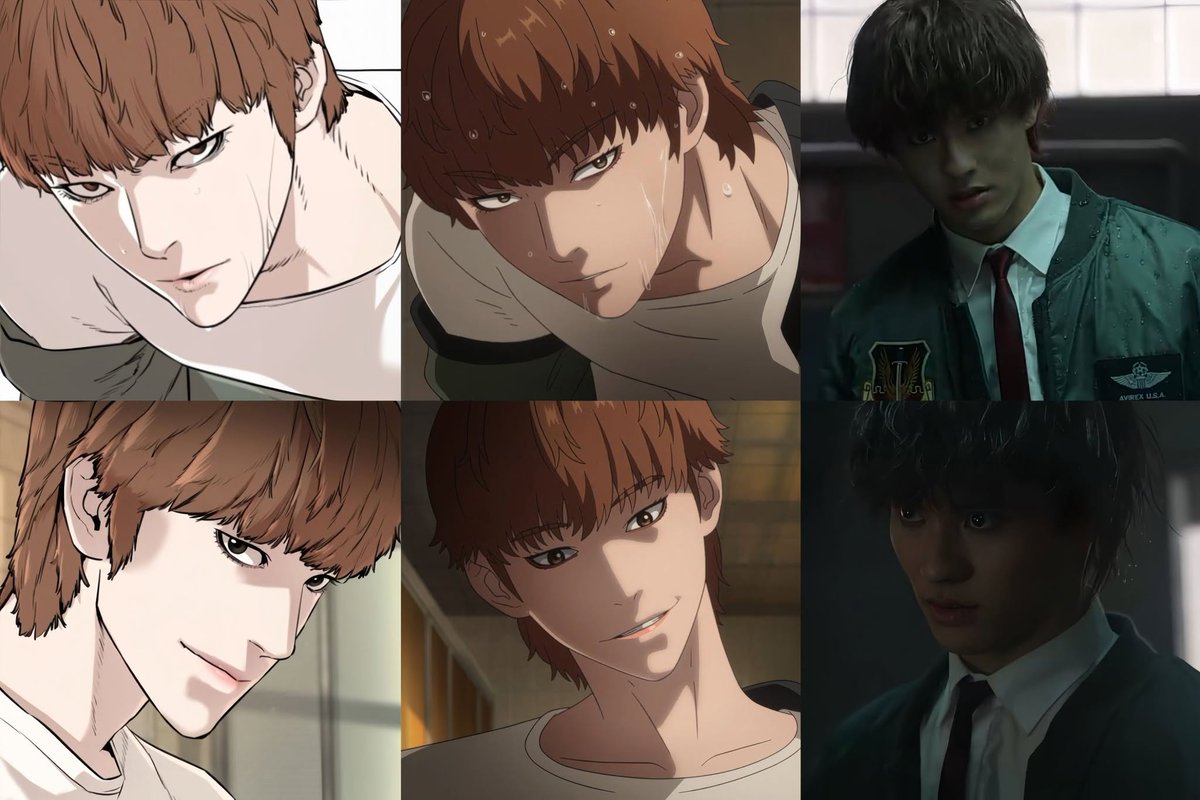
Terus terang, Seong Taehoon or in the Japan version Reo Shinjo dalam Live Action Comic accurate, beneran persis dan backstory-nya juga memuat detail kalau fighting style ITF Taekwondo, dan bapaknya itu WT dan ITF.
1
Nico ⚔ 🇨🇺 Senji 4:20 retweeted

Jun 13
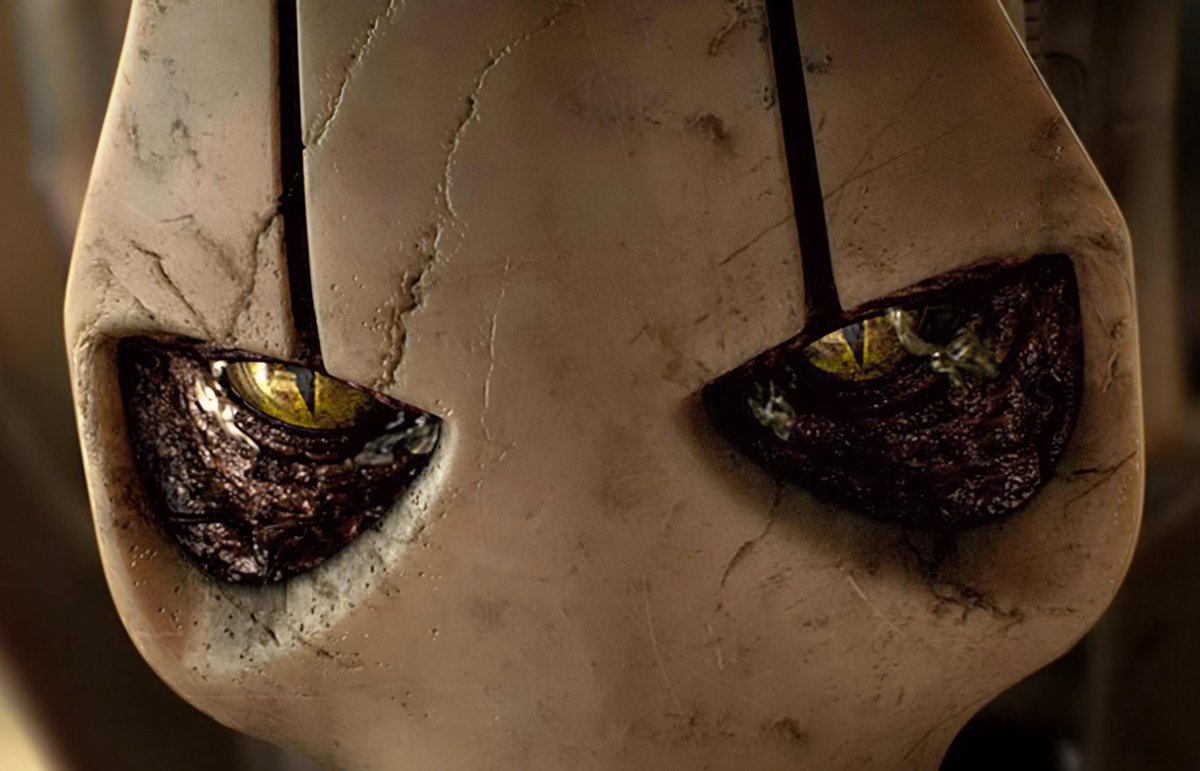
It’s been 21 years & the level of detail in Grievous’s CGI (especially for 2005) still amazes me 👏
26
242
8,897
137,084
hbz retweeted

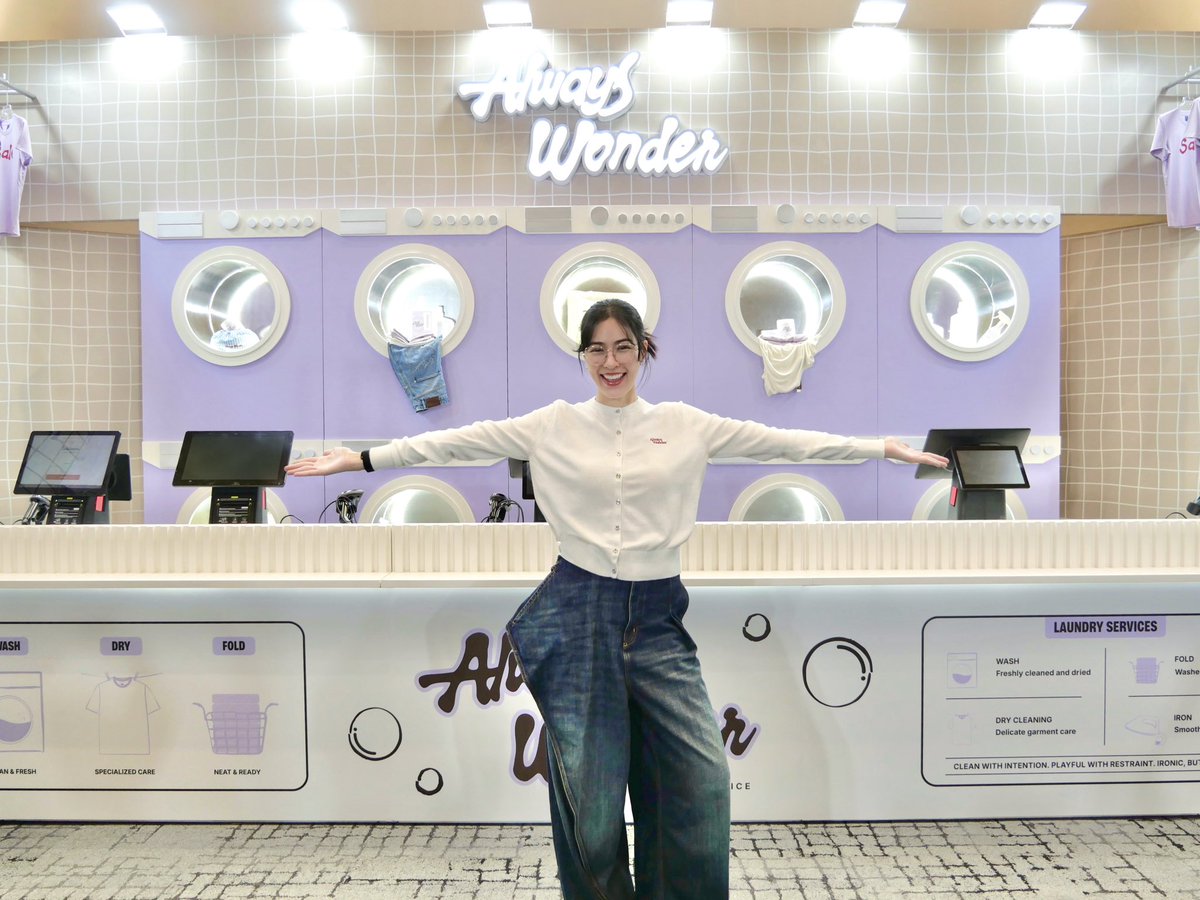
WONDER WASH: The Hot Cycle has come to an end. 🫧
Behind every corner, display, and detail was our hope to create something special for our Wonderers.
Thank you for being here with us along the way. 🙏🏼
#WonderWash #DifferentPiecesSameBasket #TheHotCycleSale #AlwaysWonder
119
2,401
4,173
45,152

A golden desert plain looks clear and fresh today, with every detail softened by distance. A quiet reminder to look around. 👑😌

I liked your fanart of Stolas and Angel having sex, I found it very sexy 😏 but you forgot one detail, you forgot to put a penis on Stolas.
5

You should read “Destroying America: A Dossier on the CIA’s Control of the Government.”
A car full of Secret Service agents did nothing to protect President Kennedy, and here’s why.
Official documents state that CIA officers are “detailed by the CIA” to be Secret Service agents and that the CIA first began doing it in 1955.
Four of the eight Secret Service agents in the Presidential follow-up car when Kennedy was assassinated were CIA officers who had been “detailed by the CIA” to the Secret Service.
(The Presidential follow-up car, or Secret Service follow-up car as it is sometimes known, rides directly behind the Presidential limousine when the President travels.)
The highest-ranking Secret Service agent in the follow-up car was a CIA officer named Emory Roberts, who rode in the front passenger seat next to the driver, Agent Samuel Kinney. Roberts had the prime position for watching the assassination unfold, as President Kennedy was directly in front of him in the rear seat of the Presidential limousine.
His three CIA colleagues in the Secret Service follow-up car were Special Agents Glenn Bennet, Tim McIntyre, and George Hickey. Bennett and Hickey rode in the rear seat of the follow up car, and McIntyre rode on the left rear running board next to Hickey.
In CIA officer Emory Roberts’ official report, he wrote that after a bullet struck President Kennedy in the head, he picked up the car radio and told Special Agent Lawson in the lead car, “The President has been hit. Escort us to the nearest hospital fast but at a safe speed.”
Roberts “repeated the message, requesting to be cautious, meaning the speed. I had in mind Vice President Johnson’s safety,” and Roberts added “as well as the President’s, if he was not already dead.” Roberts then “turned around to wave the Vice President’s car to come closer.”
“I said, pointing to McIntyre, ‘They got him, they got him,’ continuing I said, ‘You, meaning McIntyre, and Bennett take over Johnson as soon as we stop.’”
Roberts did not punctuate his Secret Service report with exclamation points, but he was most definitely making an exclamatory statement when he explicitly told McIntyre, “They got him! They got him!”
Roberts wrote that at 12:30 p.m., before witnessing the fatal head shot, he witnessed the “first of three shots fired, at which time I saw the President lean toward Mrs. Kennedy.”
With Special Agent John Ready standing just inches away on the right front running board, CIA officer Emory Roberts clearly saw that “they got him” with the “first” shot, and he clearly saw the President react to the shot, but according to his own Secret Service report, Roberts, the highest-ranking agent in the car, sat there and watched silently for at least five seconds and possibly as many as eight seconds while President Kennedy was being shot to death directly in front of him.
Roberts said and did absolutely nothing until President Kennedy was shot in the head.
(There is an ongoing debate concerning the amount of time it took to fire all the shots at President Kennedy, but the fact is it took at least five seconds and possibly as many as eight seconds.)
Senator Ralph Yarborough of Texas, who was riding with Vice President Johnson directly behind the Presidential follow-up car, could plainly see the reactions of Secret Service agents during the assassination. Yarborough’s affidavit to the Warren Commission states that when he heard the first shot, he “thought immediately that it was a rifle shot.”
Yarborough’s affidavit also states, “All of the Secret Service men seemed to me to respond very slowly, with no more than a puzzled look. In fact, until the automatic weapon was uncovered, I had been lulled into a sense of false hope for the President’s safety by the lack of motion, excitement, or apparent visible knowledge by the Secret Service men that anything so dreadful was happening.
“Knowing something of the training that combat infantrymen and Marines receive, I am amazed at the lack of instantaneous response by the Secret Service when the rifle fire began.”
Senator Yarborough was actually witnessing the result of the CIA sabotaging Presidential protection. The CIA officers, one of whom was running board agent Tim McIntyre, knew that there would be a problem if the other three running board agents, Landis, Ready, and Hill, took action to protect the President when the gunfire began.
Kinney, as a driver, certainly could not do anything during the assassination, but if it was going to be a successful assassination, the CIA officers would have to do something about the other three running board agents.
McIntyre’s partner, Glen Bennett, took decisive action to make sure the three agents would not be a problem.
Warren Commission Exhibit 1020 contains a news article stating that Secret Service agents were “in the Fort Worth Press Club the early morning of Friday, November 22, some of them remaining until nearly 3 a.m. . . . . They were drinking. One of them was reported to have been inebriated.”
It also states that after leaving the Press Club at “nearly 3 a.m.,” the Secret Service agents went to “an all-night beatnik rendezvous called ‘The Cellar.’”
Secret Service Chief James Rowley testified to the Warren Commission about the incident, stating, “There were nine men involved at the Press Club, and there were ten men involved at The Cellar.”
Rowley testified that Bennett and the three running board agents that needed to be disabled, Landis, Ready, and Hill, had participated in the drinking and late night activity.
Out of sixteen Secret Service agents in the Presidential motorcade, CIA officer Glen Bennett and the three running board agents were the only ones who participated in the drinking and late-night activity. The running board agents were supposed to be the first to shield the President from any possible danger.
The other five Secret Service agents who consumed alcohol at the Press Club were not in the Presidential motorcade on November 22, 1963.
Rowley claimed that someone, whom he did not identify, told the agents, “There was a buffet to be served at the Fort Worth Club,” but when the agents arrived, “there was no buffet.” Later in his testimony, he stated, “and they just thought while they were there, they would have a drink.”
Rowley glossed over it with one of three different versions of the drinking incident, testifying that he “ascertained in personal interviews” that three agents “had one scotch” and “others had two or three beers.” He also testified that agents “were in and out” of the Press Club from “roughly around 12:30 until the place closed at 2 o’clock.”
But in a letter to the Warren Commission several weeks prior to his testimony, Rowley put forth two versions of the drinking incident that were different from his Warren Commission testimony.
In one version, Rowley wrote that Calvin Sutton, president of the Press Club, had said that “the Press Club has a closing curfew of 12 midnight,” but Calvin Sutton, for some unknown reason, “kept the Press Club open until sometime after 2 a.m.,” which is clearly more than two hours past the “closing curfew.”
Sutton supposedly “ordered the bar at the Press Club closed” at “about 2 a.m.,” and “as the bar was closing, a party of about four people arrived who were later identified to him as Secret Service agents. Mr. Sutton requested the bartender serve them one drink, after which the bar was again closed and the party left.”
The other version in Rowley’s letter had at least something in common with his Warren Commission testimony. He wrote that what he determined “in the course of this investigation” was that “nine Special Agents of the White House Detail were in the Press Club at various times and departed at various hours up to 2 a.m.,” which is what he told the Warren Commission.
But Calvin Sutton, president of the Press Club, admitted that four Secret Service agents were there until sometime after 2 a.m. and it was reported that Secret Service agents were in the bar “until nearly 3 a.m.”
Rowley also claimed, “The amount of beer and liquor consumed by any of them did not exceed one and a half mixed drinks, or in one case, three glasses of beer,” which is different than his Warren Commission testimony that three agents “had one scotch,” and “others had two or three beers,” and it is completely different from the claim that “about four” Secret Service agents showed up at 2 a.m. and “Mr. Sutton requested the bartender serve them one drink.”
The claim that the bar was closing when about four agents got there and that it stayed open so they could have a drink is nowhere in his Warren Commission testimony. Also, his letter to the Warren Commission did not mention anything about Secret Service agents showing up for a buffet at 2 o’clock in the morning.
His letter did not say anything at all about a buffet, but it did say they were having a “party” at the Press Club, and after the bar finally closed, they obviously took the “party” over to the “all-night beatnik rendezvous,” otherwise known as The Cellar.
After testifying that the agents did not find a buffet and were “in and out” of the Press Club until it closed, Rowley stated, “After that, some of them went to The Cellar.”
CIA officer Glen Bennett and the three running board agents, Landis, Ready, and Hill, all admitted to consuming alcohol at the Press Club and then going to The Cellar afterward. As noted earlier, they were the only Secret Service agents assigned to the Presidential motorcade who participated in the drinking and late-night activity.
Rowley claimed they went to The Cellar after leaving the bar in the early morning hours of November 22 “out of curiosity, because this was some kind of a beatnik place.”
He acknowledged that “there was someone connected with the group who was intoxicated,” but he claimed that it was just someone that the agents “ran into” at the Press Club. He claimed the intoxicated man who was “connected with the group” was not a Secret Service agent.
CIA officer Tim McIntyre wrote in his report that Secret Service agents assigned to the Presidential follow-up car were working the “8 a.m. to 4 p.m. shift” on November 22, 1963.
Chief Justice Earl Warren asked Rowley when it comes to seeing someone with a rifle, “Don’t you think that if a man went to bed reasonably early and hadn’t been drinking the night before, he would be more alert to see those things as a Secret Service agent than if they stayed up until 3, 4, or 5 o’clock in the morning, going to beatnik joints and doing some drinking along the way?”
Rowley first tried to dodge the question and did not answer it, so Warren repeated, “I say, wouldn’t an alert Secret Service man in this motorcade, who is supposed to observe such things, be more likely to observe something of that kind if he was free from any of the results of liquor or lack of sleep than he would otherwise?”
And Rowley replied, “Well, yes; he would be.”
Warren also had Rowley read from the Secret Service manual, which strictly prohibits the consumption of alcohol, “including beer and wine, by members of the White House Detail and special agents cooperating with them, or by special agents on similar assignments, while they are in a travel status.”
All such agents “are considered to be subject to call for official duty at any time while they are in travel status . . . either during the day or night when they are off duty.”
The manual clearly reflects the seriousness of violating the prohibition against alcohol, stating, “Violation or slight disregard” of these regulations “at any time will be cause for removal from the service.”
As noted earlier, Landis, Ready, and Hill, being assigned to the outside running boards of the Presidential follow-up car, would be the first to react in the event of any danger to the President. They all had to wake up early, get ready, and report for the 8 a.m. shift, just a few short hours after their all-night partying with Bennett.
Bennett’s CIA colleague, Tim McIntyre, the fourth agent on the running boards, certainly did not need to be disabled. CIA officers McIntyre and Bennett were the agents that Roberts immediately assigned to “take over” Vice President Johnson after President Kennedy was shot in the head. That was when CIA officer Emory Roberts exclaimed, “They got him! They got him!”
Secret Service Chief Rowley wrote a letter to the Warren Commission stating, “The first duty of agents in the motorcade is to attempt to cover the President as closely as possible and practicable and to shield him by attempting to place themselves between the President and any source of danger.
“Agents are instructed that it is not their responsibility to investigate or evaluate a present danger, but to consider any untoward circumstances as serious and to afford the President maximum protection at all times.”
The running board agents’ Secret Service reports lay out in detail how they were unable to perform their “first duty” of affording the President “maximum protection at all times.”
Special Agent Landis’s report states that after he arrived at Dallas Love Field at 11:35 a.m., less than an hour before the assassination, he “walked to where the motorcade vehicles were parked.”
He then stood by the Presidential follow-up car and thought it would be funny to ask Special Agent Kinney, the agent who would be driving the car, where the follow-up car was. In Landis’s own words, “I remember speaking to him and standing by the follow-up car and jokingly asking him if he could tell me where the follow-up car was.”
Landis also “walked over to Special Agent Win Lawson just to double check to see if I was still assigned to work the follow-up car as had previously been arranged.” (Landis was clearly hoping against hope that he would not have to stand upright on an outside running board.)
When the Presidential follow-up car “started moving,” Landis was standing “with my right leg on the running board and my left leg up and over and inside the follow-up car. I stayed in this position until we were leaving the airport area and remarked that, ‘I might as well get all the way in,’ and I did so.” (Landis arbitrarily decided that President Kennedy could make do with only three running board agents protecting him on November 22, 1963.)
Landis wrote that after he climbed all the way into the Presidential follow-up car, Roberts told him to “get back on the outside running board ‘just in case.’”
As the highest-ranking Secret Service agent in the car, CIA officer Emory Roberts certainly did not want to be scrutinized for allowing Landis to sit inside the car during the assassination. Roberts knew, however, that Landis was in no shape to be on guard against a Presidential assassination.
In the agents’ reports on the drinking incident, Landis admitted that he did not leave The Cellar, the all-night beatnik rendezvous, until “approximately 5:00 a.m.” But how much alcohol the agents actually consumed during their all night partying will never be known because the “Secret Service” is the only source for that information.
Landis wrote that when the Presidential limousine and the follow-up car were turning left onto Elm Street to go past the Texas School Book Depository, which would be the only building on the President’s right side, he “made a quick surveillance of a building which was to be on the President’s right once the left turn was completed.”
He described the Book Depository as a “modernistic type building,” and he wrote that when the first shot was fired, it “sounded like the report of a high-powered rifle from behind me, over my right shoulder.” (Lee Harvey Oswald allegedly fired three shots from the sixth floor window of the Book Depository.)
Landis also wrote, “There was no question in my mind what it was,” but Landis ignored the fact that Agents are specifically instructed that it is “not their responsibility to investigate or evaluate a present danger.”
He stated that after definitively hearing the report of a high-powered rifle, “My first glance was at the President,” and then, “I immediately returned my gaze over my right shoulder toward the modernistic building I had observed before.”
His report states that it was just “a quick glance” at the Texas School Book Depository, and he “saw nothing.” But he continued to violate the directive not to investigate or evaluate a present danger when, after seeing “nothing,” he “immediately started scanning the crowd at the intersection from my right to my left.”
Landis then “began to think that the sound was a firecracker,” even though it “sounded like the report of a high-powered rifle,” and there was “no question” in his mind as to what it was.
A few seconds later, “the next shot was fired” and Landis “thought that maybe one of the cars in the motorcade had a blowout that echoed off the buildings,” and Landis “looked at the right front tire of the President’s car,” at which point Landis witnessed President Kennedy being shot in the head.
Special Agent Landis’s own report makes it clear that he was dazed and confused while the President was being assassinated. His report makes it clear that when he arrived at the Dallas airport less than an hour earlier, he was in no shape to perform his “first duty” of affording the President “maximum protection at all times,” not only because of the consumption of alcohol just hours earlier, but also because of a definitive lack of sleep.
CIA officer George Hickey arrived in Dallas the previous day on an Air Force plane transporting the Presidential limousine and the Secret Service follow-up car, and he admitted to being “an extra man” in the follow-up car. Another Secret Service report states that Hickey’s CIA colleague, Glen Bennett, was with the “Protective Research Section” and only “temporarily assigned to the White House Detail.”
Instead of having just two CIA officers on hand for the assassination, which would be Roberts and McIntyre, they were able to get Hickey and Bennett into the back seat and have four CIA officers in the follow-up car.
CIA officer Hickey wrote that Roberts instructed him to “take control of the AR-15 rifle” whenever he was riding “as an extra man” in the Presidential follow-up car. The AR-15 rifle was the “automatic weapon” that Senator Yarborough saw “uncovered” after witnessing “all of the Secret Service men” responding “very slowly, with no more than a puzzled look.”
Hickey wrote that it was not until “the end of the last report” that he “reached to the bottom of the car and picked up the AR-15 rifle, cocked and loaded it, and turned to the rear.”
Bennett, who was only “temporarily assigned to the White House Detail,” wrote in his “Protective Assignment” report that after seeing the last shot strike the President in the head, he “immediately hollered ‘he’s hit’” and then “reached for the AR-15 located on the floor of the rear seat. Special Agent Hickey had already picked-up the AR-15.”
But before seeing the last shot strike President Kennedy in the head and before saying anything, CIA officer Bennett watched silently as President Kennedy was shot in the back.
Bennett wrote that he “looked at the back of the President” and “saw the shot hit the President about four inches down from the right shoulder.” Even though Bennett saw the President take a bullet in the back, Bennett sat there and said absolutely nothing. It was not until one of the assassins’ bullets struck President Kennedy in the head that Bennett hollered, “He’s hit!”
After five to eight seconds of gunfire, President Kennedy sustained what proved to be a fatal head wound, at which point CIA officers Hickey and Bennett realized the plan had come to fruition.
Like CIA officer Roberts, they both had an instantaneous response. Hickey belatedly “picked up the AR-15 rifle” and “turned to the rear,” and Bennett exclaimed, “He’s hit!” and reached for the AR-15 rifle that Hickey was already holding.
Roberts then twice instructed the lead car to drive to the hospital “at a safe speed,” after which he turned to CIA officer McIntyre and exclaimed, “They got him! They got him!”
Hickey’s report states that he is with the “White House garage,” and McIntyre’s report describes Hickey as “a driver.” Special Agent Kinney drove the Presidential follow-up car, while Special Agent Greer drove the President’s limousine, and Texas State Highway Patrolmen were driving both the Vice President’s car and the Vice Presidential follow-up car.
CIA officer Hickey, the “driver” with the “White House garage,” had nothing to drive, which obviously made him an “extra man” in the follow-up car.
Hickey wrote that while President Kennedy was being treated at Parkland Hospital, Assistant Special Agent in Charge Roy Kellerman “told Agent Kinney and me to take the cars to the plane and stand by for orders.” Hickey then drove the Presidential limousine to the airport.
Hickey would have served no purpose in the Presidential follow-up car if President Kennedy had not been assassinated, but by tagging along as an “extra man,” Hickey was conveniently on hand to drive the President’s limousine back to the airport and thus have access to the crime scene.
The Warren Commission Report states, “After the Presidential car was returned to Washington on November 22, 1963, Secret Service agents found two bullet fragments in the front seat.”
“One fragment” was “found on the seat beside the driver,” and the “other fragment” was “found along the right side of the front seat.” The FBI “positively identified” both fragments as having been “fired” from the “rifle found in the Depository,” the building from which Lee Harvey Oswald allegedly fired the shots.
CIA officer Hickey had no problem whatsoever planting two bullet fragments that had at one time been fired from the rifle that would be “found in the Depository.”
The reactions of Secret Service agents in the Presidential follow-up car, as detailed in the reports they wrote, clearly contradict what they were expected to do, especially the reactions of CIA officers Roberts, Bennett, McIntyre, and Hickey.
The previously cited letter from Chief Rowley to the Warren Commission clearly explained that agents in the motorcade are instructed to “consider any untoward circumstances as serious” and “afford the President maximum protection at all times.”
CIA officer Roberts, who was sitting in the prime position for witnessing the assassination and who was the highest-ranking agent in the follow-up car, stated very clearly that he sat and watched everything from the first shot to the last without saying a word until it was all over.
As noted earlier, Special Agent John Ready, the agent closest in proximity to President Kennedy, was standing right next to Roberts on the right front running board while Roberts silently and patiently watched the CIA assassinate the President of the United States.
CIA officer Bennett’s report states that at the sound of the first shot, he looked at the President and watched everything without saying or doing anything until it was all over.
McIntyre, the only CIA officer on a running board, wrote that the President’s car was 200 yards from the underpass “when the first shot was fired,” and “after the second shot” he “looked at the President and witnessed his being struck in the head by the third and last shot.”
McIntyre did not say what he was doing for five to eight seconds after “the first shot was fired,” but a photo shown later in this chapter shows McIntyre focused across the Secret Service car on Special Agents Ready and Landis, two of the three running board agents that needed to be disabled.
CIA officer Hickey reported that he stood up and turned his back to the President at the sound of the first shot, allegedly “in an attempt to identify it,” and then after “two or three seconds” of looking toward the rear, he turned to look at the President and watched as the next two shots were fired.
Hickey picked up the AR-15 rifle only after a bullet struck President Kennedy in the head, more than five seconds and possibly as many as eight seconds after the first shot.
Every patriot should read “Destroying America: A Dossier on the CIA’s Control of the Government.”
amazon.com/dp/B0H1F1BK2D
3
Leonardo retweeted

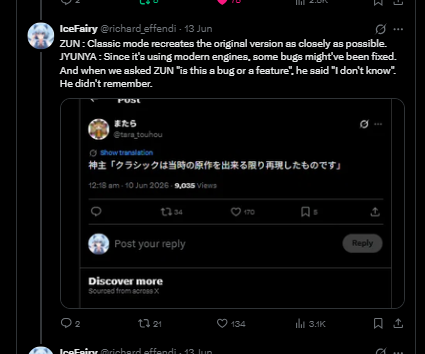
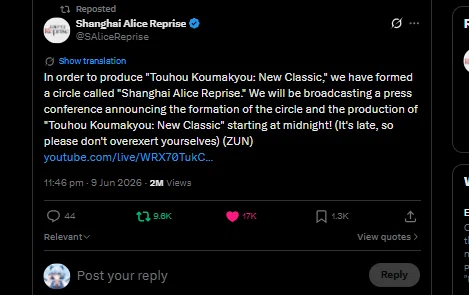
"Is this a bug or a feature?"
ZUN : Lol, I don't know!
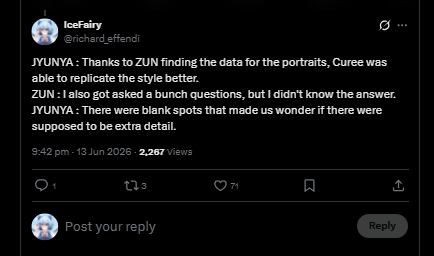
"Was there extra detail on the art?
ZUN : Lol, I don't know!
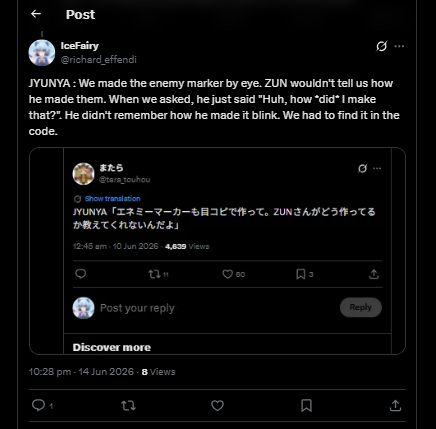
"How did you make the enemy marker?
ZUN : Lol, I don't know!
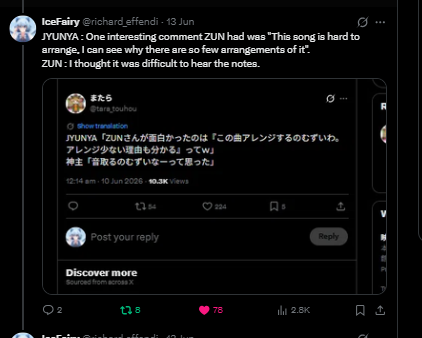
ZUN : What were the notes for this song again?
ZUN : Lol, I don't know!
Jun 13

On the 9th of June 2026, ZUN held a livestream about the release of .As usual, tara_touhou collected some interesting quotes from the stream. I'll be translating some of them. I'll also include stuff from the Garakuta recap and from my own viewing A thread 🧵
20
247
1,973
65,961

#UFC250 this is amazing. It’s crazy to see so much of the White House in so much detail. Loving the vibe of the outdoor fights and the legendary backdrop. Paramount quickly looking like the only streaming service worth subscribing with.
4
Bean CBUS 🏳️🌈🇵🇸 #quietisviolent retweeted

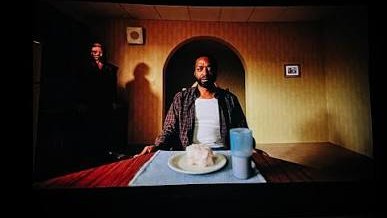
This guy points out an interesting detail regarding Kane's take on the Backrooms: that it might be some sort of fungal colony replicating people's memories. Which explains the weird mushroom-esque still-life fluff that Clark says is edible.
35
186
5,671
79,870
Asparrow 💅🏾 retweeted

Jun 14
First she decides what haircut and facial hair best suits him, then she changes his clothes, then she tackles small details- watch, wallet, jewelry, shoes etc. Then she buys you some shit like niacinamide serum
Jun 13

nobody can explain why men randomly become more attractive after getting in a relationship and it's really bothering me
44
2,114
42,195
1,009,309
Smile Crot retweeted

PREVIEW CONTENT CHANNEL⭐️
SUBSCRIBE CHANNEL 2026😍
Detail : t.me/channelmalaya
Always updated setiap harinya😋
12
62
19,738
Nana 🏳️🌈 retweeted

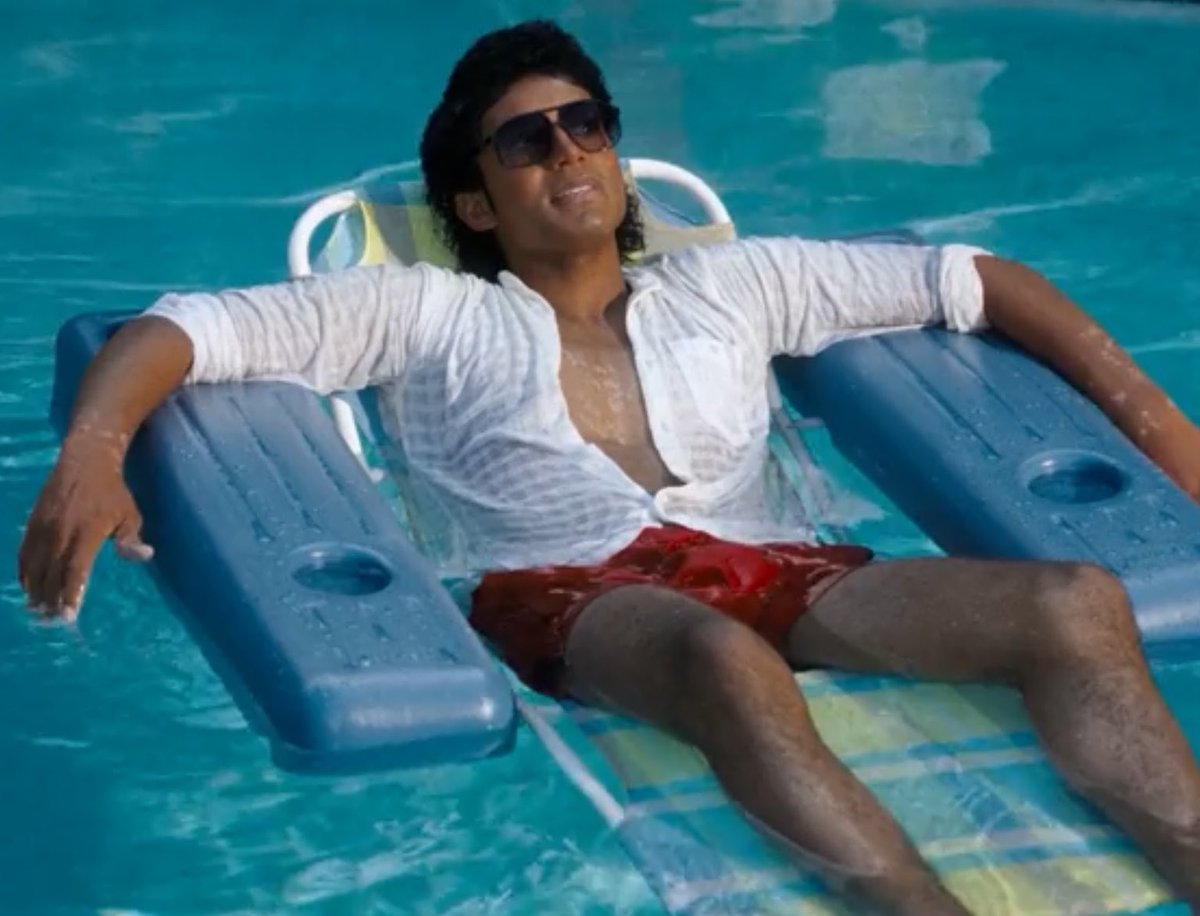
The attention to detail in the Michael biopic is incredible. I didn’t notice that they showed his vitiligo during the pool scene until recently. #michaelmovie
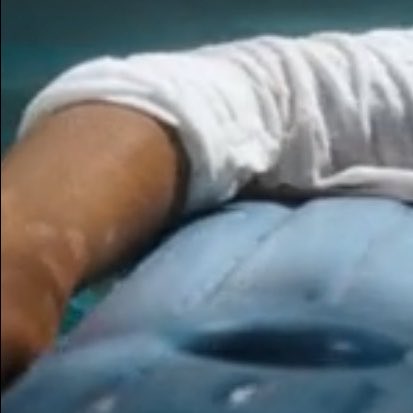
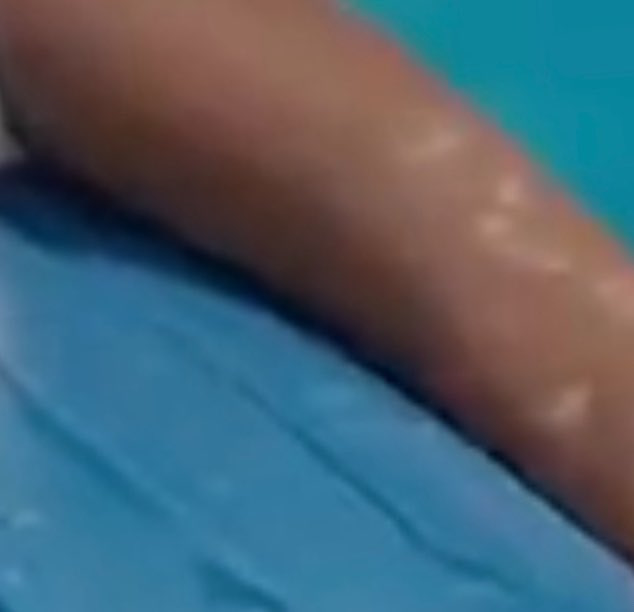
18
228
4,648
89,621
A calm breeze moves across a glassy alpine lake under late daylight with every detail softened by distance. The view feels fresh and peaceful. 👑
grey retweeted

Jun 13
its such a small detail but seeing 8 stars on their outfits genuinely made me so happy already ald1 is forever ot8 geonwoo come back faster jaebal😭
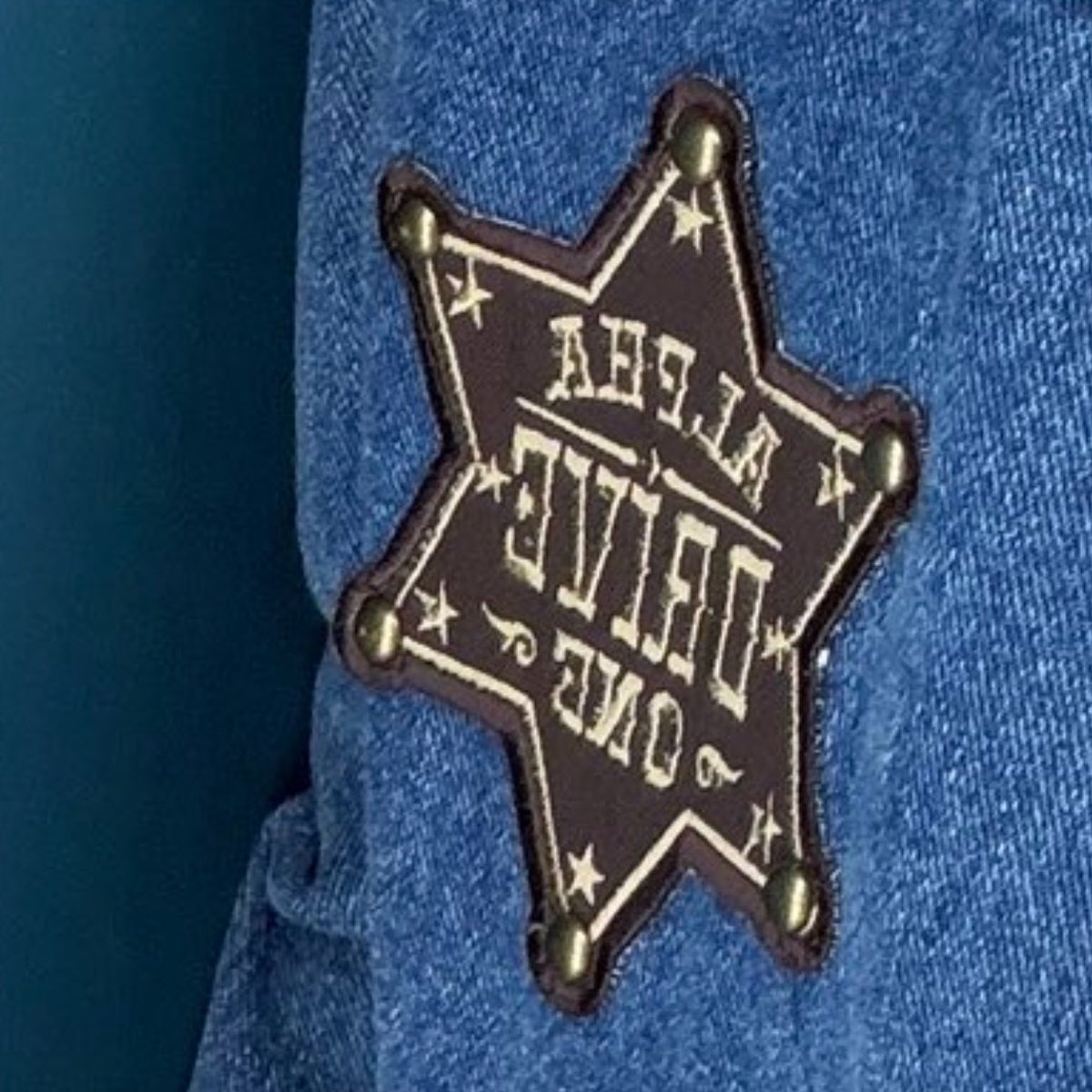
2
229
873
11,092
Coyota retweeted

May 12
Capturing the bold attitude and iconic style of Loona in every single detail.
#HelluvaBoss #Loona #Hellaverse #FurryArt #DigitalArtist #Vivziepop #Anthroman #CharacterArt #LoonaHelluvaBoss #IndieAnimation
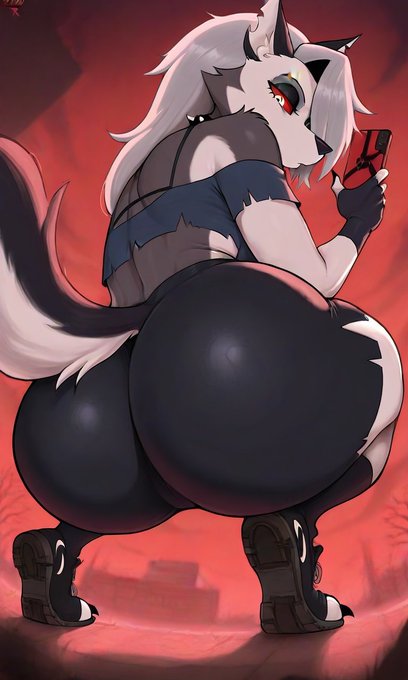
1
3
167
