

Most stablecoin issuers are either off-shore or single-market.
Olbra is built as a transatlantic bridge: a US company running a live European issuance - anchored by an owned DFSA e-money license.
MiCA behind us, GENIUS Act ahead. Regulated money, moving between Europe and America.
5
122


Jun 12
UAE rates aren't falling anytime soon.
For variable-rate mortgage holders, EMI pressure stays.
The structured solution exists — before the crisis, not after.
Run your free scenario: moneyprotects.com/arcus
For informational purposes only. Subject to eligibility. MPCL | DFSA Regulated | DIFC.
#MoneyProtects #UAEMortgage #MortgageRelief #StructuredFinance #DIFC
8

Dfsa igual o peor, y arriba objetivo Ferrari y otro cortes………luego hablan de ascenso, pobre larcamon no llega a octubre
49

Jun 11
💸 تم محو أكثر من 2.2 تريليون دولار من قيمة الأسهم الأمريكية خلال ساعات قليلة.
📉 تحولت الأسواق إلى اللون الأحمر مع تراجع شهية المستثمرين للمخاطرة، مما دفع المؤشرات الرئيسية للهبوط وأدى إلى تبخر أكثر من تريليون دولار من القيمة السوقية.
🚀 التقلبات تصنع العناوين، لكن الفرص تصنع الثروة.
🔥 لا تكتفِ بمراقبة تحركات السوق، تحكم باستثماراتك مع بركة.
#سوق_الأسهم #وول_ستريت #الاستثمار #الأسواق_الأمريكية #بركة
مرخصة من سلطة دبي للخدمات المالية (DFSA). رأس المال معرض للمخاطر. لا يُعد هذا المحتوى نصيحة استثمارية.
773

Some thoughts on the Clarity Act and it’s impact on $WU, wether or not it gets passed.
Western Union’s #USDPT is targeting remittance corridor volume rather than broad DeFi liquidity and its first exchange integration with Bybit was specifically launched in Latin American markets, not the U.S. The consumer-facing product launched this month in Mexico and the Philippines. Neither of those markets requires Congressional approval from Washington.
The World Already Has Stablecoin Frameworks in Place
The CLARITY Act matters for the U.S. market specifically, but the rest of the world has largely moved on without waiting for Congress. The main global stablecoin regulations already in place are the U.S. GENIUS Act, EU MiCA, Singapore's MAS framework, Hong Kong's Stablecoin Ordinance, UAE's Payment Token Regulation, and Japan's Payment Services Act. That's regulatory clarity covering the EU, UK, Singapore, Hong Kong, UAE, and Japan, representing hundreds of billions in remittance flows annually, completely independent of whether CLARITY passes.
The WU Advantage Market by Market
Latin America
Already Live, No CLARITY Needed
$WU launched #USDPT consumer products in Mexico and the Philippines this month and Bybit integration covers Latin America now. Mexico is the world's second largest remittance/receiving country by dollar volume, with the U.S./Mexico corridor processing tens of billions annually. High inflation in Argentina and Venezuela has driven demand for dollar denominated digital balances, none of this requires a U.S. law.
In the EU MiCA Is Already Law
MiCA entered into force in 2023 with full CASP authorization requirements effective December 30, 2024. #USDPT as a dollar backed e-money token has a clear regulatory pathway under MiCA right now. Critically, several EU exchanges have restricted or delisted #USDT following MiCA implementation, creating a vacuum that MiCA compliant dollar stablecoins can fill. USDT's MiCA non-compliance is WU's opportunity in Europe.
UAE Already Regulated and Remittance Focused
The UAE treats stablecoins as part of financial infrastructure supporting payments, remittances, and trade. Outside mainland UAE, several regional regulators including VARA in Dubai, FSRA in Abu Dhabi, and DFSA in the DIFC have aligned their standards with the federal framework. The UAE is one of the world's largest remittance corridors, primarily to South Asia and $WU has massive agent presence there.
Singapore and Hong Kong
Clear Frameworks Both have formal stablecoin licensing regimes already operational, covering the Asia-Pacific corridors where $WU does enormous volume.
The Irony Is That CLARITY Failing Might Actually Help #USDPT Internationally
Here's the counterintuitive twist. MiCA categorically bans yield-bearing stablecoins, Article 22(4) prohibits issuers from granting interest or any other benefit related to the length of time a holder holds tokens, specifically to prevent stablecoins from competing with bank deposits. The U.S. CLARITY Act debate is wrestling with the same yield question.
If CLARITY fails partly because of the yield debate, #USDPT operates under a no-yield model globally anyway, which is actually MiCA-compliant and removes a major regulatory friction point for EU expansion. $WU doesn't need yield to make the economics work, it makes money on transaction fees, exchange spreads, float income on reserves, and agent settlement efficiency gains.
4
2
13
1,796
JOHN DAVIS retweeted

17 Jan 2025
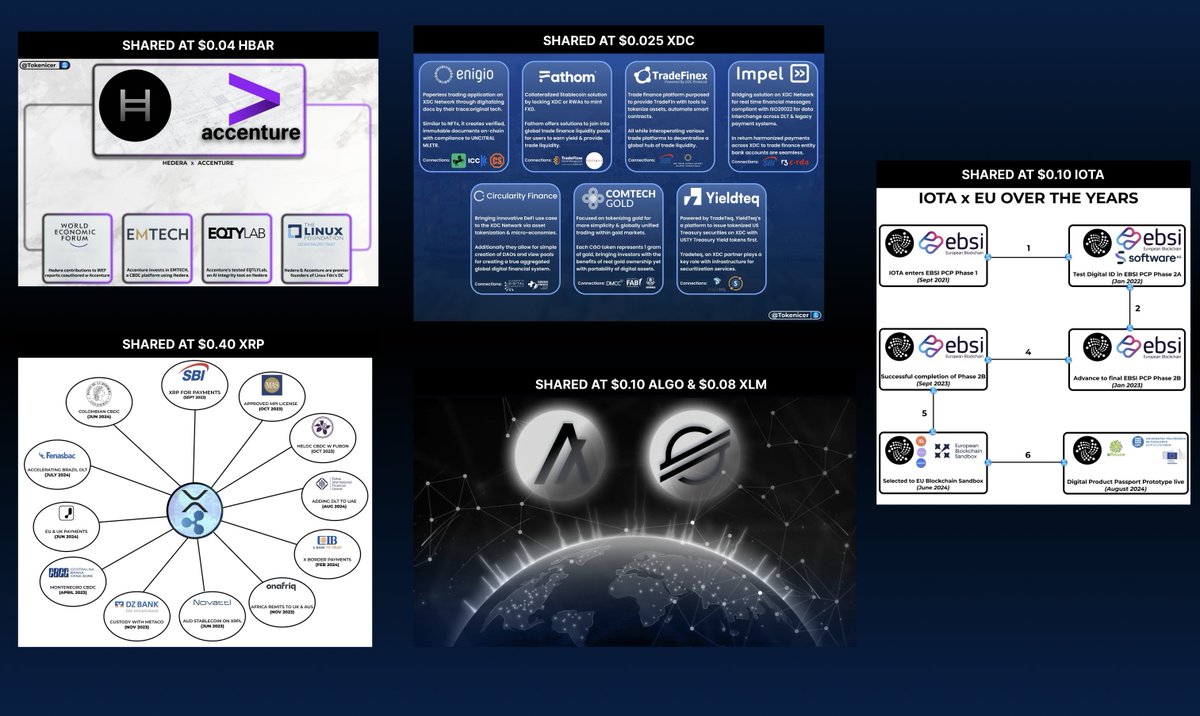
I shared $HBAR F500 ties at $0.04
I shared $XDC Enigio by Lloyds at $0.025
I shared $XRP x DIFC & DFSA at $0.40
I shared $XLM UNHCR & Mastercard at $0.08
I shared $IOTA adoption in UAE/EU at $0.10
I shared $ALGO utility ecosystem at $0.10
Lets compare these prices to today:
HBAR = $0.37 ( 825%)
XDC = $0.13 ( 420%)
XRP = $3.21 ( 702%)
XLM = $0.48 ( 500)
IOTA = $0.39 ( 290%)
ALGO = $0.47 ( 370%)
I didn't predict the future, hell to be fully honest I didn't think these "Dino Coins" would be the first to run
But here's what I DID know
Through countless hours of documented research, we've seen what these networks are doing.
They're not your traditional L1 crypto network aiming to capture retail attention with buzzwords.
These are ran much closer towards a semi decentralized corporate structure building for real use cases.
Everything these networks do have a real world purpose whether it be for banking innovations, alleviating trade finance struggles & everything else in between.
To me it was a matter of "if", not "when"
So for those that have been asking "wen moon" all these years.... Here it is.
And I genuinely believe we've still seen nothing yet.
825% on HBAR? XDC going up 4x?
These are rookie numbers, remember this market is still driven by pure speculation.
Though of course this isn't to say the profits aren't real.
If you made life changing money, don't be an idiot.
Enjoy the life changing money & come back when the FOMO & hype has once again left the markets.
Crypto's total market cap isn't even $4 Tril.
When we look at banking, trade finance, etc.
These real world industry verticals all worth well over $10 Tril each & as we know these DLT networks are directly playing into the future of such verticals.
THATS where the real money will be.
27
126
565
27,255

Jun 10
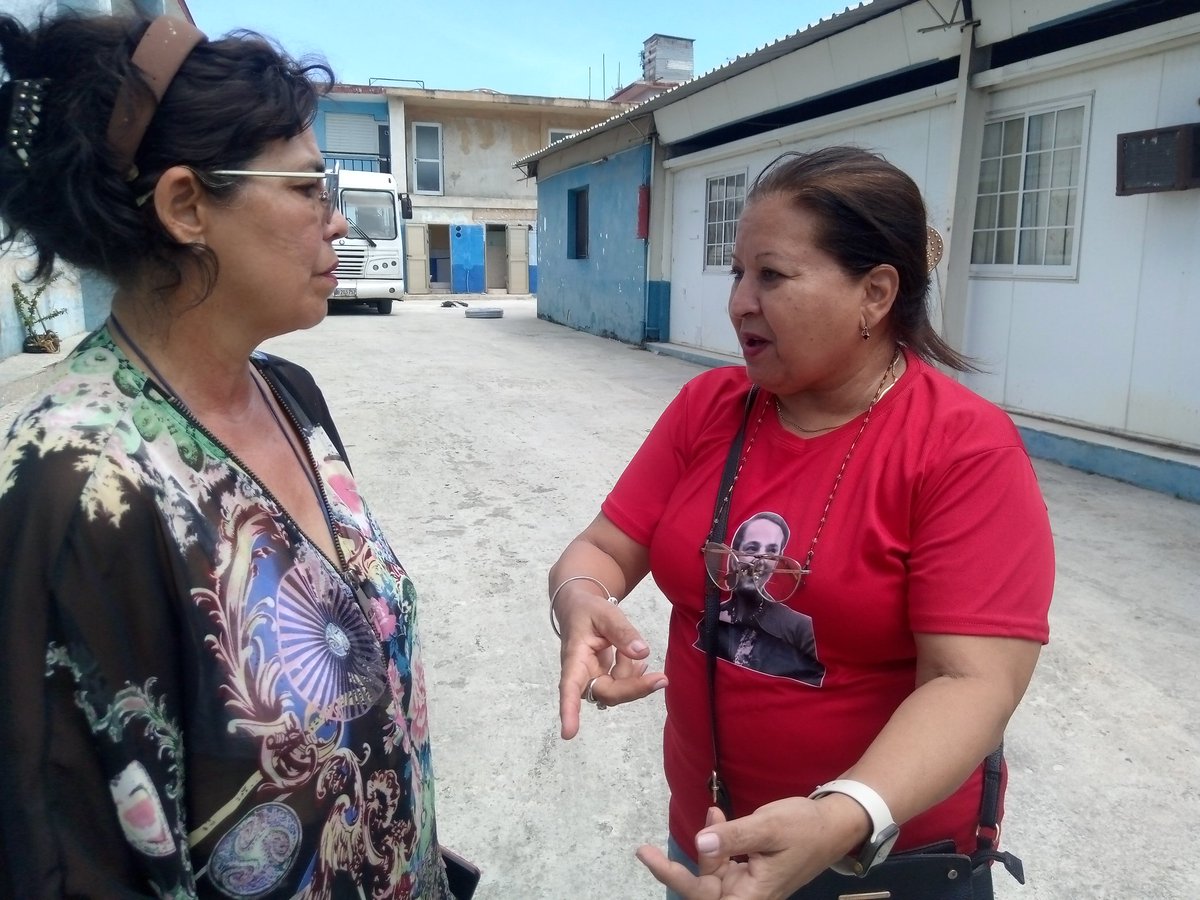
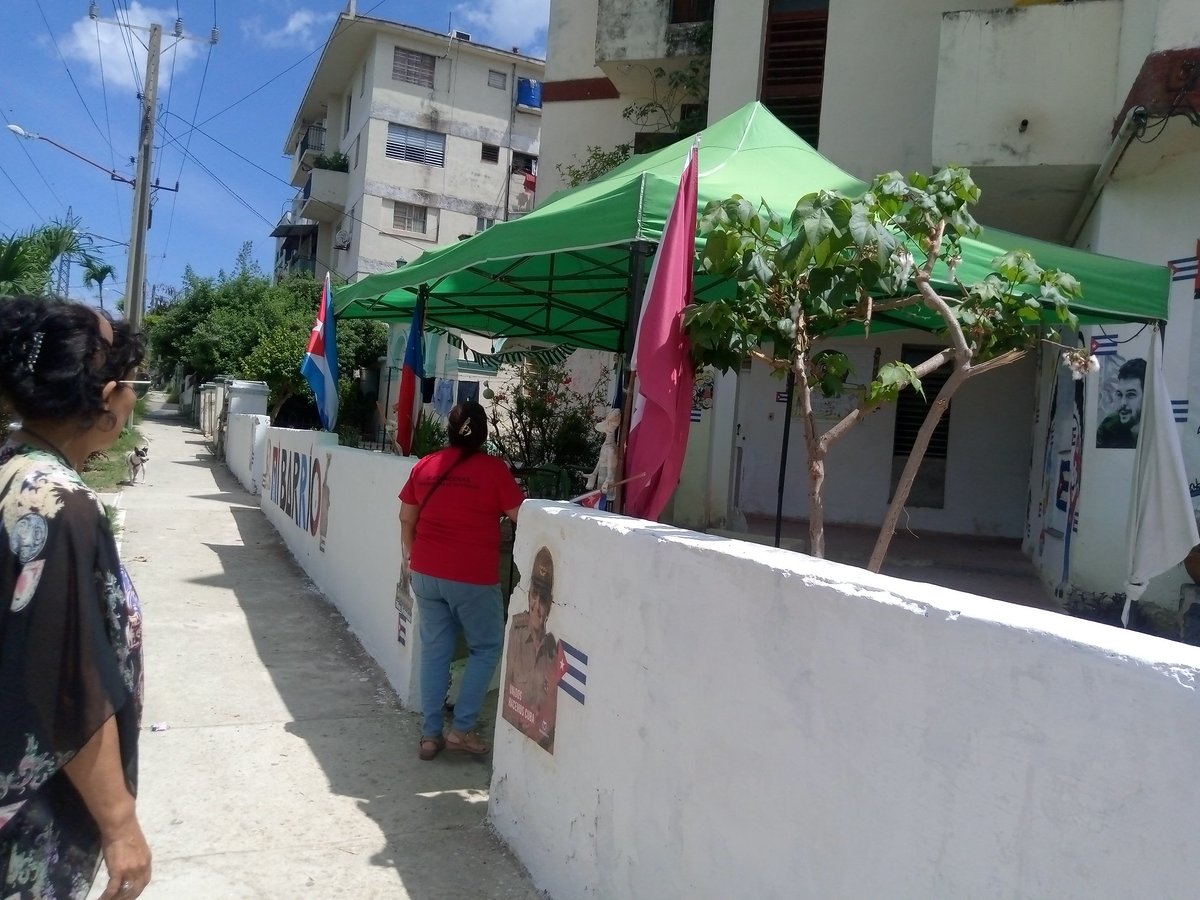
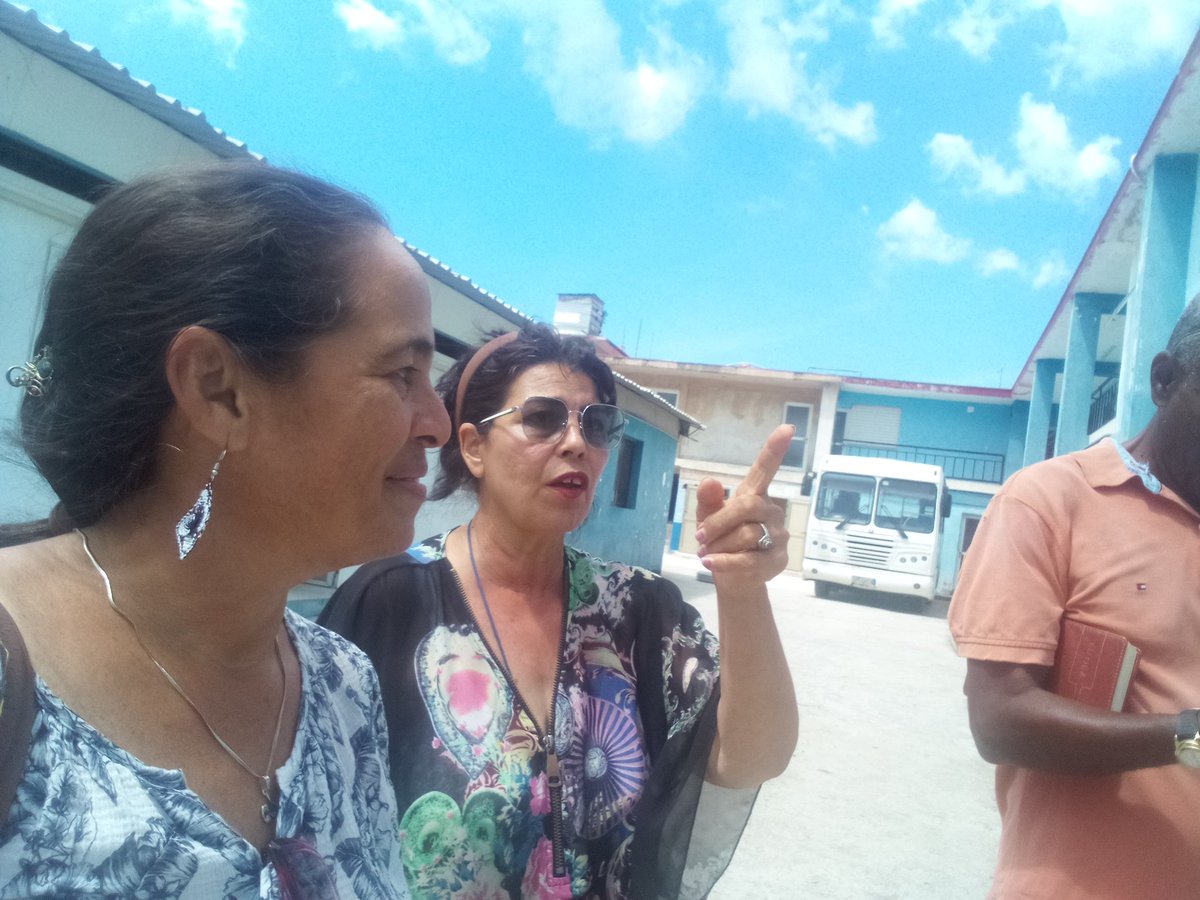
Intercambia @TeresaBoue con integrantes del CDZ de #Vedado en el municipio #PlazaDeLaRevolución, profundiza con Rosita la SG del bloque 83 y Rptte. ante el Csjo. Dfsa. sobre acciones diferenciadas d la organiz. femenina ante un contexto social complejo. #MujeresEnRevolución.

1
2
163
Manoj Agadi retweeted

Jun 10
The DFSA has introduced major Rulebook amendments effective 1 Jan 2027, strengthening governance, risk management, MIS requirements, credit risk standards, and oversight of climate & digitalization risks.
#DFSA #DIFC #RiskManagement #Compliance #Governance #FinancialServices
2
1
16



Jun 10
Honored to join the panel on Digital Assets and Market Engagement Innovation, hosted by Mr. Mark Steward (Chief Executive of DFSA) and Mr. Mohamed AlBlooshi (CEO of DIFC Innovation Hub).
Great discussions with leaders from BlackRock, JPMorgan, Standard Chartered, Ripple, Polygon, Avalanche and others on RWA tokenization, AI regulation, digital assets, and the future of finance.
At Bybit, we’re seeing strong interest in innovations that connect digital assets with real-world finance, from tokenized investment opportunities such as SpaceX IPO to AI-powered subaccounts. The technology is moving quickly, and regulatory frameworks will be key to scaling these innovations responsibly.
One thing is becoming increasingly clear: the next phase of the industry will be driven not just by trading, but by tokenization, regulation, AI, and real-world financial infrastructure.

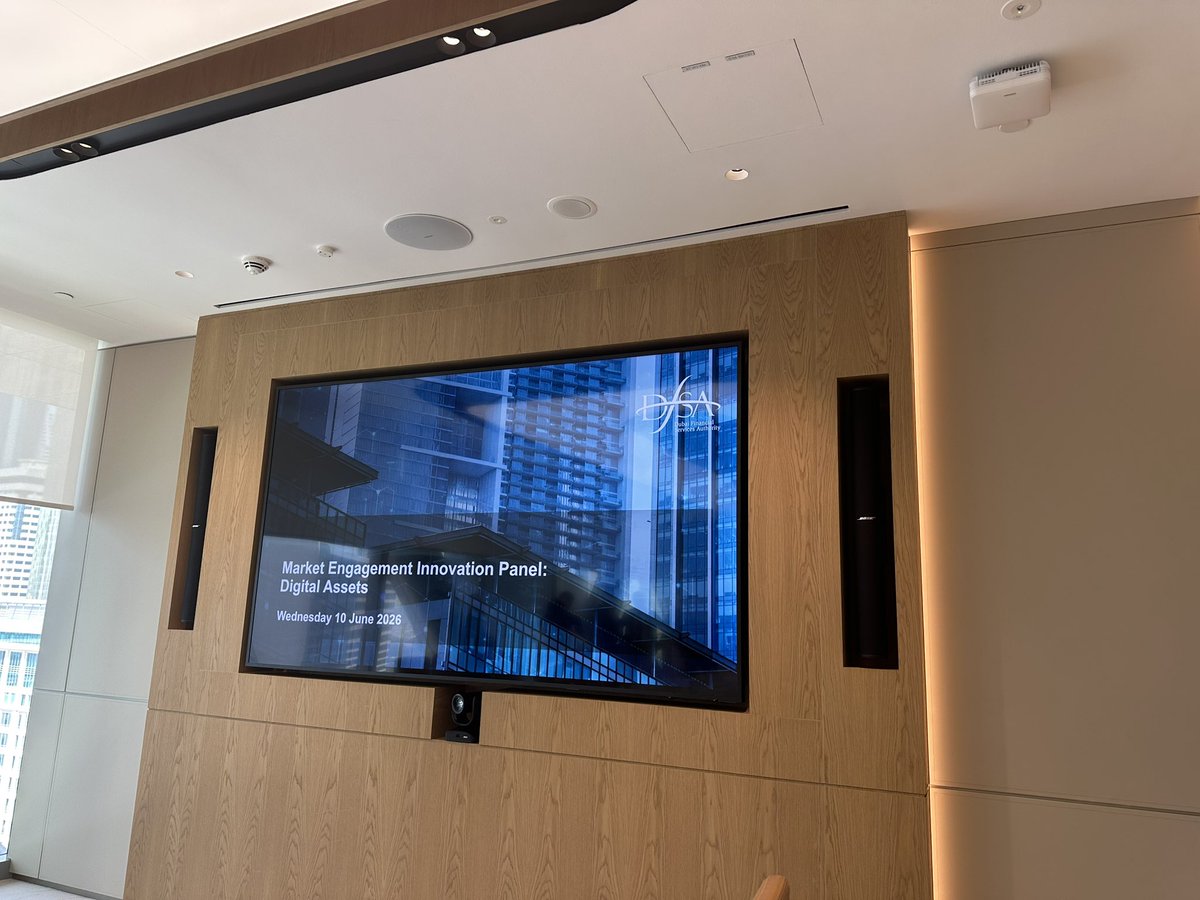

13
6
40
1,087
Pues dfsa similar al año pasado..........y se encajaron 54 g no lo entiendo muy bien la verdad
179

Jun 10
Action: Review advertising holistically and pressure‑test whether the net impression accurately reflects your permissions and risk profile.
#FinancialCompliance #DFSA #CMA #UAELaw #RegulatoryCompliance #LegalInsights #AdvertisingCompliance #SKLegal #FinancialRegulation

9
Jun 10
Financial Compliance 101:
Across both DFSA and CMA regimes, enforcement focuses on how an ordinary audience would understand the communication as a whole, rather than on isolated accurate statements.
1
4

Jun 10
#ADGM and #DIFC are not interchangeable. Both are financial free zones with their own regulators, courts, and common-law systems. But ADGM applies English law directly (FSRA). DIFC built its own framework (DFSA). A waiver in one means nothing in the other. signalmea.com
2
6

Jun 10
Stablecoins are often seen as simple digital dollars. Under VARA, they are much more than that. Stablecoins fall within a regulated category and require proper licensing, governance, and compliance measures before they can be offered in Dubai.
Projects must demonstrate how value is maintained, what assets back the token, and how users are protected. The focus is not only on stability but also on transparency, accountability, and trust. In the stablecoin space, confidence comes from clear structures and strong regulatory oversight, not just price consistency.
Follow for more insights.
#DubaiCryptoLawyer #CBUAE #UAECryptoLawyer #FSRA #DesmondTatsi #Dubai #UAE #CryptoLawyer #VARA #SCA #CryptoRegulations #DFSA #GlobalCryptoRegulations #TokenCompliance #Web3Law #VirtualAssets
13

Ruwais went offline and the DXB fuel depot burned. No sense pretending otherwise. Payment systems stayed up, DFSA issued relief, markets reopened. I go by the books, not the headlines.
18