
IMO the best devs are LLM agnostic. Learn the strengths and weakness of each. Figure out proper token utilization. Create great workflows with specific context of the domain. Can’t lose doing that.
Colin Gee retweeted

Our Sunday Classics feature is back today with three Christian Morgenstern poems in the public domain, translated from the original German by Addison Zeller @amhcrane87 mcrb.neocities.org/morgenste…
1
10
31
4,302

“And when Alexander saw the breadth of his domain, he wept, for there were no more worlds left to conquer.”
#Knicks #NBAChampions

31
339
2,567
34,552

54s
A good number of women are condescending, I find that they mostly don't know how to banter without trying to talk down on the other party. Especially when it comes to areas they like to talk about more, like feminism, patriarchy, and other subjects ...so far as they think they have domain knowledge in such areas they want to always feel right. And they try to say things like ...oh he is not using this thinking cap, or where he did leave his brain. Mostly too the convo is something that has to with people's perspectives too oo. I am gradually making this observation. Will see if the pattern exists in new friends or new acquaintances
1

Sai retweeted

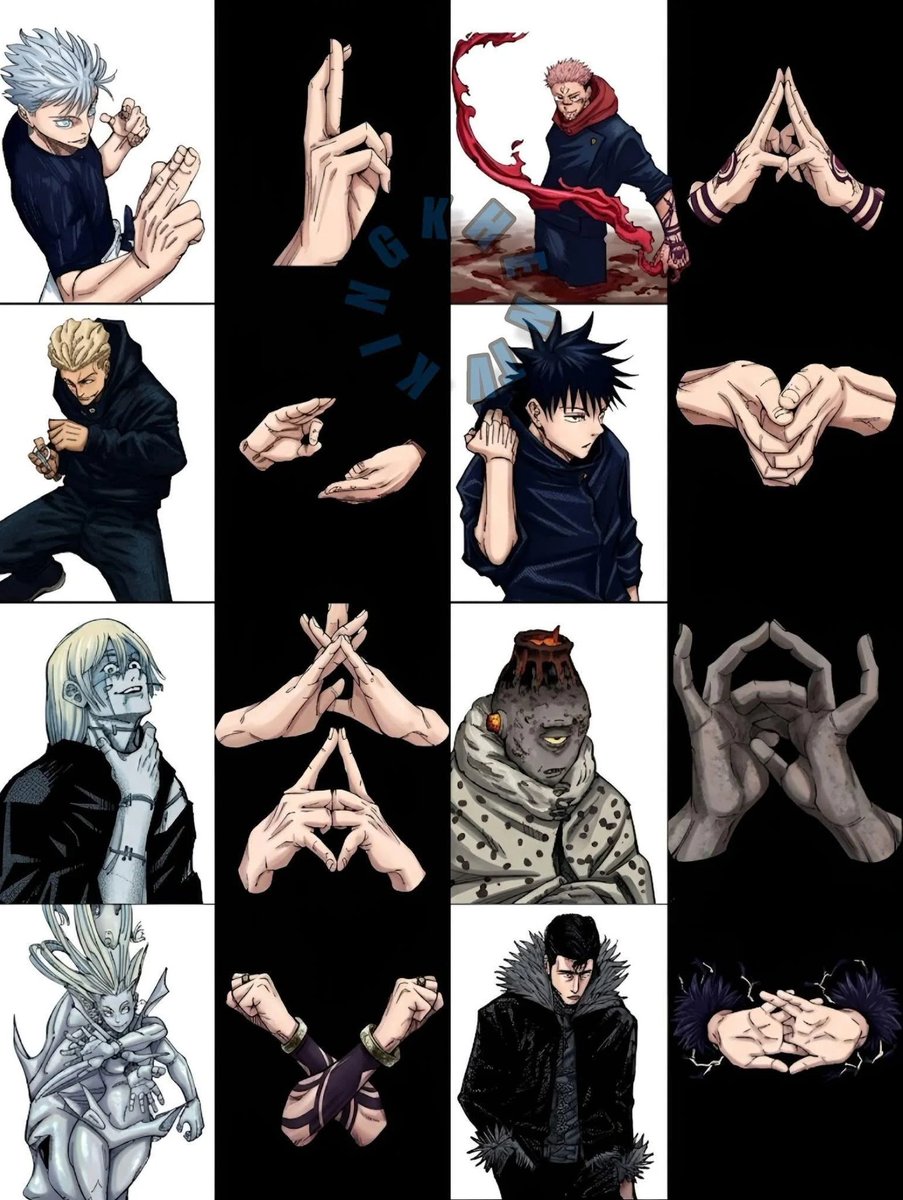
Mahito was so ass at jujutsu he had to use FOUR hands to open his domain lmao

Is there an explanation why everyone needs two hands to open a domain except for Gojo? 🤔
84
647
18,757
474,341

Your domain is your digital front door. 🚪✨
At MyDomains.ai, we curate premium, brandable domain names — from AI startups to fintech, healthtech, and beyond.
Why hunt through thousands of bad names when the right one is already here?
🔗 Explore: mydomains.ai/
📩 Email: ali@mydomains.ai
💬 WhatsApp Community: chat.whatsapp.com/H2ouAY7CxE… ✈️ Telegram: t.me/MyDomainsai
📷 Instagram: instagram.com/mydomains.ai/
🌳 Linktree: linktr.ee/mydomains.ai
Got a question? DM us anywhere — or reach Ali directly: 📱 WhatsApp: 962796332169
🔗 LinkedIn: linkedin.com/in/ali-kilani-a…
🐦 X: x.com/Alikilani
Drop a 🔥 in the comments if you've ever paid more for a domain than you expected.
#MyDomainsAI #PremiumDomains #DomainNames #StartupNames #Branding #AITools #SaaS #Entrepreneur #DigitalRealEstate
3

So maybe bathing him in the domain as to purify him and make him unify towards his Sila
Making him as Unified Sila, instead of Divergent Sila
Because he geniunely feels like a counter towards the ten shadows


The sure-hit effect of UV (the information stream) would not affect them since they have no CE, unlike humans in JJK's verse. They would still be trapped in the domain which would make it even harder to evade Gojo. So, no, the domain wouldn't win by itself, and that's fine.
2

your domain is a field of rational adjoined by pi, a field extension Q(pi) of Q.
1

There is a basic principle here. It is very difficult for AI to learn from human beings the things that human beings do not know that they know.
Read that sentence again.
No textbook, manual, algorithm, data, set, etc., successfully describes everything that a true domain expert knows. Domain experts often make decisions, create connections, and solve problems with insight that they would struggle to fully verbalize.
Text books and learning systems do not encode the knowledge itself, except on a superficial level. What they encode is a pathway which, when followed by a human being, leads to that human being acquiring knowledge and insight into the subject matter that is not reducible to the specifics of the text or learning system.
Anyone with deep domain expertise in an area, who interacts with an AI that has been “trained“ in that area, is likely to discover that the AI is a classic example of “book learning“ without “street smarts“ or real insight.
As more and more AI compute is dedicated to long-term direct observation of exactly how experts in an area operate, AI can probably learn the things that those human experts know, but do not know that they know in explicit terms. These are things that are sometimes called “intuition“ or “insight“.
Just as AI robotics can learn by observing how people move and how they physically do things, AI will have to shadow many experts in a discipline over a considerable length of time in order to learn what humans know that is not reducible to a text.
It can gradually happen. But an AI who has read and absorbed every text that exists on a topic is not the equal of a human domain expert yet.
1
2
(♛.) 𝓢ansa retweeted

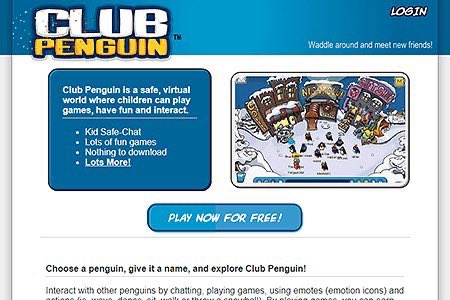
21 years ago today, the clubpenguin.com domain was registered. Just over two months later, Beta Testing was opened.
4
53
397
6,329

RT @LightchainAI: 📢 For dApp applications to be listed in the Lightchain dApp Hub, the requirements are:
✅ A TLD (top-level domain)
✅ An X…
21


"And when Alexander saw the breadth of his domain, he wept, for there were no more worlds left to conquer."
2

What makes an app an app? Is it the domain? Is it the source code? Is it the body of content you access, the account you hold. Seems ridiculous to try and name sites for the ban. Many creative ways to side step as people are always more clever than government.
431

PROD GOES CRAZY AFTER HITTING 5 SCATTERS ON HELLS DOMAIN... TURNING $150 INTO $430,000🥶🥶🥶
@ValkyrieXStudio 🔥
1
5

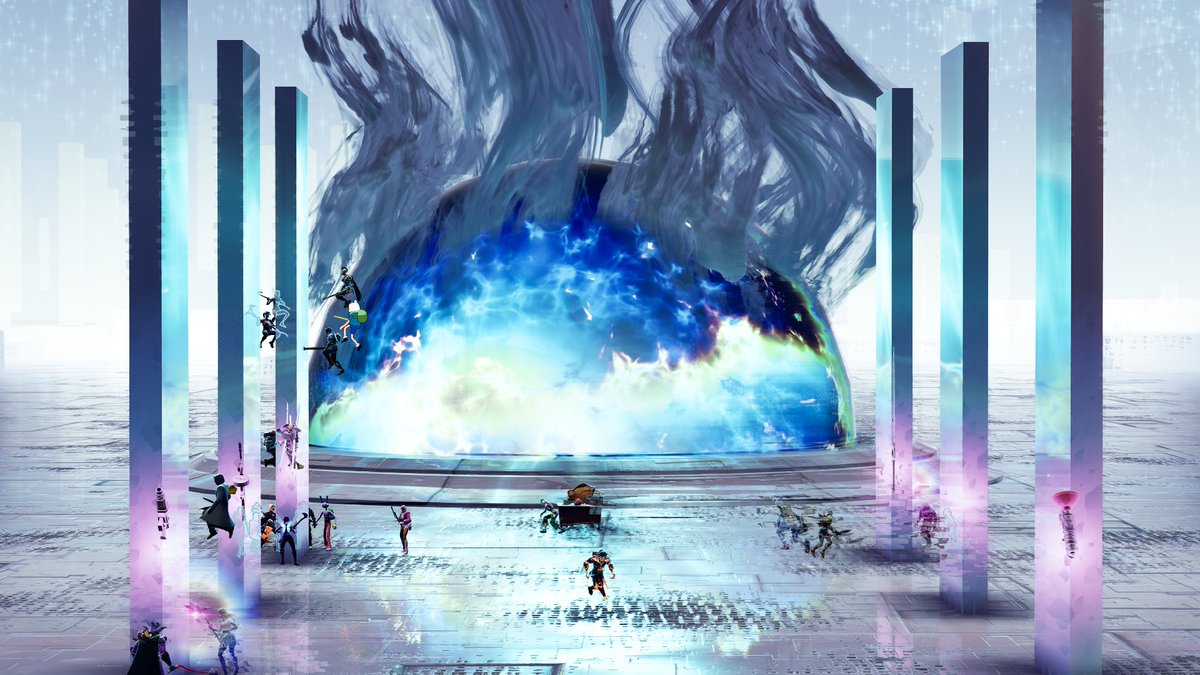
It's the same zero point as the one in reality 266. We are just in its domain called The Nexus. The central hub where the Zero points energy resides.
59m

FORTNITE OG'S STORYLINE NOW HAS TWO MAIN THEORIES ‼️📖
• OG is an alternate timeline, which could support the idea that multiple Zero Points exist, especially considering how one of the recent news tab story recaps was worded.
• OG is an unreality created by Geno, essentially a fabricated world designed to manipulate events and make them unfold according to his plans.
No matter which theory ends up being true, it's still way too early to confirm anything. We simply don't have enough information yet.
For now, all we can do is theorize.
#Fortnite #FortniteNews
9

Everything 😭.
Curse Rika >>> shikigami Rika.
Mahitos only wincon is his domain but it’s not a guaranteed he gets it off
1
1