McCrimmons retweeted

I visited this church after seeibg it in Dan Brown's #DaVinciCode movie a couple years before. Very amazing church tucked away in #London.
Jun 15

The Knights Templar built Temple Church to mirror Jerusalem itself.
Nearly 900 years later, it still stands in London.
Would you visit a place like this?
1
6
249

What if Leonardo da Vinci's Last Supper hides a second layer — not in symbols, but in angles?
This video lays out the Fontana–Lüth hypothesis: a testable, mechanical-geometric reading of the fresco. The method starts from one fact that isn't open to interpretation — the single vanishing point at Christ's right temple, marked by the nail hole Leonardo used to string the perspective, still visible after the 1999 Brambilla restoration.
From that fixed origin, the angles of the painting's main compositional vectors are measured, binned in 22.5° sectors (the step size of Renaissance cipher disks of the Fontana type), and mapped to Latin abbreviation signs from Cappelli's Lexicon Abbreviaturarum — then read in Leonardo's own mirror direction. The result is a short Latin sequence that runs parallel to the visible biblical drama.
I am not claiming proof. I am claiming this is falsifiable — and I would rather have it tested than admired. If nothing confirms, a hypothesis has been properly ruled out. If something does, a new chapter of Renaissance research begins.
Chapters:
00:00 — The hypothesis
00:00 — The physical anchor (the nail hole)
00:00 — Angle as data carrier
00:00 — The four-step mechanism
00:00 — The decryption matrix
00:00 — The honest objection & the path to validation
Data, tools & contact: voynichms408messenger.com
More research: youtube.com/@reneluth8000
Experts in Leonardo, paleography or Renaissance cryptography: tell me where it breaks. The dataset and coupling matrix are open for review.
#Leonardo #DaVinci #LastSupper #DaVinciCode #ArtHistory #RenaissanceMystery #Cryptography #VoynichManuscript #FontanaLuth #HiddenCode
11
What if Leonardo da Vinci's Last Supper hides a second layer — not in symbols, but in angles?
This video lays out the Fontana–Lüth hypothesis: a testable, mechanical-geometric reading of the fresco. The method starts from one fact that isn't open to interpretation — the single vanishing point at Christ's right temple, marked by the nail hole Leonardo used to string the perspective, still visible after the 1999 Brambilla restoration.
From that fixed origin, the angles of the painting's main compositional vectors are measured, binned in 22.5° sectors (the step size of Renaissance cipher disks of the Fontana type), and mapped to Latin abbreviation signs from Cappelli's Lexicon Abbreviaturarum — then read in Leonardo's own mirror direction. The result is a short Latin sequence that runs parallel to the visible biblical drama.
I am not claiming proof. I am claiming this is falsifiable — and I would rather have it tested than admired. If nothing confirms, a hypothesis has been properly ruled out. If something does, a new chapter of Renaissance research begins.
Chapters:
00:00 — The hypothesis
00:00 — The physical anchor (the nail hole)
00:00 — Angle as data carrier
00:00 — The four-step mechanism
00:00 — The decryption matrix
00:00 — The honest objection & the path to validation
Data, tools & contact: voynichms408messenger.com
More research: youtube.com/@reneluth8000
Experts in Leonardo, paleography or Renaissance cryptography: tell me where it breaks. The dataset and coupling matrix are open for review.
#Leonardo #DaVinci #LastSupper #DaVinciCode #ArtHistory #RenaissanceMystery #Cryptography #VoynichManuscript #FontanaLuth #HiddenCode
youtu.be/Vfj-CJt4naI?si=euse…
11


Jun 13
This is not because the idea is bad but more to do with their personal bias or commercial expertise.
Read more 👉 lttr.ai/ApLGc
#DisparateNotionsFused #WarringFamiliesFall #DaVinciCode
1
4

May 23
Absolutely brilliant. Loved it. 👏 @RealRonHoward @SonyPictures @HansZimmer
#PhysicalMedia #DaVinciCode @UltraHDBluray @tomhanks
May 20

The Da Vinci Code 4K UltraHD Blu-Ray 20th Anniversary Steelbook Unboxing
youtu.be/4YSKRmYejMg
🇬🇧 UK - Mon 18 May 26
🇺🇸 US - Tue 19 May 26
Dan Brown’s international bestseller comes alive in the fi lm THE DAVINCI CODE, directed by Ron Howard with a screenplay by Akiva Goldsman. Join symbologist Robert Langdon (Tom Hanks) and cryptologist Sophie Neveu (Audrey Tautou) in their heart-racing quest to solve a bizarre murder mystery that will take them from France to England — and behind the veil of a mysterious ancient society, where they discover a secret protected since the time of Christ.
@UltraHDBluray @SonyPictures @SonyPicturesUK @tomhanks @HansZimmer @RealRonHoward #DaVinciCode #DanBrown #PhysicalMedia @OnlySteelBook #Anniversary #RonHoward #AudreyTatou #JeanReno @IanMcKellen
1
1
4
1,939
May 23
That awesome music from @HansZimmer is starting to kick in. 😍
Just got to say it. Music really does make movies.
#PhysicalMedia #4k #UltraHD #UHD #DaVinciCode @SonyPictures @UltraHDBluray
May 20
The Da Vinci Code 4K UltraHD Blu-Ray 20th Anniversary Steelbook Unboxing
youtu.be/4YSKRmYejMg
🇬🇧 UK - Mon 18 May 26
🇺🇸 US - Tue 19 May 26
Dan Brown’s international bestseller comes alive in the fi lm THE DAVINCI CODE, directed by Ron Howard with a screenplay by Akiva Goldsman. Join symbologist Robert Langdon (Tom Hanks) and cryptologist Sophie Neveu (Audrey Tautou) in their heart-racing quest to solve a bizarre murder mystery that will take them from France to England — and behind the veil of a mysterious ancient society, where they discover a secret protected since the time of Christ.
@UltraHDBluray @SonyPictures @SonyPicturesUK @tomhanks @HansZimmer @RealRonHoward #DaVinciCode #DanBrown #PhysicalMedia @OnlySteelBook #Anniversary #RonHoward #AudreyTatou #JeanReno @IanMcKellen
4
737
May 23
May 20
The Da Vinci Code 4K UltraHD Blu-Ray 20th Anniversary Steelbook Unboxing
youtu.be/4YSKRmYejMg
🇬🇧 UK - Mon 18 May 26
🇺🇸 US - Tue 19 May 26
Dan Brown’s international bestseller comes alive in the fi lm THE DAVINCI CODE, directed by Ron Howard with a screenplay by Akiva Goldsman. Join symbologist Robert Langdon (Tom Hanks) and cryptologist Sophie Neveu (Audrey Tautou) in their heart-racing quest to solve a bizarre murder mystery that will take them from France to England — and behind the veil of a mysterious ancient society, where they discover a secret protected since the time of Christ.
@UltraHDBluray @SonyPictures @SonyPicturesUK @tomhanks @HansZimmer @RealRonHoward #DaVinciCode #DanBrown #PhysicalMedia @OnlySteelBook #Anniversary #RonHoward #AudreyTatou #JeanReno @IanMcKellen
6
1,451
May 23
“I could, run them over”
“The French. Cannot be trusted”
#DaVinciCode #PhysicalMedia #4K
#UltraHD @UltraHDBluray
May 20
The Da Vinci Code 4K UltraHD Blu-Ray 20th Anniversary Steelbook Unboxing
youtu.be/4YSKRmYejMg
🇬🇧 UK - Mon 18 May 26
🇺🇸 US - Tue 19 May 26
Dan Brown’s international bestseller comes alive in the fi lm THE DAVINCI CODE, directed by Ron Howard with a screenplay by Akiva Goldsman. Join symbologist Robert Langdon (Tom Hanks) and cryptologist Sophie Neveu (Audrey Tautou) in their heart-racing quest to solve a bizarre murder mystery that will take them from France to England — and behind the veil of a mysterious ancient society, where they discover a secret protected since the time of Christ.
@UltraHDBluray @SonyPictures @SonyPicturesUK @tomhanks @HansZimmer @RealRonHoward #DaVinciCode #DanBrown #PhysicalMedia @OnlySteelBook #Anniversary #RonHoward #AudreyTatou #JeanReno @IanMcKellen
5
814
May 23
There’s more better qualified people out them than me. Was The Da Vinci Code released with the original burnt in subtitles ???
#DaVinciCode
May 20
The Da Vinci Code 4K UltraHD Blu-Ray 20th Anniversary Steelbook Unboxing
youtu.be/4YSKRmYejMg
🇬🇧 UK - Mon 18 May 26
🇺🇸 US - Tue 19 May 26
Dan Brown’s international bestseller comes alive in the fi lm THE DAVINCI CODE, directed by Ron Howard with a screenplay by Akiva Goldsman. Join symbologist Robert Langdon (Tom Hanks) and cryptologist Sophie Neveu (Audrey Tautou) in their heart-racing quest to solve a bizarre murder mystery that will take them from France to England — and behind the veil of a mysterious ancient society, where they discover a secret protected since the time of Christ.
@UltraHDBluray @SonyPictures @SonyPicturesUK @tomhanks @HansZimmer @RealRonHoward #DaVinciCode #DanBrown #PhysicalMedia @OnlySteelBook #Anniversary #RonHoward #AudreyTatou #JeanReno @IanMcKellen
1
2
1,879
May 23
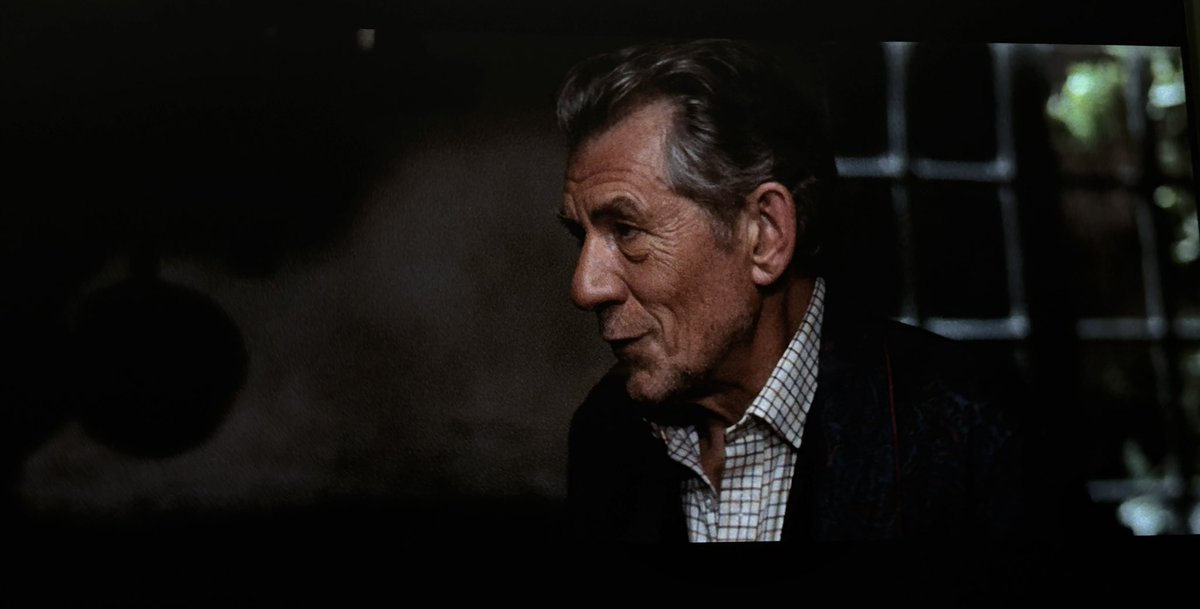
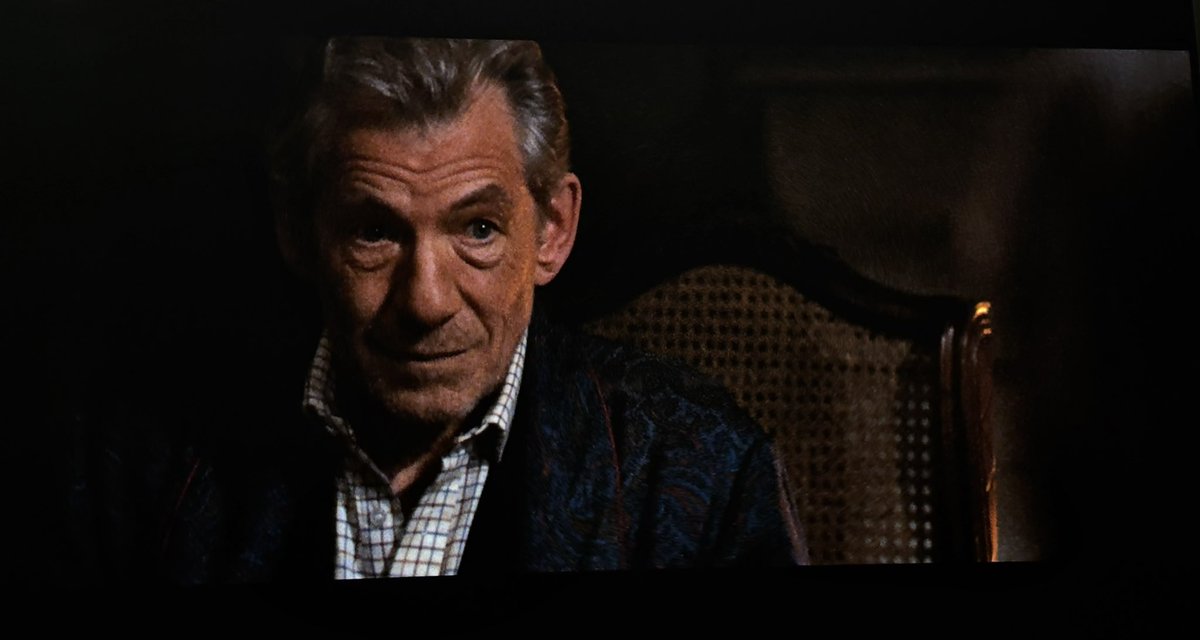
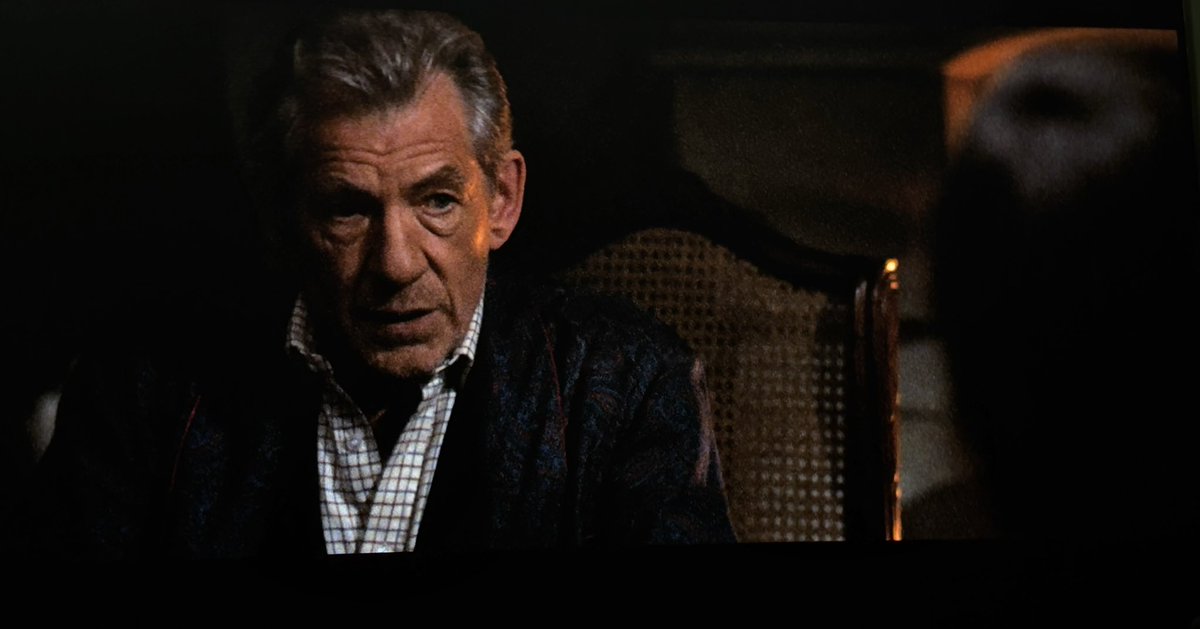
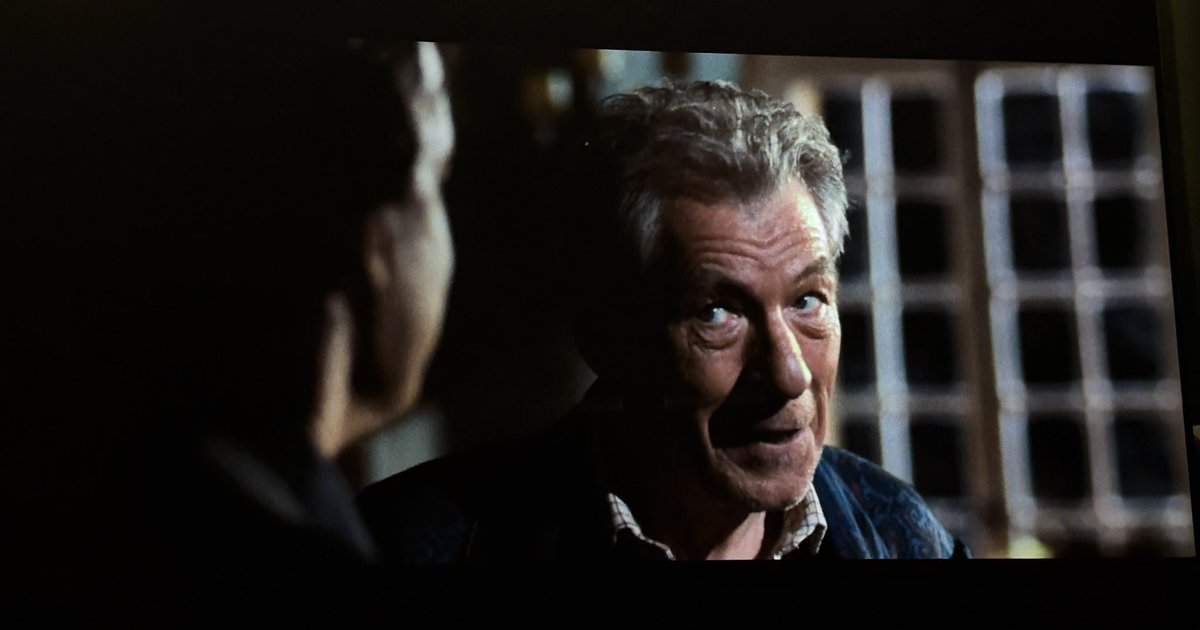
May 20
The Da Vinci Code 4K UltraHD Blu-Ray 20th Anniversary Steelbook Unboxing
youtu.be/4YSKRmYejMg
🇬🇧 UK - Mon 18 May 26
🇺🇸 US - Tue 19 May 26
Dan Brown’s international bestseller comes alive in the fi lm THE DAVINCI CODE, directed by Ron Howard with a screenplay by Akiva Goldsman. Join symbologist Robert Langdon (Tom Hanks) and cryptologist Sophie Neveu (Audrey Tautou) in their heart-racing quest to solve a bizarre murder mystery that will take them from France to England — and behind the veil of a mysterious ancient society, where they discover a secret protected since the time of Christ.
@UltraHDBluray @SonyPictures @SonyPicturesUK @tomhanks @HansZimmer @RealRonHoward #DaVinciCode #DanBrown #PhysicalMedia @OnlySteelBook #Anniversary #RonHoward #AudreyTatou #JeanReno @IanMcKellen
1
4
754
May 23
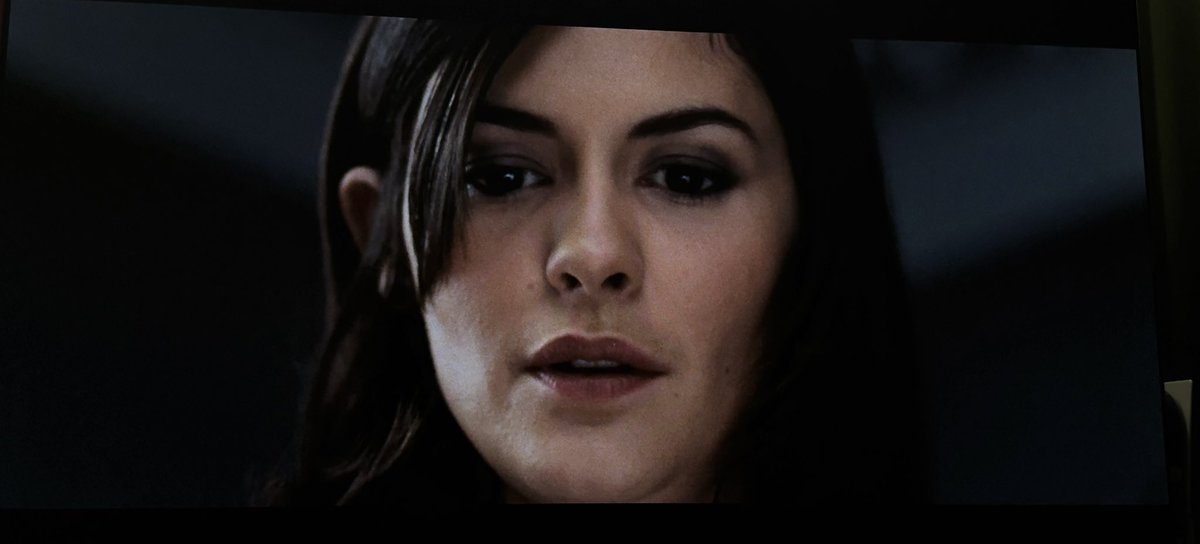
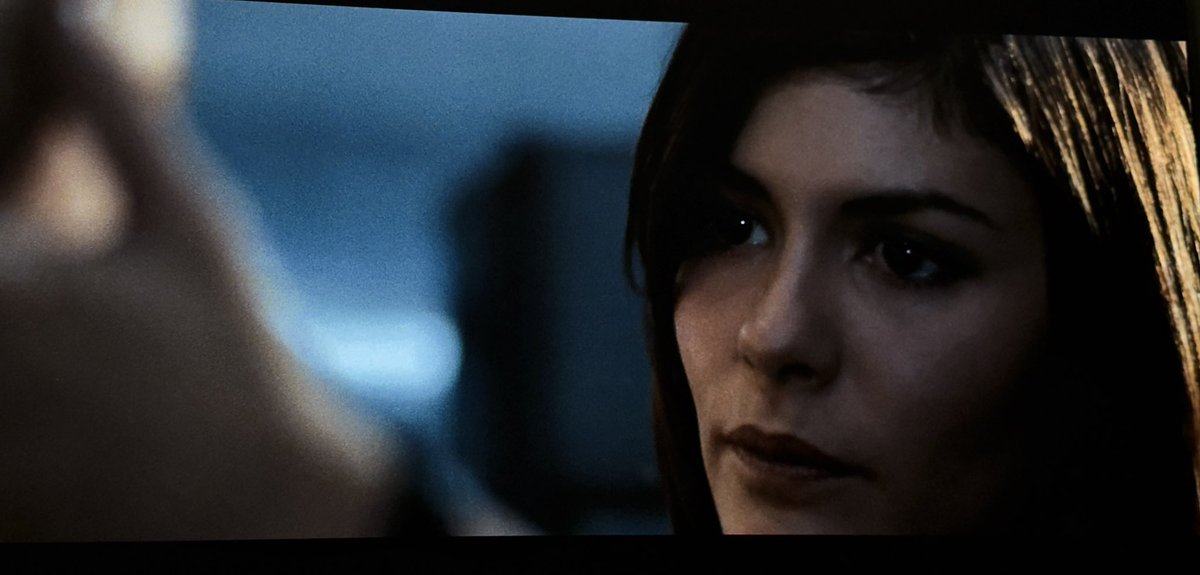
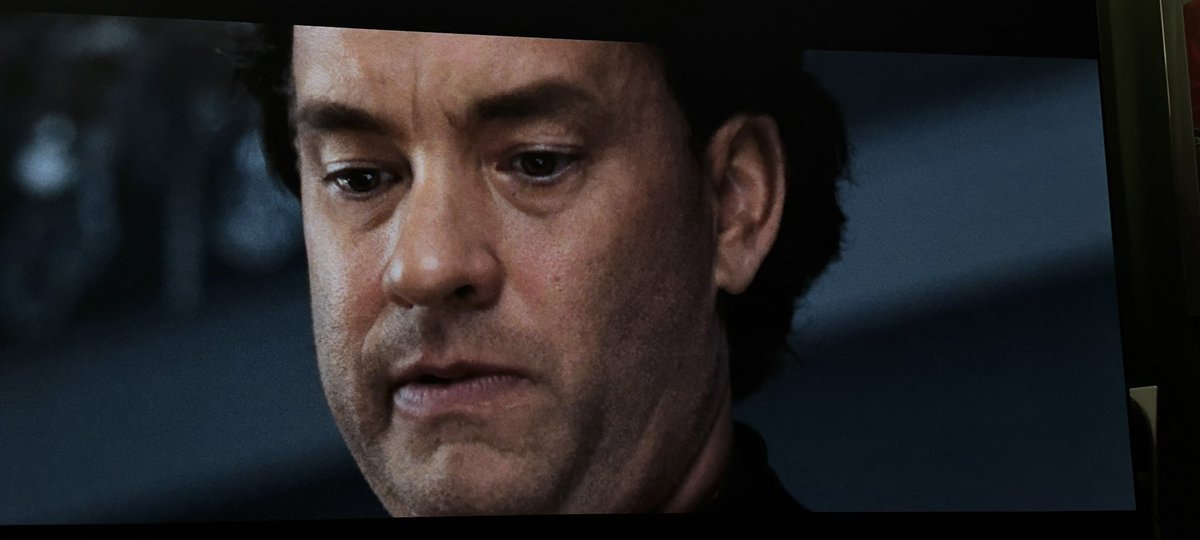
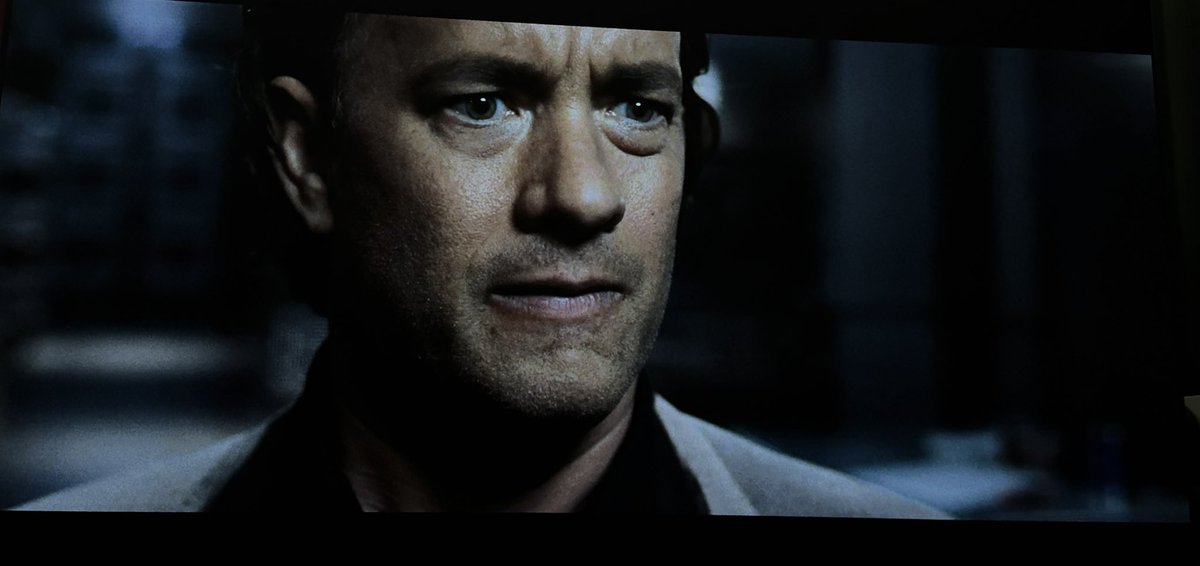
May 20
The Da Vinci Code 4K UltraHD Blu-Ray 20th Anniversary Steelbook Unboxing
youtu.be/4YSKRmYejMg
🇬🇧 UK - Mon 18 May 26
🇺🇸 US - Tue 19 May 26
Dan Brown’s international bestseller comes alive in the fi lm THE DAVINCI CODE, directed by Ron Howard with a screenplay by Akiva Goldsman. Join symbologist Robert Langdon (Tom Hanks) and cryptologist Sophie Neveu (Audrey Tautou) in their heart-racing quest to solve a bizarre murder mystery that will take them from France to England — and behind the veil of a mysterious ancient society, where they discover a secret protected since the time of Christ.
@UltraHDBluray @SonyPictures @SonyPicturesUK @tomhanks @HansZimmer @RealRonHoward #DaVinciCode #DanBrown #PhysicalMedia @OnlySteelBook #Anniversary #RonHoward #AudreyTatou #JeanReno @IanMcKellen
5
733
May 23
Looking good Sony 👍🏻. And at the end of this clip very nice use of Dolby Atmos.
#PhysicalMedia #4K #DaVinciCode #Atmos
May 20
The Da Vinci Code 4K UltraHD Blu-Ray 20th Anniversary Steelbook Unboxing
youtu.be/4YSKRmYejMg
🇬🇧 UK - Mon 18 May 26
🇺🇸 US - Tue 19 May 26
Dan Brown’s international bestseller comes alive in the fi lm THE DAVINCI CODE, directed by Ron Howard with a screenplay by Akiva Goldsman. Join symbologist Robert Langdon (Tom Hanks) and cryptologist Sophie Neveu (Audrey Tautou) in their heart-racing quest to solve a bizarre murder mystery that will take them from France to England — and behind the veil of a mysterious ancient society, where they discover a secret protected since the time of Christ.
@UltraHDBluray @SonyPictures @SonyPicturesUK @tomhanks @HansZimmer @RealRonHoward #DaVinciCode #DanBrown #PhysicalMedia @OnlySteelBook #Anniversary #RonHoward #AudreyTatou #JeanReno @IanMcKellen
12
1,530


May 22
The mystery of Rennes-le-Château would later inspire conspiracies, secret societies, and The Da Vinci Code.
#AncientMystery #HiddenHistory #DaVinciCode #Conspiracy #Archaeology
Read more:ancient-origins.net/comment/…
1,298
May 20
The Da Vinci Code 4K UltraHD Blu-Ray 20th Anniversary Steelbook Unboxing
youtu.be/4YSKRmYejMg
🇬🇧 UK - Mon 18 May 26
🇺🇸 US - Tue 19 May 26
Dan Brown’s international bestseller comes alive in the fi lm THE DAVINCI CODE, directed by Ron Howard with a screenplay by Akiva Goldsman. Join symbologist Robert Langdon (Tom Hanks) and cryptologist Sophie Neveu (Audrey Tautou) in their heart-racing quest to solve a bizarre murder mystery that will take them from France to England — and behind the veil of a mysterious ancient society, where they discover a secret protected since the time of Christ.
@UltraHDBluray @SonyPictures @SonyPicturesUK @tomhanks @HansZimmer @RealRonHoward #DaVinciCode #DanBrown #PhysicalMedia @OnlySteelBook #Anniversary #RonHoward #AudreyTatou #JeanReno @IanMcKellen
1
3
10
31,259

May 20
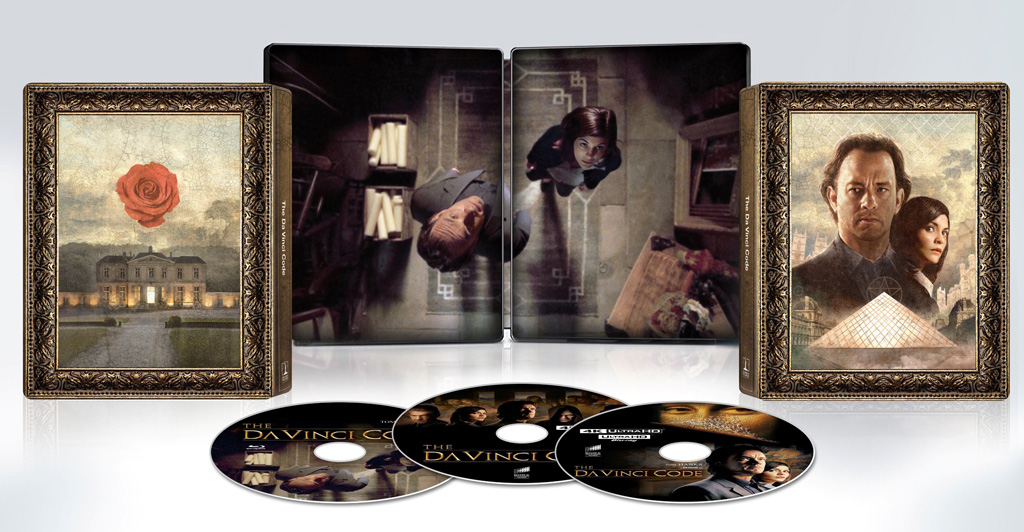
Pour rappel, le steelbook 20e anniversaire du film 𝐃𝐚 𝐕𝐢𝐧𝐜𝐢 𝐂𝐨𝐝𝐞 en blu-ray 4K version longue sort aujourd'hui
Amazon 30€ = edcol.fr/lhLf
Leclerc 30€ = edcol.fr/XILz
Fnac 35€ = edcol.fr/gy60
Cultura = rupture
d'info sur le blog = edcol.fr/BROw
#DaVinciCode #bluray4K #steelbook (liens affiliés)
3
777

May 19
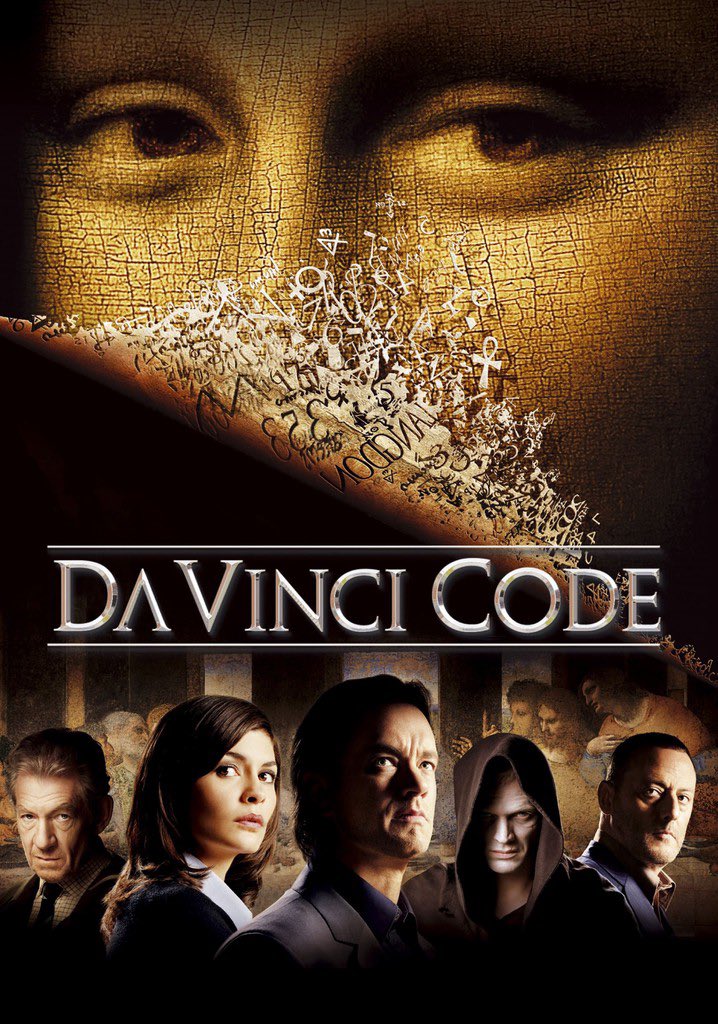
Il y a deux décennies, le toujours très bon Ron Howard adaptait le best seller #DaVinciCode. Casting international étoilé, tournage en décors presque naturels, énigme sur pellicule pour un blockbuster ultra attendu. À l’arrivée, un film sympa sans plus. Deux aventures suivront.
1
8
202

May 18
3
1
2
16