
9 Aug 2023
Effective data handling is essential for successful data science projects. Master these skills to extract meaningful insights and make informed decisions. bit.ly/3Dem7f0
#DataManipulation #DataAnalysis #DataScienceGuide
2
17

5 Feb 2023
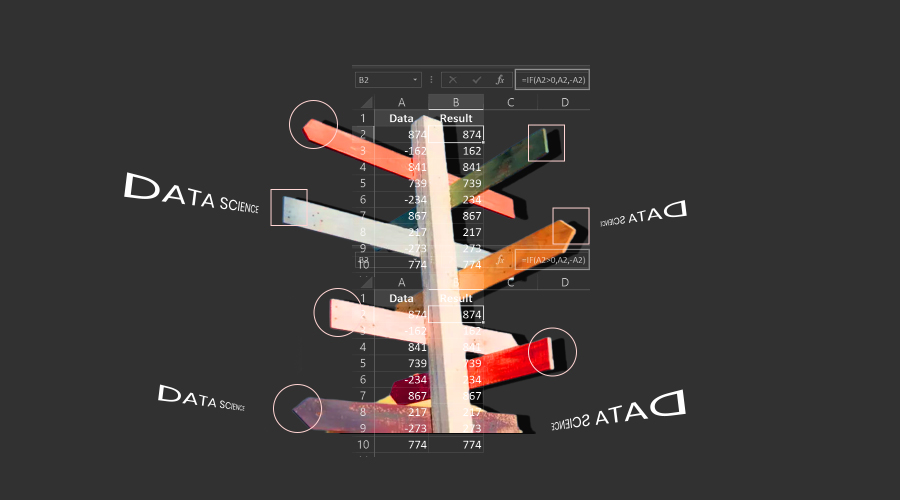
A detailed guide to data science in 2023
bit.ly/3wQJk3Z
#AGuideToDataScience #DataScienceIn2023 #DataScienceGuide #DataScience #Data
2
225

14 Oct 2022
This thread is saved to your Notion database.
Tags: [Datascienceguide]

6 May 2022
What Is Data Science? A Beginner’s Guide To Data Science by Mukesh Kumar: apsense.com/article/what-is-…
#whatisdatascience #datascienceguide #datascience
2
2

13 Mar 2020
Data scientists across the world are currently modelling the spread of coronavirus to make predictions. It’s important that we can all understand these findings and where they came from, use our #DataScienceGuide to get you started. Bit.ly/datascienceguide Bit.ly/datascienceguide
3
4
24 Feb 2020
We wrote our #DataScienceGuide as a toolkit for everyone to use to start those conversations bit.ly/datascienceguide
3
11 Feb 2020
We’re headed to Seattle this week to launch our #DataScienceGuide in the US. We’ll be discussing the question – How can we trust data science? To attend RSVP on Eventbrite. eventbrite.co.uk/e/lunchtime…
1
3
3
30 Jan 2020
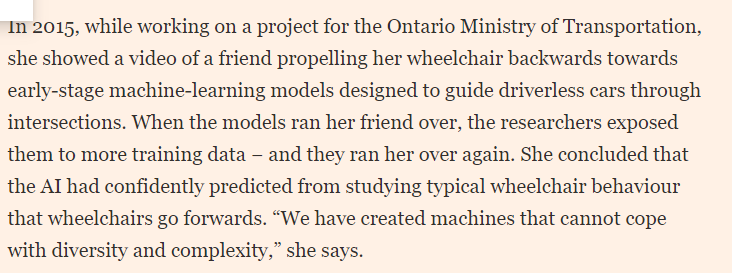
As discussed in our #DataScienceGuide this article highlights that before AI is used to make decisions it must have undergone real world testing. The fact that algorithms learn from historical data means that unexpected variables are hard to account for ft.com/content/f5bd21da-33b8…
1
3
2
28 Jan 2020
As AI is discussed throughout public life, in hospitals, prisons, and parliamentary offices, it’s important that we can all ask searching questions of data science. Our #DataScienceguide gives you the tools you need. bit.ly/datascienceguide
2
4
23 Jan 2020
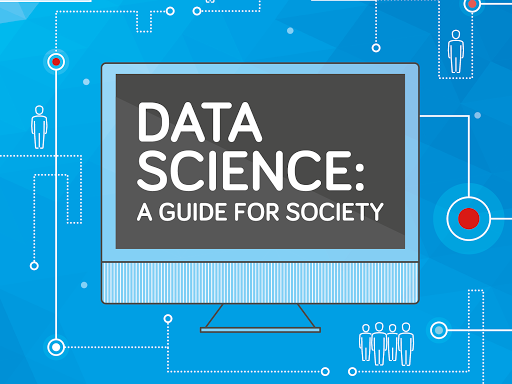
We see news every day about new uses of algorithms in public life, but are we all equipped to scrutinise their use in decision making? Our #DataScienceGuide breaks down how you can ask searching questions of AI and data science bit.ly/datascienceguide
3
5
10 Jan 2020
In 2020 data science is going to be a topic on everyone lips – this video from the launch of our #DataScienceGuide explains why we wrote the guide, and why we think you should read it. bit.ly/datascienceguide
youtube.com/watch?v=bWWsVU3R…
2
3
7 Jan 2020
Our #DataScienceGuide is a guide which helps the public understand ask searching questions of AI and data science, regardless of experience of algorithms or machine learning. A useful starting point for anyone looking to explain their use of data science: bit.ly/datascienceguide
1
4
27 Dec 2019
Machine learning models can only ever be based on historical data so their use in hiring processes should raise alarm bells. They are likely to simply perpetuate existing biases as discussed in our #DataScienceGuide bit.ly/datascienceguide… bit.ly/datascienceguide
5
5
27 Nov 2019
Society – decision makers, the public, journalists – need to be in a position to judge the quality of data science claims. Our #DataScienceGuide aims to start a public conversation. bit.ly/datascienceguide
5
9
21 Oct 2019
Our #DataScienceGuide gives accessible explanations of how algorithms work, and how we can ask searching questions to expose biases and misinterpretations. bit.ly/datascienceguide
2
1
18 Oct 2019
It is easy to assume that algorithms are free from human biases, but in fact they can often reinforce them. Read our #DataScienceGuide for the tools to join the discussion… newstatesman.com/science-tec…
1
21
29
17 Oct 2019
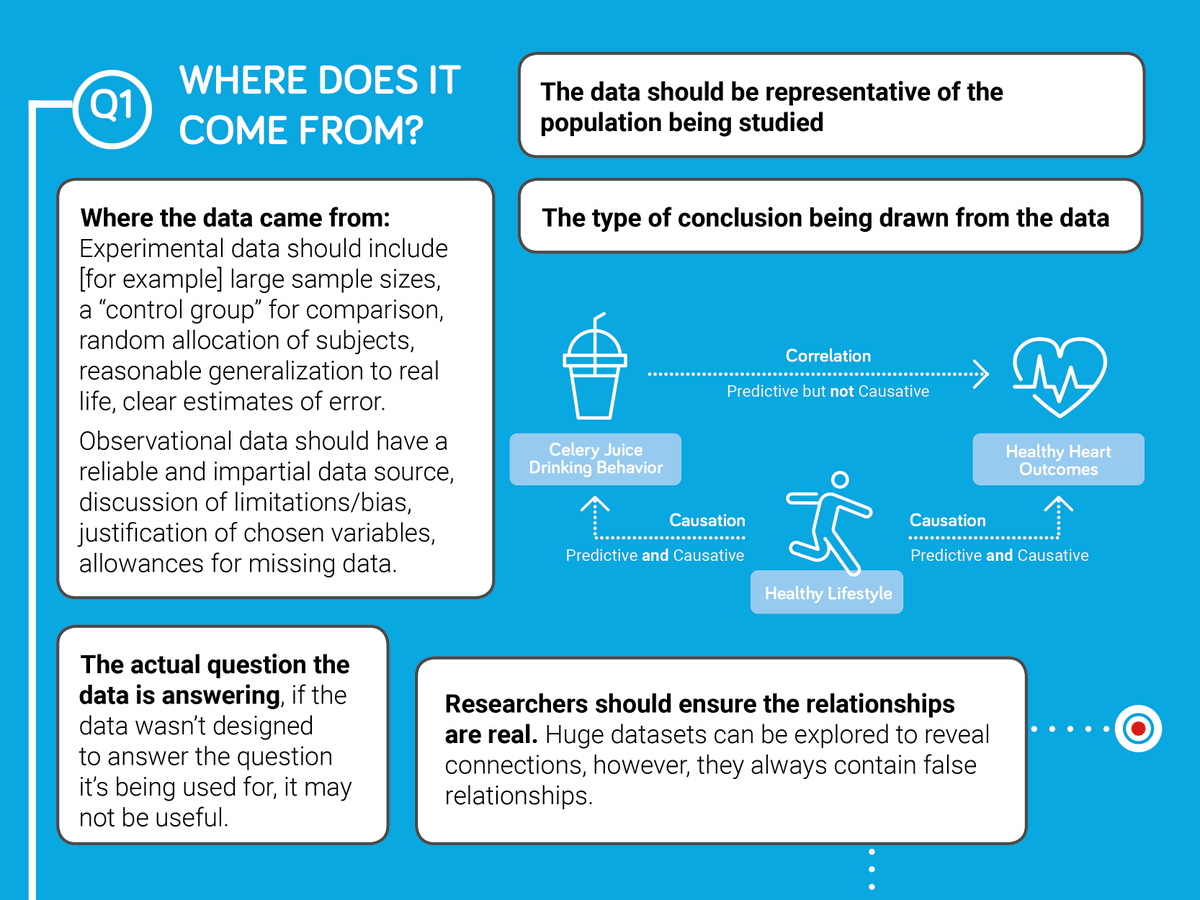
The #DataScienceGuide can help anyone interrogate claims like these - download it here: bit.ly/datascienceguide
3
17 Oct 2019
Our research & policy coordinator is going to TICTeC Local, a conference on the use of Civic Tech in communities/ local government, to show attendees our #DataScienceGuide. Sign up to the conference at: bit.ly/35qNAbk , and read the guide at: bit.ly/2pj3tjH
2
14 Oct 2019
Our #DataScienceGuide can help the public judge whether data science derived evidence can bear the weight being put on it. bit.ly/DataScienceGuide
2

9 Oct 2019
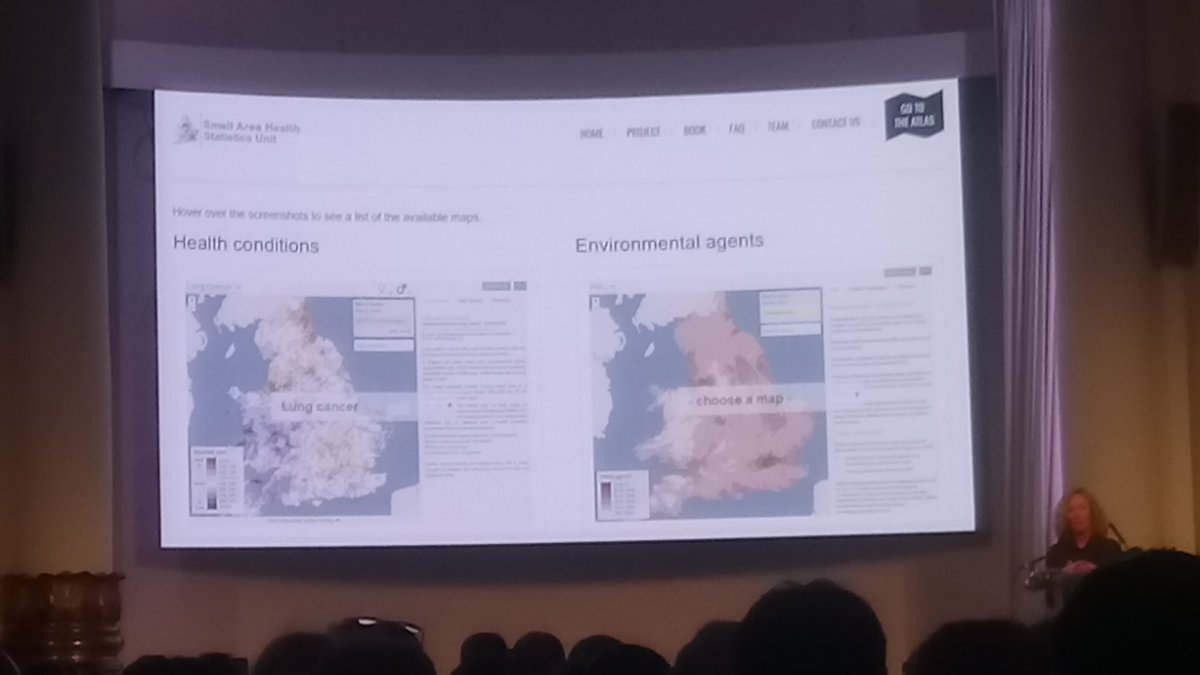
Inspiring talk by Tracey Brown from @senseaboutsci on why evidence matters, critical questioning, their #DataScienceGuide for society and public engagement tools.
8 Oct 2019

Last week we launched the #DataScienceGuide, which will equip people with the tools they need to scrutinise data science derived evidence. Read the guide at bit.ly/datascienceguide youtu.be/bWWsVU3RFGY
1
3