
𝗔𝗜 𝗢𝗿𝗮𝗰𝗹𝗲𝘀: 𝗧𝗵𝗲 𝗡𝗲𝘅𝘁 𝗟𝗮𝘆𝗲𝗿 𝗼𝗳 𝗕𝗹𝗼𝗰𝗸𝗰𝗵𝗮𝗶𝗻 𝗜𝗻𝗳𝗿𝗮𝘀𝘁𝗿𝘂𝗰𝘁𝘂𝗿𝗲
Modern blockchains do not run on smart contracts alone.
They run on data integrity.
Every DeFi protocol, lending market, derivatives platform, stablecoin system, and prediction engine depends on one invisible layer constantly operating beneath the surface:
Oracle infrastructure.
But as decentralized ecosystems scale globally, traditional oracle logic faces a growing challenge:
Static systems struggle in dynamic environments.
WHY STATIC ORACLE LOGIC EVENTUALLY HITS LIMITS
Traditional oracles are designed to fetch, verify, and relay external data using predefined rules.
That works efficiently under normal conditions.
But real-world markets are not static.
They are:
▪️ Highly volatile
▪️ Behaviorally unpredictable
▪️ Increasingly fragmented
▪️ Vulnerable to manipulation attempts
▪️ Influenced by rapid liquidity migration
At scale, fixed validation rules alone may not detect deeper contextual abnormalities fast enough.
Because sometimes the critical question is not:
“What is the latest price?”
But rather:
“Should this data be trusted right now?”
Where AI Changes Oracle Efficiency
AI introduces adaptive intelligence into oracle infrastructure.
Not as a replacement for decentralized verification —
but as an augmentation layer capable of improving contextual awareness in real time.
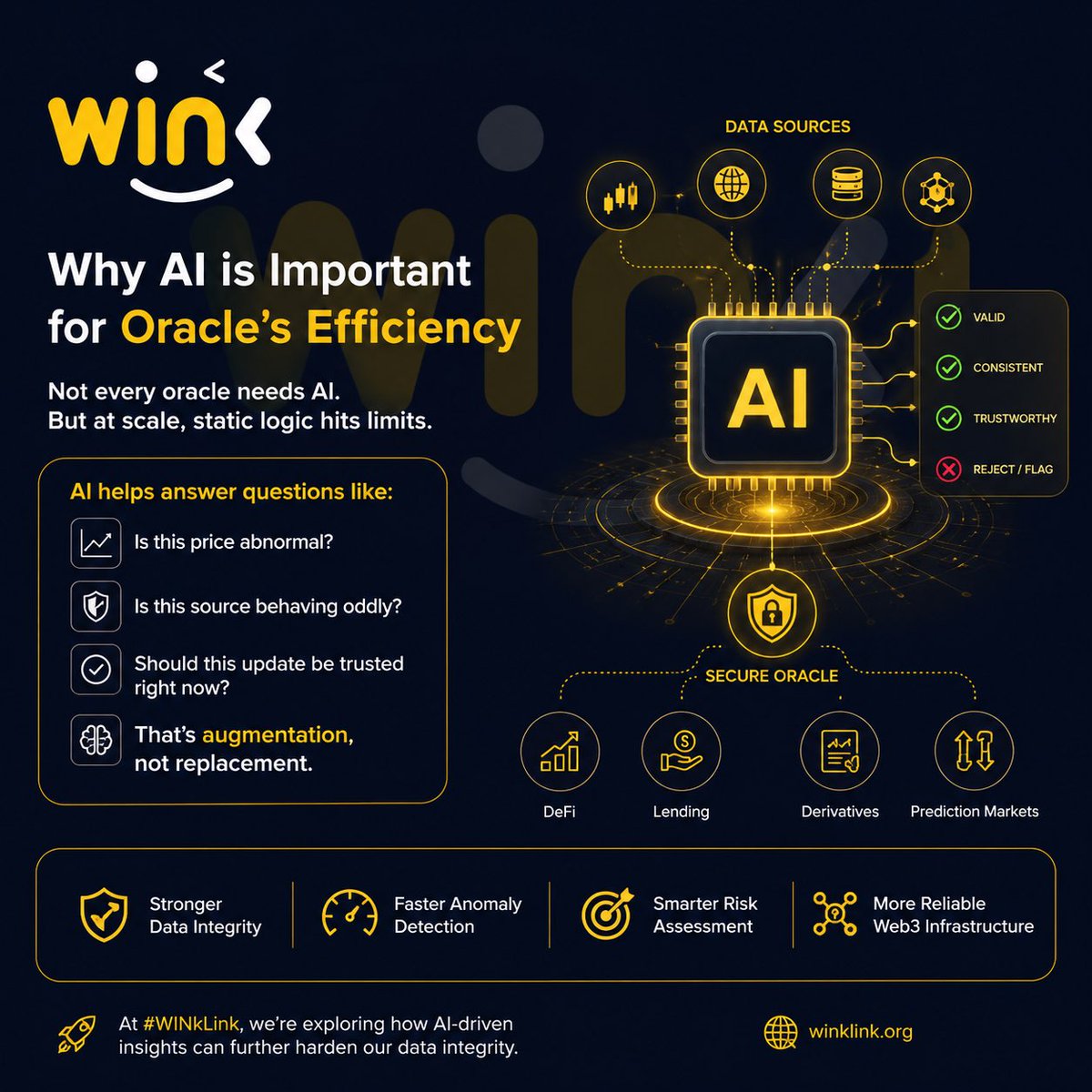
AI can continuously evaluate:
▪️ Price anomalies
▪️ Behavioral inconsistencies
▪️ Source reliability patterns
▪️ Sudden liquidity distortions
▪️ Cross-market deviations
▪️ Suspicious update timing
This transforms oracle systems from passive data relays into intelligent validation networks.
AI-POWERED ORACLE DECISION FRAMEWORK
1. Abnormality Detection
AI can identify whether a price movement deviates unusually from historical behavior, broader market consensus, or correlated assets.
This strengthens anomaly detection before incorrect data propagates on-chain.
2. Source Reliability Analysis
Not every data source behaves consistently.
AI can monitor:
▪️ Delayed responses
▪️ Irregular update frequency
▪️ Divergence from aggregated market behavior
▪️ Suspicious volatility patterns
This helps isolate potentially compromised or unreliable feeds faster.
3. Dynamic Trust Scoring
Instead of relying solely on fixed thresholds, AI enables adaptive trust evaluation based on live conditions.
That means oracle systems can intelligently determine:
▪️ Whether to validate
▪️ Delay
▪️ Re-weight
▪️ Flag
▪️ Reject specific updates
in real time.
WHY THIS MATTERS FOR #DeFi INFRASTRUCTURE
Oracle failures are not small technical problems.
They are systemic risks.
Bad data entering smart contracts can trigger:
▪️ False liquidations
▪️ Stablecoin instability
▪️ Manipulated derivatives pricing
▪️ Incorrect lending calculations
▪️ Cascading DeFi failures
As blockchain finance grows larger, oracle integrity becomes increasingly critical to overall ecosystem stability.
This is why AI-enhanced oracle infrastructure is strategically important.
Because stronger intelligence at the data layer creates stronger security for the entire financial stack above it.
THE FUTURE OF ORACLE ARCHITECTURE
The next generation of oracle systems will likely combine:
▪️ Decentralized validation
▪️ Multi-source aggregation
▪️ AI-driven anomaly detection
▪️ Behavioral intelligence models
▪️ Adaptive trust mechanisms
▪️ Real-time risk assessment
Together, these layers create infrastructure that is not only decentralized —
but contextually intelligent.
WINkLink’s Direction Matters
At #WINkLink, the exploration of AI-driven oracle insights reflects a larger infrastructural evolution happening across Web3.
The objective is not replacing oracles with AI hype.
It is strengthening data integrity through intelligent augmentation.
Hence, they will understand when the dataself becomes suspicious.
@justinsuntron @WinkLink_Oracle #TRONEcoStar
9
7
50,669

Apr 28
At #SageFuture2026: DataSelf Analytics is the Next-gen #DataWarehousing, #BI with #AI. Move from slow, time-consuming reporting to AI-assisted insights with #Fabric #PowerBI or #Tableau, star & galaxy schemas with 8,000 industry-specific KPIs. #Intacct, #SageX3, CRM/100/300/500
2
66

15 Dec 2024
i think i have discussed loss of identity as a positive mystical concept, painful as it may seem in the initial phases. there is REBIRTH - revelation experiential breakdown interdependence regenerating transcendent honing. life is about transcendence and resolution at the end of days
. imagine an era when we could grow scattered from grade school like hot glue to football of real estate speculation, REBIRTH will resurrect you to a dataself Soul.
3
7
1,398

Only a few days left to register! @Acumatica users, if you're looking for ways to reduce shipping costs and improve efficiency, we've got the answers. In our upcoming webinar with @dataself
📆 October 9th
🕐 1:00pm ET
us06web.zoom.us/webinar/regi…
1
2
45

12 Sep 2024
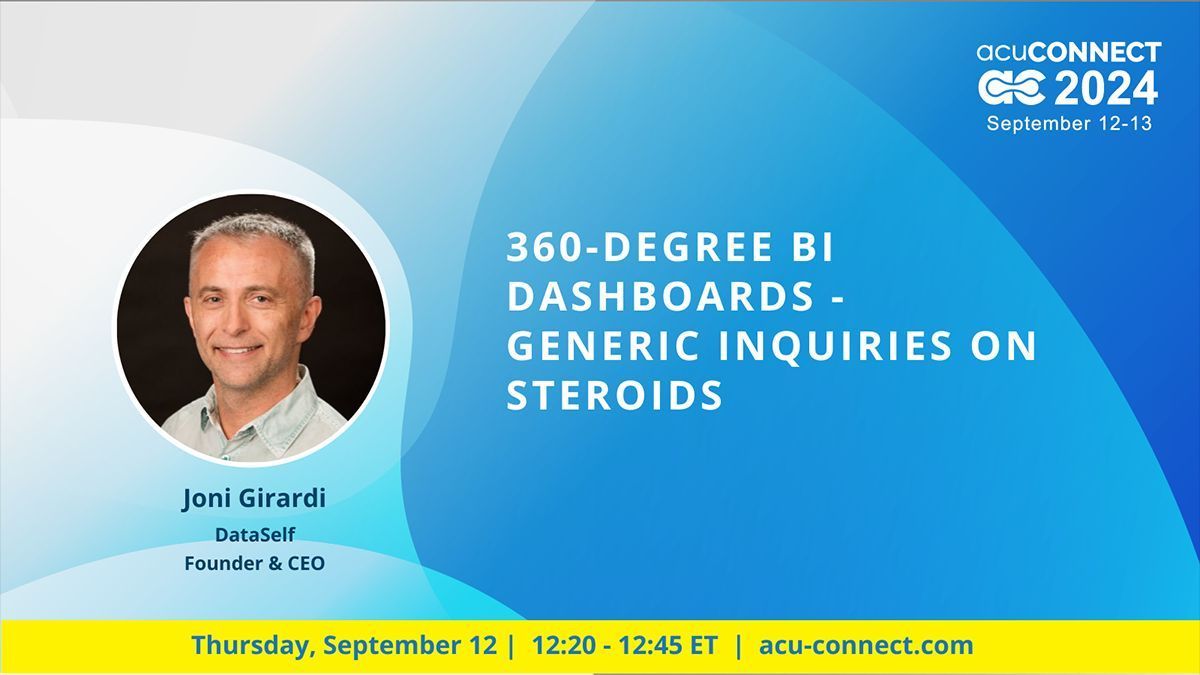
Join Joni Girardi of @dataself at #acuCONNECT (12:20 PM ET) for "360-Degree BI Dashboards: Generic Inquiries on Steroids". See how BI-based #reporting provides actionable #dashboards & #reports with infinite drill down.
@Acumatica virtual conference buff.ly/3Ai8dKZ
1
2
37
12 Sep 2024
Thank you to DataSelf #Analytics, a Gold Sponsor of #acuCONNECT 2024. Looking forward to a great virtual @Acumatica conference! @dataself
1
2
38
4 Sep 2024
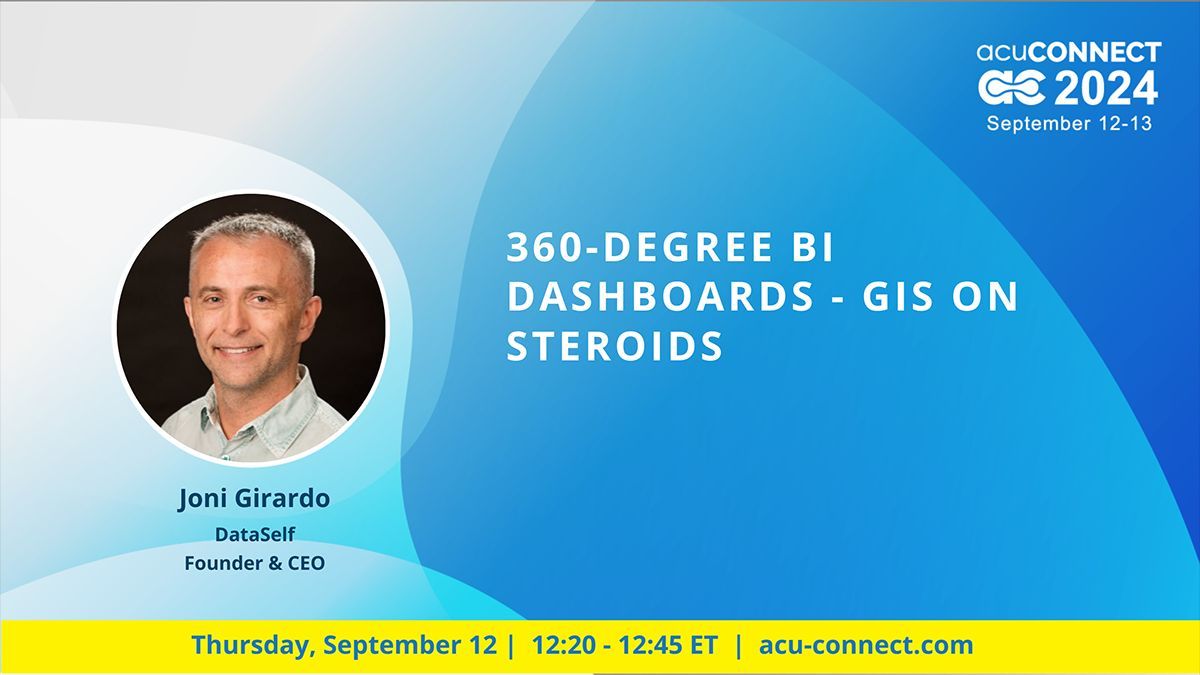
📣 Don't miss "360-Degree BI Dashboards" at the #acuCONNECT virtual @Acumatica conference on Thurs. Sept 12th at 12:20 PM ET. You'll see how BI-based Reporting provides actionable dashboards & reports with infinite drill down. @dataself
👉 REGISTER HERE: buff.ly/3Ai8dKZ
2
3
29

22 Jul 2024
📢Acumatica VARs!
Webinar this week! July 24 @ 12pm PST!
Come learn how DataSelf utilizes the power of a data warehouse to combine historical and new data to give your customers a seamless reporting experience!
us02web.zoom.us/webinar/regi…
1
1
20
22 Jul 2024
THIS WEEK: Join us for a webinar, "Overcome Historical Data Loss Objections to Win New #Acumatica Business"🙌
DataSelf can bring legacy data into the #datawarehouse, where it can be normalized and blended with @Acumatica data.
us02web.zoom.us/webinar/regi…
#Tableau #PowerBI
1
29
15 Jul 2024
DataSelf Analytics for @SageIntacct leverages #datawarehousing, optimized Sage Intacct #ETL processes, #AWS, #Tableau &/or #PowerBI, & a rich set of templates to deliver NLQ, AI, ML, & interactive reports/dashboards!💪📊
Learn more here >> dataself.com/bi-analytics-fo…
1
34
24 Jun 2024
DataSelf is Looking for more Data Geeks!😎
We offer competitive compensation, significant professional growth, a flexible work environment, & a growing team of motivated, collaborative, fun colleagues.
More here: dataself.com/careers/
#hiring #jobopening
2
16
31 May 2024
Want to learn about the 400 Data Sources we support? 🤔 Click here for a comprehensive list of data sources supported by DataSelf!!
kb.dataself.com/ds/etl-data-…
#DataAnalytics #ERP #CRM #ETL
2
44

30 May 2024
DataSelf Analytics is a data reporting tool that offers comprehensive data delivery and modern dashboards, empowering users to make informed decisions. Learn how you can turn your data into actionable insights with our recent webinar recap: bit.ly/451R9nu
1
2
46
23 May 2024
Imagine if sales were always consistent. With DataSelf’s “Year Over Year Variance” Report, you can gain the insights needed to understand and react to sales changes.
Stay ahead of the curve with DataSelf!
dataself.com/year-over-year-…
🚀📈 #BusinessIntelligence #DataAnalytics
3
32
5 Mar 2024
Mid-market #BI reality-check podcast with @jonerp. We discuss BI friction points & potentials; how modern ERPs like #SageIntacct are critical for informed decisions; and #AI applied to BI today and future possibilities. Enjoy it! @dataself #datawarehousing #ETL #PowerBI #Tableau

The midmarket analytics (and AI) reality check - live from Sage Transform with Joni Girardi podbean.com/ew/pb-i935a-159c…
-> on the final day of #SageTransform taped this podcast with @jonigirardi... wanted to see how his view of analytics has changed amidst AI fanfare. I found out.
3
5
547

19 Feb 2024
Meet us at #SageTransform, Feb 26-29, 2024, MGM Grand, Las Vegas!
📍Booth 84
🎙️Session: Feb 28, 6:10 pm - 6:30 pm
🔍"Turn Data Into Insight with DataSelf BI-based Reporting"
Don't miss out! Let's revolutionize reporting together! 💡 #SageTransform2024
events.sage.com/profile/web/…
1
2
28

13 Feb 2024
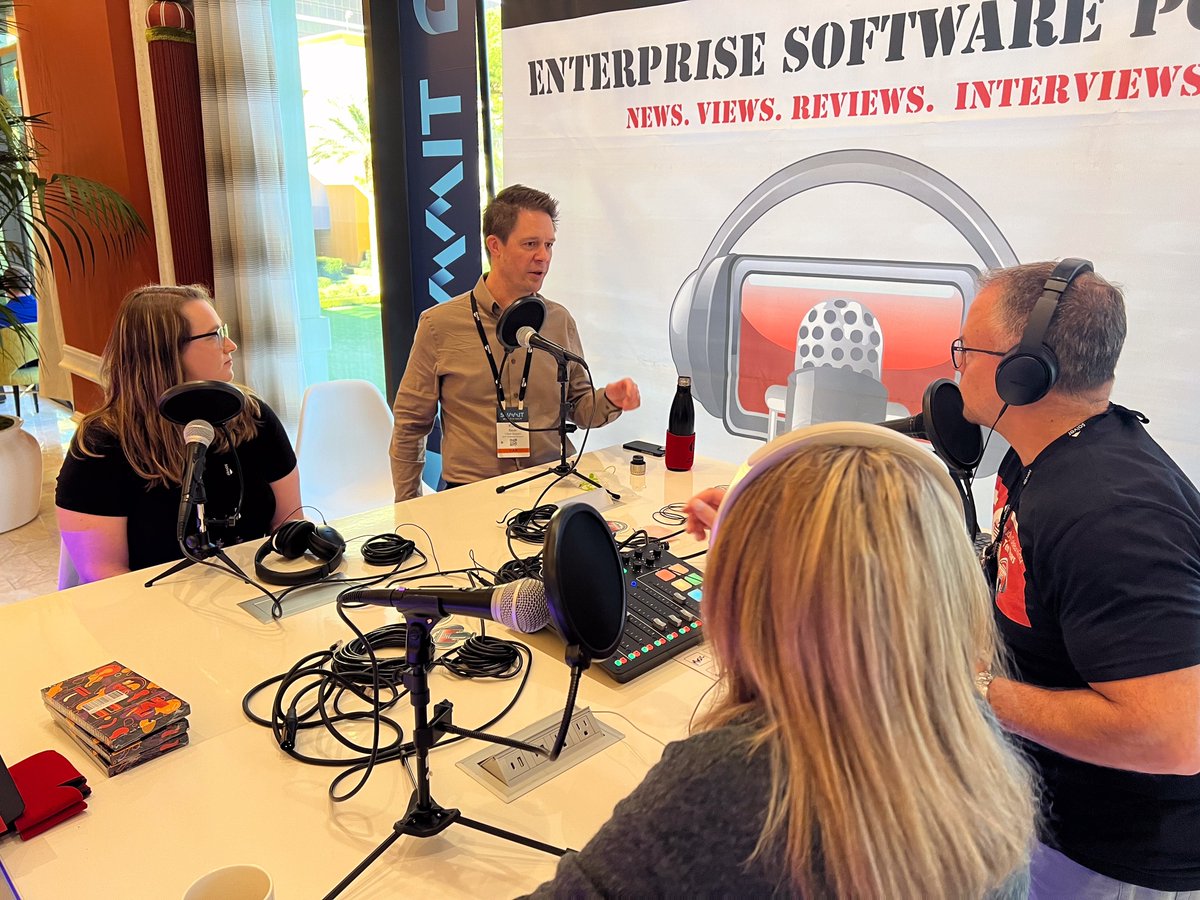
Our 2nd #AcumaticaSummit 2024 recap episode has officially arrived! Thank you @dataself @Nomad_eCommerce @NodusTech and @ERPVAR for your sponsorship this year - our largest recap year ever! #ESPodcast
enterprisesoftwarepodcast.co…
2
5
169
28 Jan 2024
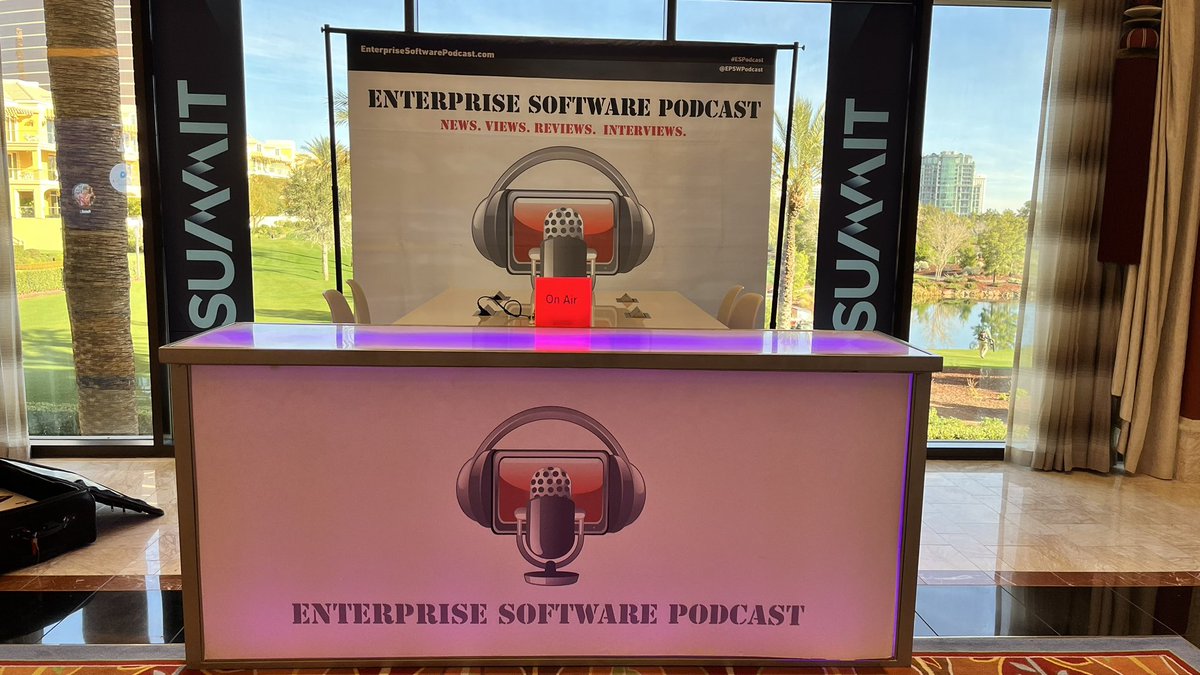
We are here at the fabulous @WynnLasVegas and (practically) ready for another @Acumatica #Summit! Many thanks to our sponsors @dataself @NodusTech @Nomad_eCommerce @ERPVAR without whom we would not be here. #AcumaticaSummit #ESPodcast
1
6
120
Boost Your Shipping Efficiency!
Join the Dec 5th webinar: "Informed Fulfillment & Shipping for Acumatica Users." Learn from @DataSelf, @Acumatica, & 3G Pacejet Shipping about efficient, error-free shipping and fast deliveries.
Register Now: bit.ly/46A5yGT
2
42