
Jan 13

Proud to support builders like @DeepFamilyLabs, one of our Hackathon winners 🙌
DeepFamily is building an open-source protocol for decentralized family trees, combining privacy with on-chain permanence.
Their redesigned UI is now live on Conflux Testnet. Please try it out and share feedback.
1
6
73
Proud to support builders like @DeepFamilyLabs, one of our Hackathon winners 🙌
DeepFamily is building an open-source protocol for decentralized family trees, combining privacy with on-chain permanence.
Their redesigned UI is now live on Conflux Testnet. Please try it out and share feedback.

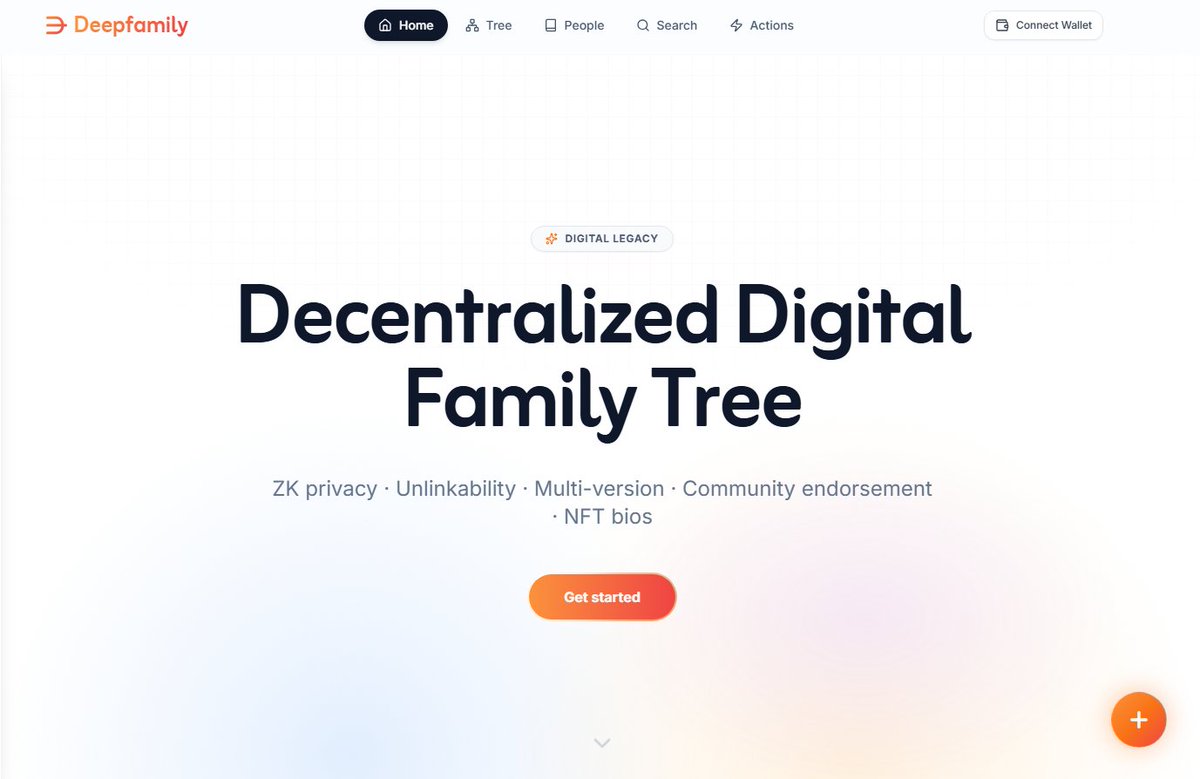
Preserve Your Family Legacy On-Chain
#DeepFamily is an open-source protocol for decentralized digital family trees:
1. Zero-knowledge proofs for privacy protection
2. Blockchain immutability for permanent records
3. Community governance for data integrity
Our redesigned UI is now live on the #ConfluxTestnet
We'd love for you to try it out and share your feedback.
Website: deepfamily.org
eSpace Faucet: efaucet.confluxnetwork.org
@Conflux_Network @ConfluxDevs
#Conflux #Web3 #ZKP #ZeroKnowledge #Blockchain #NFT #OpenSource #DApp #Decentralized #Privacy #FamilyTree #DigitalHeritage #BuildInPublic #ConfluxNetwork #ZK #Genealogy
8
6
35
3,122

Jan 12
Proud to support builders like @DeepFamilyLabs, one of our Conflux Grants winners 🙌
DeepFamily is building an open-source protocol for decentralized family trees, combining privacy with on-chain permanence.
Their redesigned UI is now live on Conflux Testnet
Preserve Your Family Legacy On-Chain
#DeepFamily is an open-source protocol for decentralized digital family trees:
1. Zero-knowledge proofs for privacy protection
2. Blockchain immutability for permanent records
3. Community governance for data integrity
Our redesigned UI is now live on the #ConfluxTestnet
We'd love for you to try it out and share your feedback.
Website: deepfamily.org
eSpace Faucet: efaucet.confluxnetwork.org
@Conflux_Network @ConfluxDevs
#Conflux #Web3 #ZKP #ZeroKnowledge #Blockchain #NFT #OpenSource #DApp #Decentralized #Privacy #FamilyTree #DigitalHeritage #BuildInPublic #ConfluxNetwork #ZK #Genealogy
15
324
Preserve Your Family Legacy On-Chain
#DeepFamily is an open-source protocol for decentralized digital family trees:
1. Zero-knowledge proofs for privacy protection
2. Blockchain immutability for permanent records
3. Community governance for data integrity
Our redesigned UI is now live on the #ConfluxTestnet
We'd love for you to try it out and share your feedback.
Website: deepfamily.org
eSpace Faucet: efaucet.confluxnetwork.org
@Conflux_Network @ConfluxDevs
#Conflux #Web3 #ZKP #ZeroKnowledge #Blockchain #NFT #OpenSource #DApp #Decentralized #Privacy #FamilyTree #DigitalHeritage #BuildInPublic #ConfluxNetwork #ZK #Genealogy
6 Oct 2025
DeepFamily — ZK-powered family tree protocol. Private/public trees, proofs, NFTs. Strong cryptography and meaningful identity use case. - $1,500
2
3
14
4,309
22 Dec 2025
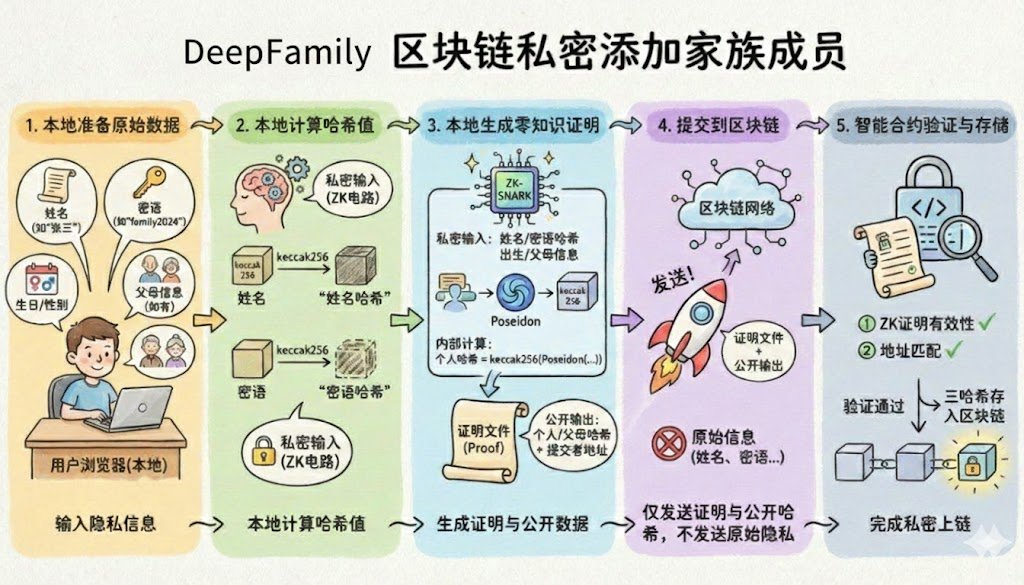
为什么零知识证明能保护族谱隐私?
将族谱上链时,我们会遇到一个根本矛盾:
一方面,区块链上的数据一旦写入就公开透明、永久存在;
另一方面,家谱往往包含姓名、出生日期、性别等敏感隐私信息。
那么,如何既利用区块链“不可篡改”的优势,又不暴露家族成员的隐私呢?
一个看似自然的方案是使用哈希函数:先在本地把个人信息按照约定格式拼接,再计算出一串哈希值上传到链上。由于哈希具有单向性,外部观察者无法从哈希值反推出原始信息,这确实在一定程度上缓解了隐私泄露的问题。
但随之而来的,是数据可信性的新问题:
当智能合约收到一个哈希值时,它根本无法判断:
这个哈希值是否真的是由“姓名、出生日期、性别”等字段,按照协议规定的格式与算法计算出来的;
还是提交者随便拼了一串字符串算出来、甚至直接伪造的。
如果系统无法区分“按规则生成的有效数据”和“毫无约束的垃圾数据”,那么整个家谱的可信度也就无从谈起。
零知识证明(ZKP)正是为解决这一难题而引入的。
它允许提交者在不泄露任何原始信息的前提下,向智能合约证明:
“我提交的这个哈希值,确实是由符合协议格式的姓名、出生日期、性别等字段,按照约定的算法计算得到的。”
合约只需要验证该零知识证明是否有效,就可以确信:
链上的这条哈希所对应的,是一份结构完整、格式正确的家谱记录,而无需知道其中的具体内容。
可以这样理解两者的分工:
1. 哈希函数负责:把真实数据“藏起来”,防止隐私泄露;
2. 零知识证明负责:在不揭示数据本身的前提下,证明“这份被藏起来的数据是合规、有效的”。
只有把哈希和零知识证明结合起来,我们才能在一个完全透明的区块链环境中,构建出既保护隐私、又可信可验证的族谱协议。
@Conflux_Network @ConfluxDevs
#Conflux #Blockchain #FamilyTree #DeepFamily
8 Dec 2025
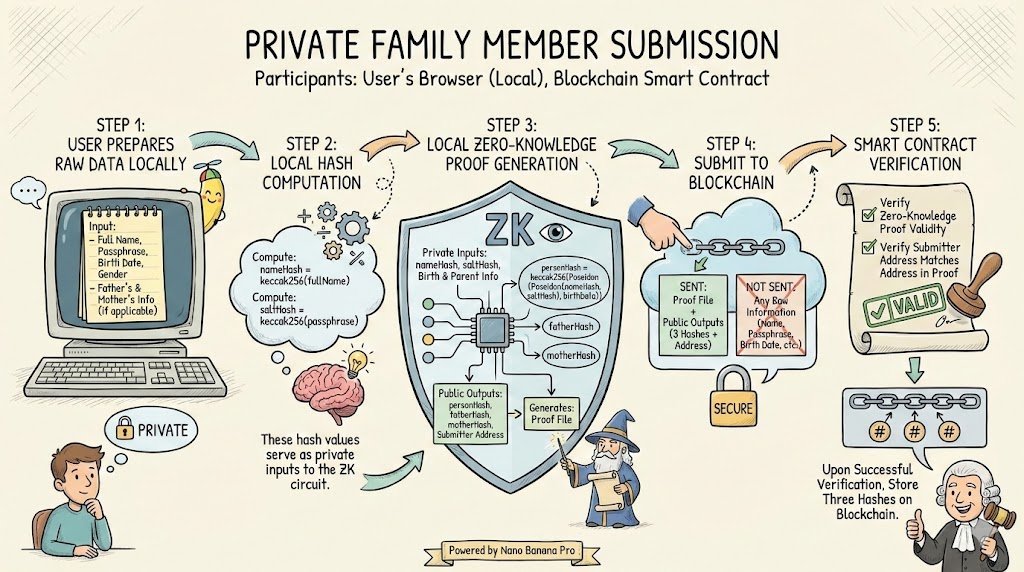
Why Zero-Knowledge Proofs Are Essential for Protecting Family Privacy
When we put a family tree on a blockchain, we run into a fundamental conflict:
on-chain data is public and permanent, but a family tree contains sensitive information such as names, birth dates, and genders.
So how can we enjoy the immutability of the blockchain without sacrificing the privacy of family members?
A natural first idea is to use a hash function. We can take a person’s data (name, birth date, gender, etc.), format it locally, compute a hash, and only store that hash on-chain. Because hash functions are one-way, others cannot recover the original data from the hash. This does help protect privacy.
However, it creates a new problem: data validity.
When a smart contract receives a hash, it has no way to tell:
1. whether this hash was actually computed from “name, birth date, gender” following the agreed format and rules, or
2. whether the submitter just made up some arbitrary data or even a random string.
If the system cannot distinguish between well-formed, legitimate records and garbage or fabricated data, then the credibility of the entire on-chain family tree collapses.
This is exactly where zero-knowledge proofs (ZKPs) come in.
A zero-knowledge proof allows the submitter to prove to the smart contract that:
“This hash was computed from a set of fields (name, birth date, gender, etc.) that follow the protocol’s rules and formula”
without revealing any of those fields themselves.
The contract only needs to check that the proof is valid. If it passes, the contract can be confident that the hash corresponds to a properly structured, protocol-compliant record, even though it never learns the underlying personal data.
In other words:
The hash function hides the actual data and protects privacy.
The zero-knowledge proof certifies that the hidden data is well-formed and valid.
Only by combining both can we build an on-chain genealogy system that is privacy-preserving while still being trustworthy and verifiable.
1
5
197
20 Dec 2025
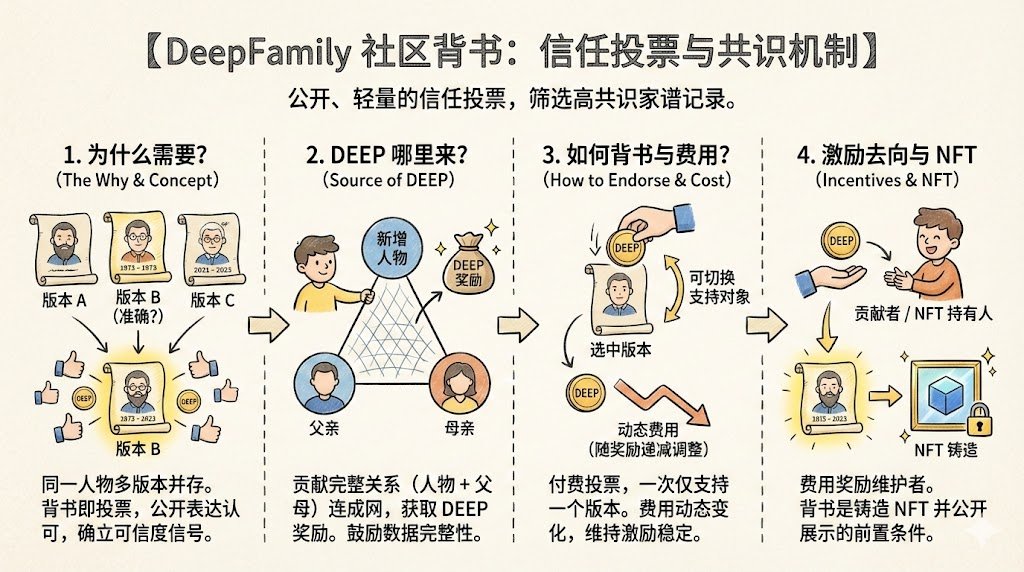
什么是“社区背书”?
在 #DeepFamily 里,“社区背书”可以理解为一种轻量但公开的信任投票机制:大家用少量平台积分(DEEP)为某个“人物版本”投下支持票,让社区在多个版本之间逐步筛选出更可信、共识更高的家谱记录。
之所以需要背书,是因为同一个人往往会出现不止一个版本:可能来自不同提交者,也可能在出生地、关系链、备注细节等方面各不相同。背书的作用,就是把“我认可这个版本”的态度公开化,并通过背书数量形成可见的可信度信号,帮助后来者更快判断哪个版本更值得参考。
背书的方式也很直接:你在某个人的多个版本中选择一个,点击背书即可。需要注意的是,每个钱包地址对同一个人只能支持一个版本;如果你后来发现另一个版本更准确,也可以把支持切换过去。你还可以取消背书来撤回支持,但通常背书所支付的费用不会退回。
背书并不是免费的。每次背书需要支付一定数量的 DEEP,而且这个费用不是固定值,会随着系统“当前奖励档位”动态变化。原因在于协议奖励会逐步递减(类似减半机制),背书费用也随之调整,以保持整体激励结构的稳定。
那么 DEEP 从哪里来?在 DeepFamily 中,DEEP 的主要来源是“贡献奖励”。当你新增一个人物版本时,如果这个版本同时补全了“父亲 母亲”两条关系,等于把人物更完整地接入家谱网络,协议就会向提交者发放一笔 DEEP 作为奖励;如果只填了一方父/母,或者两方都不填,一般就拿不到这笔奖励。这样的设计很明确:用奖励引导大家把家谱“连成网”,减少孤立节点,提高数据结构的完整性和可用性。
背书费用最终给谁?机制上,大部分背书费用会回流给该版本的贡献者;如果该版本已经被铸造成 NFT,则会优先奖励给 NFT 持有人。也就是说,背书不仅表达认可,也在经济上鼓励贡献者持续维护与完善高质量版本。
另外,背书与 NFT 也存在明确关联:背书不仅是“投票”,还是铸造该版本 NFT 的前置条件之一。只有先完成背书,你才有资格将该版本铸造成 NFT,并以更公开的方式展示其信息。换句话说,背书既是社区共识的形成工具,也是版本走向“可展示、可拥有”的门槛。
@Conflux_Network @ConfluxDevs
#Conflux #Blockchain #FamilyTree
19 Dec 2025
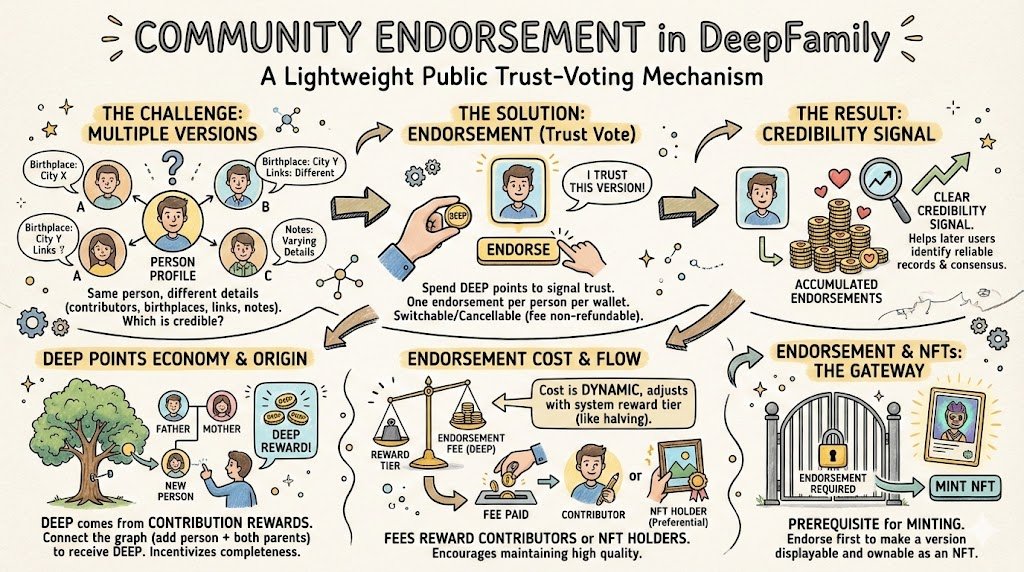
What is “community endorsement”?
In #DeepFamily, “community endorsement” can be understood as a lightweight but public trust-voting mechanism. Users spend a small amount of platform points (DEEP) to endorse a specific “person profile version,” allowing the community to gradually filter among multiple versions and surface genealogical records that are more credible and better aligned with consensus.
Endorsement is necessary because the same person often has more than one version—submitted by different contributors, or differing in birthplace, relationship links, notes, and other details. The purpose of endorsement is to make “I trust this version” explicit and visible. As endorsements accumulate, they form a clear credibility signal that helps later users judge which version is more reliable and worth referencing.
The process is straightforward: among the multiple versions for a person, you pick one and click “Endorse.” Note that each wallet address can endorse only one version of the same person at a time. If you later determine another version is more accurate, you can switch your endorsement. You can also cancel an endorsement to withdraw support, though the fee you paid is typically non-refundable.
Endorsement is not free. Each endorsement requires paying a certain amount of DEEP, and the cost is not fixed—it changes dynamically based on the system’s current reward tier. This is because protocol rewards gradually decrease over time (similar to a halving mechanism), and endorsement fees adjust accordingly to keep the overall incentive structure stable.
So where does DEEP come from? In DeepFamily, the primary source of DEEP is “contribution rewards.” When you add a new person version and complete both parental links—father and mother—you are integrating that person more fully into the family network. In that case, the protocol issues a DEEP reward to the submitter. If only one parent is provided, or neither is provided, you generally won’t receive this reward. The design intent is clear: use incentives to encourage users to “connect the graph,” reduce isolated nodes, and improve the completeness and usability of the data structure.
Who ultimately receives the endorsement fees? Mechanically, most of the endorsement fees flow back to the contributor of that version. If the version has already been minted as an NFT, the reward is directed preferentially to the NFT holder. In other words, endorsements not only signal trust but also economically encourage contributors to maintain and refine high-quality versions.
Endorsement is also closely tied to NFTs. It is not only a “vote,” but also one of the prerequisites for minting that version as an NFT. Only after endorsing can you mint the version as an NFT and present its information more publicly. Put differently, endorsement is both a tool for building community consensus and a gateway for a version to become “displayable” and “ownable.”
@Conflux_Network @ConfluxDevs
#Conflux #Blockchain #FamilyTree
1
3
196
19 Dec 2025
What is “community endorsement”?
In #DeepFamily, “community endorsement” can be understood as a lightweight but public trust-voting mechanism. Users spend a small amount of platform points (DEEP) to endorse a specific “person profile version,” allowing the community to gradually filter among multiple versions and surface genealogical records that are more credible and better aligned with consensus.
Endorsement is necessary because the same person often has more than one version—submitted by different contributors, or differing in birthplace, relationship links, notes, and other details. The purpose of endorsement is to make “I trust this version” explicit and visible. As endorsements accumulate, they form a clear credibility signal that helps later users judge which version is more reliable and worth referencing.
The process is straightforward: among the multiple versions for a person, you pick one and click “Endorse.” Note that each wallet address can endorse only one version of the same person at a time. If you later determine another version is more accurate, you can switch your endorsement. You can also cancel an endorsement to withdraw support, though the fee you paid is typically non-refundable.
Endorsement is not free. Each endorsement requires paying a certain amount of DEEP, and the cost is not fixed—it changes dynamically based on the system’s current reward tier. This is because protocol rewards gradually decrease over time (similar to a halving mechanism), and endorsement fees adjust accordingly to keep the overall incentive structure stable.
So where does DEEP come from? In DeepFamily, the primary source of DEEP is “contribution rewards.” When you add a new person version and complete both parental links—father and mother—you are integrating that person more fully into the family network. In that case, the protocol issues a DEEP reward to the submitter. If only one parent is provided, or neither is provided, you generally won’t receive this reward. The design intent is clear: use incentives to encourage users to “connect the graph,” reduce isolated nodes, and improve the completeness and usability of the data structure.
Who ultimately receives the endorsement fees? Mechanically, most of the endorsement fees flow back to the contributor of that version. If the version has already been minted as an NFT, the reward is directed preferentially to the NFT holder. In other words, endorsements not only signal trust but also economically encourage contributors to maintain and refine high-quality versions.
Endorsement is also closely tied to NFTs. It is not only a “vote,” but also one of the prerequisites for minting that version as an NFT. Only after endorsing can you mint the version as an NFT and present its information more publicly. Put differently, endorsement is both a tool for building community consensus and a gateway for a version to become “displayable” and “ownable.”
@Conflux_Network @ConfluxDevs
#Conflux #Blockchain #FamilyTree
1
6
388
15 Dec 2025
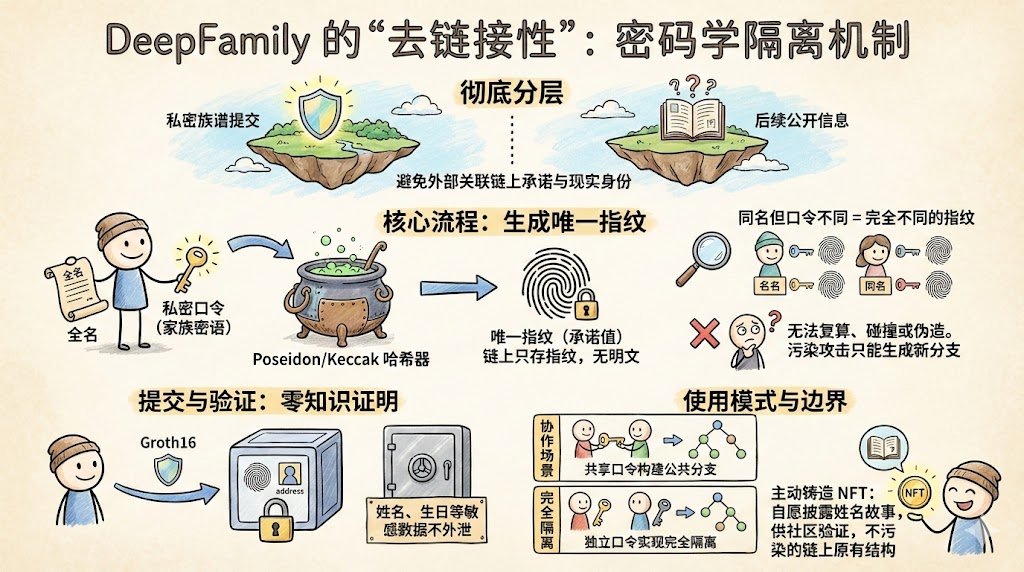
DeepFamily的“去链接性”是一套完整的密码学隔离机制:它把私密族谱的提交与后续可能出现的公开信息彻底分层,目的就是避免外部把链上的承诺值与现实身份或其他记录关联起来。
核心流程很明确。 用户为每个成员选择一个仅自己掌握的私密口令,再把全名与该口令一起作为输入,经Poseidon/Keccak组合哈希生成唯一指纹(承诺值)。 链上只存这串指纹,不存任何明文。 由此带来的技术效果是:同名但口令不同,会得到完全不同的指纹; 外部在不知道口令的前提下无法复算或碰撞你的指纹,也无法判断两条记录是否属于同一人,更无法伪造指向你节点的假记录。 所谓污染攻击,只能生成新的哈希、形成独立分支,不会影响现有族谱。
提交时,系统通过零知识证明验证亲缘关系的正确性; 对外公开的信息仅包含指纹和提交者地址,姓名、生日等敏感数据不会外泄。
在使用模式上,协作场景可以共享同一口令来构建公共分支; 也可以为每个分支设定独立口令,实现完全隔离。 边界同样清晰:去链接性保护的是“私密提交”阶段。 当用户主动铸造 NFT 时,姓名和故事会向社区公开以供验证,但这只是对既有承诺的自愿披露,不会回写或污染原有链上族谱结构。 #DeepFamily #Blockchain
15 Dec 2025
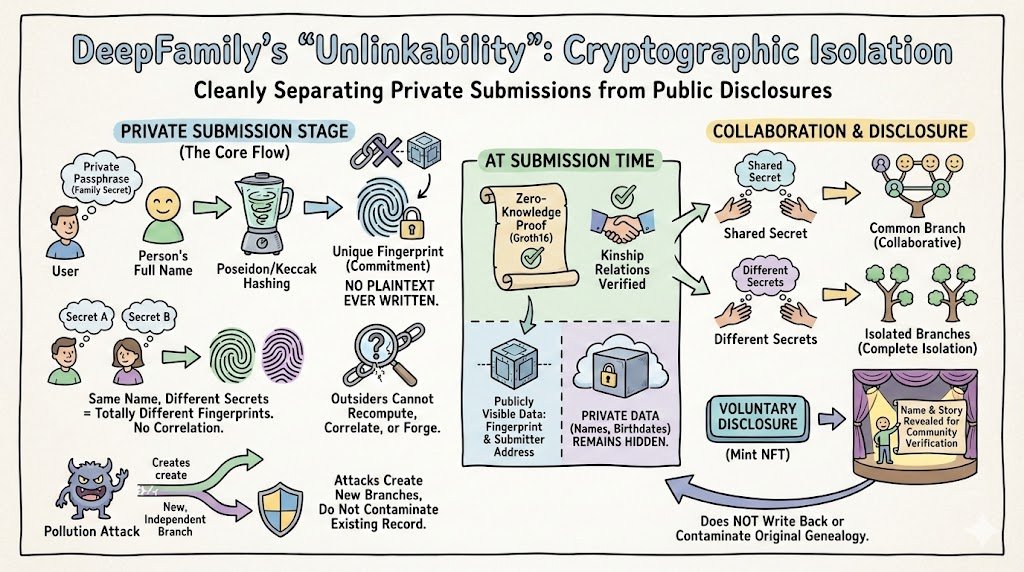
DeepFamily’s “unlinkability” is a full cryptographic isolation mechanism. It cleanly separates private family tree submissions from any later public disclosures, preventing outsiders from correlating on-chain commitments with real-world identities or other records.
The core flow is straightforward. For each person, the user chooses a private passphrase known only to themselves (a family secret). The system hashes the person’s full name together with that secret using a Poseidon/Keccak combination to produce a unique fingerprint (a commitment). Only this fingerprint is stored on-chain—no plaintext is ever written. The effect is that two people with the same name but different secrets will produce completely different fingerprints. Without the secret, outsiders cannot recompute or collide your fingerprint, cannot tell whether two records refer to the same person, and cannot forge a fake record that points to your node. So-called “pollution” attacks can only create new hashes and form independent branches; they do not alter or contaminate the existing family tree.
At submission time, a zero-knowledge proof is used to verify that the claimed kinship relations are correct. Publicly visible data is limited to the fingerprint and the submitter’s address; sensitive details such as names and birthdates remain private.
In practice, teams can share the same secret in collaborative settings to build a common branch. Alternatively, they can assign different secrets to different branches to achieve complete isolation. The boundary is explicit: unlinkability protects the private submission stage. When a user later chooses to mint an NFT, the name and story are revealed to the community for verification—but this is a voluntary disclosure of an existing commitment. It does not write back to, or contaminate, the original on-chain family tree structure. #DeepFamily #BlockChain
1
5
282
15 Dec 2025
DeepFamily’s “unlinkability” is a full cryptographic isolation mechanism. It cleanly separates private family tree submissions from any later public disclosures, preventing outsiders from correlating on-chain commitments with real-world identities or other records.
The core flow is straightforward. For each person, the user chooses a private passphrase known only to themselves (a family secret). The system hashes the person’s full name together with that secret using a Poseidon/Keccak combination to produce a unique fingerprint (a commitment). Only this fingerprint is stored on-chain—no plaintext is ever written. The effect is that two people with the same name but different secrets will produce completely different fingerprints. Without the secret, outsiders cannot recompute or collide your fingerprint, cannot tell whether two records refer to the same person, and cannot forge a fake record that points to your node. So-called “pollution” attacks can only create new hashes and form independent branches; they do not alter or contaminate the existing family tree.
At submission time, a zero-knowledge proof is used to verify that the claimed kinship relations are correct. Publicly visible data is limited to the fingerprint and the submitter’s address; sensitive details such as names and birthdates remain private.
In practice, teams can share the same secret in collaborative settings to build a common branch. Alternatively, they can assign different secrets to different branches to achieve complete isolation. The boundary is explicit: unlinkability protects the private submission stage. When a user later chooses to mint an NFT, the name and story are revealed to the community for verification—but this is a voluntary disclosure of an existing commitment. It does not write back to, or contaminate, the original on-chain family tree structure. #DeepFamily #BlockChain
1
5
455
10 Dec 2025
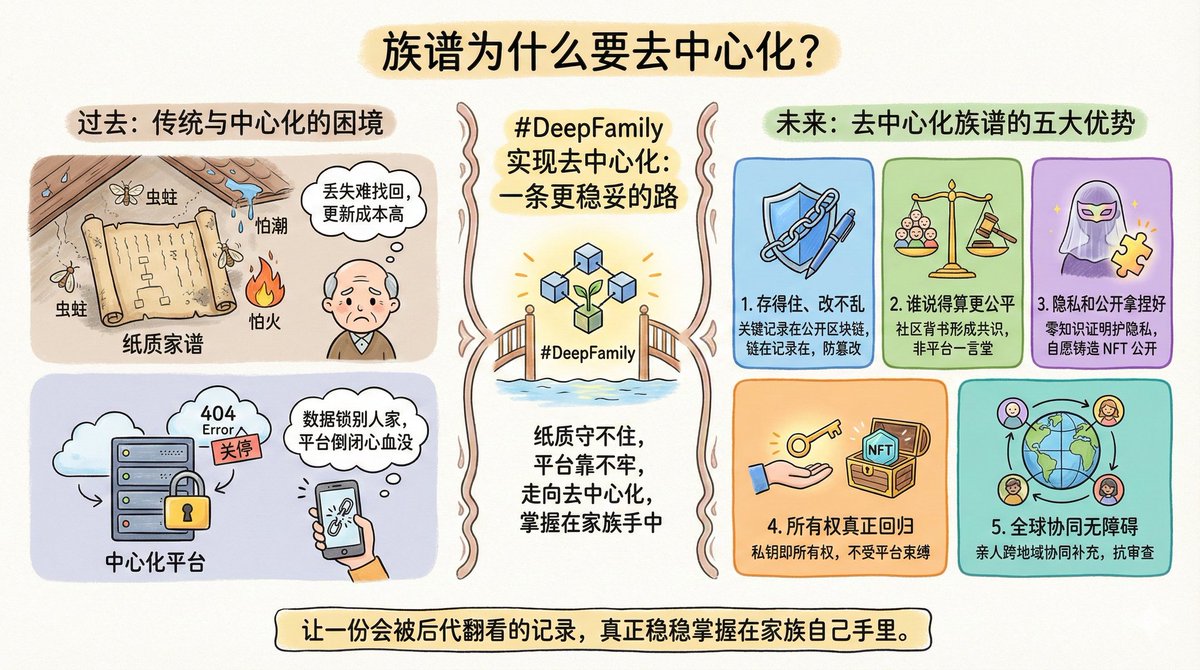
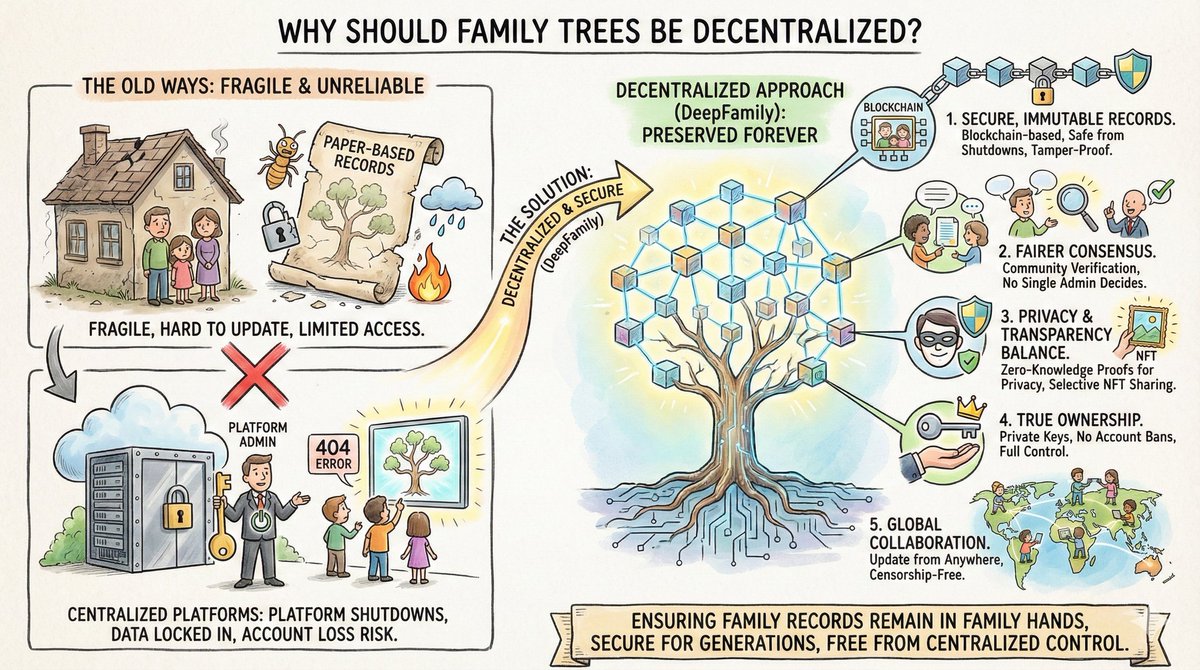
#DeepFamily 族谱为什么要去中心化?
很多人一提族谱,第一反应还是那一本放在老屋里的纸质家谱。纸质族谱有它的仪式感,但问题也不少:怕虫蛀、怕潮、怕火,一旦丢失或损毁,就很难完整找回;只能在一个地方保存,亲人分散在各地,很难同时看到最新版本;更新成本高,改一处要重刻、重印,很多家庭干脆就不再更新了,结果停在几十年前的那一版。
后来有了各种家谱网站、家谱app,看似解决了保存和传播问题,但新的隐患也随之而来:平台说关停就关停,说改规则就改规则,数据锁在别人服务器上,账号一丢、平台一倒,多年心血一样可能不见。
#DeepFamily 实现去中心化,就是在纸质家谱和中心化平台之外,给族谱找一条更稳妥的路:
1. 存得住、改不乱。关键的亲属关系和故事记录在公开区块链上,只要链还在,族谱就不会因为某家公司倒闭、某个网站下线而一并消失,也很难被人随意篡改。
2. 谁说得算更公平。出现多个版本时,不再是平台后台一句话拍板,而是把不同版本摆到台面上,由亲属和社区通过背书形成共识,哪一版更可信交给大家来判断。
3. 隐私和公开可以拿捏好。通过零知识证明这类密码学手段不暴露敏感信息。只有当家族自愿把某段故事铸造成 NFT、公开展示时,细节才会真正对外可见。
4. 所有权真正回到家族自己手里。谁掌握私钥,谁就掌握对应NFT 的所有权,不再受平台账号、封禁、迁移规则的束缚。
5. 亲人分散在各地甚至各国,也可以在同一套去中心化族谱上协同补充、校对信息,不受地区访问限制和审查干扰。
纸质家谱守不住,中心化平台靠不牢,所以族谱走向去中心化,不是追风口,而是为了让一份会被后代一代代翻看的记录,尽可能脱离单一点的命运,真正稳稳掌握在家族自己手里。
10 Dec 2025
Why Should Family Trees Be Decentralized?
When most people think of a family tree, they still imagine the old paper-based genealogy books stored in their grandparents' house. While these paper records carry a sense of tradition and history, they come with many challenges: they are vulnerable to insects, humidity, and fire; once lost or damaged, they are nearly impossible to recover fully; they can only be stored in one place, making it hard for distant relatives to access the most up-to-date version; and updating them is costly and time-consuming—many families simply stop updating them altogether, leaving the tree stuck in the past.
Later, family tree websites and apps appeared to address these issues, seemingly solving the problems of storage and sharing. However, new risks emerged: platforms can shut down at will, rules can change without warning, and all your data is locked in someone else's server. If you lose access to your account or the platform goes offline, years of effort could be lost.
DeepFamily’s decentralized approach offers a more secure solution, ensuring that family trees are preserved outside of both paper and centralized platforms:
1. Secure, Immutable Records: Key family relationships and stories are stored on the public blockchain. As long as the blockchain exists, the family tree remains intact, safe from company closures or platform shutdowns, and difficult to tamper with.
2. Fairer Consensus: When multiple versions of a family tree arise, it’s not up to a platform’s administrators to decide which version is true. Instead, different versions are presented for family members and the community to review and collectively decide which one is most credible.
3. Privacy and Transparency Balance: Using cryptographic methods like zero-knowledge proofs, sensitive information remains private. Details only become public when the family voluntarily turns a specific story into an NFT to be displayed.
4. True Ownership: Whoever holds the private keys controls the ownership of the associated NFTs, without the risk of account bans, platform migrations, or restrictions imposed by a centralized entity.
5. Global Collaboration: Family members can collaborate, update, and verify the family tree from anywhere in the world without restrictions based on geography or censorship.
Paper-based family trees are fragile, and centralized platforms are unreliable. Decentralizing family trees isn’t just a trend—it’s about ensuring that a record, passed down from generation to generation, remains in the hands of the family itself, free from the risks of centralized control.
1
4
488
6 Dec 2025
为在家族遗嘱中兼顾加密资产的安全与传承,#DeepFamily 正在探索一套可操作的实践路径:
1. 使用主流钱包 / 硬件钱包生成 24 词助记词(高熵随机)。
2. 启用 BIP39 口令(相当于第二把锁),这个口令你可以用家族文化来“帮助自己记住”,但不要让它可以被直接从公开信息推理出来。
3. 将助记词写在实体载体上(纸、金属板),存放在受控位置:
保险箱 / 银行保管箱 / 律师处等
位置和访问条件写入遗嘱
4. 必要时,使用秘密分享把助记词或口令拆分给多方,避免单点泄露或单点失踪。
5. 在遗嘱中明确:
哪个钱包地址属于遗产
谁有权恢复
大致恢复流程(但不要在遗嘱正文里直接暴露全部信息)
通过这套设计,#DeepFamily 希望把“谁掌握私钥就掌握资产”的技术规则,转化为“家族可以安全、有序地守护与传承财富”的现实路径。在尊重密码学安全边界的前提下,让加密资产不再只是个人风险,而是可以被规划、被托付、被继承的家族资产。
6 Dec 2025

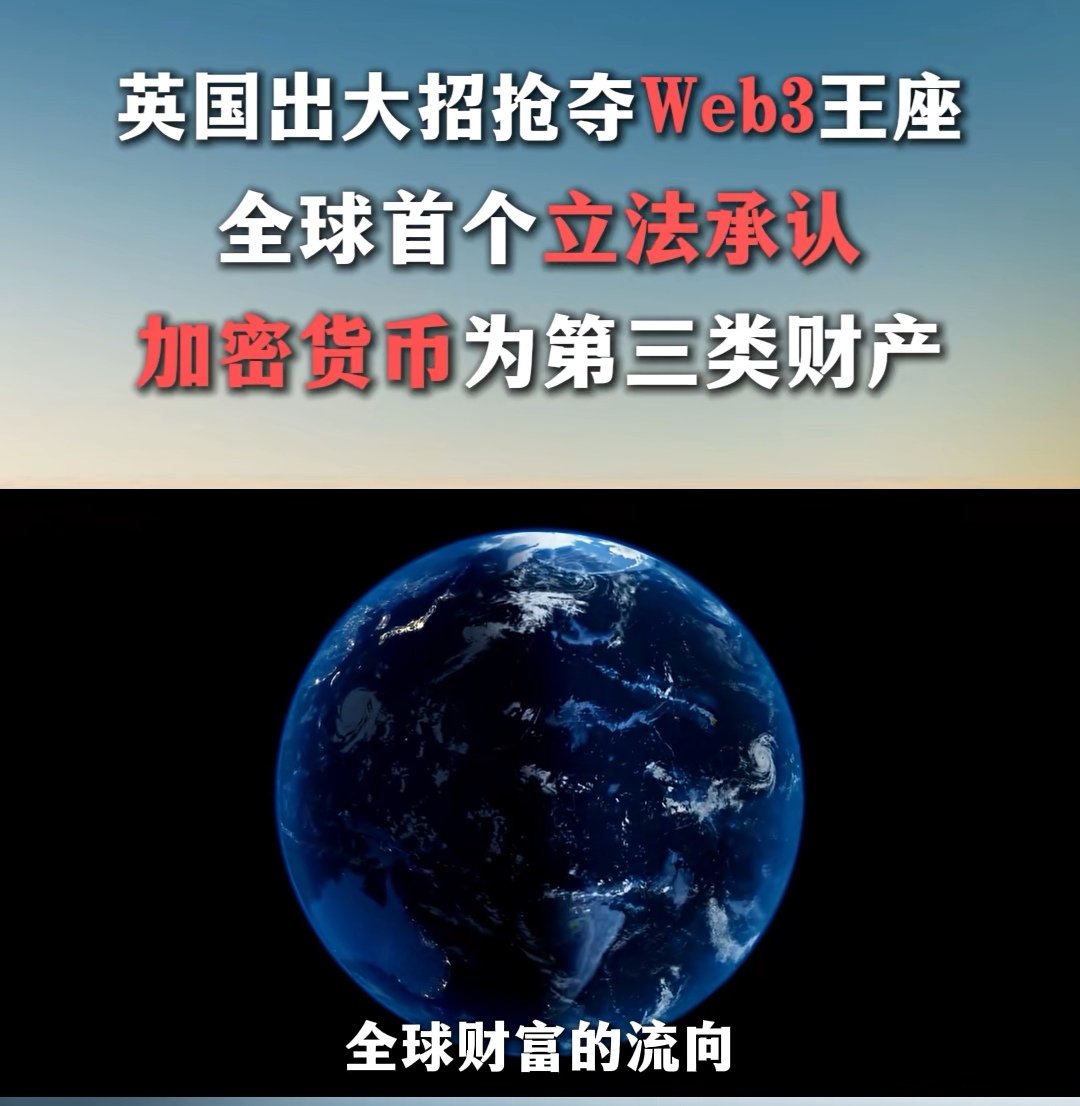
全球新金融体系,冉冉升起,任何人都将无法阻止时代的迭代更新。私钥写进遗嘱,谁掌握了加密货币,谁就引领金融主权。谁敢去创新,谁就能站在山巅,大势所趋!
1
1
7
698
5 Dec 2025
#DeepFamily is an open-source protocol for decentralized digital family trees. Leveraging zero-knowledge proofs, blockchain immutability, and community governance, it provides decentralized infrastructure for preserving global family histories.
6 Oct 2025
DeepFamily — ZK-powered family tree protocol. Private/public trees, proofs, NFTs. Strong cryptography and meaningful identity use case. - $1,500
2
2
6
1,633

7 Oct 2025
DeepFamily — Protokol family tree berbasis ZK. Mendukung private dan public family tree, bukti kriptografis, serta integrasi NFT. Menghadirkan kriptografi yang kuat dan use case identitas yang relevan. - $1.500
1
2
11
7 Oct 2025
DeepFamily — A ZK powered family lineage protocol. Supports private and public trees, cryptographic proofs, and NFT integration. Strong cryptography with a meaningful identity use case. - $1,500
1
2
9

6 Oct 2025
DeepFamily — ZK-powered family tree protocol. Private/public trees, proofs, NFTs. Strong cryptography and meaningful identity use case. - $1,500
1
6
1,535

2 Oct 2023
How can she say this lies about you???? Reported!! No one gonna put our Jerry Depp down, we are Deepfamily and gonna give support to each other, we love you @JerrieDepp and you can have sure that I gonna support you as much I support Johnny 💘🖤
1
3
149

17 Aug 2021
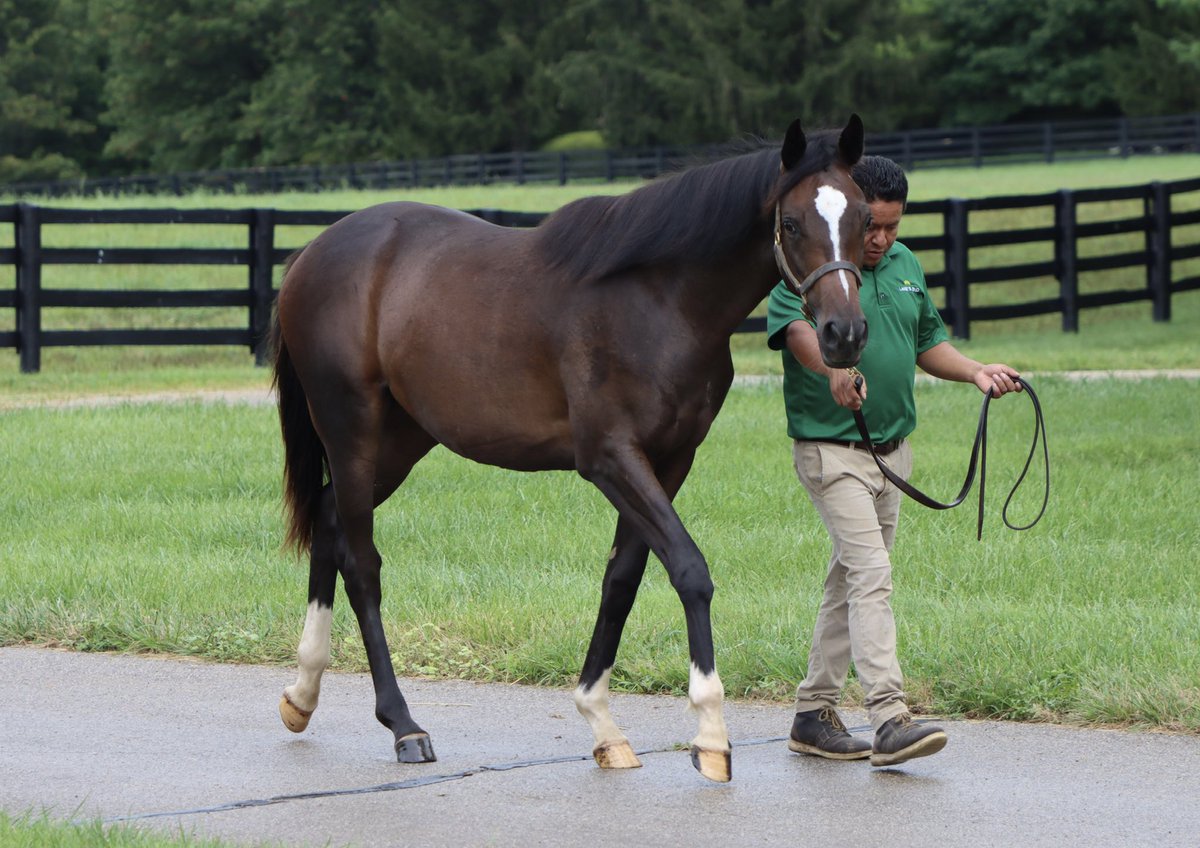
This lovely Honor Code filly is being kept to race and eventually join our Broodmare band. Out of Rehear a producer of several stakes horses and her daughters are now producing too #deepfamily #pedigree #lanesendfarm
9
13
176

24 Jul 2021
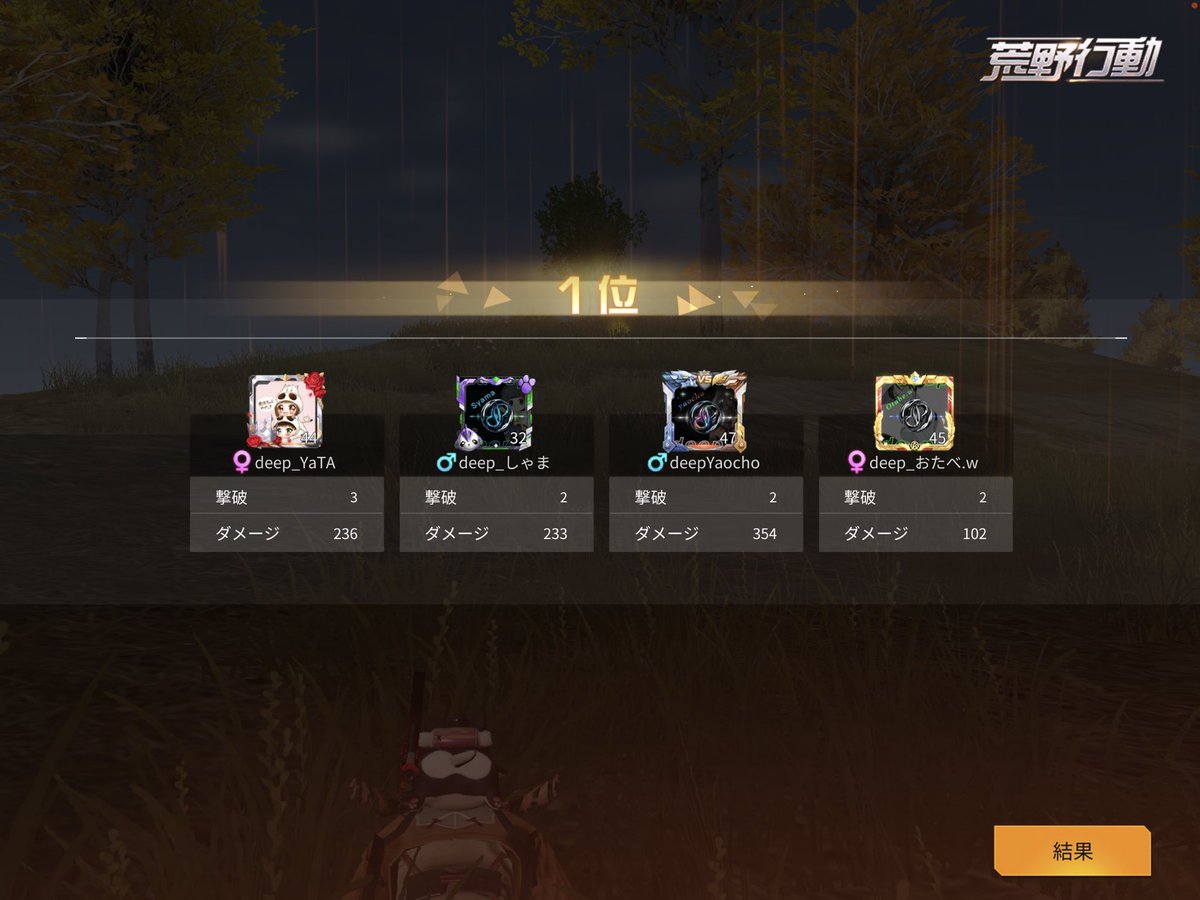
う、ほほーい🥰
深夜スクドン 🔫♡
リーグ戦ガチガチからの解き放たれてめっちゃ自分らしいプレーできた!普段からこれ出来たら....!
まだまだ未熟だけど、ぜってぇうまくなってやるからなぁ!
おたさんご指導お願いします!
まずは言うこと聞きます!
@otabe1231
#deepfamily
1
5

23 Sep 2020
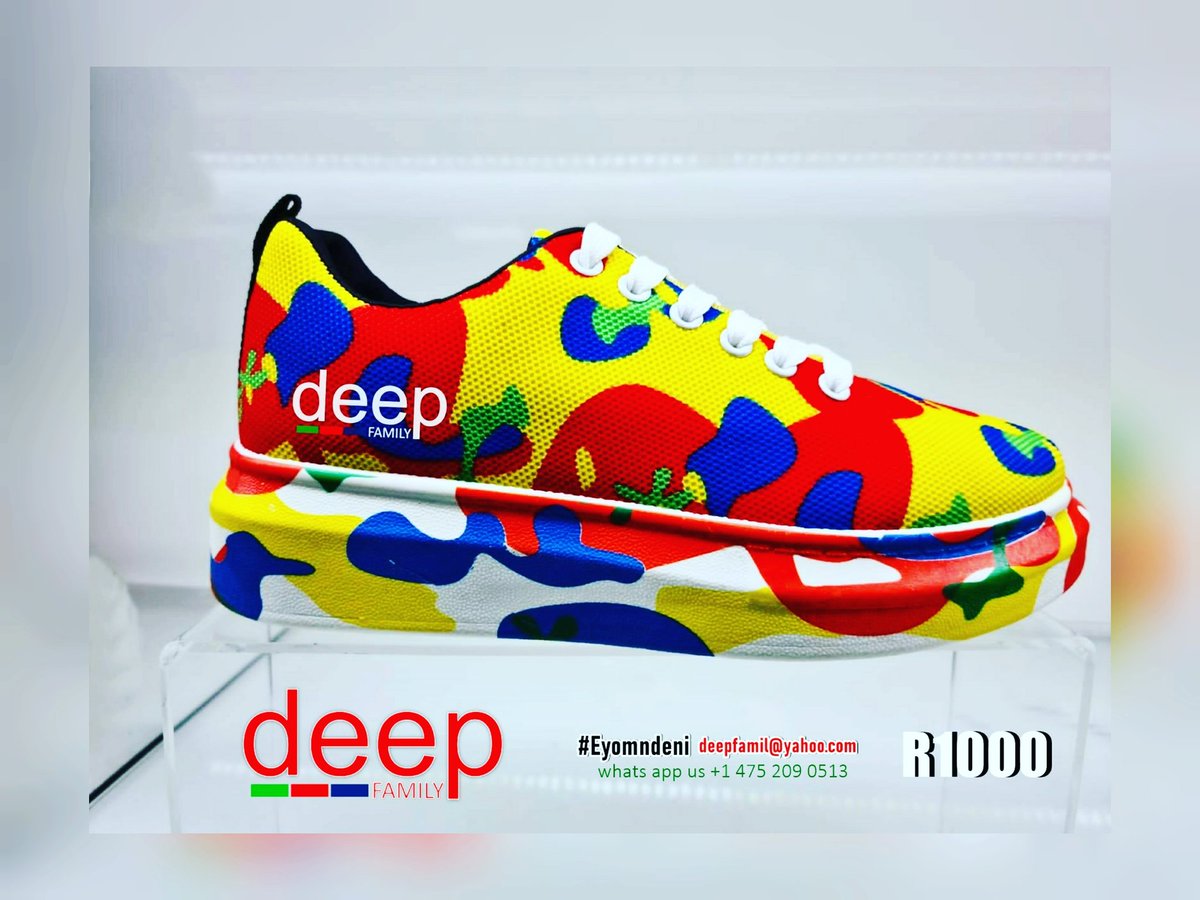
Best revenge is smile, be happy and never let them know it hurts. #prayingdj #internationaldj #amasiko #deepfamily
4