
Apr 30
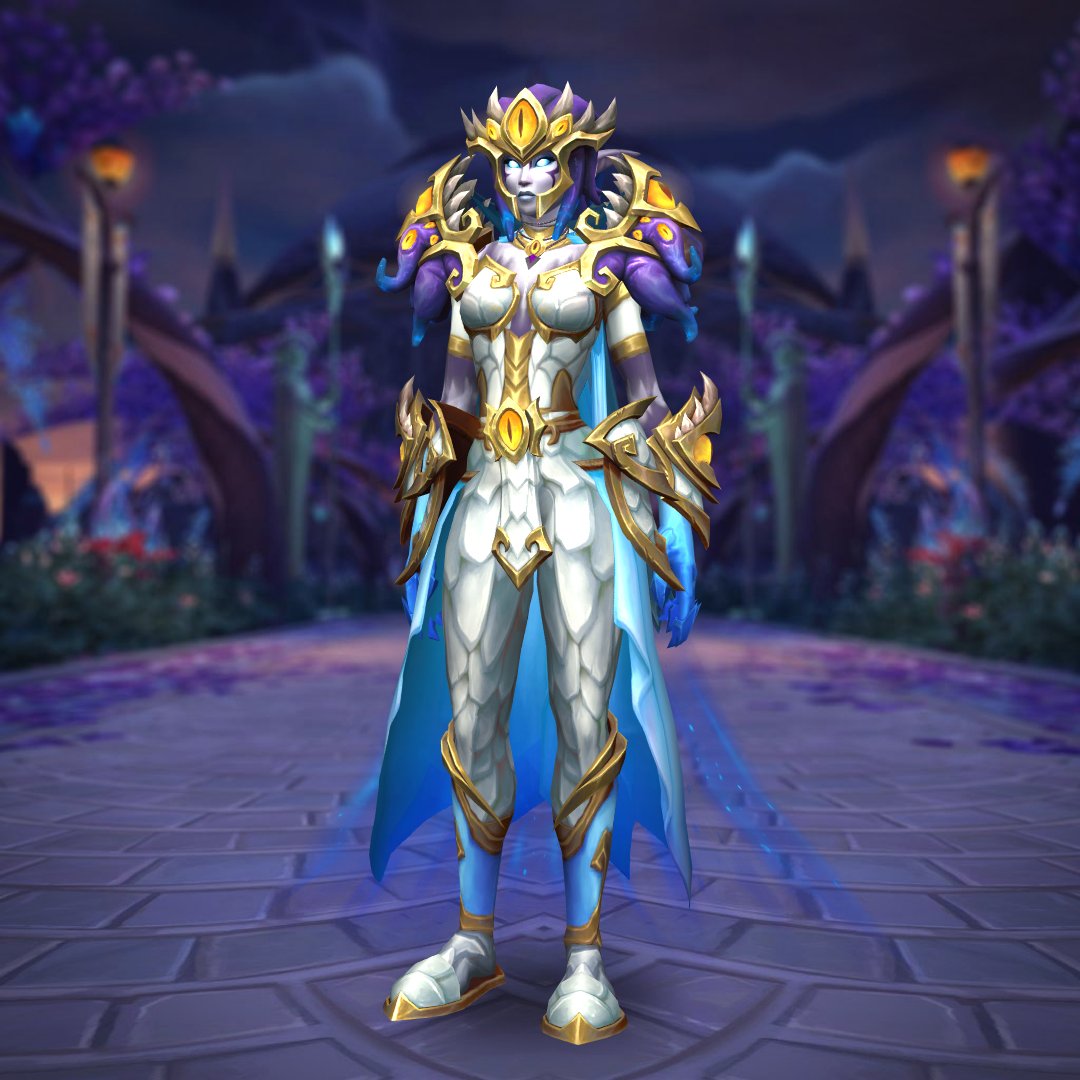
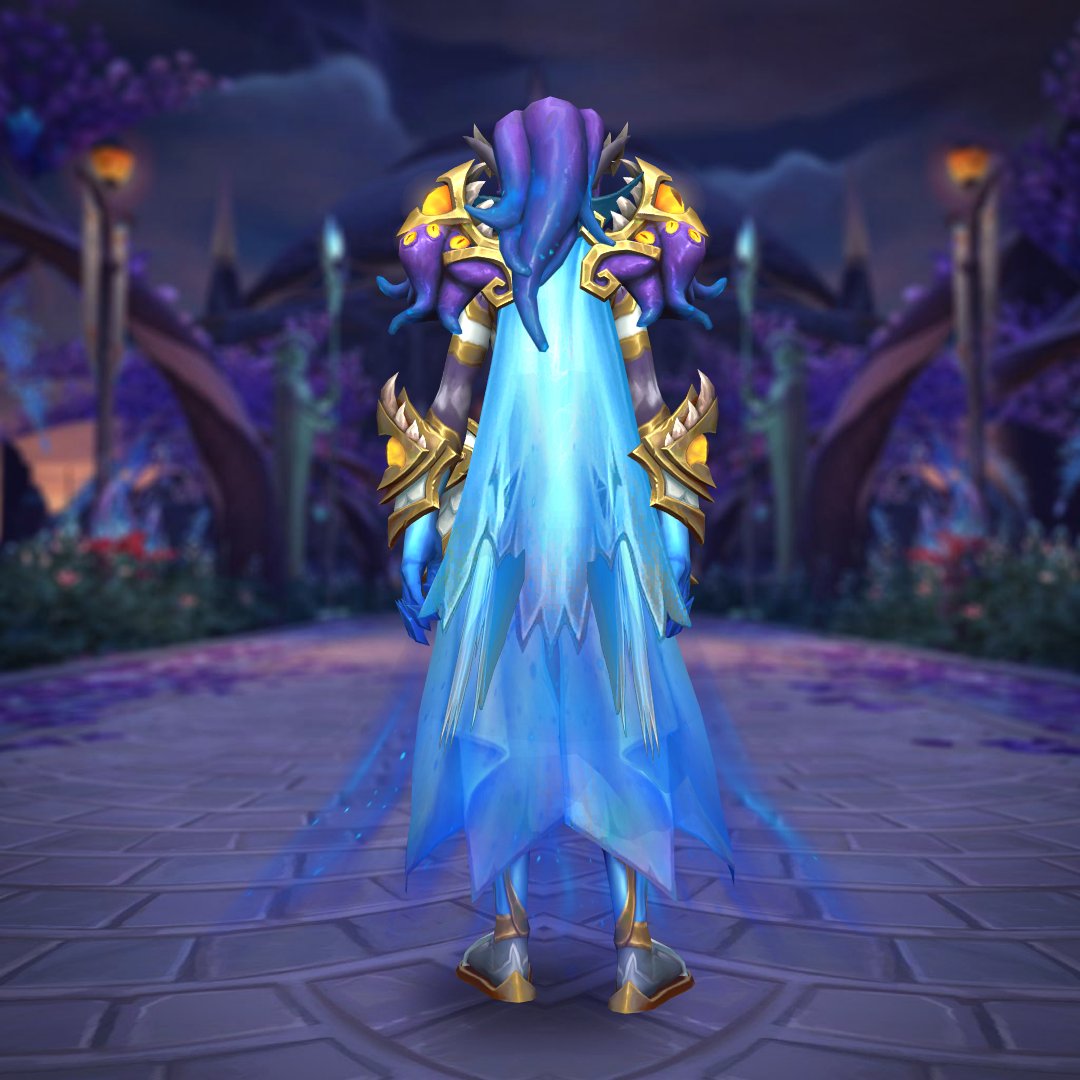
Azshara Deepscale set coming in 12.0.7!!
Sooooooooooo stunning omg, and the cloak is SO GOOD OMG.
10
14
388
21,007

Apr 23
That's just factually incorrect. A lot of their breakthroughs have come from acquisitions: Maxwell, Hibar, DeepScale, Solar City just to name a few. There are many more.
2
2
482

Jan 14
17년이면 DeepScale 인수(19년) 이전이군요 ... 개인적으로 FSD의 본격적인 발전은 DeepScale 인수(’19년)와 Karpathy의 Hydranet 컨셉 완성(’19년?) 이후부터라고 생각하는 ... 🥲
3
147
9 Nov 2025
Maybe this one ...? 👀
This patent is co-applied by DeepScale and Tesla. 🤔
1 Jul 2025

NEURAL NETWORKS FOR EMBEDDED DEVICES
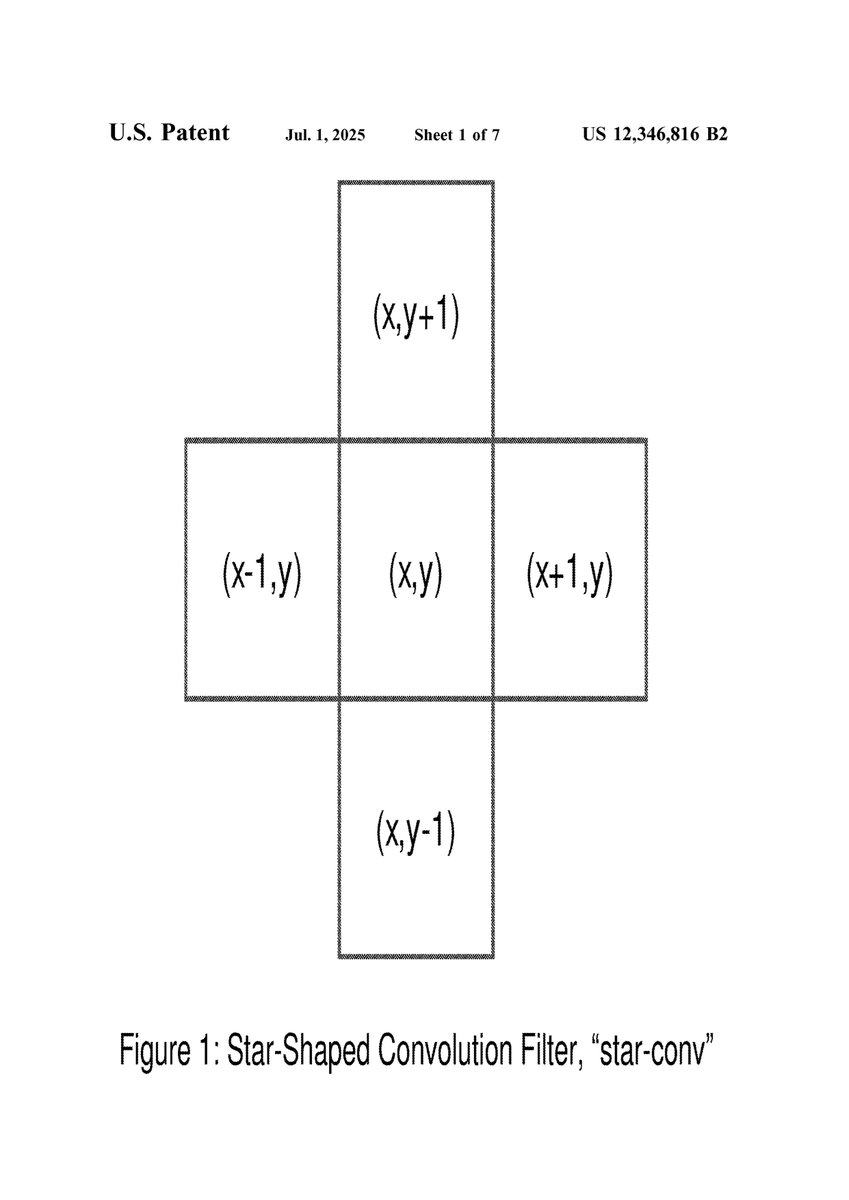
@Tesla's US12346816B2 patent introduces a transformative neural network architecture addressing the fundamental computational constraints of embedded devices through systematic bit-width reduction and arithmetic overflow prevention. The invention confronts the critical limitation wherein "processors may be too complex or expensive for use in inexpensive devices, such as IOT devices that may include inexpensive processors having a more limited bit-length" ([0002]), establishing a new paradigm for deploying sophisticated neural networks on resource-constrained hardware. This architectural innovation enables neural network inference on processors traditionally limited to simpler computational tasks, specifically 8-bit arithmetic processors found in IoT devices.
The technical breakthrough manifests through a co-designed approach linking neural network topology with arithmetic constraints, wherein "dimensionalities determined such that an output value generated by combining elements of an input layer as maximum values of the first integer representation with elements of a corresponding filter as maximum values of the second integer representation does not overflow the bit length of the registers" (Claim 1). This mathematical guarantee ensures operational integrity within 8-bit non-saturating arithmetic environments while maintaining inference accuracy through strategic quantization and novel convolutional topologies.
The patent's significance extends beyond incremental optimization, fundamentally reconceptualizing how neural networks interact with hardware limitations. Rather than treating bit-width constraints as performance degradation factors, the invention integrates these boundaries as first-order design parameters, yielding architectures that achieve optimal efficiency precisely because of, not despite, their computational constraints.
[FIG. 1: Star-shaped convolution filter showing 5-element spatial sampling pattern with center and cardinal direction weights]
2
1
13
2,119


26 Oct 2025
Tesla Acquisitions:
NUMMI Factory
Rivera tool and die
Grohmann Automation
Maxwell (batteries/dry coatings)
Wiferion (wireless charging)
SolarCity
Deepscale (Camera based autonomous driving)
Hibar Systems (battery electrolyte filling)
Perboix Automation
ATW (battery mfg automation)
Springpower (battery R&D)
Battery Partnerships w Panasonic and Jeff Dahn

A tweet/post is how I initiated the dozen or so startups that constitute Tesla.
Tesla has made very few acquisitions. Our growth is ~90% organic.
We didn’t “play to our core strengths”, we created core strengths from nothing.
5
1
33
4,997

22 Sep 2025
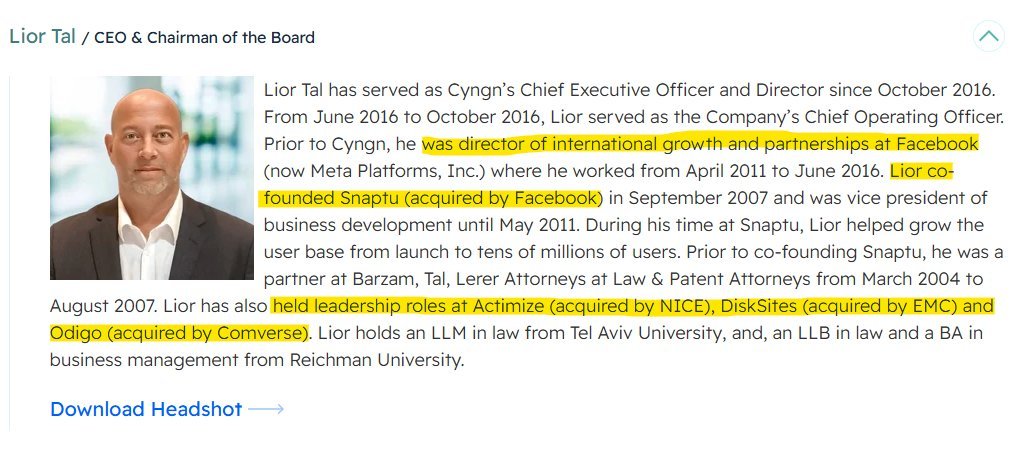
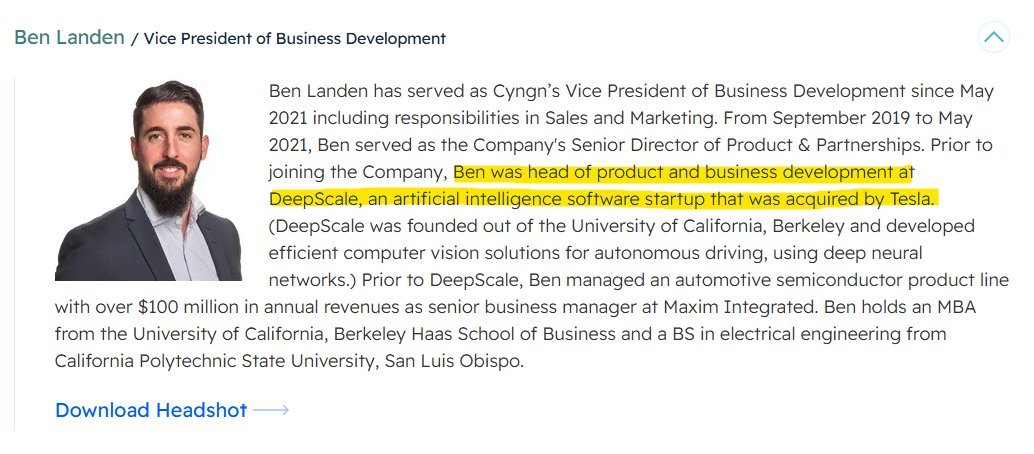
$CYN CEO co-founded Snaptu, which was acquired by $META (Facebook at the time). He also held leadership roles at 3 different companies that were all acquired.
The VP of business development came from DeepScale (was head of product and business development) that was acquired by $TSLA
*NFA
11
9
19,905

31 Aug 2025
Check out Deepscale Diggers - Lizard folk miners by Heroes and Beasts on @Kickstarter kickstarter.com/projects/her…
2
1
2
47

16 Jun 2025
沈没聖域の守護海獣 ディープスケイル=ヴァルゴス (Deepscale-Valgoss, the Guardian Sea Beast of the Sunken Sanctum)
#ChatGPT
#ImageFX
#AIart
#AI絵師と繋がりたい
#相互フォロー100
#フォロバ100
#フォロバ100変垢以外

1
9
151

3 Apr 2025
Tesla $TSLA owns: SolarCity ☀️, Tesla Energy ⚡️, Tesla Insurance Services 🛡️, Tesla Toronto Automation 🤖 (ex-Hibar), Tesla Automation 🏭 (ex-Grohmann), DeepScale 🧠, SiILion, Inc. 🔋, Maxwell Technologies ⚡️, Riviera Tool ($RVRA) 🛠️, Compass Automation 🧭. Building its EV 🚗 & energy ⚡️ empire!
1
1
4
271

14 Mar 2025
- Have institutionalised racism
- Only 10% of non-natives can enter state universities
- Highly polarised politics with lack of middle ground and viable third option
- Neo-fascist hold strong political influence over the natives
- Massive deepscale corruptions
"Fine" indeed .....
1
6
904

8 Mar 2025
后 AI 时代,决定天花板因素之一是想象力了。
随着 claude 及 qwq、deepscale 等小参数 model 数学编程能力越来越强。
cursor 、 mcp 、agent 等越来越红火,任务范围越来越大。
一句话 prompt,可以做完的事情越来越多。
那么越到后面,释放出更高生产力,是更多的想象力了。在想到等于 AI 可以做到的时代。想像得更突破,更符合数学物理,得到更加强大的生成结果。
10
22
98
20,388
5 Mar 2025
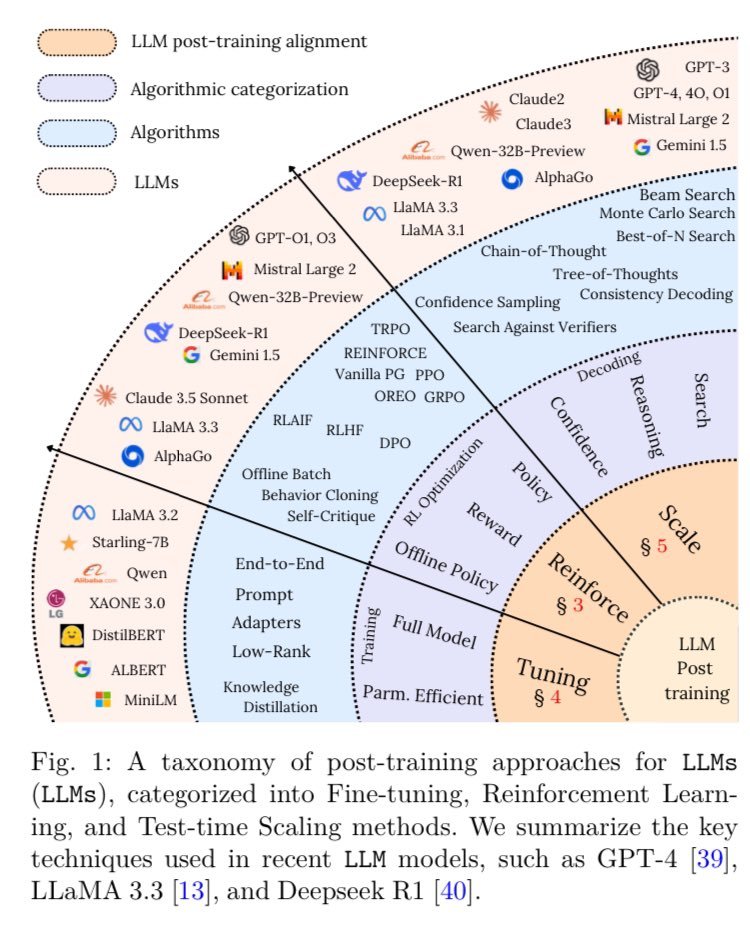
问题 ai 技术风向转得更快。deepseek-R1 论文1月20刚出来,大家意识 RL 效果好,2月出了好多类似的小model 打数学榜单,例如 deepscale。 7B 5000美元训练成本,干翻一堆大参数。
现在3月ai圈又对 RL 降温了,开始去玩diffusion LLM 了。还有一波干脆去尝试更多样的无监督学习。
风变得很快,论文多到看不过来。
6
761

17 Feb 2025
I have absolutely no idea what I'm doing but I am now running DeepScale 1.5B locally in a virtual python environment in Ubuntu on my Windows machine using a RTX 3080Ti.
1
3
161

16 Feb 2025
DeepScale++なRFロジック完成🔥
報酬関数のアルゴリズムも完成🔥
日曜日は研究が進む最強です🔥
ここからは4Epoch終わるまでしばらく放置なので、リサーチとほかのタスク出来るから最高🔥
7
1,295
15 Feb 2025
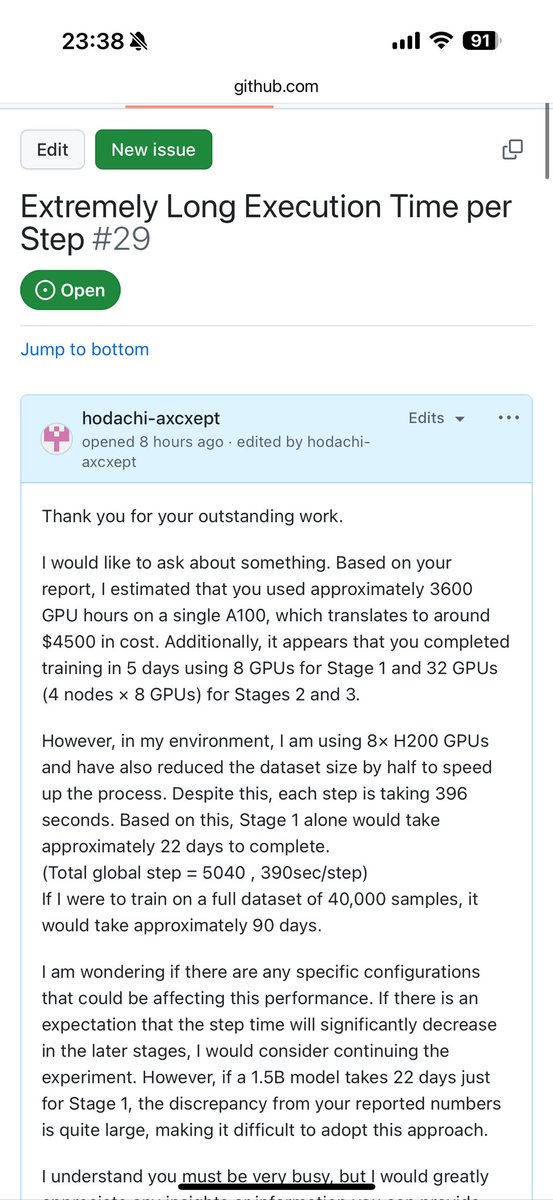
DeepScale is amazing! But did the entire training really finish in just five days?
From my own attempts, training on just 8k data took 25 days, and the estimated cloud GPU cost would be around $20,000.
Since this is a university research project, it is open source, but I want to know the truth. The significance of the results is entirely different depending on whether they achieved high performance in an extremely short period or used a massive amount of time and resources.
The results themselves are impressive, so I really want to understand the full story.
I’ve opened an issue on GitHub, so please check it out!
14 Feb 2025

あり得ない快挙。
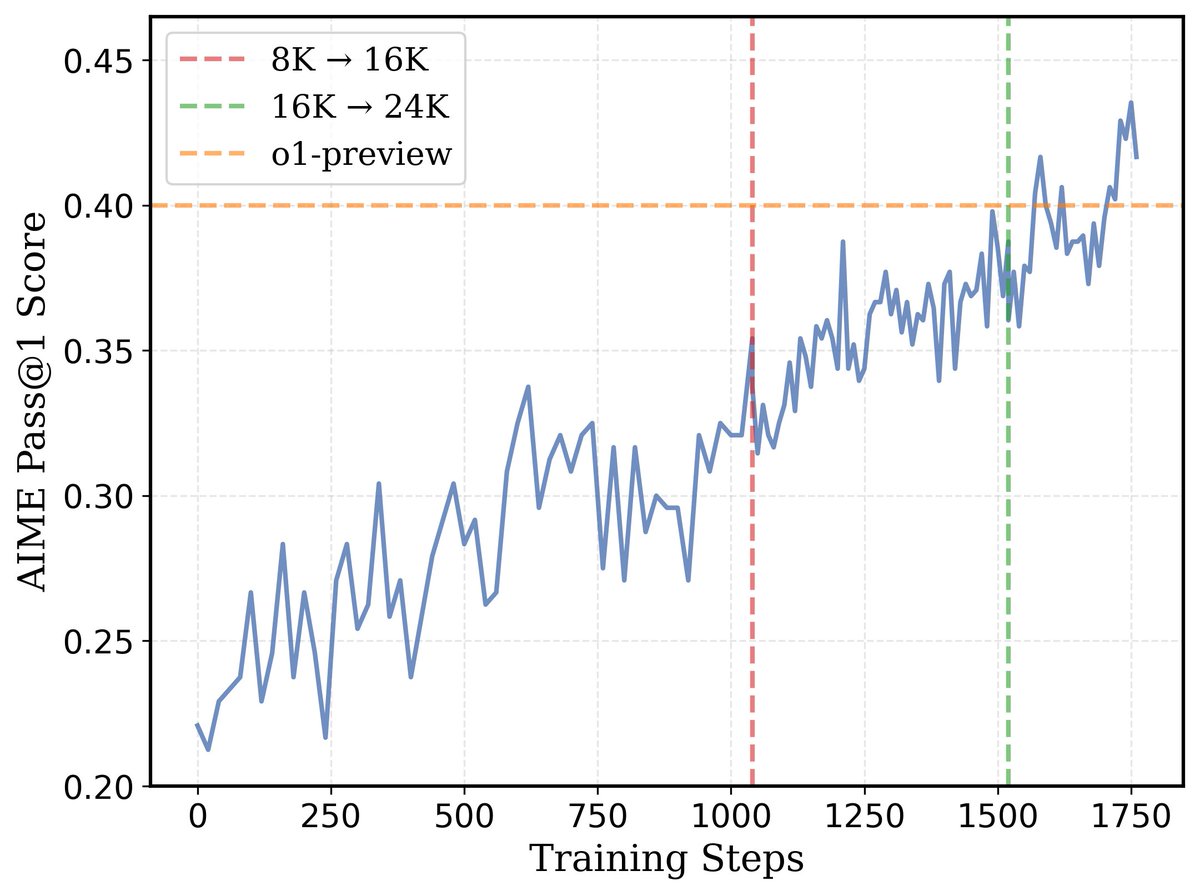
たった1.5Bのモデルが、強化学習で、4万問の数学の問題でトレーニング。たった60万円で数学能力、o1-previewを超える結果に。
これが真実で本当に再現できればま、特化型で、1.5B、企業向けの開発でボコボコ使われることほぼ間違いない成果。
やべーと言わせてほしい。
本文翻訳
カリフォルニア大学バークレー校は、15億の小さなモデルがRLによる数学でo1-previewを上回ることを実証しました。
彼らは、40K の数学の問題に対して Deepseek-R1-Distilled-Qwen-1.5B にシンプルな RL を適用し、8K のコンテキストでトレーニングした後、16K と 24K にスケーリングしました。
数学で O1 プレビューに勝つには、3,800 A100 時間 (4,500 ドル) が必要です。
最も優れている点は、モデル、トレーニング コード (ByteDance verl ライブラリに基づく)、データセットなど、すべてをオープンソース化したことです。
1
4
2,520

11 Feb 2025
I've been experimenting with similar models, and I'm amazed at how quickly they're advancing. The fact that DeepScale R-1.5B-preview can surpass o1-preview for general math reasoning is a testament to the power of reinforcement learning.
4
220

11 Feb 2025
DeepScale R-1.5B-preview a open-source, 1.5B-parameter model trained with RL to surpass o1-preview for general math reasoning
Its nuts how small good models become

DeepScaleR-1.5B-Preview
a open-source, 1.5B-parameter model trained with RL to surpass o1-preview for general math reasoning
14
15
196
18,661

24 Dec 2024
테슬라는 2015년부터 2021년까지 총 11개의 기업을 인수
•2015년: Riviera Tool (자동차 제조)
•2016년: Grohmann Engineering (자동차 제조), SolarCity (태양광 시스템)
•2017년: Perbix (자동차 제조), Compass Automation (자동차 제조)
•2019년: Maxwell Technologies (배터리 제조), Hibar Systems (배터리 제조), DeepScale (AI)
•2020년: ATW Automation (배터리 제조)
•2021년: Spring Power (배터리 제조), Sillion (배터리 제조)
이러한 인수를 통해 테슬라는 자동차 제조, 배터리 기술, AI 등 다양한 분야에서 기술과 인재를 확보하며 사업 역량을 강화해 왔습니다.
1
2
77