
Jun 13
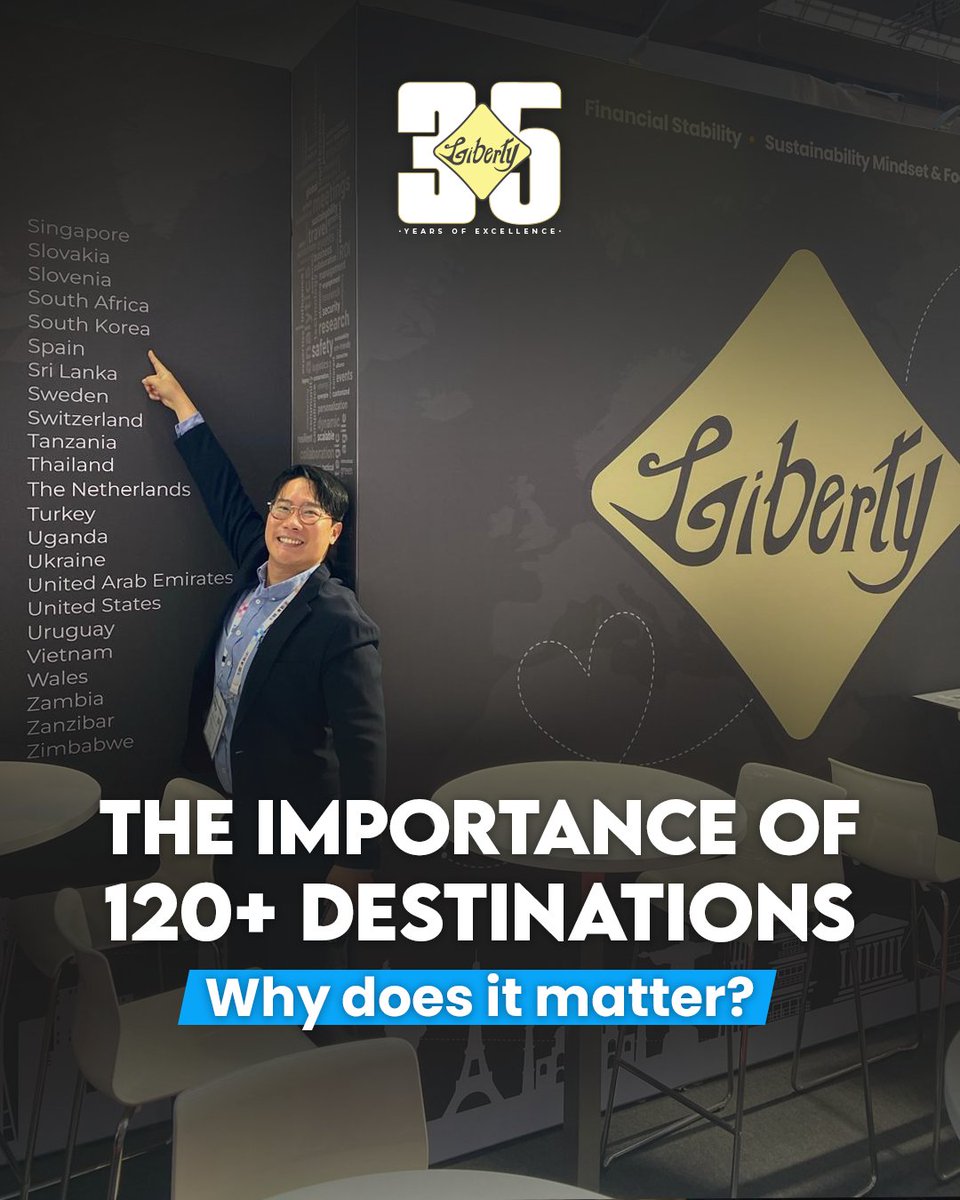
Every programme has different objectives.
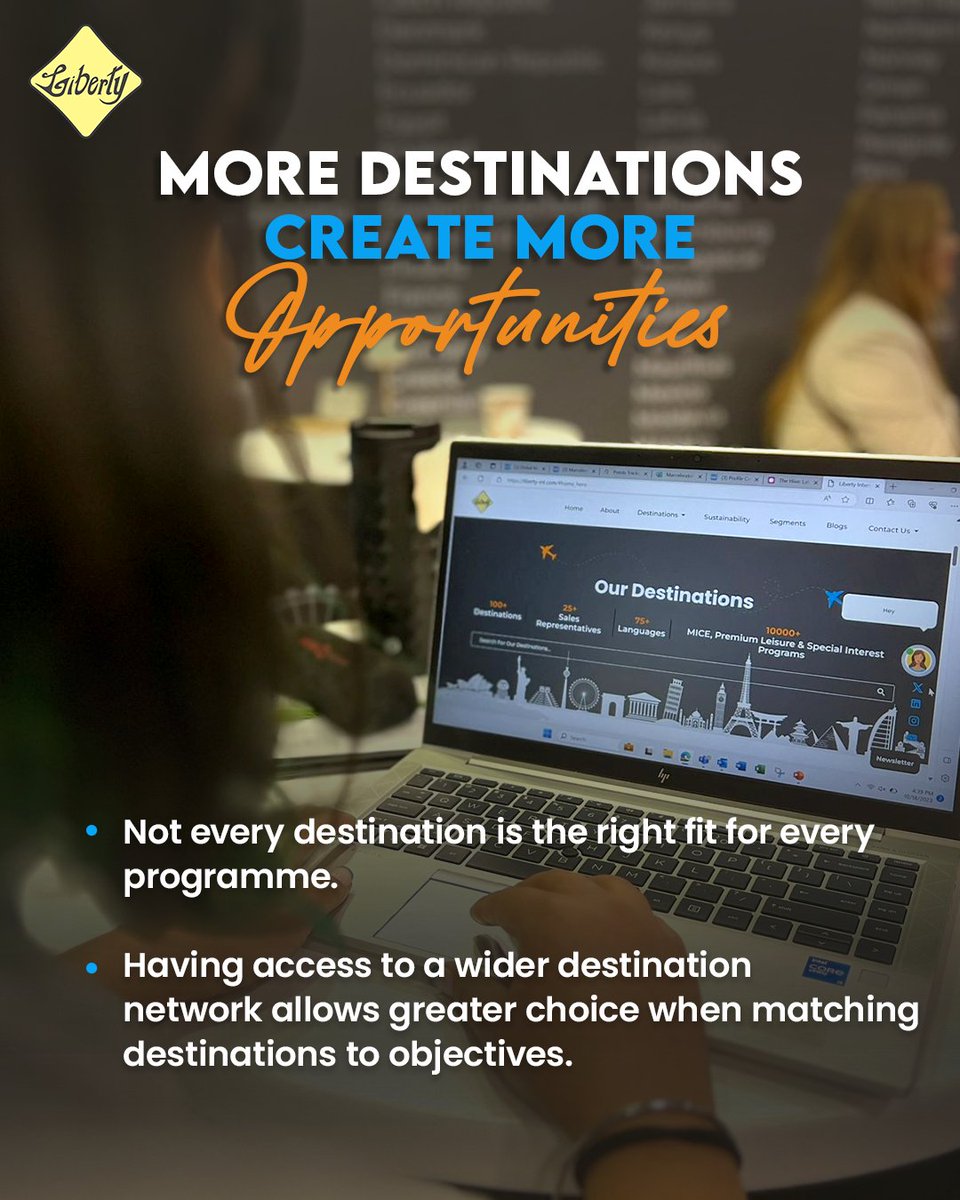
And not every destination is the right fit for every experience.
A wider destination network creates more opportunities to match destinations with goals, audiences, and expectations.
Because the right destination can make all the difference.
120 destinations.
More possibilities.
More opportunities.
Liberty International
liberty-int.com
Personal Touch Worldwide
#LibertyDMC #DestinationManagement #GlobalDMC #MICEIndustry #GlobalNetwork
1
1
4
Jun 12
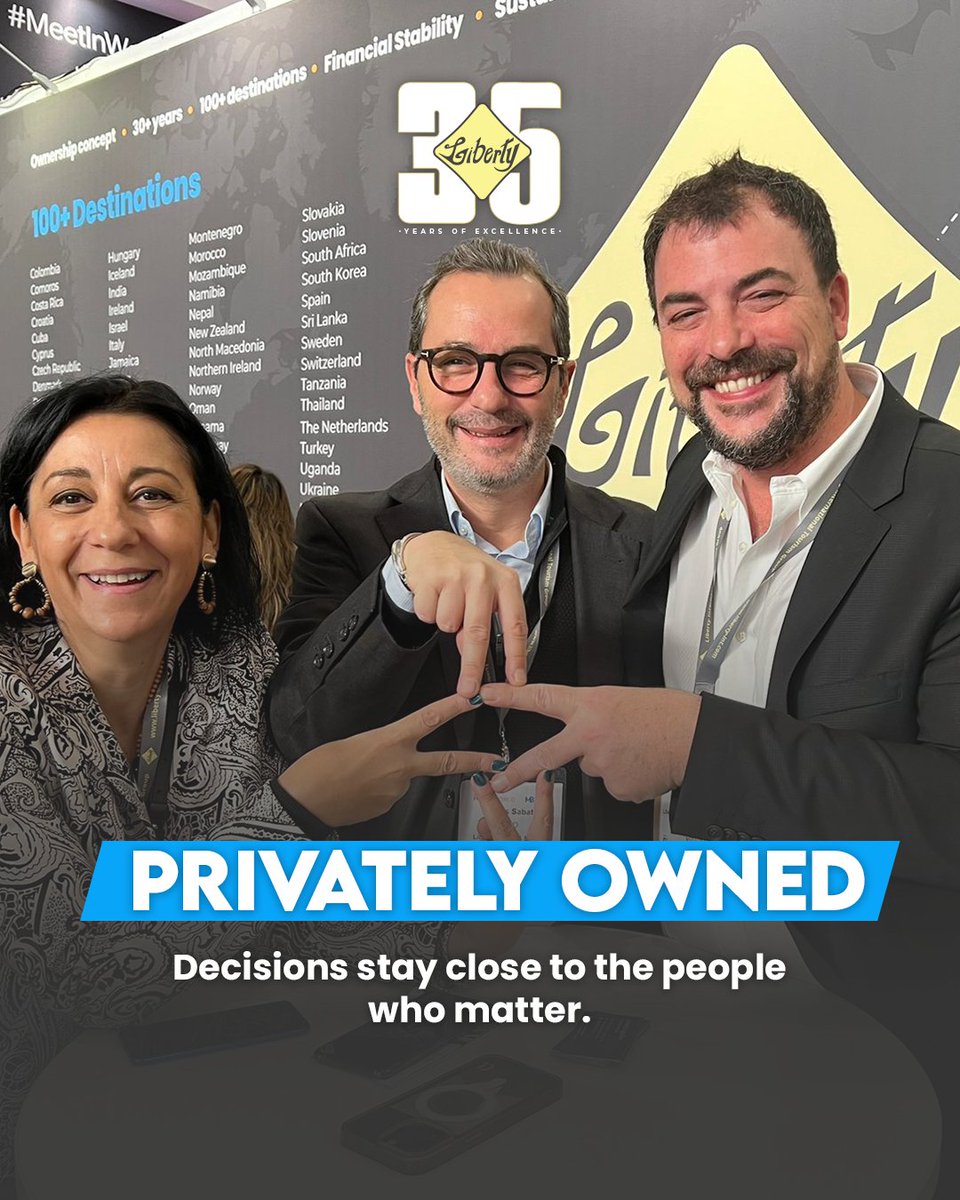
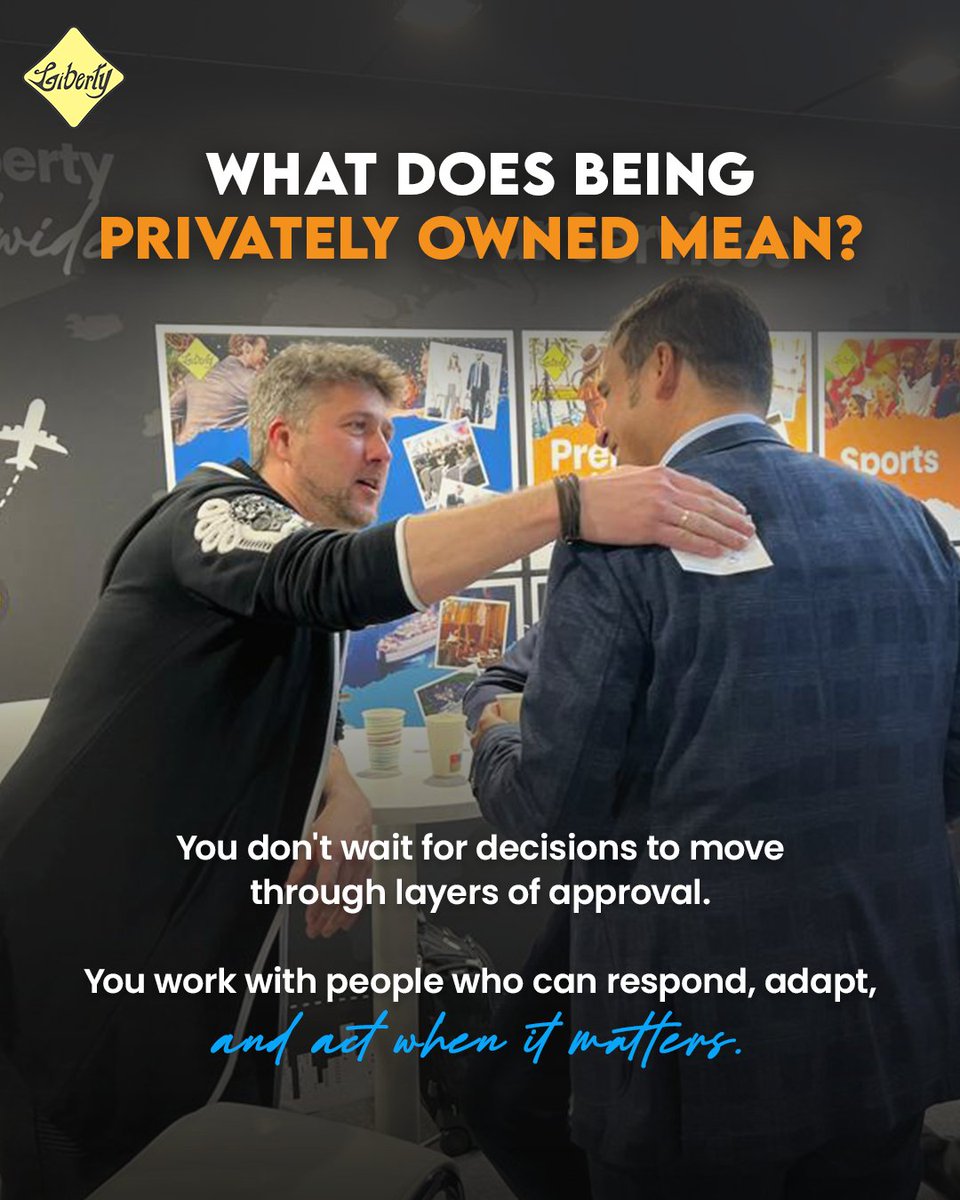
Being privately owned shapes how decisions are made.
It allows teams to stay closer to clients, respond with agility, and adapt when circumstances change.
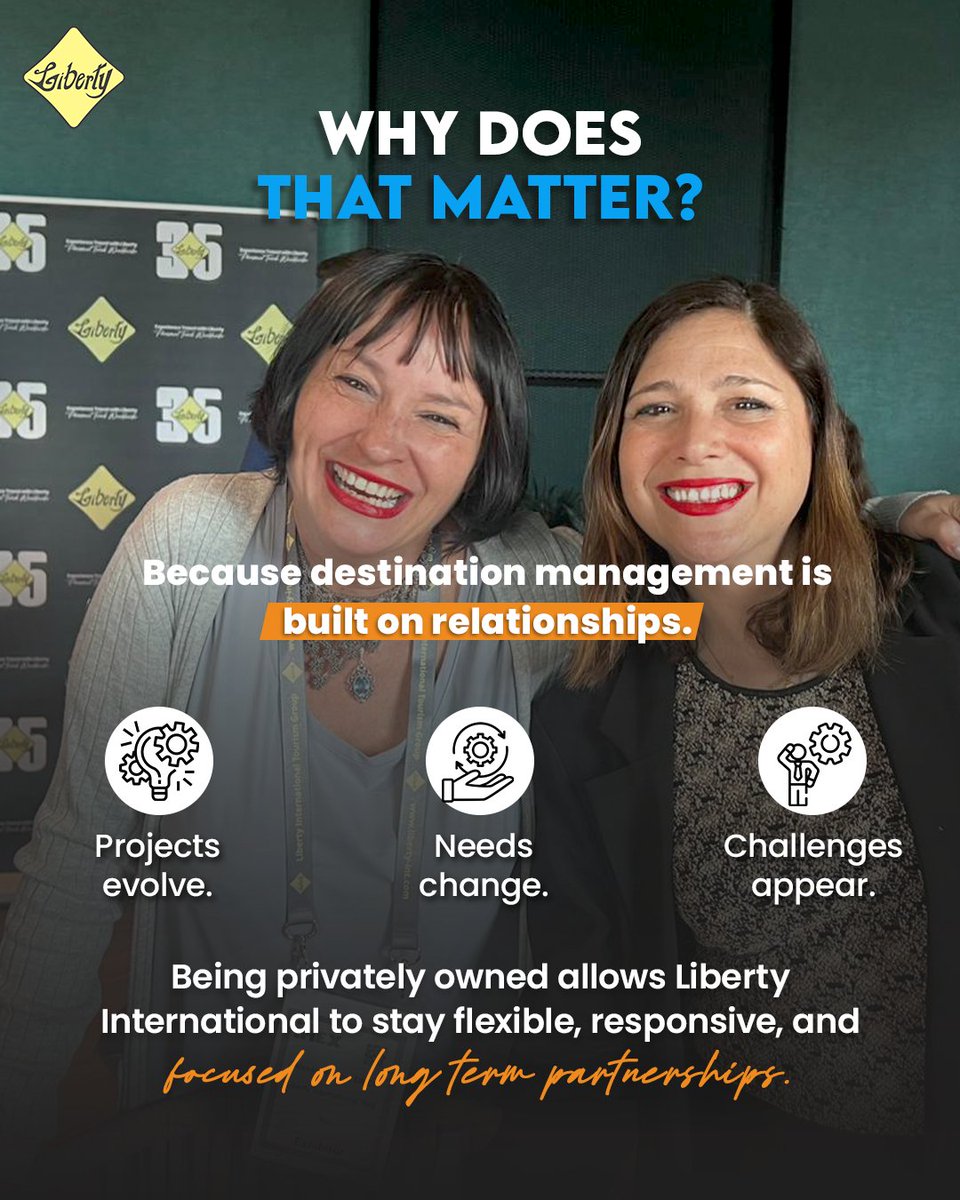
Because destination management is built on relationships.
And strong relationships require flexibility, accountability, and a long-term perspective.
Independent in structure.
Personal in approach.
Liberty International
Personal Touch Worldwide
#LibertyDMC #DestinationManagement #GlobalDMC #MICEIndustry #BusinessTravel

1
11
Jun 11
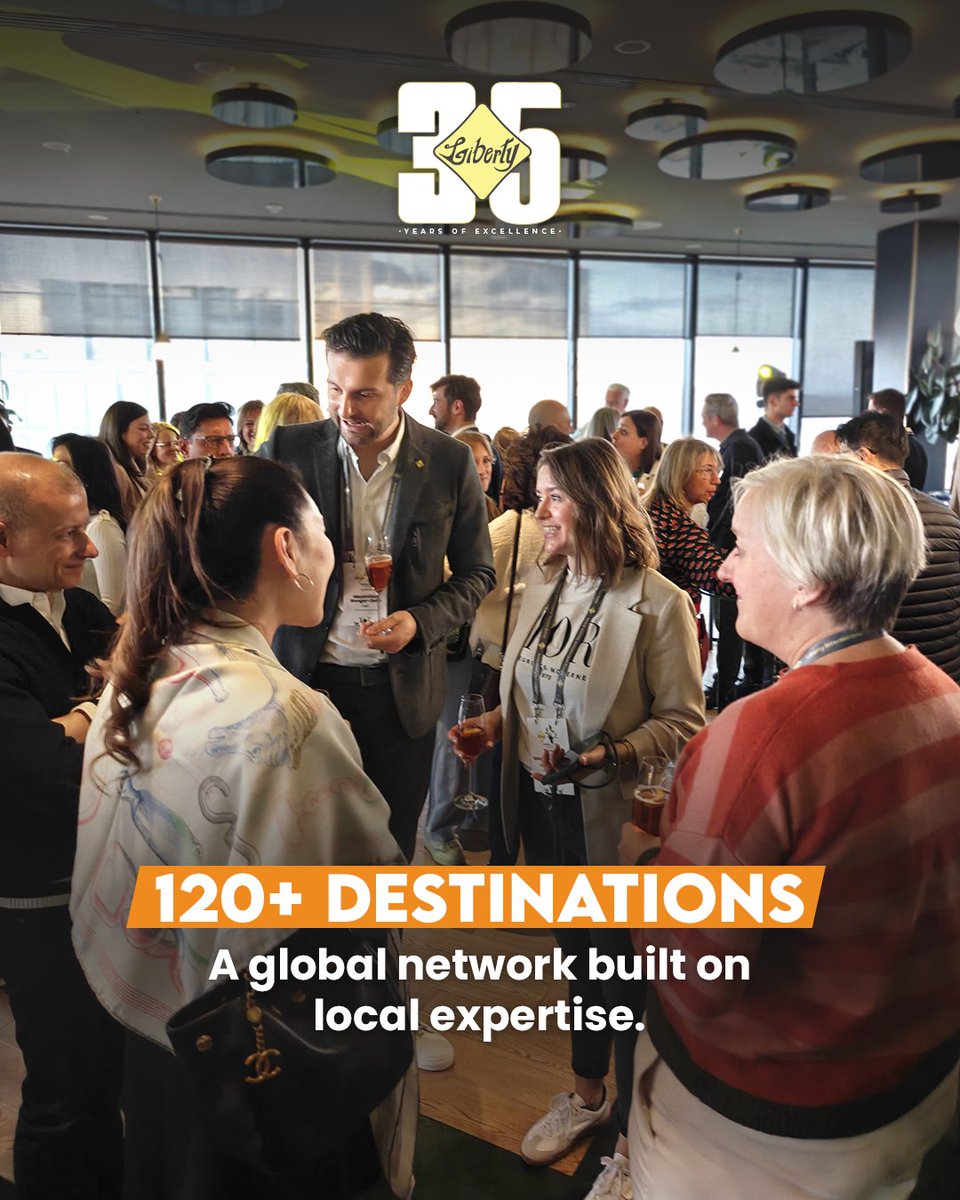
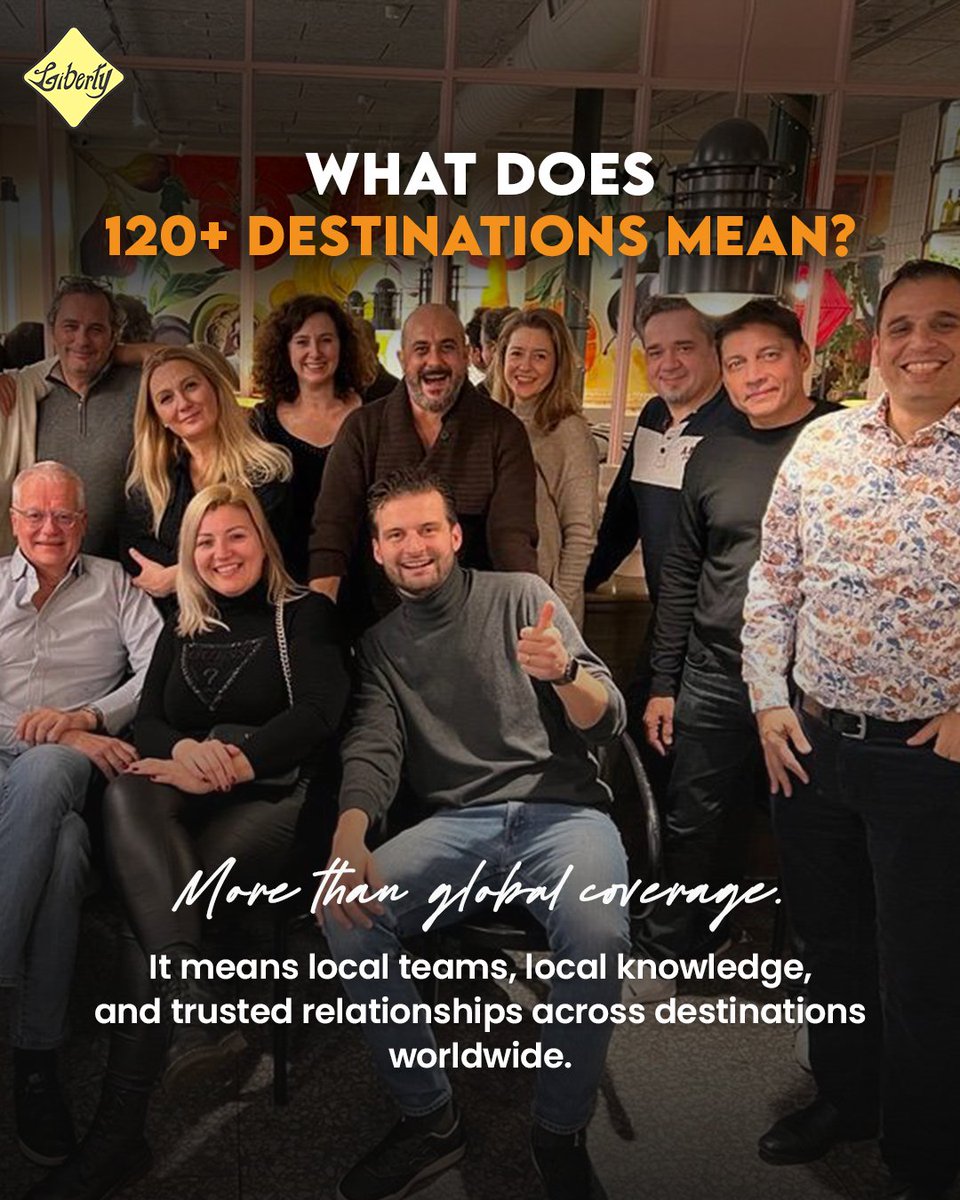
120 destinations is more than a number.
It means local expertise, trusted relationships, and on-the-ground knowledge across the world.
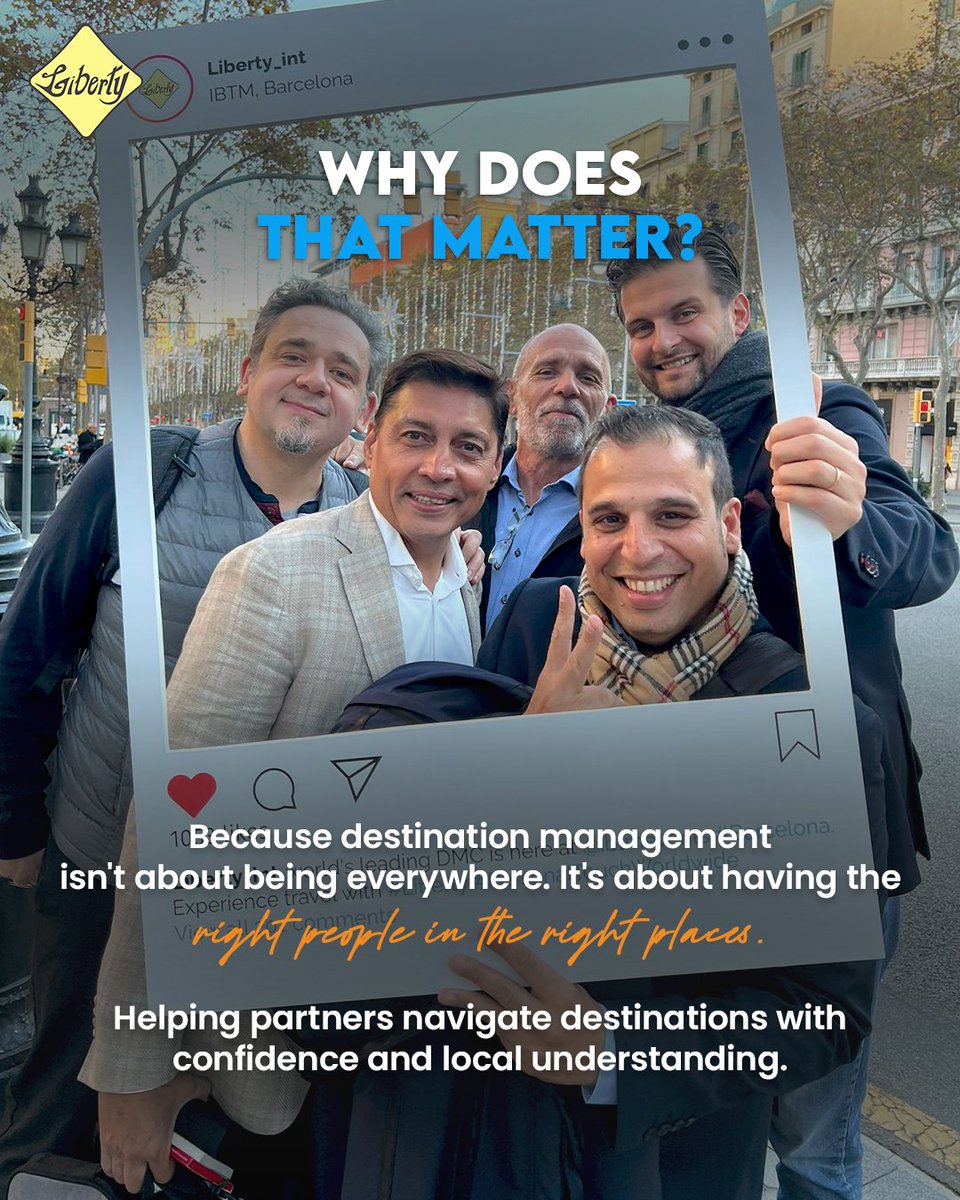
Because destination management isn't about being everywhere.
It's about having the right people in the right places.
Helping partners navigate destinations with confidence and local understanding.
120 destinations.
One connected network.
Liberty International
Personal Touch Worldwide
#LibertyDMC #DestinationManagement #GlobalDMC #GlobalNetwork #MICEIndustry #EventManagement
1
3
Jun 10
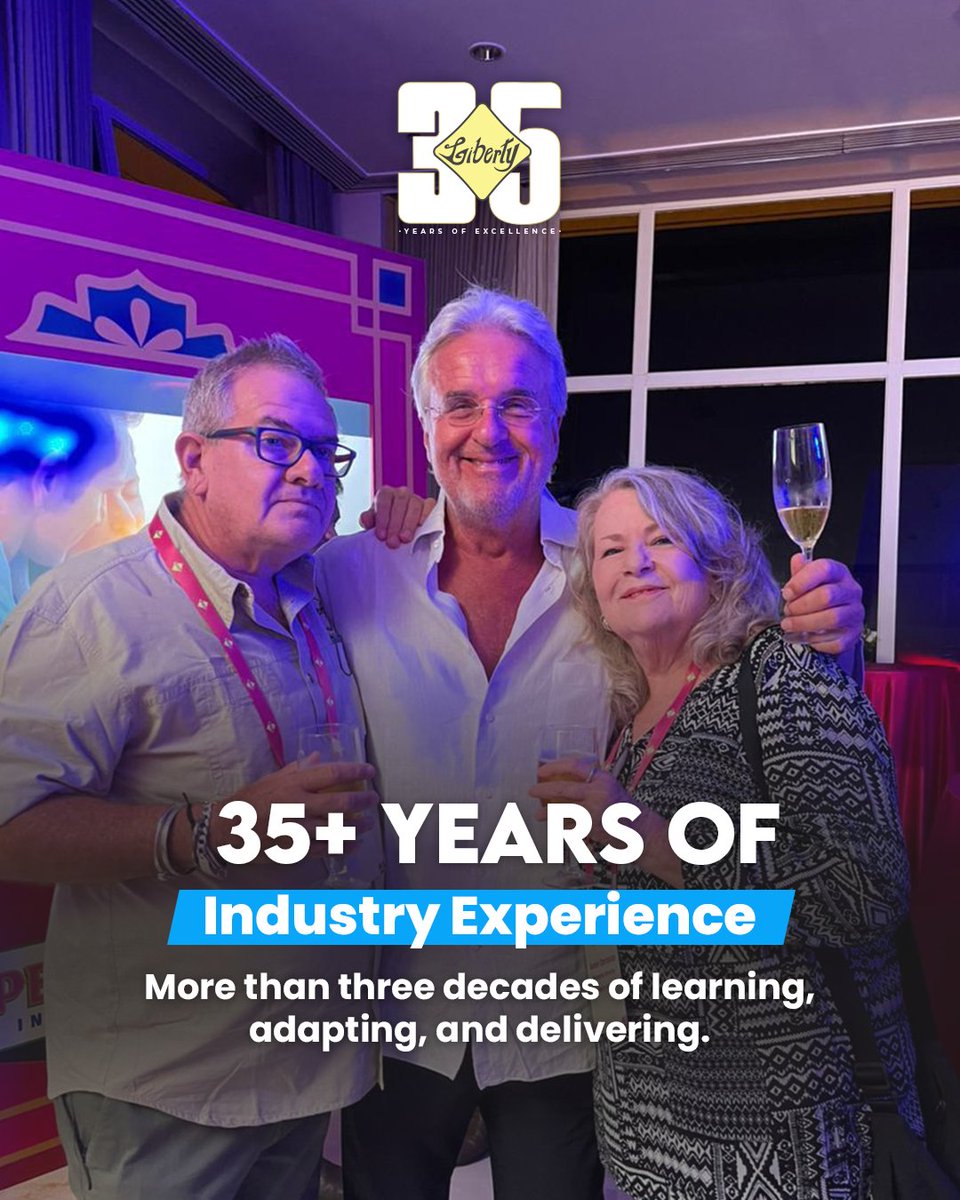
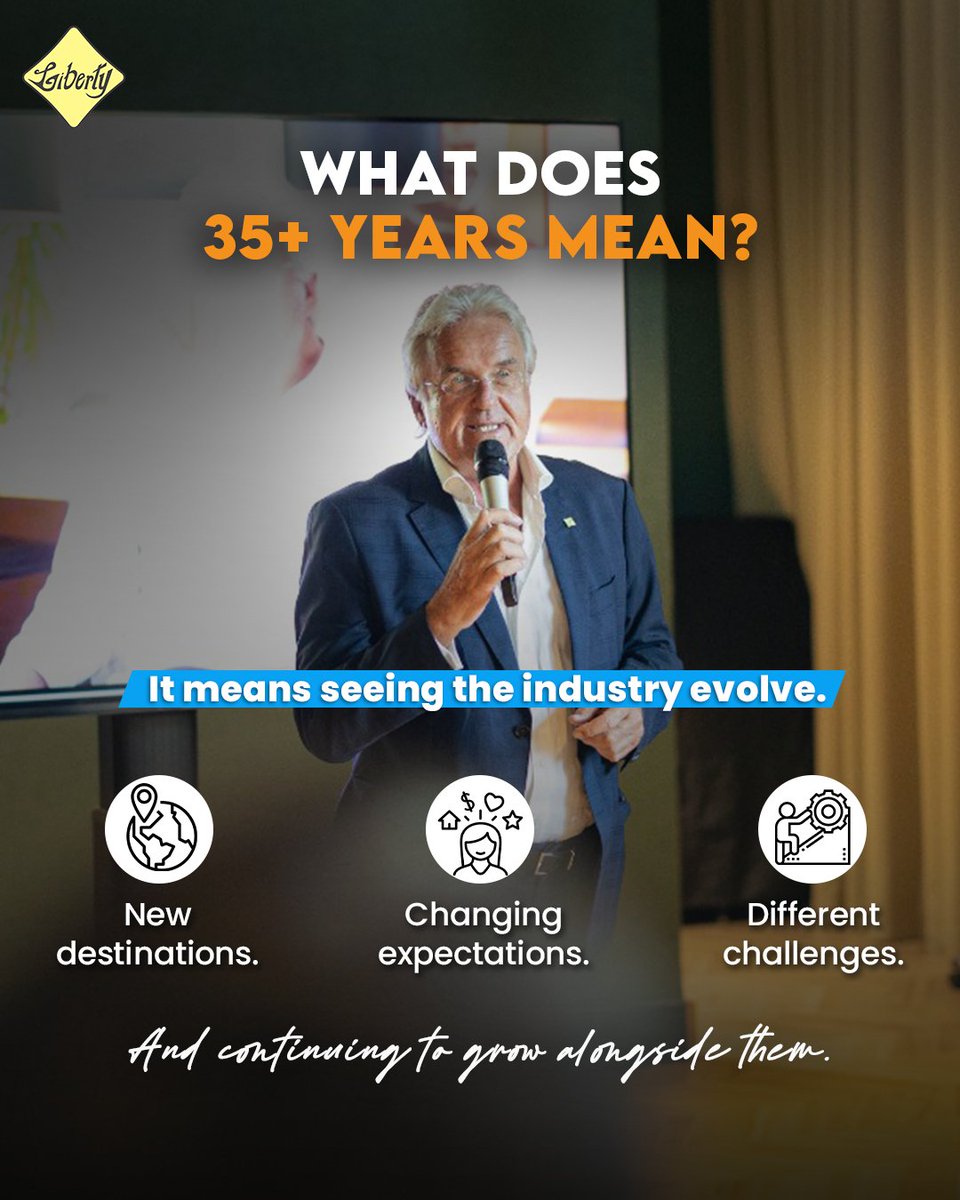
35 years in destination management is more than a milestone.
It means witnessing the industry evolve, adapting to changing expectations, and growing alongside destinations across the world.
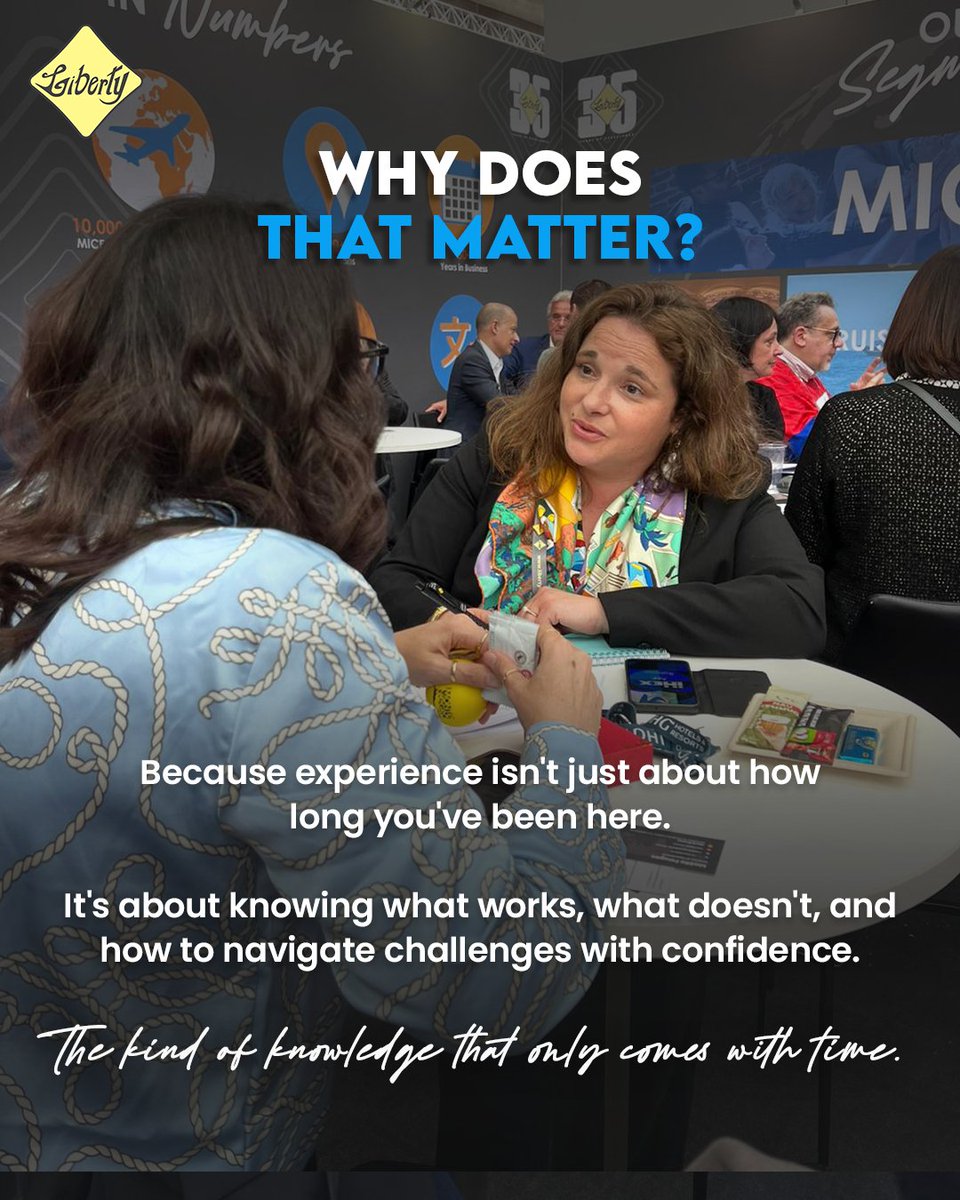
Because experience is not just about time.
It's about understanding challenges, navigating complexity, and delivering with confidence when it matters most.
Liberty International
Personal Touch Worldwide
liberty-int.com
#LibertyDMC #DestinationManagement #GlobalDMC #MICEIndustry #EventManagement #BusinessTravel #GlobalNetwork
1
5
Jun 9
35 years of experience.
120 destinations worldwide.
Together, they represent more than numbers.
They reflect the knowledge, local expertise, and trusted relationships that help navigate destinations with confidence.
Because great destination management is not just about places.
It's about the people behind them.
Liberty International
liberty-int.com
#LibertyDMC #DestinationManagement #GlobalDMC #MICEIndustry #GlobalNetwork #EventManagement
1
5

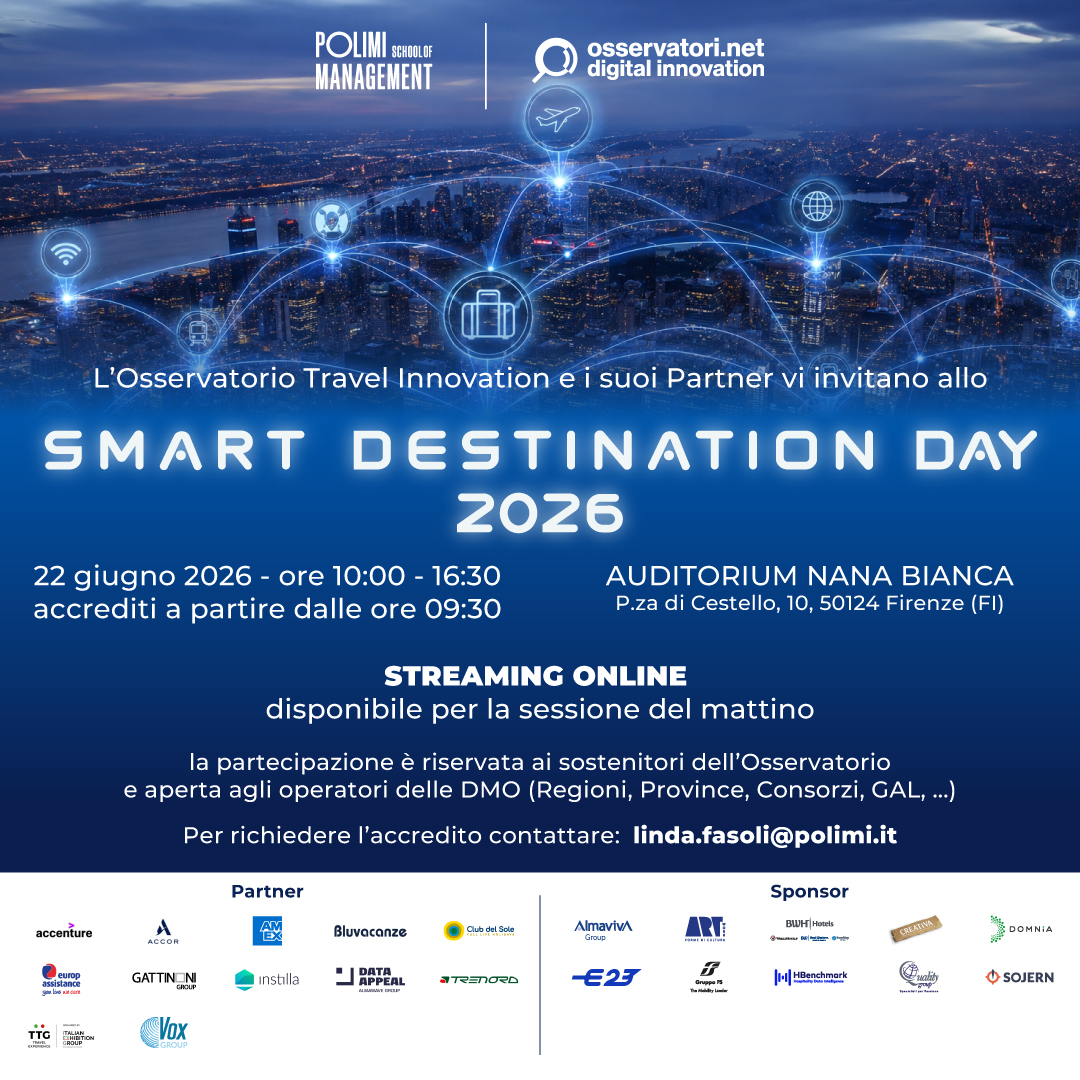
🚀 Torna lo #SmartDestinationDay, l’evento del Travel Innovation Observatory del @polimi dedicato all’innovazione nel #destinationmanagement. Ci vediamo il 22/06 al Nana Bianca Auditorium di Firenze. Maggiori info: tinyurl.com/55zp7ads
#SDD26
48
May 31
In travel, people rarely remember only the destination. They remember how the experience made them feel.
The smooth arrival, the thoughtful recommendations, the local understanding, and the feeling that every detail was designed with care all shape the journey in ways that matter long after it ends.
At Liberty International Tourism Group, personalization is not treated as an extra service. It is part of how meaningful travel experiences are created across 120 destinations worldwide.
Think Global. Act Local.
liberty-int.com
#LibertyDMC #LibertyFamily #PersonalTouchWorldwide #ExperientialTravel #DestinationManagement #LuxuryTravel #TravelExperiences #ThinkGlobalActLocal
1
2
14
May 27
Some destinations change the way you experience travel.
New Zealand is one of them.
Where every road leads to a different landscape, every stop feels personal, and the journey becomes part of the experience itself.
From quiet moments in nature to unforgettable shared experiences, this was travel designed to feel immersive, effortless and real.
Watch the full video here:
youtu.be/2eV1Pq1fQQs?si=5q8G…
liberty-int.com
#LibertyDMC #LibertyFamily #NewZealandTravel #Aotearoa #ExperientialTravel #LuxuryTravel #TravelStories #DestinationManagement
2
14
May 25
Africa is not defined by one experience.
It is shaped by movement, culture, innovation, energy and human connection.
A continent where every destination brings a different perspective, and every journey leaves a lasting impression.
At Liberty International Tourism Group, we are proud to work alongside local teams across Africa who bring authenticity, expertise and cultural understanding into every experience they create.
Because the most meaningful programmes are not only seen.
They are felt.
Happy Africa Day from all of us at Liberty.
liberty-int.com
#LibertyDMC #LibertyFamily #AfricaDay #AfricaTravel #GlobalMICE #DestinationManagement #ExperientialTravel #ThinkGlobalActLocal
2
10
May 12
Some destinations host events. Others create stories people talk about long after they return.
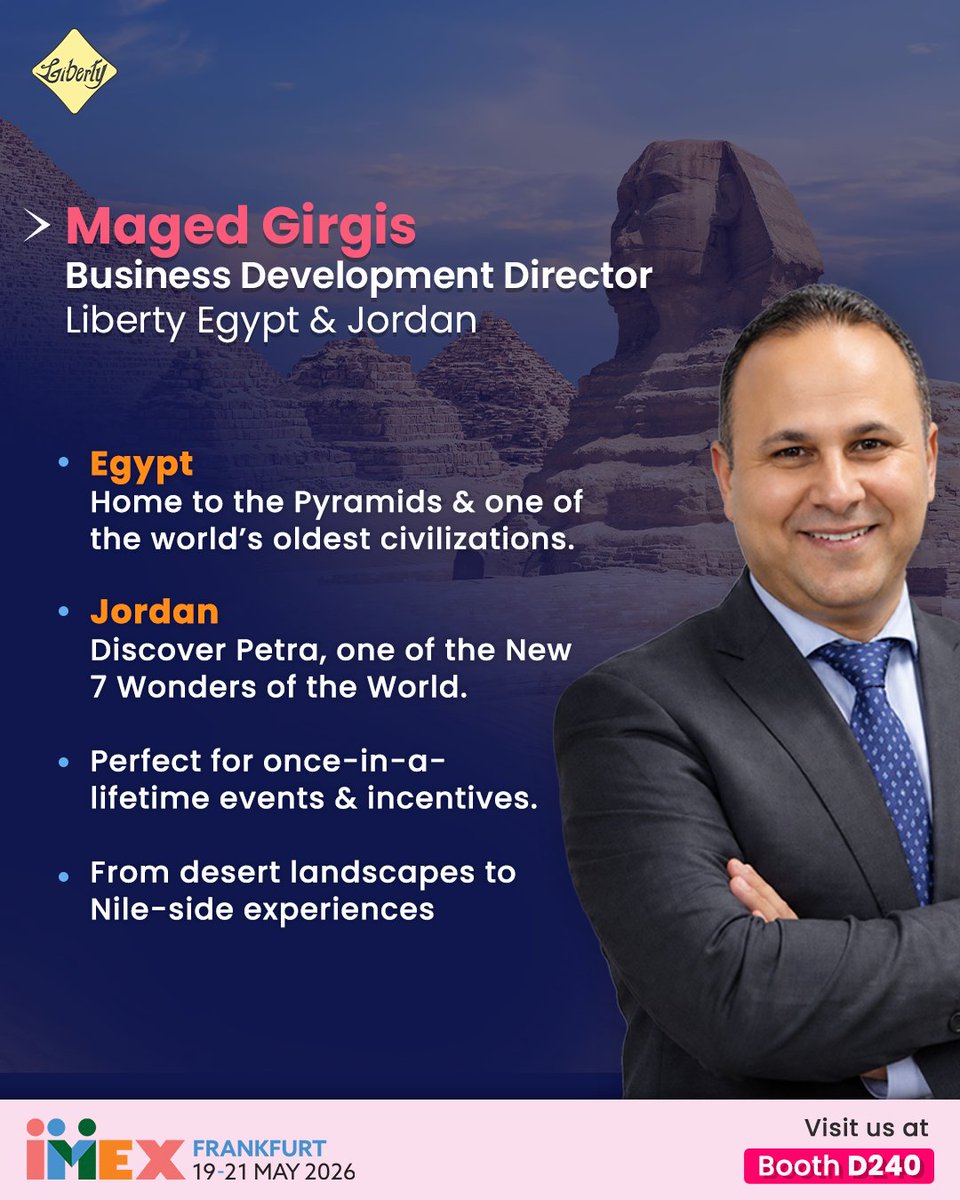
From the Pyramids to Petra, Egypt and Jordan offer the kind of scale, history and atmosphere that turn incentives into experiences.
Meet Maged Girgis at IMEX Frankfurt and explore what these destinations can deliver.
Booth D240
19th–21st May 2026
liberty-int.com
#LibertyDMC #LibertyFamily #IMEXFrankfurt #EgyptTravel #JordanTravel #IncentiveTravel #GlobalMICE #DestinationManagement #TravelProfessionals

3
12
May 7
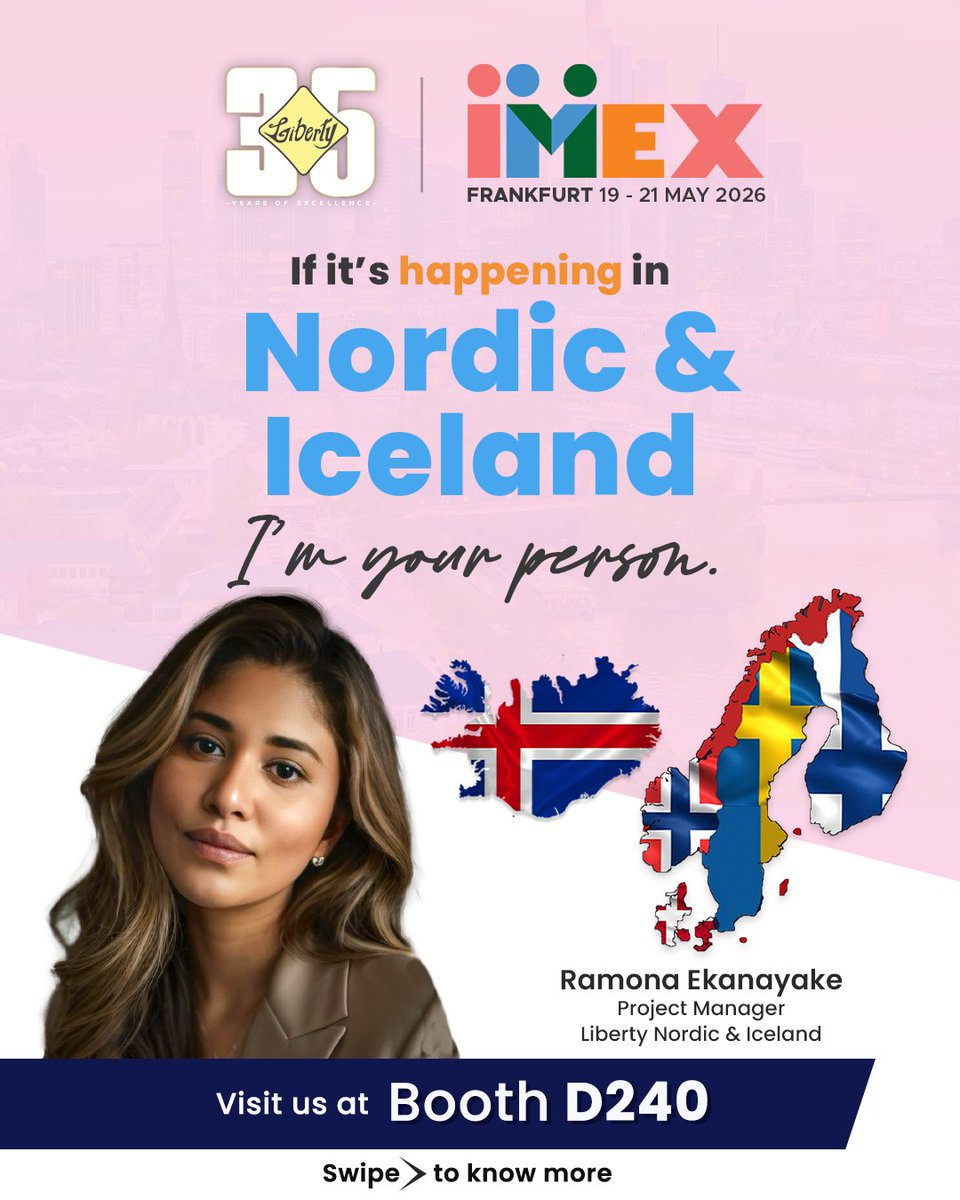
What if your next event happened under the Midnight Sun… or beneath the Northern Lights?
That’s the kind of perspective the Nordics & Iceland bring.
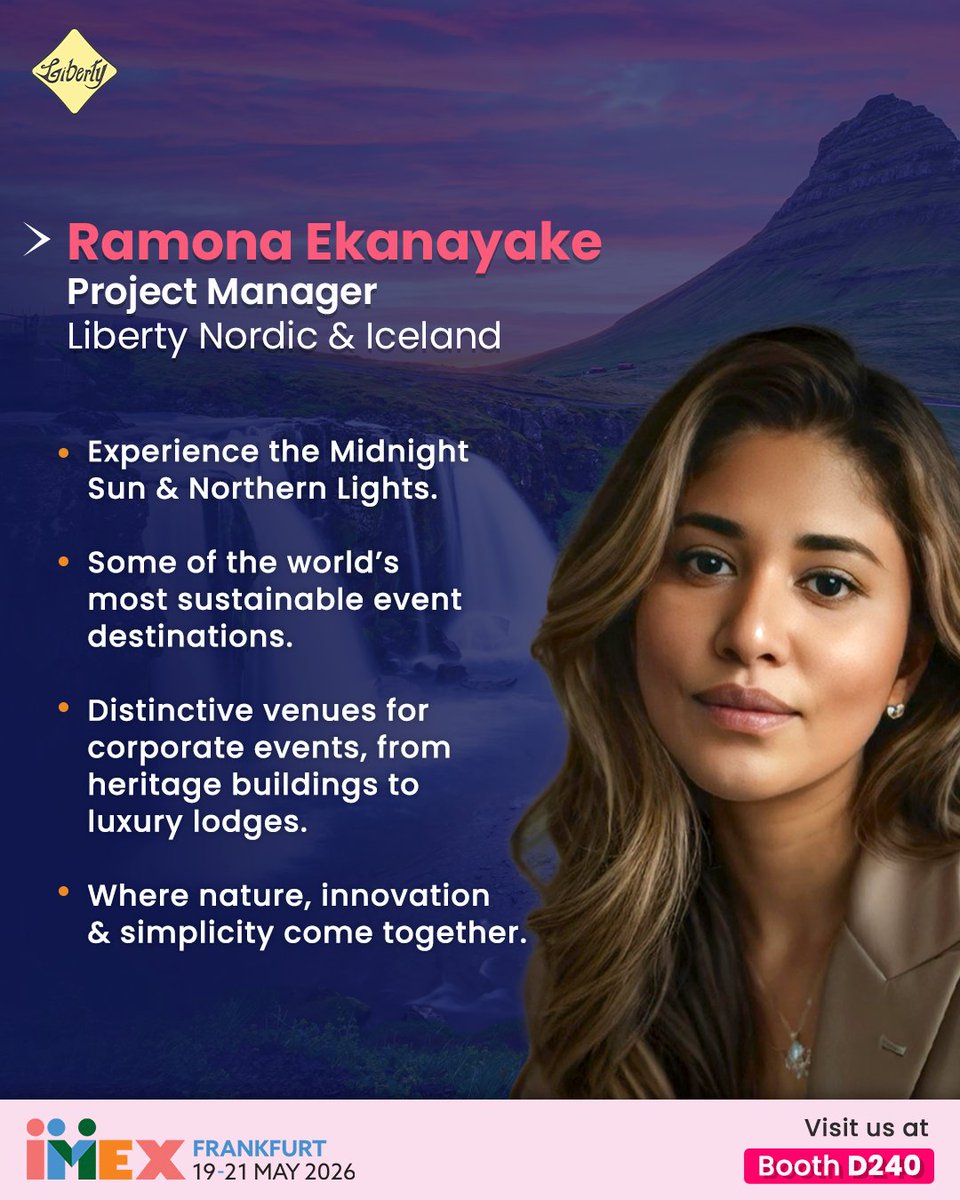
From sustainable event destinations to extraordinary venues shaped by nature and innovation, this is a region where simplicity creates unforgettable experiences.
Connect with Ramona Ekanayake at IMEX Frankfurt and explore the possibilities.
Booth D240
19th–21st May 2026
liberty-int.com
#LibertyDMC #LibertyFamily #IMEXFrankfurt #NordicsTravel #IcelandTravel #SustainableEvents #GlobalMICE #DestinationManagement #TravelProfessionals
2
22
May 1
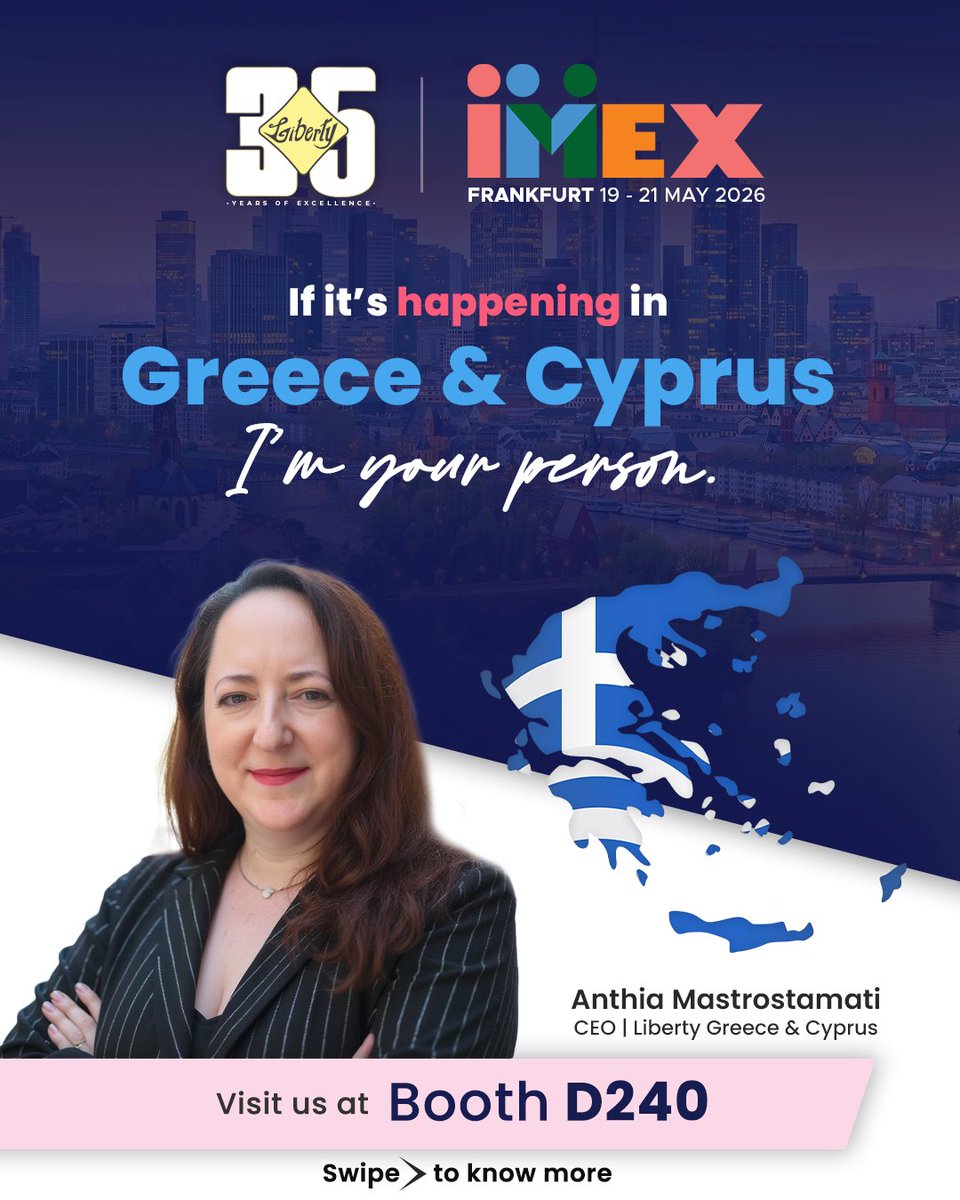
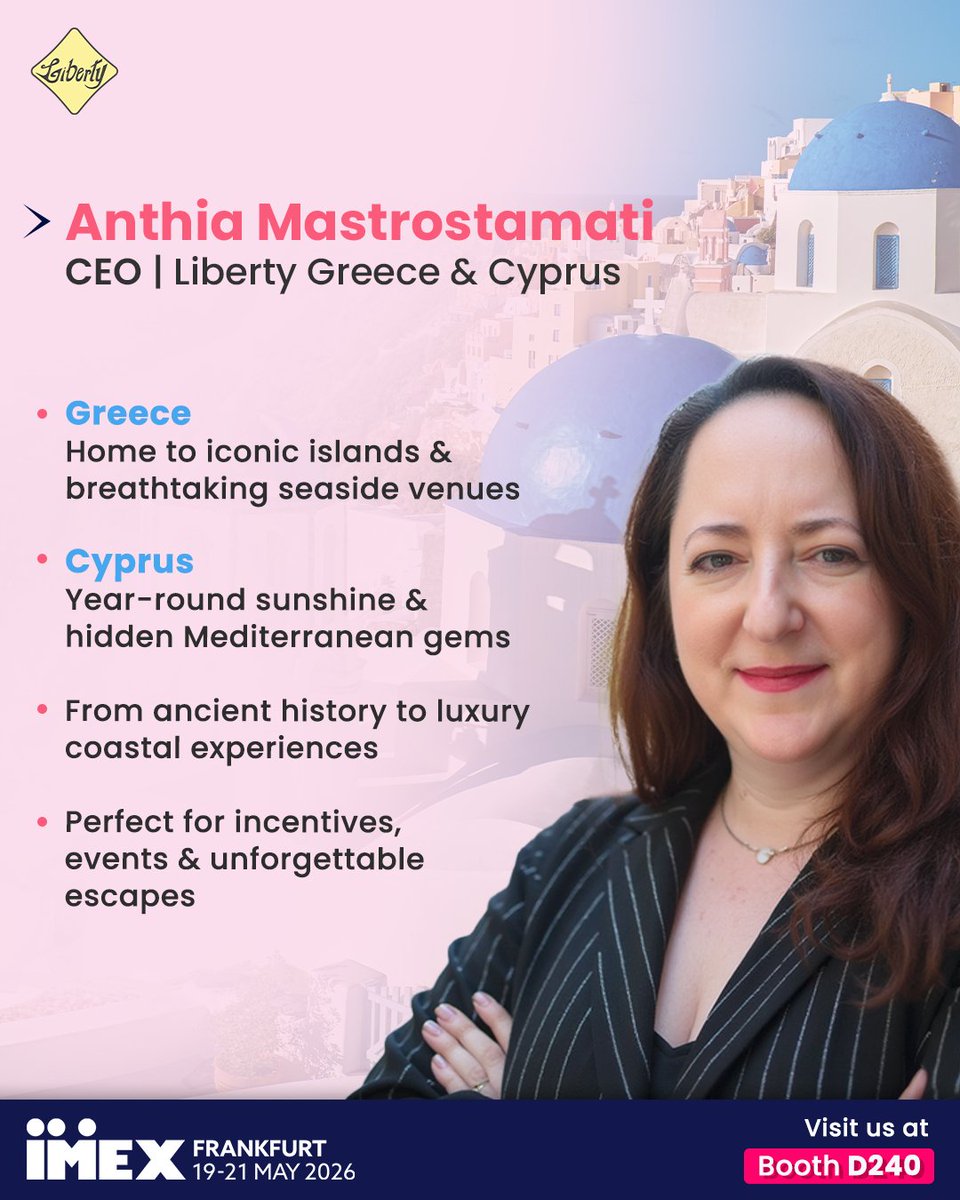
Greece. Cyprus.
Different destinations. One expert.
Meet Anthia Mastrostamati, connecting island beauty, cultural depth, and seamless delivery across a region made for unforgettable experiences.
From seaside venues to ancient heritage, the possibilities are wide open.
Let’s connect.
IMEX Frankfurt | Booth D240
19th–21st May 2026
liberty-int.com
#LibertyDMC #LibertyFamily #IMEXFrankfurt #GreeceTravel #CyprusEvents #DestinationManagement #GlobalTravel #TravelProfessionals
2
18
May 1
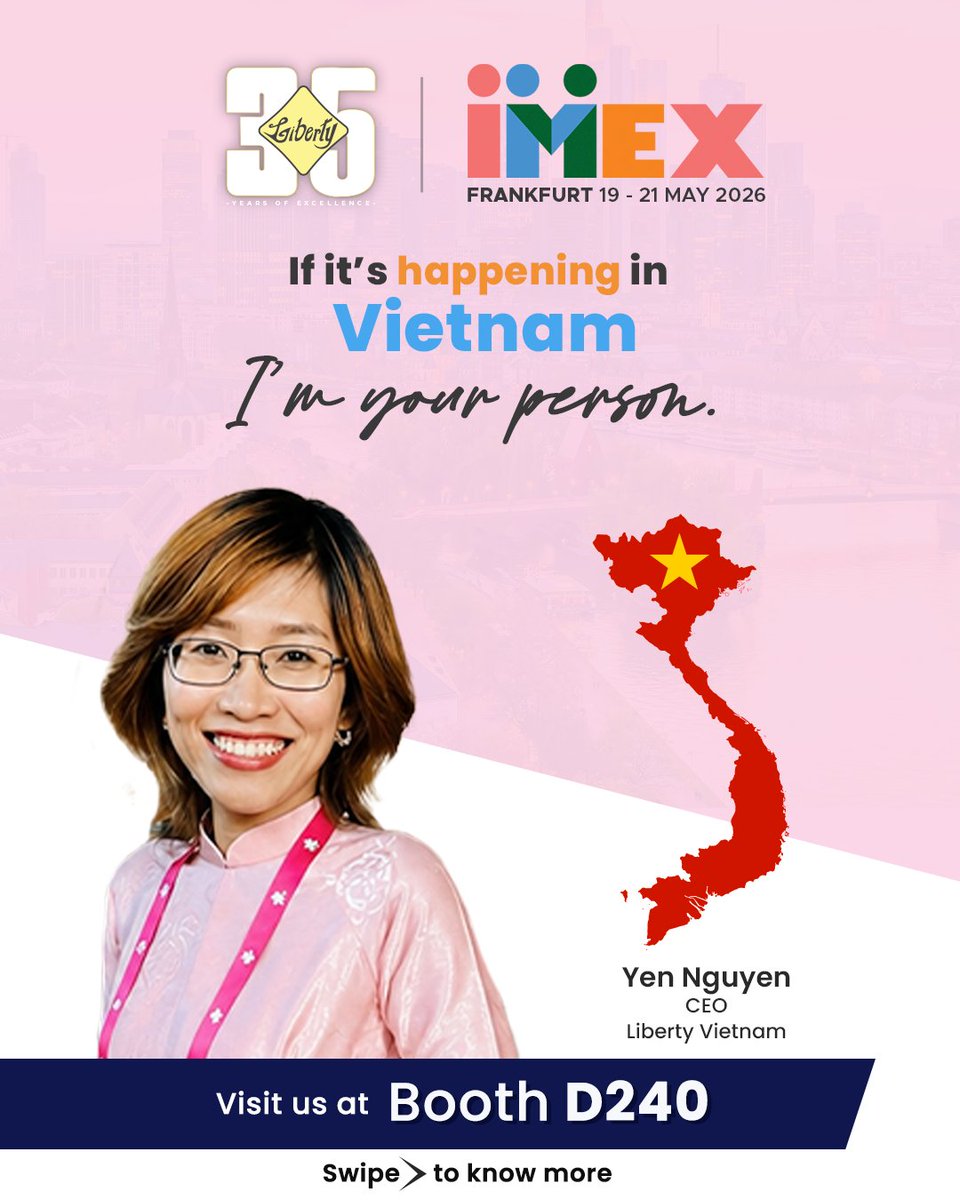
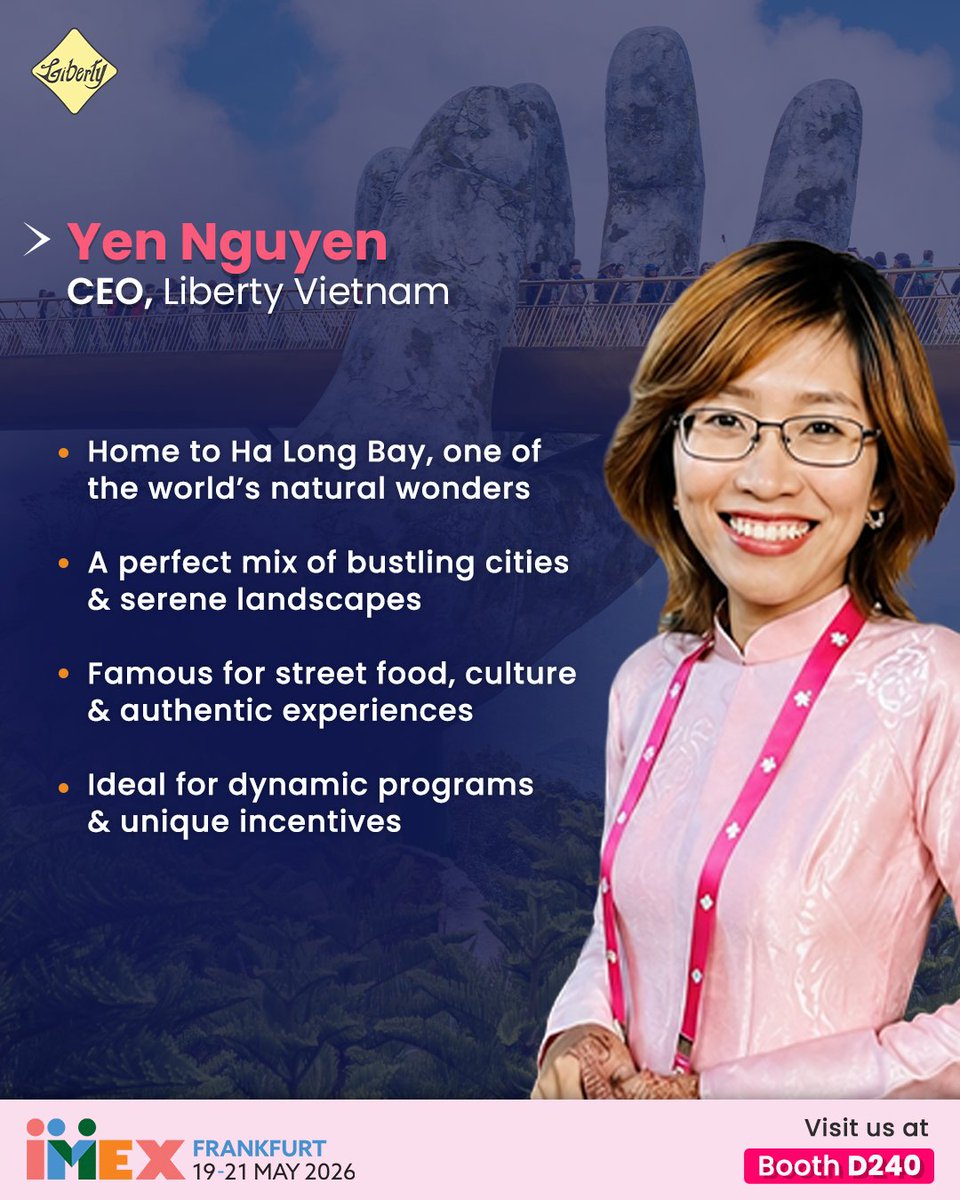
Vietnam?
We’ve got the right person.
Meet Yen Nguyen, your expert for Vietnam.
Let’s connect at IMEX Frankfurt.
Booth D240
19th–21st May
liberty-int.com
#LibertyDMC #LibertyFamily #IMEXFrankfurt #VietnamTravel #TravelExperts #GlobalMICE #DestinationManagement #TravelIndustry
2
31

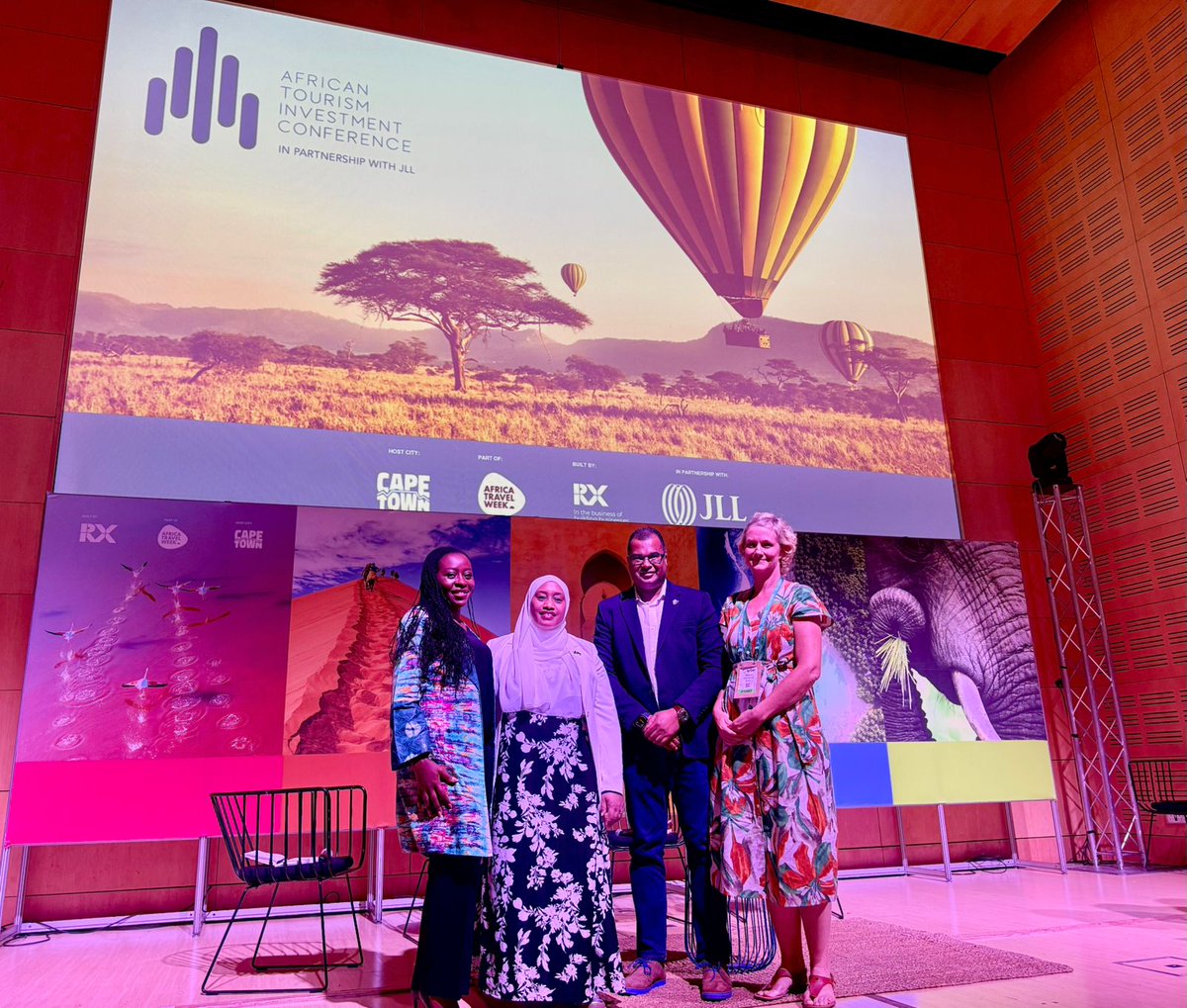
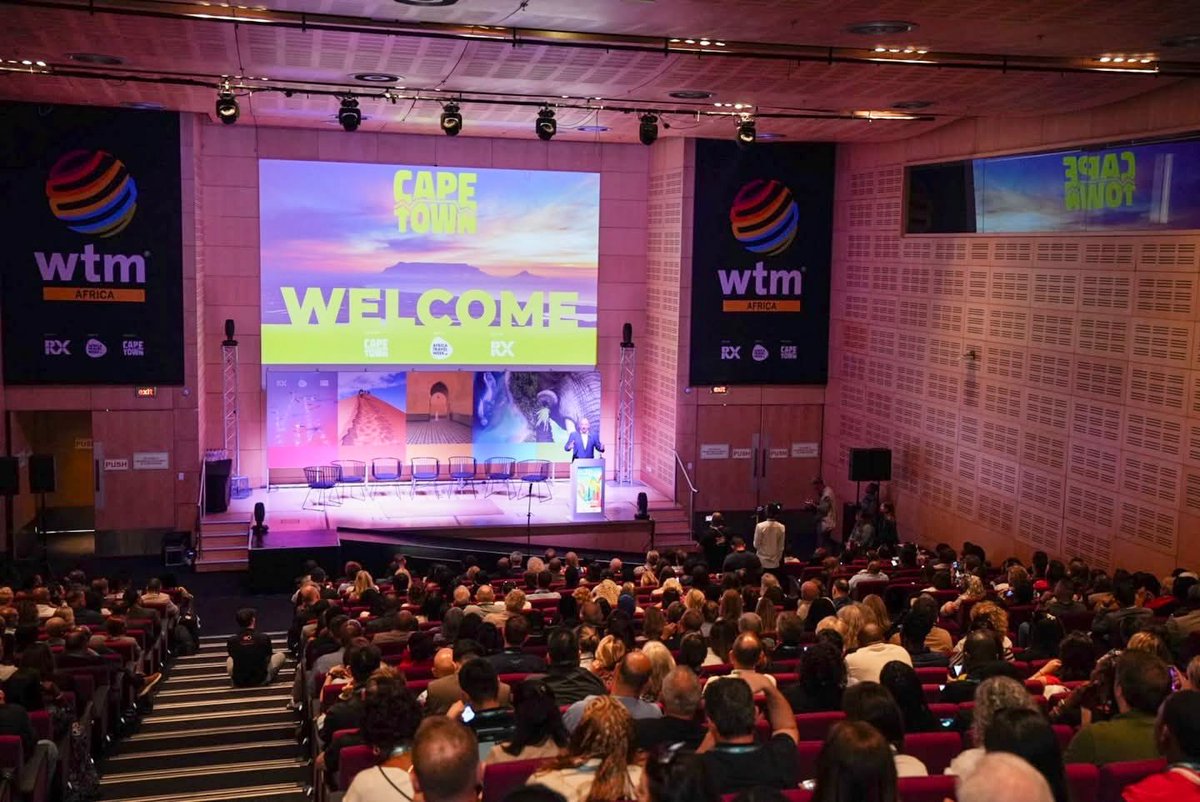
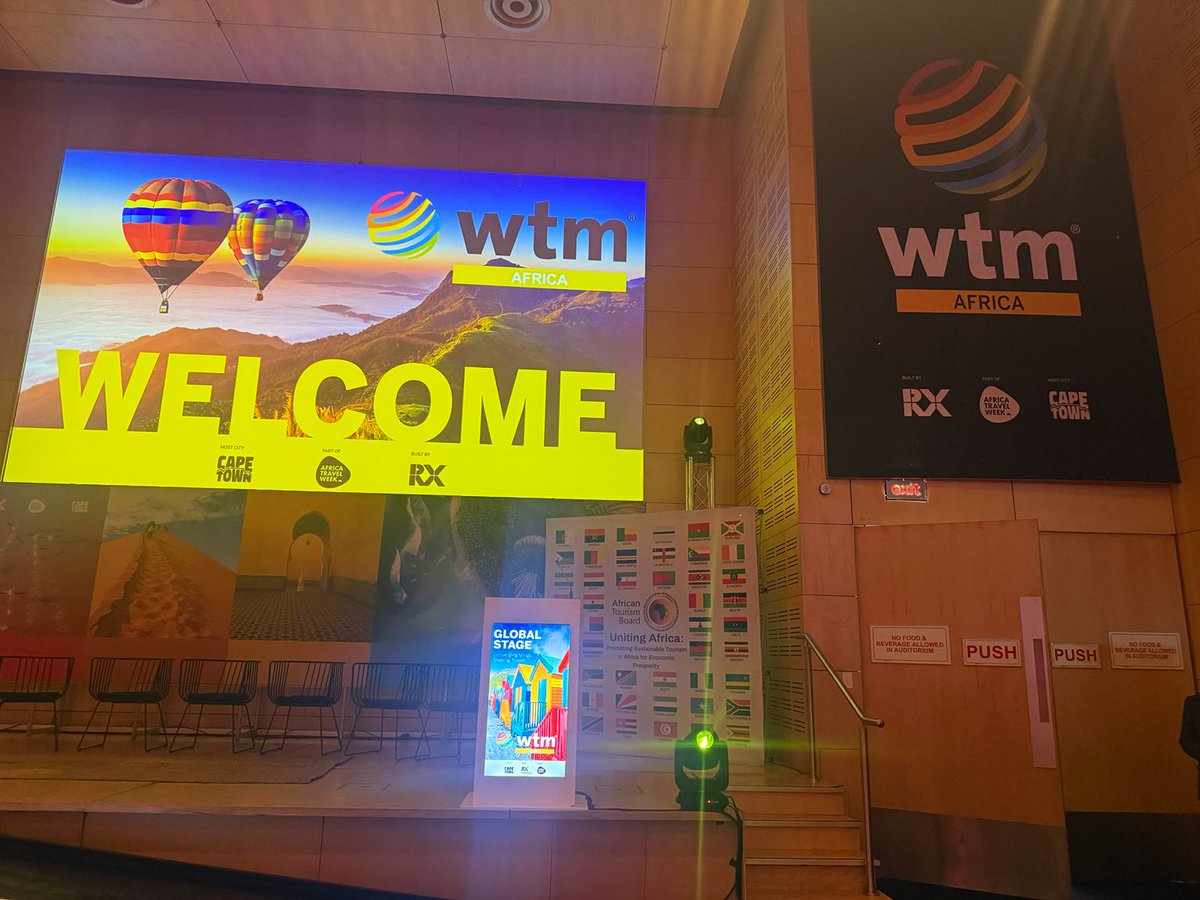
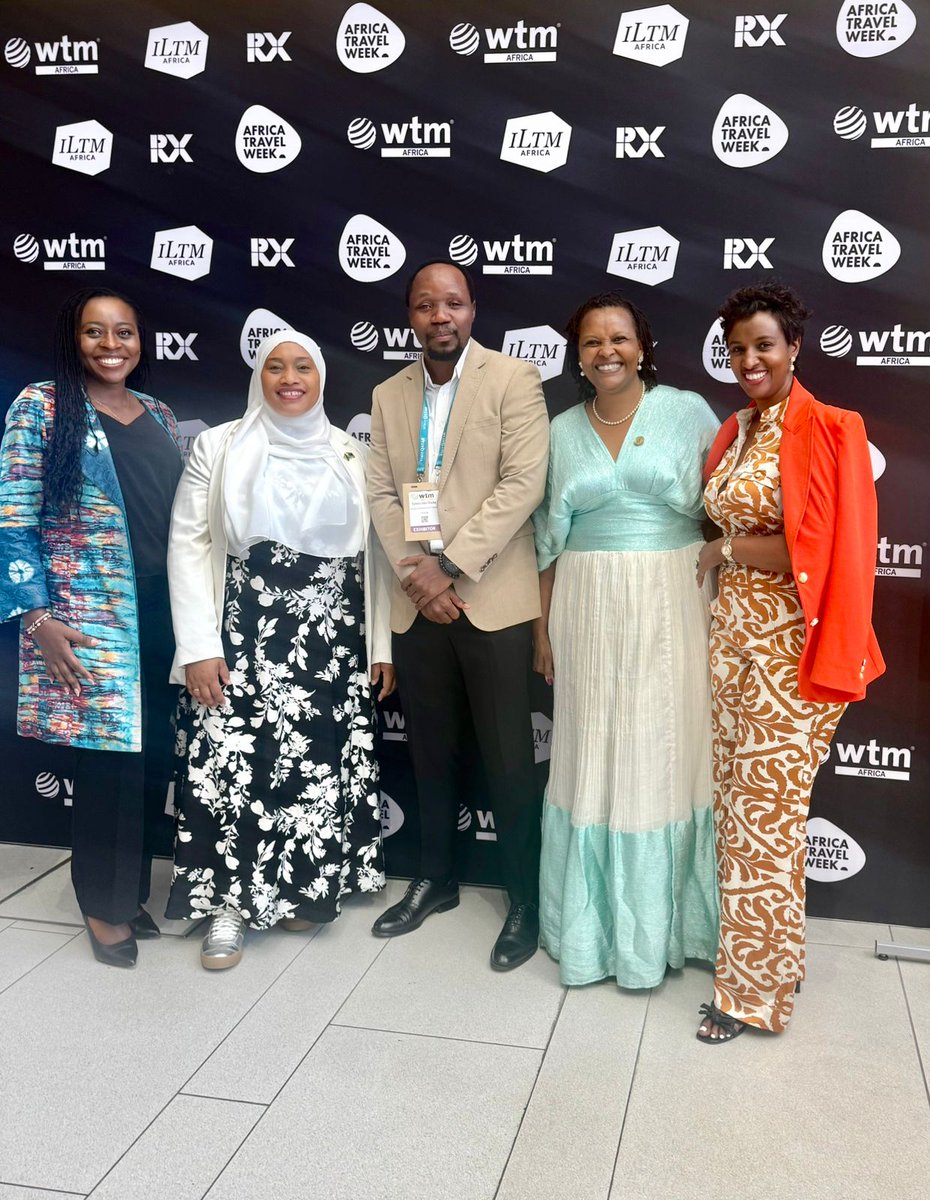
Last week at @WTM_Africa in Cape Town, I had the opportunity to moderate the panel “Over-Tourism: Can There Be Too Much Investment?” with Hafsa Mbamba, Tourism Manager at the Presidential Delivery Bureau, Zanzibar; Enver Duminy, Chief Executive Officer of Cape Town Tourism; and Shelley Cox, Co-owner of Africa Conservation Travel and We Are Victoria Falls Destination Management Organisation.
What made the discussion especially valuable was that each panelist brought practical lessons from Zanzibar, Cape Town, and Victoria Falls, Zimbabwe, grounding the conversation in lived destination experience rather than abstract debate.
One of the most important takeaways for me was that Africa may need to frame the debate on over-tourism differently. Much of the global conversation comes from destinations already dealing with saturation. In the African context, many destinations are still seeking more tourists, greater value, and more investment. That shifts the question. The issue is often not “over-tourism” in the classic sense, but the concentration of visitors, investment, and benefits in specific places, and whether destinations are being managed well enough to support the growth they want, while making it competitive, resilient, and widely beneficial.
The panel also highlighted the importance of connecting destination marketing much more closely with destination management. If promotion and investment move faster than planning, infrastructure, governance, and community benefit, what looks like growth can quickly become a strain.
Another key point was that success cannot be measured solely by arrivals. Destinations need to understand citizen sentiment, whether residents feel tourism is improving their city, and whether the benefits are spreading beyond the usual hotspots. The discussion also reinforced the importance of connecting destinations more deliberately, so visitor flows, investment, and opportunity can reach underutilised areas.
I also appreciated that the conversation moved beyond infrastructure alone. We explored shared-benefit tourism, stewardship, circular economy opportunities, and the importance of ensuring that tourism growth translates into visible value for residents, local businesses, communities, and ecosystems. That is what will ultimately sustain legitimacy and competitiveness over time.
For me, the strongest conclusion from the session was this: Africa does not need to inherit the mistakes of already saturated destinations elsewhere. It still has an opportunity to build better-managed, better-planned, and more resilient tourism destinations, and, in doing so, become a benchmark for smarter, shared-benefit tourism growth.
Congratulations to Gillian Saunders, Reed Exhibitions, and JLL on convening such a strong event, and thank you again to Hafsa, Enver, and Shelley for such a thoughtful and grounded discussion.
#TourismInvestment #DestinationManagement #AfricaTourism
1
3
301

Mar 30
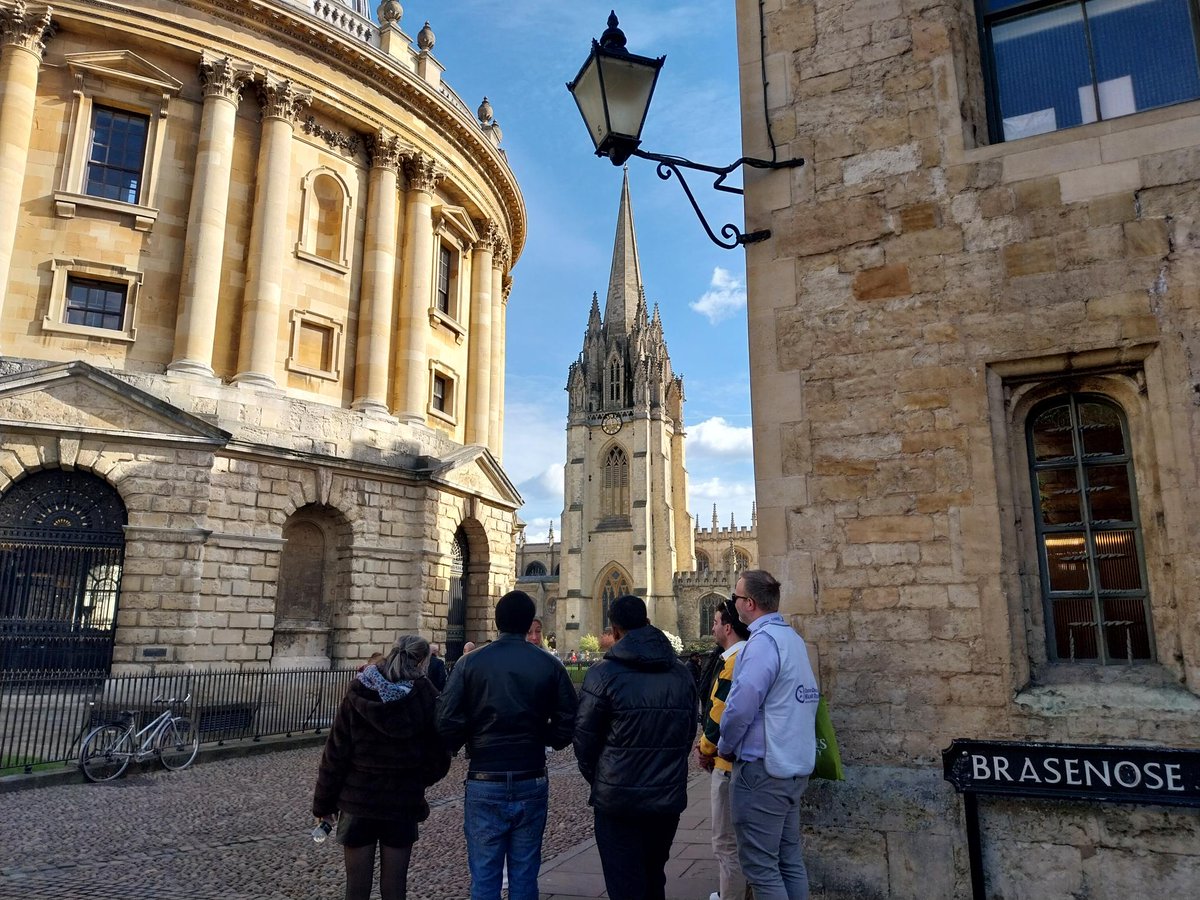
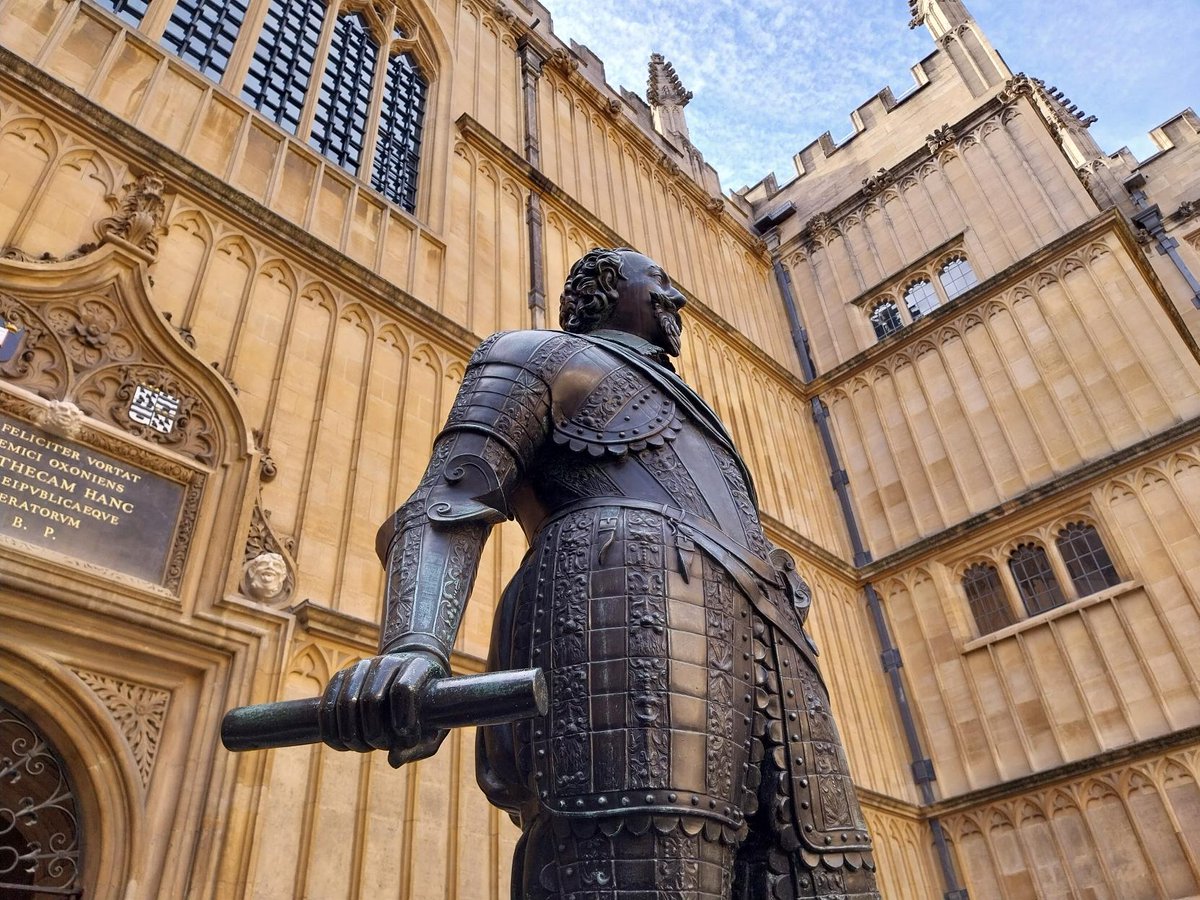
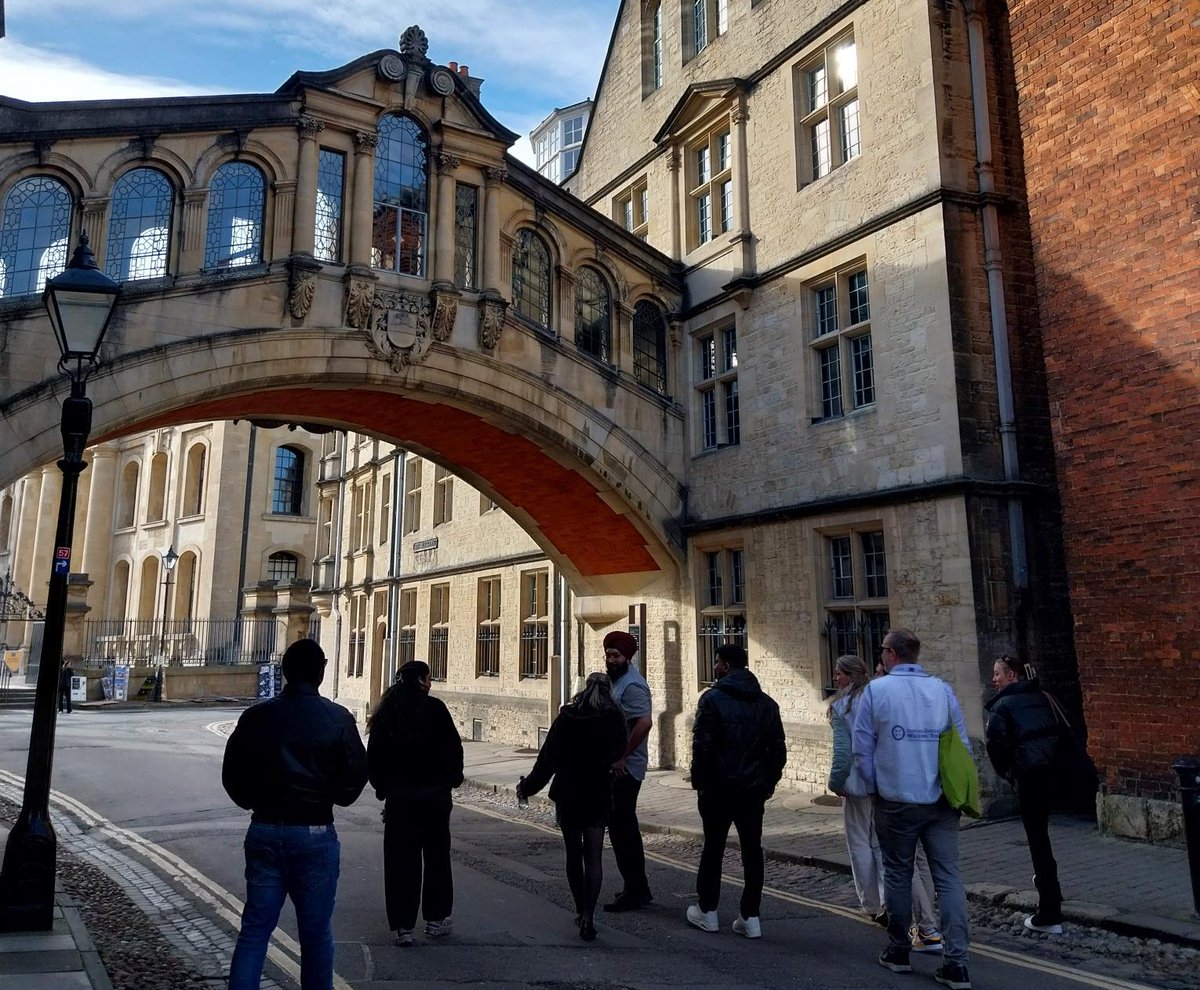
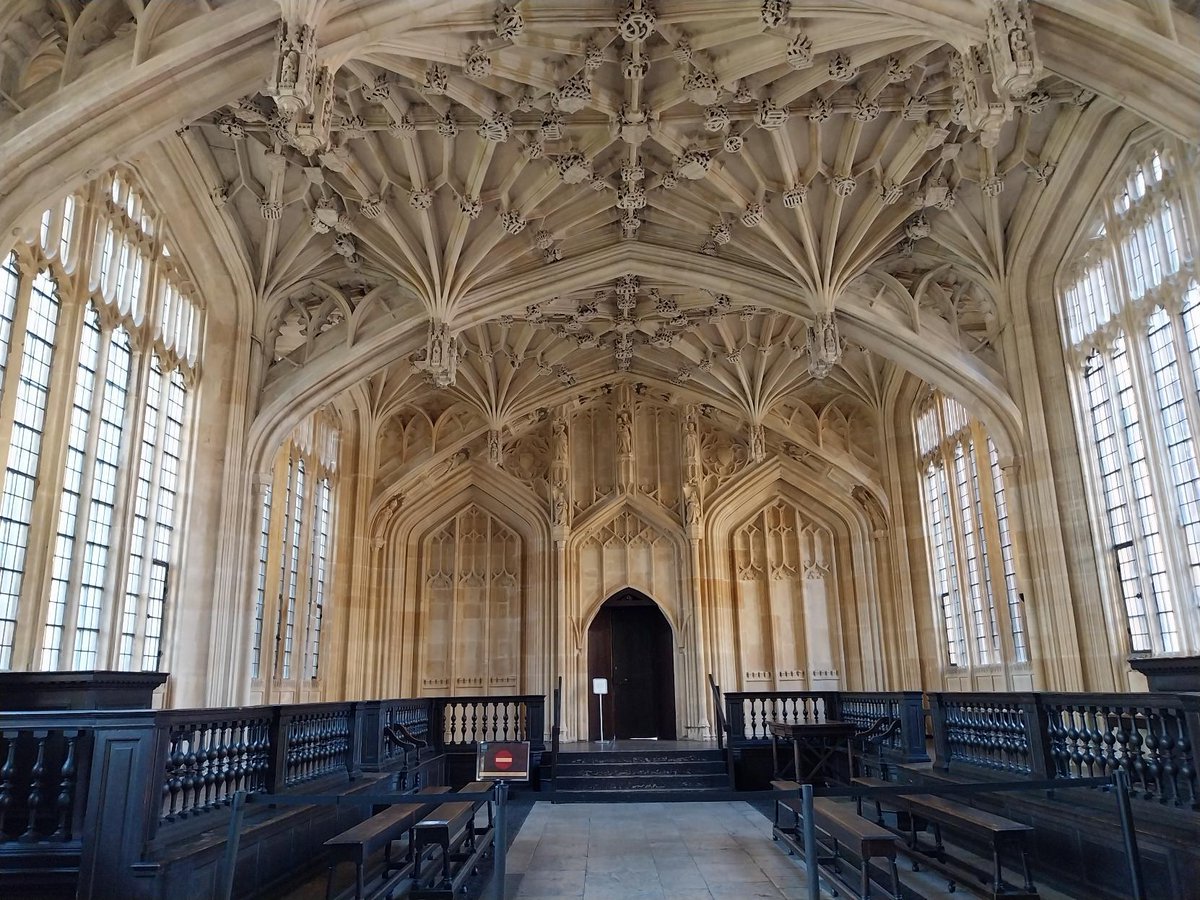
We were delighted to welcome hoteliers on a 2-hour familiarisation trip of award-winning #Oxford Official Walking Tours' new Harry Potter Highlights Walking Tour last week.
Accompanied by our Operations Manager, Paul Guest and our Marketing and Partnership Executive, Laurianne Chusseau, it was a great opportunity to experience this new public tour and discover the links between Oxford and the beloved Harry Potter films, providing the group with knowledge to assist their hotel guests further when booking this tour.
Book the public Harry Potter Highlights Walking Tour ➡ oxfordofficialwalkingtours.o…
Book a private Harry Potter Highlights Walking Tour ➡ oxfordofficialwalkingtours.o…
#OfficialToursOx #Oxfordshire #DMO #VisitorEconomy #DestinationManagement #DestinationMarketing @OfficialToursOX
1
2
96
Mar 20
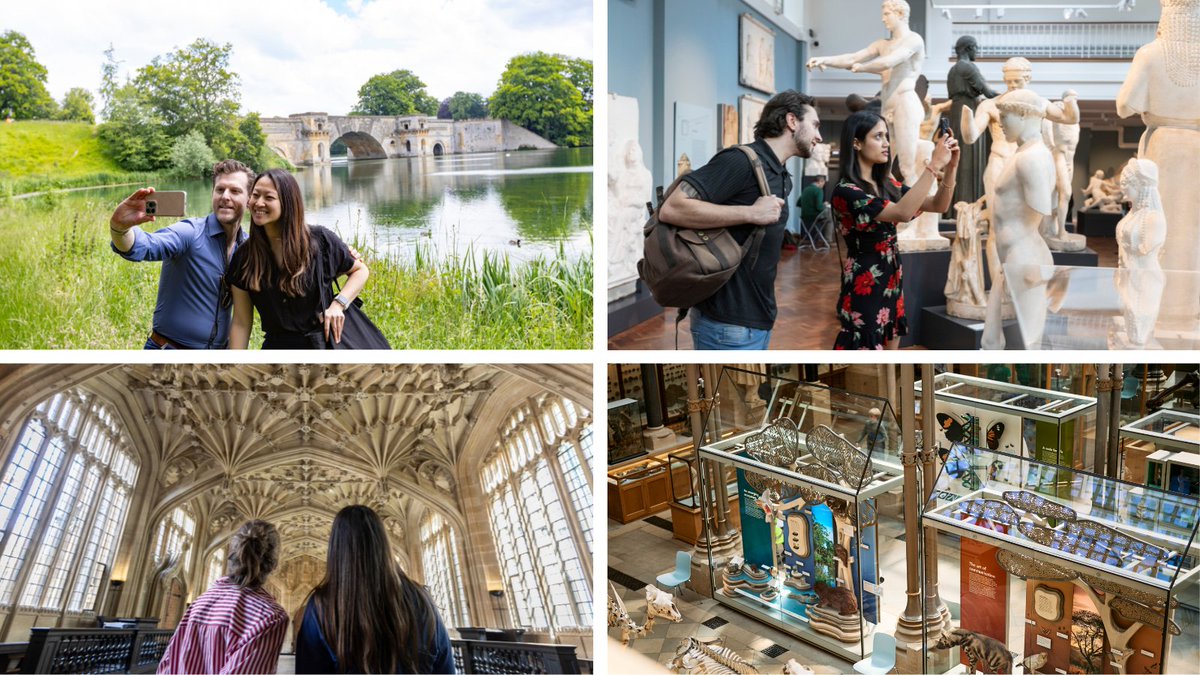
Congratulations to the @AshmoleanMuseum (31), @BlenheimPalace (34), @bodleianlibs (37) and @morethanadodo (40) who all feature in the top 50 Association of Leading Visitor Attractions (ALVA) members visitor figures for 2025, announced during #EnglishTourismWeek26.
We're thrilled to see Experience Oxfordshire partners featured in this national list of high performing attractions.
See the full list here ➡ alva.org.uk/details.cfm?p=42…
#ExperienceOxfordshire #LVEP #localvisitoreconomypartnership #DMO #VisitorEconomy #DestinationManagement #DestinationMarketing #TourismSector #Oxfordshire @VisitEnglandBiz @VisitBritainBiz @DCMS @biztradegovuk @bernarddonoghue @alva_uk
3
7
194

Mar 20
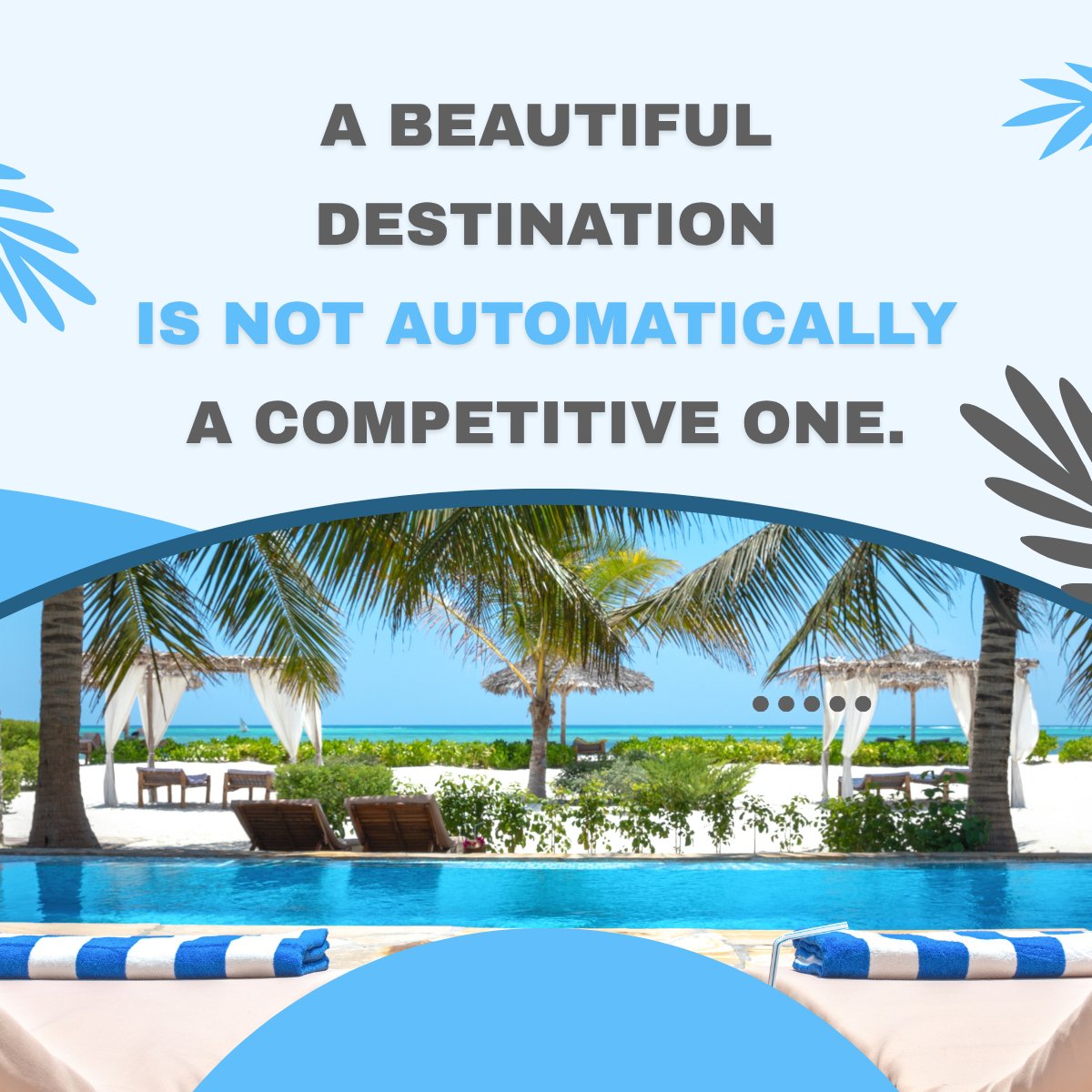
A beautiful destination is not automatically a competitive one. Natural assets help. Tourism leaders need to move beyond asset appreciation and into system design.
#DestinationManagement #EconomicDevelopment · #TravelEconomy #TourismLeadership
2
2
27
Mar 18
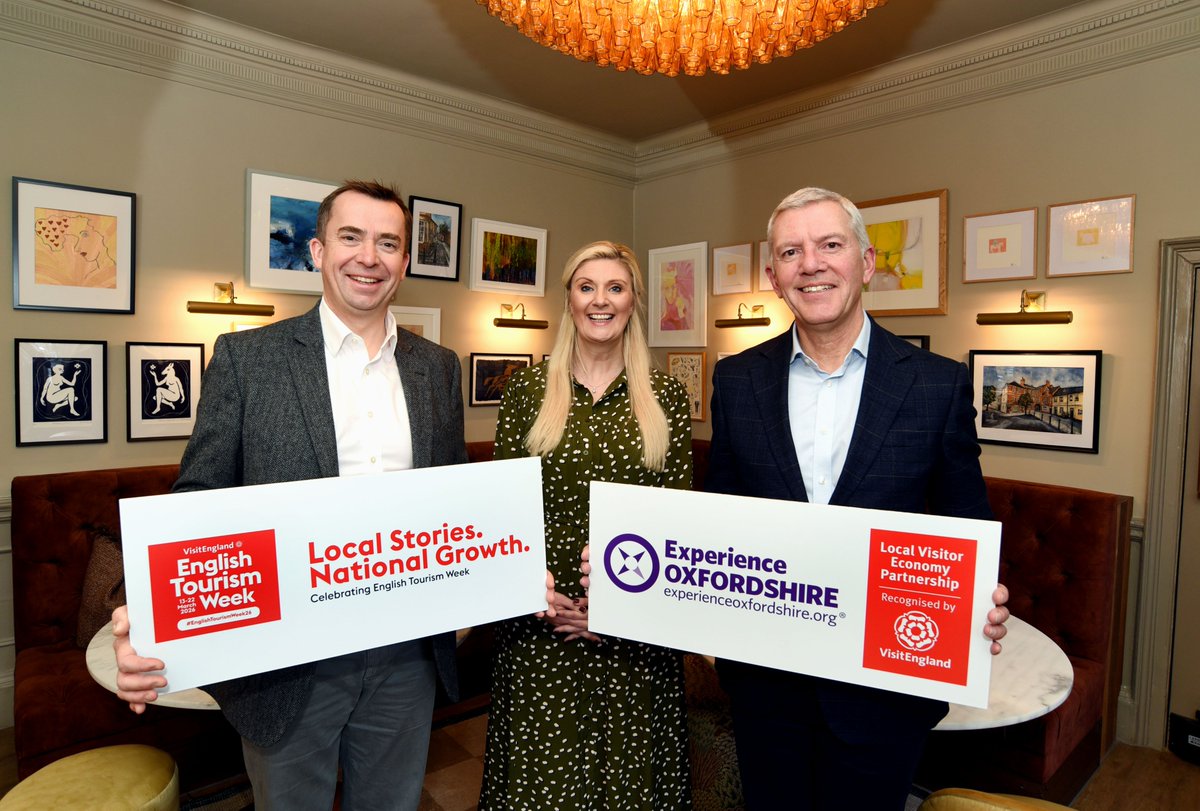
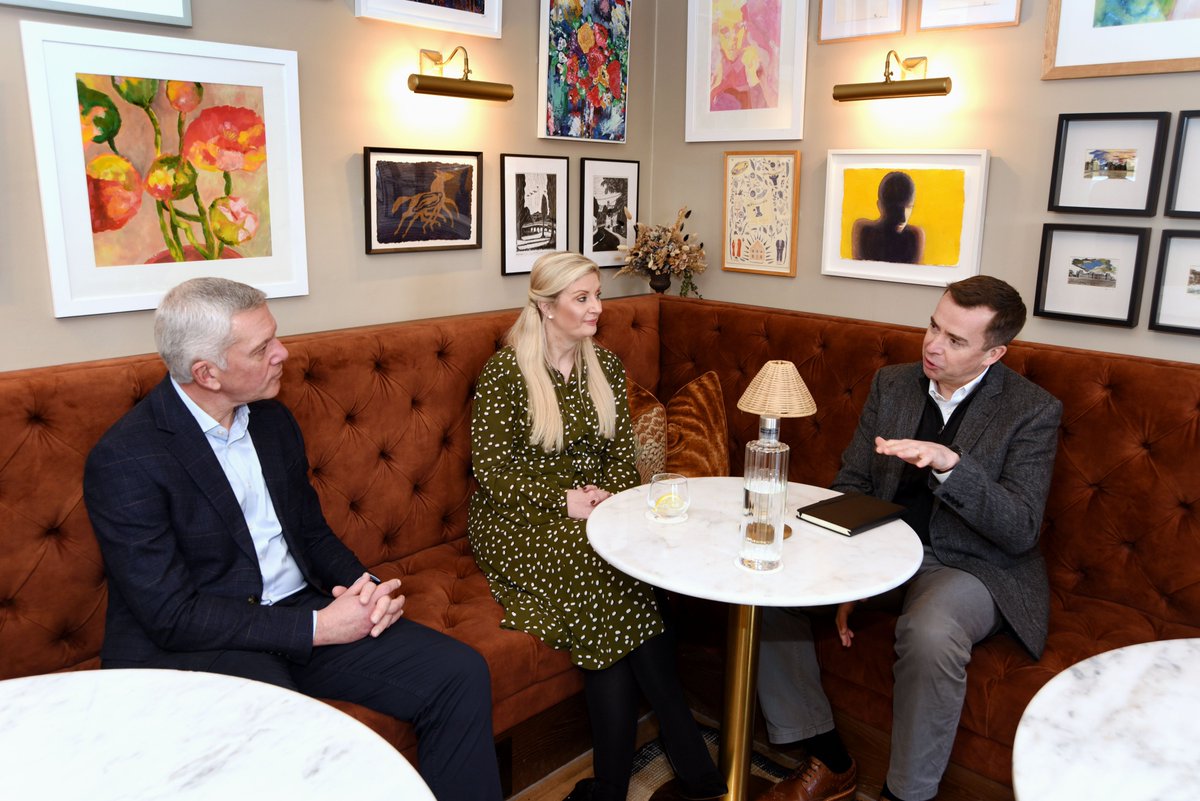
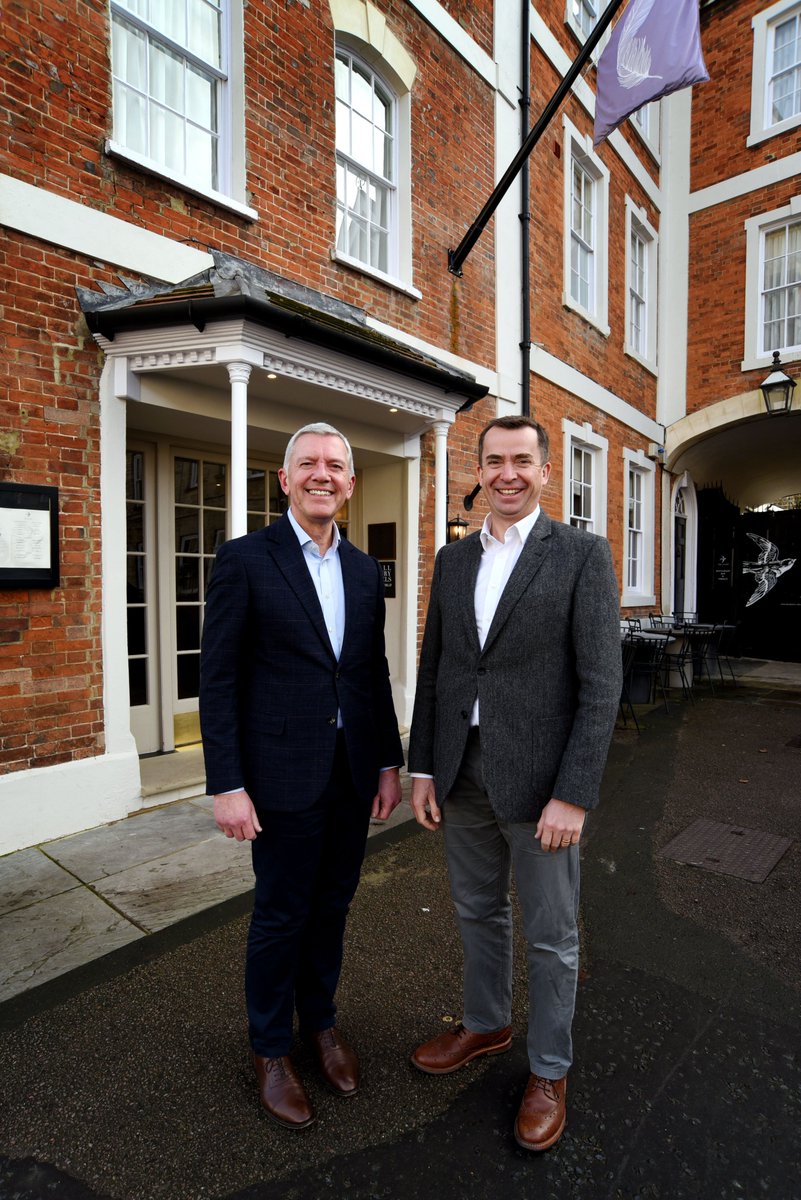
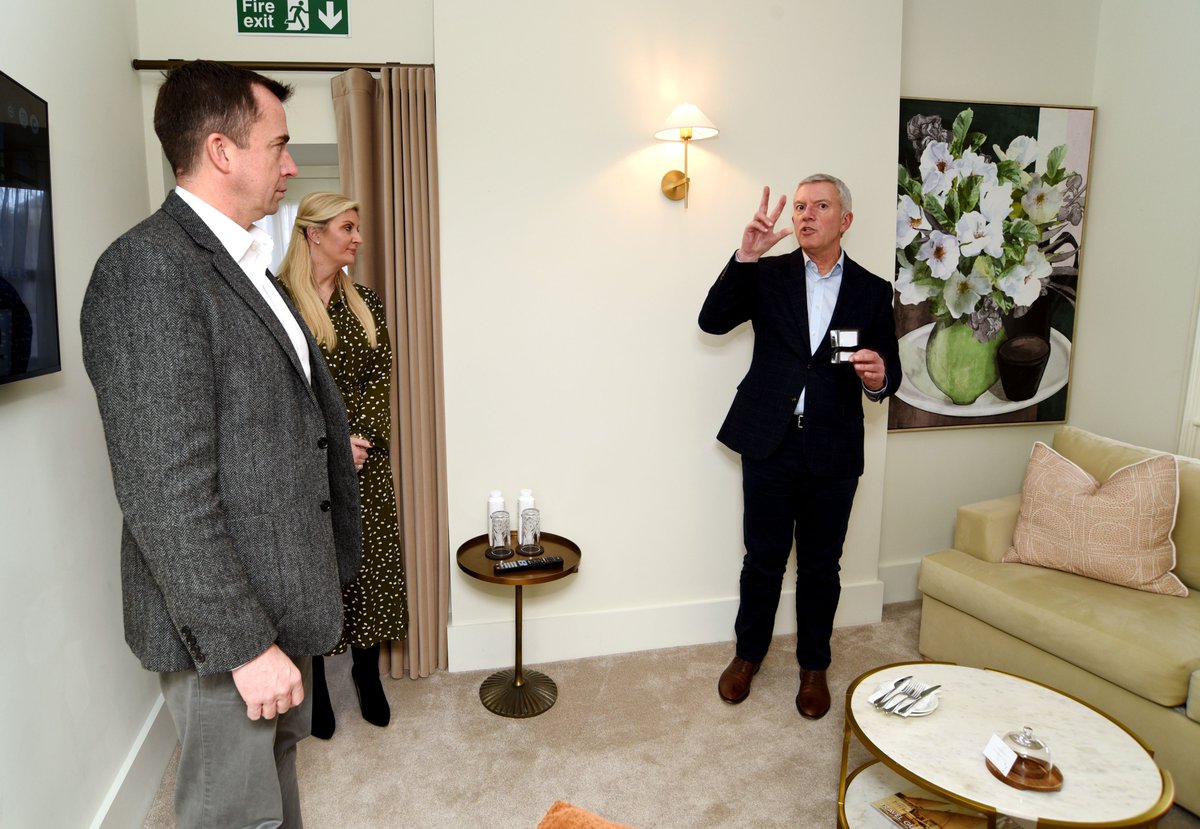
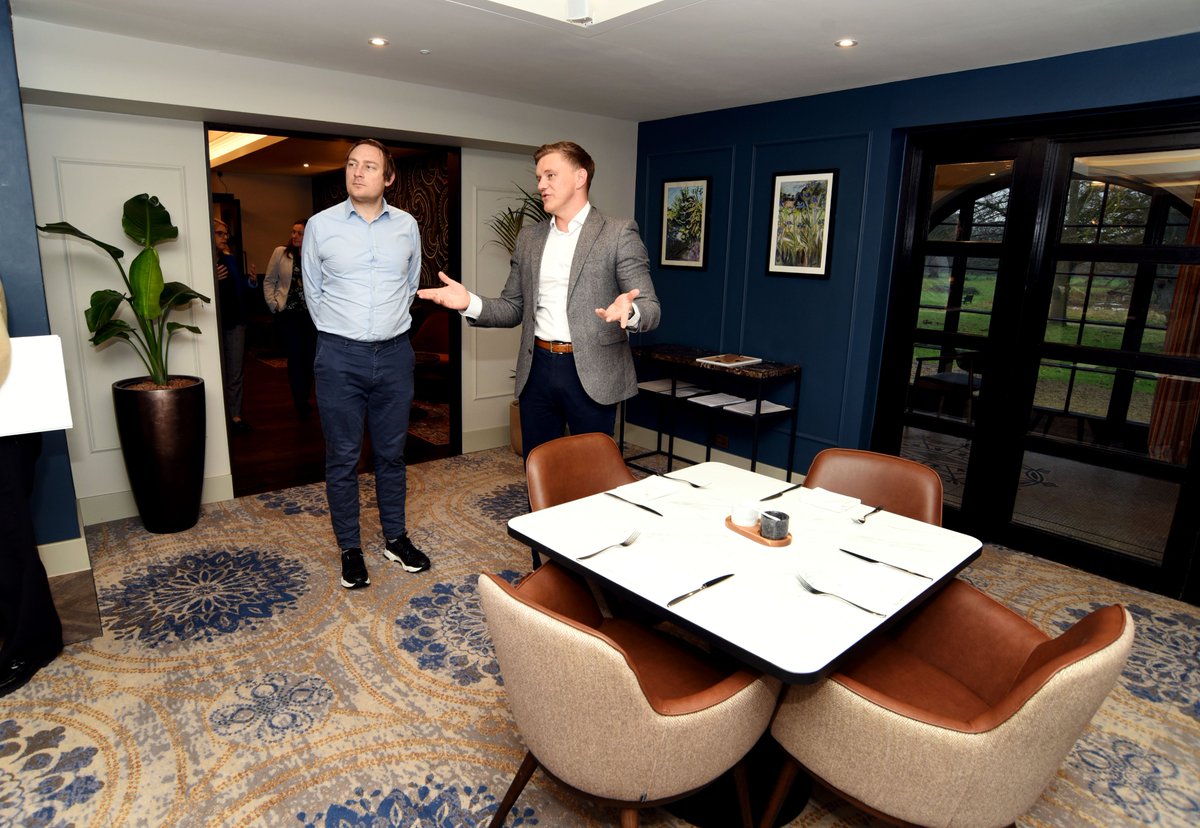
In a highly competitive global tourism marketplace, Oxfordshire benefits from excellent access to major urban centres and a host of high quality hospitality and attractions all primed to attract visitors. In response the county hosts 820,000 overnight trips annually from international visitors who contribute £381 million in the local economy. It's a local success story contributing to national growth, one of many we're celebrating during #EnglishTourismWeek26, as @CalumMillerLD MP for Bicester and Woodstock discussed when he visited The Feathers Hotel Woodstock.
After his visit Calum Miller said “It is English Tourism Week, and I am proud to represent a constituency in Oxfordshire, the best county in England. Places like Woodstock show exactly why. Our towns, villages and local businesses are a huge part of what makes this area special, supporting jobs and strengthening the local economy. It is also encouraging to see continued investment in places like The Feathers, helping to maintain the offer for visitors and residents alike in one of our most historic market towns."
Stephen Browning, Hotel Director of The Feathers Hotel said: “We were delighted to show our MP, Calum Miller, the extensive refurbishments we’ve made to The Feathers and to discuss with him how business is going, particularly with regard to international tourism. Many thanks to the team at Experience Oxfordshire for coordinating our meeting as part of English Tourism Week activity.”
#ExperienceOxfordshire #EOPartner #LVEP #localvisitoreconomypartnership #DMO #Oxfordshire #VisitorEconomy #DestinationManagement #DestinationMarketing #TourismSector @VisitEnglandBiz @VisitBritainBiz @DCMS @biztradegovuk
2
2
239
Mar 16
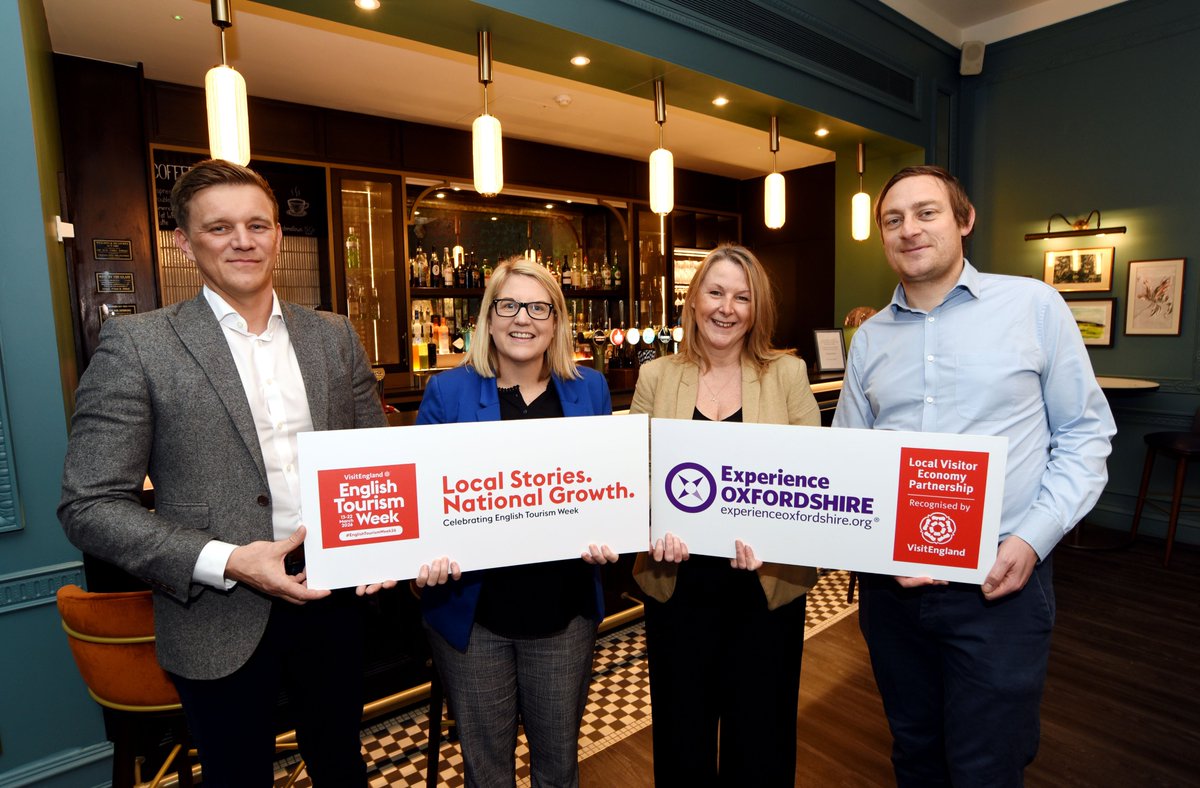
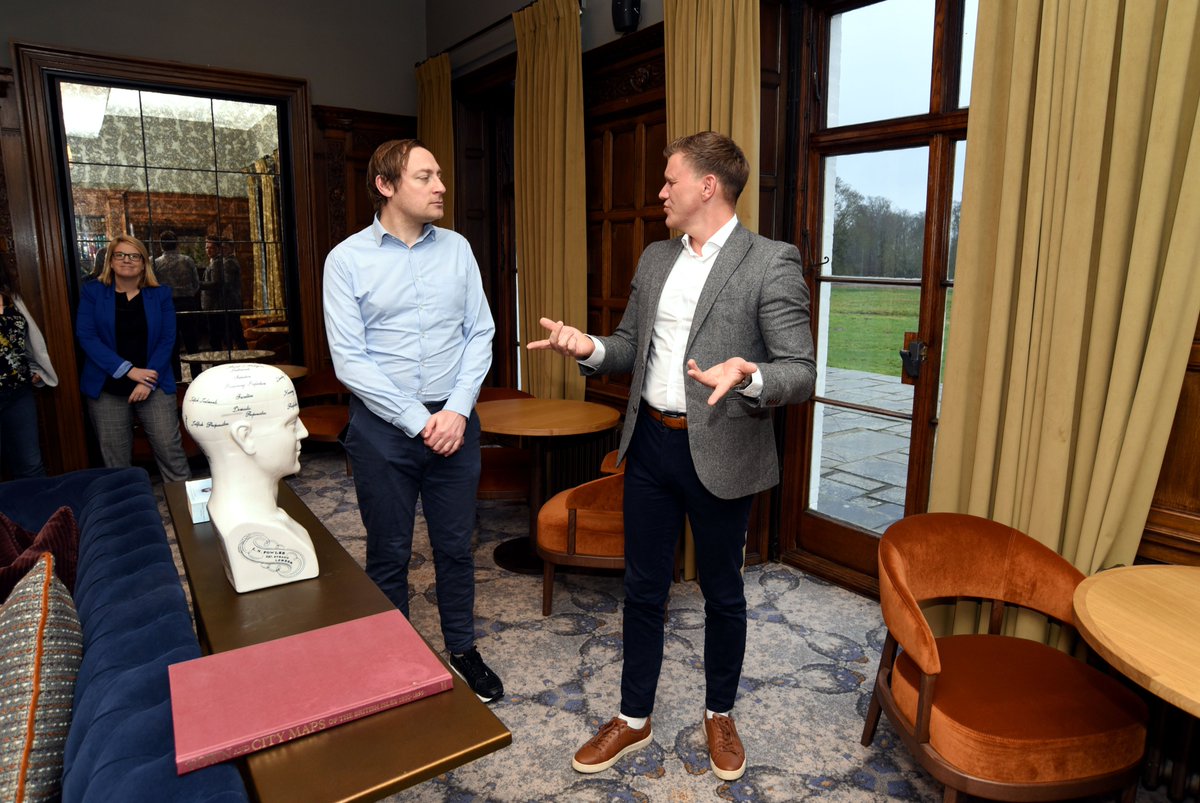
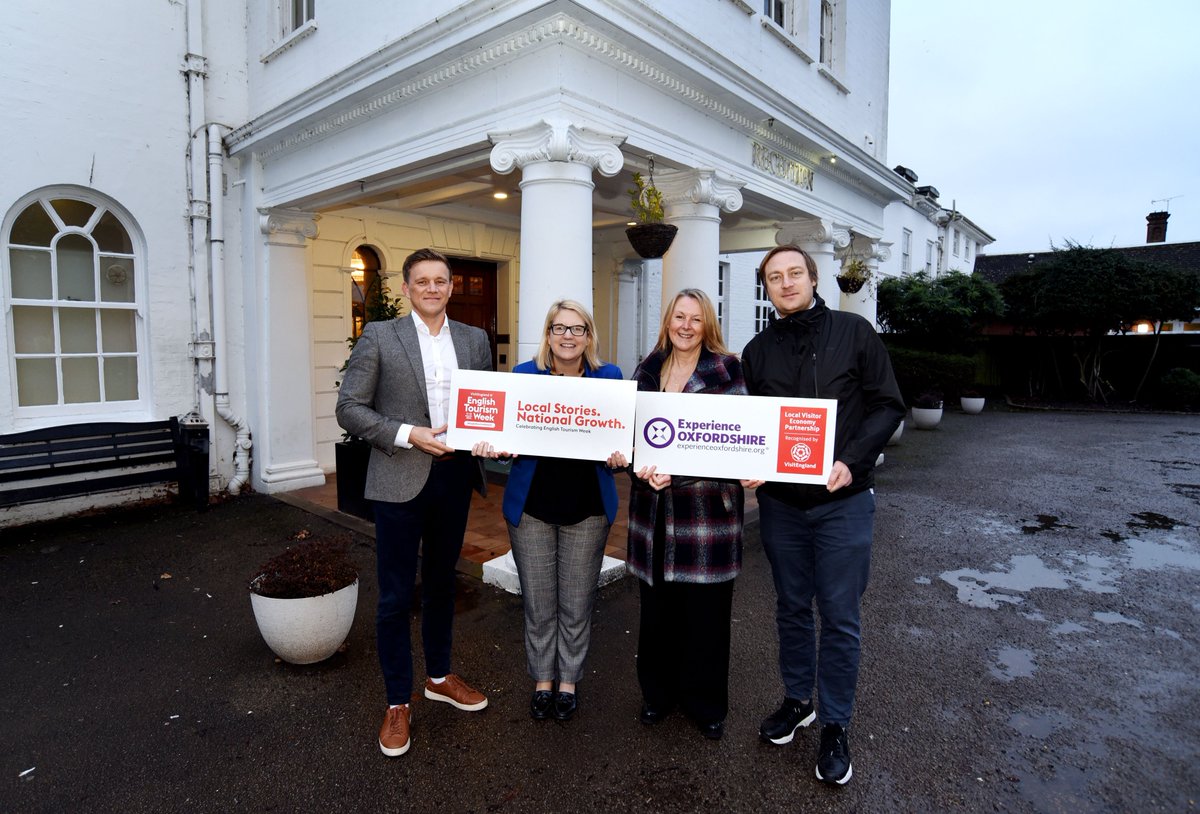
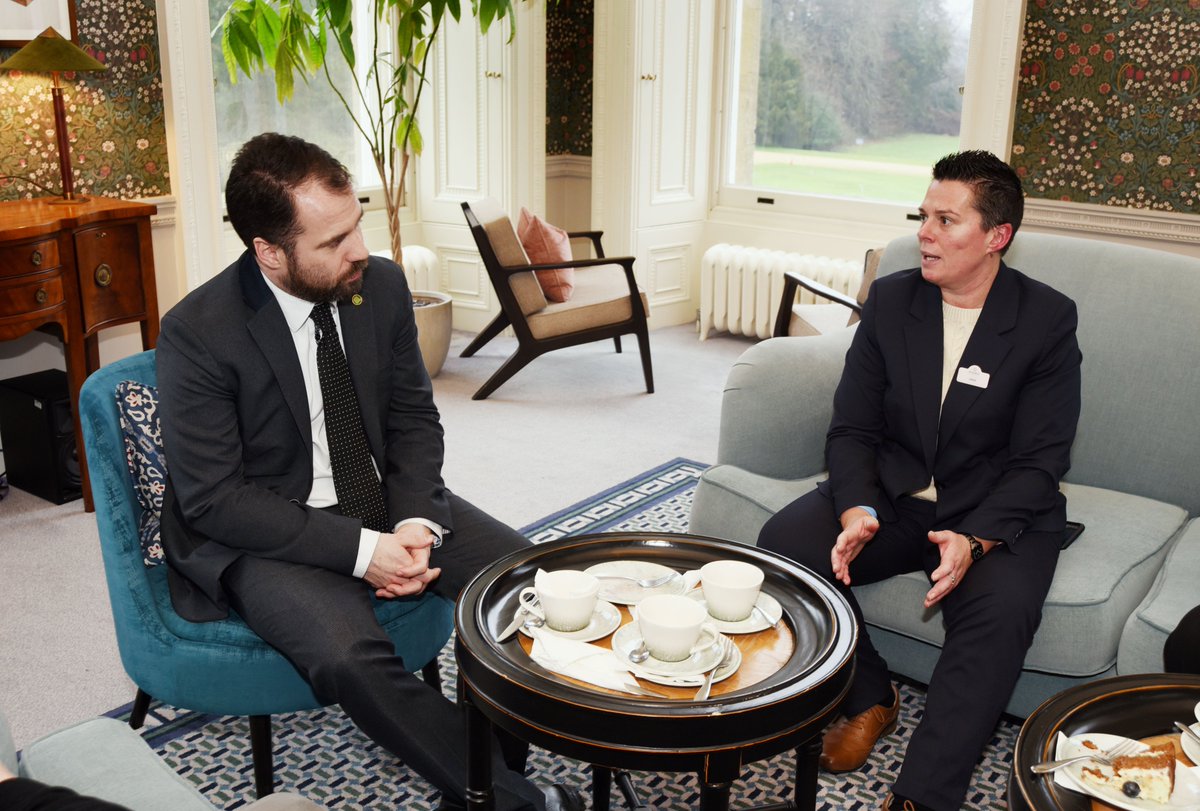
Business travellers make up 21% of all visits to Oxfordshire spending 1.6 million nights in the county and contributing £180 million in the local economy. During #EnglishTourismWeek26 we're celebrating this local success story. The venues and facilities used by this important element of the county's visitor economy are an asset for local people to enjoy too as @OllyGloverLD MP for Didcot and Wantage discussed when he visited @MiltonHillHouse :
“It was a pleasure to meet with Aleksander and Charlotte at Milton Hill House to see the results of the major refurbishment the hotel has undertaken. It was interesting to hear their plans to attract more local residents to make use of the gardens, bar and restaurant."
Aleksander Tyszkiewicz, Operations Manager said: “Whilst Milton Hill House has long focused on the important business events and conference market, we are also keen to welcome locals to the newly refurbished House to enjoy our bar, restaurant and spa experiences. It was a pleasure to welcome our MP Olly Glover and to discuss the current operating environment including the transport issues which impact our business. We’re grateful to the Experience Oxfordshire team for arranging Olly’s visit.”
#ExperienceOxfordshire #EOPartner #LVEP #localvisitoreconomypartnership #DMO #Oxfordshire #VisitorEconomy #DestinationManagement #DestinationMarketing #TourismSector @VisitEnglandBiz @VisitBritainBiz @DCMS @biztradegovuk
2
2
220
Mar 13
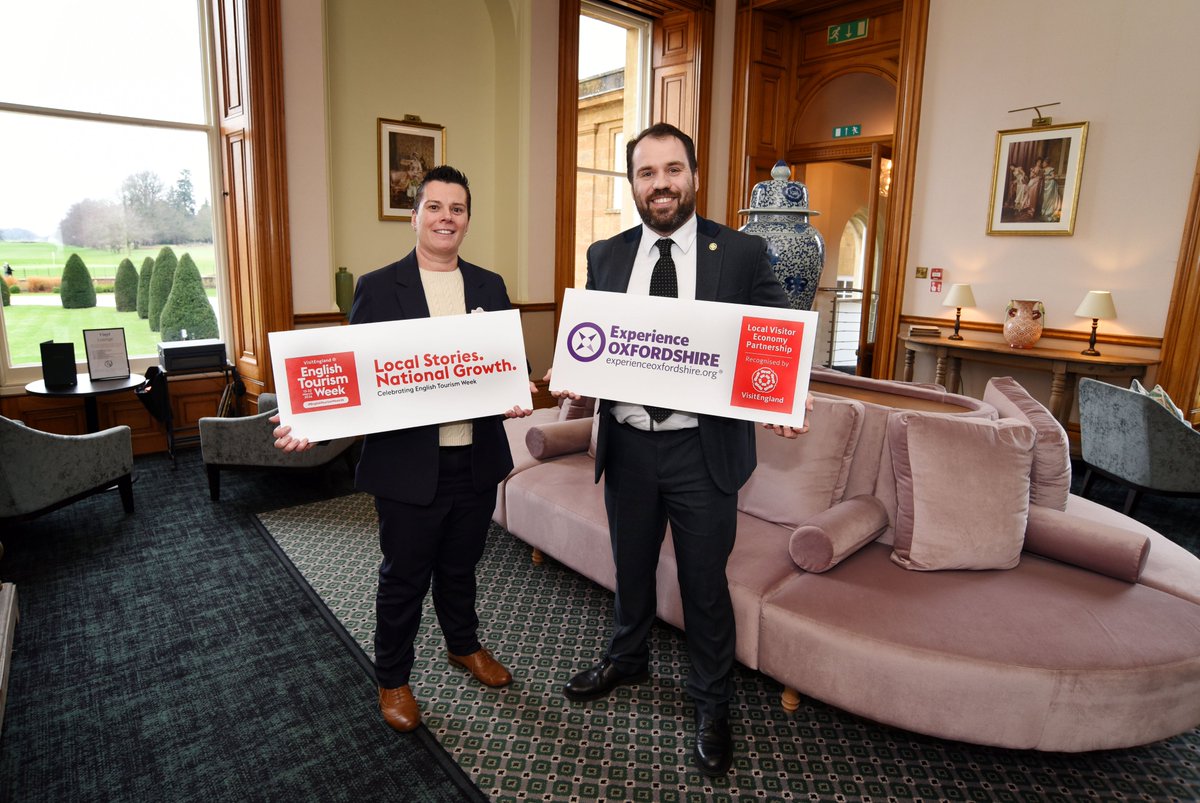
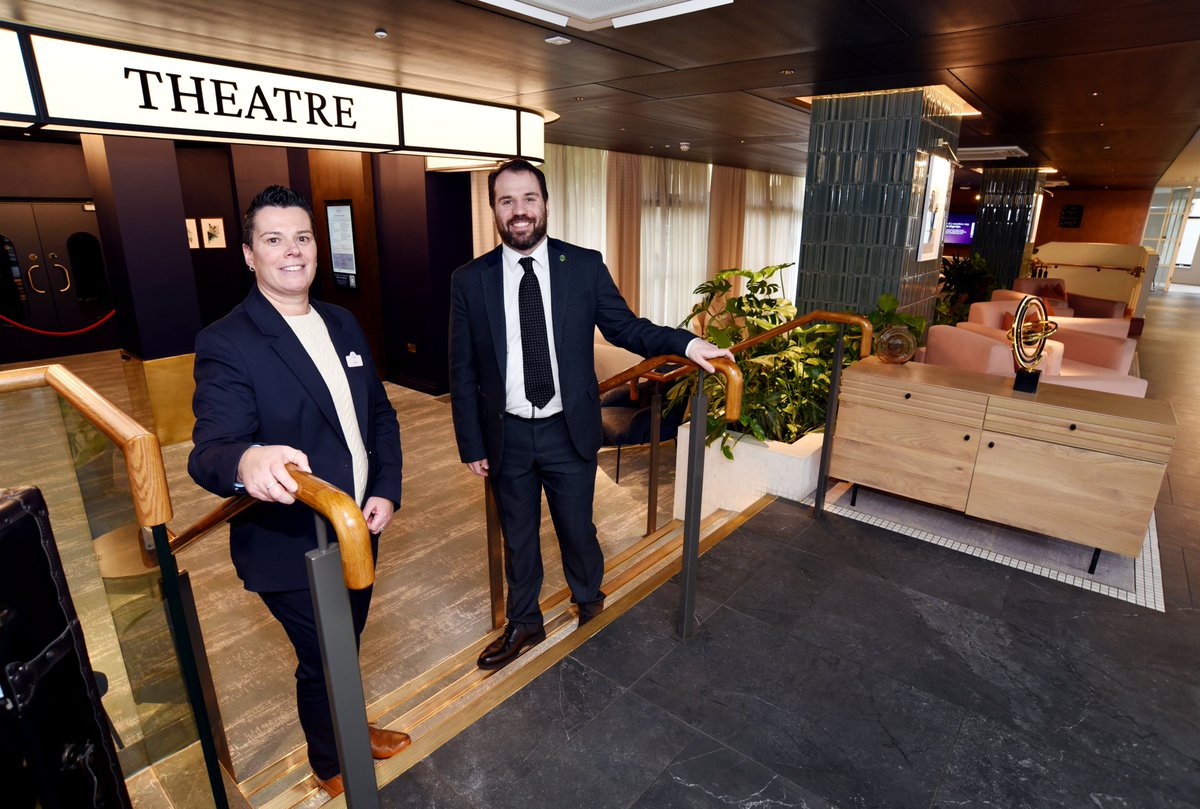
During #EnglishTourismWeek26 we'll be reflecting on the contribution the visitor economy makes to those of us living and working in Oxfordshire. It's a local story of national importance. @SEANLWOODCOCK for Banbury discussed the value of the accommodation sector in welcoming staying visitors who spend £799 million in the local economy when he visited Heythrop Park.
After his visit Sean Woodcock said: “I was very pleased to visit Heythrop Park to meet members of the team and discuss the positive impact their business has on our local community. As well as bringing large numbers of overnight visitors into the area who contribute directly to our local economy, the hotel is a significant local employer with a staff of some 300 people. I was particularly impressed with Heythrop’s proactive approach to supporting the local workforce by operating a transport service from Banbury, Chipping Norton and Witney, as well as providing staff accommodation onsite.”
Jane Page, General Manager at Heythrop Park commented: “Thanks to Experience Oxfordshire for facilitating our meeting with our local MP. It was a great opportunity to update Sean on current activity here at Heythrop Park and share our longer-term plans for extending our offer to leisure, business and event visitors.”
#ExperienceOxfordshire #EOAmbassador #LVEP #localvisitoreconomypartnership #DMO #Oxfordshire #VisitorEconomy #DestinationManagement #DestinationMarketing #TourismSector @VisitEnglandBiz @VisitBritainBiz @DCMS @biztradegovuk

2
3
123