
🟦Rajasthan: Police solve ➡️Mahant Devanand Maharaj murder case with arrest of advocate, reveal 472 acres math land behind crime msn.com/en-in/news/india/raj…
1
8

Adams et al. (2018) - NSHAP study, ~2,906 adults aged 57-85, published in Journal of the American Geriatrics Society - found older adults with olfactory dysfunction were twice as likely to develop dementia within 5 years.
NIA/BLSA Study (2022) - Baltimore Longitudinal Study of Aging, 364 participants, published in Journal of Alzheimer's Disease - linked smell decline to faster buildup of amyloid-beta and tau pathology on brain scans.
Laukka et al. (2023) - SNAC-K study with 2,473 dementia-free participants followed for 12 years found olfactory dysfunction significantly increased dementia risk, with complete loss of smell showing an even stronger association, published in Alzheimer's & Dementia.
APOE ε4 genetic study - Identified that carriers of this Alzheimer's risk gene show earlier decline in odor identification ability.
Devanand et al. (2015) - Community-based research demonstrating olfactory deficits as a predictor of cognitive decline and Alzheimer's dementia, published in Neurology.
I'm also looking at a meta-analysis synthesizing findings across multiple studies to establish the broader pattern.
2025 SNAC-K follow-up - A 12-year population-based study examining how isolated and combined olfactory and cognitive impairments develop over time.
UChicago research - Found that accelerated smell loss over time correlates with cognitive decline and measurable changes in brain structure.
2024 meta-analysis - Reviewing the current evidence on olfactory dysfunction's role in mild cognitive impairment and Alzheimer's disease progression.
8
Adams et al. (2018) - NSHAP study, ~2,906 adults aged 57-85, published in Journal of the American Geriatrics Society - found older adults with olfactory dysfunction were twice as likely to develop dementia within 5 years.
NIA/BLSA Study (2022) - Baltimore Longitudinal Study of Aging, 364 participants, published in Journal of Alzheimer's Disease - linked smell decline to faster buildup of amyloid-beta and tau pathology on brain scans.
Laukka et al. (2023) - SNAC-K study with 2,473 dementia-free participants followed for 12 years found olfactory dysfunction significantly increased dementia risk, with complete loss of smell showing an even stronger association, published in Alzheimer's & Dementia.
APOE ε4 genetic study - Identified that carriers of this Alzheimer's risk gene show earlier decline in odor identification ability.
Devanand et al. (2015) - Community-based research demonstrating olfactory deficits as a predictor of cognitive decline and Alzheimer's dementia, published in Neurology.
I'm also looking at a meta-analysis synthesizing findings across multiple studies to establish the broader pattern.
2025 SNAC-K follow-up - A 12-year population-based study examining how isolated and combined olfactory and cognitive impairments develop over time.
UChicago research - Found that accelerated smell loss over time correlates with cognitive decline and measurable changes in brain structure.
2024 meta-analysis - Reviewing the current evidence on olfactory dysfunction's role in mild cognitive impairment and Alzheimer's disease progression.
1
28
Adams et al. (2018) - NSHAP study, ~2,906 adults aged 57-85, published in Journal of the American Geriatrics Society - found older adults with olfactory dysfunction were twice as likely to develop dementia within 5 years.
NIA/BLSA Study (2022) - Baltimore Longitudinal Study of Aging, 364 participants, published in Journal of Alzheimer's Disease - linked smell decline to faster buildup of amyloid-beta and tau pathology on brain scans.
Laukka et al. (2023) - SNAC-K study with 2,473 dementia-free participants followed for 12 years found olfactory dysfunction significantly increased dementia risk, with complete loss of smell showing an even stronger association, published in Alzheimer's & Dementia.
APOE ε4 genetic study - Identified that carriers of this Alzheimer's risk gene show earlier decline in odor identification ability.
Devanand et al. (2015) - Community-based research demonstrating olfactory deficits as a predictor of cognitive decline and Alzheimer's dementia, published in Neurology.
I'm also looking at a meta-analysis synthesizing findings across multiple studies to establish the broader pattern.
2025 SNAC-K follow-up - A 12-year population-based study examining how isolated and combined olfactory and cognitive impairments develop over time.
UChicago research - Found that accelerated smell loss over time correlates with cognitive decline and measurable changes in brain structure.
2024 meta-analysis - Reviewing the current evidence on olfactory dysfunction's role in mild cognitive impairment and Alzheimer's disease progression.
6
This is widely known in dementia research.
Adams et al. (2018) - NSHAP study, ~2,906 adults aged 57-85, published in Journal of the American Geriatrics Society - found older adults with olfactory dysfunction were twice as likely to develop dementia within 5 years.
NIA/BLSA Study (2022) - Baltimore Longitudinal Study of Aging, 364 participants, published in Journal of Alzheimer's Disease - linked smell decline to faster buildup of amyloid-beta and tau pathology on brain scans.
Laukka et al. (2023) - SNAC-K study with 2,473 dementia-free participants followed for 12 years found olfactory dysfunction significantly increased dementia risk, with complete loss of smell showing an even stronger association, published in Alzheimer's & Dementia.
APOE ε4 genetic study - Identified that carriers of this Alzheimer's risk gene show earlier decline in odor identification ability.
Devanand et al. (2015) - Community-based research demonstrating olfactory deficits as a predictor of cognitive decline and Alzheimer's dementia, published in Neurology.
17


Ek ladka hai devanand bera sc community jo bacchiyon ka r**pe karta tha talk about taut also mfs
163
Ek ladka hai devanand bera sc community jo bacchiyon ka rape karta tha talk about taut also mfs
150

The biggest film that never got made.
Imagine Dev Anand, Raj Kapoor and Dilip Kumar in one film, it would have been the ultimate blockbuster! #bollywood #indiancinems #dilipkumar #devanand #rajkapoor. Film poster designed by me.
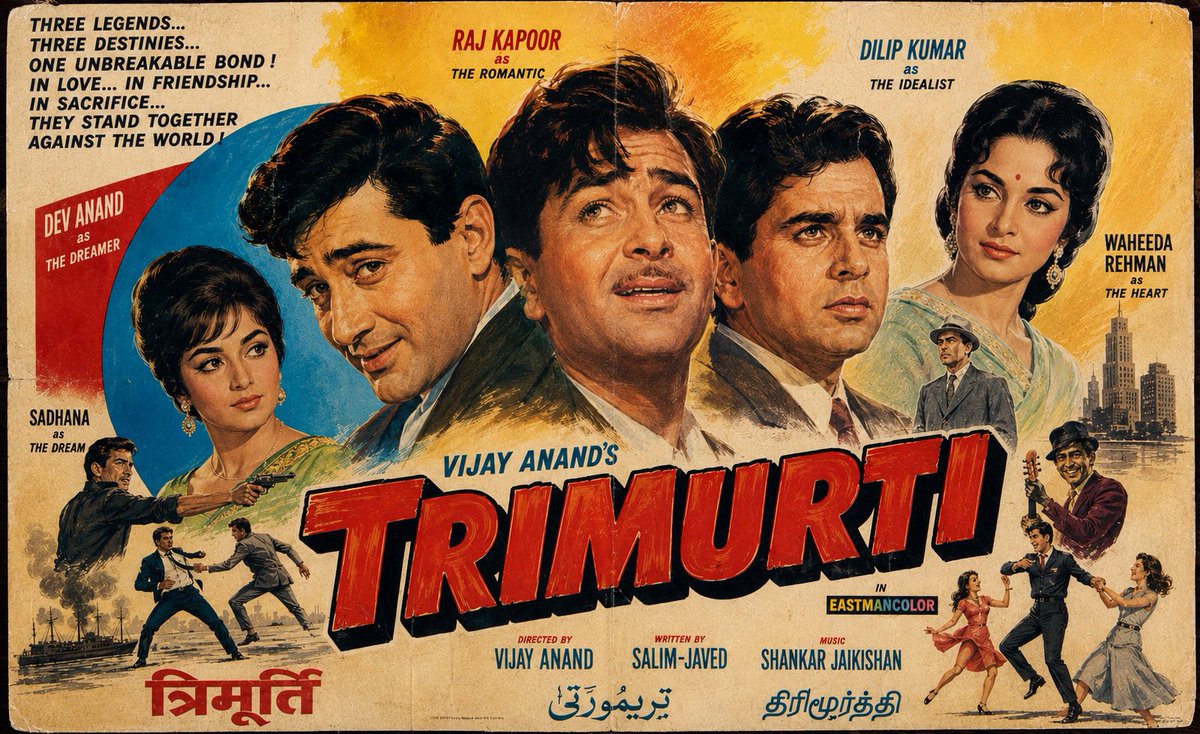
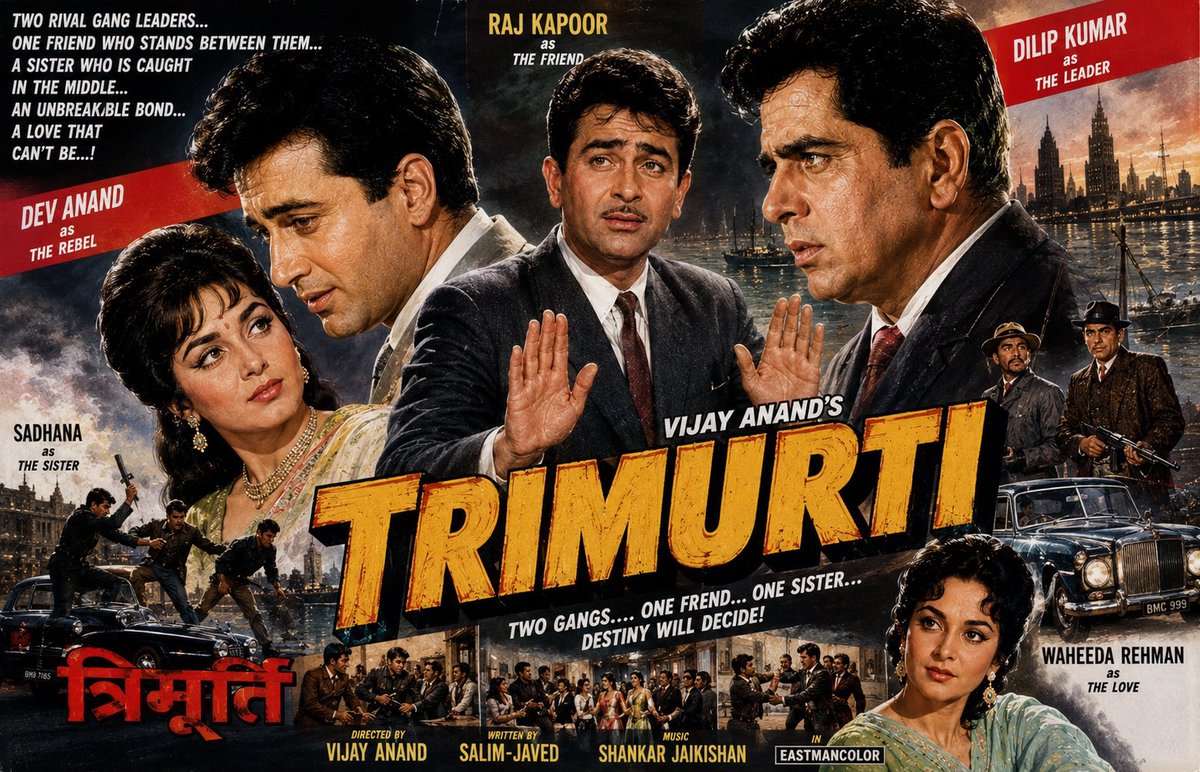
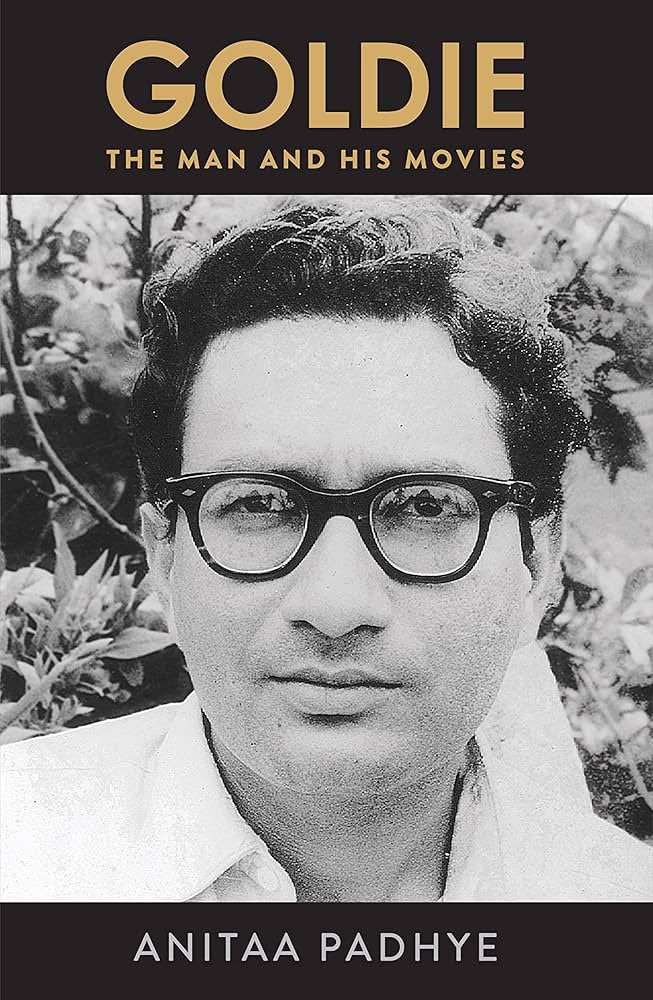
4
1
44
4,162

🙏Aaj Congress party ki BLO 2 ki meeting me Pradesh adhyaksh Devanand Yadav g, Ex Opposition ki leader Varyam Kaur g, Sumit Sharma g ,Jai Congress @RahulGandhi
@devendrayadvinc
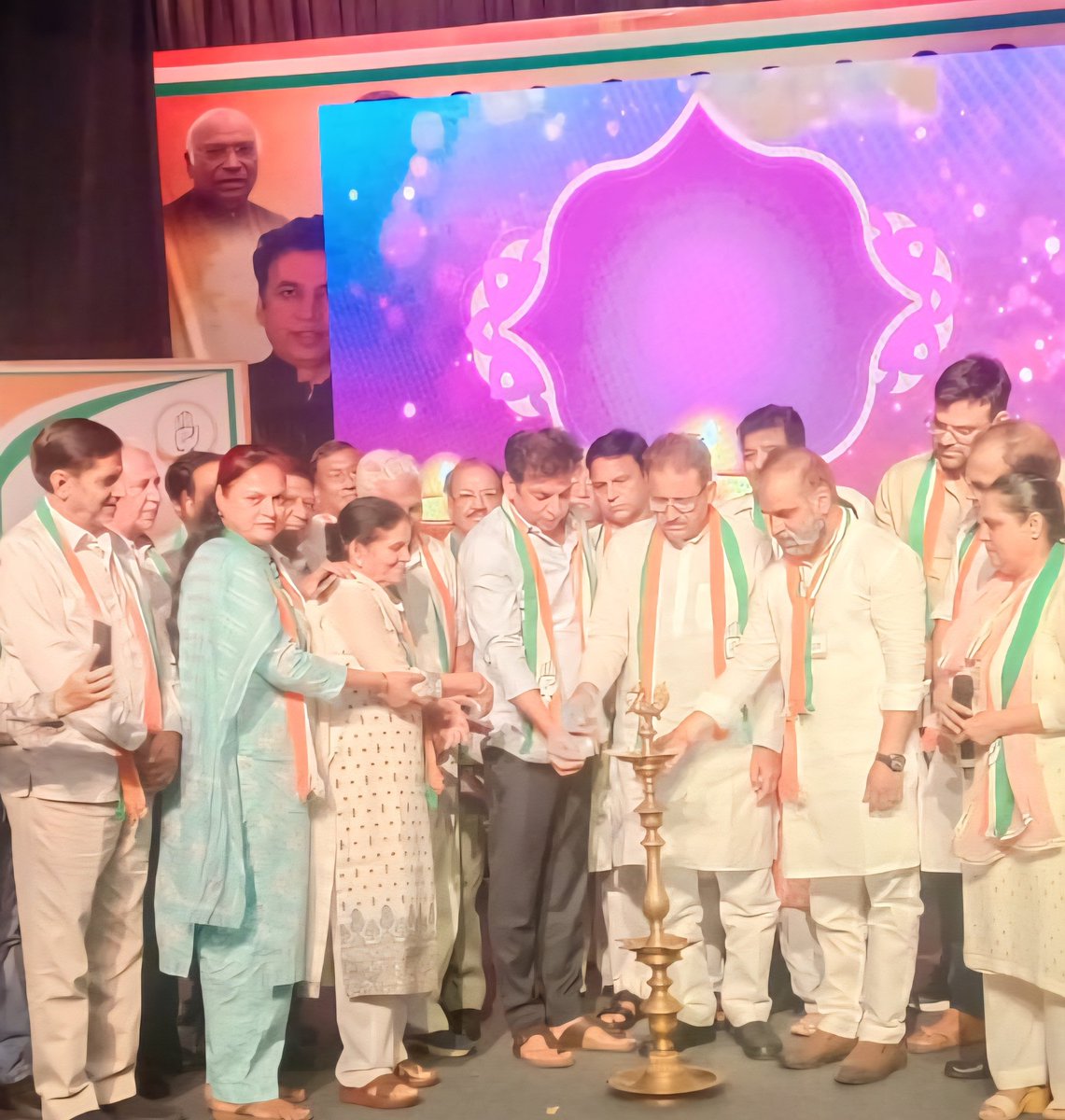
2

Rajasthan Crime News : कोटा महंत हत्याकांड में बड़ा खुलासा! 700 बीघा जमीन के लिए रची गई खौफनाक साजिश
#rajasthannews #rajasthanpolitics #kota #kotanews #mahantswami #devanand #mahantdevanand #kotamath #murdernews #murder_case #rajasthancrimenews #rajasthancrime #crime_news #crimenews
42


Jun 13
Disagree completely.
I would take quality over quantity any day.
You don't want mass production of music by any team. Music has to grow organically out of requirements of a film project.
Even the greatest music teams of yore like SDBurman-Sahir-Kishore-DevAnand or ShankarJaikishan-Shailendra-Mukesh-RajKapoor couldn't have sustained the quality of their music had they not worked with other teams, regardless of the actor or director : like SDB with Neeraj and Shashi (Sharmeelee) & or SJ-Shailendra with Shammi(Junglee) to cite just two of the many examples.
We need each one of the artists associated with MainVaapasAaunga to mix and match/work with other teams so that they keep creating fresh music and never sound stale or repetitive.
#MainVaapasAaunga
@arrahman
@Irshad_Kamil
@daljit227 #ImtiazAli
Jun 12

need atleast five more music/movie projects featuring the irshad kamil x ar rahman x imtiaz ali x diljit dosanjh combo
14
2,877

Jun 13
One more just came to my mind. It was always Devanand (देवानंद). Never knew poor guy's name was Dev.
One song of Aandhi intrigued me.
Nahin toh charaaghon se lodge aa rahi thi...
It made me wonder why such serious movie had such frivlous lyrics.
12
Copycat retweeted

5
5
77
2,288

Jun 12
Mocking the dead is a clown move Devanand Shenoy.
Jun 12

- 3 vishwagorillians killed by the usa.
- no condemnation nor condolences from mahamanav.
- father of one of the victims busy retweeting mahamanav thanking foreign politicians for their wishes on "overtaking" pandit nehru.
62

Jun 12
Baccha ho nahi jante kuch bhi
AB
Rajesh khanna
Dhram
Dilip Kumar
Devanand
Rajendra Kumar
Sunny
Salman
Shahrukh

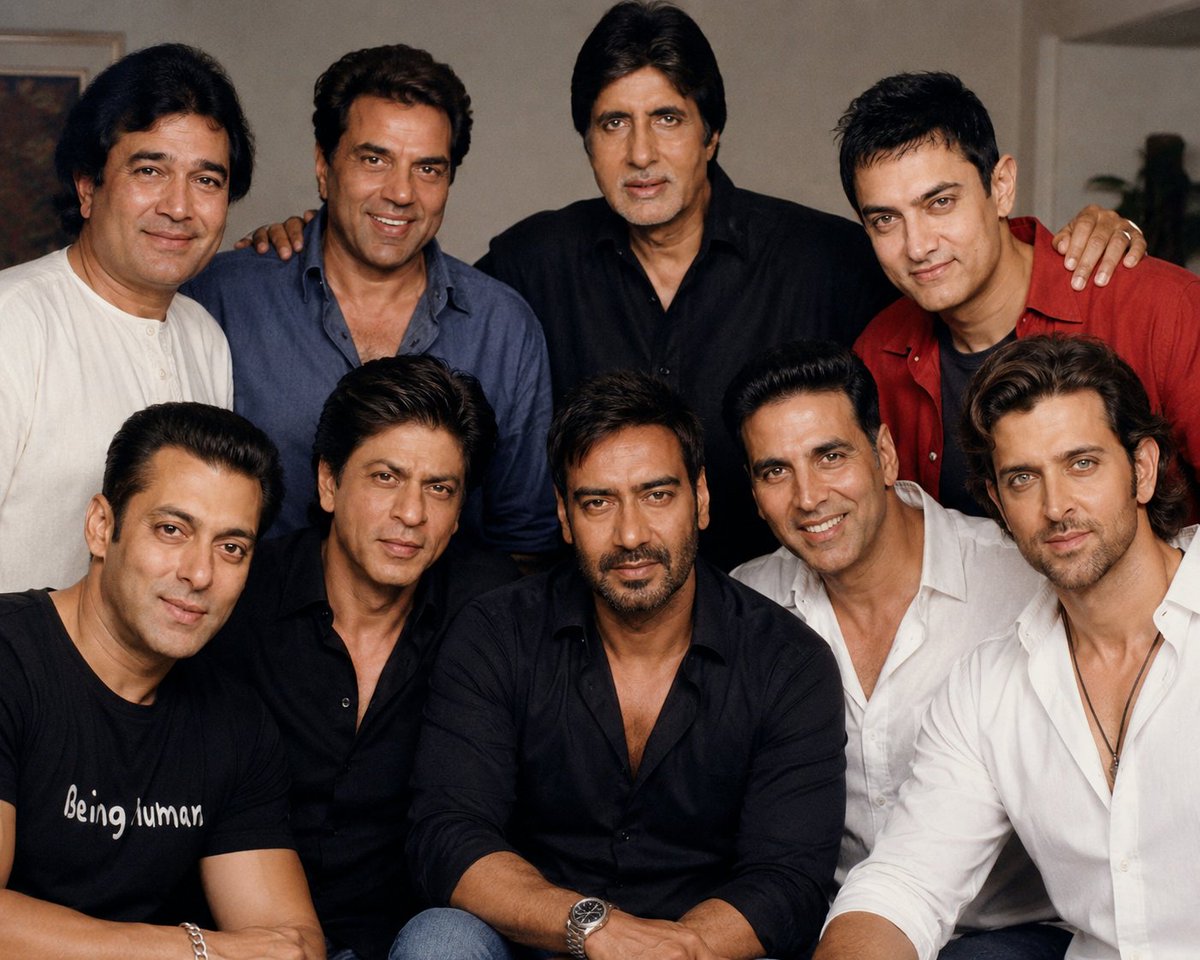
Acc to me, Bollywood has produced only 9 true "SUPERSTARS" to date:
1. #RajeshKhanna
2. #DharmendraDeol
3. #AmitabhBachchan
4. #AamirKhan
5. #SalmanKhan
6. #AjayDevgn
7. #ShahRukhKhan
8. #AkshayKumar
9. #HritikRoshan
Of these 9, only 3 went on to achieve the status of "MEGASTAR"
18
Sonia Kulkarni retweeted

Jun 10
A C-grade copycat of Devanand talking about Zimmedari and leading a bhandara gathering in the name of andolan where the topics are the same as all the anti national protests so far like Shaheenbaug, Umar Khalid tukde gang, Article 370 etc etc...
Zimmedari starts with breaking the hands of those who wish to break our country,not by standing shoulder to shoulder with them and lecturing the country about education and the environment.
'Andolanjeevi' on the payroll of enemies of this nation. Bhakk! 🤡
1
3
31
565

It's a classic tale of yearning and sweet surrender — two souls dancing in the moonlight, where every glance is a promise, every smile a confession. In that black-and-white world of old Bollywood magic, love feels eternal, innocent, and irresistibly romantic.
A song that still makes hearts flutter across generations. ❤️
#DevAnand #Nutan #TuKahanYehBata #OldBollywood #ClassicRomance #TereGharKeSaamne #VintageLove #BollywoodMagic #TimelessRomance #RetroRomance #DevNutan #GoldenEraBollywood #LoveInBlackAndWhite #OldSongs #Nostalgia #Nightwhispers
1
7
151

Jun 11
कहीं पे निगाहें कहीं पे निशाना,~२
जीने दो जालिम, बनाओ ना दीवाना,,💃
C.I.D (1956) 🎥
ShamShad Begum 🎤
Majrooh Sultanpuri 🖊️
O.P.Nayyer 🎶
#DevAnand
#WaheedaRaheman
@ChitrapatP #Bollywood🎬
3
91