

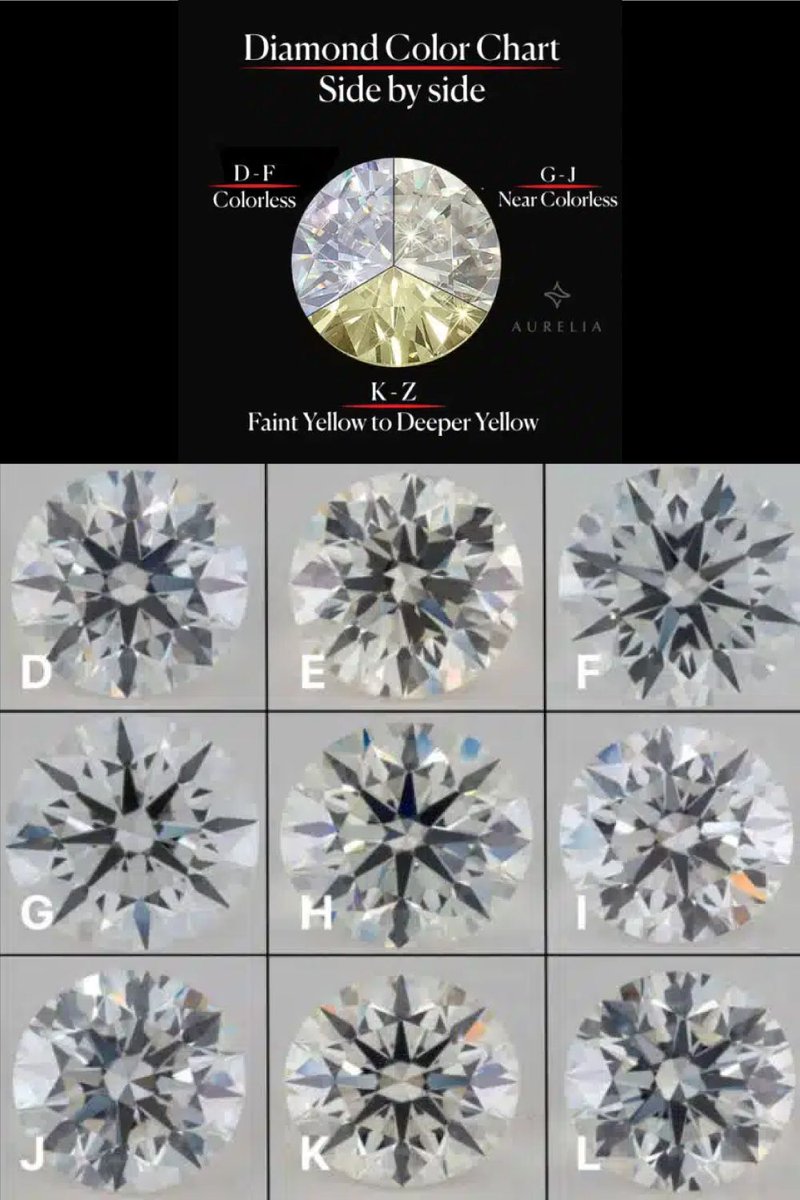
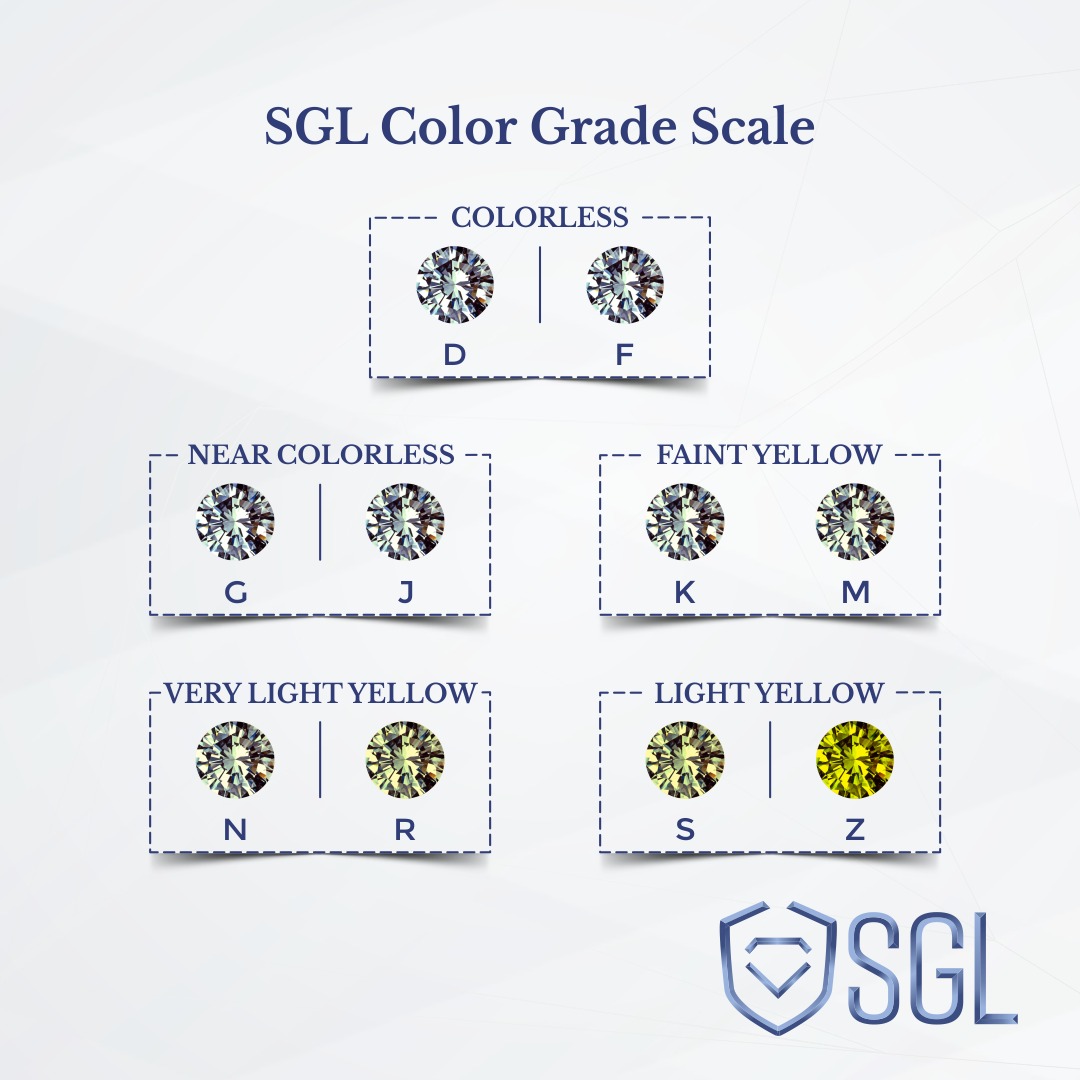
ALT A diamond color chart infographic showing 9 round brilliant diamonds graded D through L side-by-side. An inset wheel explains the grades are split into Colorless (D-F), Near Colorless (G-J), and Faint Yellow to Deeper Yellow (K-Z).
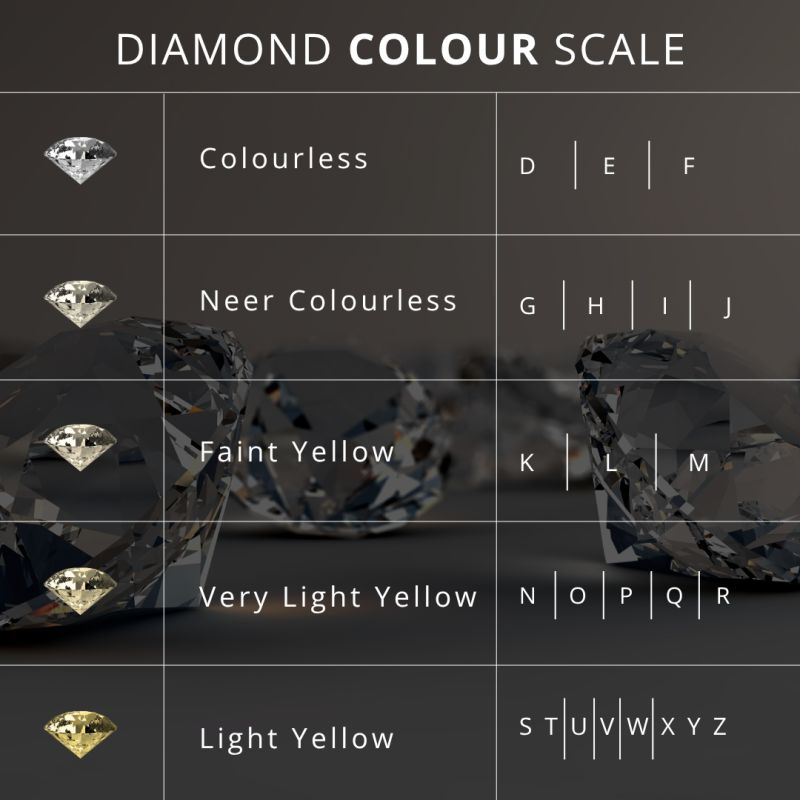


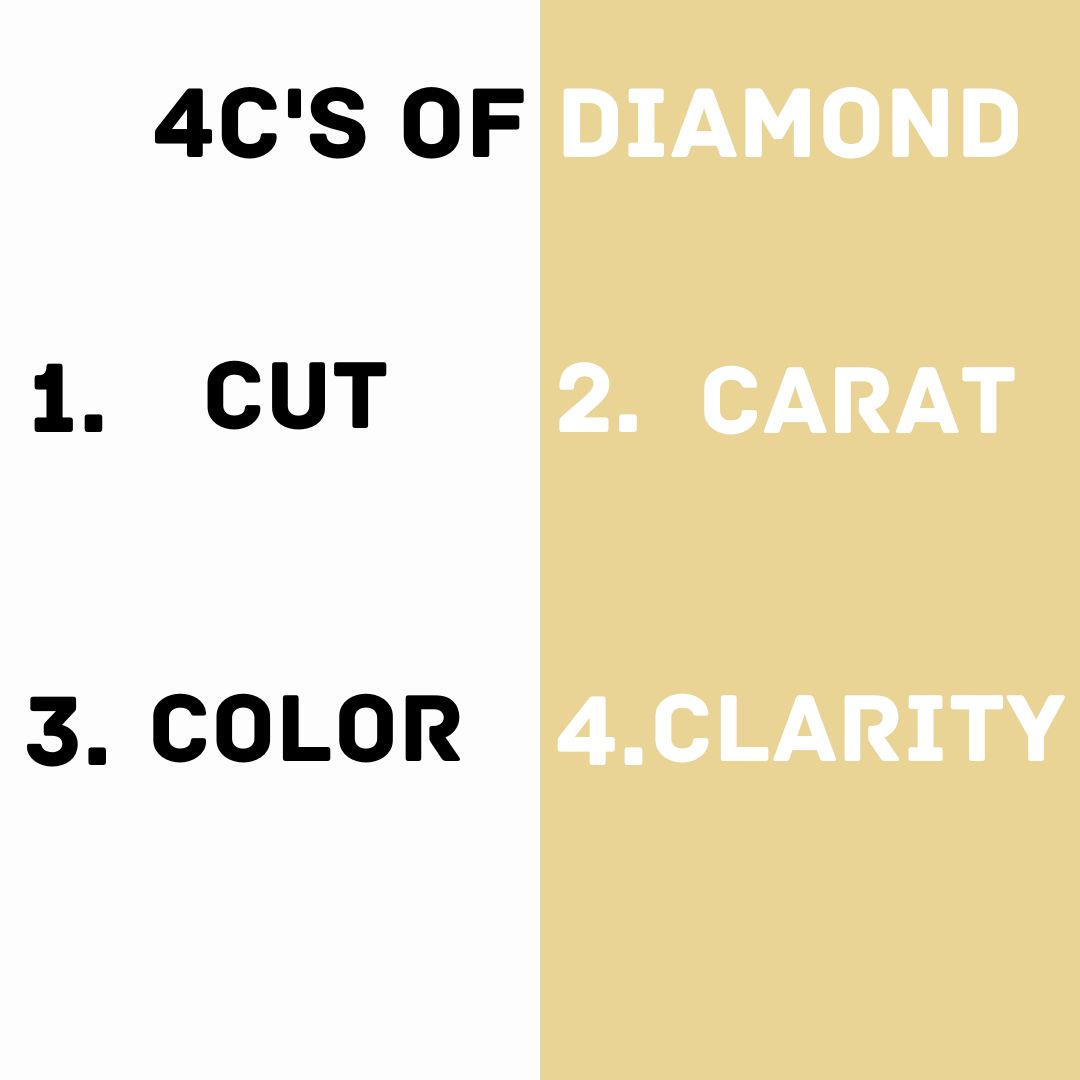

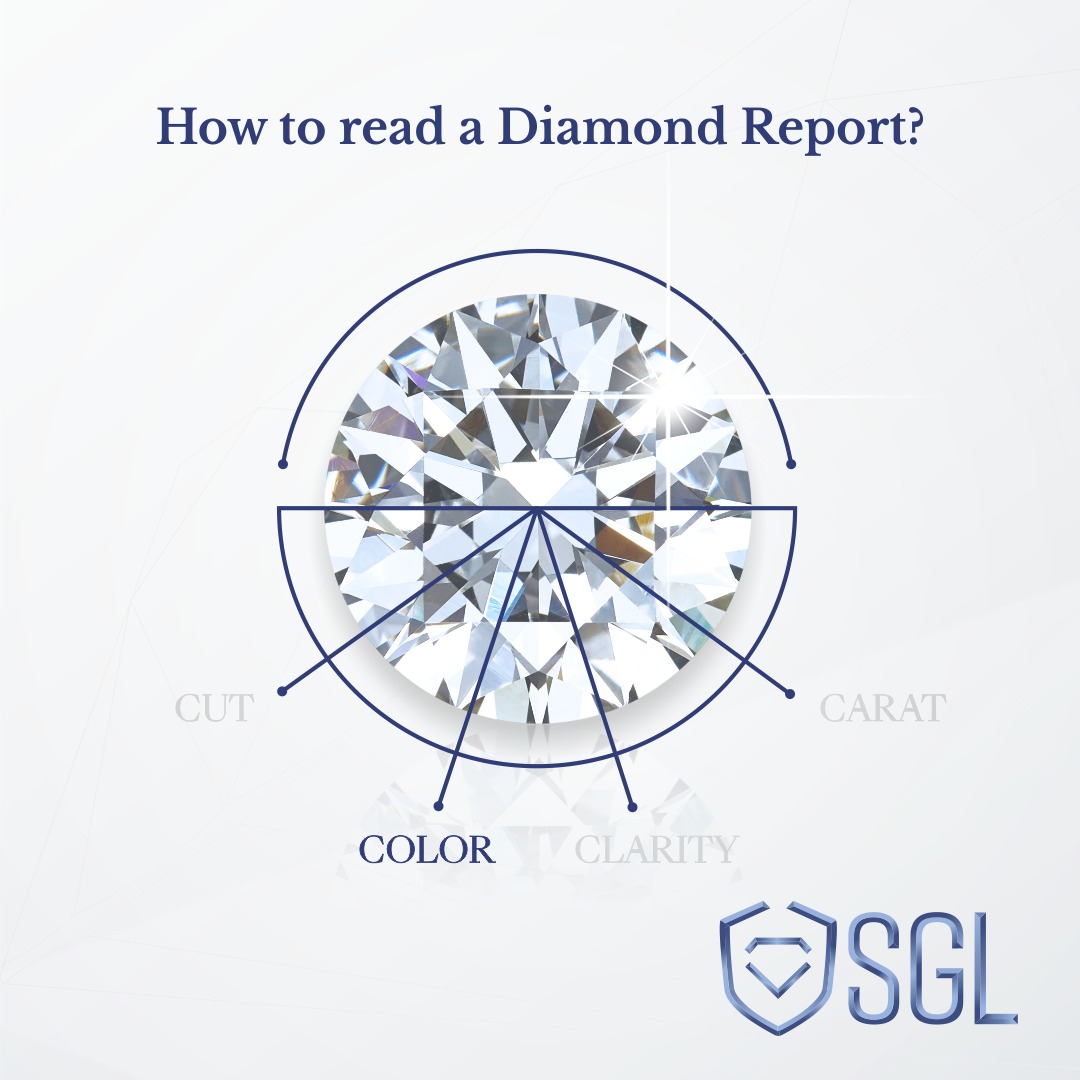





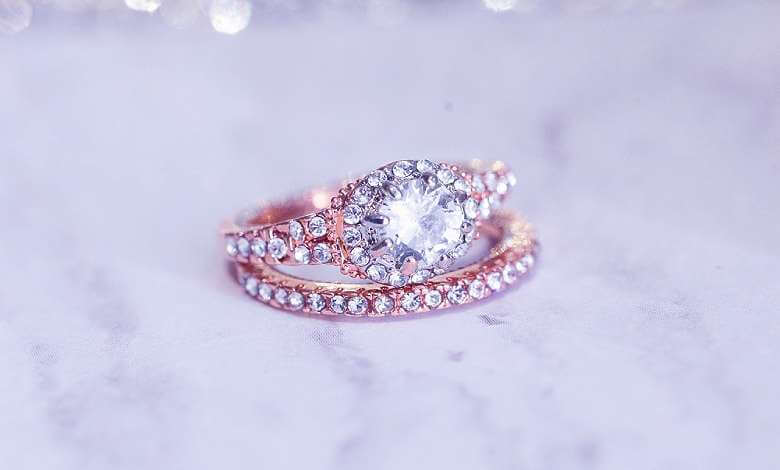
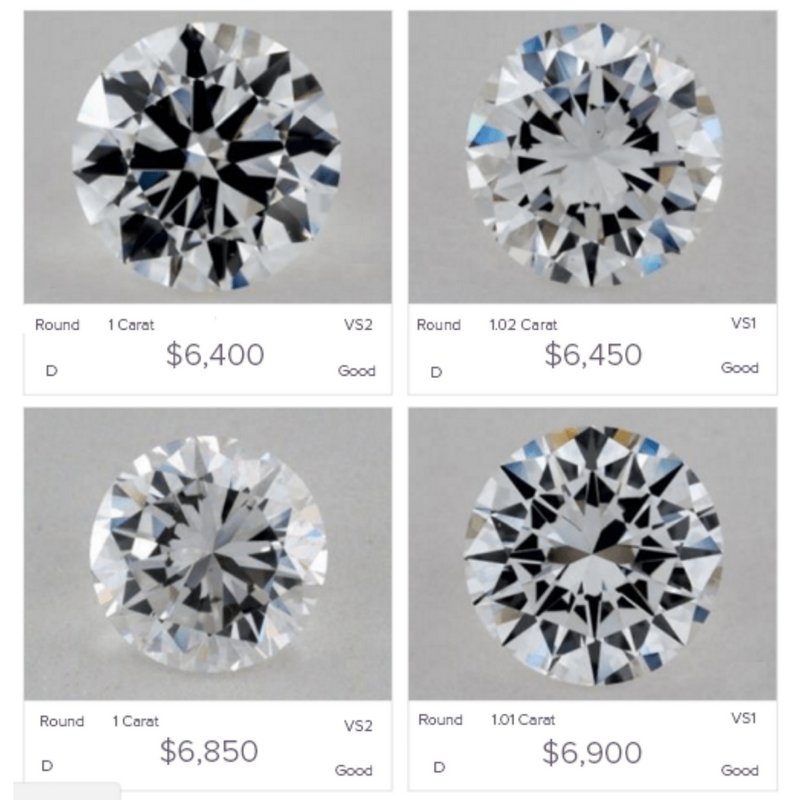
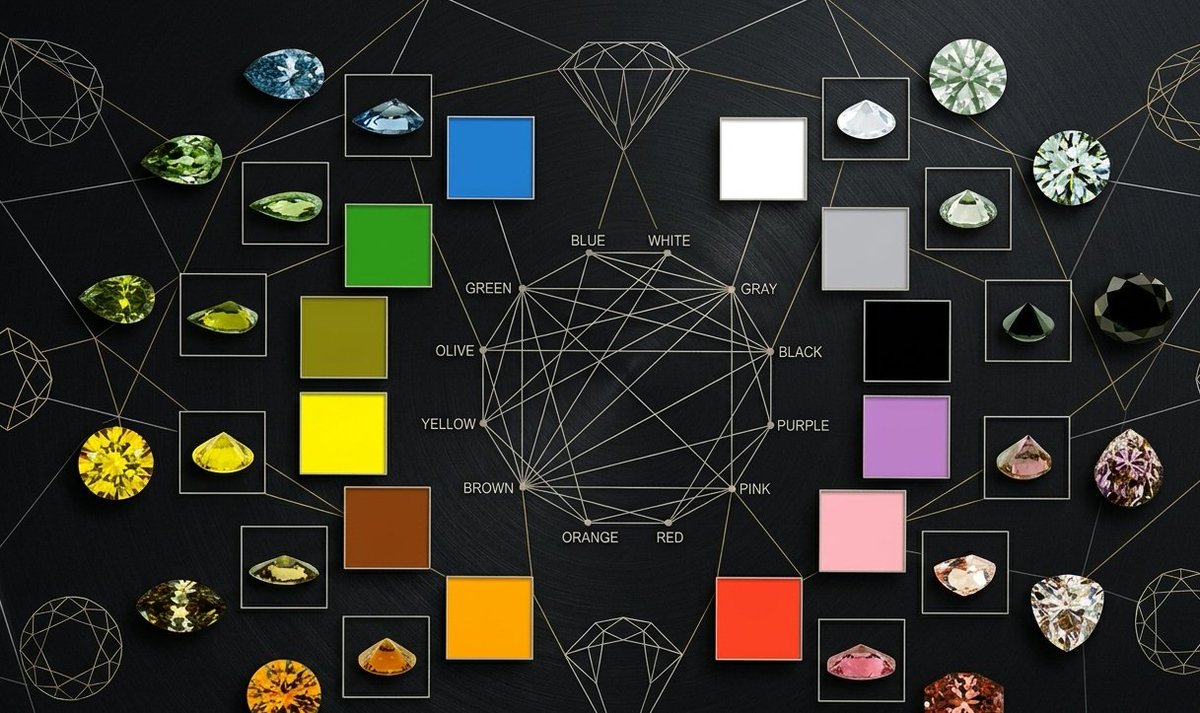
ALT How Color and Clarity Impacts Diamond Price 💎💍💵💰🛍️🙂 https://fashionbeautynews.com/how-color-and-clarity-impacts-diamond-price/ 👈 #accessories #jewelry #diamondprice #diamondvalue #diamonds #gems #jewellery #jewels #diamondcolor #diamondclarity #gemstone #gem #gemstones #diamondring #jewellers #fashionblogger #fashionblog
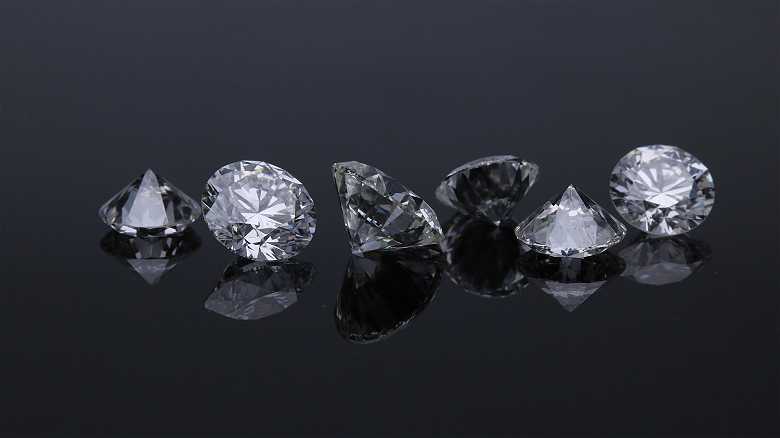
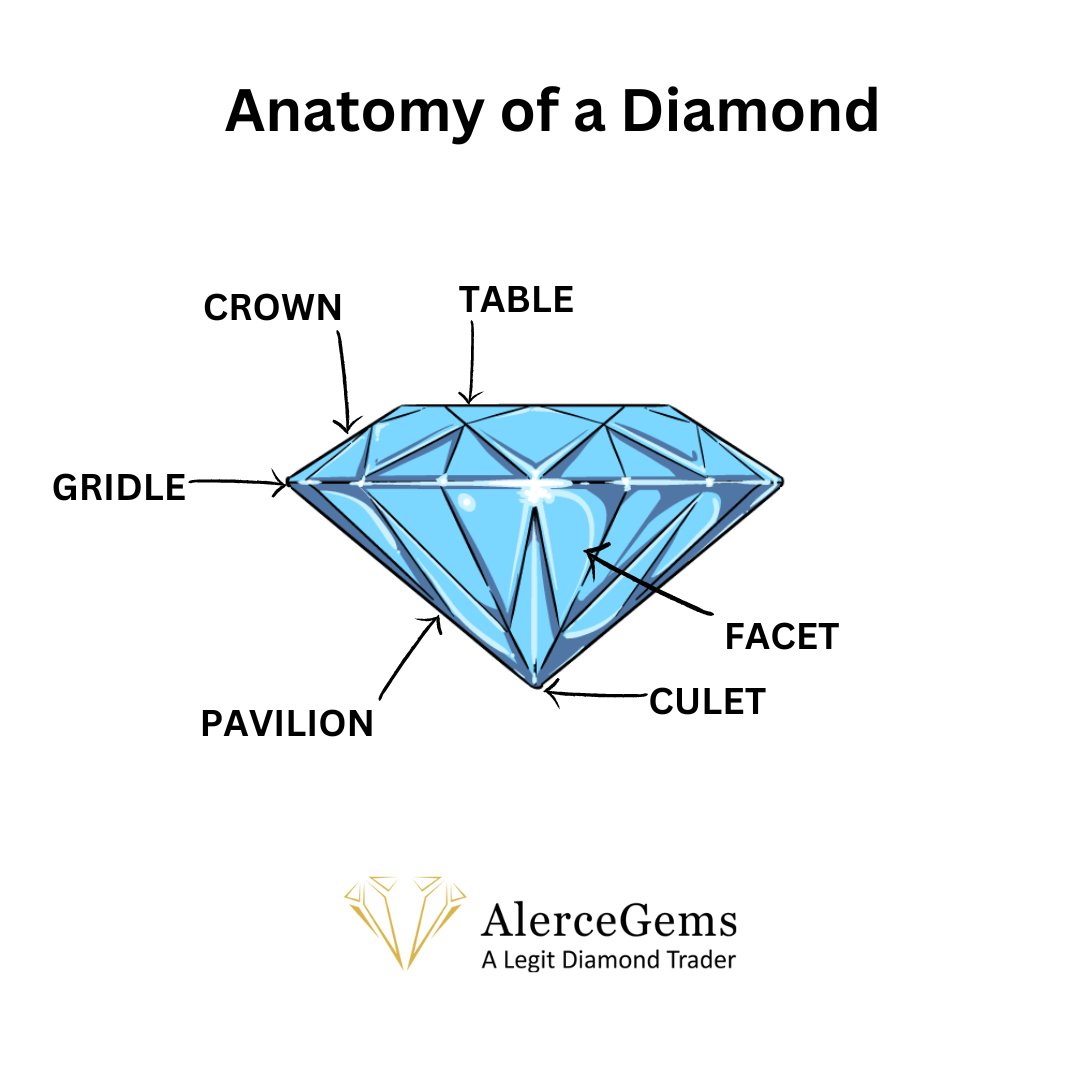
ALT How Color and Clarity Impacts Diamond Price 💎💍💵💰🛍️🙂 https://fashionbeautynews.com/how-color-and-clarity-impacts-diamond-price/ 👈 #accessories #jewelry #diamondprice #diamondvalue #diamonds #gems #jewellery #jewels #diamondcolor #diamondclarity #gemstone #gem #gemstones #diamondring #jewellers #fashionblogger #fashionblog

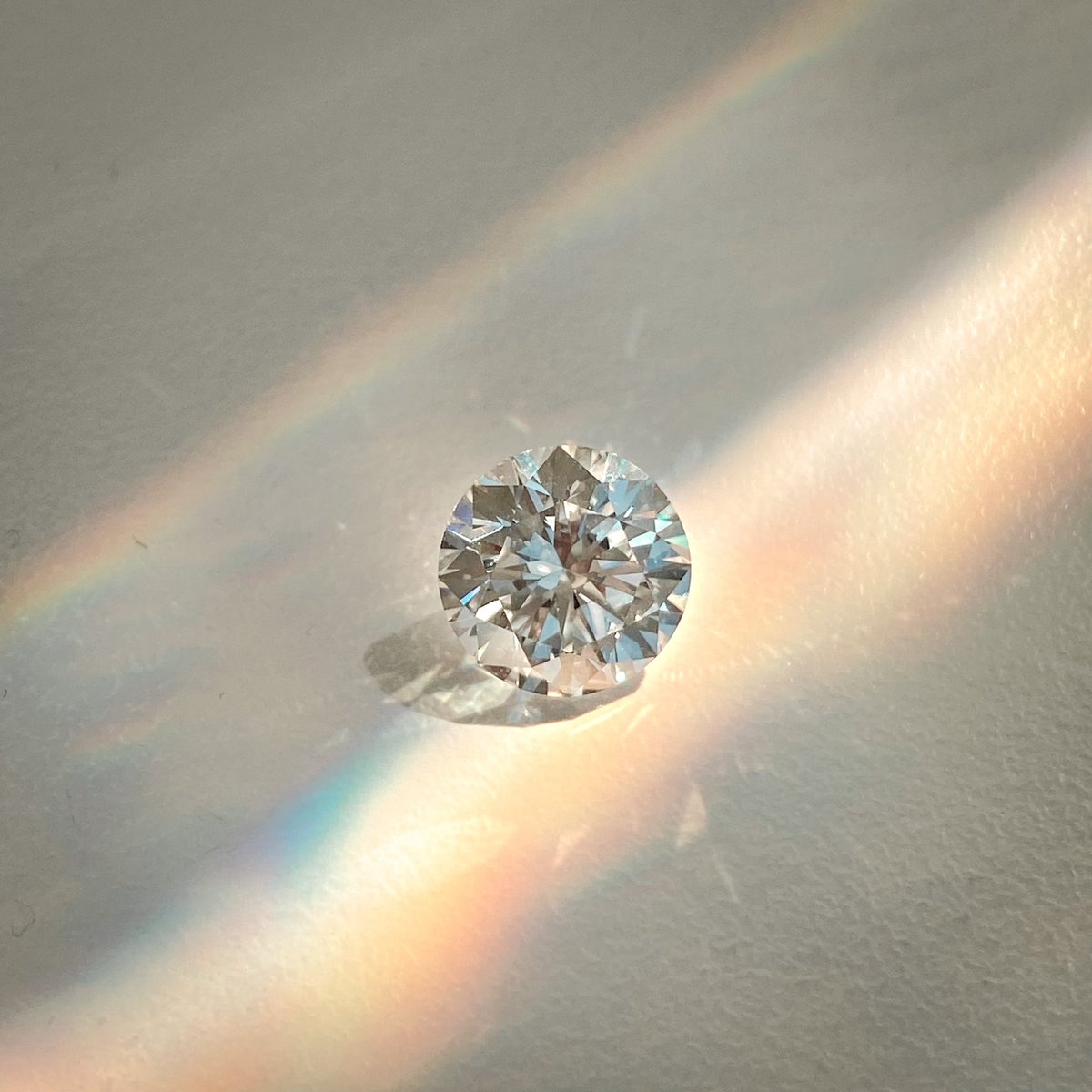
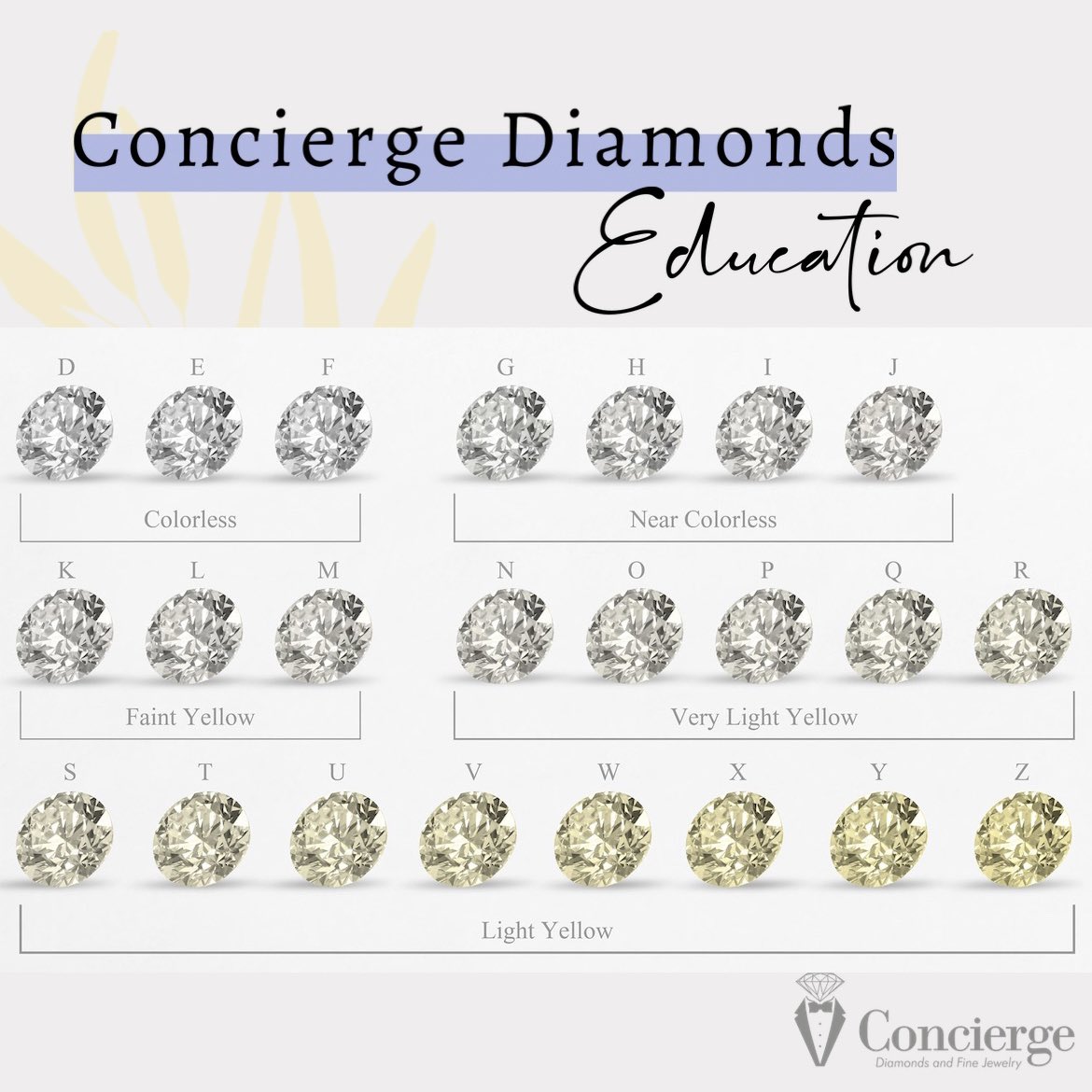
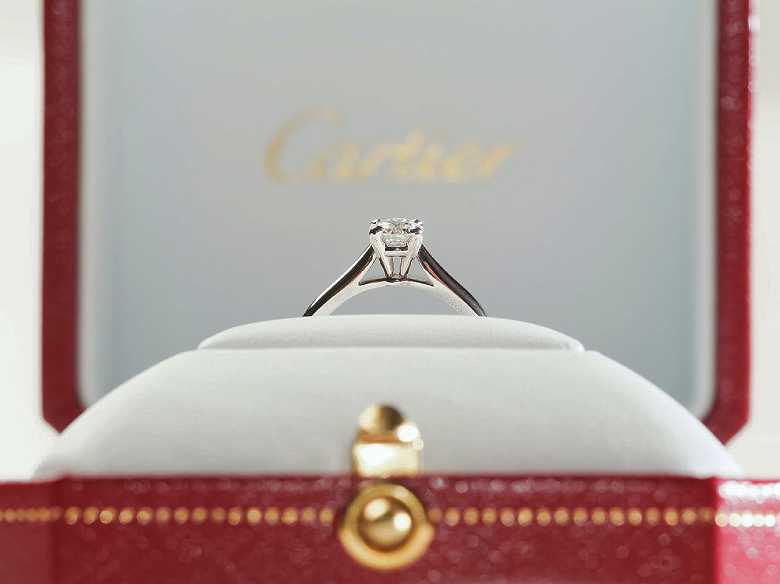
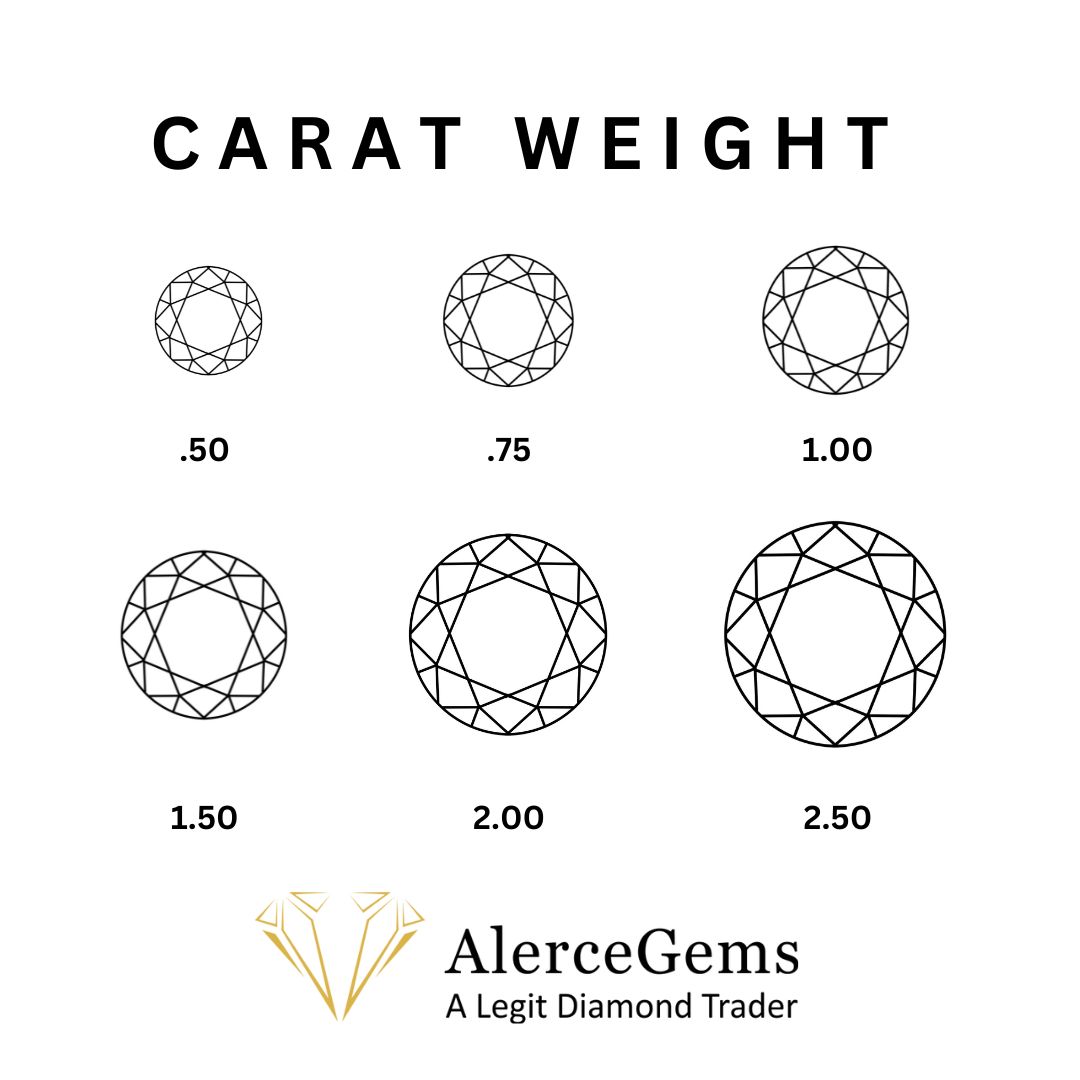
ALT How Color and Clarity Impacts Diamond Price 💎💍💵💰🛍️🙂 https://fashionbeautynews.com/how-color-and-clarity-impacts-diamond-price/ 👈 #accessories #jewelry #diamondprice #diamondvalue #diamonds #gems #jewellery #jewels #diamondcolor #diamondclarity #gemstone #gem #gemstones #diamondring #jewellers #fashionblogger #fashionblog