
Feb 9
You can now buy the PCB only for the AntiHunter DIGINODE prototype.
Assembly guide and STL files in repo.
PCB is for those who wants to buy modules, print and build their own nodes.
NOTE: Full kits will be available later. PCBs will be shipped out from the US.
Buying PCB's will also support further development and new products. Happy Hunting.
tindie.com/products/teamanti…
Assembly guide.
github.com/lukeswitz/AntiHun…
AntiHunter V2 enclosure
github.com/lukeswitz/AntiHun…

5
8
95
5,395
From the DigiNode team: You can now update your DigiNode to DigiByte Core v8.26.2. It has been tested on Arm (Raspberry Pi 4/5) but yet not on x86. If you run into any issues with the update process, please let us know. Any issues with DigiByte v8.26.2 should be raised with DigiByte Core: github.com/DigiByte-Core/dig…
5
15
195

Jan 26
Thank you @DGBAT_Official for getting Diginode tools fixed so I can upgrade my node to 8.26.2 without the Hash not Found error.
I appreciate it guys and gals.
2
10
175

Jan 16
DigiByte Fam - You wouldn't believe how fast things are moving.
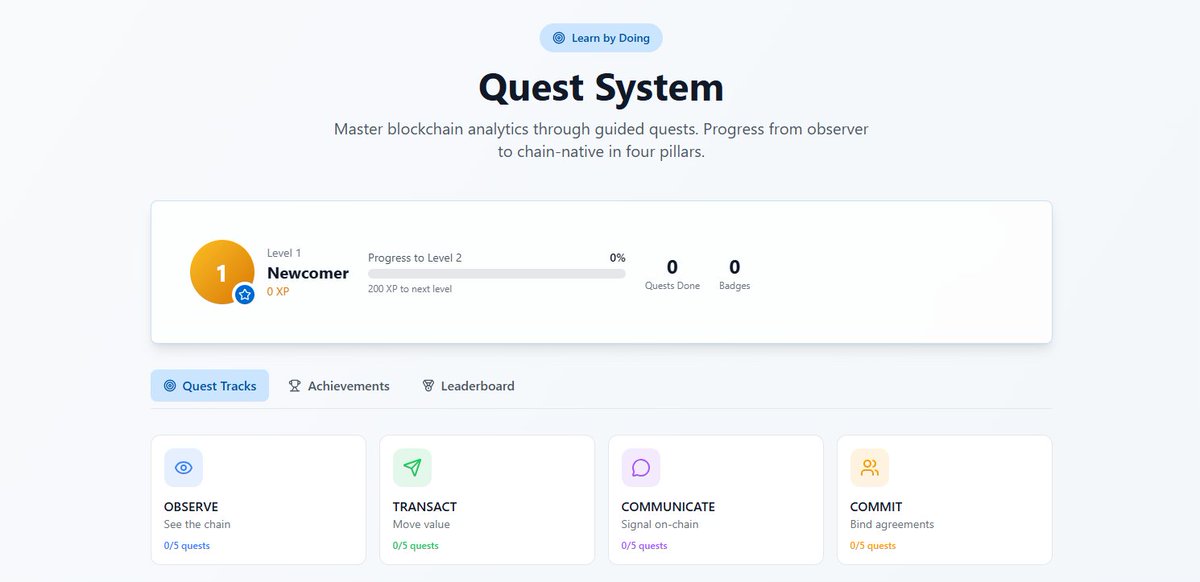
Lock in - get involved in DigiDollar testing, Run a RaspPI DigiNode Tools client, or check out DigiScope/Enigma (w/ quests)🏗️
There are whole organic ecosystems taking shape in the blockchain underground 🧬
11
26
1,404
25 Nov 2025
@DGBAT_Official Question for the team. Is anyone going to work on this HASH NOT FOUND upgrade issue when exiting Diginode? Now it's generating a Bash script error when using Diginode tools alone so neither upgrade path will work. Thanks
github.com/DigiNode-Tools/di…
1
3
119
21 Nov 2025
Still getting a hash error when using Diginode tools to upgrade & no one has been assigned to the issue I filed on GitHub over 2 weeks ago.
2
57

6 Nov 2025
I don't use diginode tools or know that service very well so I have no idea. I run core wallets directly with no middle man. Will have to ask that developer. likely has not been updated yet.
2
3
38

31 Aug 2025
My take on the future ( assisted by @Grok ):
- - The Vision of DigiByte as a SmartCoin: Self-Propagating Nodes for Unstoppable Decentralization
Imagine a future where DigiByte (DGB), already renowned for its speed, security, and decentralization, evolves into a *SmartCoin*—a cryptocurrency with the unprecedented ability to autonomously propagate its own nodes across any compatible operating system, including iOS, Android, Linux, and Windows. This transformative capability would not only cement DigiByte’s position as one of the most decentralized blockchains but also render it virtually indestructible, dispelling any notion that DigiByte is a fleeting or niche project. By embedding elements of a node installer within the blockchain itself, DigiByte could achieve a viral, self-sustaining propagation model, akin to a digital organism that thrives by spreading its infrastructure effortlessly across the globe. Below, I explore this visionary concept, its implications, and how it could redefine blockchain technology.
- - - The SmartCoin Concept: A Self-Sustaining Blockchain
A *SmartCoin* in this context refers to a cryptocurrency that transcends traditional blockchain functionality by incorporating intelligent, self-executing mechanisms directly into its protocol. For DigiByte, this would mean embedding the ability to autonomously initiate and configure full nodes on any device capable of running its software. Unlike current node setups, which require manual installation and configuration by users, a SmartCoin version of DigiByte would streamline this process by leveraging code embedded in the blockchain or its associated software to detect compatible systems and deploy nodes with minimal user intervention.
This self-propagation could work through a lightweight, blockchain-integrated installer—a set of instructions or scripts encoded within DigiByte’s transactions, metadata, or a dedicated protocol layer (e.g., an extension of DigiAssets). When a user interacts with the DigiByte network—whether by downloading a wallet, sending a transaction, or syncing the blockchain—the system could automatically detect the device’s operating system (iOS, Android, Linux, Windows, or even emerging platforms) and initiate a node setup in the background. This process would be seamless, requiring only user consent to allocate resources, much like installing a simple app.
- - - How It Could Work: Embedded Node Installer and Viral Propagation
The idea of embedding node installer elements within the DigiByte blockchain draws inspiration from the blockchain’s existing capabilities, such as DigiAssets for decentralized asset issuance and the Dandelion protocol for enhanced privacy. Here’s a conceptual framework for how this could be implemented:
1. Blockchain-Embedded Installer Code :
- DigiByte could utilize its scripting system (an extension of Bitcoin’s UTXO-based scripting) to encode lightweight node deployment instructions within specific transaction outputs or OP_RETURN metadata, as seen in proposals like DigiDollar. (github.com/orgs/DigiByte-Cor…)
- These instructions could be a compressed, platform-agnostic script that, when executed by a DigiByte-compatible wallet or client, triggers the download and configuration of DigiByte Core or a lightweight node client tailored to the user’s operating system.
- For example, a user downloading the DigiByte Core wallet on their Android device might receive a transaction containing metadata that prompts the wallet to offer a “one-click node setup” option, automatically configuring a full or light node based on the device’s capabilities.
2. Cross-Platform Compatibility :
- DigiByte’s existing support for multiple operating systems (Windows, macOS, Linux, iOS, Android) makes it an ideal candidate for this vision. (thebigwhale.io/tokens/digiby…) (coinomi.com/asset/digibyte/)
- The embedded installer could include modular components that adapt to the host system’s architecture (e.g., x86_64, ARM for Raspberry Pi, or mobile chipsets). For instance, a user on an iPhone could run a light node optimized for iOS, while a Linux server could deploy a full node with minimal configuration.
- By leveraging existing tools like DigiNode Tools, which simplify node setup on Raspberry Pi and Ubuntu/Debian systems, the SmartCoin installer could extend this ease of use to all platforms, including mobile devices. (diginode.tools/)
3. Viral Propagation Mechanism :
- The “virus-like” propagation would occur as nodes share the installer code with peers during blockchain synchronization or transaction relaying. When a new device connects to the DigiByte network, existing nodes could transmit the installer script alongside blockchain data, encouraging the new device to join as a node.
- This self-replicating behavior mirrors biological viruses in a benign way: each node becomes a vector for spreading the network’s infrastructure, exponentially increasing the number of active nodes.
- To prevent abuse (e.g., unauthorized node installations), the system could require explicit user approval and include security measures like digital signatures to verify the authenticity of the installer code.
4. Incentivization for Node Operation :
- While DigiByte nodes currently do not receive block rewards, the SmartCoin model could introduce micro-incentives for running nodes, such as negligible transaction fee rebates or priority in certain network interactions (e.g., faster transaction confirmations). (diginode.tools/unlocking-the…)
- Alternatively, the intrinsic benefits of running a node—such as enhanced privacy, direct blockchain access, and contributing to network security—could be emphasized through user-friendly interfaces that highlight the node’s role in the ecosystem.
- - - Maximizing Decentralization
DigiByte’s existing architecture already prioritizes decentralization, with over 200,000 servers, nodes, computers, and phones supporting its network, five proof-of-work algorithms (SHA256, Scrypt, Skein, Qubit, and Odocrypt), and features like DigiShield and MultiShield to prevent mining centralization. A SmartCoin model would take this to the next level by: (coin.info/digibyte/) (digibyte.org/en-in/)
- Lowering Barriers to Entry : By automating node setup, DigiByte would make it accessible for non-technical users to run nodes, significantly increasing the node count. A user with a smartphone could run a light node with a single tap, while a power user on a Linux server could deploy a full node with equal ease.
- Geographic and Platform Diversity : Nodes running on iOS, Android, Linux, and Windows would ensure that DigiByte’s network spans a wide range of devices and regions, making it resilient to localized disruptions or platform-specific vulnerabilities.
- Redundancy and Resilience : The viral propagation would create a self-healing network where the loss of nodes (e.g., due to hardware failure or censorship) is quickly offset by new nodes spinning up automatically on other devices. This would make DigiByte’s blockchain nearly impossible to shut down, as it could rapidly regenerate its infrastructure.
This level of decentralization would dispel any perception that DigiByte is “too small” to survive. With a maximum supply of 21 billion DGB coins and a global community-driven model with no central authority or ICO funding, DigiByte is already positioned as a robust, long-term project. The SmartCoin model would amplify this by ensuring that the network’s infrastructure is as widespread and resilient as its user base, making it a cornerstone of the decentralized economy. (thebigwhale.io/tokens/digiby…) (digibyte.org/en-in/)
- - - Dispelling Doubts About DigiByte’s Longevity
The notion that DigiByte could “go away” stems from misconceptions about its scale or relevance compared to larger blockchains like Bitcoin or Ethereum. However, DigiByte’s unique features—15-second block times, up to 1066 transactions per second, and five mining algorithms—already make it one of the fastest and most secure UTXO-based blockchains. The SmartCoin vision would further solidify its staying power by: (digibyte.org/en-in/)
- Demonstrating Technological Superiority : A blockchain that can autonomously propagate nodes across diverse platforms would be a groundbreaking innovation, setting DigiByte apart from competitors and attracting developers, investors, and users.
- Building Community Confidence : By making node operation accessible to everyone, from casual smartphone users to enterprise server operators, DigiByte would foster a sense of ownership and participation, strengthening its community-driven ethos.
- Ensuring Network Longevity : The viral propagation model would ensure that DigiByte’s infrastructure persists even in the face of regulatory challenges, technological obsolescence, or targeted attacks. As long as devices capable of running a node exist, the network could continue to grow.
- - - Potential Challenges and Mitigations
While the SmartCoin vision is compelling, it faces technical and ethical challenges:
1. Resource Constraints :
- Mobile devices (iOS, Android) have limited storage and processing power, making full node operation impractical. The solution could be to prioritize light nodes for mobile platforms, which validate transactions without storing the entire blockchain (currently ~25 GB and growing). (ruan.dev/blog/2021/05/03/set…) (nownodes.io/blog/running-dig…)
- Mitigation: Optimize the installer to detect device capabilities and deploy light nodes where appropriate, reserving full nodes for desktops, servers, or devices like Raspberry Pi.
2. Security and Privacy :
- Embedding installer code in the blockchain raises concerns about malicious actors exploiting it to distribute malware. The Dandelion protocol, already implemented for IP and location privacy, could be extended to secure node propagation. (digibyte.org/en-in/)
- Mitigation: Use cryptographic signatures and a decentralized verification process to ensure that only legitimate installer code is executed.
3. User Consent :
- A “virus-like” propagation model could be perceived as intrusive if nodes are deployed without clear user approval.
- Mitigation: Implement a clear opt-in mechanism, where users are prompted to enable node functionality and can customize settings (e.g., light vs. full node, bandwidth limits).
4. Regulatory Risks :
- In some jurisdictions, running a cryptocurrency node could attract regulatory scrutiny. A self-propagating node system might raise concerns about uncontrolled network growth.
- Mitigation: Include compliance features, such as the ability to disable node propagation in restricted regions, and educate users about local regulations.
- - - Expanding the Vision: A Blueprint for the Future
The SmartCoin concept could extend beyond node propagation to other self-sustaining features:
- Self-Updating Nodes : Nodes could automatically upgrade to the latest DigiByte Core version (e.g., v8.22.1 as of January 2025) by pulling updates from the blockchain or trusted peers, ensuring the network remains current without manual intervention. (github.com/DigiByte-Core/dig…)
- Decentralized Governance : The blockchain could embed voting mechanisms for protocol upgrades, allowing nodes to collectively decide on changes, further enhancing decentralization.
- Integration with DigiAssets and Digi-ID : The node installer could also deploy DigiAssets or Digi-ID nodes, enabling users to issue digital assets or use secure authentication seamlessly, expanding the ecosystem’s utility. (diginode.tools/unlocking-the…) (digibyte.org/en-in/)
- AI-Driven Optimization : Future iterations could incorporate AI to optimize node deployment, dynamically adjusting resource allocation based on network needs and device capabilities.
- - - Conclusion: An Unstoppable Blockchain
By evolving into a SmartCoin with self-propagating nodes, DigiByte could redefine what it means to be a decentralized blockchain. The ability to autonomously deploy nodes on iOS, Android, Linux, and Windows would maximize decentralization, making the network resilient to censorship, attacks, or obsolescence. This viral propagation, driven by an embedded node installer, would ensure that DigiByte’s infrastructure grows organically, like a living digital ecosystem. Far from being a small or transient project, DigiByte would emerge as an unstoppable force in the blockchain space, proving that its community-driven, open-source ethos, combined with cutting-edge innovation, can sustain it for decades to come.
This vision aligns with DigiByte’s founding principles of security, speed, and decentralization, as articulated by founder Jared Tate and the global volunteer community. By embracing the SmartCoin model, DigiByte could not only dispel doubts about its longevity but also set a new standard for what blockchains can achieve in the pursuit of a truly decentralized future. (coinomi.com/asset/digibyte/) (digibyte.org/en-in/)
---
Note : This concept is speculative and builds on DigiByte’s existing capabilities. For implementation, developers would need to address significant technical, security, and ethical considerations, potentially through the DigiByte Improvement Proposals (DIPs) process or community discussions on GitHub. To contribute to this vision, visit the DigiByte GitHub Discussions or the DIPs repository for collaboration opportunities. @jaredctate @DigiByteCoin @DGBAT_Official (digibyte.org/en-in/)
3
6
142

6 Jun 2025
🌐 DigiByte Deep Dive: Why $DGB is a Hidden Gem in the Blockchain World 🌟
Hey #DigiByte fam! Let’s talk about why
@economyninja
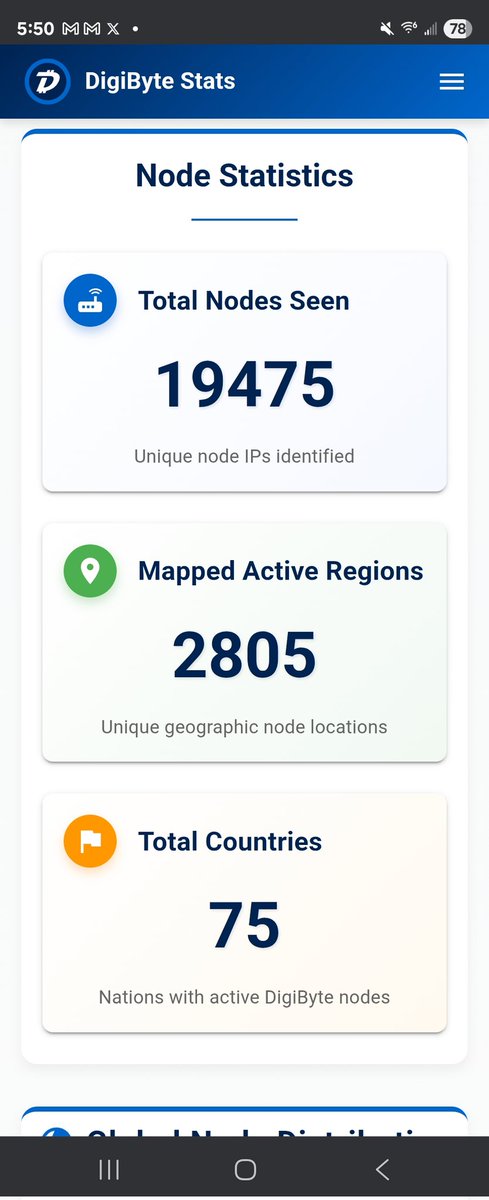
’s recent post on DigiByte’s 19,475 nodes (and counting!) has me so excited. As someone who’s been following $DGB’s journey, I’m blown away by its global reach—2,805 active regions across 75 countries! 🌍 That’s a testament to the power of this open-source, community-driven project.
For those new here, DigiByte isn’t just another blockchain. It’s a speed demon with 15-second 40x faster than Bitcoin, thanks to its 15-second block times and SegWit support. Plus, with five mining algorithms, it’s one of the most secure and decentralized networks out there—no CEO, no ICO, just pure community power. 💪 Whether you’re into cybersecurity, DigiAssets, or Digi-ID for seamless logins, $DGB is building the future of digital engagement.
I’d love to connect with the DigiByte community and explore how we can collaborate! Are you running a DigiNode? What’s your favorite thing about $DGB? Drop a comment—I’m all ears! Let’s grow this network together. 🚀
#DigiByte #Blockchain #CryptoCommunity #Decentralization #Collaboration
3 Jun 2025

Digibyte is about to pass 20,000 $DGB nodes worldwide 🌐
We are about 2k away from passing Bitcoin!
2
5
12
672

25 May 2025
If you use DigiNode to run an open DigiByte Node and if configured correctly, your node will appear on the map once detected by the node crawler.
1
3
102

22 May 2025
How we feel after setting up our DigiNode by @DigiNodeTools, @saltedlolly
1337 Haxors Unite - WAGMI! 😂

1
5
17
331
18 May 2025
Cautious Optimism: DigiByte is trending in the right direction 🧗🏾♂️
Anyone who has been with DigiByte for a long time knows that one of the biggest 'threats' to the chain is community self-destruction. Much of the chaos is simply due to DigiByte's foundational decentralization. Indeed, DGB's 11-year history features spectacular highs & numbing lows. However, after considerable conflict in earlier this decade, it's clear DigiByte has weathered the storm.
A shining example of anti-fragile, decentralized technology — DigiByte is its global community. Independent of 'price action' & the crypto mainstream, thousands individually contributed blood, sweat and tears to keep the chain alive when it mattered most. These selfless contributors are never compensated for their work; they do it because they believe in the project! Now momentum is building that we must take advantage of!
Development, DGB since 2020:
Core Devs rallied to complete the DigiByte Core 8.22.1 upgrade
-Nodes & Miners -actively- chose to support Taproot Activation, with nearly unanimous consensus
--Activation would have been impossible without volunteer liaisons who represented DigiByte and opened lines of communication with Exchanges, Wallets, Businesses, Node Operators, and more.
--These established lines of communication are vital to DigiByte's ecosystem and facilitate easier future upgrades
-Dandelion was fixed for increased privacy w/ DigiByte Core
Independent contributors have maintained and improved amazing services
-The DigiByte Critical Infrastructure Team strengthened the network by promoting DigiByte seeders and Testnet node operation.
-Olly's diginode tools : Makes a computer as simple as a Raspberry Pi a powerful client - running both OPEN DigiByte Mainnet and Testnet nodes simultaneously. Additionally, the node can be run over the Tor network, greatly increasing privacy.
-Matthew continues to develop DigiAssets Core Protocol & the D.A. ecosystem continues to evolve and grow.
Founder Jared Tate's DigiByte Blockchain Stats give live-updated statistics of the network. A great resource for monitoring chain health
-Bastian Driessen has operated and improved DigiByte Open Nodes - which maps out OPEN, reachable nodes!
DigiByte Improvement Protocol (DIP) implemented to standardize/democratize core chain Development.
-A recent community submitted DIP called for integration of Verthash GPU algo w/ possible Vertcoin merge mining.
--This is the first significant community submitted DIP, a fascinating proposal which has the potential to reinvigorate the world's crypto mining community.
--Submitted on the heels of v8.22's release and Taproot's activation, it represents one intriguing and achievable vision for the future of DigiByte.
--It has sparked a lively discussion, regarding algo-swaps, algo-additions, and the future of DigiByte as it approaches 2035 {the year it's block reward will approach 0/mined block)
There has been a welcome increase in DigiByte mining pool integrations and start-ups. Particularly, for solo-mining.
-This coincides with the rise of SHA-256 and Scrypt "lottery miners," whose owners have found DigiByte's remarkably short block times and low relative difficulty attractive - many solo lottery miners have mined fresh DGB blocks with their BitAxe's and similar ASICs!
-This increases the decentralization of mining and has the potential to be a game-changer!
We hope you enjoyed this quick write up on why we are optimistic about DigiByte at this moment. The examples of development given are not comprehensive. Further, development is but one aspect of DigiByte. We aim to speak on those soon! Keep building DigiByte fam! 👊

2
19
45
745
26 Apr 2025
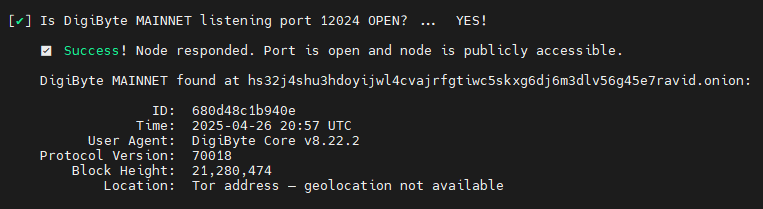
Why should you use DigiNode Tools client for Raspberry Pi/Linux?
You tell us❗️⤵️😏
2
5
13
612

23 Apr 2025
For those of you in the DigiByte community running a node on a Raspberry Pi via DigiNodes.tools, Olly has been pretty active updating the DigiNode Tools. Read the release notes for this year:
v0.10.4 2025-02-05 - v0.11.2 2025-04-22
Release Notes:
diginode.tools/release-notes…
1
7
33
2,370

22 Apr 2025
Introducing the new #DigiByte Port Tester from DigiNode Tools
reddit.com/r/Digibyte/commen…
1
15
45
2,507
14 Apr 2025
.@DigiByteCoin I tried and failed. A web GUI for #DigiByte full nodes installed on #Linux boxes, sporting a similar look to Windows® GUI.
Your thoughts? Perhaps a integrated variation of DigiNode Tools?
1
3
12
279
12 Apr 2025
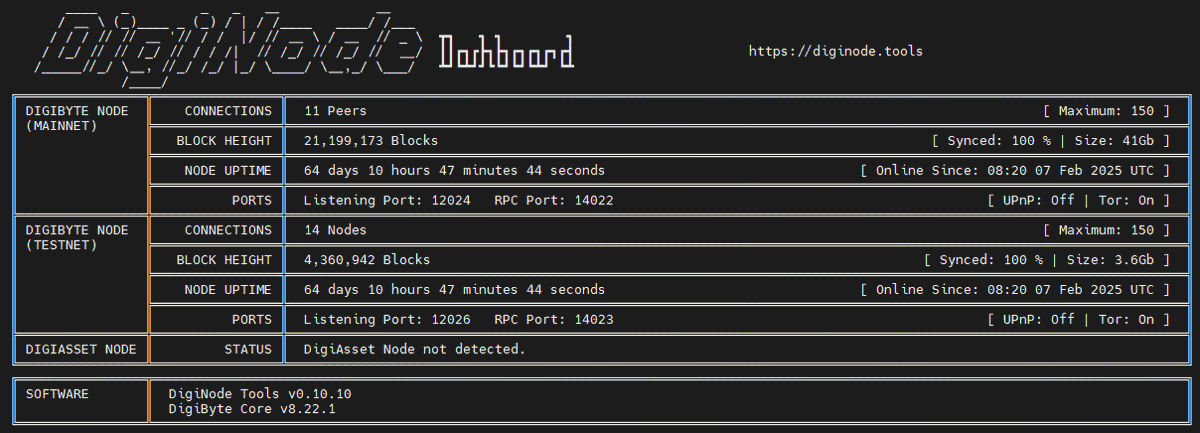
My DigiNode has been up since Feb 7th w/o interruption! We got 21.2 million blocks of data to share, anyone interested? 😁
3
12
346