
Apr 24
Turn your WhatsApp into a 24/7 booking machine 📷
Never miss a customer again — let AI handle your chats, bookings, and follow-ups automatically.
From first message to confirmed appointment — everything runs on autopilot.
📷 Instant replies
📷 Smart scheduling
📷 24/7 availability
📷 More leads → more conversions
If you're ready to automate your business and work smarter, now is the time.
📷 lnkd.in/gjw9AMb6
📷 sebslabs.com
📷 94 76 114 3594
📷 Book your free demo today and see it live in action.
#WhatsAppAutomation #AIAgent #BusinessAutomation #LeadGeneration #SaaS #AutomationTools #SEBS #AIforBusiness #digitaltransformationstrategy

2
14

5 Dec 2025
Speridian's AI solution uses ML models to predict parts, reduce technician visits, optimize inventory, and lower costs for manufacturers.
#Manufacturing #AI #PredictiveAnalytics #digitaltransformationstrategy
1
1
56

26 Jul 2025
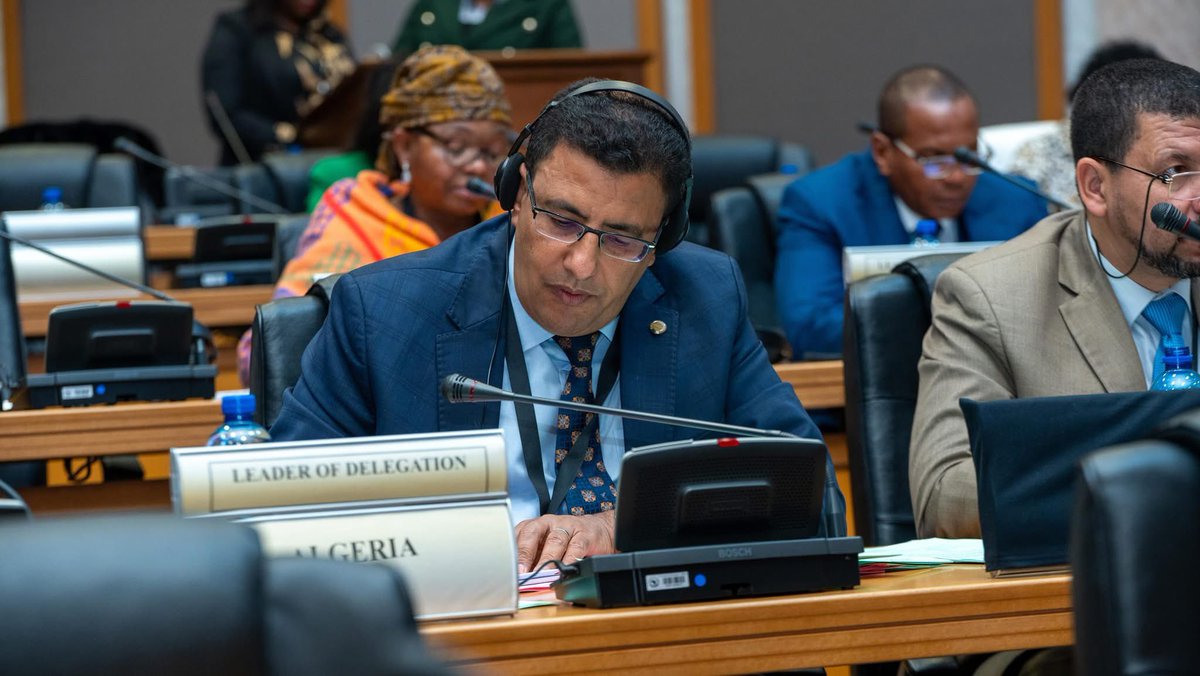
Key Highlights from the Intervention by Hon. Fateh Boutbig (Algeria)
On Data Sovereignty, Cybersecurity, and Building African Capacity in AI
On Protecting African Sovereignty in the Digital Age
- Raised concern over external exploitation of African data and questioned whether the continent is ready—legislatively and infrastructurally—to defend its digital sovereignty.
- Urged African countries to address cyber risks, infrastructure gaps, and dependence on foreign technology frameworks.
On Bridging the Digital Divide
- Called for robust national and continental legal frameworks that reflect Africa’s cultural, legal, and technological specificities.
- Emphasized the need to invest in training youth and women, promoting local innovation, and creating institutions that protect and regulate digital infrastructure.
On Algeria's National Approach to Cybersecurity and AI
Shared Algeria’s recent comprehensive digital protection legislation:
- Law 18.07: Governs international interactions on AI and cybersecurity.
- Law 061: Criminalizes cybercrimes, forgery, and digital identity theft.
- Additional legislation mandates protection standards for information systems.
-Highlighted that Algeria’s data protection body is affiliated with the Presidency, showing the high priority given to digital sovereignty.
- Algeria's ecosystem includes: national cybersecurity police units, data privacy institutions, and a coordinated network for digital defense.
On Investing in Skills and Collaboration
- Algeria has established five major universities and a national high school dedicated to AI, open to African students across the continent.
- Encouraged Arab and African countries to leverage Algeria’s expertise, particularly in cybersecurity capacity-building.
- Advocated for supporting SMEs and emerging tech firms, and increasing digital literacy among citizens.
“We cannot talk about liberation without control over our own data. Africa must secure its digital sovereignty through its own laws, institutions, and talent.”
#PAPOrdinarySession #PanAfricanParliament #YearOfReparations #Agenda2063 #AfricaWeWant
#AI #AI4Africa #Africa #africatech #africaninnovation #datasovereignty #digitalinnovation #techgovernance #AfricanDevCommunity #innovation #DigitalTransformation #digitaltransformationstrategy
2
6
356
26 Jul 2025
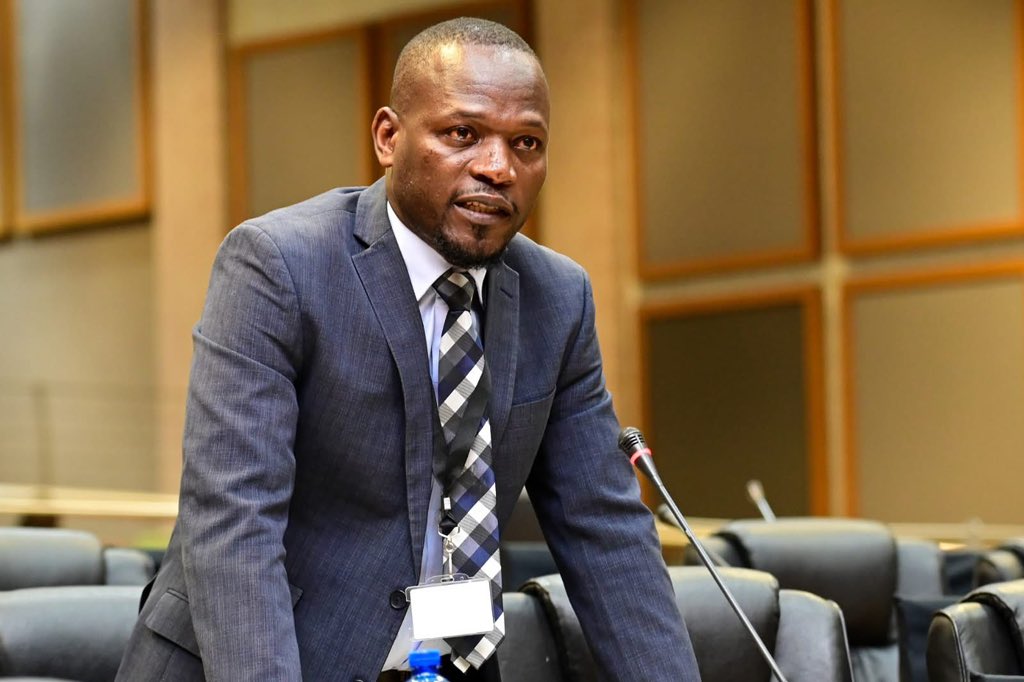
Key Highlights from the Intervention by Hon. Happymore Chidziva (Zimbabwe), on Culturally-Sensitive AI Adoption and Empowering African Innovation
"Invest in AI, Preserve Our Culture, and Drive Inclusive Innovation."
- Emphasized the urgent need for Africa to invest in AI education, infrastructure, and inclusive governance frameworks aligned with African values.
Key action areas:
- Build skilled local AI talent through education and research.
- Develop infrastructure that supports AI-driven innovation across sectors.
- Promote inclusive access, particularly for marginalized communities.
On Cultural Preservation through AI
- Called for integrating traditional medicine into AI systems, emphasizing:
On Documentation and standardization of traditional practices.
- Collaboration with traditional healers.
- Use of AI-powered platforms to preserve cultural heritage.
On Linguistic Diversity and Storytelling
- Urged the use of AI to document and promote African languages.
- Advocated for digital storytelling platforms to preserve Africa’s narratives and historical memory.
On #Zimbabwe’s AI Milestones
- National AI Policy Framework finalized.
- A multi-stakeholder advisory AI committee established.
- Localization of AI to address national priorities.
- Strategic partnerships with Google Cloud and Anthropic.
- Enactment of Cyber and Data Protection Act to ensure secure innovation.
“If Africa embraces AI in a culturally sensitive way, it can harness its full potential to preserve heritage and drive innovation.”
#PAPOrdinarySession #PanAfricanParliament #YearOfReparations #Agenda2063 #AfricaWeWant
#AI #AI4Africa #Africa #africatech #africaninnovation #datasovereignty #digitalinnovation #techgovernance #AfricanDevCommunity #innovation #DigitalTransformation #digitaltransformationstrategy
3
5
472
26 Jul 2025
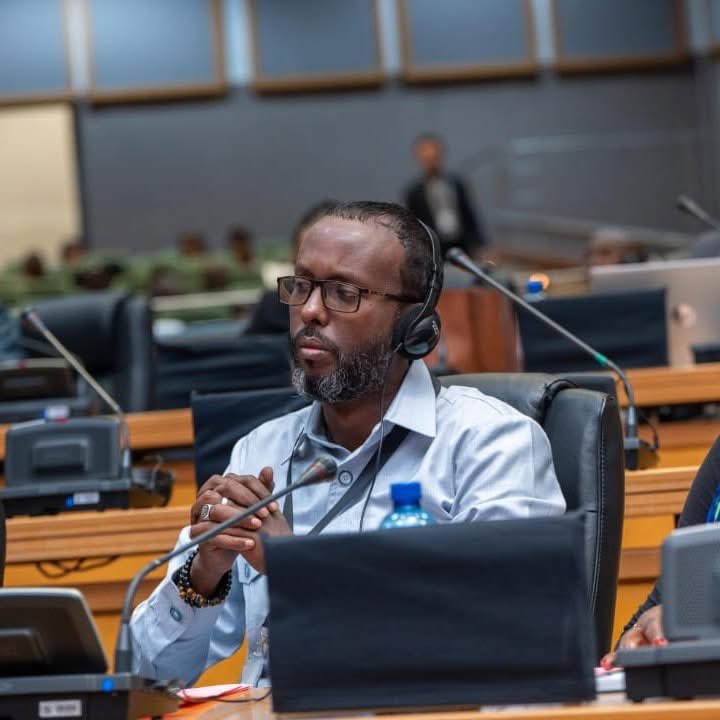
Key Highlights from the Intervention by Hon. Mahamoud Moustapha Daher (Djibouti)
On Legislating Africa’s AI Future and Safeguarding Sovereignty
On Africa being a Spectator in the AI Revolution
- Urged fellow MPs to move from passive observation to active participation in shaping Africa’s AI trajectory.
- Emphasized that artificial intelligence is not a distant or foreign issue — it affects all sectors and nations, and must be legislated accordingly.
“We must ask ourselves: What is artificial intelligence, and how do we legislate it in Africa’s context?”
On a Unified Continental AI Framework
- Supported the African Union’s AI strategy, calling on all AU member states to develop national frameworks aligned with continental values.
- Warned against outsourced digital models being imposed on African societies, which would disconnect AI from African realities.
On Responsible and Ethical AI Legislation
- Advocated for AI to serve humanity, education, agriculture, and good governance, under strong ethical guidelines.
- Called on MPs to anticipate future risks, legislate proactively, and ensure African AI serves African interests.
Pan-African Collaboration is Key
- Urged for strong collaboration between national parliaments and the Pan-African Parliament to draft and adopt effective legislation.
“If we don’t shape our own future, others will do it for us.”
#PAPOrdinarySession #PanAfricanParliament #YearOfReparations #Agenda2063 #AfricaWeWant
#AI #AI4Africa #Africa #africatech #africaninnovation #datasovereignty #digitalinnovation #techgovernance #AfricanDevCommunity #innovation #DigitalTransformation #digitaltransformationstrategy
3
9
376
26 Jul 2025
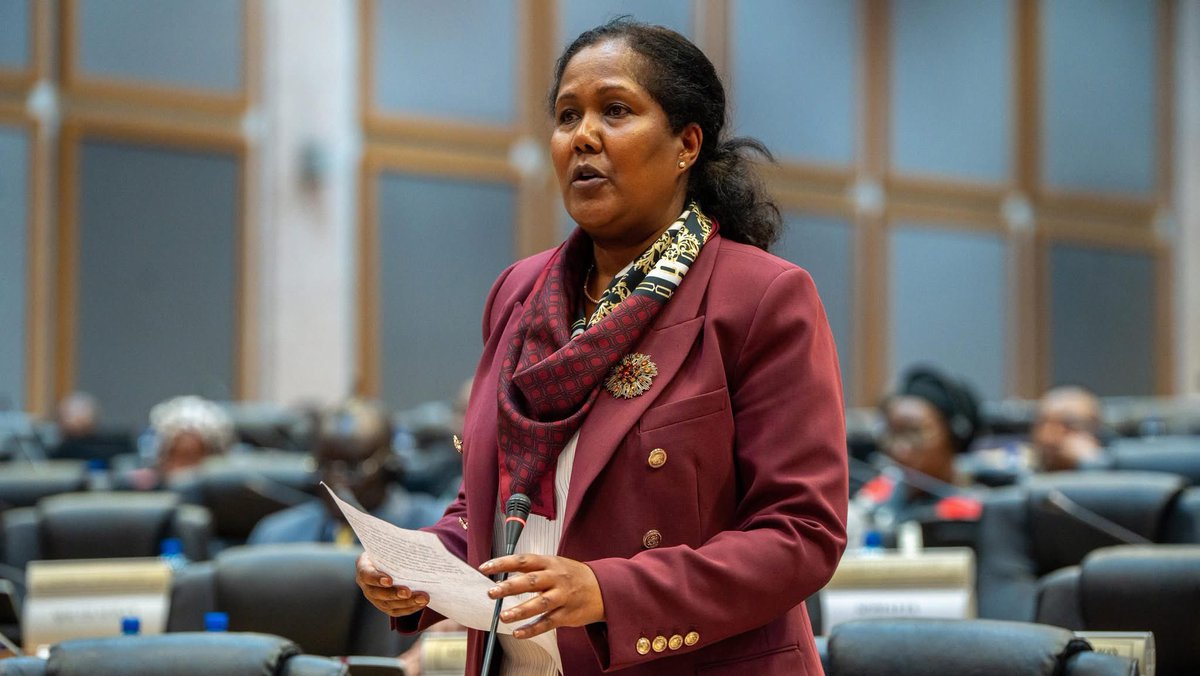
Key Highlights from the Intervention by Hon. Lomi Bedo Kumbi (Ethiopia)
On Parliament’s Role in Africa’s Artificial Intelligence Agenda
AI as an Urgent Priority, Not a Choice
- Stressed that Artificial Intelligence is no longer optional for Africa, calling it a "crucial and unavoidable agenda" that must remain central in future PAP sessions.
- Thanked presenters, particularly Dr. Baja, for her impactful presentation and reiterated the importance of continuity in AI dialogue.
Ethiopia’s National Commitment to AI
- Shared that Ethiopia has prioritized AI at the highest government level, with the Ministry of Innovation actively spearheading national strategies.
- Emphasized that Ethiopia sees AI not just as a tech issue, but a development and sovereignty imperative.
Call for Parliamentary Action and Accountability
- Asked a critical question:
“What is the role of parliamentarians, especially as PAP members, in solving challenges related to resources, expertise, and institutions?”
- Highlighted the need for MPs to move beyond observation to driving accountability, resource mobilization, and professional development in AI.
On Institutional Capacity and Oversight
- Urged parliamentarians to help strengthen national institutions, mobilize skilled professionals, and ensure transparent implementation of digital policies.
- Called for clear mandates for parliamentary engagement in digital transformation efforts continent-wide.
“AI is not a luxury—it is a necessity. And as parliamentarians, we must lead with responsibility, urgency, and oversight.”
#PAPOrdinarySession #PanAfricanParliament #YearOfReparations #Agenda2063 #AfricaWeWant
#AI #AI4Africa #Africa #africatech #africaninnovation #datasovereignty #digitalinnovation #techgovernance #AfricanDevCommunity #innovation #DigitalTransformation #digitaltransformationstrategy
2
4
252
26 Jul 2025
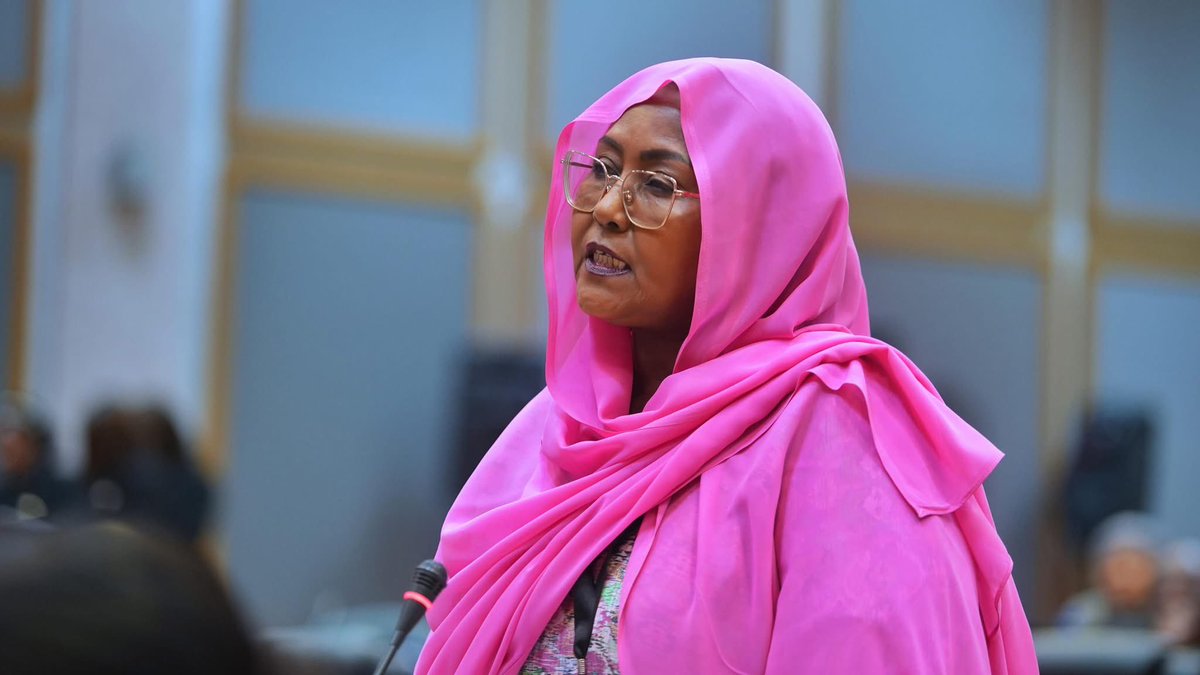
Key Highlights from the Intervention by H.E. Hon. Safia Elmi Djibril (Djibouti) at the Pan-African Parliament
On Building AI Capacity with Digital Foundations in Africa
On National Progress and Political Will in Djibouti
- Shared that Djibouti established a Ministry of Digital Affairs in 2021, specifically tasked with overseeing artificial intelligence and digital transformation.
- A Digital Code was passed in 2025 by Parliament after difficult internal negotiations, reflecting strong political will despite institutional resistance.
Smart Classrooms and Digital Literacy in Education
- Highlighted the launch of “Intelligent Classes” in the Ministry of Education—providing computers to students to promote digital literacy and early AI engagement.
Concerns About Infrastructure Gaps and Inclusion
- Questioned whether Africa is “putting the cart before the horse” by advancing AI without first ensuring basic internet access—noting that only 30% of citizens in many countries are online.
- Raised doubts about who truly benefits from AI investments when connectivity remains poor or unavailable in rural and underserved areas.
Cybersecurity and Data Sovereignty Risks
- Issued a strong warning about rising digital threats, including:
- Hacking of personal and official data,
- Digital blackouts caused by cyberattacks,
- And the use of AI for impersonation and misinformation.
Called for urgent action to secure Africa’s digital infrastructure before accelerating AI deployment.
Call to Rethink Priorities
- Urged leaders to prioritize internet infrastructure, access, and cybersecurity before expanding complex AI systems.
- Emphasized the need to protect African identities, data, and citizens from being misused in the age of deepfakes and algorithmic manipulation.
“Let’s not push forward AI when our people still don’t have access to the internet. We must first secure our digital foundations.”
#PAPOrdinarySession #PanAfricanParliament #YearOfReparations #Agenda2063 #AfricaWeWant
#AI #AI4Africa #Africa #africatech #africaninnovation #datasovereignty #digitalinnovation #techgovernance #AfricanDevCommunity #innovation #DigitalTransformation #digitaltransformationstrategy
2
4
261
26 Jul 2025
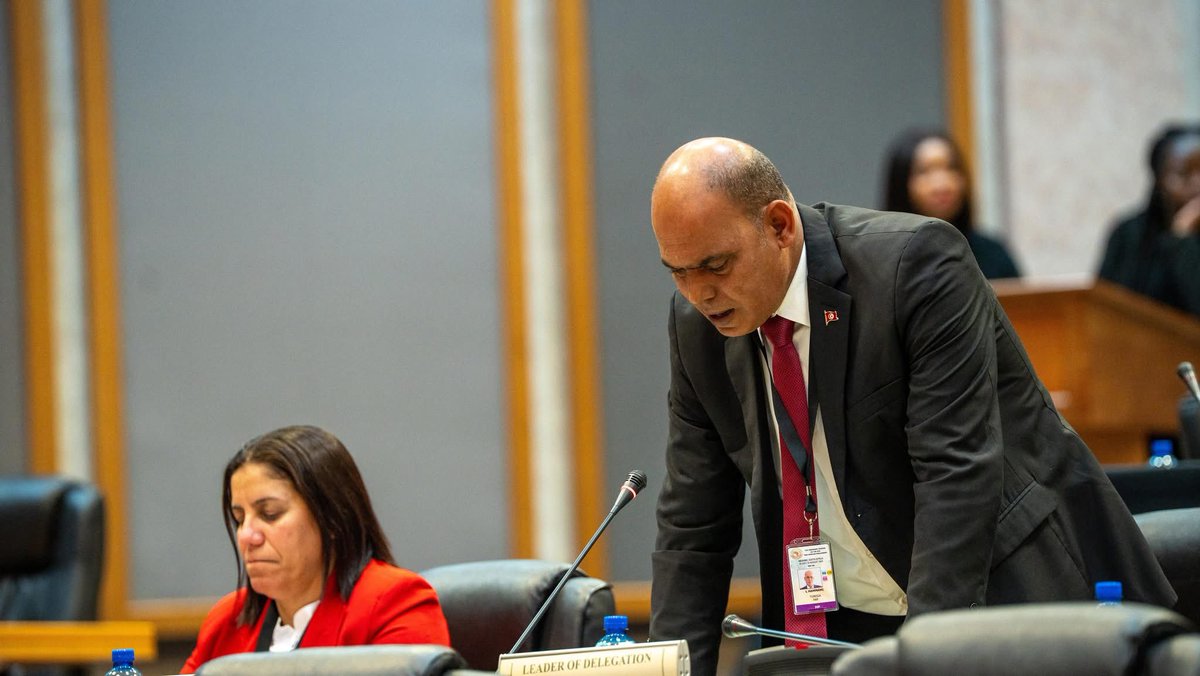
Key Highlights from the Intervention by Hon. Hammami Lotfi (Tunisia) at the Pan-African Parliament
On Digital Innovation in Healthcare and Overcoming Infrastructure Gaps
On AI and Digital Health Being Essential, Not Optional
- Emphasized the importance of digital innovation for healthcare delivery in Africa, especially through remote medication, health data management, and telemedicine applications.
- Noted that digital tools can reduce hospital crowding, streamline patient communication, and enable access to medication and digital health records.
Challenges Facing AI and Digital Access in Africa
- Cited several key barriers to wider AI implementation in health:
- Weak internet and communication infrastructure in many African regions.
- Lack of digital skills among health professionals.
- Persistent financing gaps that stall innovation and rollout.
- Cybersecurity risks associated with digital platforms.
A Call to Strengthen Health Innovation Capacity
- Despite the obstacles, reaffirmed that AI is crucial to sustainable development in Africa, especially in achieving universal healthcare access.
- Called for targeted investments in infrastructure, training, and policy to unlock the full potential of digital health on the continent.
#PAPOrdinarySession #PanAfricanParliament #YearOfReparations #Agenda2063 #AfricaWeWant
#AI #AI4Africa #Africa #africatech #africaninnovation #datasovereignty #digitalinnovation #techgovernance #AfricanDevCommunity #innovation #DigitalTransformation #digitaltransformationstrategy
2
3
184
26 Jul 2025
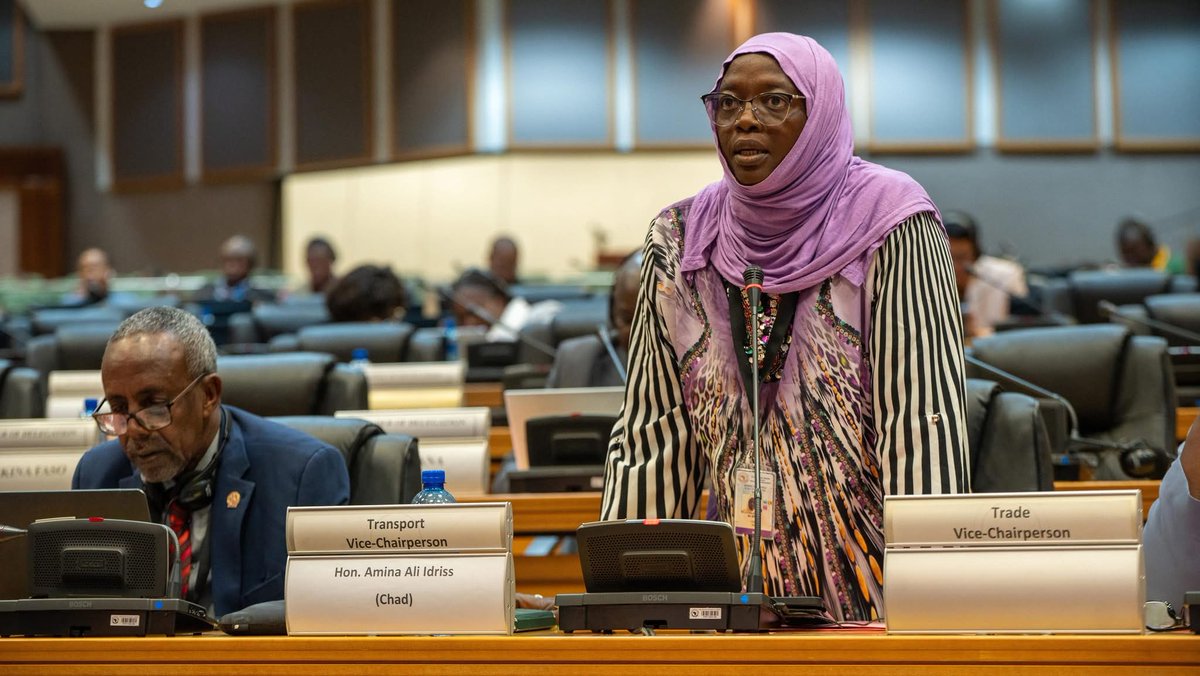
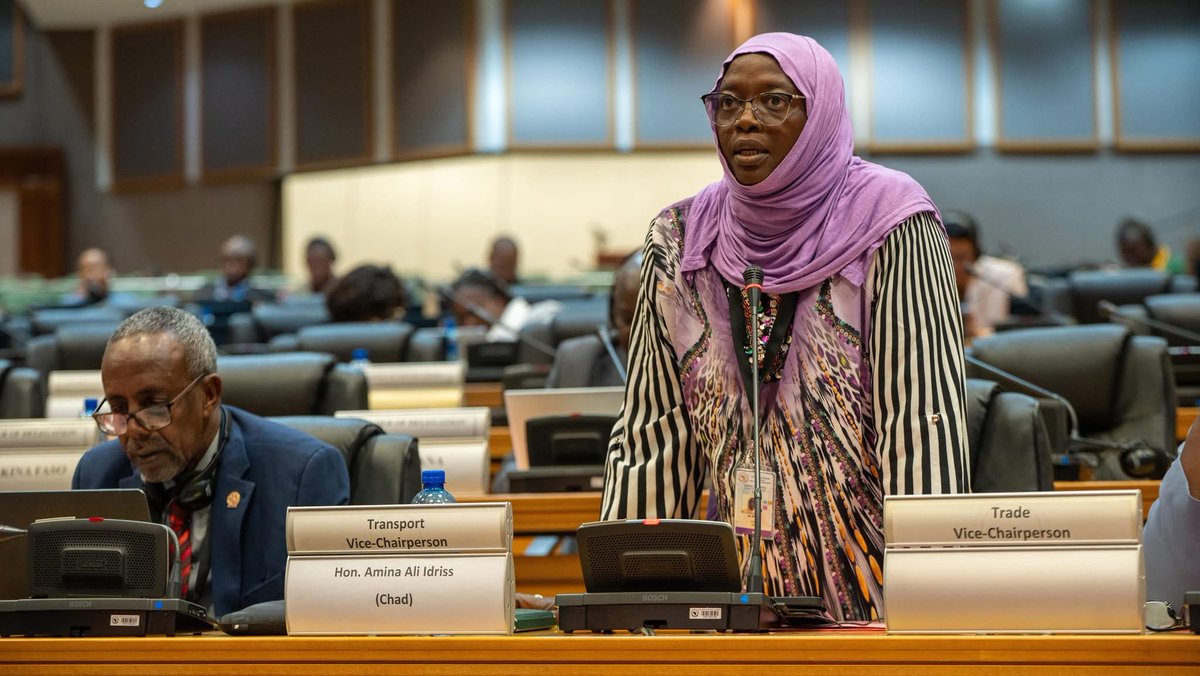
Key Highlights from the Intervention by Hon. Amina Ali Idriss (Chad) at the Pan-African Parliament
On AI Sovereignty, Data Protection, and Inclusive Digital Governance
Africa Must Shape Its Own Digital Future
- Urged African nations to stop being passive consumers of imported technologies and instead develop AI frameworks rooted in African values and sovereignty.
- Stated that it is Parliament’s duty to legislate ethical, inclusive, and rights-based AI governance that protects data sovereignty.
Call for African-Made AI and Local Innovation
- Advocated for the promotion of African start-ups and research institutions, especially those working on solutions tailored to local realities.
- Emphasized youth, women, and vulnerable communities must be central beneficiaries of the digital transformation.
Data Sovereignty is Strategic
- Described personal data as a strategic pillar and warned that African data must be stored and processed within the continent, not exported for foreign benefit.
- Shared practical cyber-risk examples, like unsecured public Wi-Fi and USB phone charging, as evidence that citizens need more digital awareness and protection.
Support for the Malabo Convention & AI Training
- Called on all AU Member States to ratify the Malabo Convention on Cybersecurity and Personal Data Protection.
- Urged PAP to expand workshops like the Lusaka AI Summit to equip parliamentarians with technical knowledge on AI and data privacy.
- Requested capacity-building programs and more continental coordination on digital policy.
Solidarity with South Africa and Regional Resilience
- Noted that any cyber or political attack on South Africa—home of the Pan-African Parliament—is an attack on the whole continent.
- Supported deeper collaboration and protection for African institutions under digital threat.
Plea for Unity and Action
"The future of AI must be built in Africa and for Africa."
- Called on parliamentarians to guarantee an AI future that is sovereign, inclusive, and beneficial for all Africans.
#PAPOrdinarySession #PanAfricanParliament #YearOfReparations #Agenda2063 #AfricaWeWant
#AI #AI4Africa #Africa #africatech #africaninnovation #datasovereignty #digitalinnovation #techgovernance #AfricanDevCommunity #innovation #DigitalTransformation #digitaltransformationstrategy
2
2
188
26 Jul 2025
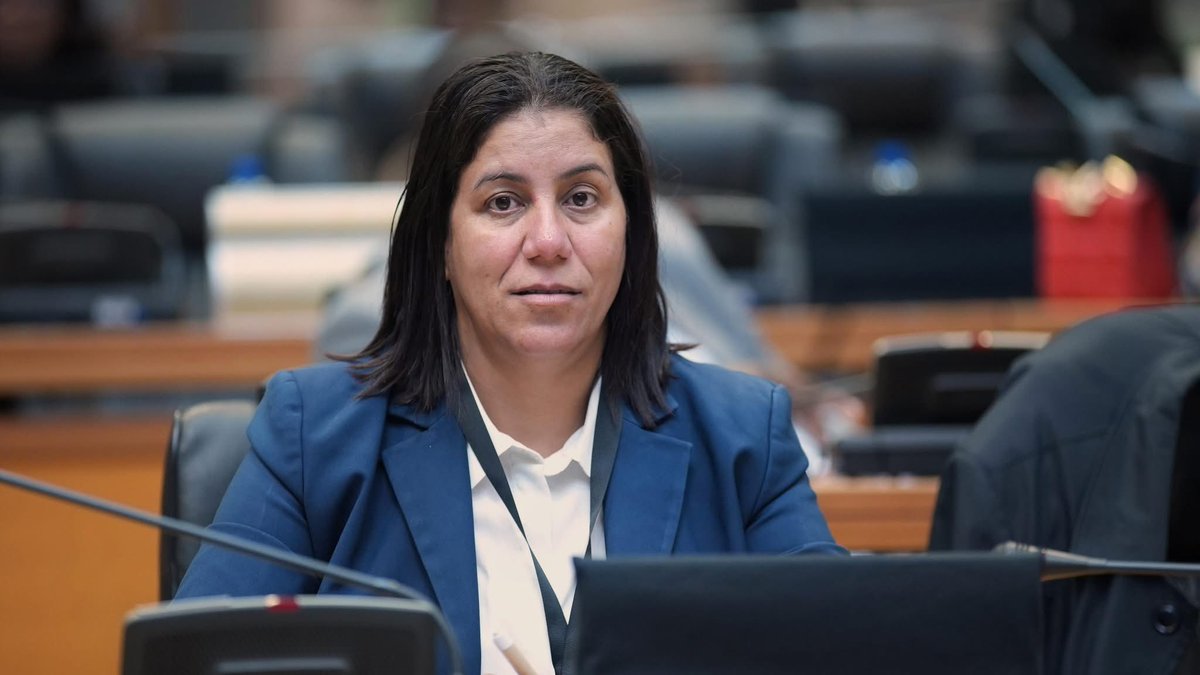
Key Highlights from the Intervention by Hon. Cheniti Awatef (Tunisia) at the Pan-African Parliament
Commemoration, Sovereignty & Artificial Intelligence
On Tunisia’s Republican Legacy
- Marked the anniversary of the Tunisian Republic, honoring the 1957 founding as a milestone in the Tunisian people’s long struggle for freedom, justice, equality, and state sovereignty.
- Reaffirmed Tunisia’s commitment to development and national unity, with a proud “Viva Tunisia!”
On Tunisia’s Leadership in AI Development
- Praised the AI panel, particularly the insights shared by Mr. Bahjet El Ahmari, calling his presentation on digital transformation both forward-looking and relevant.
- Highlighted Tunisia’s active role in advancing AI policy, noting new legislation dedicated to AI governance.
- Shared that remote operations and digital service delivery are increasingly used in Tunisia’s public sector.
- Emphasized Tunisia’s AI capacity-building efforts, including national training courses designed to empower professionals and sustain technological momentum.
#PAPOrdinarySession #PanAfricanParliament #YearOfReparations #Agenda2063 #AfricaWeWant
#AI #AI4Africa #Africa #africatech #africaninnovation #datasovereignty #digitalinnovation #techgovernance #AfricanDevCommunity #innovation #DigitalTransformation #digitaltransformationstrategy
2
2
223
26 Jul 2025
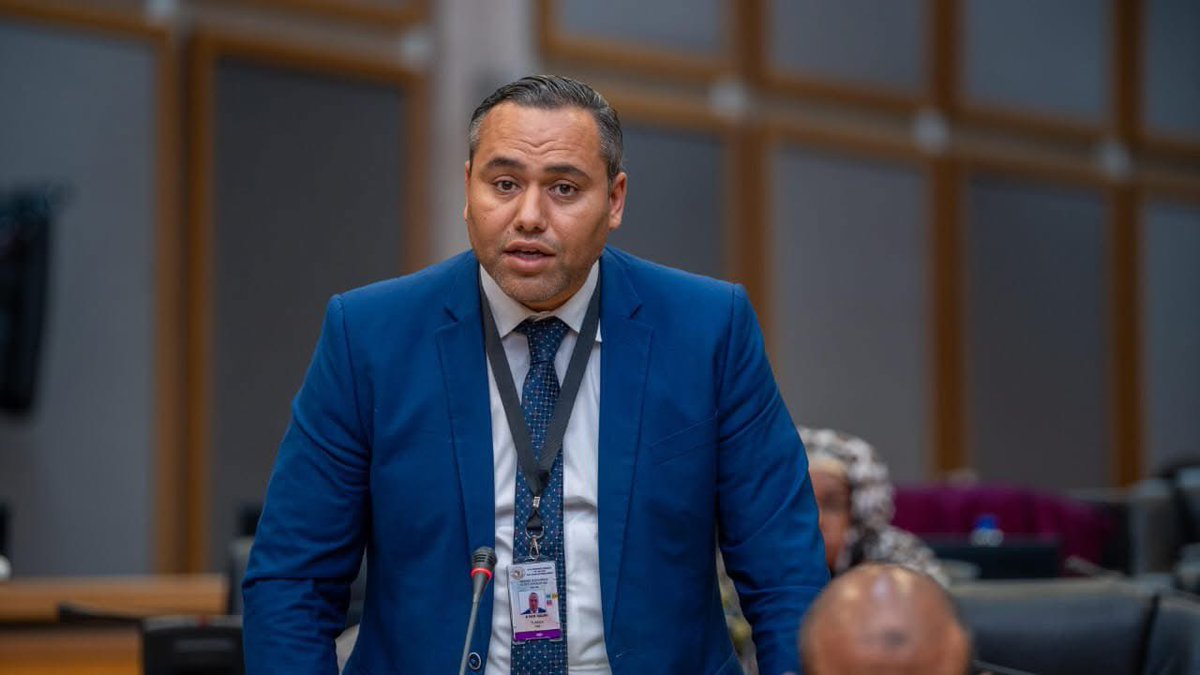
Key Highlights from the Intervention by Hon. Ben Salah Aymen (Tunisia) on AI, Data Sovereignty, and Youth-Driven Innovation
Opened by celebrating the 68th anniversary of the Tunisian Republic, recalling its 1957 transition from monarchy to republic—a symbol of national sovereignty and civic progress.
On AI Adoption in Key National Sectors
- Highlighted Tunisia’s AI integration in health, particularly in medical imaging and early cancer diagnosis, helping address rural doctor shortages and disaster detection.
- Noted AI's educational applications, citing advanced training programs across universities offering degrees in AI, data science, and media technologies.
- Proudly mentioned that over 8,500 engineers graduate annually in Tunisia with AI-related qualifications—a national asset.
On Infrastructure and Institutional Gaps
- Stressed that AI requires reliable population and identity data, yet many African states lack comprehensive civil registries.
- Called for a continental database system, where “every newborn in Africa” is registered and recognized, akin to EU data structures.
On Youth, Migration, and Untapped Potential
- Warned that underfunded institutions and lack of digital infrastructure are driving African youth abroad.
- Pointed out the irony that African youth lead in global tech institutions outside Africa, while their talents remain underutilized on the continent.
On Data Ethics and Legal Preparedness
- Urged legislators to develop strong legal frameworks for AI governance and data protection, emphasizing moral responsibility around the use of personal data shared on social media.
- Called on MPs to treat AI as a strategic pillar of development—one that must be responsibly governed for the benefit of future generations.
#PAPOrdinarySession #PanAfricanParliament #YearOfReparations #Agenda2063 #AfricaWeWant
#AI #AI4Africa #Africa #africatech #africaninnovation #datasovereignty #digitalinnovation #techgovernance #AfricanDevCommunity #innovation #DigitalTransformation #digitaltransformationstrategy
2
2
207
26 Jul 2025
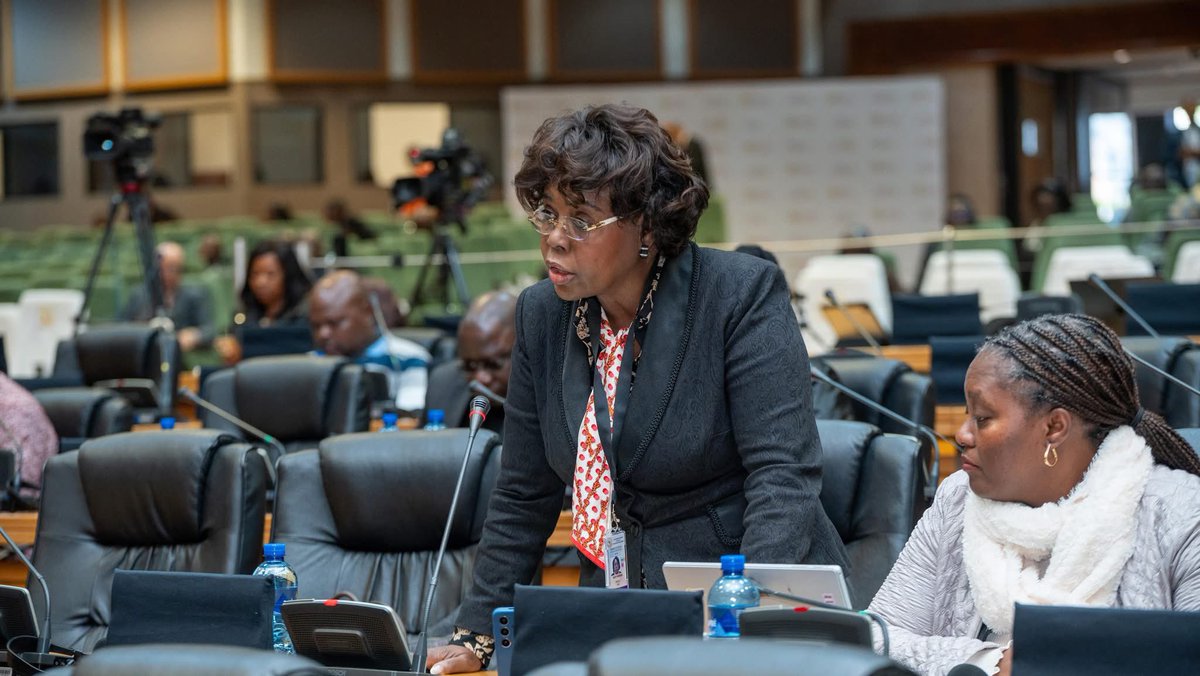
Key Highlights from the Intervention by Hon. Arlete da Visitação Francisco e Castro Borges (Angola), on Responsible AI, Data Sovereignty, and Building a Continental Digital Framework
On Africa’s AI Readiness and National Efforts
- Acknowledged that Africa is behind in AI adoption compared to other regions, but emphasized that this should not be accepted as a permanent reality.
- Cited Angola as an example of progress, highlighting that national strategies and ethical AI initiatives are already underway.
- Urged the continent to accelerate its digital transformation while respecting its own values and realities.
On Ethical Frameworks and Continental Unity
- Called for the development of a continental legal and institutional framework for AI, one that reflects Africa’s diverse cultures, languages, and national contexts.
- Stressed the need to harmonize national data protection laws with the Malabo
- Convention and future AU frameworks to ensure consistency, inclusivity, and citizen-centered governance.
Questions for Reflection
- Asked how Africa can build a unified AI legal architecture that respects national differences.
- Challenged stakeholders to identify sustainable financing mechanisms for national implementation, especially as many Member States face fiscal constraints.
- Queried how to define and enforce African data sovereignty in the face of global tech giants monetizing Africa’s health, education, and agricultural data.
On Data Colonialism and Local Innovation
- Warned that Africa’s data continues to be harvested and used by foreign powers, sometimes for innovations like vaccines and soil analytics, which don’t benefit Africans directly.
- Called for investments in data sovereignty, capacity building, and responsible innovation, rooted in African values and languages.
On Youth Inclusion and Bridging the Literacy Gap
- Emphasized that youth and universities must be central players in building Africa’s digital future.
- Noted the urgent need to address digital literacy gaps, particularly among citizens over 40 years of age.
Vision for AI Governance and Monitoring
- Proposed the creation of a Continental Observatory on Artificial Intelligence, to monitor, evaluate, and ensure responsible innovation across Member States.
Concluded by affirming that Africa must not innovate blindly, but with purpose—anchored in principles, values, and identity.
#PAPOrdinarySession #PanAfricanParliament #YearOfReparations #Agenda2063 #AfricaWeWant
#AI #AI4Africa #Africa #africatech #africaninnovation #datasovereignty #digitalinnovation #techgovernance #AfricanDevCommunity #innovation #DigitalTransformation #digitaltransformationstrategy
2
3
213
26 Jul 2025
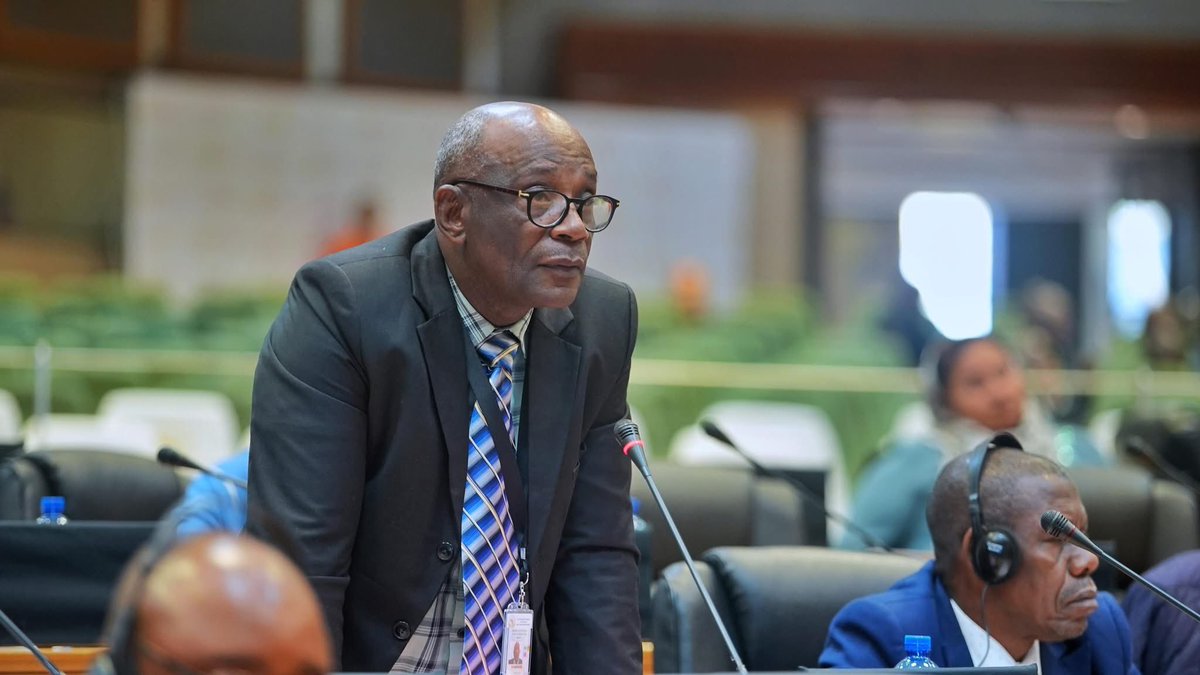
Key Highlights from the Intervention by Hon. Hamdan Bakar (Comoros), on Artificial Intelligence, Digital Equity, and Data Sovereignty in Africa
On the Promise of AI for Africa’s Development
Applauded the insightful and detailed presentations, emphasizing that AI offers transformative potential in health, agriculture, and education across the continent.
Reaffirmed that Africa must seize AI opportunities while remaining vigilant of its inherent risks.
On Bridging the Digital Divide
Highlighted limited internet access across vast regions of Africa, warning that this digital divide threatens to exclude rural and under-resourced populations from participating in the AI revolution.
Called for equal AI access and connectivity for rural areas, not just urban centers.
Cultural Inclusion and Language Sovereignty
Raised concern over the neglect of African languages in AI systems, urging leaders to embed indigenous languages into AI frameworks to preserve cultural relevance and inclusivity.
Echoed calls for AI development that reflects African values, identity, and multilingual realities.
On Technological Dependency and Data Sovereignty
Warned that Africa imports nearly all AI technologies, making the continent vulnerable to technological dependency.
Cautioned that foreign companies exploit African data, and questioned the continent’s sovereignty in the digital age.
Urged a reduction in reliance on external platforms and stronger investments in local innovation.
AI Risks: Surveillance, Misinformation, and Job Loss
Alerted members to the risk of AI being misused by authoritarian regimes for citizen surveillance, advocating for ethical safeguards and rights-based digital policies.
Addressed the spread of misinformation through AI, warning of its capacity to destabilize political systems and social cohesion.
Voiced concern that AI automation may exacerbate unemployment, especially in education, where thousands of teaching positions remain unfilled.
Call for a Strong Legal Framework
Emphasized the need for comprehensive legislation on data protection, AI use, and digital ethics, especially in the face of cybercrime and digital exploitation.
Concluded with a firm recommendation that African parliamentarians must develop a robust legal arsenal capable of confronting the challenges and disruptions brought by AI.
#PAPOrdinarySession #PanAfricanParliament #YearOfReparations #Agenda2063 #AfricaWeWant
#AI #AI4Africa #Africa #africatech #africaninnovation #datasovereignty #digitalinnovation #techgovernance #AfricanDevCommunity #innovation #DigitalTransformation #digitaltransformationstrategy
2
2
193
26 Jul 2025
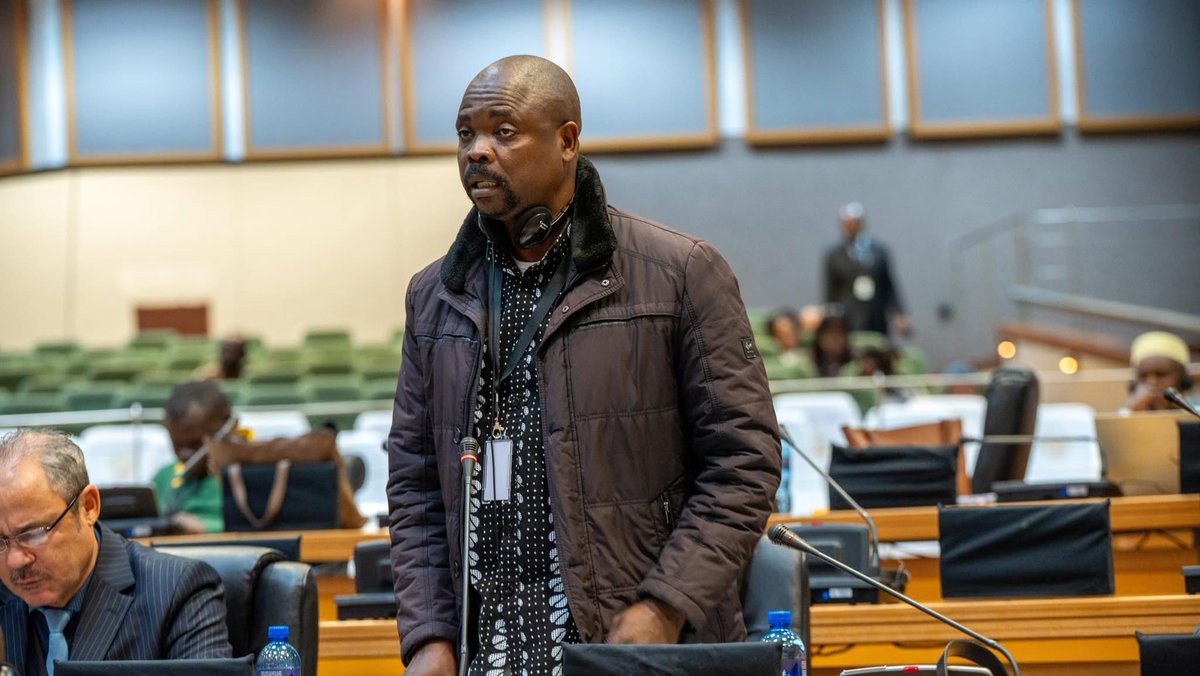
Key Highlights from the Intervention by Hon. Dr. Sen. Thabiso Lebese (Lesotho), on Artificial Intelligence and Africa’s Path to Sustainable Development
On Continental AI Momentum
- Commended the insightful presentations and praised African countries like Nigeria, Kenya, South Africa, Egypt, and Tanzania for their notable advancements and investments in AI hubs and innovation.
- Recognized the growing number of AI-driven startups, particularly in healthcare, infrastructure, and agriculture.
On Challenges in AI Implementation Across Africa
- Warned that many African countries are still struggling with infrastructural gaps, lack of legal frameworks, and the absence of policy guidelines for AI.
- Highlighted ethical concerns and regulatory challenges as barriers to scaling AI applications, particularly in predictive, generative, and decision AI technologies.
- Stressed that AI must reflect African values, knowledge systems, and context-specific solutions.
On AI as a Catalyst for Health Transformation
- Underscored the potential of AI to combat public health crises, including HIV, TB, and other endemic diseases, but warned that underinvestment in AI could reverse hard-won gains.
- Linked AI to the achievement of Sustainable Development Goal 3 (Health and Well-being), calling for urgent integration of tech in health systems.
Africa Risks Missing Agenda 2063 Milestones
- Cautioned that, at the current pace, Africa will fall short of Agenda 2063 targets, particularly those tied to innovation, infrastructure, and well-being.
- Urged Member States to invest heavily in STEM education and digital skills development, especially for youth, to realize the full potential of AI.
A Call for Bold Investment and Policy Reform
- Asserted that without a strong policy environment, AI in Africa will remain "a dream deferred."
Concluded by reaffirming that the vision of a digitally empowered and healthy Africa is achievable only through strategic investments in AI and innovation ecosystems.
#PAPOrdinarySession #PanAfricanParliament #YearOfReparations #Agenda2063 #AfricaWeWant
#AI #AI4Africa #Africa #africatech #africaninnovation #datasovereignty #digitalinnovation #techgovernance #AfricanDevCommunity #innovation #DigitalTransformation #digitaltransformationstrategy
2
1
214
26 Jul 2025
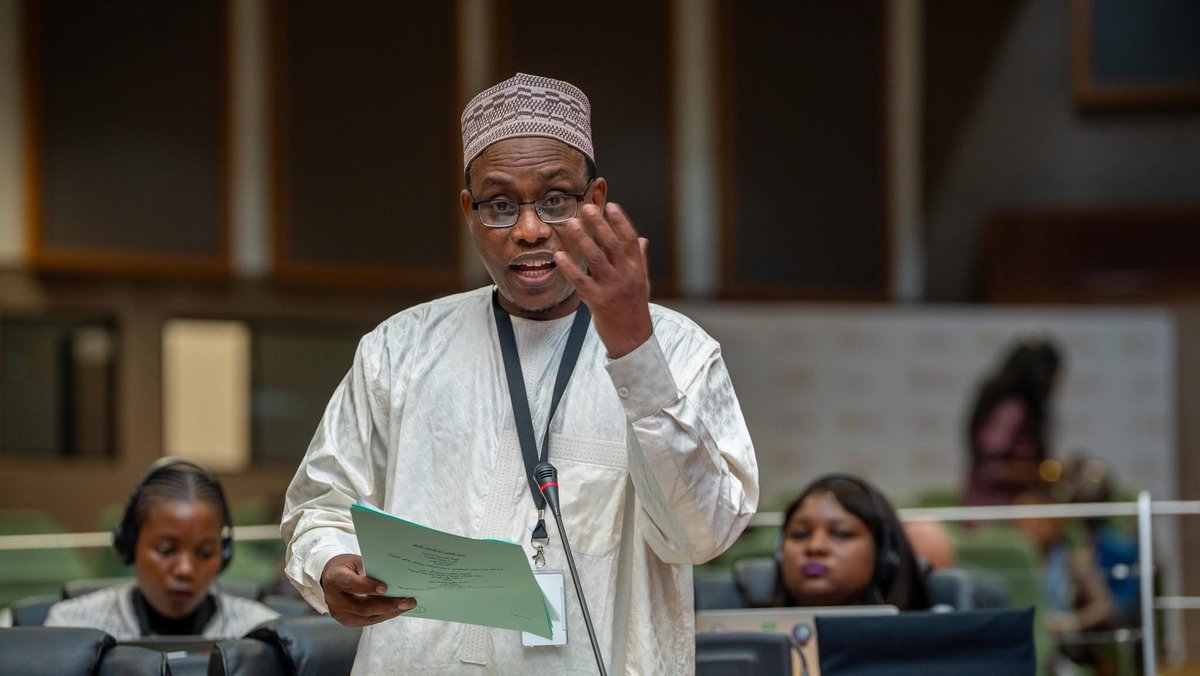
Key Highlights from the Intervention by Hon. Prof. Mahamat Annadif Youssouf (Chad), on Artificial Intelligence and Africa’s Digital Sovereignty
On Africa’s Place in the AI Era
- Applauded the Pan-African Parliament for tabling AI and algorithms as critical topics, citing the historic contributions of mathematician Al-Khwarizmi to algorithmic thinking.
- Framed AI not only as an opportunity but also a challenge that Africa must strategically prepare for to avoid technological dependence.
Proposal for an African AI Charter
- Recommended the creation of a continental African Charter on Artificial Intelligence, led by the Pan-African Parliament and its Permanent Committee on
Digital Transformation.
- Emphasized the need for Africa-wide governance frameworks to guide ethical and inclusive digital transformation.
Call for Inclusive Digital Capacity Building
- Suggested AI training for MPs to ensure informed policymaking.
- Called for the active inclusion of youth and women in AI debates, capacity building, and strategic decision-making within PAP structures.
Questions on Governance and Labor Impact
- Asked whether laws are needed to regulate AI, or if advisory measures and public awareness will suffice.
- Raised concerns about AI's potential to displace human labor in large industries and its risks to governance processes if not carefully monitored.
On Digital Sovereignty and Political Will
- Warned that failing to design Africa’s digital future would mean living by external standards and conditions.
- Stated: "Digital transformation is not a choice, but a necessity," urging African leaders to commit the political will and resources to shape a humane, safe, and sovereign digital Africa.
#PAPOrdinarySession #PanAfricanParliament #YearOfReparations #Agenda2063 #AfricaWeWant
#AI #AI4Africa #Africa #africatech #africaninnovation #datasovereignty #digitalinnovation #techgovernance #AfricanDevCommunity #innovation #DigitalTransformation #digitaltransformationstrategy
2
3
166
26 Jul 2025
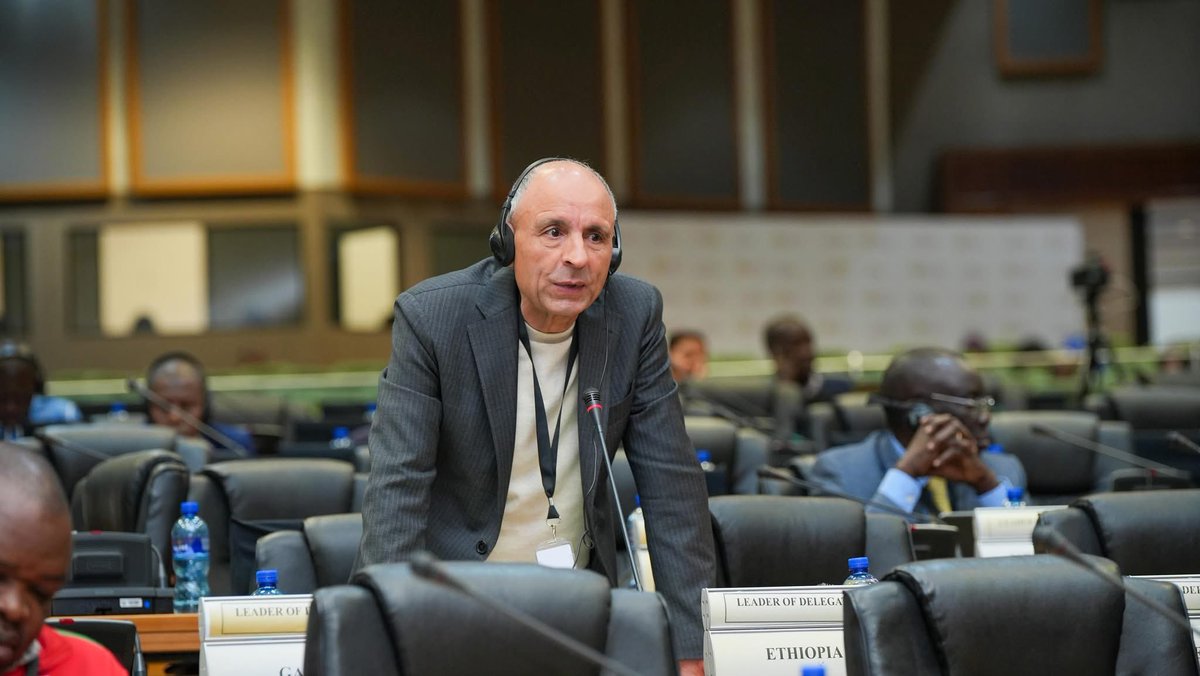
Key Highlights from the Intervention by Hon. Salem Masoud Gnan (Libya), on Digital Industry, AI, and African Innovation
On Africa’s Place in the Global Digital Economy
- Welcomed the presentations on artificial intelligence (AI) and digital industry as timely and essential for Africa’s progress.
- Expressed strong support for Africa to follow the steps of more industrialized nations but cautioned against overdependence.
On Dependency vs. Innovation
- Cited Africa’s continued reliance on imported technology, even in resource-rich sectors like oil production.
- Noted that despite decades of oil extraction, African countries still rely on external machinery and expertise, highlighting the continent’s lack of technological sovereignty.
Call to Empower African Youth in Technology
- Urged policymakers to invest in youth capacity-building in AI and the digital economy.
- Stressed that Africa must move beyond consumption to innovation, encouraging the continent to invent and control its own technological future.
A Vision for Technological Self-Determination
- Echoed the call for Africa to contribute original ideas and tools to the digital era rather than remaining passive users of foreign technology.
Concluded by urging for bold steps toward African-led innovation and digital independence.
#PAPOrdinarySession #PanAfricanParliament #YearOfReparations #Agenda2063 #AfricaWeWant
#AI #AI4Africa #Africa #africatech #africaninnovation #datasovereignty #digitalinnovation #techgovernance #AfricanDevCommunity #innovation #DigitalTransformation #digitaltransformationstrategy
1
2
2
207
26 Jul 2025
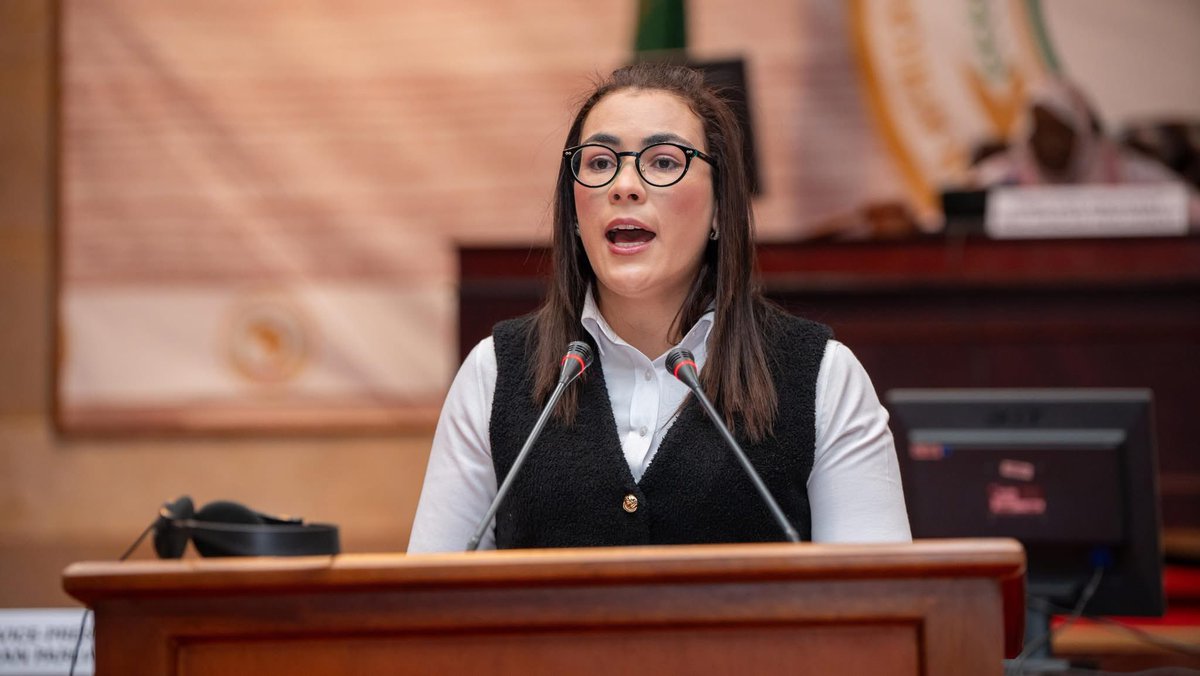
Hon. Behdja Lammali (Algeria), Chairperson of the Permanent Committee on Transport, Industry, Communications, Energy, Science and Technology, delivered the Report on the Parliamentary Summit on Artificial Intelligence, Data Protection, and Privacy. Supported by the Permanent Committee on Health and Labour and Social Affairs.
The report is from the first-ever African Parliamentary Digital Summit on Artificial Intelligence and Data Sovereignty—held in collaboration with the African Centre and APHRC.
KEY MESSAGE:
- Africa is falling behind in digital transformation and AI adoption, risking exclusion from the Fourth Industrial Revolution.
- AI must serve African development goals, particularly in health, education, and smart manufacturing.
- Parliamentarians must lead in crafting legal frameworks and shaping ethical AI deployment across sectors.
Summit Highlights:
- 13 sessions covering AI in health, data protection, digital privacy, and smart industry.
- Expert input from PAP, APRM, APHRC, and GSMA.
- Emphasis on capacity-building and technical training for parliamentarians.
Recommendations:
- Develop a Model Law on AI and Data Protection, aligned with AU Agenda 2063 and supported by APRM, AUDA-NEPAD, GSMA, and APHRC.
- Ratify and domesticate the Malabo Convention to address cyber threats and cross-border data flows.
- Institutionalize an Annual African Digital Parliamentary Summit to monitor policy harmonization and progress.
- Increase funding for digital infrastructure, AI research, and technical education, particularly in vocational and higher education sectors.
- Ensure inclusive and African-led AI governance frameworks that reflect local contexts and benefit all Africans.
- Strengthen energy systems to support sustainable AI adoption.
“Africa’s digital future must be led by Africans—guided by sovereignty, equity, innovation, and inclusive development.”
#PAPOrdinarySession #PanAfricanParliament #YearOfReparations #Agenda2063 #AfricaWeWant
#AI #AI4Africa #Africa #africatech #africaninnovation #datasovereignty #digitalinnovation #techgovernance #AfricanDevCommunity #innovation #DigitalTransformation #digitaltransformationstrategy
1
2
2
230
26 Jul 2025
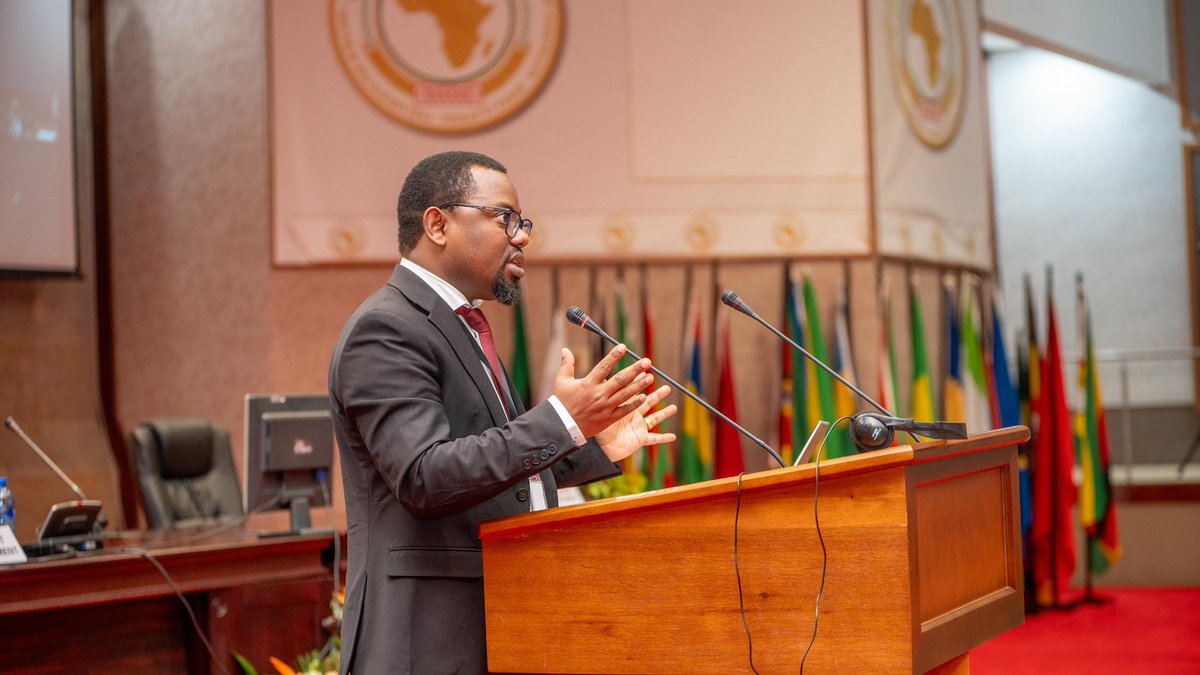
Presenting on “Catalyzing Africa’s Development: How Can Data, AI, and Digital Innovation Help?”, Dr. Anthony Mveyange, Director of Programs at the African Population and Health Research Center (APHRC), built on earlier presentation; calling for urgent action in developing a continental policy framework for AI, data sovereignty, and responsible innovation.
Key Challenges Raised:
Low internet penetration: Only 27% of Africans have access to mobile broadband, limiting access to AI-powered solutions.
Fragmented data policies: Most countries lack coherent, enforceable data governance frameworks.
Dependence on foreign data systems: African health and demographic data has long been hosted and analyzed abroad, raising questions of ownership and sovereignty.
KEY MESSAGE:
- Data = AI fuel: No AI innovation without reliable, African-controlled data.
- AI for African languages: There are no mainstream AI platforms in Swahili, Hausa, Amharic, or Zulu. This is a missed opportunity for inclusive innovation.
- Parliaments must act now: Policymakers must legislate frameworks for AI ethics, digital skills training, data localization, and algorithm transparency.
What Parliamentarians Can Do:
- Mandate AI impact assessments before public sector deployment.
- Legislate data localization laws to keep critical public data on African soil.
- Establish AI ethics boards and require algorithm audits for transparency.
- Promote inclusion of marginalized communities in AI policymaking.
- Ensure FAIR (Findable, Accessible, Interoperable, Reusable) and OLR (Ownership, Legality, Regulation) data standards are implemented continent-wide.
“Africa cannot afford to outsource its thinking. We must own our data, shape our narrative, and legislate our digital future.” – Dr. Anthony Mveyange
#PAPOrdinarySession #PanAfricanParliament #YearOfReparations #Agenda2063 #AfricaWeWant
#AI #AI4Africa #Africa #africatech #africaninnovation #datasovereignty #digitalinnovation #techgovernance #AfricanDevCommunity #innovation #DigitalTransformation #digitaltransformationstrategy #universiteitleiden #leidenuniversity
2
4
347
26 Jul 2025
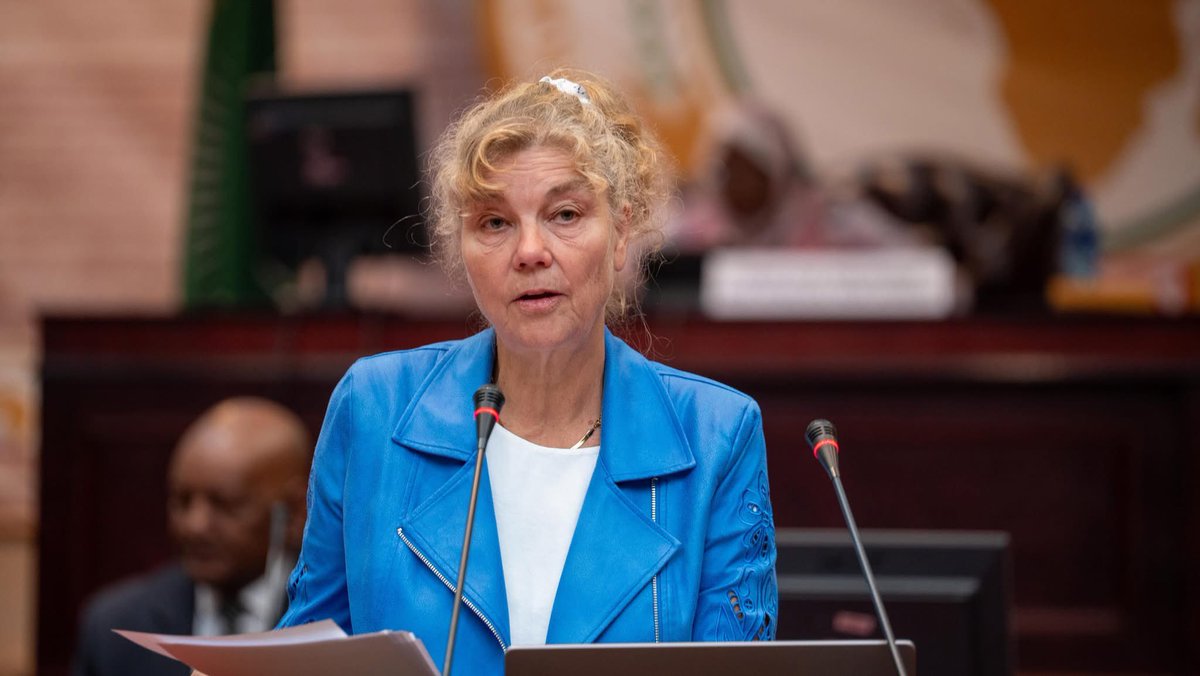
Professor Mirjam van Reisen of Leiden University delivered presentation before PAP Plenary titled “Building a Continental Framework for AI, Data Sovereignty, and Responsible Digital Innovation.” Her message called on the Pan-African Parliament to lead the charge in shaping a continental framework for responsible AI, grounded in data sovereignty and African values.
KEY MESSAGE
- Africa must own its data: Digital data is the raw material for AI. Without African control, the continent risks a new form of colonialism—digital extraction without return, regulation, or sovereignty.
- AI is an economic engine: AI could contribute up to 3 trillion USD to Africa’s economy by 2030. But this opportunity must be protected by ethical, legal, and decentralized data structures.
- Centralized systems exclude Africa: Current global AI systems often rely on data that fails to reflect African contexts, languages, or realities—reinforcing bias and invisibility.
- Data is power: Sovereignty means ensuring African data is findable, accessible, interoperable, reusable (FAIR), and governed under local ownership, legality, and regulatory compliance (OLR).
Africa is already leading on continental framework:
"Africa can be the first continent to achieve full data sovereignty—leading the world with real African intelligence."
- The Malabo Convention (2014) was one of the world’s first continental frameworks on data protection.
- Initiatives like the Africa Health Data Space, Vodafone Africa Network, and the Africa Academy of Science are pioneering ethical, decentralized data models.
FAIR-OLR data architecture is Africa’s path to trustworthy AI and economic empowerment.
Recommendations
- Champion data autonomy as a strategic resource.
- Legislate to protect African data from external exploitation.
- Support decentralized innovation across sectors.
- Promote African-born AI that reflects African intelligence and serves African needs.
#PAPOrdinarySession #PanAfricanParliament #YearOfReparations #Agenda2063 #AfricaWeWant
#AI #AI4Africa #Africa #africatech #africaninnovation #datasovereignty #digitalinnovation #techgovernance #AfricanDevCommunity #innovation #DigitalTransformation #digitaltransformationstrategy #universiteitleiden #leidenuniversity
2
7
6
417

3 Apr 2025
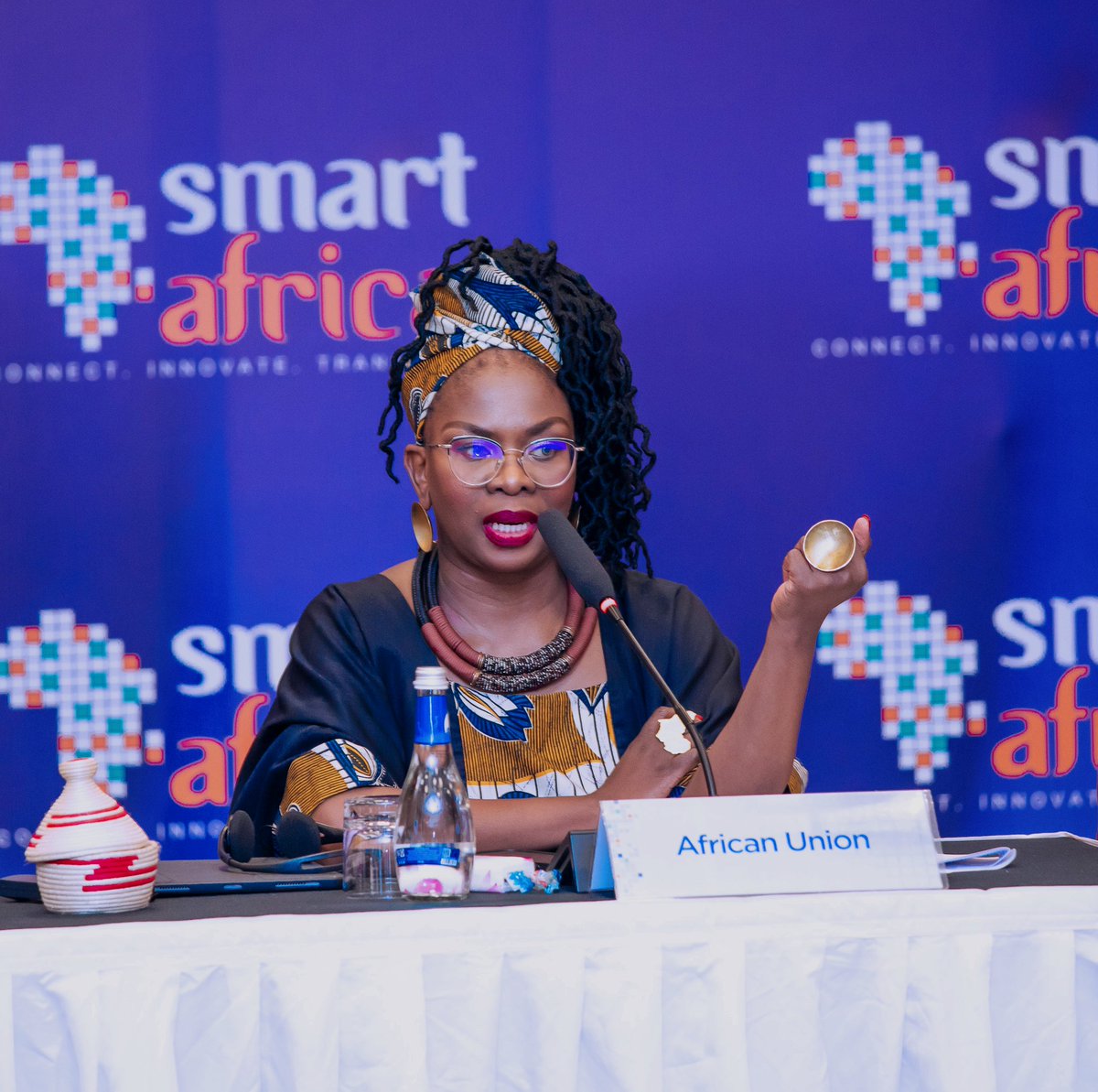
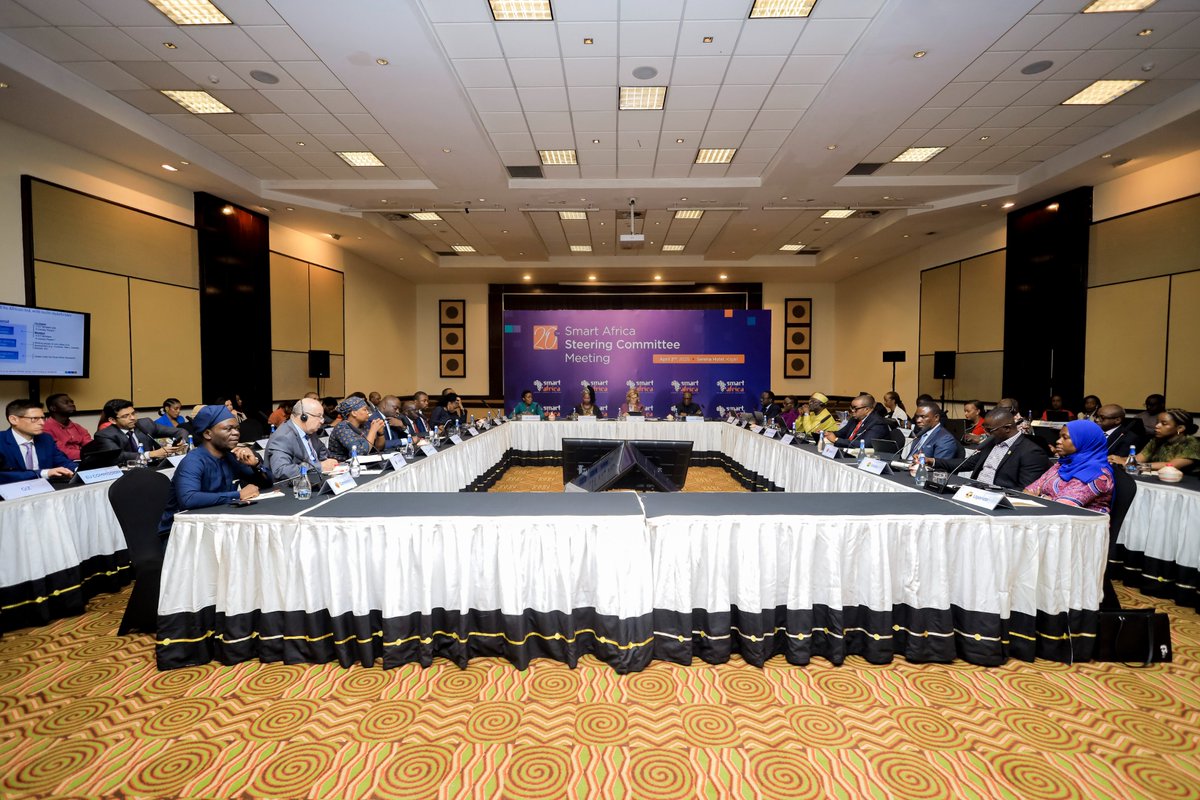
🌍"Digitization is pivotal in realizing the objectives of Agenda 2063. The @_AfricanUnion #DigitalTransformationStrategy envisions an integrated, inclusive digital society. Achieving this requires seamless collaboration from govts,private sector& African institutions" @LDMataboge
1
2
160