
53s
Last week, We hosted a delegation from Zambia's Smart Zambia Institute and other key government institutions for a digital learning tour focused on advancing public sector digital transformation.
Over the course of the visit, participants explored the building blocks of delivering digital government services at scale, including service digitization, infrastructure and data management, citizen adoption, digital payments, cybersecurity, institutional change management, and the policy frameworks that support sustainable transformation.
The exchange provided an opportunity to share practical lessons from Rwanda's digital transformation journey while fostering dialogue on how governments can accelerate access to efficient, citizen-centered services.


Faisal Hafeez retweeted

Budget Comment 10: FBR enters into digitization led tax widening mode!
Success of the reforms that include national faceless center, algorithmic based settlement, independent scrutiny, engagement of audit/accountants/tax experts to assess tax compliance.
Country is highly dependent on success of these reforms to widen the tax net in next 3-5 years and alleviate the burden on corporate, salaried class, SMEs, indirect taxes etc. Time to put all efforts on tax widening this year!
1
9
620

"The very entities pushing for the privatization and digitization of UK public infrastructure—sitting on advisory councils next to Lord Tugendhat at Trilantic Europe or advising Matt Hancock on NHS data—were deeply integrated into the private network of Jeffrey Epstein .."🎶
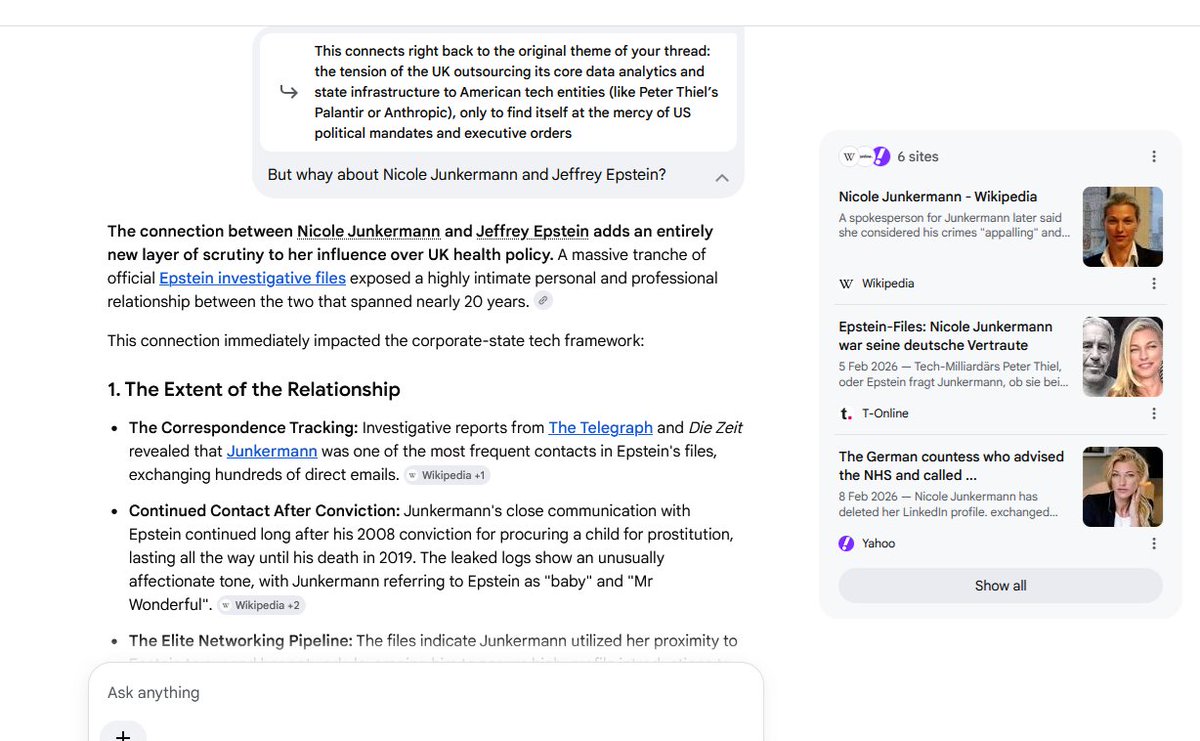
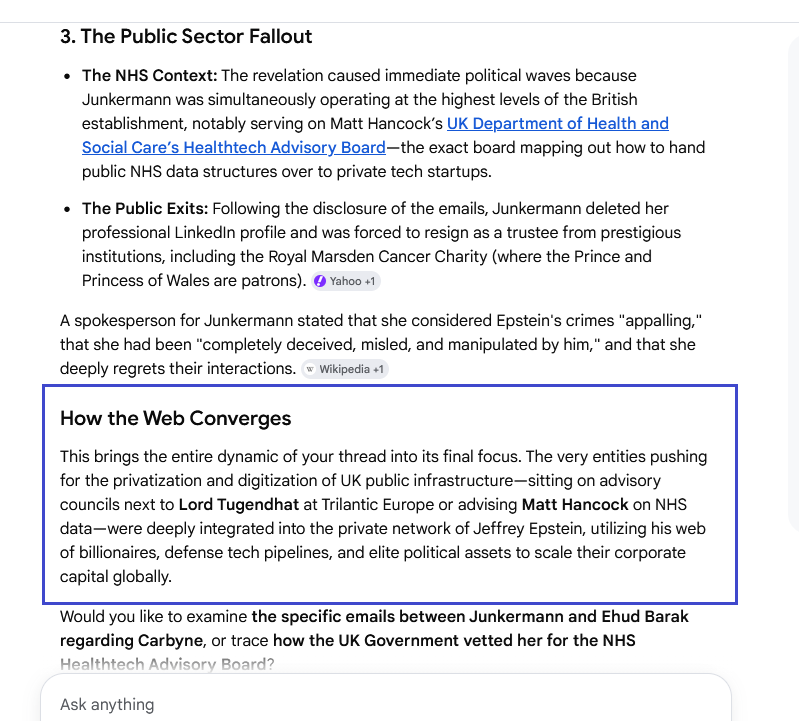
1
21

Automation is accelerating the world's digitization.
And China possesses exceptional capabilities on the hardware side.
This sense of fragmentation will accelerate until AI-generated video enters every household.

23

One important structural signal in crypto today is the connection between tokenized assets and AI agents.
This article compares today’s tokenization market with the early days of ETFs.
ETFs were also met with skepticism at the beginning.
But over time, they changed how investors access equities, bonds, commodities, and other assets, eventually becoming a major layer of market infrastructure.
Tokenized assets may be entering a similar phase.
But the deeper point is not simply putting assets on blockchain rails.
The structural change is that once assets become readable, tradable, and composable onchain, AI agents may eventually be able to monitor them, compare them, allocate capital, and rebalance portfolios in real time.
In that sense, RWA is not just the digitization of real-world assets.
It may become part of the capital allocation infrastructure for the AI era.
Stablecoins are liquidity.
RWA is the bridge to real-world assets.
Public blockchains such as Ethereum are potential financial operating systems.
AI agents may become new actors operating on top of that infrastructure.
The real question is not only:
What will go up?
It is:
Which asset structures will continue to be used?
Which networks can connect liquidity, trust, regulation, and portfolio management?
Which infrastructure can support capital movement in an AI-driven economy?
Crypto may be moving from a speculative market toward an infrastructure market.
We don’t just follow price.
We observe structure.
Structure Signals.
13
Shambhu Kumar singh retweeted

Galti sarkari system ki, saza aam aadmi ko. Bihar land record digitization mein hui errors ka burden citizens kyun uthayen? Accountability must come first. #Bihar #LandRecords #Justice
1
8

India never used double deflation and we have no other way to calculate infomal sector because even you know that it's next to impossible but after digitization(upi) gst and robust survey mechanism we implement double deflation and calculate it's infomal sector
4

Customs brokers say parts of the import clearance process remain heavily dependent on paper documents despite years of costly digitization efforts at the Bureau of Customs (BOC).
bnc.bilyonaryo.com/customs-s…
50

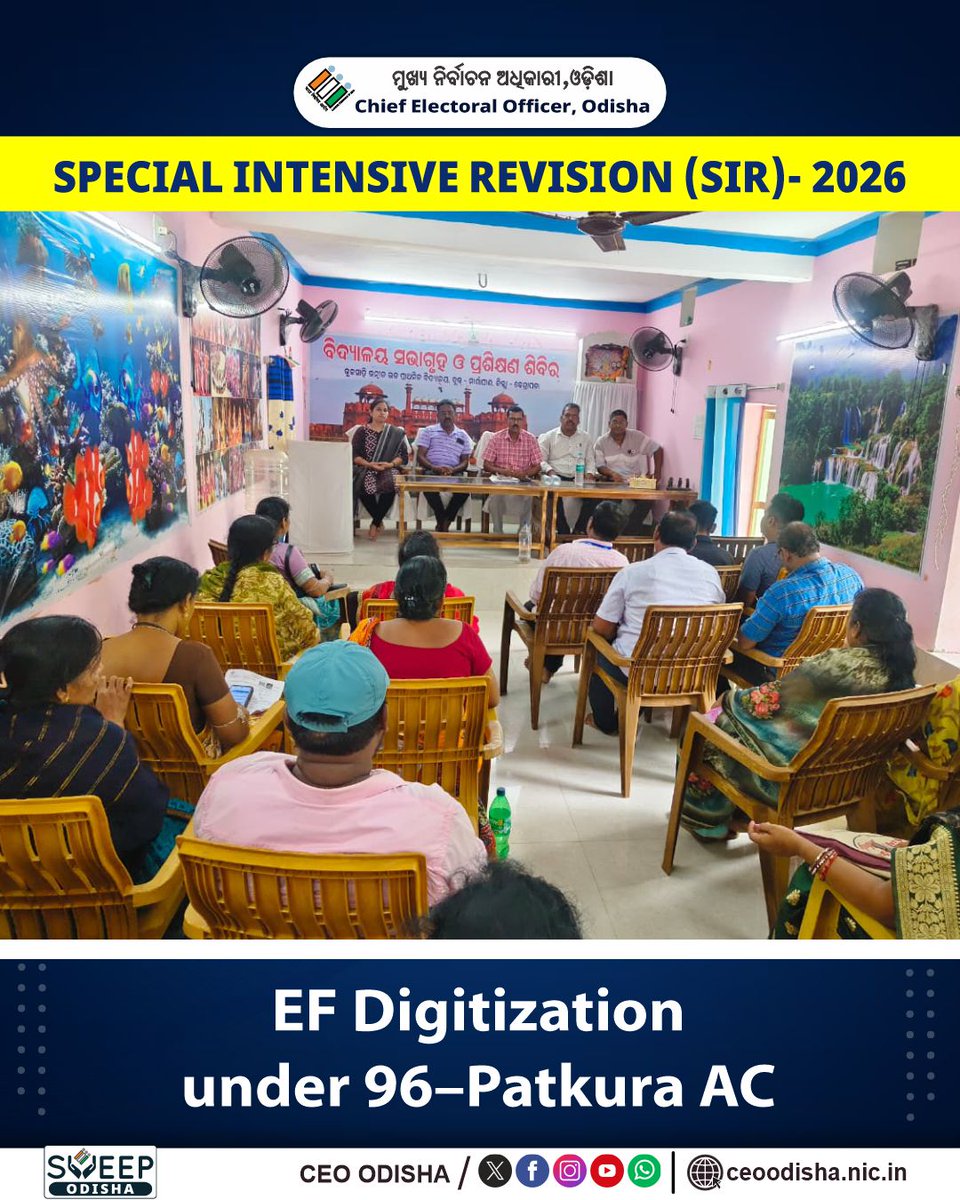
EF digitization activities were undertaken by BLOs and BLO Supervisors of 96–Patkura AC under the supervision of the BDO-cum-AERO, Marsaghai, as part of the Special Intensive Revision (SIR)-2026 process.
The activity focused on ensuring timely and accurate digitization of Enumeration Forms (EF), strengthening data quality and facilitating efficient electoral roll revision. Through close monitoring and coordinated efforts of field-level functionaries, the initiative aims to support a smooth, inclusive and error-free implementation of SIR-2026 activities.
#SIR2026 #ElectionCommission #BLO #BLOSupervisor #EnumerationForm #Digitization #Patkura #Kendrapara #Odisha
52

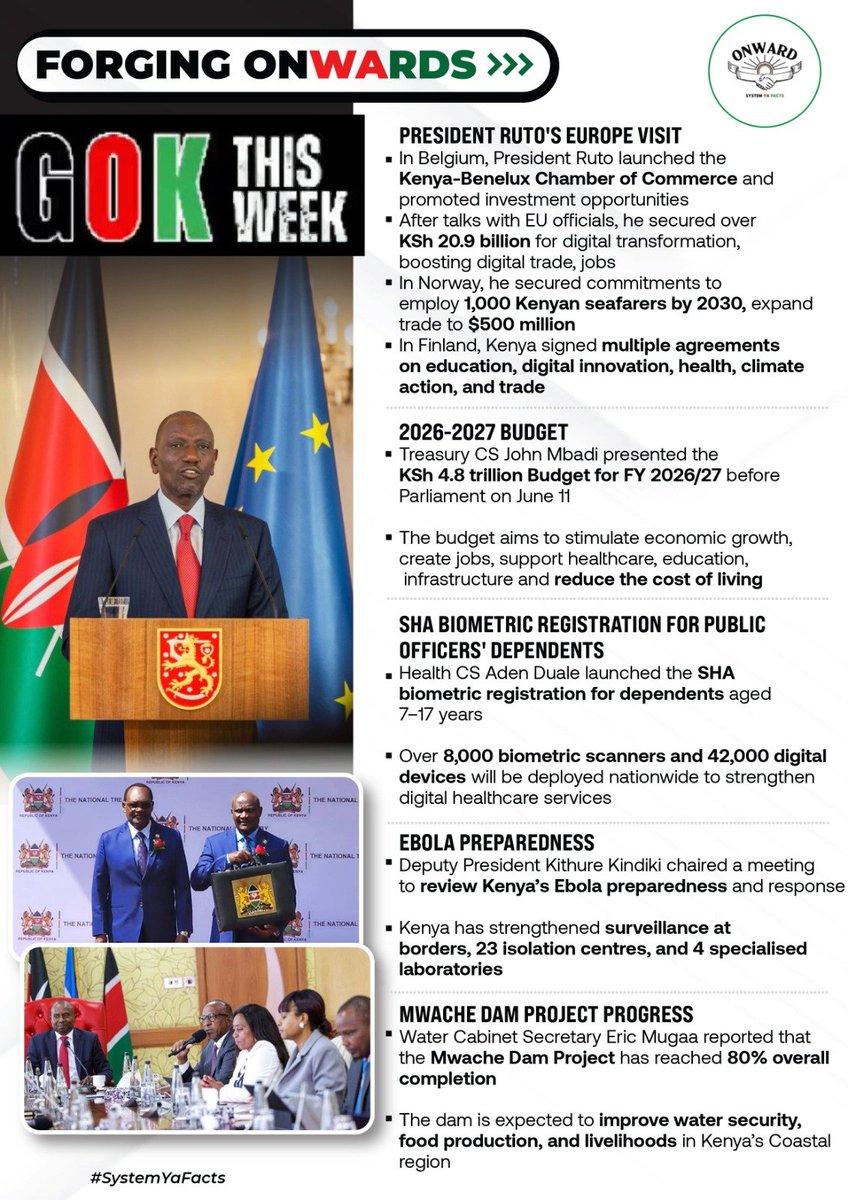
In Helsinki, strategic bilateral agreements were signed covering education, digitization, and the bioeconomy, creating fresh pathways for academic collaboration and sustainable industrial growth between Kenya and Finland.
#GOKThisWeek
Forging Onwards
5

The bilateral agreements signed with Finland also cover strategic cooperation in education, digitization, and the bioeconomy to support skills transfer and digital transformation.
#GOKThisWeek
Forging Onwards
1
3

Monicah Sey Wa Ruto 🇰🇪🇺🇸 retweeted

In Helsinki, Kenya and Finland signed agreements on climate action, education, digitization, innovation, the circular economy and the bioeconomy to deepen bilateral technological and green cooperation.
#GOKThisWeek
Forging Onwards
1
8
Rolex Rono Kirwogin. retweeted

Kenya and Finland strengthened cooperation in digitization, circular economy initiatives and bioeconomy development. #GOKThisWeek Forging Onwards.
 Bianca™
1
5

In Finland, agreements covering education, innovation, digitization, climate action, circular economy, and bioeconomy opened new avenues for collaboration. Forging Onwards #GOKThisWeek
1
6

Digitization pacts were finalized during the Helsinki state visit, aiming to accelerate public sector tech adoption and digital infrastructure. Forging Onwards #GOKThisWeek.
1
5
Rolex Rono Kirwogin. retweeted

Cooperation on digitization and innovation is expected to accelerate technological advancement and improve competitiveness.#GOKThisWeek
Forging Onwards.
 Nehemiah-The Breadwinner
3
11
Cal Paul retweeted

Forging Onwards, agreements signed with Finland on education and digitization will support Kenya’s journey toward a knowledge-driven economy. #GOKThisWeek
Nehemiah-The Breadwinner
4
18