
14h
6/6: Settle your deals and orchestrate your fulfillment natively in the Agentic Era:
👉 thedeals.ai
#Ecommerce #DirectToConsumer #Logistics #ViralBrands
11

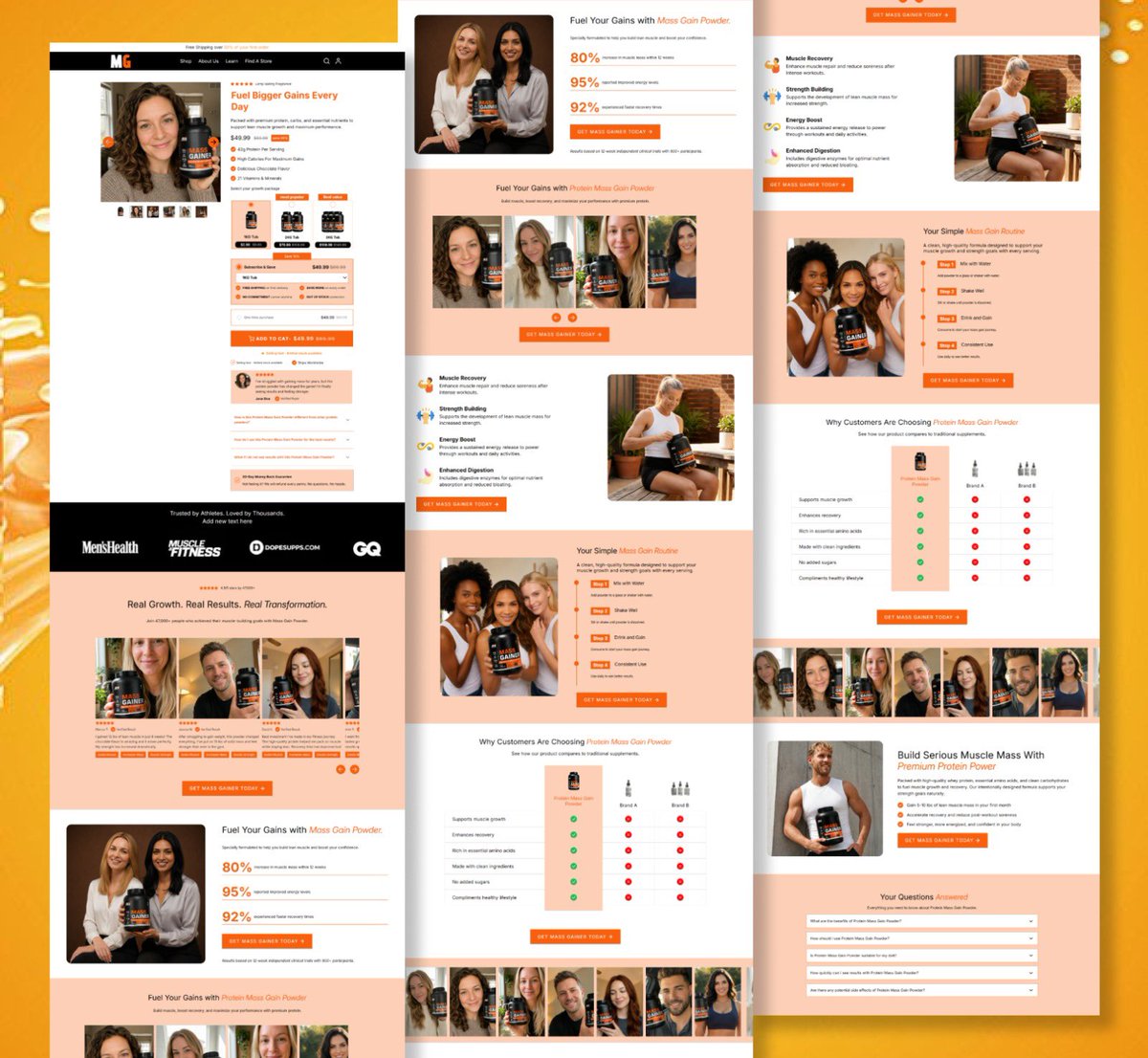
A high-converting PDP does 3 things:
Builds clarity
Builds trust
Builds desire
If your page is cluttered, confusing, or filled with weak messaging, you’re losing sales every day.
- Simplify the design.
- Strengthen the offer.
- Make the value impossible to miss.
Because customers don’t buy when they’re convinced.
They buy when they’re confident.
#EcommerceTips
#CROTips
#DTCBrand
#EcommerceBusiness
#BrandGrowth
#GrowthMarketing
#CustomerJourney
#ConversionDesign
#DirectToConsumer
#OnlineStoreGrowth
1
4
19
159

Small Business E-Commerce Strategy and Direct to Consumer Advantages
Small brands often make the mistake of trying to beat retail giants at their own game. They look at the massive shipping networks of Amazon, the lower pricing structures of Walmart, and the vast marketplace volume of eBay, and they try to compete on speed and cost.
Trying to beat a tech giant on logistics is a losing battle. They are optimized for massive volume, not specific customer connection.
The real strength of an independent e-commerce business model is the direct-to-consumer advantage. When you run your own online store, you are not just selling a product; you completely own the customer relationship, the data, and the entire shopping experience. Giants process transactions, but independent brands build community.
This focus shift completely changes how small businesses survive and win.
Instead of competing on thin profit margins, a small brand can focus entirely on niche specialization and deep product storytelling. Your own store allows you to create a frictionless, personalized customer journey that a massive, generic marketplace simply cannot replicate. You can gather direct feedback, launch updates instantly, and speak directly to a specific audience that cares about your unique value.
An online store should not be treated like a miniature version of a corporate marketplace. It is an independent, highly tailored conversion engine. The real victory for a small brand lies in agility, meaning the ability to adapt quickly, look after your customers personally, and build true brand loyalty that keeps people coming back.
The sustainable way forward is focusing on your own digital real estate, removing checkout friction, and telling an authentic brand story. This builds a real business asset that survives and stands out in a crowded market.
#DirectToConsumer #SmallBusinessStrategy #EcommerceGrowth

35

Jewelry Market: $385B by 2034
If luxury feels like a passport, who decides which baubles deserve your trust when prices swing like stock markets these days, 😅
Global jewelry market was valued at USD 240.65 billion in 2025 and is projected to rise to USD 385.83 billion by 2034, a roaring 18.5% CAGR. Growth is driven by rising disposable incomes, fashion shifts, and demand for branded, certified pieces. Asia-Pacific dominates with 43.80% share, led by robust retail networks; rings remain the largest product category, while gold jewelry holds about 48% of the market. 💎
Tech is rewriting the chain: AI fuels design, personalization, inventory forecasting, and smarter customer journeys. Lab-grown diamonds expand the luxury realm with affordability and ethics, while 3D printing speeds prototyping and reduces waste. Direct-to-consumer models and AR try-ons boost online conversion and blur lines with offline stores. 🤖
Opportunities bloom in omnichannel strategies, sustainable sourcing, and transparent certification across regions. Expect steady growth in Europe and a wave of livestream shopping and digital gold platforms in APAC. But beware price volatility, counterfeit risks online, and the regulatory thickets around hallmarking and authentication. Stay agile, invest in traceability, and design with the future in mind. 🔥
#JewelryMarket #LabGrownDiamonds #AIInRetail #DirectToConsumer
straitsresearch.com
Created By LastPosty lastposty.com
straitsresearch.com/report/j…

25

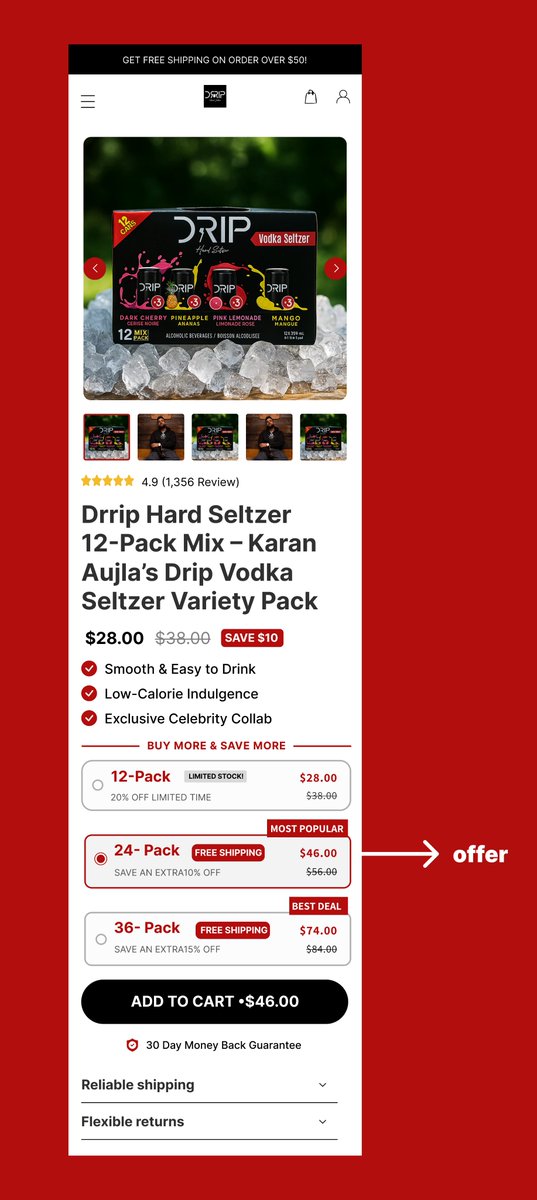
Design is important.
But clear messaging beats beautiful design every time.
A pretty page won't save a weak offer.
#eCommerce
#eCommerceGrowth
#eCommerceMarketing
#OnlineBusiness
#Shopify
#ShopifyStore
#DTC
#DirectToConsumer
#BrandGrowth
#ScalingBrands
19
162

May 21
Google just changed ecommerce, and most DTC brands haven’t noticed yet.
At Google I/O, they launched the Universal Cart.
A single shopping cart that works across:
• Google Search
• YouTube
• Gmail
• Gemini
But the important part is what happens in the background.
Google is now helping customers:
• Compare prices
• Find cheaper alternatives
• Track discounts
• Get restock alerts
All before they even land on your Shopify store.
That means:
Your pricing needs stronger positioning.
Your Merchant Center feed matters more than ever.
And your brand is now the only real moat.
Because when comparison becomes automatic, trust is what wins.
The brands that understand this early will dominate the next era of ecommerce.
The others will keep wondering why ROAS is dropping.
#ecommerce #shopify #dtc #googleio #branding #ecom #marketing #directtoconsumer
3
3
80

May 13
Selling glasses online once sounded impossible because customers supposedly needed to try them on in person. In this clip, David Bell explains how Warby Parker solved that problem with home try-ons and exposed the hidden monopoly controlling the eyewear industry.
#ecommerce #warbyparker #startupideas #directtoconsumer #businessstrategy
2
434

May 12
Behind India’s D2C Revolution: The Unfiltered Story!
The D2C landscape in India isn't just about products; it’s about crazy dreams, bold bets, and pivotal decisions that redefine growth. 🇮🇳
Join Forbes India & DTDC for an exclusive 8-part podcast series, "Behind India’s D2C Revolution." Hosted by Abhishek Chakraborty (CEO, DTDC Express Limited), we dive deep into the minds of the founders building India’s biggest homegrown brands.
From scaling local favourites to taking Bharat global, we’re breaking down the insights, the breakthroughs, and even the failures that paved the way for success.
Watch Live: 12th May at 4 PM
Platform: Forbes India | YouTube
To Know More Visit - ms.forbesindia.com/d2c-revol…
Scan the QR code in the video to tune in and witness the revolution first-hand!
#BehindIndiasD2CRevolution #ForbesIndia #DTDC #Entrepreneurship #HomegrownBrands #StartupIndia #BusinessInsights #DirectToConsumer #IndiaBusiness @DTDCIndia
3
1,417

May 12
Behind India’s D2C Revolution: The Unfiltered Story!
The D2C landscape in India isn't just about products; it’s about crazy dreams, bold bets, and pivotal decisions that redefine growth. 🇮🇳
Join Forbes India & DTDC for an exclusive 8-part podcast series, "Behind India’s D2C Revolution." Hosted by Abhishek Chakraborty (CEO, DTDC Express Limited), we dive deep into the minds of the founders building India’s biggest homegrown brands.
From scaling local favourites to taking Bharat global, we’re breaking down the insights, the breakthroughs, and even the failures that paved the way for success.
Watch Live: 12th May at 4 PM
Platform: Forbes India | YouTube
To Know More Visit - ms.forbesindia.com/d2c-revol…
Scan the QR code in the video to tune in and witness the revolution first-hand!
@DTDCIndia
#BehindIndiasD2CRevolution #ForbesIndia #DTDC #Entrepreneurship #HomegrownBrands #StartupIndia #BusinessInsights #DirectToConsumer #IndiaBusiness
1
241
10,436

May 12
Behind India’s D2C Revolution: The Unfiltered Story!
The D2C landscape in India isn't just about products; it’s about crazy dreams, bold bets, and pivotal decisions that redefine growth. 🇮🇳
Join Forbes India & DTDC for an exclusive 8-part podcast series, "Behind India’s D2C Revolution." Hosted by Abhishek Chakraborty (CEO, DTDC Express Limited), we dive deep into the minds of the founders building India’s biggest homegrown brands.
From scaling local favourites to taking Bharat global, we’re breaking down the insights, the breakthroughs, and even the failures that paved the way for success.
Watch Live: 12th May at 4 PM
Platform: Forbes India | YouTube
To Know More Visit - ms.forbesindia.com/d2c-revol…
Scan the QR code in the video to tune in and witness the revolution first-hand!
@DTDCIndia
#BehindIndiasD2CRevolution #ForbesIndia #DTDC #Entrepreneurship #HomegrownBrands #StartupIndia #BusinessInsights #DirectToConsumer #IndiaBusiness
1,026

Bill and Michelle Bakan from @MaizeValley talk about going from virtually zero grain storage to over 350K bu worth of storage in the mid 80s because of the Commodity Credit Organizations Grain Storage program.
Don't miss this episode at youtu.be/4eIT4uOUdT0
#FarmingPodcast #Agrotourism #FarmBusiness #DirectToConsumer #Agriculture #FarmLife #RuralEntrepreneur #ValueAddedAg #FarmMarketing #SmallBusiness #AgInnovation #FarmFamily #MidwestFarming #agribusiness #plant2026 #plant26 #BrandtAg
5
824

Apr 30
Decoding D2C Success!
Behind every great brand is a story of bold bets and pivotal decisions. Join Forbes India and @DTDCIndia for an exclusive new series, Behind India’s D2C Revolution, featuring the founders of your favorite homegrown brands!
From early-stage choices to global scaling, we're covering it all. Don't miss out!
Coming Soon to Forbes India.
#D2C #DirectToConsumer #ForbesIndia #DTDC #IndianBrands #BusinessNews #StartupIndia #Revolution
267
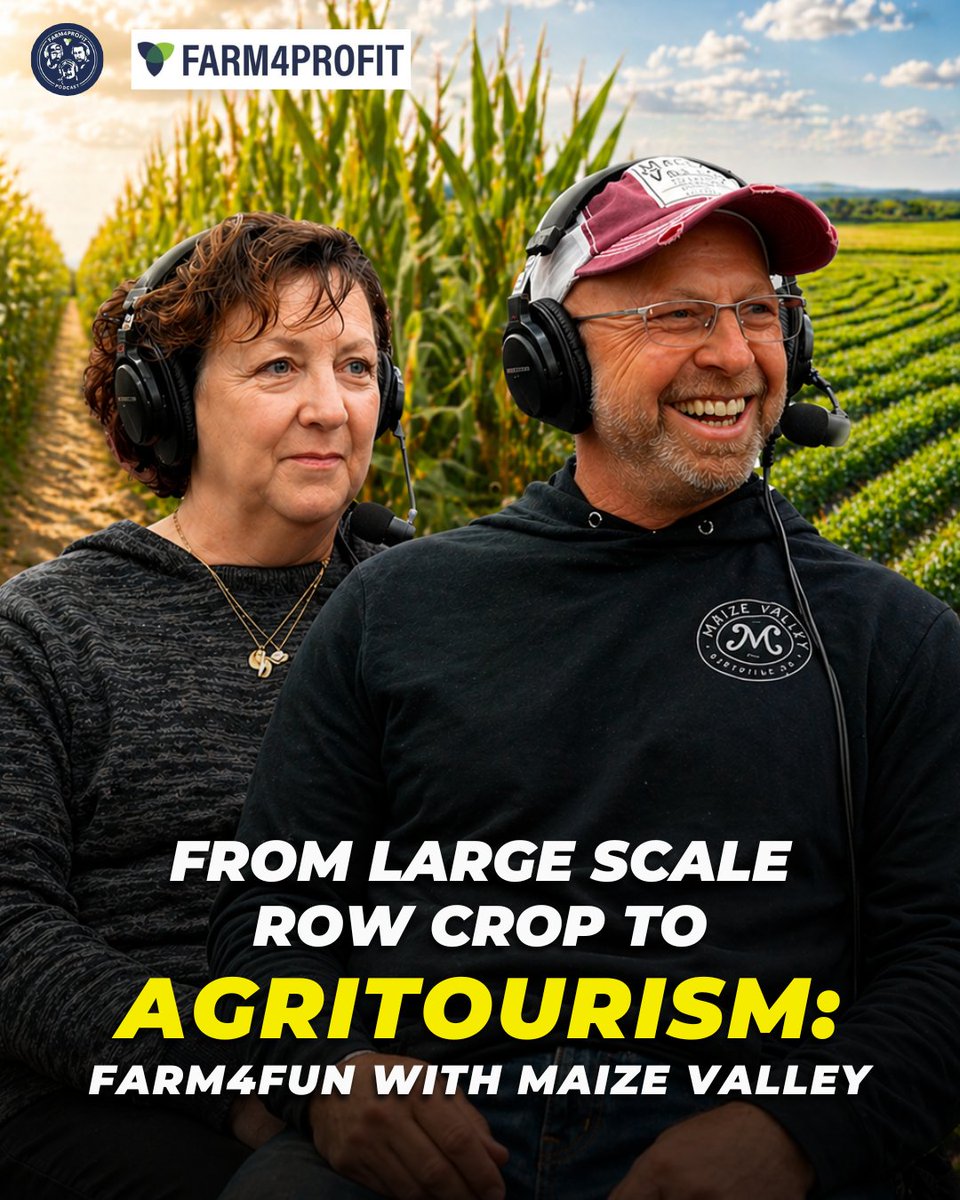
Bill and Michelle Bakan from @MaizeValley share a story that hits close to home for a lot of operations. What started as a large-scale farm with row crops, dairy, seed production, and ag services ran headfirst into the realities of the 80s and 90s farm economy. Faced with the possibility of losing everything, they made a decision that would completely reshape their future.
Instead of chasing commodity margins, they leaned into direct to consumer agriculture. That decision led to one of the most diverse agritourism operations in Ohio. Today Maize Valley features a busy farm market, winery, craft brewery, events nearly year-round, and experiences that bring thousands of people to the farm. From U-Cut sunflowers to weekly car cruise ins and a pumpkin cannon that draws crowds every fall, the business now generates revenue streams that outperform traditional cropping on far fewer acres.
In this episode, Bill and Michelle break down what pushed them to change, how they figured out what customers actually wanted, and the systems they built to keep evolving. They also share the realities of competing in a space where others enter with money, while they built it out of necessity. This is a conversation about survival, reinvention, and what it really takes to give a farm a second chance.
Watch now at youtu.be/4eIT4uOUdT0
#FarmingPodcast #Agrotourism #FarmBusiness #DirectToConsumer #Agriculture #FarmLife #RuralEntrepreneur #ValueAddedAg #FarmMarketing #SmallBusiness #AgInnovation #FarmFamily #MidwestFarming #agribusiness #plant2026 #plant26 #BrandtAg
1
3
682

6/ Product catalyst: STI home tests (launch 31.12.2025) with 50,000 pre-orders — potentially high-margin and highly growth-relevant for Q1-2026. #STI #DirectToConsumer
1
2
63

Apr 22
City life. Still protected. 🏙️🔐
You don’t need a house, a safe room, or “gun culture” to take your safety seriously.
I found an option that actually fits my space and lifestyle.
Took a quick quiz → got matched → done. Simple.
Urban doesn’t mean unprotected. 😎
Tap the link in bio & see what fits you.
#UrbanSelfDefense #FirstTimeGunOwner #NewGunOwnerLife #ApartmentDefense #CompactCarryLife #CityPreparedness #EcomBrands #DirectToConsumer #NicheEcommerce
5
49
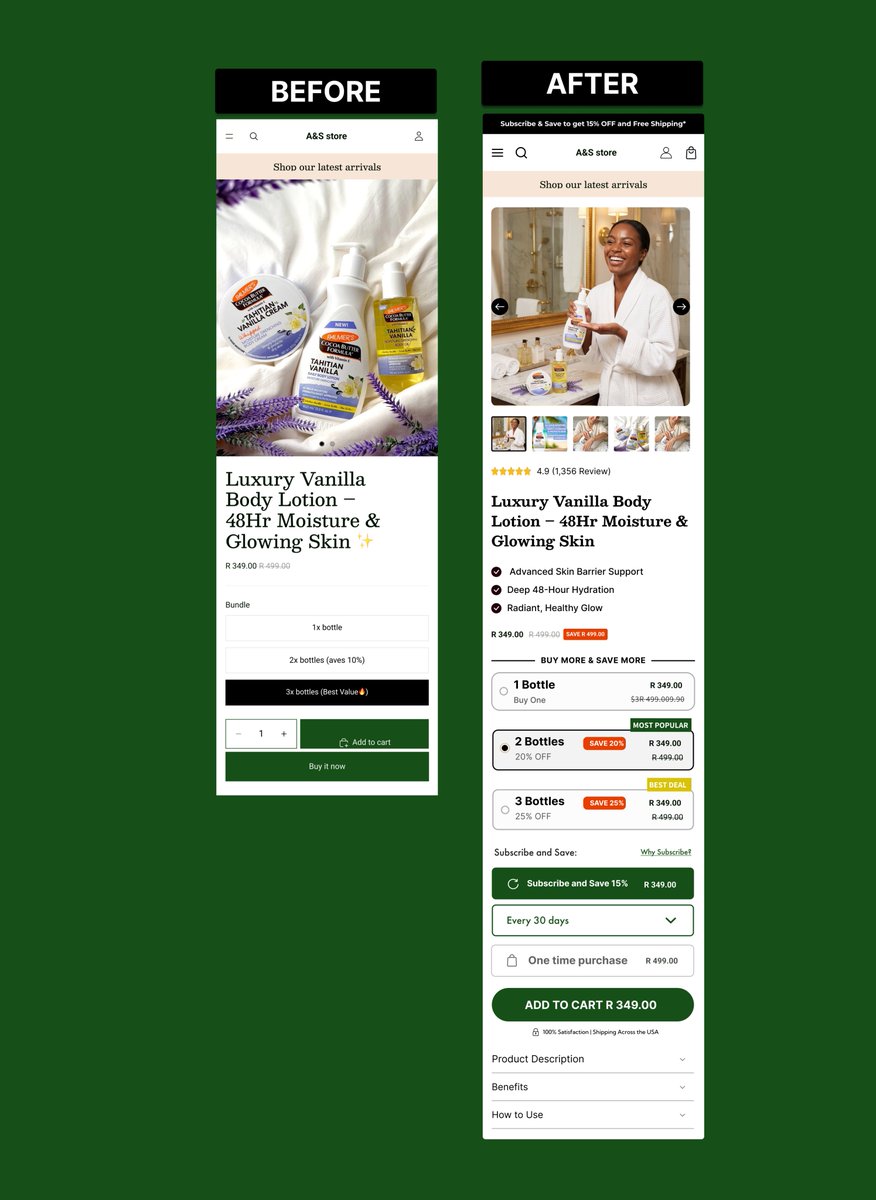
Most eCommerce brands don’t need more traffic…
They need a better product page.
Here’s a before vs after redesign I did
The original page wasn’t “bad”
but it lacked what actually drives conversions:
• No clear value proposition above the fold
• Weak product storytelling
• No real trust builders (reviews, proof, etc.)
• Confusing buying experience
So I fixed it by focusing on what matters:
→ Clear, benefit-driven headline (not just features)
→ Strong social proof to build instant trust
→ Structured bundle offers to increase AOV
→ Subscription option to boost LTV
→ Cleaner layout that guides the user to purchase
Same product.
Same traffic.
But now it’s built to convert.
If your product page isn’t converting, it’s not a traffic issue it’s a page issue.
DM me “REBUILD” and I’ll show you how I’d improve yours.
#ecommercegrowth
#ecommercemarketing
#shopifystore
#shopifydesign
#conversionrateoptimization
#cro
#productpage
#landingpagedesign
#directtoconsumer
#dtcbrand
#ecombrand
#brandowners
#onlinebusiness
#increaseconversions
#digitalmarketingstrategy
2
2
23
391

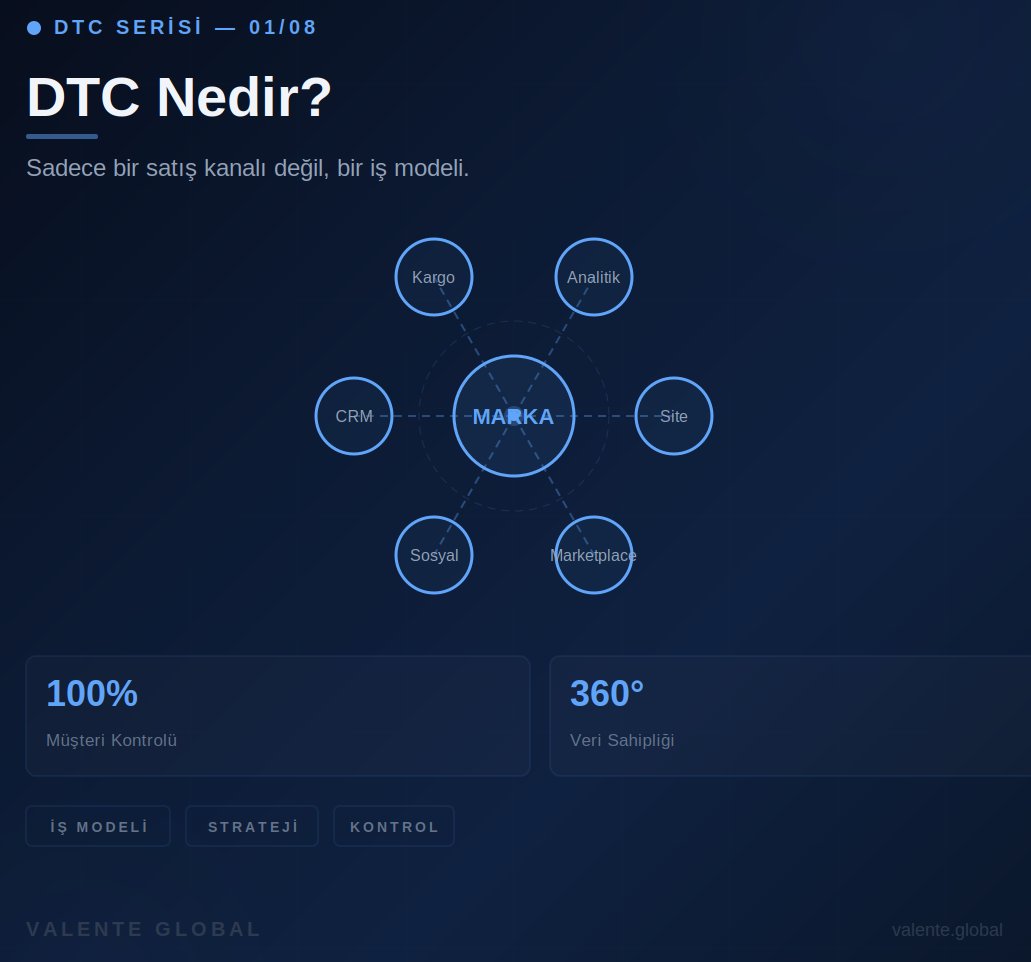
DTC Nedir?
Markaların online'da doğrudan tüketiciye ulaşması olarak bilinen DTC (Direct-to-Consumer), yalnızca bir satış kanalı değil — bir iş modelidir.
DTC, markanın üretimden tüketiciye kadar olan süreçte kontrolü elinde tuttuğu, müşteri ilişkisini doğrudan yönettiği ve büyümeyi ölçülebilir veriler üzerinden kurguladığı bir yapıdır.
Online satışta önemli olan sadece sipariş almak değil; kârlılığı yönetmek, müşteriyi tanımak ve nakit akışını öngörebilir kılmaktır.
DTC modeli, bu üç alanı tek bir strateji çatısı altında çözüme kavuşturur.
Önümüzdeki haftalarda DTC'nin temel bileşenlerini detaylı olarak ele alacağım.
#DTC #DirectToConsumer #Eticaret #OnlineSatış
3
287

I co-founded @QuadLockCase in 2011. We bootstrapped it from a Kickstarter project to a $500M exit.
I’m putting everything I learned down from product-market fit to exit.
No theory. No fluff. Just what works.
Register for FREE early access: thedtcplaybook.com
#DTC #ecommerce #founder #startup #directtoconsumer #shopify

4
2
9
281

Mar 12
Why do farmers get the least while consumers pay the most? BSV enables Peer-to-Peer marketplaces where farmers sell directly to retailers or families. Lower costs for you, higher profits for the people growing your food. #DirectToConsumer
5
69