
All discus are 20% OFF right now — including our stunning WYSIWYG selections! Bright colors, healthy & active fish ready to make your tank pop this summer. #DiscusFish
#AquariumLife
#FishLovers
#AquaticLife
#FishCommunity
1

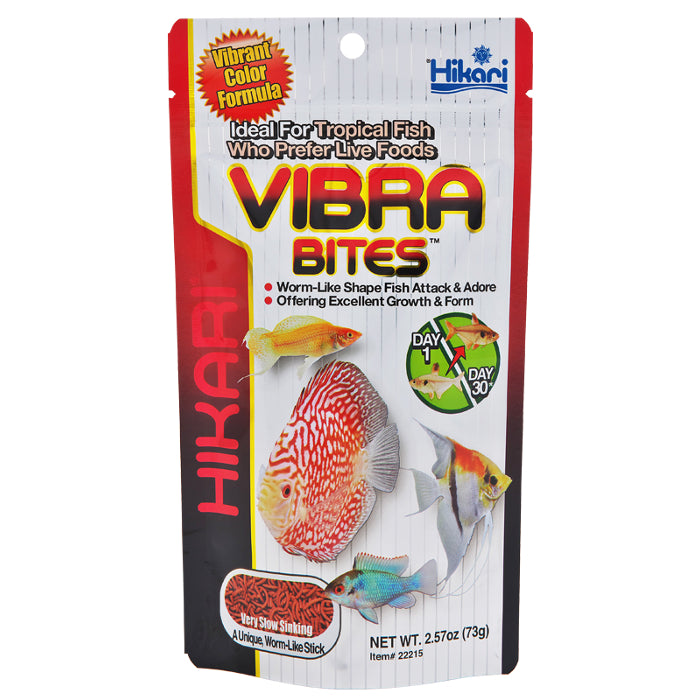
#Hikari Tropical Fish Food Vibra Bites Bloodworm Sticks 35/73/280g
#Bloodworm like stick that offers outstanding nutrition and exceptional colour enhancing properties, includes carefully selected colour enhancing ingredients including carotenoids!
#RealAquatics #FishFood #Discus #HikariFishFood #TropicalFish #AquariumLife #FishNutrition #DiscusFish #AquaticPets
Order here: ow.ly/k6L150X90nf
14
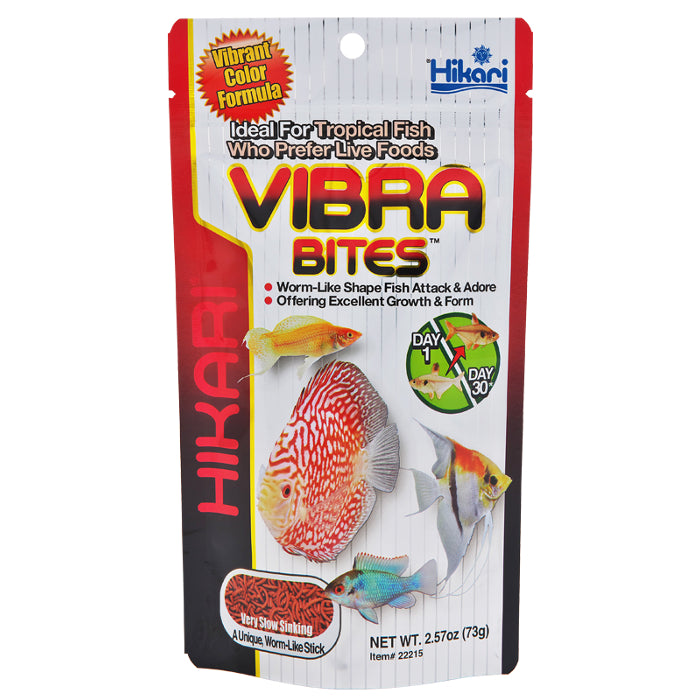
#Hikari Tropical Fish Food Vibra Bites Bloodworm Sticks 35/73/280g
#Bloodworm like stick that offers outstanding nutrition and exceptional colour enhancing properties, includes carefully selected colour enhancing ingredients including carotenoids!
#RealAquatics #FishFood #Discus #HikariFishFood #TropicalFish #AquariumLife #FishNutrition #DiscusFish #AquaticPets #FishKeeping
Order here: ow.ly/KfO750X90ow
10

Jun 11
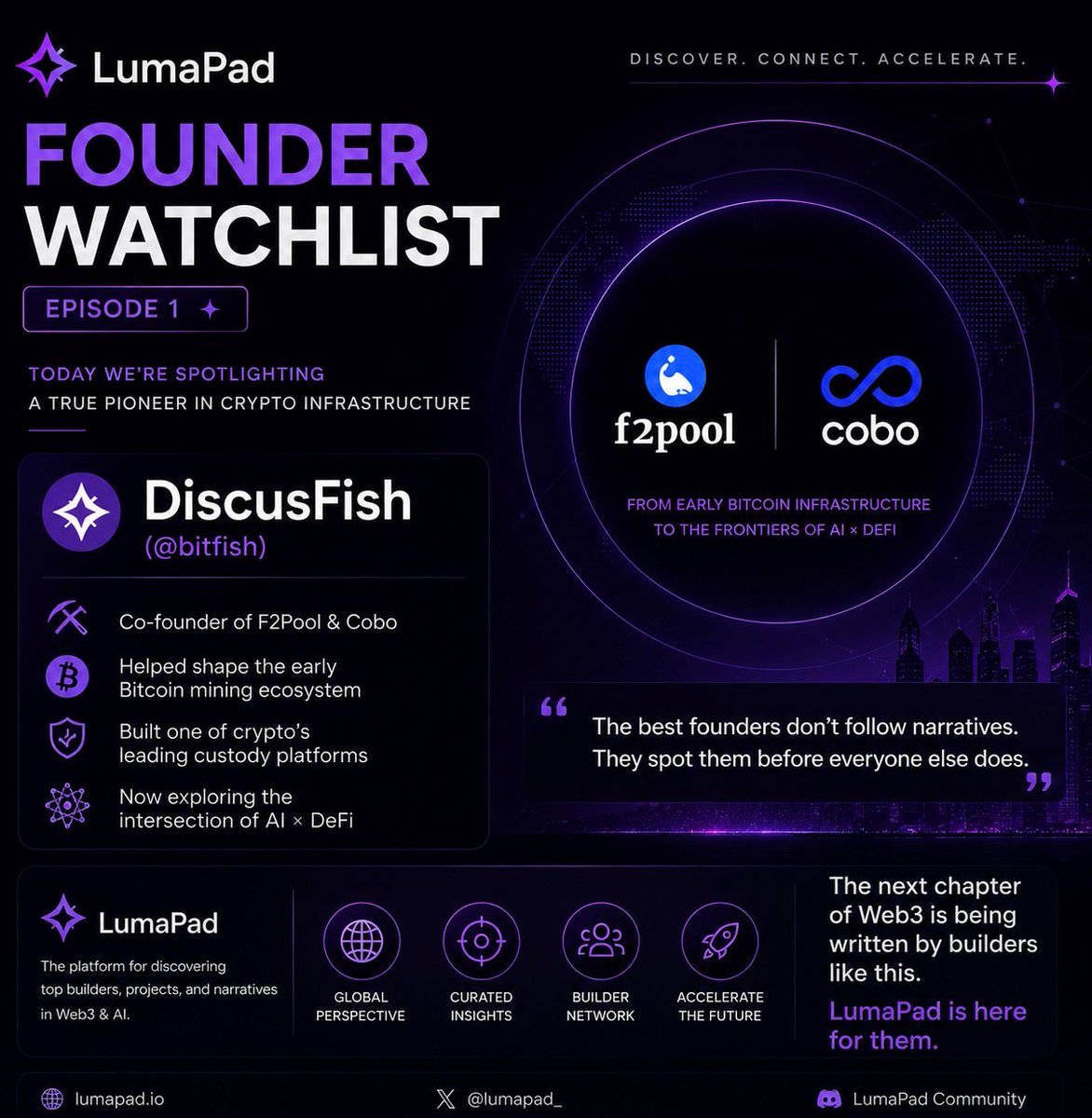
🚀 LumaPad Founder Watchlist | Episode 1
Today we're spotlighting a pioneer in crypto infrastructure:
@bitfish (DiscusFish)
🔹 Co-founder of F2Pool & Cobo
🔹 Helped shape the early Bitcoin mining ecosystem
🔹 Built one of crypto's leading custody platforms
🔹 Now exploring the intersection of AI × DeFi
The best founders don't follow narratives.
They spot them before everyone else does.
The next chapter of Web3 is being written by builders like this.
At LumaPad, we're tracking the builders shaping what's next.
Who should we feature in Episode 2?
Tag a founder, builder, or operator we're missing 👇
#Bitcoin #AI #DeFi #Web3 #Founder #LumaPadResearch
1
1
11
481
Guess who’s back? 😍 Our popular WYSIWYG (What You See Is What You Get) section is live again at Golden State Discus!
Hand-selected premium discus — vibrant colors, perfect patterns, and top condition. #DiscusFish
#AquariumLife
#FishLovers
#AquaticLife
3
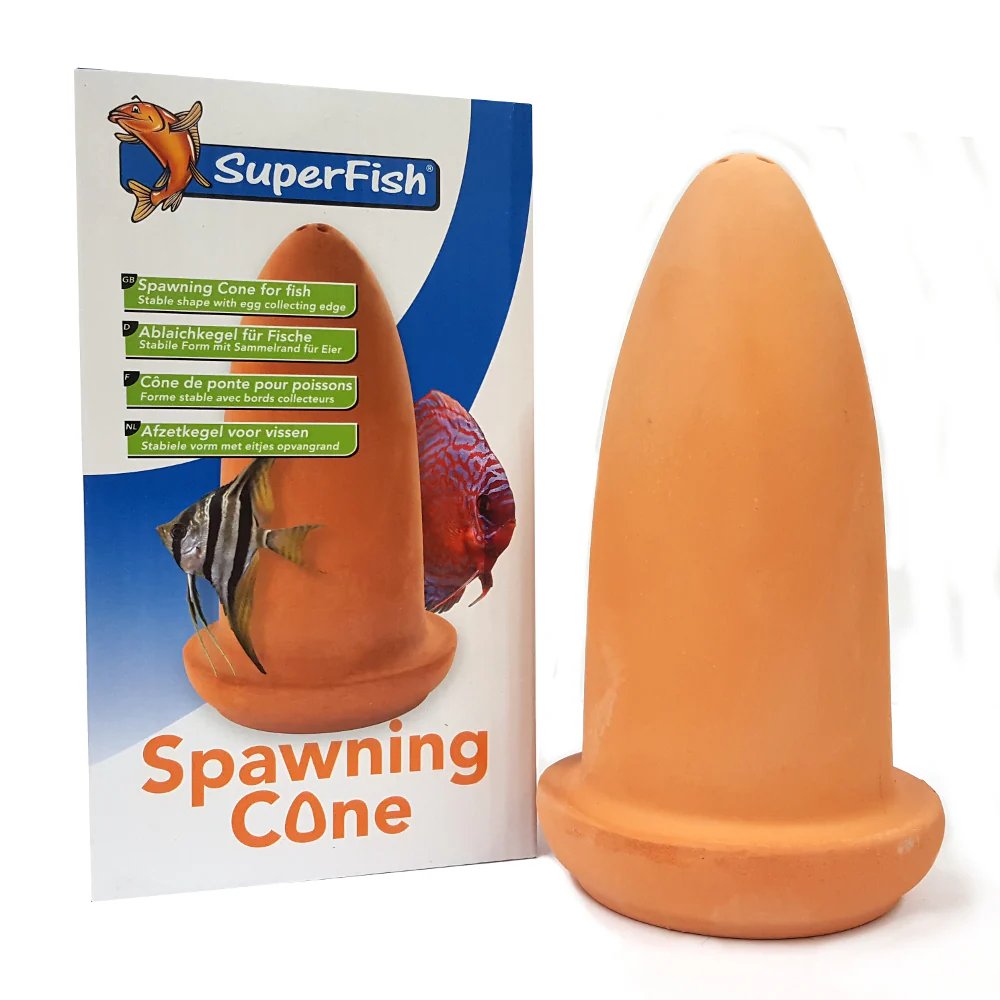
SuperFish Spawning Cone Angelfish & #Discus Breeding | £12.49!
The #Superfish Spawning Cone is suitable for breeding #Angelfish and Discus and is designed with a stable shape and an egg collecting rim round the bottom.
#RealAquatics #FishBreeding #AquariumSupplies #AngelfishBreeding #DiscusFish #AquariumHobby #FishTankAccessories
Order here: ow.ly/Fpvt50X92M6
41

May 12
生後60時間の稚魚たち🐟
上の方にいる子たちは尻尾を元気にブンブン振ってるけど、下の方の子たちはちょっと力がない…
やっぱり体着前にずり落ちちゃうのかな😢
元々200匹近くいたけど、今は100匹くらいに減りそう。
この先、体着まで生き残ってくれるのは一体何匹になるんだろう…
10匹でも十分嬉しいけど、なんとか耐えてくれー!!!🙏
#ディスカス #アクアリウム #熱帯魚 #discusfish
1
2
37
1,027
May 10
パラコニF1 経過報告🌶️
生後もうすぐ7ヶ月!
順調に育ってきて、ようやく赤みが少し滲み出てきました👍
まだまだこれから色づいていくと思うので、
赤くなっていく過程をこれからも定期的に上げていきますね✨
一緒に楽しんでくれたら嬉しいです!
#パラコニ #F1 #ワイルドディスカス #熱帯魚 #アクアリウム #discusfish
2
2
37
893
May 9
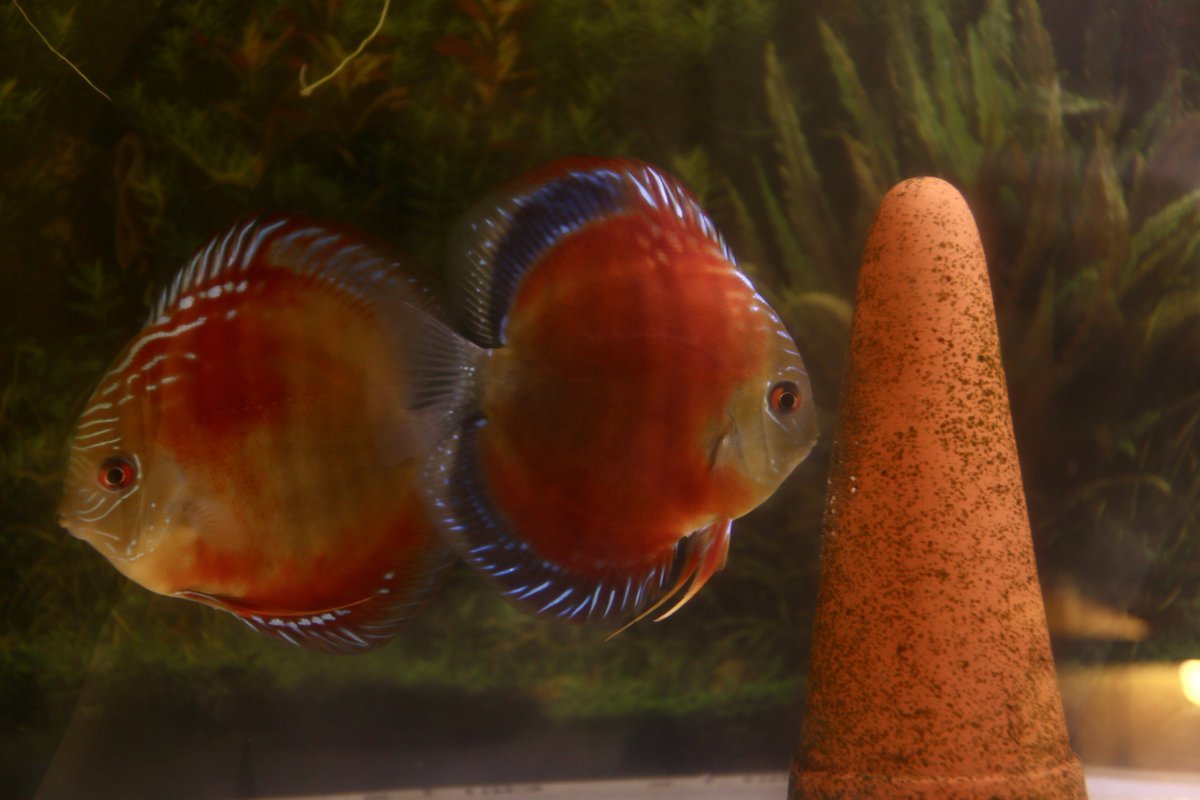
ついにこのペアの子が孵化!!
何度も挑戦してきて、孵化までは毎回辿り着くけど体着きがネックだった…。
今回は絶対に成功させたい!!
親のコンディションも最高潮です🔥
上からの動画も載せます!
#ディスカス #discusfish #アクアリウム #熱帯魚
1
33
392


May 8
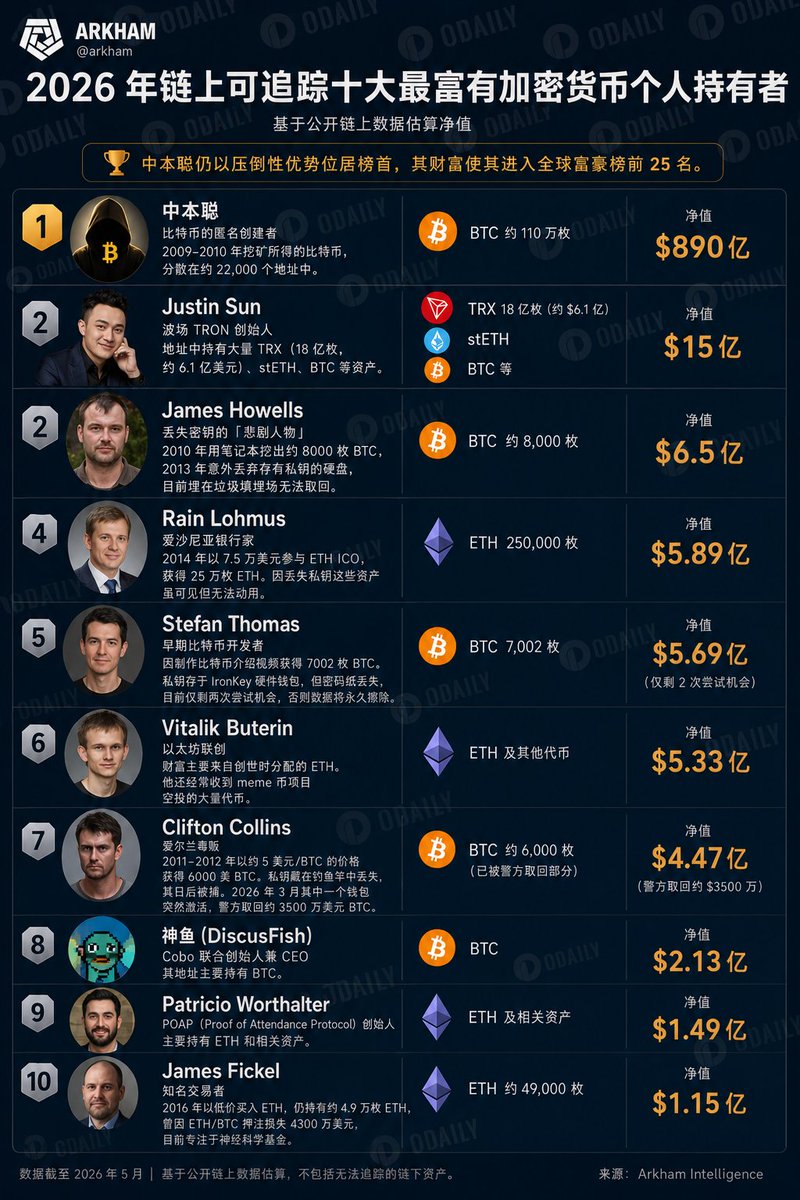
📊2026十大链上富豪:中本聪仍位居榜首,多个巨鲸私钥丢失
5 月 8 日,Arkham @arkham 发布最新报告列出 2026 年链上可追踪十大最富有加密货币个人持有者,基于公开链上数据估算净值,位居前列者的财富主要来自早期持有比特币或以太坊,中本聪仍以压倒性优势位居榜首。
1️⃣头名中本聪约 890 亿美元,比特币的匿名创建者仍是无可争议的最富有链上持有者。其财富全部来自 2009-2010 年挖矿所得的比特币,分散在约 22,000 个地址中。这笔财富使其进入全球富豪榜前 25 名。
2️⃣波场 TRON 创始人 Justin Sun @justinsuntron 约 15 亿美元,地址中持有大量 $TRX (18 亿枚,约 6.1 亿美元)、stETH、BTC 等资产。
2️⃣丢失密钥的「悲剧人物」James Howells 约 6.5 亿美元,其为威尔士 IT 工作者,2010 年用笔记本挖出约 8000 枚 BTC,2013 年意外丢弃存有私钥的硬盘,目前埋在垃圾填埋场无法取回。
4️⃣爱沙尼亚银行家 Rain Lohmus 约 5.89 亿美元,其 2014 年以 7.5 万美元参与 ETH IC0,获得 25 万枚 ETH。因丢失私钥这些资产虽可见但无法动用。
5️⃣早期比特币开发者 Stefan Thomas 约 5.69 亿美元,其因制作比特币介绍视频获得 7002 枚 BTC。私钥存于 IronKey 硬件钱包,但密码纸丢失,目前仅剩两次尝试机会,否则数据将永久擦除。
6️⃣以太坊联创 Vitalik Buterin @VitalikButerin 约 5.33 亿美元,其财富主要来自创世时分配的 ETH。他还经常收到 meme 币项目空投的大量代币。
7️⃣爱尔兰毒贩 Clifton Collins 约 4.47 亿美元,其 2011-2012 年以约 5 美元/BTC 的价格获得 6000 美 BTC。私钥藏在钓鱼竿中丢失,其日后被捕。2026 年 3 月其中一个钱包突然激活,警方取回约 3500 万美元 BTC。
8️⃣Cobo 联合创始人兼 CEO 神鱼(DiscusFish) 约 2.13 亿美元,其地址主要持有 BTC。
9️⃣POAP(Proof of Attendance Protocol)创始人 Patricio Worthalter 约 1.49 亿美元,主要持有 ETH 和相关资产。
🔟知名交易者 James Fickel 约 1.15 亿美元,其 2016 年以低价买入 ETH,仍持有约 4.9 万枚 ETH,曾因 ETH/BTC 押注损失 4300 万美元,目前专注于神经科学基金。

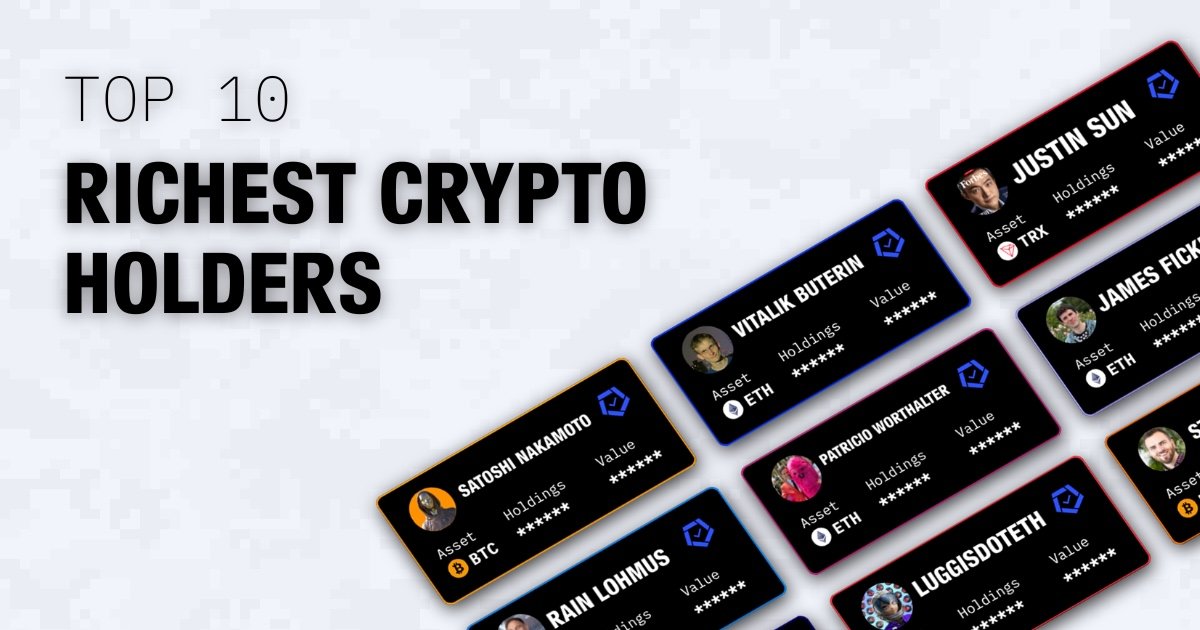
Crypto Rich List - Top 10 Richest Crypto Holders 2026
From Satoshi Nakamoto’s $89B Bitcoin fortune to lost wallets worth hundreds of millions, our research team analyzed the richest on-chain individuals in crypto.
Read the full breakdown of the top 10 holders below:
2
8
3,139

May 7
パート2✨
約10cmくらいに育った子たちです👍
完全にソリッドな個体もいれば、おでこや尻びれに綺麗なラインが出てる子も。
今日は餌を食べ過ぎた後なので、みんなまったりモード全開😂💤
ゆったり泳ぐ姿、動画でしっかり撮ってみました!
#ワイルドディスカス #パラコニ #discusfish #熱帯魚
1
1
36
908

Apr 27
币圈朋友必须关注的十个宝藏博主!特别是最后一个,绝对值得关注!
1.Colin Wu (@colinwu)
吴说区块链创始人,前比特大陆营销总监、资深记者。
理由:中文币圈“新闻天花板”,每天推送行业一手资讯、监管动态、项目深度解读。客观中立、速度快,是想第一时间掌握币圈大事件的必关注对象。
2. 大宇 (@BTCdayu)
知名加密OG,社区内容创作者。
理由:粉丝超26万,提供市场分析、DeFi实操、项目洞察,还运营Telegram群互动。内容接地气、参与感强,适合想边学边参与的散户和中级玩家。
3. 0xCrypto巫(@Cryptowushi)
专注散户Alpha的实战KOL。
理由:专攻测试网、空投、Pre-TGE项目参与指南,手把手教怎么薅羊毛赚积分。实用性极高,尤其适合喜欢撸毛、新项目早鸟机会的用户。
4. 神鱼 / DiscusFish (@bitfish)
F2Pool & Cobo联合创始人,早期矿池OG。
理由:链上老炮儿视角,提供深度链上分析和行业历史复盘。内容硬核、不跟风,适合想建立正确认知、避免FOMO的老手。
5. 余弦 (@evilcos)
SlowMist安全团队创始人。
理由:币圈“安全卫士”,实时预警黑客事件、智能合约风险、钱包安全。每次出事第一个看到他分析,能有效避坑。
6. 何币 (@hebi555)
币圈撸毛 段子手代表。
理由:幽默风趣 实用空投信息结合,热点快报快、表情包多,不会枯燥。适合想轻松获取Alpha又不累的日常刷推用户。
7. Lone Crane.hl (@zksgu)
市场洞察 幽默型KOL。
理由:锐利的市场点评、Meme文化分析 空投机会分享,互动强。内容兼具专业与娱乐,特别适合香港用户捕捉亚洲/中文圈热点。
8. sanyi.eth (@sanyi_eth_)
中文圈热门实战型KOL。
理由:粉丝超12万,专注二级市场、项目复盘和交易思路。分析逻辑清晰、更新频繁,是想提升交易认知的中级投资者的好老师。
9. PPP的梦想是买一辆二手车 (@Web3454354)
大圣资本Co-Founder、🦜鸟币志愿者、MEME专家、业余链上分析师、13年入圈老韭菜。
理由:真实的一线散户 老韭菜视角,专注MEME生态、链上实战心得和社区发声(包括1011事件受害者支持)。经历过21年MEME暴富后“凭实力亏完”的完整周期,现在边回血边分享干货和真实情绪,适合想看接地气MEME机会、避坑心得和中文社区一线动态的用户。粉丝约4500 ,互动真实不端着。
18
2
23
5,071

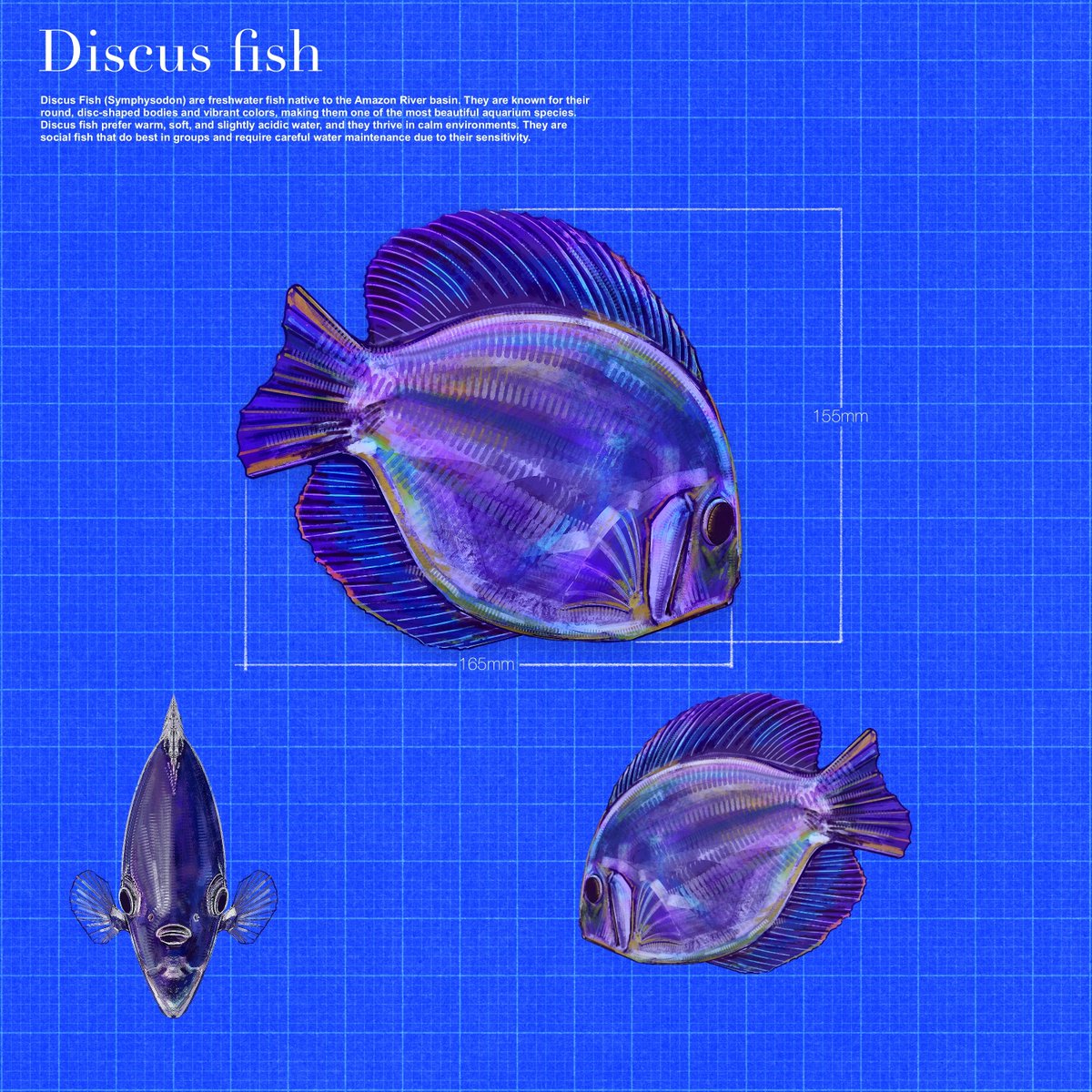
Discus fish - 디스커스 물고기 그리기
@Cuda @Procreate
#그림러_𝕏친소 #blueprint #illustration #イラスト #discusfish #digitalpainting #conceptart #procreate #procreateart
13
310

Feb 26
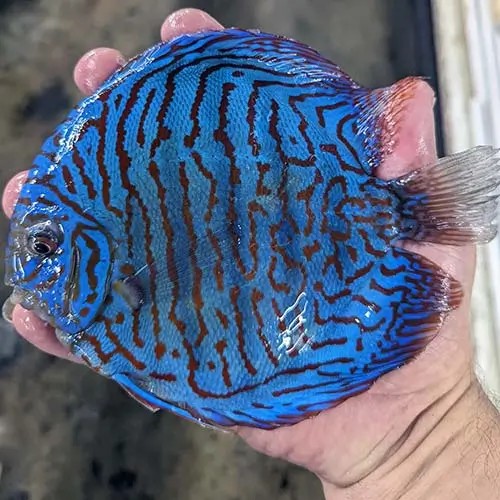
Unleash bold beauty with Tiger Turquoise Discus! Electric blue scales, striking tiger stripes—a must for any show tank. 🐯🐠⚡️✨ Get yours: 👉 wattleydiscus.com/product/ti…
#TigerTurquoise #DiscusFish #WattleyDiscus #AquariumHobby #FreshwaterFish
2
24

The multi-billionaire behind one of Bitcoin's largest mining pools just dropped $30K on a setup he refuses to put in the cloud. Here is the "OpenClaw" architecture @bitfish is using to stay ahead:
1/ Privacy Is Survival Infrastructure, Not a Feature
DiscusFish did not buy that DGX Spark to save API costs. He bought it to keep his data off the internet entirely. His local gateway tokenizes all PII before any bit leaves the building, creating a physical air-gap for trade secrets. When you are managing billions, "trust the vendor" is not a strategy—it is a liability.
2/ The Lobster Swarm: Multi-Agent Consensus Against Hallucinations
Instead of betting on one model's guess, DiscusFish runs a "lobster cluster" where Researcher, Skeptic, and Executor agents force each other to prove every claim. Like blockchain validators reaching consensus, they cross-check outputs through adversarial debate—killing hallucinations before they reach the user. One brain lies; three brains arguing rarely do.
3/ Breaking the Goldfish Problem
Every ChatGPT session starts as a stranger. DiscusFish's unified memory layer persists context across Kimi, Claude, and local Llama instances, recalling last week's deal details and insights from 500 books regardless of which model answers today. While SaaS AI resets every conversation, his stack builds actual organizational continuity.
Feb 26

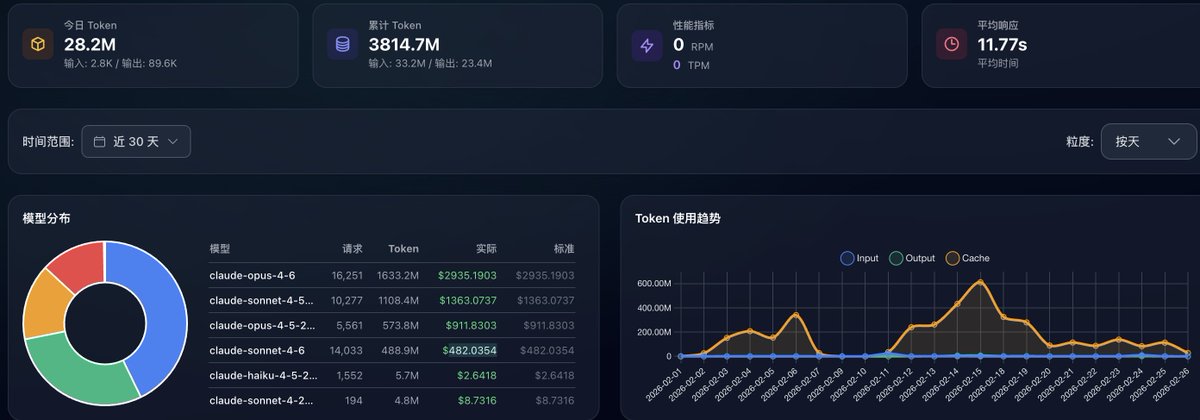
沉迷 OpenClaw 一个月,烧了38亿token
接了三家国产大模型订阅备份,
运维十来个看板,
接管了内网DGX spark,跑着本地开源模型
这是底层
在这之上,我搭了几件东西:
记忆系统
本地LLM智能网关 PII隐私管理
梳理了500 本书、
几十篇文章和概念的知识库
构建了两套系统:
① 信息输入 世界结构走向的观测系统;
② 龙虾集群的生命观察——多智能体之间的行为涌现;
一个看世界,一个造世界
1
648

Feb 3
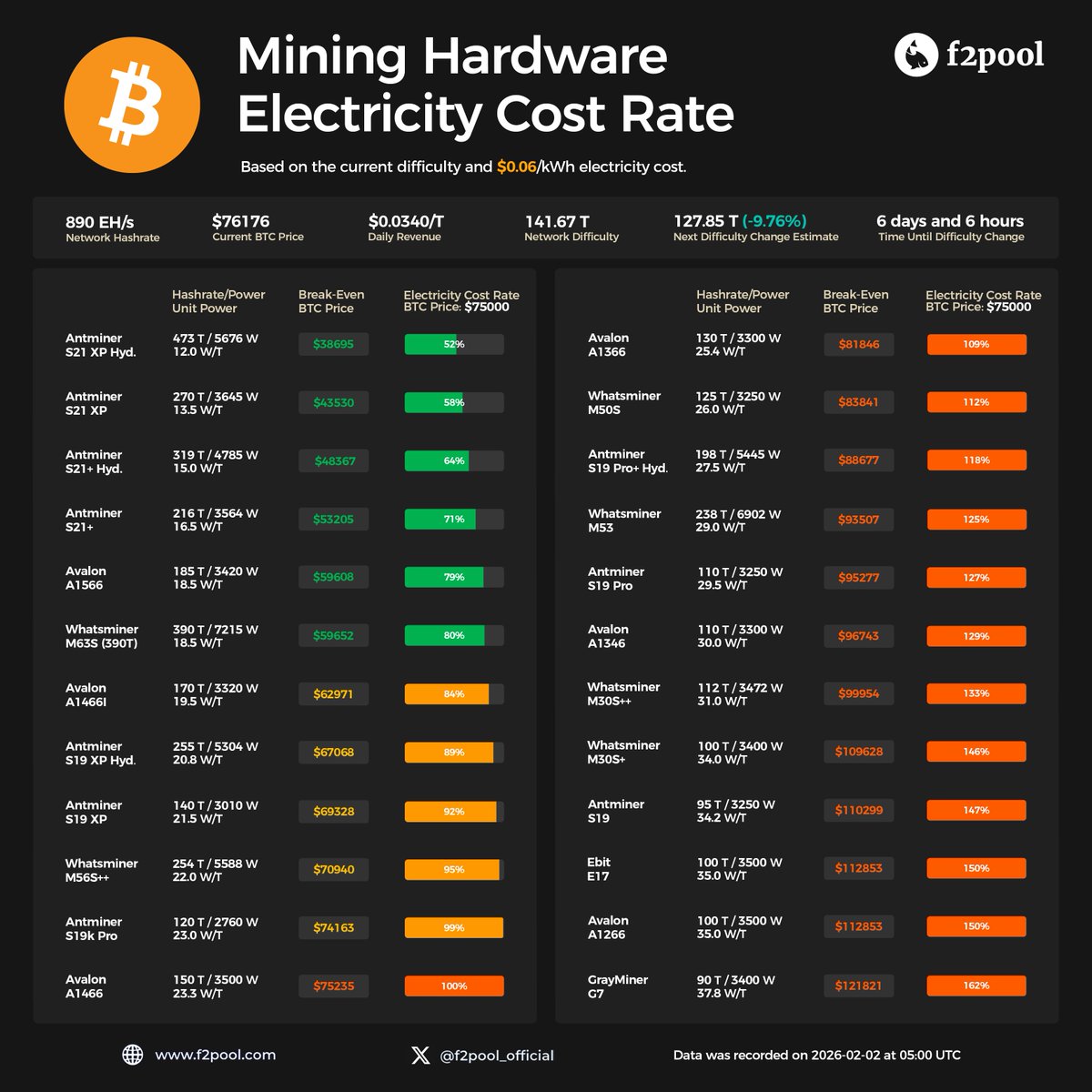
F2POOL创始人神鱼发布最新关机价,其中S21系列的都跌到了关机价(75000),和我3天前算的是不是差不多?当时我预估主流矿机平均成就在7.5w附近!@DiscusFish
Feb 2
更新下关机币价
2
121

Feb 2
神鱼:当比特币跌至7.5万美元时,23.3W/T矿机将达关机价
Cobo & F2pool 联合创始人神鱼(DiscusFish)转发最新关机币价图显示,比特币本周下跌近 15%。
当比特币价格达到 7.5 万美元时,单台功率为 23.3W/T 的矿机将达到盈亏平衡点(即关机价)。
Feb 2
更新下关机币价
5
7
27
19,664

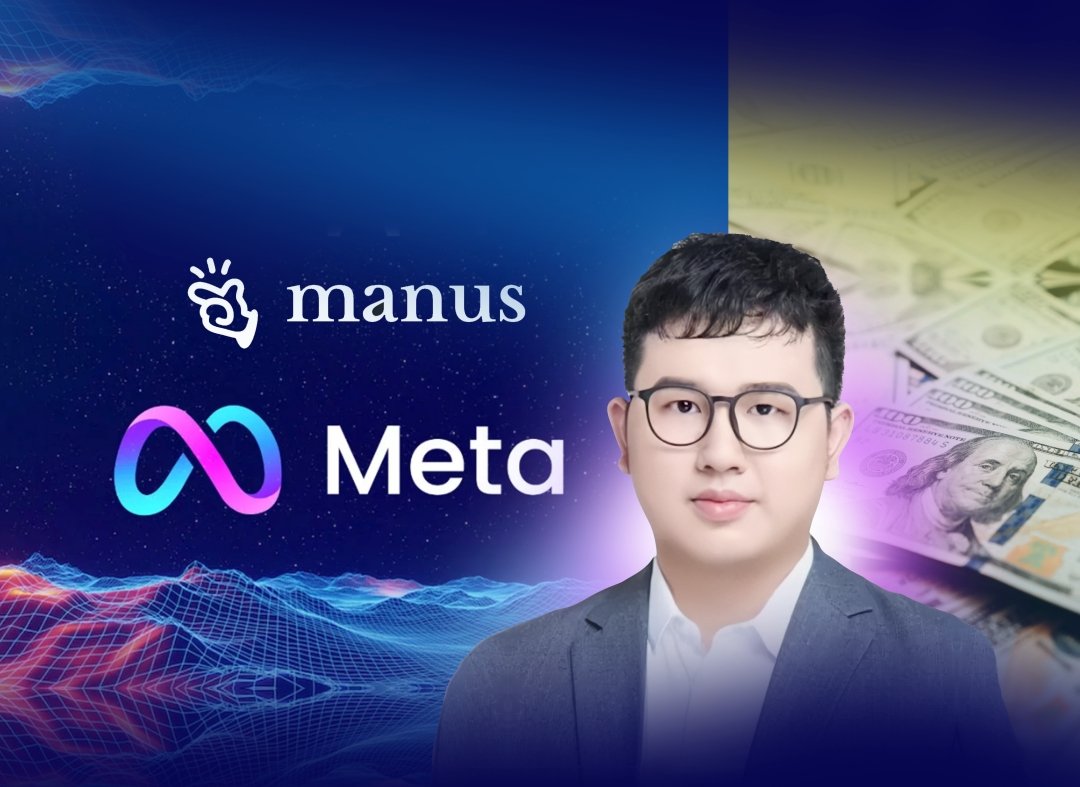
From Bitcoin intern to Meta VP: The incredible journey of Manus founder Xiao Hong!
In 2013, while studying at Huazhong University, Xiao interned at 壹比特, a Bitcoin project alongside early Chinese crypto pioneers like @DiscusFish (F2Pool/Cobo co-founder). He listed "btc hodler" in his bio and HODLed through multiple cycles.
Fast forward to Dec 2025: Meta acquired his AI agent company Manus for $2B 🎯
As @DiscusFish noted: "From Bitcoin to AI agents. The times have changed."
The ultimate crossover story: early crypto conviction → AI innovation → Big Tech leadership. A decade-long bet that paid off massively.
Crypto natives are shaping the future beyond blockchain. 🔥
7
9
1,256